
Digital nomads have evolved from backpacking freelancers to conscious global citizens redefining how and where we live. The new generation of nomads isn’t chasing Wi-Fi alone—they’re choosing eco cities that harmonize productivity, community, and environmental ethics. From Europe’s cycling capitals to Asia’s slow-living hubs, these destinations balance innovation with sustainability.
For a deeper look at the evolution of sustainable remote-work destinations and how technology, culture, and green design intersect, explore our cornerstone guide Digital Nomad Eco Cities 2025: Where to Work & Wander Sustainably. It breaks down policy frameworks, global rankings, and long-term sustainability trends shaping the cities featured below.
In this 2025 guide, we highlight ten cities leading the global shift toward digital nomad eco-living. Each combines renewable energy, forward-thinking design, and thriving creative scenes—proof that remote work can heal, not harm, the planet.
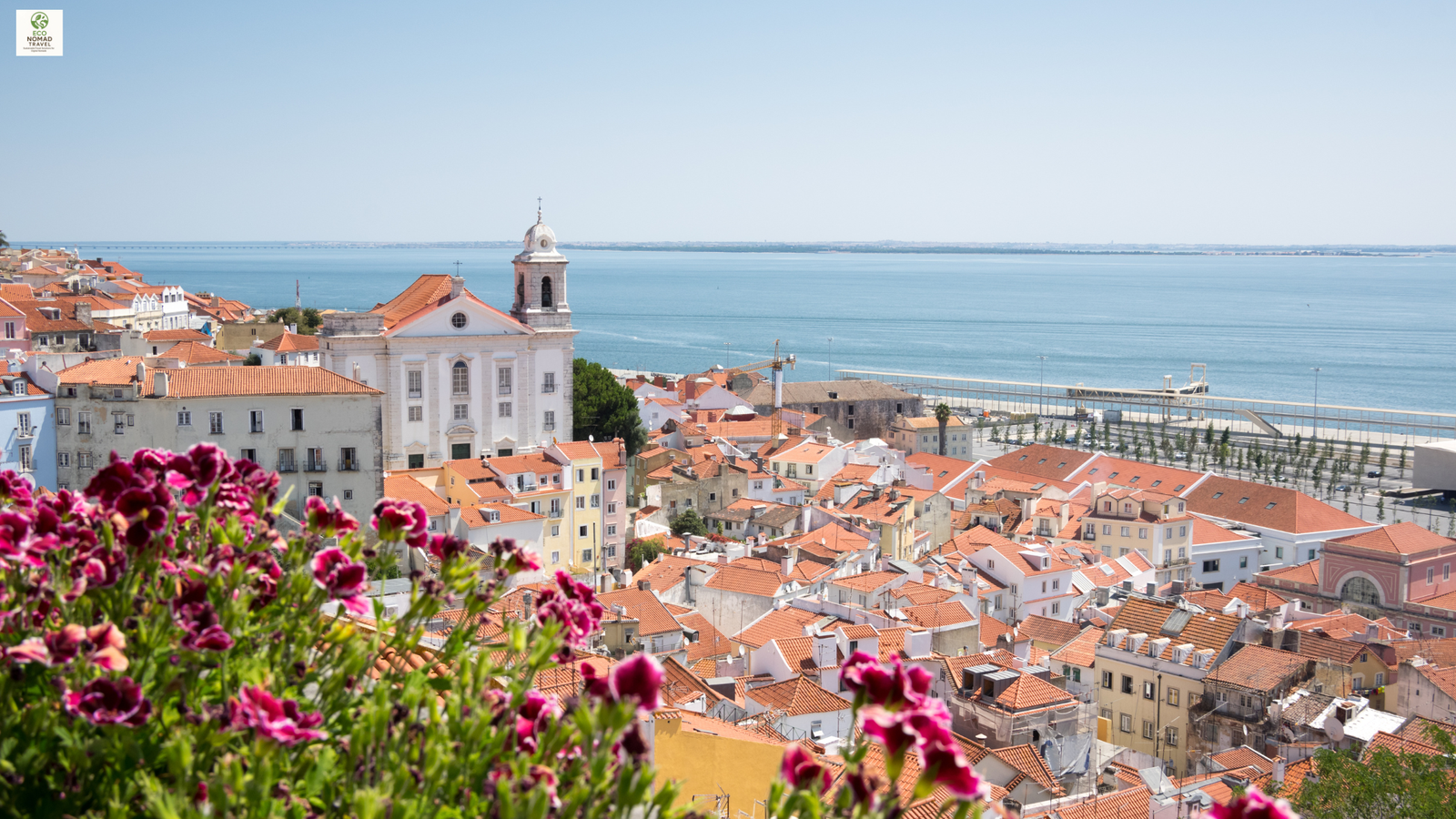
1. Lisbon, Portugal — Europe’s Sun-Powered Startup Harbor
Lisbon’s golden light fuels more than postcards—it powers a rapidly growing remote-work ecosystem built on solar energy and social inclusion. The city’s riverside districts host dozens of eco-certified coworking hubs, many inside renovated factories that now hum with purpose-driven startups.
Portugal’s digital-nomad visa and year-round mild climate make staying easy, while the municipal “Lisboa Verde” initiative expands green roofs and bike lanes. Weekly sustainability meetups link locals and expats over fair-trade coffee, proving eco-innovation and creativity thrive together by the Tagus River.
Don’t miss the LX Factory Sunday Market—Lisbon’s beating heart of recycled art and vegan bites. For weekend escapes, take an eco-train from Lisbon to Porto and experience coastal Portugal at a slower, greener pace.
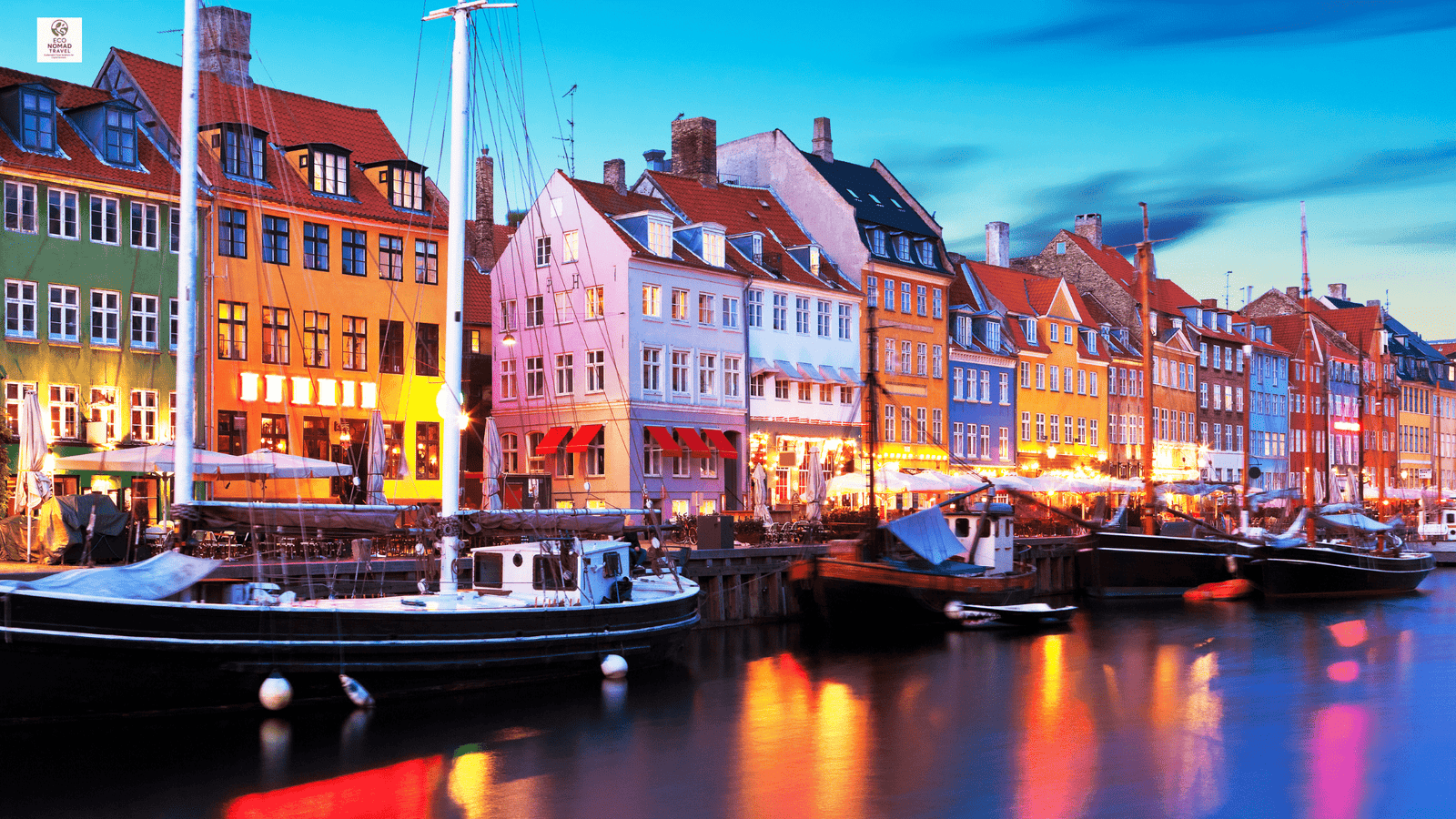
2. Copenhagen, Denmark — The Blueprint for Urban Balance
Copenhagen consistently ranks as the world’s most sustainable capital. It’s where wind turbines line the skyline and commuters glide past on bicycles even in the snow. The city’s commitment to becoming carbon-neutral by 2025 sets the global benchmark for climate-positive living.
Digital nomads find inspiration in spaces like Repurpose Lab and Nomad Workspace—both housed in upcycled industrial buildings with geothermal heating. The work-life rhythm is idyllic: cowork till 3 p.m., cycle to a zero-waste café, then swim in the clean harbor. Even public saunas reuse residual heat from the grid.
For professionals who value clarity, structure, and green leadership, Copenhagen delivers an unparalleled balance of progress and peace.
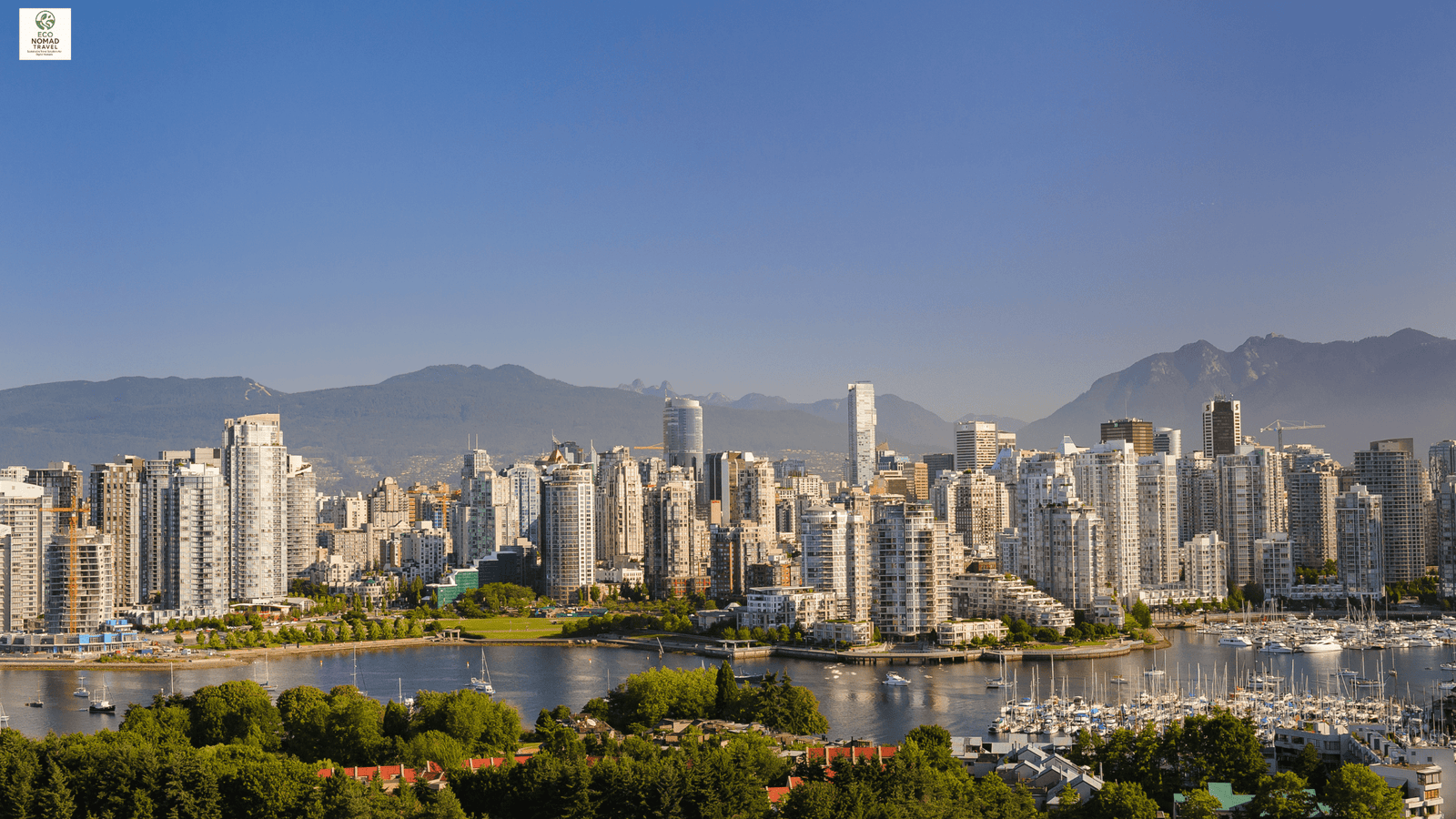
3. Vancouver, Canada — Nature Meets Network Speed
Framed by snow-capped mountains and the Pacific Ocean, Vancouver proves that big-city ambition can coexist with wild nature. Renewable hydroelectric power fuels most of the grid, and eco-districts like Olympic Village showcase smart urbanism with community gardens and car-free paths.
Nomads enjoy high-speed fiber internet, diverse coworking collectives, and a culture that values wellness as much as productivity. Locals spend lunch breaks hiking Stanley Park’s trails or kayaking False Creek. Sustainability isn’t a buzzword here—it’s an everyday habit written into city planning and personal routine.
Vancouver also offers strong connections to Asia-Pacific markets, making it a strategic eco-hub for remote professionals bridging continents.
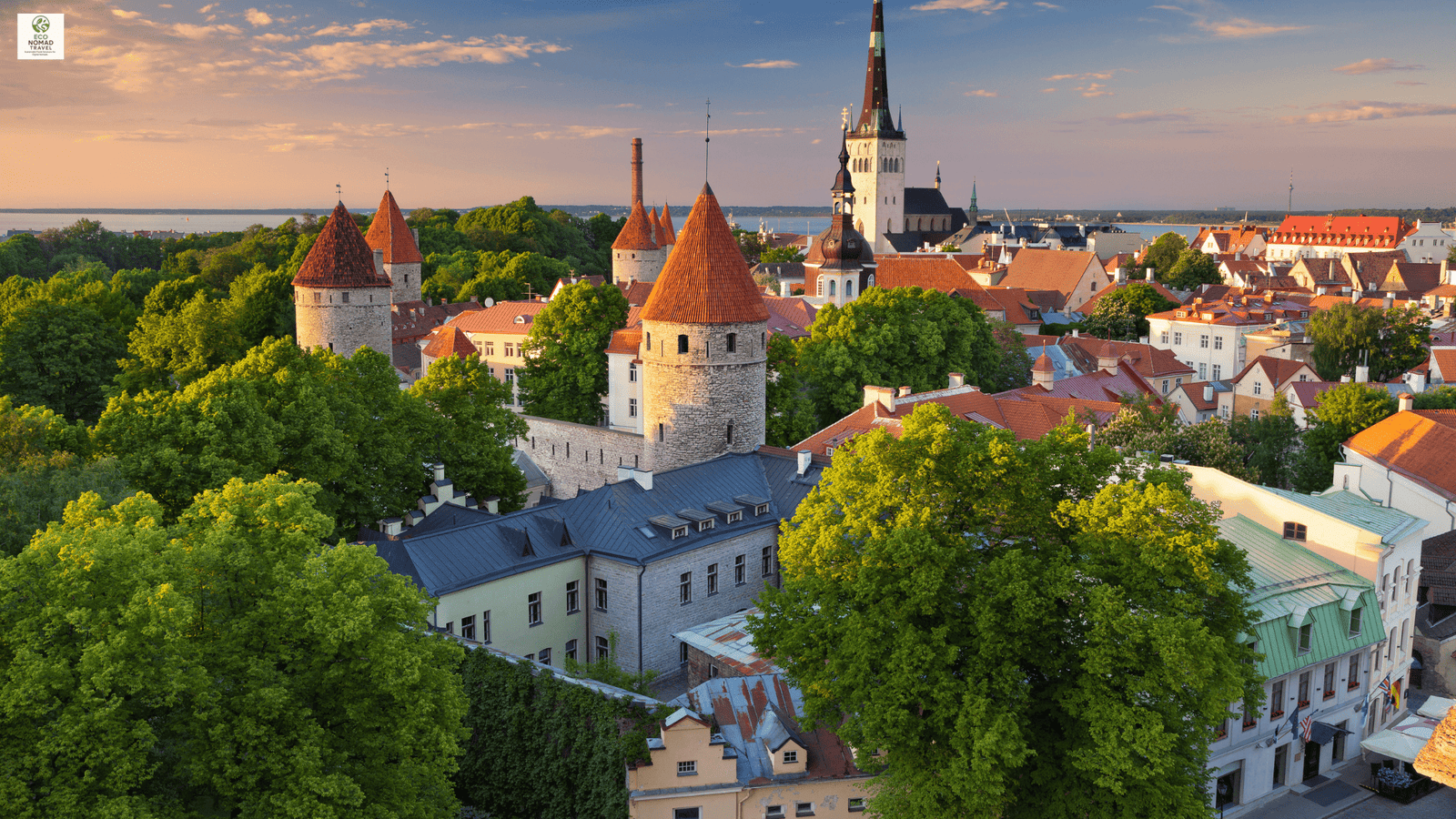
4. Tallinn, Estonia — Europe’s Digital Democracy in Action
Tallinn may be compact, but its digital prowess is monumental. Estonia pioneered e-residency, letting entrepreneurs build online businesses remotely within an eco-minded digital infrastructure. Public services run almost entirely paperless, slashing bureaucracy and carbon waste alike.
The city’s creative quarter Telliskivi mixes street art, solar installations, and cafes built from repurposed shipping containers. Nomads often praise the low living costs and high transparency—the perfect combination of sustainability and autonomy.
Plus, renewable ferries connect Tallinn to Helsinki in just two hours, reinforcing the Baltic region’s growing network of low-impact mobility routes.
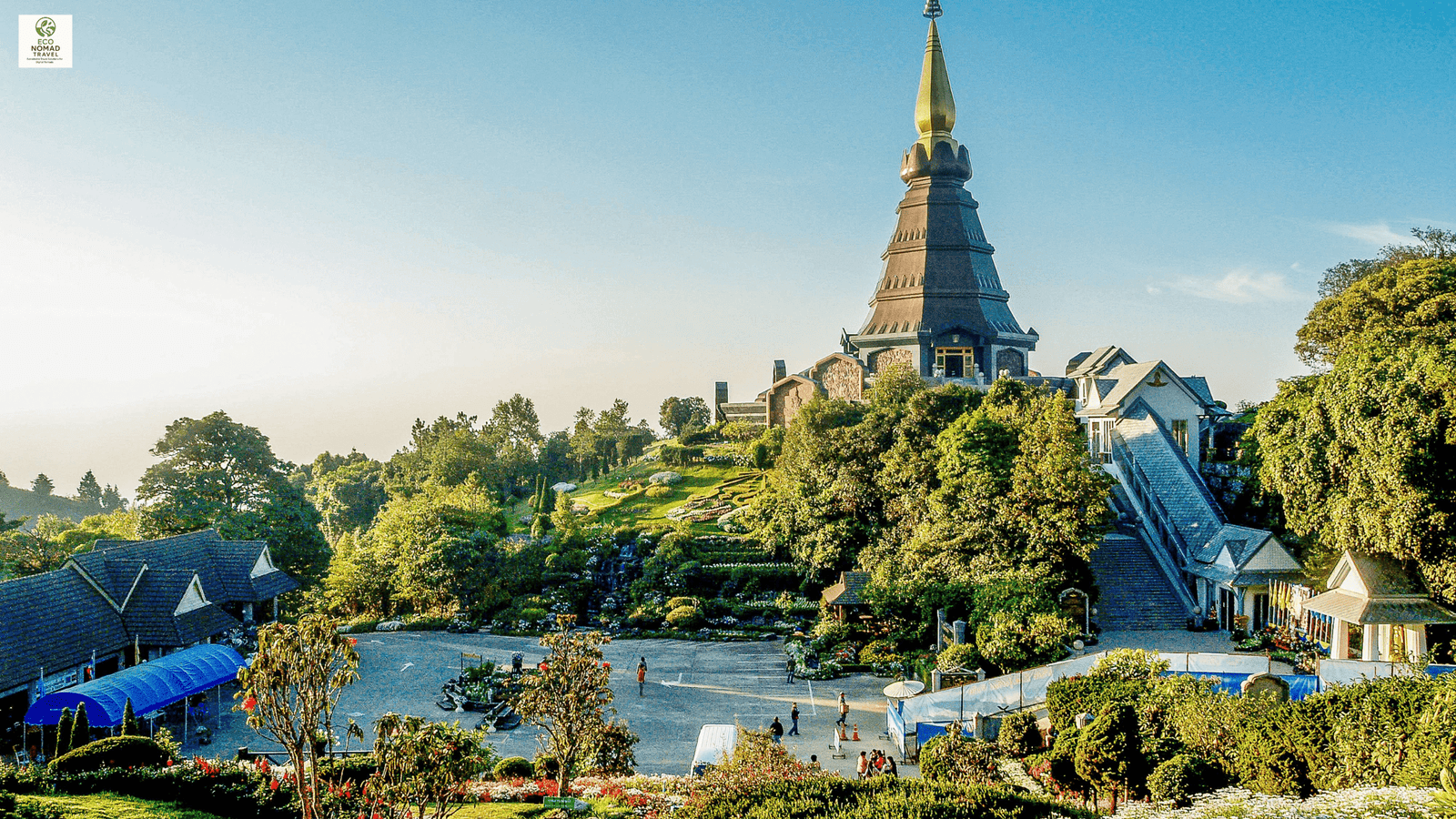
5. Chiang Mai, Thailand — The Soul of Slow Living
Once the budget capital of Southeast Asia’s nomad scene, Chiang Mai has matured into a mindful-living hub that emphasizes community, sustainability, and wellness. From zero-waste markets to bamboo coworking lofts, it offers a grounded antidote to big-city burnout.
Solar-powered cafés like Punspace and Heartwork The Coworking Café attract eco-entrepreneurs who mix business with meditation. Locals practice the Buddhist principle of “enoughness,” shaping an economy of balance rather than endless growth.
Remote professionals find both peace and productivity amid mountain air, temple bells, and vegan street food. Add an eco-friendly stay booked through Trip.com and you have a model for low-impact long-term living.
Discover Sustainable Work & Travel Solutions
Plan your next move with eco-friendly flights, stays, and travel gear that respect the planet.
Book Eco Hotels on Trip.com Find Low-Emission Flights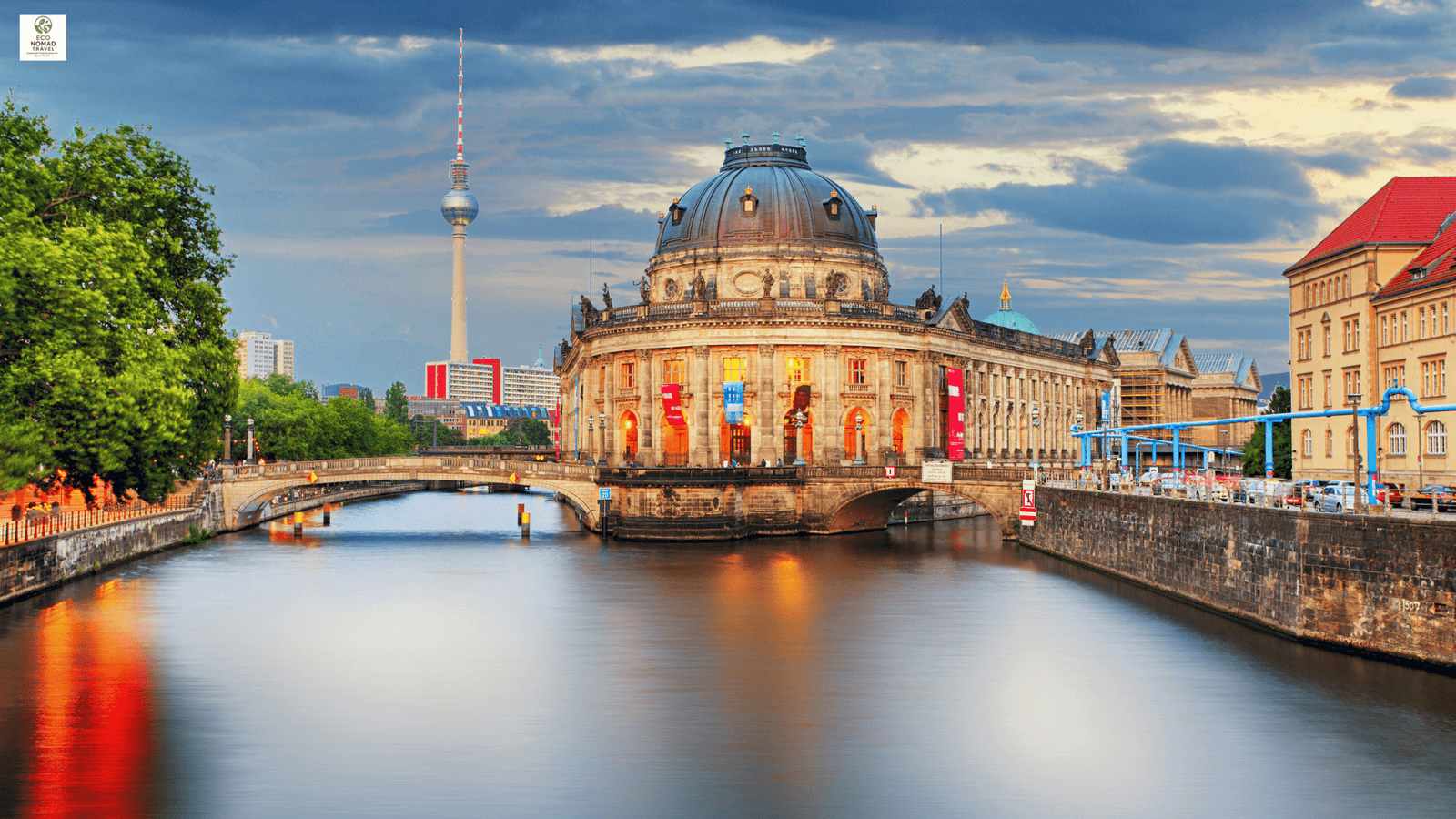
6. Berlin, Germany — Europe’s Creative Sustainability Hub
Berlin blends rebellion with regeneration. A city once divided by walls is now united by solar rooftops, bike lanes, and co-ops that redefine how we live and work. Startups here tackle everything from urban farming to zero-waste supply chains, turning creativity into climate action.
Neighborhoods like Kreuzberg and Neukölln host coworking lofts powered by renewable energy and decorated with reclaimed timber. Street art murals double as social commentary, reminding visitors that sustainability is a conversation—not a commodity. Freelancers thrive thanks to Germany’s flexible tax system and long-stay freelancer visas.
Weekend adventures are carbon-light: explore Tempelhofer Feld by bike or take an overnight train through Europe’s green corridors.
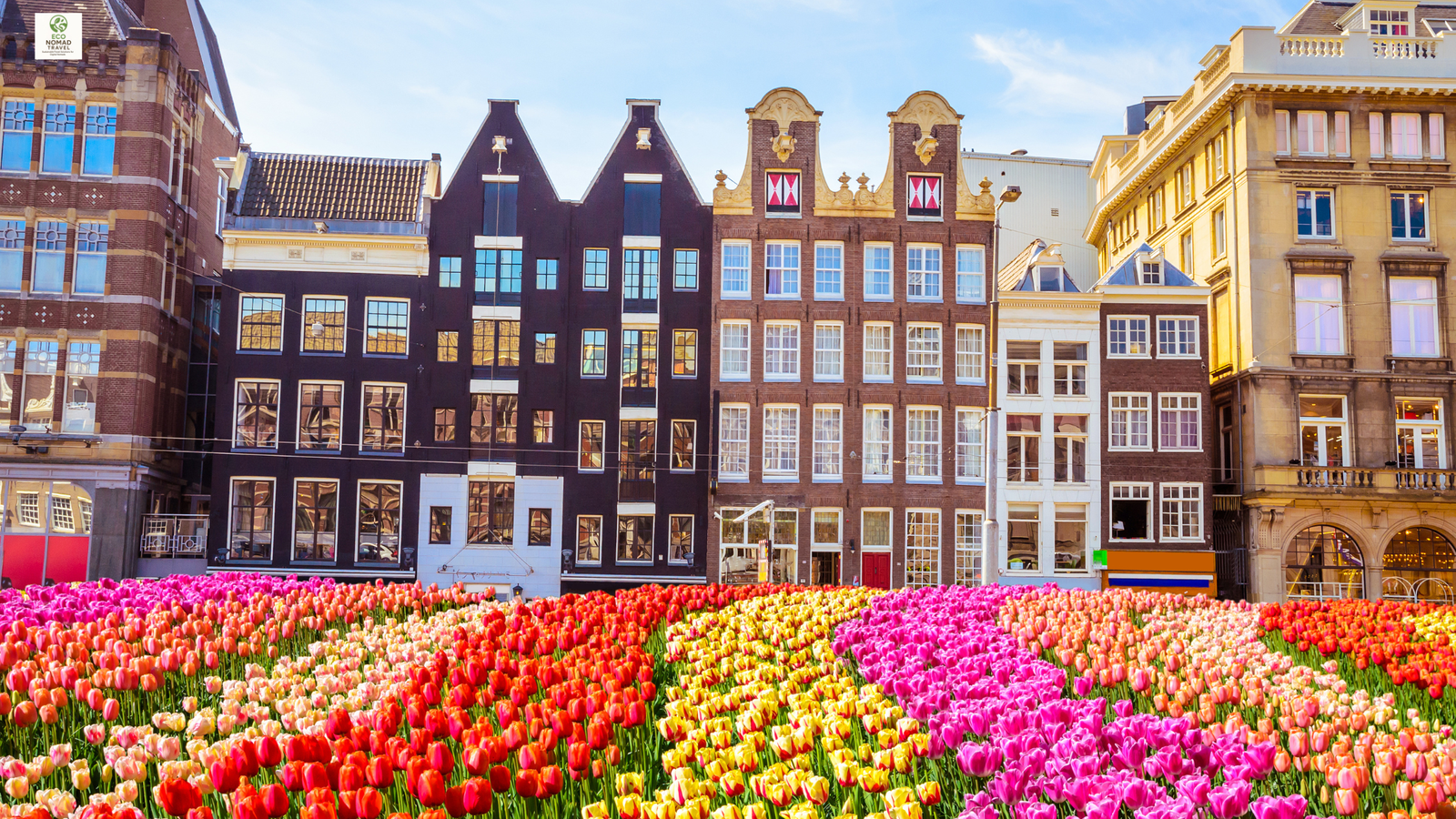
7. Amsterdam, Netherlands — The Cycling Capital of the World
Amsterdam proves that design can be both functional and poetic. With over half a million bicycles and a growing fleet of electric ferries, the city operates like a living sustainability lab. For digital nomads, it’s an ecosystem of innovation that’s equal parts art, tech, and ecology.
Spaces like B.Amsterdam—a massive coworking complex built in a repurposed factory—showcase circular-economy thinking at scale. The city’s “Doughnut Economics” framework guides local policy, ensuring progress never comes at the planet’s expense. You can live car-free, cowork beside canals, and take an eco-train to Paris before lunch.
Nomads who value community and green governance find Amsterdam a seamless blend of freedom and responsibility.
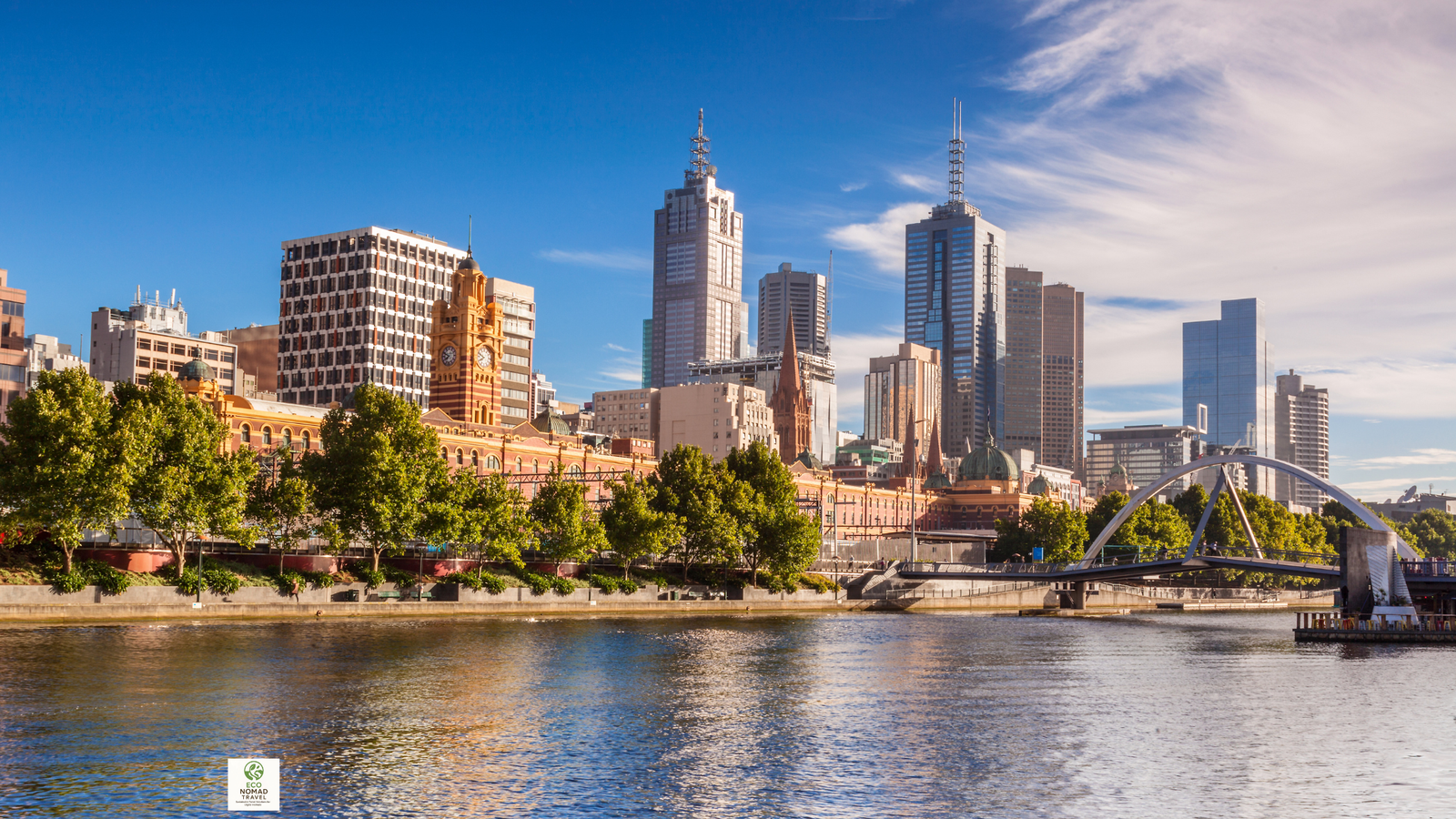
8. Melbourne, Australia — The Urban Sustainability Leader
Melbourne hums with renewable creativity. Wind farms outside the city supply clean power, while rooftop gardens and vertical forests soften its skyline. Sustainability here feels lively, not sterile—rooted in good coffee, collaborative workspaces, and street-level energy.
Eco-certified coworking spaces like The Commons and Worksmith integrate solar panels and community composting. Public trams run on green energy, and digital nomads can move easily using the city’s extensive bike network. Melbourne’s cultural diversity also makes sustainability social—local markets celebrate upcycling, and music festivals run entirely on renewables.
Nomads looking to blend productivity with purpose find Melbourne’s rhythm both motivating and mindful.
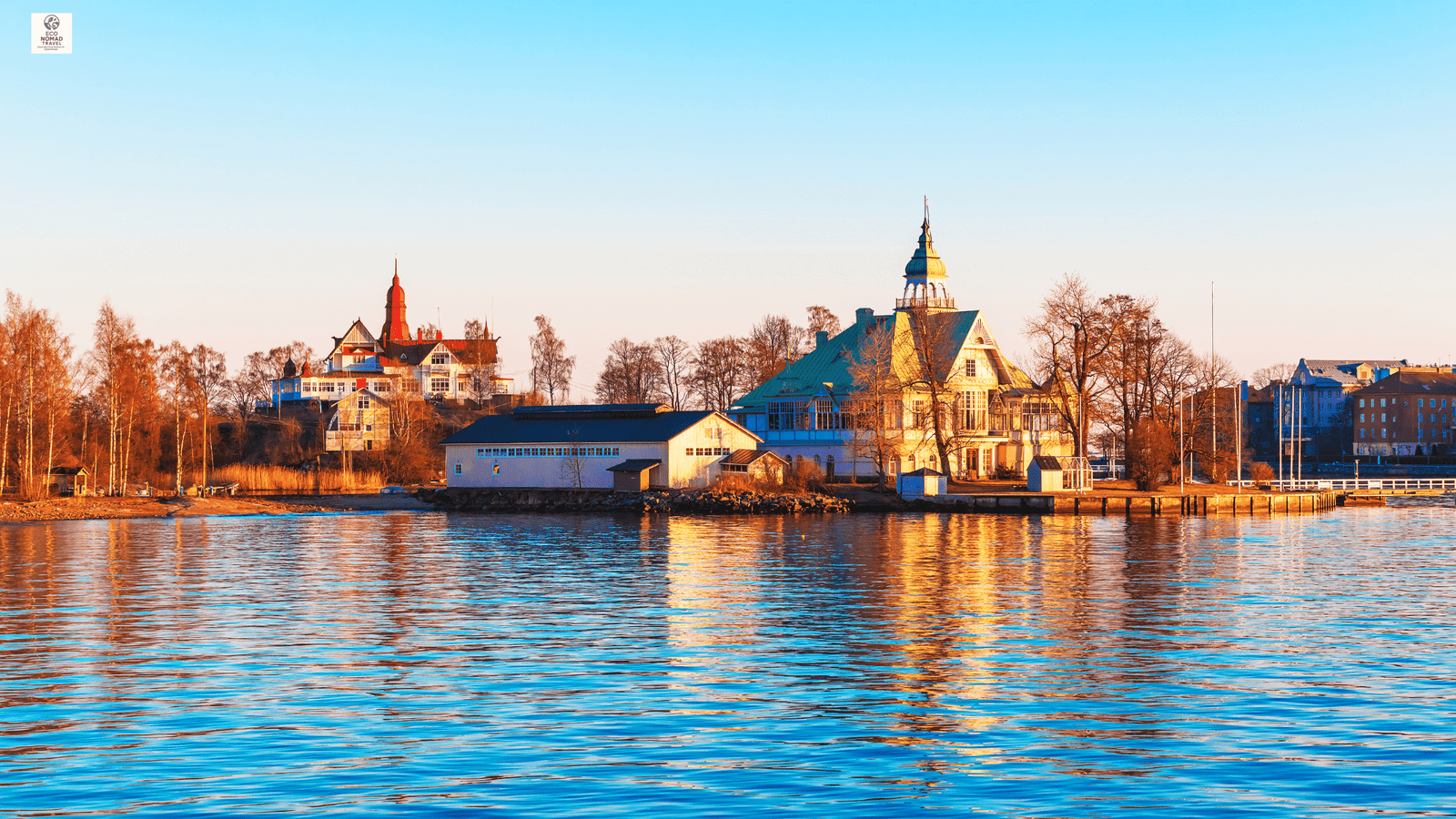
9. Helsinki, Finland — The Smart Green Frontier
Helsinki’s vision of sustainability is grounded in data and empathy. It runs on clean energy, open-source governance, and digital transparency. For remote professionals, this means a city where everything—from transport schedules to recycling rates—is available online and optimized for efficiency.
Spaces like Maria 01 and Epicenter Helsinki embody eco-tech synergy. Locals embrace “sisu,” the Finnish resilience philosophy that shapes both business and lifestyle. Even winter co-living spaces are energy-efficient, using geothermal systems for heat recovery.
Pair your stay with a ferry ride to Tallinn to explore the Baltic region’s collaborative sustainability network—two nations linked by shared innovation.
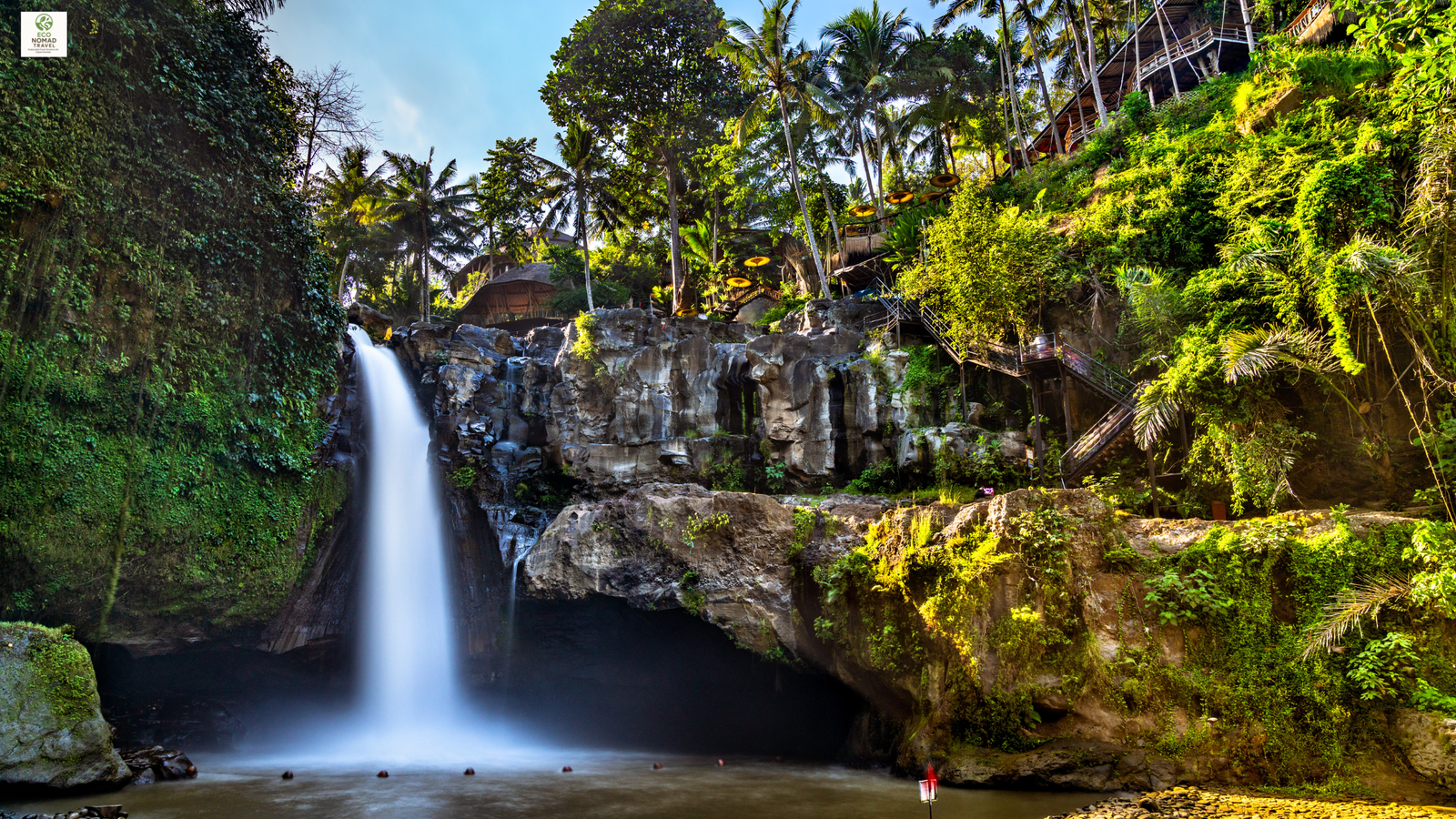
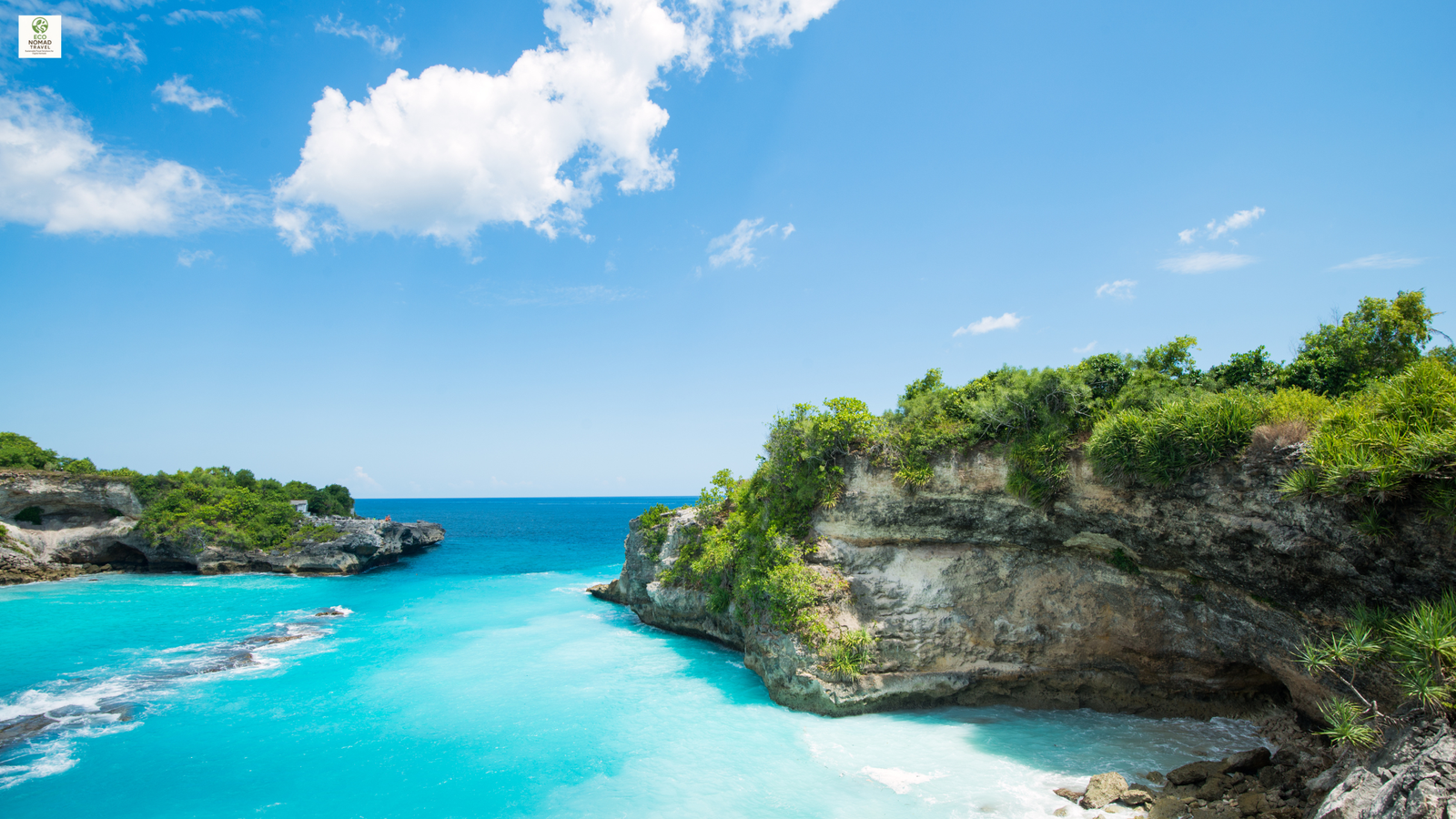
10. Bali, Indonesia — The Island of Regenerative Nomadism
Bali has transformed from a tropical coworking hotspot into a pioneer of regenerative living. In Ubud and Canggu, bamboo architecture and community permaculture are redefining remote-work culture. Sustainability isn’t an accessory here—it’s a daily rhythm of gratitude and care.
Spaces like Green School and Alchemy Coworking blur the boundaries between wellness and productivity. Many communities now follow plastic-free guidelines, composting programs, and solar micro-grids. Digital nomads participate in “eco visas” and stewardship residencies that encourage mindful contribution to local ecosystems.
Pack consciously with eco travel essentials from Amazon—from reusable utensils to solar chargers—and you’ll embody the island’s low-impact ethos wherever you roam.
Join the Global Eco-Nomad Movement
Find green coworking spaces, digital-nomad visas, and sustainable stays tailored to your lifestyle.
Explore Eco Stays on Trip.com Get Your Global eSIMKey Takeaways from the 10 Digital Nomad Eco Cities
- Each featured city demonstrates how sustainability and innovation can coexist within vibrant communities.
- Longer stays and low-impact mobility—like trains and bicycles—minimize environmental footprints.
- Eco coworking spaces and public-transport investments make remote work greener than ever.
- Programs such as e-residency and eco-nomad visas show how policy can empower responsible travel.
- Global collaboration through initiatives like the Global Ecotourism Network is essential for scaling sustainability.
The Global Future of Digital Nomad Eco Cities
Across continents, the rise of digital nomad eco cities signals more than a travel trend—it marks a shift in how humans integrate technology, environment, and work-life harmony. Urban planners, architects, and digital entrepreneurs now collaborate to design cities that function like living ecosystems. These cities no longer separate “work” from “place”—they fuse innovation with environmental stewardship.
In the coming years, expect more local governments to adopt frameworks like Doughnut Economics—a model balancing human needs and planetary boundaries. Many emerging eco cities are also aligning with the UN’s Sustainable Development Goals (SDGs), particularly those tied to affordable clean energy, climate action, and sustainable communities.
Technology and Nature in Balance
The most successful digital nomad eco cities blend high-speed digital infrastructure with low-impact living. Helsinki, Tallinn, and Copenhagen lead the way with renewable-powered data centers and public Wi-Fi run on green energy. Meanwhile, in Bali and Chiang Mai, nature-based coworking retreats offer slower, intentional workdays that emphasize mental clarity and connection to the earth.
This symbiosis reflects a new ethos: technology should serve humanity and the planet, not exploit them. Digital minimalism—fewer apps, cleaner code, more mindful usage—is becoming the unofficial philosophy of eco nomads worldwide. Even tech giants now test remote-work models inspired by these cities’ balance between innovation and introspection.
Sustainable Mobility and Circular Design
Transportation defines a city’s sustainability as much as its energy grid. The best digital nomad eco cities invest heavily in car-free zones, electric public transport, and shared cycling networks. Cities like Amsterdam and Lisbon are showing how regenerative mobility can become part of daily culture. Each train ride replaces dozens of short-haul flights; every pedestrian boulevard restores quiet and air quality.
Architecture also plays a role. Modern coworking and coliving developments now use modular timber, solar glass, and rainwater harvesting systems. Some even operate as “circular buildings,” meaning nearly every element—from furniture to wiring—can be reused or composted. This not only reduces waste but makes remote workspaces tangible examples of environmental design.
Cultural Regeneration Through Remote Work
Perhaps the most overlooked benefit of digital nomad eco cities is their ability to regenerate local culture while fostering global creativity. Nomads who settle longer contribute far more than tourism income—they bring knowledge exchange, mentorship, and fresh perspectives that blend seamlessly into the community fabric. Cities like Berlin and Lisbon now host innovation festivals centered on sustainability entrepreneurship, while Ubud and Melbourne nurture cross-cultural partnerships between locals and digital workers.
This evolving ecosystem reflects the principles outlined in our main Digital Nomad Eco Cities 2025 guide—where place-based collaboration, renewable infrastructure, and ethical remote work converge to form living examples of sustainable globalization.
These human networks are vital for E-E-A-T: they show that eco-conscious communities thrive on collaboration and authentic lived experience. For travelers building long-term roots, the line between visitor and resident blurs—a reflection of a deeper global belonging.
How to Build Your Own Low-Impact Lifestyle
Even if you’re not relocating to one of these digital nomad eco cities, you can still apply their principles. Start small: choose train travel over short flights, switch to a global eSIM like Airalo to cut down on plastic SIM waste, and shop secondhand tech accessories. Incorporate reusable tools from the eco travel goods collection to make each journey cleaner and simpler.
Remote professionals can also join online communities promoting regenerative travel and responsible digital entrepreneurship. Projects like “Work for Impact” and “Nomad List Green” track verified eco-friendly destinations. These platforms help nomads identify places that prioritize sustainability beyond marketing language.
A Planet-Positive Vision for 2030
If current trajectories continue, the 2030s will witness a global map of interconnected digital nomad eco cities—from solar-powered mountain towns to floating coworking hubs on renewable micro-grids. This future hinges on shared accountability and education. Nomads who choose eco-minded destinations not only reduce their footprints but influence policy through economic demand.
Ultimately, the movement toward sustainable digital nomadism is both philosophical and practical. It reminds us that mobility should create meaning, not chaos; progress should protect, not deplete. Every responsible traveler becomes part of a global experiment proving that modern life, when rooted in mindfulness, can help restore the planet we depend on.
Continue Exploring Sustainable Nomadism
Ready to deepen your journey? Check out these related guides from Eco Nomad Travel:
Frequently Asked Questions
1. What defines a digital nomad eco city?
It’s a destination designed for remote work and ecological integrity—renewable energy, walkability, and inclusive design all integrated into one urban ecosystem.
2. Which region has the highest number of sustainable nomad hubs?
Europe leads in infrastructure and policy, while Asia–Pacific offers grassroots community-driven sustainability and regenerative tourism programs.
3. How can nomads lower their carbon footprint between cities?
Opt for trains and ferries, fly less often, and offset unavoidable emissions through verified carbon projects.
4. Are eco cities more expensive than traditional destinations?
Not always—efficient transport, renewable energy, and long-stay visas can actually lower total living costs.
Visas & Practical Planning
5. Which countries offer eco-focused digital-nomad visas?
Estonia, Portugal, and Costa Rica encourage remote workers who support local sustainability efforts.
6. How long can remote workers stay in these cities?
Typical digital-nomad visas last from six months to two years, often renewable if you meet income and eco-criteria.
7. Are coworking spaces in eco cities genuinely sustainable?
Many hold LEED or BREEAM certification and reuse materials while running on solar or wind energy.
8. What digital tools reduce environmental impact?
Cloud storage powered by renewables, minimal-data communication apps, and virtual meetings replacing flights.
9. How do I find eco-certified accommodation?
Use verified listings on Trip.com or Hotellook that label energy-efficient and locally sourced hotels.
Lifestyle & Community
10. What communities thrive in digital-nomad eco cities?
Creative entrepreneurs, climate-tech founders, and sustainability advocates co-living in regenerative neighborhoods.
11. How do I meet like-minded travelers?
Attend local eco meetups, community gardens, or join online groups dedicated to regenerative travel.
12. Are eco cities safe for solo travelers?
Yes—walkable layouts, strong cycling infrastructure, and civic engagement keep most eco cities highly secure.
13. What languages are common among digital nomads?
English is widely spoken, but learning basics of the local language deepens cultural connection.
14. Any downsides to living in eco cities?
Occasional visa complexity and higher rents in trendier districts, yet long-term benefits outweigh costs.
Sustainability in Practice
15. Simple ways to stay sustainable abroad?
Pack eco travel gear, support local markets, walk or bike, and minimize single-use plastics.
16. How are cities adapting to climate change?
Through flood-resilient design, green roofs, urban forests, and renewable-energy micro-grids.
17. Do nomads help local economies?
When they spend locally and share knowledge, digital nomads contribute to inclusive, circular economies.
18. How can I verify sustainability claims?
Consult the Global Ecotourism Network or official municipal sustainability dashboards.
19. What trends will shape eco cities by 2030?
Expect AI-optimized public transport, carbon-budget travel credits, and more biophilic architecture.
20. Which eco city should I start with?
Choose a destination aligned with your values—Copenhagen for innovation, Lisbon for creativity, Bali for mindfulness.
About the Author
Jeremy Jarvis is the founder of Eco Nomad Travel and a sustainable-digital-nomad writer focused on eco-friendly living, regenerative tourism, and low-impact entrepreneurship. His work appears across green-travel publications and the Global Ecotourism Network community. Every guide he creates is grounded in first-hand research, renewable-mobility data, and the ethics of responsible exploration.
Continue exploring sustainable travel insights and practical guides at EcoNomadTravel.com, your trusted hub for conscious adventures and digital-nomad sustainability.