#rail25 {
–ink:#0e1222;
–muted:#5f6590;
–line:#e7eaff;
–band:#f7f8ff;
–cta:#2a7fff;
–ctab:#1e62c1;
–ok:#1aa873;
–wrap:1240px;
–r:16px;
–shadow:0 14px 34px rgba(10,12,40,.14);
font-family:system-ui,-apple-system,Segoe UI,Roboto,Inter,Arial,sans-serif;
color:var(–ink);
line-height:1.7;
margin:26px 0;
}
#rail25 * { box-sizing:border-box; }
#rail25 .wrap {
max-width:var(–wrap);
margin:0 auto;
padding:0 18px;
}
@media (min-width:1440px){
#rail25 .wrap{max-width:1320px;}
}
#rail25 h1,#rail25 h2,#rail25 h3,#rail25 h4{
line-height:1.2;
margin:0 0 10px;
font-weight:900;
color:#0b1020;
}
#rail25 h1{font-size:clamp(30px,3.3vw,44px);}
#rail25 h2{font-size:clamp(23px,2.7vw,32px);}
#rail25 h3{font-size:clamp(19px,2.3vw,24px);}
#rail25 h4{font-size:clamp(17px,2.1vw,20px);}
Free download: Eco Rail-First Trip Planner
A fast, practical checklist + templates for planning low-impact trips (without decision fatigue).
#rail25 p{margin:0 0 14px;color:#141a3b;}
#rail25 .soft{color:var(–muted);font-size:14px;}
#rail25 .tiny{color:var(–muted);font-size:11px;}
#rail25 .band{
background:var(–band);
border:1px solid var(–line);
border-radius:var(–r);
padding:16px;
}
#rail25 .card{
border:1px solid var(–line);
border-radius:var(–r);
background:#fff;
box-shadow:var(–shadow);
padding:18px;
margin-top:18px;
}
#rail25 .pill{
display:inline-flex;
align-items:center;
border:1px solid var(–line);
border-radius:999px;
padding:6px 12px;
font-size:12px;
background:#fff;
margin-right:6px;
margin-top:6px;
white-space:nowrap;
}
#rail25 [id]{scroll-margin-top:96px;}
/* layout */
#rail25 .hero-main{
max-width:1120px;
margin:0 auto 24px;
}
#rail25 .hero-img-wrap{
max-width:1120px;
margin:0 auto 18px;
border-radius:22px;
overflow:hidden;
box-shadow:0 22px 46px rgba(10,12,40,.35);
}
#rail25 .hero-img-wrap img{
display:block;
width:100%;
height:auto;
object-fit:cover;
}
#rail25 .hero-copy{
max-width:860px;
margin:0 auto;
}
#rail25 .row{
display:grid;
grid-template-columns:1fr 1fr;
gap:16px;
}
@media (max-width:760px){
#rail25 .row{grid-template-columns:1fr;}
}
/* image */
#rail25 .hero-img-wrap{
border-radius:20px;
overflow:hidden;
box-shadow:0 18px 40px rgba(15,18,40,.35);
}
#rail25 .hero-img-wrap img{
display:block;
width:100%;
height:auto;
object-fit:cover;
}
/* TOC */
#rail25 .toc{
border:1px solid var(–line);
border-radius:var(–r);
box-shadow:var(–shadow);
padding:16px;
background:#fff;
margin-top:18px;
}
#rail25 .toc strong{display:block;margin-bottom:6px;}
#rail25 .toc ul{margin:6px 0 0 1.2em;padding:0;list-style:disc;}
#rail25 .toc li{margin:4px 0;}
#rail25 .toc a{text-decoration:none;color:#1a2aca;}
#rail25 .toc a:hover{text-decoration:underline;}
/* lists */
#rail25 ul{margin:8px 0 8px 0;padding-left:1.1em;list-style:disc inside;}
#rail25 li{margin:6px 0;}
#rail25 ol{margin:8px 0 8px 1.35em;}
/* CTAs */
#rail25 .btns{
display:flex;
flex-wrap:wrap;
gap:10px;
align-items:center;
}
#rail25 .cta{
display:inline-flex;
align-items:center;
justify-content:center;
white-space:nowrap;
padding:12px 18px;
border-radius:14px;
text-decoration:none;
color:#fff;
font-weight:900;
background:linear-gradient(180deg,var(–cta),var(–ctab));
box-shadow:0 14px 36px rgba(0,0,0,.18);
font-size:14px;
}
#rail25 .cta:focus{outline:2px solid #bcd3ff;outline-offset:2px;}
#rail25 .ok{
color:#fff;
background:linear-gradient(180deg,#21c58a,#18a06e);
border-radius:11px;
padding:6px 11px;
font-size:12px;
display:inline-block;
}
/* author micro box */
#rail25 .author-box{
display:grid;
grid-template-columns:auto 1fr;
gap:12px;
align-items:center;
margin-top:14px;
}
#rail25 .author-box img{
width:60px;height:60px;border-radius:50%;object-fit:cover;
}
#rail25 .author-role{font-size:13px;color:var(–muted);}
/* widgets inside content */
#rail25 .widget-box{
border:1px solid var(–line);
border-radius:var(–r);
background:#fff;
box-shadow:var(–shadow);
padding:14px;
margin-top:18px;
overflow:hidden;
}
#rail25 .widget-box script,
#rail25 .widget-box div,
#rail25 .widget-box iframe{max-width:100%;}
/* key cards */
#rail25 .tagline{font-size:15px;color:var(–muted);margin-top:6px;}
#rail25 .kicker{font-size:13px;letter-spacing:.08em;text-transform:uppercase;color:var(–muted);margin-bottom:4px;}
/* FAQ details */
#rail25 details{
border:1px solid var(–line);
border-radius:12px;
padding:10px 12px;
margin:10px 0;
background:#fff;
}
#rail25 summary{
cursor:pointer;
font-weight:600;
color:#0e1222;
}
#rail25 details[open]{box-shadow:0 10px 26px rgba(10,12,40,.08);}
#rail25 details .in{margin-top:6px;font-size:15px;}
/* foot CTA */
#rail25 .foot-cta{
margin-top:22px;
border-radius:18px;
border:1px solid var(–line);
background:linear-gradient(135deg,#f7f8ff,#edf2ff);
padding:18px;
} /* micro author */
#rail25 .author-micro{
display:flex;
align-items:center;
gap:10px;
margin-top:10px;
}
#rail25 .author-micro img{
width:42px;
height:42px;
border-radius:50%;
object-fit:cover;
flex-shrink:0;
}
#rail25 .author-micro-label{
font-size:11px;
color:var(–muted);
text-transform:uppercase;
letter-spacing:.09em;
display:block;
margin-bottom:2px;
}
#rail25 .author-micro-main{
font-size:14px;
color:#0b1020;
}
#rail25 .author-micro-main a{
color:#0b1020;
text-decoration:none;
border-bottom:1px solid rgba(15,18,40,.22);
}
#rail25 .author-micro-main a:hover{
border-bottom-color:rgba(15,18,40,.5);
}
#rail25 .author-micro-role{
font-size:13px;
color:var(–muted);
}
A practical, no-fluff guide to how to book European sleeper trains 2025—from route discovery and booking portals to privacy levels, realistic prices, and backup plans when night trains don’t run.
For the broader route-planning framework, start with Eco Nomad’s train travel in Europe guide.

Disclosure: Some links on this page are affiliate links (e.g., flights, eSIMs, travel gear). If you book through them, Eco Nomad Travel may earn a small commission at no extra cost to you. We only recommend tools that fit a carbon-neutral travel mindset.
Key takeaways
- Start with routes, not tickets. Before you try to buy anything, confirm that a sleeper actually runs on your date. Our companion guide Night Trains Europe 2025 shows the main corridors.
- “How to book European sleeper trains 2025†in one line: route → operator/brand → privacy level (seat, couchette, sleeper) → compare 1–2 portals → book cancellable stays within a 10–12 minute walk of your stations.
- Prices are dynamic. Private sleepers usually sell out and move first, couchettes stay affordable longer, and Fridays/Sundays are the most expensive nights to sleep on rails.
- Your rights are better than many people think. EU rail rules often give you rebooking or refunds on delayed/cancelled services; always keep screenshots and receipts. See the official EU rail passenger rights.
- Rail-first doesn’t mean “never fly.†Sometimes the honest low-stress plan is a short flight into a hub + night train onward, using our train vs plane emissions 2025 guide.
Editor’s picks for planning a rail-first Eurotrip
- Night trains in Europe (2025) – eco nomads edition
- Workation cities 2025 without a car
- Eco-friendly travel kit 2025
- Zero-waste packing list 2025
We use these tools ourselves; some links are affiliate. You never pay extra.
Why night trains belong in your 2025 Eurotrip
Night trains used to be a niche backpacker secret. In 2025, they sit right at the center of rail-first European travel, especially for remote workers and digital nomads who want to arrive in city centers rested and ready to open the laptop. Instead of burning a day in transit, you convert eight quiet hours into both transport and accommodation.
For Eco Nomad Travel readers, night trains also fit a lower-emissions itinerary. A single overnight European sleeper train can replace one short-haul flight plus a hotel, particularly on routes like Amsterdam–Vienna, Brussels–Berlin, or Paris–Northern Italy. When you combine that with walkable, transit-rich workation cities, you get a rail-first itinerary that actually feels calmer than flying.
The catch is that booking can be confusing: different operators, brand names like Nightjet or European Sleeper, patchy portals, and wildly different cabin types. This guide is designed to answer “how to book European sleeper trains 2025†in a single place, and to pair it with our cornerstone Night Trains Europe 2025 overview.
Step 1: Route discovery (find real sleepers first)
The biggest mistake people make when learning how to book European sleeper trains is starting with a generic booking engine and assuming that whatever it shows is the full picture. In 2025, that is rarely true. Instead, separate finding routes from buying tickets.
1A. Use open planners to sketch your rail-first corridor
- Decide the core corridor first: e.g., “Benelux → Berlin → Prague → Vienna†or “Barcelona → Southern France → Northern Italy.â€
- Use pan-European planners to reveal overnight segments; mark which days sleepers actually run.
- Pay attention to arrival times (07:00 vs 09:30) and station locations for each city.
Once you have one or two layouts you like, cross-check them with our train vs plane emissions 2025 breakdown to see where night trains give the biggest climate win.
1B. Confirm operators & sleeper brands
Almost every strong night-train corridor has a recognizable brand and operator behind it. These are the names you want to search directly when you book:
- ÖBB Nightjet – Austria–Germany–Italy–Belgium–Netherlands–France axes
- European Sleeper – expanding Benelux–Germany–Central Europe night services
- Intercités de Nuit (SNCF) – French domestic and cross-border routes
- Intercity Notte (Trenitalia) – Italian domestic sleepers
- SJ, Snälltåget, ČD, PKP Intercity, RegioJet, Caledonian Sleeper for Nordic, Central/Eastern Europe, and UK routes
In our operator widget below you’ll find an up-to-date directory of the main sleeper operators and their portals.
Step 2–6: How to book European sleeper trains (2025 workflow)
Here is the practical, repeatable flow I use when helping readers and friends book their first night train. It works across most European networks and adapts well to both backpack-style trips and higher-budget rail-first itineraries.
- Pick your corridor and target night. Choose the longest leg you want to sleep through (e.g., Berlin–Vienna). Make sure that leg has a night train on the day you plan to travel.
- Check the operator portal for that specific train. On the operator’s site, search the exact date and route. Note the train number, departure/arrival times, and the available cabin types (seats, couchettes, sleepers).
- Compare 1–2 trusted portals. Look up the same train number and class on one additional booking portal. Compare like-for-like: same train, same privacy level, same fare conditions. Ignore “similar†options unless you truly understand the difference.
- Choose your privacy level before looking at prices. Decide if this is a “budget but okay sleep†night (couchette 4–6) or a “must arrive really rested†night (private sleeper). Then compare prices within that category.
- Book flexible where it matters. If your whole itinerary depends on one night train, lean towards fares that allow changes or refunds, and lock a cancellable stay 1–2 blocks from each station.
- Save everything offline. Save PDFs, screenshots of timetables, and fare rules in one folder on your phone. If the worst happens, this is what makes refund and compensation claims smoother.
If a portal won’t show the night train, split the search at a major hub (e.g., Paris, Berlin, Vienna, Milan). Many sleepers appear immediately once you search half the route and then re-stitch it.
Seats vs couchettes vs sleepers: picking the right privacy level
Your answer to “how to book European sleeper trains 2025†changes depending on how you like to sleep, who you’re traveling with, and how tight the budget is. Think of night trains in three broad bands:
Seated (cheapest, least restful)
- Best for: short overnight hops, ultra-tight budgets, or last-minute bookings when sleepers are sold out.
- Pros: lowest price, flexible, easier to book with passes.
- Cons: bright lights, noise, limited privacy; you’ll want a good eye mask and earplugs.
Couchettes (4–6 bunks per compartment)
- Best for: groups, families, and solo travelers who want decent sleep without the cost of a private cabin.
- Pros: real flat bunk, bedding included on most services, a good comfort/price balance.
- Cons: shared space, sometimes mixed-gender; storage is communal but usually safe if you keep valuables on you.
Sleeper cabins (single / double / deluxe)
- Best for: business trips, couples, and anyone who needs to be “laptop-ready†right after arrival.
- Pros: serious privacy, often with a washbasin or shower, breakfast included on some operators.
- Cons: limited inventory, highest price, sells out the earliest—book these first.
Safety & etiquette in 2025
- Use a small cross-body pouch for passport, phone, and wallet; keep it on you while sleeping.
- Lock big zippers with a small cable tie to signal that you’d notice tampering.
- Pack a soft-sided bag so you’re not banging a hard shell down the corridor at midnight.
What it really costs in 2025 (and how to save)
Every corridor prices differently, but the patterns are consistent. Understanding these makes it much easier to budget a rail-first trip.
- Dynamic pricing: private sleepers tend to have airline-style pricing; early bookings are cheaper and more flexible.
- Midweek vs weekend: Friday and Sunday nights cost more and sell out faster than Tuesday or Wednesday.
- Pass-holder supplements: Eurail/Interrail passes usually cover the base fare only—you still pay a couchette/sleeper supplement.
- Calendar sweet spots: shoulder seasons (late April–May, September–early October) give better prices and calmer trains.
When in doubt, compare: overnight rail vs two day trains + cheap hotel, or night train one way + daytime high-speed back. Our emissions comparison helps you decide where the sleeper does the most good.
Refunds, delays & passenger rights (simple version)
Rights vary slightly by operator and country, but 2025 rules across much of Europe are better than many travelers realize. A quick overview:
- Keep evidence. Photograph platform boards, delay notices, and any handwritten notes from train staff. Keep receipts if you must find your own hotel or alternative transport.
- Through-tickets are safest. If one booking covers multiple legs, you’re likelier to be protected. Separate tickets across operators put more risk on you—build bigger buffers when you change rail companies or countries.
- Compensation windows. Many operators give partial refunds or vouchers if delays cross a certain threshold; claims often must be made within 30–60 days, using the forms linked from the operator or the EU rail passenger rights page.
- Overnight disruptions. For serious cancellations, staff can sometimes arrange hotel stays or onward travel; always ask the conductor or station office before you self-book.
Route ideas & rail-first sample itineraries
To make this concrete, here are two starter itineraries that use night trains to turn long distances into sleep instead of waste.
Benelux → Central Europe (3–6 nights)
- Day 1–2: Amsterdam or Brussels → Berlin by day train, overnight in a walkable neighborhood.
- Night 2–3: Berlin → Prague or Vienna by sleeper (couchette for value, sleeper for deep rest).
- Day 3–4: Work and wander in Prague/Vienna, then short daytime hop to your next city.
Iberia → Alps (4–7 nights)
- Day 1: Fly to Barcelona on a low-emissions, daytime flight if needed; stay near Sants station.
- Day 2: Barcelona → Southern France by day; evening in a compact old town.
- Night 2–3: South of France → Northern Italy or Austria by overnight train where available.
- Day 3–6: Use dense regional networks to connect scenic towns; return via day high-speed + night train combination.
For more network-wide context, see our cornerstone explainer Night Trains Europe 2025 – Eco Nomads.
Packing for night trains (quiet, compact, low-waste)
Night trains reward travelers who pack like considerate neighbors. A small, flexible kit makes corridors calmer and cabins easier to share. Pair this section with our eco-friendly travel kit 2025 and zero-waste packing list 2025.
- Soft 30–38 L backpack or duffel instead of a hard shell—much quieter in corridors and easier to fit in cabins.
- Micro sleep kit: eye mask, earplugs, light hoodie, thin travel towel, and a small cable tie for zips.
- Solid toiletries: shampoo bar, soap sheets, toothpaste tablets, and detergent sheets to avoid leaks and TSA liquid rules.
- Refillable bottle and cup: fill before boarding, then stow the cup dry before lights-out.
Affiliate links; we may earn a commission. Never any extra cost to you.
FAQ: booking European sleeper trains in 2025
When do European sleeper bookings open in 2025?
It varies by operator and route, but a common pattern is 2–6 months ahead for many sleepers, with private cabins loaded first. For peak summer dates and Fridays/Sundays, check weekly as soon as booking opens and secure sleepers early.
How do Eurail or Interrail passes work with night trains?
Passes usually cover the base fare, but not the couchette or sleeper berth itself. Expect to pay a reservation/supplement per night and per person. These supplements have their own inventory and can sell out even when seats are still available.
Are there women-only compartments on European sleepers?
Some operators (especially on popular Nightjet and domestic routes) offer women-only couchettes. If you can’t see them in the portal, check the operator FAQ or contact customer support before booking. For maximum privacy, book a private sleeper and share with friends.
How much luggage can I bring on a European sleeper train?
There are rarely strict airline-style weight limits, but space is shared and finite in compartments. A soft 30–38 L carry-on plus a small daypack is ideal. Anything beyond that becomes hard to store without cluttering the cabin.
Are bikes allowed on night trains?
It depends on the operator and specific train. Some sleepers have bike spaces that require a paid reservation, others allow only folding bikes in bags, and some ban bikes entirely. Check the operator’s bike policy for your exact route before booking.
Further reading & sustainable travel resources
Editor’s note & fact-checking
This guide is written from published operator information, official guidance, and practical planning research.
Join the sustainable work & travel movement
If you’re building a rail-first, lower-carbon lifestyle as a remote worker or digital nomad, you’ll find more step-by-step guides, packing lists, and route breakdowns across Eco Nomad Travel.
Return: Use another night train back towards Cologne/Amsterdam and connect via day train.
.eco-vr-widget{border:1px solid #e7eaff;border-radius:14px;padding:14px;background:#fff;box-shadow:0 10px 24px rgba(10,12,40,.08);margin:16px 0}
.eco-vr-head{font-weight:800;margin-bottom:10px}
.eco-vr-card{display:grid;grid-template-columns:140px 1fr;gap:12px;align-items:start;margin-top:12px}
.eco-vr-img img{width:100%;height:auto;border-radius:10px;display:block}
.eco-vr-form{font-size:14px}
.eco-vr-title{font-weight:700;margin-bottom:6px}
.eco-vr-row{display:grid;grid-template-columns:1fr 1fr;gap:8px;margin-bottom:8px}
.eco-vr-form label{display:grid;gap:4px}
.eco-vr-form input{height:34px;border:1px solid #cfd4ff;background:#f7f8ff;border-radius:8px;padding:0 8px}
.eco-vr-btn{background:linear-gradient(180deg,#ff6a00,#e25500);color:#fff;border:0;border-radius:12px;
padding:10px 14px;font-weight:900;cursor:pointer}
.eco-vr-btn:hover{filter:brightness(1.05)}
.eco-vr-foot{margin-top:10px;font-size:12px;color:#5d6290}
.eco-vr-foot .eco-aff{color:#8b8fb5}
@media (max-width:640px){.eco-vr-card{grid-template-columns:1fr}}
<!– Lightweight lazy loader for any –>
(function(){
function hydrate(i){ if(i.dataset.src){ i.src=i.dataset.src; i.removeAttribute(‘data-src’); } }
if(‘IntersectionObserver’ in window){
const io = new IntersectionObserver((entries,obs)=>{
entries.forEach(e=>{ if(e.isIntersecting){ hydrate(e.target); obs.unobserve(e.target);} });
},{rootMargin:”300px 0px”});
document.querySelectorAll(‘iframe[data-src]’).forEach(el=>io.observe(el));
}else{
// Fallback
document.querySelectorAll(‘iframe[data-src]’).forEach(hydrate);
}
// Date linking (min checkout ≥ checkin)
const a=document.getElementById(‘eco-vr-arrive’), d=document.getElementById(‘eco-vr-depart’);
if(a&&d){
a.addEventListener(‘focus’,()=>{ a.min = new Date().toISOString().split(‘T’)[0]; });
a.addEventListener(‘change’,()=>{ d.min = a.value; if(d.value && d.value < a.value){ d.value = a.value; }});
}
})();
.ent-css3 input{position:absolute;opacity:0;pointer-events:none}
.ent-css3 .viewport{
border-radius:18px;overflow:hidden;background:#000;
border:1px solid rgba(30,115,190,.10);
box-shadow:0 10px 22px rgba(2,12,27,.10);
aspect-ratio:21/9;position:relative
}
@media (max-width:640px){.ent-css3 .viewport{aspect-ratio:16/9}}
.ent-css3 .track{
height:100%;
display:flex;
transition:transform .45s ease;
will-change:transform;
}
.ent-css3 figure{
margin:0;
flex:0 0 100%; /* each slide = exactly one viewport */
height:100%;
position:relative;
}
.ent-css3 img{width:100%;height:100%;object-fit:cover;display:block}
.ent-css3 figcaption{
position:absolute;left:12px;bottom:12px;max-width:82%;
background:rgba(15,23,42,.55);color:#fff;
padding:8px 10px;border-radius:12px;
font-weight:700;font-size:.95rem;line-height:1.25
}
/* Correct slide steps */
#ent3-1:checked ~ .viewport .track{transform:translateX(0)}
#ent3-2:checked ~ .viewport .track{transform:translateX(-100%)}
#ent3-3:checked ~ .viewport .track{transform:translateX(-200%)}
/* Controls */
.ent-css3 .controls{display:flex;justify-content:center;align-items:center;gap:10px;margin-top:10px}
.ent-css3 .nav{
width:34px;height:34px;border-radius:999px;cursor:pointer;user-select:none;
border:1px solid rgba(30,115,190,.18);background:#fff;
box-shadow:0 6px 16px rgba(0,0,0,.10);
display:grid;place-items:center
}
.ent-css3 svg{width:18px;height:18px}
.ent-css3 path{fill:none;stroke:#0f3a36;stroke-width:2.6;stroke-linecap:round;stroke-linejoin:round}
.ent-css3 .dots{display:flex;gap:8px;align-items:center}
.ent-css3 .dot{width:18px;height:4px;border-radius:999px;background:#d1d9e6;cursor:pointer}
#ent3-1:checked ~ .controls .dots label[for=”ent3-1″],
#ent3-2:checked ~ .controls .dots label[for=”ent3-2″],
#ent3-3:checked ~ .controls .dots label[for=”ent3-3″]{background:#1e73be;outline:2px solid rgba(30,115,190,.18)}
/* Contextual prev/next (so arrows always move correctly) */
.ent-css3 .navset{display:none}
#ent3-1:checked ~ .controls .navset.s1{display:flex;gap:10px}
#ent3-2:checked ~ .controls .navset.s2{display:flex;gap:10px}
#ent3-3:checked ~ .controls .navset.s3{display:flex;gap:10px}



–ink:#0f172a; –muted:#475569; –line:#e5e7eb; –bg:#f3fbfa;
–blue:#1a73e8; –r:14px; –shadow:0 10px 22px rgba(2,6,23,.08);
margin:18px 0; padding:14px; border:1px solid var(–line); border-radius:var(–r);
background:linear-gradient(180deg,#ffffff,var(–bg));
font-family:system-ui,-apple-system,Segoe UI,Roboto,Inter,Arial,sans-serif;
}
.eco-recent-simple h2{
margin:0 0 10px; font-size:1.05rem; font-weight:900; color:var(–ink);
}
.eco-recent-simple .grid{
display:grid; gap:10px;
grid-template-columns:1fr;
}
@media (min-width:720px){
.eco-recent-simple .grid{ grid-template-columns:repeat(2,1fr); }
}
@media (min-width:1024px){
.eco-recent-simple .grid{ grid-template-columns:repeat(3,1fr); }
}
.eco-recent-simple a.card{
display:block; padding:12px 12px;
border:1px solid var(–line); border-radius:12px; background:#fff;
text-decoration:none; color:var(–ink);
box-shadow:var(–shadow);
transition:transform .12s ease, box-shadow .12s ease;
}
.eco-recent-simple a.card:hover{
transform:translateY(-1px);
box-shadow:0 14px 28px rgba(2,6,23,.10);
}
.eco-recent-simple .title{
margin:0 0 6px; font-weight:900; line-height:1.25;
text-decoration:underline; text-underline-offset:3px; text-decoration-thickness:2px;
color:var(–ink);
}
.eco-recent-simple .desc{
margin:0; color:var(–muted); line-height:1.5; font-size:.92rem;
}
/* Blue links inside this block only */
.eco-recent-simple a{ color:var(–blue); }
.eco-recent-simple a.card .title{ color:var(–ink); }
Recent Posts
Best Travel Towels
Quick picks for fast-drying, packable towels that actually work on the road.
Best Waterproof Backpack
What matters for rain, train platforms, and daily carry—without overpacking.
Cheapest Way to Travel to Europe
Budget routes, timing, and practical ways to cut costs without cutting comfort.
How to Travel Europe by Train
Planning tips, rail passes, and simple route strategies for smoother trips.
Best Night Trains in Europe
Top sleeper routes, what to book, and how to avoid common overnight mistakes.
SIM Card for International Travel
Simple guidance on SIM vs eSIM, coverage, and avoiding roaming surprises.
Find Eco-Friendly Stays
Discover sustainable hotels, lodges, and boutique stays that align with your eco-values. Search any destination and we’ll connect you with Trip.com partners.
Partnered via Trip.com through Travelpayouts.
function ecoStaySearch() {
const city = document.getElementById(‘ecoCity’).value.trim();
if (!city) return;
// direct Trip.com affiliate deep link with your marker
const base = “https://trip.tpk.mx/btCVKY5m”;
const query = encodeURIComponent(`eco hotels in ${city}`);
const url = `${base}?search=${query}`;
window.open(url, ‘_blank’);
}
Eco Nomad Discovery Hub
Explore a greener way to travel — from eco stays and low-impact transport to digital tools that help you stay connected sustainably.
🌿 Eco Stays
✈️ Flights
🚗 Transfers
🚘 Private Rides
📶 eSIM (Airalo)
🚙 Car Rentals
⛵ Yachts & Boats
🛡️ Insurance
💸 Compensation
Affiliate Disclosure: This travel hub includes affiliate links. Purchases made through these links may earn a small commission at no cost to you.
Supported by Trip.com and Travelpayouts partners.
document.addEventListener(‘DOMContentLoaded’,()=>{
const cards=document.querySelectorAll(‘#eco-discovery-links a’);
cards.forEach(c=>{
c.addEventListener(‘mouseover’,()=>{
c.style.transform=’scale(1.05)’;
c.style.boxShadow=’0 0 25px rgba(255,255,255,.18)’;
});
c.addEventListener(‘mouseout’,()=>{
c.style.transform=’scale(1)’;
c.style.boxShadow=’none’;
});
});
});
Explore Eco Nomad Travel
📚 Core Guides
🧭 Planning & Logistics
🗺️ Destinations & Seasons
Jeremy Jarvis
— founder of Eco Nomad Travel, sustainable travel writer, and advocate for regenerative tourism. His work focuses on low-impact mobility, eco-friendly digital nomad life, and climate-positive travel.
Legal
Affiliate Disclaimer
Privacy Policy
Terms of Service
Image & Media Notice
Cookie Policy
Contact
Affiliate Disclosure: Some links on Eco Nomad Travel are affiliate links, meaning we may earn a small commission at no extra cost to you. This supports our mission to inspire responsible and low-impact travel worldwide.
Connect
.eco-partners details{
display:inline-block;
background:transparent !important;
border:0 !important;
box-shadow:none !important;
border-radius:0 !important;
padding:0 !important;
}
.eco-partners summary{
list-style:none;
background:#0b77a5 !important;
border:1px solid #0b77a5 !important;
box-shadow:none !important;
outline:none !important;
}
.eco-partners summary::-webkit-details-marker{
display:none;
}
.eco-partners summary::marker{
display:none;
content:””;
}
.eco-partners summary:hover{
filter:brightness(.97);
}
.eco-partners summary:focus{
outline:none;
box-shadow:none;
}
✅ Trusted Official Sources
Plan smarter eco trips
Try our free Sustainable Travel Tools for Digital Nomads – carbon calculator, train vs plane comparator, and more.
/* === ENT Footer: Deep Blue + White Text (hard override) === */
/* 1) Force the full footer area to deep blue */
#ent-footer,
#ent-footer > div,
#ent-footer > div > div,
#ent-footer > div > div > div {
background: #0b3a78 !important; /* deep blue */
color: #ffffff !important;
}
/* 2) Force all text to white */
#ent-footer,
#ent-footer * {
color: #ffffff !important;
font-weight: 800 !important;
}
/* 3) Links: white by default, brighter on hover */
#ent-footer a,
#ent-footer a:visited {
color: #ffffff !important;
text-decoration: none !important;
font-weight: 900 !important;
}
#ent-footer a:hover {
color: #cfe6ff !important;
text-decoration: underline !important;
text-underline-offset: 4px;
}
/* 4) Sub-panels / boxes / details should be a slightly lighter blue */
#ent-footer details,
#ent-footer summary,
#ent-footer [style*=”background”],
#ent-footer [style*=”border”],
#ent-footer [style*=”border-top”] {
background: rgba(255,255,255,.06) !important;
border-color: rgba(255,255,255,.18) !important;
}
/* 5) Summary text stays white and readable */
#ent-footer summary {
color: #ffffff !important;
font-weight: 900 !important;
}
/* 6) SVG icons remain visible */
#ent-footer svg,
#ent-footer svg * {
fill: #ffffff !important;
stroke: #ffffff !important;
}
/* 7) Prevent horizontal scroll from 100vw wrapper */
html, body { overflow-x: hidden; }
#ent-footer { box-sizing: border-box; }
#ent-footer * { box-sizing: border-box; }
/* Full-width deep blue */
#ent-footer { background:#0b3a78 !important; }
/* Make inner container transparent so the blue shows edge-to-edge */
#ent-footer > div,
#ent-footer > div > div,
#ent-footer > div > div > div {
background: transparent !important;
}
/* If your theme has a body/page background that leaks, force footer area */
#ent-footer * { box-sizing:border-box; }
@media (max-width: 767px){
#ent-footer > div > div{
max-width:none !important;
width:100% !important;
padding-left:8px !important;
padding-right:8px !important;
}
}
@media (max-width:767px){
#ent-footer{
width:100% !important;
max-width:none !important;
margin:0 !important;
padding:0 !important;
}
#ent-footer .ent-footer-inner{
width:100% !important;
max-width:none !important;
margin:0 !important;
padding:18px 8px !important;
}
}
@media (max-width:767px){
#ent-footer{
left:50%;
right:50%;
margin-left:-50vw !important;
margin-right:-50vw !important;
width:100vw !important;
max-width:100vw !important;
padding:0 !important;
box-sizing:border-box !important;
}
#ent-footer .ent-footer-inner{
width:100% !important;
max-width:none !important;
margin:0 !important;
padding:18px 10px !important;
box-sizing:border-box !important;
}
html, body{
overflow-x:hidden !important;
}
}
Quick answer: book 2–12 weeks ahead on the operator’s site (or Rail Europe/agency if you need one cart), choose a real sleeper/couchette over a night seat, and reserve early for Fridays and holidays.
Affiliate note: Some booking links on this page may earn Eco Nomad Travel a commission at no extra cost to you. We link only to services we’d recommend to a friend.
Start city ─► Night option exists? ─► Yes: compare cabin types ─► Book │ │ └──► No: try nearby hub (e.g., Paris, Vienna, Berlin) or day+night combo
When to book in 2025 (so you don’t miss the cabins)
- Prime window: 2–12 weeks out for most routes. Nightjet and domestic Italian overnights can appear 60–180 days ahead; popular Fridays sell fastest.
- Timetable switches: Expect small schedule shifts around mid‑June and mid‑December. If your date is not yet open, set a reminder for the release window.
- Busy corridors: Paris–Berlin, Vienna–Paris, Stockholm–Hamburg/Berlin, Brussels–Berlin, and Italy’s summer Intercity Notte lines often sell sleepers before seats.
- Traveling with a rail pass: You still need a paid sleeper/couchette reservation; those quotas also sell out—book as soon as reservations open.
Where to book (operator‑first for the best cabin control)
- ÖBB Nightjet (oebb.at): Flagship sleepers and couchettes on routes such as Paris–Berlin, Vienna/Salzburg–Paris, Zurich–Hamburg, and Vienna/Munich–Rome/Milan/Venice. Look for private compartments and “Deluxe†with shower/WC on select trains.
- European Sleeper (europeansleeper.eu): Brussels–Berlin with seasonal extensions announced at times to Prague. Straightforward booking with clear cabin types.
- SJ EuroNight (sj.se): Stockholm–Hamburg year‑round, with some dates extended to/from Berlin. Couchettes and sleepers; check border‑control timing if you’re a light sleeper.
- Snälltåget (snalltaget.se): Seasonal Stockholm–Berlin via ferry; couchette‑led, value‑focused, limited private options.
- ČD/PKP/EN services (cd.cz): Central‑European classics such as Prague–Kraków and Prague–Budapest; EN Metropol links Berlin and Budapest via Prague.
- Trenitalia Intercity Notte (trenitalia.com): Domestic Italian night trains (e.g., Milan/Rome/Naples–Sicily and other long routes) with couchettes and sleepers.
- Need one cart for multiple countries? Compare via a reputable OTA or rail agency. If prices match, prefer the operator for easier after‑sales seat/cabin changes.
Cabin types at a glance (choose comfort over regret)
- Reclining night seat: Cheapest, brightest, least sleep. Fine only for short hops.
- Couchette (4–6‑berth): Bunk style, mixed or women‑only options on many routes. Good sleep/price balance.
- Sleeper (1–3‑berth): Real beds, bedding, often a light breakfast. Choose T3/T2/T1 depending on your group.
- Deluxe sleeper (ensuite on select Nightjets): Private shower/WC; best for couples, remote workers who need a strong night’s rest, or anyone with early arrivals.
Point‑to‑point vs rail pass: which fits?
- Point‑to‑point works best for 1–3 long overnight legs. You’ll see total cost up front and can lock a private compartment earlier.
- Rail pass (Eurail/Interrail) shines when you’re stringing multiple trips, but budget for mandatory sleeper/couchette reservations. On some routes, passholder cabins have limited quotas.
Realistic, lower‑impact route ideas for 2025
- Paris ⇄ Berlin (Nightjet): Solid nightly link; combine with regional daytime legs to smaller cities.
- Vienna/Salzburg ⇄ Paris (Nightjet): Pairs well with Alpine hiking or art stops in Munich/Stuttgart en route.
- Stockholm ⇄ Hamburg (SJ EuroNight): Continue by day to the Netherlands, Belgium, or western Germany without flying.
- Brussels ⇄ Berlin (European Sleeper): Handy for channel‑tunnel rail arrivals; watch weekend demand.
- Prague ⇄ Kraków or Budapest (ČD/EN): Reliable, budget‑friendly overnights for Central Europe loops.
- Milan/Rome/Naples ⇄ Sicily (Intercity Notte): Unique ferry crossing experience; book sleepers early in summer.
Booking workflow you can copy
- Find the night option: Search your pair on the operator first (e.g., oebb.at for Nightjet, sj.se for SJ EuroNight).
- Toggle cabin view: Expand fare details until you can pick exact couchette/sleeper categories and private compartments.
- Check passholder rules if using a pass: Confirm that the reservation you see is valid with your pass and passport region.
- Cross‑check cancellations/changes: Overnight cabins are capacity‑limited—flex terms matter more than on day trains.
- Add add‑ons now: Bikes and pets often need separate reservations and are not available on all night trains.
- Pay and save offline: Download PDFs or add to the operator’s app; screenshot the QR codes in case of poor station data.
Digital‑nomad notes (power, Wi‑Fi, quiet)
- Power: Most modern sleepers and many couchettes have outlets; bring a compact EU adapter and a small power bank to cover older carriages.
- Wi‑Fi: Expect spotty Wi‑Fi at best; cache maps, docs, and podcasts in advance. A travel eSIM can bridge station/platform gaps.
- Quiet/sleep: Cabins dim lights and enforce quiet hours. Earplugs and an eye mask beat any on‑train coffee.
- Work windows: Treat the evening before departure and the morning after arrival as your reliable online blocks; sleep in between.
Practical examples (so you can visualize the clicks)
- Paris → Berlin, Friday: On oebb.at pick Nightjet, choose a 2‑berth sleeper (or a private T3 if available), add breakfast option if shown, and confirm Berlin Hbf arrival time against your lodging check‑in.
- Brussels → Berlin, Sunday: At europeansleeper.eu, compare 6‑berth vs 4‑berth couchettes; if traveling as a couple, check if a private compartment is offered on your date.
- Stockholm → Hamburg, mid‑week: On sj.se, select sleeper for the best rest, then connect by ICE to your final city after 09:00 to avoid tight morning transfers.
Quick comparison checklist
- Sleep quality: sleeper (best) → couchette (good) → seat (poor)
- Privacy: private sleeper > shared sleeper > 4‑berth couchette > 6‑berth couchette
- Flex terms: operator fare rules vary—check change/refund before buying
- Pass users: always budget for paid reservations on night segments
- Low‑impact bonus: overnight trains often replace a short‑haul flight plus hotel
Accessibility, luggage, and bikes
- Accessibility varies by route; newer Nightjet sets have improved features, but not every station has level boarding. If mobility is a concern, contact the operator’s assistance service in advance.
- Luggage: Bring what you can lift into a compartment. Soft bags fit better than hard cases.
- Bikes: Allowed only on some night trains and with reservations; spaces are limited, so book early and verify the exact train number supports bikes.
Tip: Strengthen your research loop by skimming the operator’s route page on release dates, service notes, and known engineering works. If you need broader slow‑travel planning, start at Eco Nomad Travel for more rail‑first context.
Common pitfalls to avoid
- Assuming a rail pass covers the bed: the pass covers transport, not the sleeper/couchette supplement.
- Booking late on peak nights: you may find only seats left; set fare alerts if available.
- Not checking station names: big cities can have multiple overnight‑relevant stations (Hbf, Est, Garibaldi, etc.).
- Skipping border‑ID checks: keep passports/IDs handy for night border controls.
European sleeper trains FAQ (2025)
Q: How far ahead should I book a European sleeper in 2025?
A: Aim for 2–12 weeks out; earlier for summer weekends and holidays, or when using a rail pass with limited sleeper quotas.
Q: Which sites are best for booking Nightjet and European Sleeper?
A: Book Nightjet on oebb.at and European Sleeper on europeansleeper.eu; use a reputable OTA only if you need multi‑country tickets in one cart.
Q: Do Eurail/Interrail passes cover sleeper trains?
A: The pass covers the base fare but you must buy a paid reservation for a couchette or sleeper; book early, as passholder spaces are limited.
Q: What’s the difference between a couchette and a sleeper cabin?
A: Couchettes are shared bunk compartments (4–6 berths); sleepers are 1–3‑berth rooms with real beds and often a light breakfast, sometimes with ensuite on newer stock.
Q: Can I bring a bike on a sleeper train?
A: Only on selected routes and with a reservation; spaces are limited and sell out quickly, so check the exact train’s bike policy before paying.
Q: Are sleeper trains safe for solo travelers?
A: Generally yes; choose women‑only or private compartments where offered, keep valuables close, and use the door lock from inside while sleeping.
Book a Sustainable Stay That Fits This Trip
Explore eco lodges, villas, and resorts that match the slower, lower-impact travel style featured on Eco Nomad Travel.
Affiliate disclosure: We may earn a commission if you book through these links at no extra cost to you.
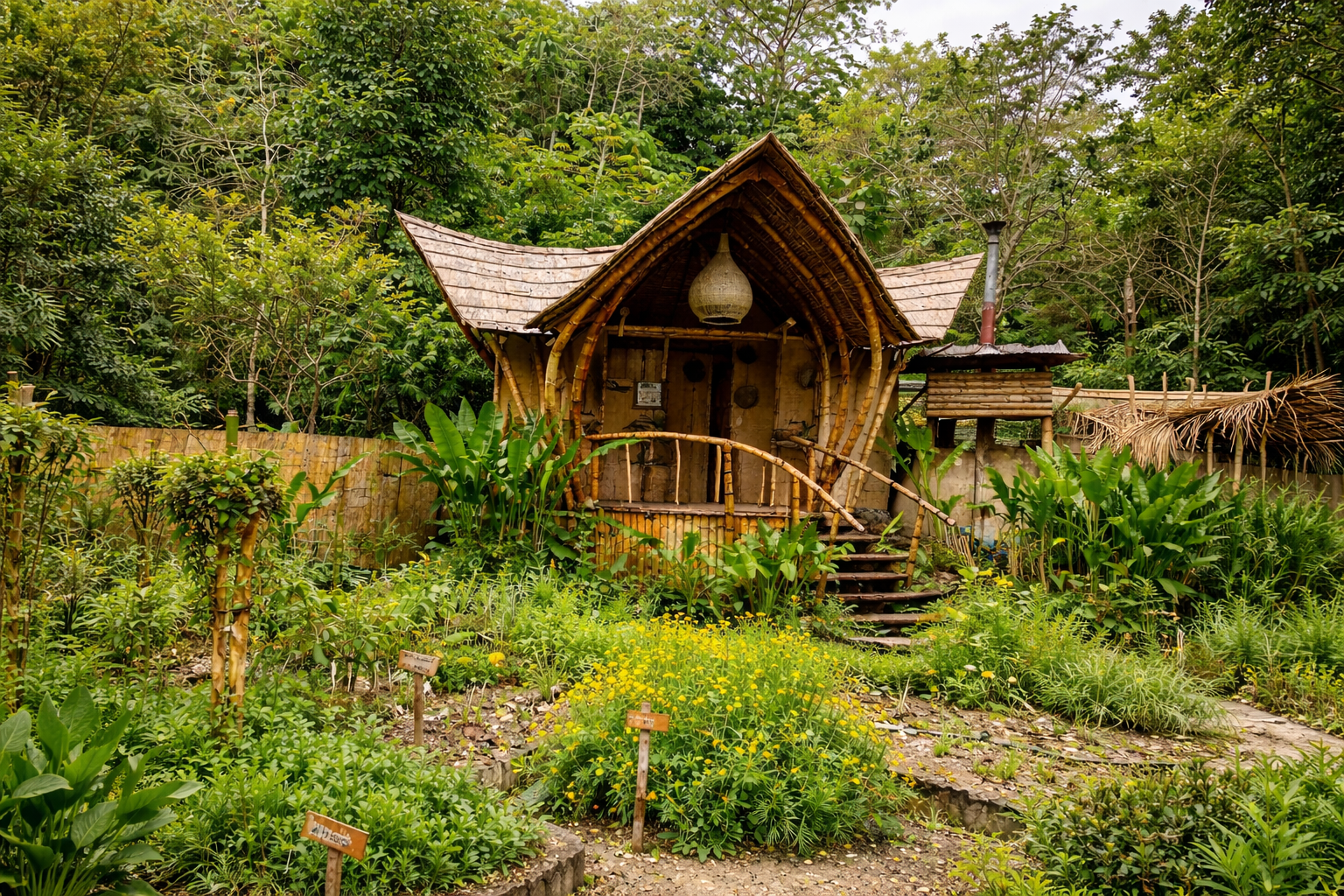
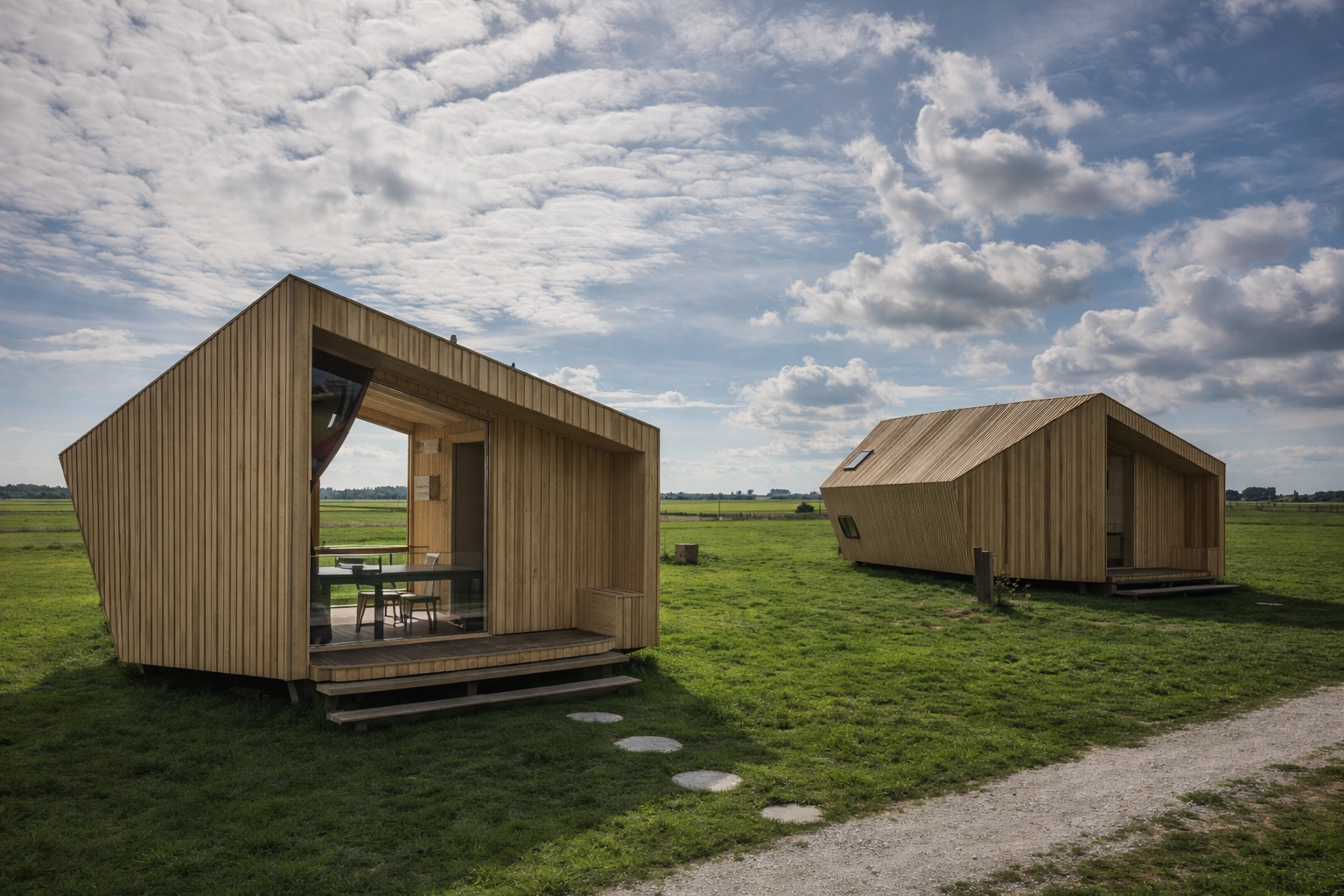
Sustainable Ecolodge at Lauwersmeer National Park and Wadden Sea
Nature-focused stay near wetlands and coast
Check Rates