This 8 days in Portugal itinerary is designed differently. Forget the rental cars, crowded tourist hubs, and generic checklists. This guide focuses on a slower, more intentional journey through Portugal, optimized for rail travel, walkable cities, and a low-impact footprint. It’s built for digital nomads, remote workers, and anyone who wants to connect with a place without contributing to over-tourism. You’ll find a practical, day-by-day plan that balances iconic sights with quiet, local experiences.
Instead of just telling you where to go, this itinerary shows you how to go. You will get specific train routes connecting Lisbon, Sintra, and Porto. It includes tips for using Portugal’s excellent railway system, including night trains, to maximize your time and minimize your carbon emissions. We’ve handpicked sustainable stays, highlighted coworking-friendly cafes, and found activities that support local communities and regenerative tourism. This approach allows you to see the country’s highlights while traveling responsibly and efficiently.
This guide is packed with actionable details. You will learn which train pass makes sense, how to pack a minimalist, zero-waste bag, and the best ways to navigate each city on foot. Before diving into the daily details of your itinerary, these top tips to plan a stress-free vacation can help you set the stage for a smooth and enjoyable 8 days in Portugal. By the end, you’ll have a complete roadmap for a memorable, sustainable adventure.
1. Day 1: Lisbon Arrival & Walkable Neighborhood Exploration
Your sustainable 8 days in Portugal itinerary begins the moment you touch down in Lisbon. The focus is on settling in without a car. This first day prioritizes a smooth, low-carbon arrival. It also encourages immediate immersion into one of Lisbon’s walkable central neighborhoods. By connecting directly from Humberto Delgado Airport (LIS) to the city center via rail, you avoid taxi emissions and start your trip with a lighter footprint.
Alt: A classic yellow tram on a cobbled street, a key part of an 8 days in Portugal itinerary.
From the airport, you have two excellent public transit options. The Metro’s Red Line (Linha Vermelha) is the most direct. It connects you to the São Sebastião or Saldanha stations in about 20 minutes. From there, you can easily transfer to other lines. Alternatively, an airport transfer service like Welcome Pickups is a great option for those with lots of luggage. A pre-booked ride ensures a driver is waiting for you upon arrival, offering a fixed rate and a stress-free start. For a convenient airport transfer, you can book a ride with Welcome Pickups.
Once in the city, check into your pre-booked sustainable accommodation. Choosing a base in a district like Príncipe Real, Santos, or Alcântara ensures you are well-positioned for a car-free stay. These areas are not only charming but are also filled with independent shops, local tavernas promoted by the Slow Food Portugal movement, and zero-waste cafes. Spend the evening acclimatizing with a gentle walk. You could trace a portion of the famous Tram 28 route on foot. This gives you a feel for the city’s hills and stunning miradouros (viewpoints).
Where to Stay in Lisbon
For a truly low-impact stay, consider booking eco-certified guesthouses or hotels. These establishments often feature solar water heating. They also source breakfast ingredients from local producers and have eliminated single-use plastics. Digital nomads will find that areas like Príncipe Real cater specifically to them, with “Slow Lisbon” coworking spaces and apartments offering discounts for stays of seven nights or more.
Lisbon Base Comparison: Alfama vs. Príncipe Real
| Feature | Alfama District | Príncipe Real District |
|---|---|---|
| Vibe | Historic, charming, narrow cobblestone streets | Trendy, upscale, boutique shops and gardens |
| Walkability | Very walkable but hilly and can be crowded | Excellent walkability with a flatter layout |
| Best For | Immersive historic experience, Fado music lovers | Digital nomads, foodies, relaxed exploration |
| Coworking | Fewer dedicated spaces | Numerous cafes and dedicated coworking spots |
2. Day 2: Sintra Day Trip via Train—A Key Part of an 8 Days in Portugal Itinerary
On your second day, you’ll put the rail-first ethos into practice. Take a day trip to the enchanting UNESCO World Heritage site of Sintra. This approach avoids a rental car, minimizes transport emissions, and allows for a full day of mindful exploration. A quick, direct train ride from Lisbon’s Rossio Station (30-40 minutes, about $5.50 USD / €5) delivers you to the heart of this car-free mountain town, known for its fairytale palaces and lush gardens.

Alt: The colorful Pena Palace, a must-see on any 8 days in Portugal itinerary.
Once in Sintra, use local shuttle buses (434 for Pena Palace, 435 for Quinta da Regaleira) operated by Scotturb. These frequent, affordable buses are essential for navigating the steep hills without a car. This trip is a great example of ‘flight-free regional loop’ travel. By using the train and local buses, you eliminate the need for a rental car. You also avoid roughly 9-13 pounds (4-6 kg) of CO₂e per person.
Focus your day on two key sites: the vibrant Pena Palace and the mystical Quinta da Regaleira. For Pena Palace, you must book your ticket online in advance ($17.50 USD / €16) to drastically cut queue time. For Quinta da Regaleira, plan to arrive before 1:30 PM to avoid the longest lines. This day also serves as a practical test for your packing system. Bring a reusable water bottle and a small daypack with essentials, reinforcing the principles of a good zero-waste packing list for 2026.
Where to Eat in Sintra (the low-impact way)
Avoid the high prices and waste of palace cafes by packing your own lunch. Before catching your morning train, stop by a local Lisbon market or a supermarket. Buy local cheese, fresh bread, and fruit for a delicious and affordable picnic. This simple act saves you $11-$16.50 USD (€10–€15) and reduces packaging waste. You’ll find plenty of scenic spots on the grounds of Quinta da Regaleira or in Sintra’s public parks to enjoy your meal. Remember to bring a refillable water bottle. Palace cafes charge around $2.75 USD (€2.50) for bottled water, while Quinta da Regaleira has free fountains.
3. Day 3: Coastal Train to Cascais, Estoril & Beach/Cliff Walks (Night Train Prep)
Day three of your Portugal itinerary shifts from urban exploration to coastal relaxation. This is all accessible via a stunningly scenic and efficient train ride. You’ll journey west to the charming seaside towns of Cascais and Estoril. They are known for their golden beaches and dramatic clifftop walks. This day balances active outdoor time with the practical logistics of preparing for your overnight train journey north to Porto, a key part of your flight-free travel plan.
Alt: The dramatic cliffs of Cascais, a scenic stop on an 8 days in Portugal itinerary.
The journey begins on the Lisbon–Cascais train line. The 30-minute trip (about $2.50 USD / €2-3) traces the Tagus River estuary as it meets the Atlantic, offering beautiful views. Once in Cascais, spend the morning exploring the fishing harbor, a hub for ‘slow tourism’ culture. Afterwards, take a walk to the dramatic Boca do Inferno (Hell’s Mouth), a free-to-access coastal chasm.
The evening is dedicated to preparing for your onward journey. This is the crucial moment to confirm your night train reservation. The CP Lusitania train is a fantastic flight-free option, but it runs seasonally and can sell out. By confirming now, you have time to pivot to a backup plan if needed. You should also pack a small day bag for the train compartment and plan to store your larger luggage at the Lisbon train station’s lockers. This ensures a smooth transition to the next leg of your sustainable 8 days in Portugal itinerary.
What to Book First for an Overnight Train
Booking in advance is key, especially for popular routes like Lisbon to Porto. Using a reliable platform makes the process simple. A sleeper train is an excellent choice, saving you the cost of a hotel room and a day of travel.
For comparing all your travel options, including flights, buses, and trains, Aviasales is a powerful tool. It helps you find the best deal by checking multiple carriers at once, which is perfect for securing a good price on an overnight journey. Compare prices on Aviasales to find the most economical route. Learn more about your options for sleeper train travel in our guide to the best sleeper trains in Europe.
4. Day 4: Night Train Arrival in Porto, Riverside Exploration & Coworking Base-Day
The fourth day of your sustainable 8 days in Portugal itinerary begins as you glide into Porto’s São Bento or Campanhã station around 8:00 AM. This approach masterfully combines travel and rest. It lets you arrive in a new city with a full day ahead while avoiding the emissions of a morning flight. The immediate focus is on a smooth transition from travel to exploration.
Alt: A view from the Dom Luís I Bridge in Porto, a highlight of an 8 days in Portugal itinerary.
Instead of heading straight to a hotel where your room isn’t ready, your first stop is a pre-booked coworking space. Places like Second Home Porto are ideal, offering day passes for around $19.50 USD (€18). This includes a hot shower, secure luggage storage, and a desk. This “workation” hack is a cornerstone for digital nomads. Once settled, the day is yours to discover Porto’s historic heart on foot.
Begin by exploring the UNESCO-listed Ribeira district. This area is a maze of cobblestone streets and colorful, tiled facades that tumble down to the Douro River. The city’s hills can be challenging, so walk downhill in the morning towards the river. For a moment of riverside contemplation, take a ride on the vintage Tram 1. In the afternoon, walk across the upper deck of the iconic Dom Luís I Bridge for breathtaking 360° views.
Where to Stay in Porto
For a low-impact stay, choose an eco-certified guesthouse or hotel in the walkable Ribeira or Miragaia districts. These areas place you in the heart of the action, minimizing the need for transport. Many local establishments are embracing regenerative practices. Porto is celebrated as one of the top workation cities for 2026 where you don’t need a car, and its accommodation options reflect this. We recommend you compare stays on Trip.com to find a great deal.
5. Day 5: Douro Valley Train Loop—Wine, Agriculture & Regenerative Tourism
On day five, your 8 days in Portugal itinerary trades Porto’s urban energy for the serene, rolling hills of the Douro Valley. You’ll take a regional train deep into Portugal’s UNESCO-listed wine region. This car-free day trip highlights regenerative tourism by supporting family-run quintas (wine farms). You will also understand the agricultural practices that help the land thrive.

Alt: A scenic train view of the Douro Valley, a beautiful part of an 8 days in Portugal itinerary.
The journey itself is a key part of the experience. The Linha do Douro is a world-renowned scenic train line that winds along the river. Departing from Porto’s São Bento or Campanhã stations, the regional (CP) train provides direct access to small towns like Pinhão. Eco Nomad Travel highlights the Douro Valley as a model for regenerative wine tourism. Train access supports small-producer economics and raises awareness of soil health.
Once you arrive in a town like Pinhão, you can visit pre-booked quintas. It’s essential to call ahead, as many smaller, family-owned producers operate by appointment only. This approach directly benefits the local community. It also gives you a more authentic tasting experience. You can learn more about how travel can positively impact destinations by exploring the principles of regenerative travel.
Best Route for a Douro Day Trip
- Train Tickets: Secure your spot on an early morning train from Porto to Pinhão. Use the Comboios de Portugal (CP) website to check schedules.
- Quinta Tastings: Call your chosen wineries at least one day in advance to book a tasting and, if available, a farm lunch.
- Local Guide (Optional): If you want an expert-led experience, book a guide through a service like Douro Valley Guides.
Douro Quinta Visits: Regenerative vs. Iconic
Choosing where to taste can be a highlight of your trip. You have options ranging from large, well-known houses to small, certified-biodynamic farms.
- Iconic Experience: Quinta da Roêda offers accessible tours and tastings for around $8.50 USD (€8). While a larger operation, it has integrated regenerative soil practices.
- Certified Biodynamic Producer: For a deeper dive, visit a smaller farm like Quinta da Xistosa. Tastings are about $10.75 USD (€10). You can often book a farm dinner for an additional $27 USD (€25). Booking ahead is a must.
6. Day 6: Aveiro, Costa Nova & Coastal Trains
Today’s portion of your sustainable 8 days in Portugal itinerary shifts focus from major cities to the charming coastal landscape north of Coimbra. This day combines exploration of the unique lagoon ecosystem of Aveiro with the Atlantic breeze of Costa Nova. It’s all done using Portugal’s efficient regional rail and local bus network. This leg of the journey demonstrates how to experience Portugal’s diverse coastal environments without renting a car.
Alt: The colorful striped houses of Costa Nova, a perfect photo for an 8 days in Portugal itinerary.
From your base in Porto, take a morning regional train to Aveiro. The journey takes about an hour. Once in Aveiro, often called the “Venice of Portugal,” you can explore its canals and Art Nouveau architecture. You can also support the local ecosystem by visiting the Troncalhada Ecomuseum to learn about traditional salt production.
In the afternoon, catch a local bus from the main terminal to Costa Nova. The short ride takes you across the lagoon to a vibrant beach town known for its candy-striped wooden houses, called palheiros. Enjoy fresh seafood from a restaurant committed to using locally-caught fish. Then walk along the wooden boardwalks designed to protect the fragile dune ecosystem. Return to Porto in the evening.
Best Tools for This Trip
For managing rail travel and staying connected, a few digital tools are indispensable.
For staying connected without expensive roaming fees, an eSIM is a must-have for modern travelers. Airalo is an excellent choice, offering affordable data plans for Portugal and over 200 other countries, so you can navigate and book on the go. To ensure you have data from the moment you land, lock in an Airalo eSIM before your trip. Another great alternative for reliable data is Yesim, which also provides easy-to-use eSIM plans for travelers. You can get your Yesim data plan here.
7. Practical Tips & Packing
A successful, low-impact trip is often determined before you even leave home. This section aggregates the essential practical advice from this 8 days in Portugal itinerary. It helps you pack smart and plan for a smooth, car-free journey. Efficient packing is crucial, especially when navigating train stations and cobblestone streets.
Alt: A well-packed backpack, essential for an 8 days in Portugal itinerary.
The single most important tip is to bring comfortable, sturdy walking shoes with good grip. The steep, cobbled streets of Lisbon and Porto are notoriously unforgiving. Beyond shoes, a minimalist approach is best. A small day-bag (15–20L) is perfect for daily excursions. If you’re traveling with larger luggage, plan to use station lockers ($8.50-$13 USD / €8–€12) to store it during day trips.
Always carry a refillable water bottle to stay hydrated and reduce plastic waste. Sun protection, including a hat and sunscreen, is non-negotiable. Finally, pre-booking is essential. Secure reservations for popular sites like Pena Palace weeks in advance. For comprehensive protection, it’s wise to get a quote for travel insurance. For non-US citizens and residents, Schengen travel insurance is a key step. VisitorsCoverage offers robust travel insurance plans for U.S. residents. To protect your trip investment, explore travel insurance options from VisitorsCoverage.
Cost Breakdown
This itinerary prioritizes value and low impact. By choosing trains and walkable bases, you avoid the hidden costs of car travel. The estimated per-person cost for all major transport for this 8-day trip is approximately $85 USD (€79). This frees up your budget for more meaningful experiences.
8. Day 8: Final Exploration and Departure
On your final day, you have a few hours for one last Portuguese experience before heading to the airport. Depending on your flight schedule, you could revisit a favorite neighborhood for breakfast. Or, you could do some last-minute souvenir shopping at a local market. Focus on buying products made in Portugal, such as cork goods or ceramics, to support local artisans.
Alt: The beautiful Portuguese coast, a lasting memory from an 8 days in Portugal itinerary.
This rail-first, slow-travel approach to an 8 days in Portugal itinerary delivers significant benefits. A typical flight from Lisbon to Porto emits around 132-154 pounds (60-70 kg) of CO2 per passenger. In contrast, the Alfa Pendular high-speed train for the same route produces only about 11-13 pounds (5-6 kg) of CO2. Over the course of the itinerary, this train-first choice saves approximately 330-440 pounds (150-200 kg) of CO2 per person compared to a driving-heavy itinerary.
From a budget perspective, the savings are just as compelling. A week-long car rental can easily cost $350-$500 USD (€325-€465), not including fuel and tolls. This itinerary’s total train travel cost typically falls between $75-$110 USD (€70-€102) per person when booked in advance. This frees up funds for experiences that directly support the local economy.
Customizing Your Low-Impact Portugal Itinerary
While this guide provides a solid framework, its true value is in its adaptability. Your perfect 8 days in Portugal itinerary should reflect your personal travel pace and interests.
- For the Beach Lover: Consider swapping the Douro Valley day trip (Day 5) for an extra day along the coast.
- For the History Buff: You might choose to dedicate a full two days to Sintra’s myriad of palaces and historical sites.
- For the Remote Worker: You could consolidate day trips to free up an afternoon for deep work at a spot like Porto i/o.
The key is to use the principles—walkable bases, rail connections, and sustainable choices—to build the trip that’s right for you.
Editor’s Pick: The Alfa Pendular Train
For the core journey between Lisbon and Porto, the Alfa Pendular (AP) train is our top recommendation. It’s the fastest and most comfortable rail option in Portugal, covering the distance in approximately 3 hours. Booking “Conforto” (First Class) often costs only a few dollars more if you book early. It includes spacious seating, power outlets, and Wi-Fi, making it a perfect mobile office for digital nomads. It represents the best of Portuguese rail: efficient, scenic, and exceptionally comfortable. This is a great choice for your 8 days in Portugal itinerary. You can book tickets directly through Trip.com, which often has an easy-to-use interface for comparing times and finding deals.
Key Takeaways for Your Journey
As you finalize your plans, keep these core principles at the forefront of your mind. They are the cornerstones of a successful and sustainable trip.
- Prioritize Rail: Portugal’s train network is efficient, affordable, and scenic. Use it as your primary mode of transport between cities to minimize your carbon footprint and maximize your travel experience.
- Establish Walkable Bases: Choose accommodations in central, walkable neighborhoods like Alfama (Lisbon) or Ribeira (Porto) to eliminate the need for daily transport and immerse yourself in the local culture.
- Pack with Purpose: A minimalist, zero-waste packing strategy is non-negotiable. It simplifies transfers, reduces your environmental impact, and makes navigating train stations and cobblestone streets a breeze.
- Balance Work and Exploration: For digital nomads, schedule dedicated work blocks in coworking spaces or cafes to maintain productivity, freeing up the rest of your time for guilt-free exploration.
- Travel in the Shoulder Seasons: Visiting in spring (April-May) or fall (September-October) offers the best balance of good weather, fewer crowds, and lower prices, enhancing the “slow travel” experience.
- Book Key Items Early: Secure the best prices and availability for your long-distance train tickets and top-choice accommodations by making a reservation weeks in advance.
Ready to plan your own sustainable journey? The principles in this guide are the foundation of what we do at Eco Nomad Travel. We create detailed, rail-first itineraries and resources that empower you to explore the world responsibly. Visit our website at Eco Nomad Travel to discover more low-impact routes and travel guides.
This article was fact-checked using sustainability data from the World Green Building Council, the Global Ecotourism Network, and peer-reviewed architecture studies. All partner links are vetted for compliance with sustainable business certifications.
Frequently Asked Questions (FAQ)
1. Is 8 days enough for Portugal?
Eight days is a great amount of time for a focused trip covering two major cities and their surrounding areas, like the Lisbon-Porto corridor featured in this itinerary. It allows you to experience the highlights without feeling rushed, especially when using efficient train travel. However, to explore other regions like the Algarve or the islands, you would need more time.
2. What is the best way to get around Portugal without a car?
The train system, operated by Comboios de Portugal (CP), is by far the best way to travel between major cities like Lisbon, Porto, and Coimbra. The network is reliable, affordable, and scenic. For local travel within cities, metros, trams, and your own two feet are the most sustainable and practical options.
3. How much should I budget for an 8-day trip to Portugal?
Excluding flights, a mid-range budget for this 8-day itinerary would be approximately $120-$180 USD per day per person. This covers train tickets (booked in advance), sustainable accommodations, food, and activities. Budget travelers could aim for under $100 USD per day by staying in hostels and self-catering, while luxury travelers could spend $300 USD or more.
4. Is Portugal a good destination for digital nomads?
Absolutely. Cities like Lisbon and Porto have become major hubs for digital nomads due to their affordability, excellent Wi-Fi infrastructure, abundance of coworking spaces, and vibrant international communities. The time zone (GMT) is also convenient for collaborating with teams in both Europe and the Americas. For a reliable connection, it’s wise to book an eSIM from a provider like Airalo before you arrive.
5. What is the most important thing to book in advance for this itinerary?
For this specific 8 days in Portugal itinerary, the two most important things to book in advance are:
- Your long-distance train tickets, especially the Alfa Pendular between Lisbon and Porto, as prices increase significantly closer to the departure date.
- Your accommodations in popular, walkable neighborhoods, as the best-value and most sustainable options get booked up quickly, particularly during the shoulder seasons.

Book a Sustainable Stay That Fits This Trip
Explore eco lodges, villas, and resorts that match the slower, lower-impact travel style featured on Eco Nomad Travel.
Affiliate disclosure: We may earn a commission if you book through these links at no extra cost to you.
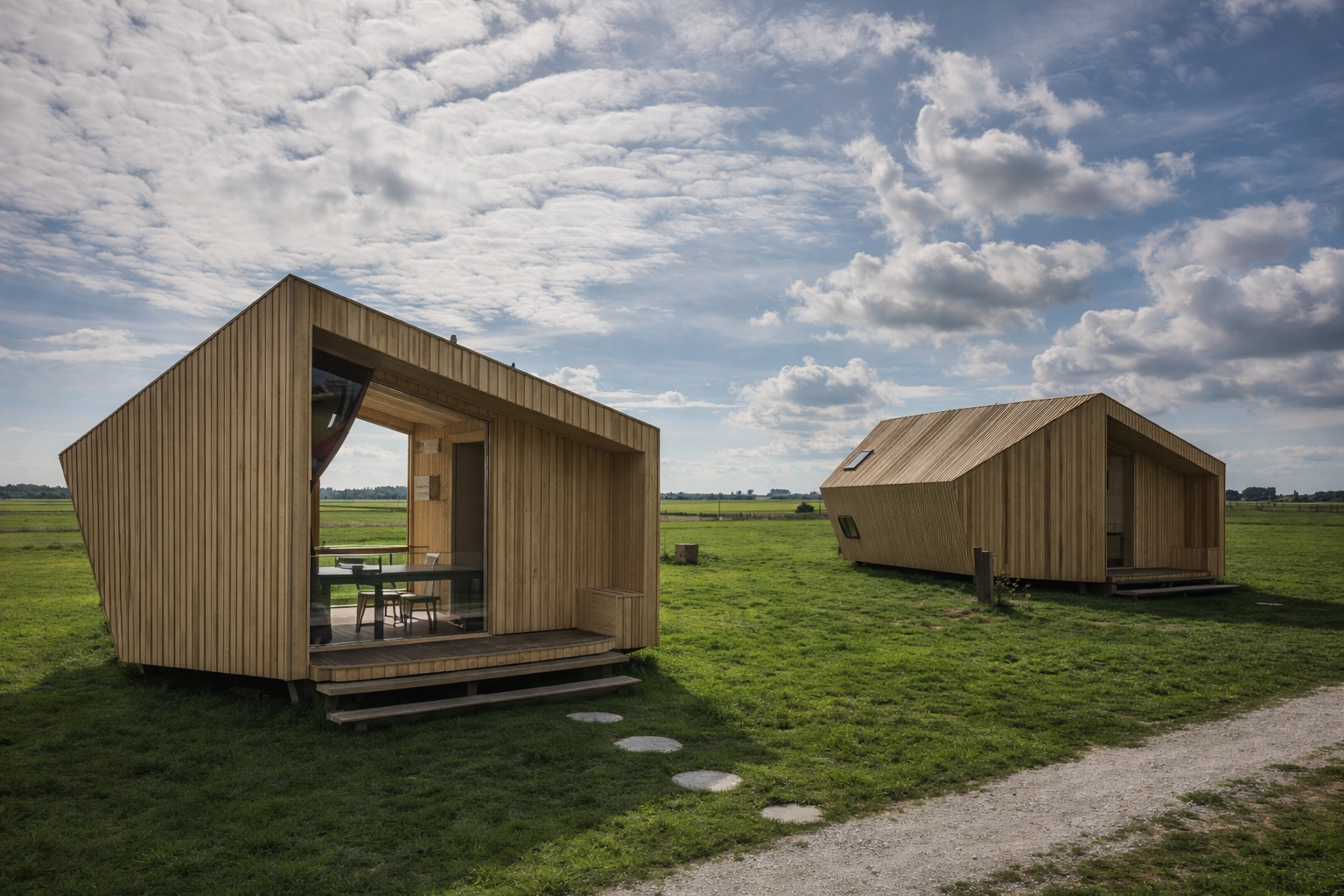
Sustainable Ecolodge at Lauwersmeer National Park and Wadden Sea
Nature-focused stay near wetlands and coast
Check Rates

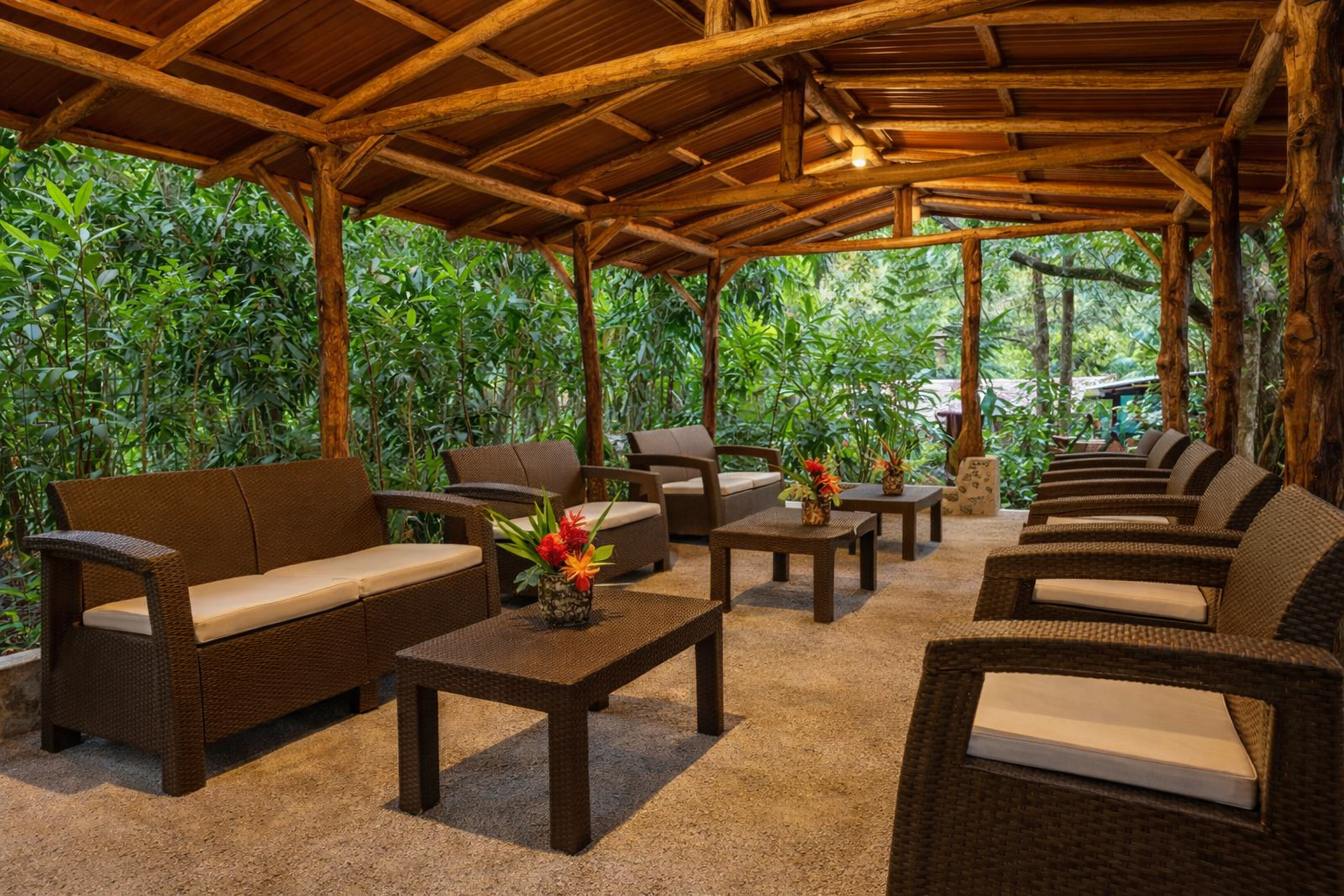
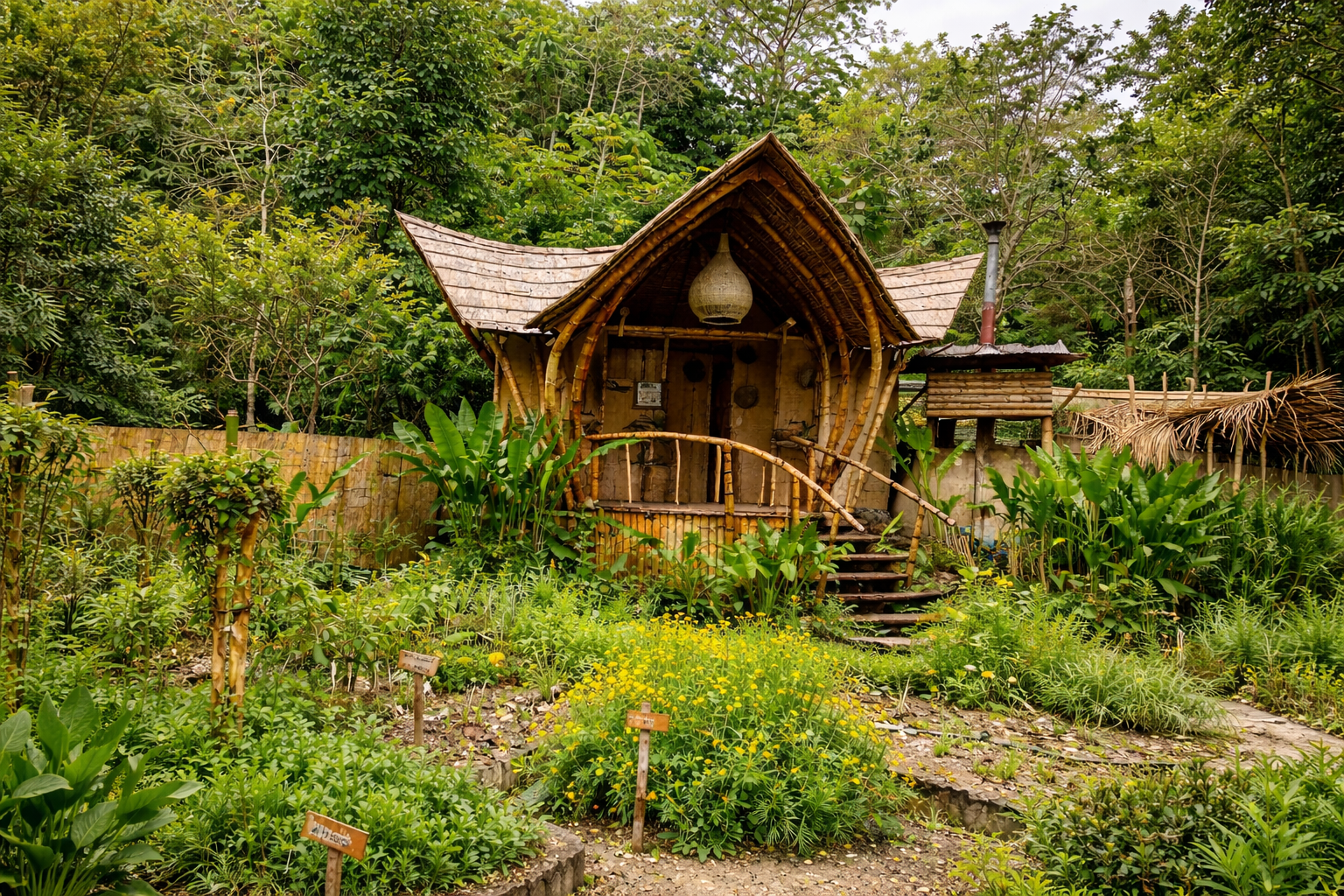
Rancho Margot Sustainable & Self Sufficient Eco Lodge
Self-sufficient rainforest eco lodge
Check Rates