

By Jeremy Jarvis — Founder, Eco Nomad Travel. Slow travel, rail-first planning, and low-impact coastal living.
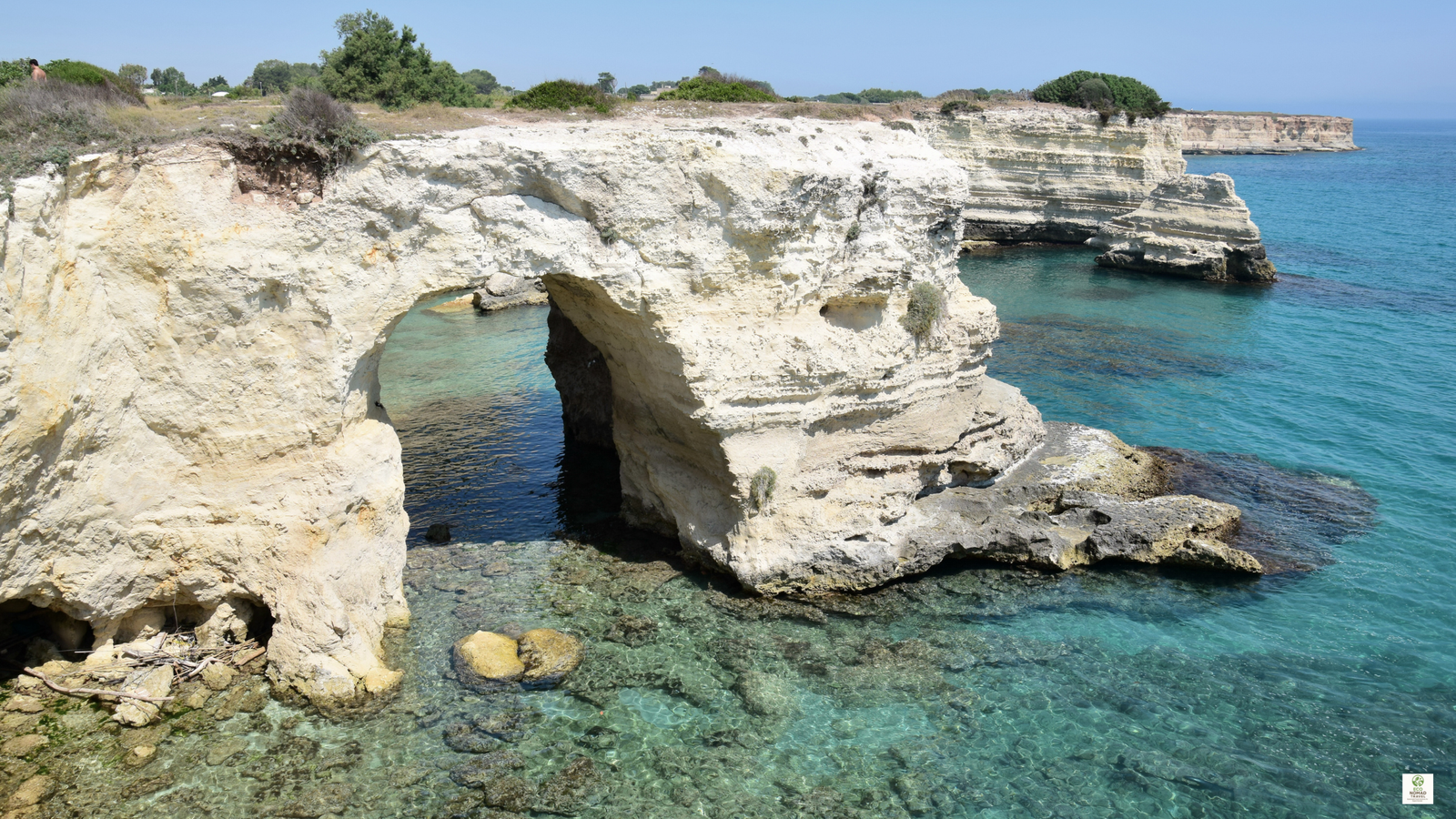
A dramatic Adriatic coastline moment: sea-tunnel views are best enjoyed early or in shoulder season for a quieter, lower-impact visit.
The Adriatic coastline is one of those places that can be loud and rushed—or surprisingly gentle—depending on how you plan it. If you pick one good base, move less, and build your days around walking, swimming, and simple local routines, the Adriatic starts to feel less like a “trip” and more like a calmer way to live near the water.
This guide focuses on the practical side of slow travel: how to choose between rocky coastline coves and sandy beaches, how to avoid “move-every-day” planning, and how to keep your Adriatic coast itinerary more car-light without losing the iconic coastal views.
If you’re building this trip as part of a bigger low-impact plan, start with our cornerstone guide: Carbon Neutral Travel in 2025: The Complete Guide. Then layer in habits from Low-Impact Travel Habits so the trip stays realistic and repeatable.
Why the Adriatic coastline works for slow travel
The Adriatic coast is naturally friendly to slow travel because the best days are not packed days. The “winning” routine is simple: a morning swim, a long walk along the waterfront, a market stop, then a slower dinner as the sun drops. When you stay in one place long enough, you stop treating the coastline like a series of photo stops and start noticing the details that actually make a coastal town feel livable.
That’s also where your footprint usually improves. Fewer hotel changes means fewer transfers, fewer short car rides, fewer “we need to rush” decisions, and more time on foot. If you’re pairing coast time with inland routes, it’s worth comparing options in Train vs Plane Emissions and building a slower overland approach when possible.
Rocky coastline vs sandy beach: what changes your day
Not every Adriatic coastline day feels the same. A rocky coast day is usually about coves, clear water, and exploring on foot. A sandy beach day is often about long shoreline walks, easier entry into the water, and spending more time reading, resting, and stretching your day out without moving much. Both can be low-impact, but they reward different planning.
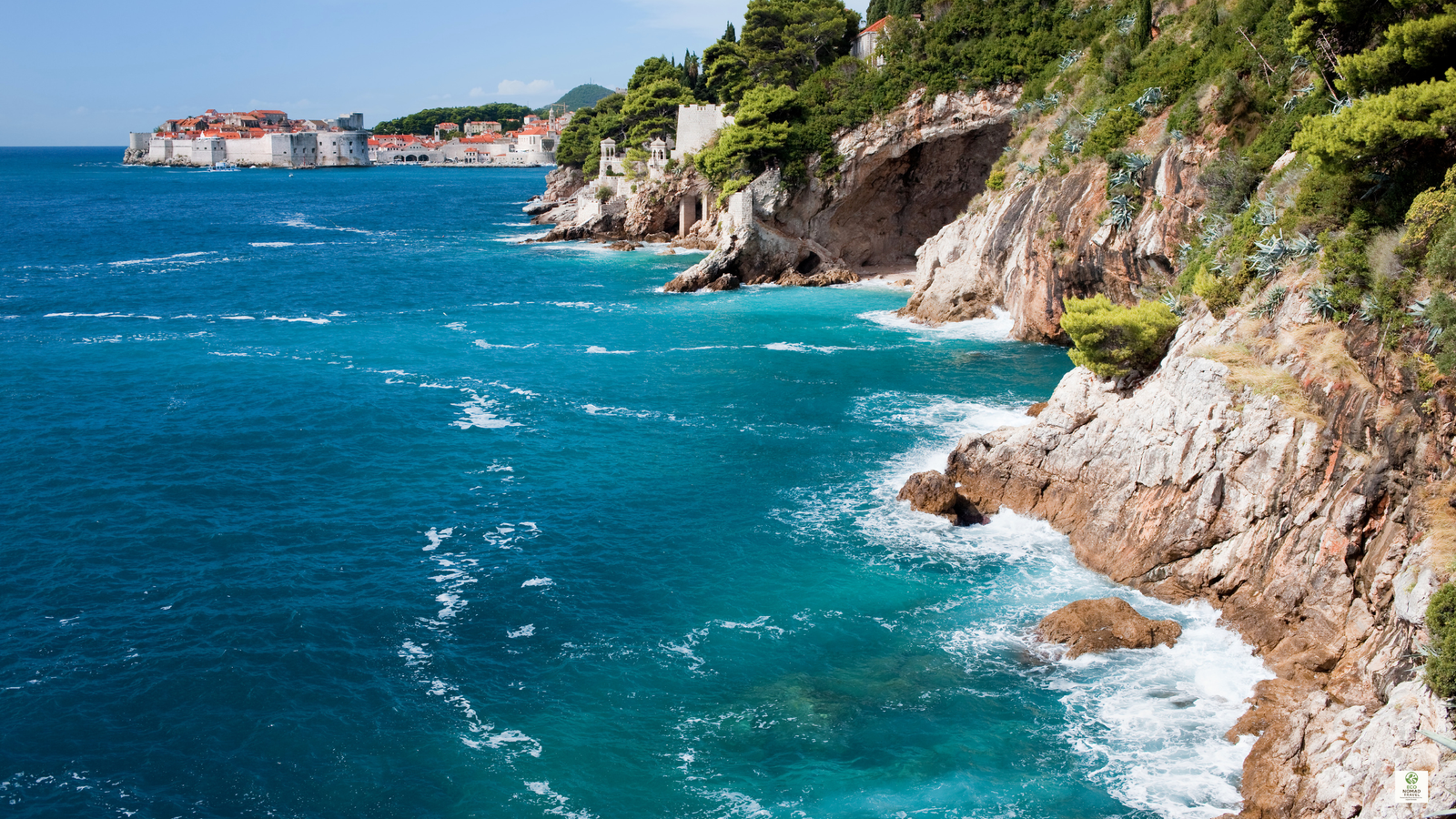
Rocky Adriatic coastline: best for coves, clarity, and viewpoint walks
A rocky coastline usually means smaller swim entries, clearer water, and more “micro-adventures” packed into a short radius. If you like the feeling of discovering a quiet spot after a 20-minute walk, rocky coves are often the best match. They also pair well with a car-light plan because you can build a day around walking the coastal path instead of driving from beach to beach.
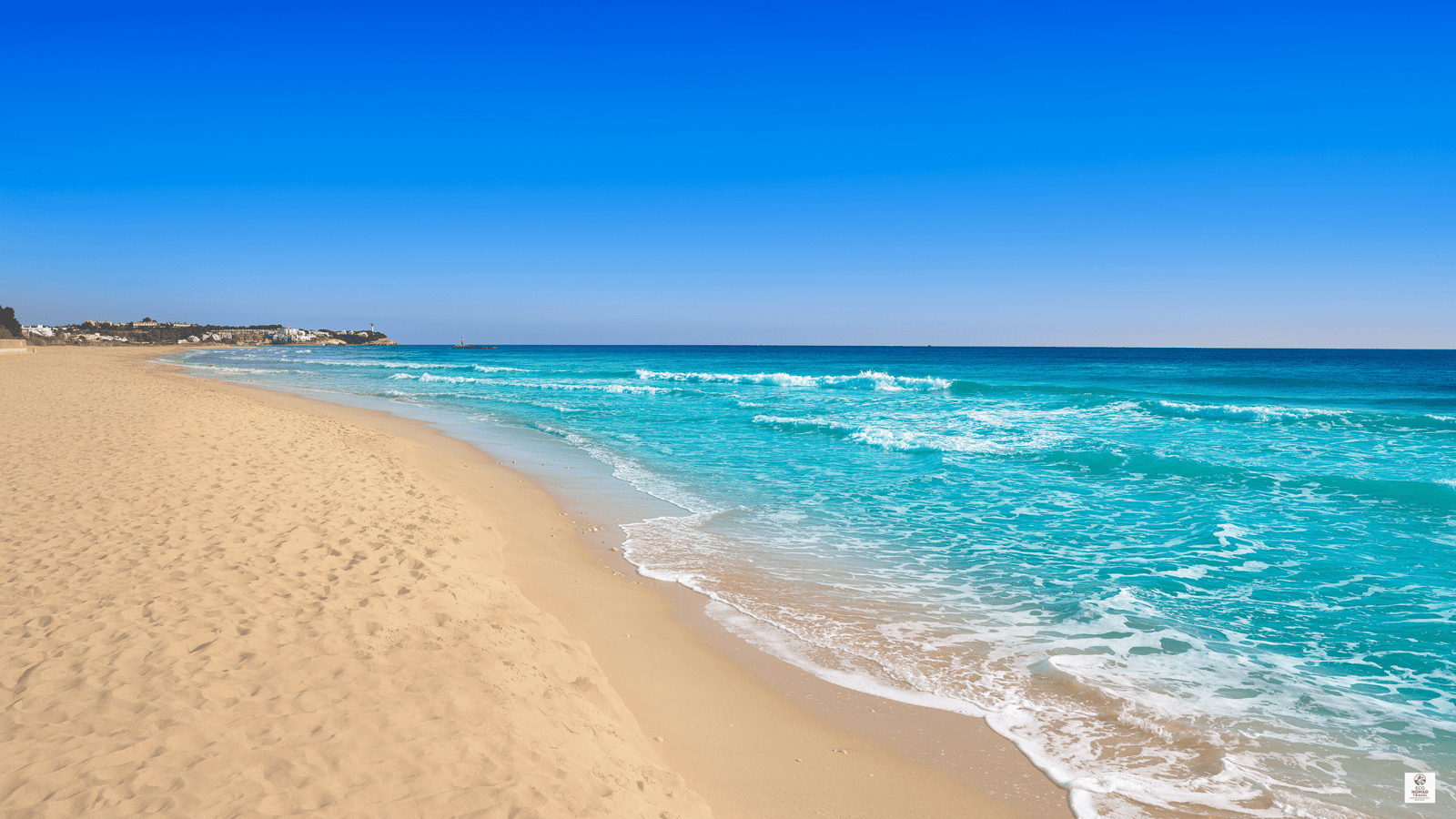
Sandy Adriatic beach: best for long walks, gentler swims, and rest days
A sandy beach day is one of the easiest ways to do slow travel well. You can arrive early, pick a spot, and stay. If your goal is to reduce constant movement, sandy beaches make it simple: fewer gear changes, fewer transfers, fewer decisions. They’re also a strong fit if you’re working remotely and want a predictable rhythm: morning focus block, midday beach, sunset walk.
If you’re deciding between multiple towns, prioritize walkability first: can you reach groceries, a bakery, the water, and a sunset viewpoint without needing a taxi? That single factor often decides whether your Adriatic coast stay feels calm or constantly logistical.
Sea tunnels, sea caves, and rocky arches
One of the most searched “wow” moments on the Adriatic coastline is the dramatic rock-and-water geometry: sea caves, tunnel cut-throughs, and natural arches. These spots can get crowded fast in peak season, so the slow-travel move is to build them into a longer stay instead of a rushed day trip. Go early, walk in when possible, and treat it like a single highlight—then return to your base and keep the day simple.
If you’re doing any boat time, keep it minimal and purposeful. A short, low-speed outing can be more enjoyable (and often lower impact) than an all-day “race the coastline” tour that leaves you exhausted. If you want the coastline views without the boat, prioritize coastal paths and lookout points that let you earn the view on foot.
Partner note: Links above are affiliate links (rel=”nofollow sponsored”). Use them only if they genuinely help your route and budget.
Car-light ways to move along the Adriatic coast
The Adriatic coastline is often sold as a “road trip,” but you can keep it car-light without losing the coastline experience. The practical approach is: choose a walkable base, use regional buses for longer hops, and reserve driving for the one stretch where it genuinely improves access. If you do rent a car, avoid daily beach-hopping. That pattern is usually the biggest source of stress and unnecessary emissions.
If you’re planning a broader low-impact route, these two resources help you reduce unnecessary transport days: Flight-Free Travel Itineraries and Sustainable Road Trip Vacations.
Transfers that keep things simple
If you need local transfers (especially after long bus rides or late arrivals), choose one reliable option and stop improvising. For low-friction arrivals, consider pre-booking a transfer: Kiwitaxi or Welcome Pickups. A single pre-booked transfer can prevent the spiral of multiple short taxis and “last-minute” detours.
When renting a car still makes sense
A car can be useful if your coastline base is remote, your accommodation is far from town, or you want one scenic inland loop day. If you go this route, keep the rental window short. Book only the days you truly need, then return the car and go back to walking. If you want to compare rental options, GetRentACar is an option to price-check.
7, 10, and 14-day Adriatic coastline itineraries
These are pacing templates you can adapt to your exact coastline segment. The goal is not to hit every famous spot—it’s to build a coastline week that feels restorative and easy to repeat.
7 days: one base, one highlight day
Choose one walkable Adriatic coastal town as your base for the full week. Plan one “feature” day (a rocky tunnel / sea cave view, or a scenic coastline walk), then keep the rest as routine days: swim, café, long walk, market, sunset. This structure is ideal if you’re trying to reduce transport days.
10 days: two bases, slow transfer in the middle
Split your stay into two walkable towns. Do not move more than once. Use the transfer day as a light day: short travel, early dinner, and a sunset walk. If you feel yourself overplanning excursions, return to the simplest question: can you enjoy the Adriatic coastline right outside your door?
14 days: one base plus a quieter second base (off-peak style)
Spend 8–10 days in one base, then choose a second spot that’s calmer or less famous. This is the easiest way to avoid crowds and still get variety. For ideas on timing and crowd-light planning, see: Off-Peak Eco Escapes in Europe and Quietcations and Digital Detox Travel.
What to pack for the Adriatic coast
Packing light is one of the easiest ways to keep the Adriatic coastline trip smoother. It makes buses easier, reduces decision fatigue, and helps you walk more. Start with comfortable walking shoes, a simple sun layer, and a lightweight bag that works for beach and town.
If you’re keeping this trip genuinely low-impact, make your packing choices match the habits you want on the ground: How to Pack for Low-Impact Travel and Zero-Waste Digital Nomad Packing Guide.
For coastal care (and to reduce harm in the water), it’s worth reading: Reef-Safe Sunscreen Guide. This is one of those small choices that aligns with the reality of spending long days on the Adriatic shoreline.
Estimate and reduce your trip footprint
If you want to keep the Adriatic coastline trip lower impact, measure first—then reduce. The biggest levers are usually: fewer intercity moves, fewer short car rides, longer stays, and more walking. Use the calculator below to get a baseline, then adjust your plan until it feels both realistic and lighter.
For additional context on the difference between “carbon” and broader impact, see: Environmental Footprint vs Carbon Footprint and How to Lower Your Ecological Footprint.
Further reading and sustainable work resources
- Carbon Neutral Travel in 2025: The Complete Guide
- Sustainable Travel Guide 2025
- Sustainable Travel Tips for Eco Nomads
- Sustainable Stays 2025: How to Avoid Greenwashing
- Green Travel for Digital Nomads 2025
Join the Sustainable Work Movement
If you’re building a slower, lower-impact travel lifestyle—especially as a remote worker—follow Eco Nomad Travel on Pinterest for itineraries, packing systems, and car-light travel ideas you can reuse.
Adriatic Coastline Planning Deep Dive: Bases, Beach Days, and Low-Impact Logistics
If you want the Adriatic coastline to feel smooth instead of scrambled, plan it like a “living week,” not a checklist. The biggest mistake travelers make on the Adriatic coast is moving too often—switching towns every night, chasing famous photo points, then wondering why they feel tired and why the trip cost more than expected. Slow travel flips that: you choose one or two walkable bases, build an easy daily rhythm, and use short, purposeful outings to see the rocky coastline, sandy beaches, and dramatic viewpoints without turning every day into transit.
Step 1: Choose a walkable base town (the 15-minute rule)
Before you book anything, apply one simple filter to your stay: can you walk to (1) a grocery or market, (2) a bakery or café, (3) a swim spot on the Adriatic Sea, and (4) an evening promenade or viewpoint—all within about 15 minutes? When the answer is yes, your trip becomes naturally car-light. You’ll take fewer taxis, you’ll avoid daily driving, and your day-to-day life on the coast becomes easier. This matters more than “best hotel” lists because walkability is what determines whether the Adriatic coastline feels calm or constantly logistical.
If you want a broader framework for choosing low-impact stays (and avoiding greenwashed listings), pair your lodging choices with: Sustainable Stays 2025: How to Avoid Greenwashing. For a bigger-picture approach to low-impact travel planning, revisit: Sustainable Travel Guide 2025.
Step 2: Plan your beach days by “coast type” (rocky coves vs sandy shoreline)
The Adriatic coastline is famous for both rocky coastlines and pockets of sandy beaches, and the experience is different enough that it’s worth planning your week around both. Rocky coves tend to deliver clearer water, more dramatic cliffs, and those classic “jump in, dry on the rocks, walk to the next cove” mornings. Sandy beach days are usually better for long shoreline walks, easier swim entry, and true rest—especially if you’re mixing travel with remote work or a digital detox.
A simple rhythm that works well is: two rocky coastline mornings, one sandy beach reset day, then repeat. This pacing keeps your week feeling fresh without requiring constant transfers. If you’re trying to travel lighter and reduce waste on beach days, use: Zero-Waste Digital Nomad Packing Guide and How to Pack for Low-Impact Travel.
Step 3: Keep the Adriatic coast car-light (without missing the scenic routes)
You can still get the “scenic drive” feeling on the Adriatic coast without driving every day. The low-impact approach is to treat driving as a short tool: one planned scenic loop day (or a single transfer day where a car saves time), then back to walking and local transport. Daily beach-hopping by car is usually the fastest path to parking stress, crowded roads, and unnecessary emissions.
If you’re building a wider Europe route and want the most impact per decision, focus on the big levers first: fewer flights, fewer intercity moves, and fewer short car rides. These guides can help: Flight-Free Travel Itineraries 2025 and Train vs Plane Emissions 2025. For habits that keep day-to-day travel lighter (and more repeatable), see: Low-Impact Travel Habits.
Step 4: Smooth arrivals and departures (so transfer days don’t wreck the vibe)
Transfer days are where many Adriatic coastline trips go off the rails. The fix is simple: do less on travel days and protect your arrival. Plan your transfer so you can check in, grab groceries, and take a short sunset walk—then call it a win. If you arrive late or with bags, pre-booking one reliable transfer can prevent the “last-minute taxi shuffle” that often adds stress and extra short rides. If you need a transfer option, these can help: Kiwitaxi or Welcome Pickups.
Partner note: The transfer links above are affiliate links (rel=”nofollow sponsored”). Use them only when they genuinely simplify your route.
Step 5: Timing your trip for a quieter Adriatic coastline
If your goal is slow travel, timing matters as much as the route. Shoulder season often makes the Adriatic coastline feel more local: fewer crowds, easier waterfront walks, and more availability in the kind of small stays that are perfect for longer base travel. If you’re deciding between peak and off-peak, use: Off-Peak Eco Escapes in Europe. And if you’re intentionally planning a calmer trip with fewer stimulation hits, you’ll also like: Quietcations: Digital Detox Travel (2025).
Step 6: Keep your footprint lower without overthinking it
“Low-impact” on the Adriatic coast is mostly about structure. Longer stays reduce transport churn. Walkable towns reduce short rides. A predictable rhythm reduces impulse trips. Then you add small choices that fit coastal life: refill water when you can, eat seasonally, and protect the places you’re swimming in. If you spend a lot of time in the water, it’s worth skimming: Reef-Safe Sunscreen Guide 2025. For deeper context on measuring impact, revisit: Travel Carbon Footprint Emissions (2025) and Environmental Footprint vs Carbon Footprint.
Booking smarter: stays, connectivity, and “one tool per problem”
Slow travel gets easier when you stop juggling five tools for the same task. Pick one place to compare stays, one solution for connectivity, and one approach for planning arrivals. If you need a starting point for accommodation browsing, you can compare coastal stays here: Trip.com. For connectivity (especially if you’re working remotely along the Adriatic coastline), an eSIM can reduce roaming surprises: Airalo eSIM or Yesim eSIM.
Partner note: The booking and eSIM links above are affiliate links (rel=”nofollow sponsored”). Choose only what fits your route and budget.
The simplest way to make the Adriatic coastline trip feel amazing is to make it easy to repeat: fewer moves, more walking, and days that aren’t constantly “optimized.” When your base is walkable and your week has rhythm, the coastline does the rest—rocky coves, sandy beaches, and sunset promenades included.
Final thoughts: a coastline trip that feels calm
The Adriatic coastline is at its best when you stop chasing distance and start building rhythm. Pick one base you can walk from. Mix a few rocky coastline mornings with a sandy beach rest day. Add one “sea tunnel” highlight if it fits naturally. Then protect your time so the coast becomes what it’s supposed to be: a slower place to breathe.
Before you plan your next segment, revisit the cornerstone guide again: Carbon Neutral Travel in 2025: The Complete Guide. It’s the easiest way to keep your route decisions aligned with the kind of travel you actually want to repeat.
FAQs About the Adriatic Coastline (Slow Travel, Beaches, and Low-Impact Planning)
Planning your Adriatic coastline route
How do I plan a slow-travel route along the Adriatic coastline?
Use a one- or two-base plan. Pick a walkable Adriatic coast town where you can reach groceries, cafés, a swim spot, and a sunset promenade on foot. Stay at least 4–7 nights per base, then do short, purposeful outings for rocky coastline coves, viewpoints, and one sea-cave or sea-tunnel highlight. This keeps the itinerary calm and reduces constant transfers that add cost, time, and emissions.
How many days do I need for the Adriatic coast to feel unhurried?
Seven days is the minimum for a true Adriatic coastline rhythm (swim, walk, market, sunset). Ten days is ideal if you want two bases without rushing. Fourteen days works best when you add a quieter second town or off-peak timing so you can avoid crowds and keep your trip more low-impact.
Is it better to choose one base or two bases on the Adriatic coastline?
One base is best for slow travel and a car-light routine. Two bases are great if you want variety (rocky coastline + sandy beach feel) without constant packing. Avoid more than two bases unless you’re traveling very slowly and staying 4+ nights in each place.
Rocky coastlines, sandy beaches, and sea-cave highlights
What’s the difference between a rocky Adriatic coastline day and a sandy beach day?
Rocky coastline days are usually about clear water, coves, cliff walks, and short swims between viewpoints. Sandy beach days are better for long shoreline walks, easier swim entry, and true rest-day pacing. Mixing both keeps your Adriatic coast week balanced without needing daily driving.
How do I visit sea caves or a sea tunnel without crowds?
Build it into a longer stay instead of a rushed day trip. Go early, choose a short outing, and keep the rest of the day simple back at your base. Shoulder season often delivers the same Adriatic coastline views with fewer people and easier logistics.
Are Adriatic coastline viewpoints better at sunrise or sunset?
Sunset is the classic Adriatic coast moment, but sunrise can be calmer and cooler—especially for rocky coastline walks and sea-arch viewpoints. If you want low-impact travel days, pick one sunrise viewpoint and one sunset promenade each week and let the rest stay routine.
Low-impact transport, packing, and sustainability tips
What are the most low-impact ways to travel along the Adriatic coast?
Stay longer in fewer places, walk as much as possible, and use regional buses or ferries for longer hops instead of daily driving. If you rent a car, keep it for one scenic day only, then return it before settling into a walkable old town where parking is stressful and unnecessary. For planning context, see Flight-Free Travel Itineraries and Train vs Plane Emissions.
Do I need a rental car for the Adriatic coastline?
Not always. Many Adriatic coastal towns are best explored on foot. A rental car can help if your accommodation is remote or you want one inland loop for viewpoints, but daily beach-hopping usually reduces the slow-travel feel. Car-light planning is often easier (and more sustainable) once you’re based in a walkable town.
What should I pack for a low-impact Adriatic coastline trip?
Pack for walking first: comfortable shoes, a light sun layer, and a simple beach setup you can carry easily. A lighter bag makes buses and transfers easier, reduces decision fatigue, and encourages more on-foot exploration. Use How to Pack for Low-Impact Travel and Zero-Waste Digital Nomad Packing Guide to keep it streamlined.
How can I reduce my carbon footprint on an Adriatic coast itinerary?
Reduce moves first: fewer bases, fewer long transfers, and fewer short car rides. Choose a walkable Adriatic coastline town, build a repeatable daily routine, and avoid over-scheduling day trips that turn into transport days. For deeper context, see Carbon Neutral Travel in 2025 and Travel Carbon Footprint Emissions.


Recent Posts
Best Travel Towels
Quick picks for fast-drying, packable towels that actually work on the road.
Best Waterproof Backpack
What matters for rain, train platforms, and daily carry—without overpacking.
Cheapest Way to Travel to Europe
Budget routes, timing, and practical ways to cut costs without cutting comfort.
How to Travel Europe by Train
Planning tips, rail passes, and simple route strategies for smoother trips.
Best Night Trains in Europe
Top sleeper routes, what to book, and how to avoid common overnight mistakes.
SIM Card for International Travel
Simple guidance on SIM vs eSIM, coverage, and avoiding roaming surprises.

Explore Eco Nomad Travel
📚 Core Guides
🧭 Planning & Logistics
🗺️ Destinations & Seasons
Jeremy Jarvis — founder of Eco Nomad Travel, sustainable travel writer, and advocate for regenerative tourism. His work focuses on low-impact mobility, eco-friendly digital nomad life, and climate-positive travel.
Legal
Affiliate DisclaimerPrivacy Policy
Terms of Service
Image & Media Notice
Cookie Policy
Contact
Affiliate Disclosure: Some links on Eco Nomad Travel are affiliate links, meaning we may earn a small commission at no extra cost to you. This supports our mission to inspire responsible and low-impact travel worldwide.
Connect
✅ Trusted Official Sources
Plan smarter eco trips
Try our free Sustainable Travel Tools for Digital Nomads – carbon calculator, train vs plane comparator, and more.
Open Tools Hub