

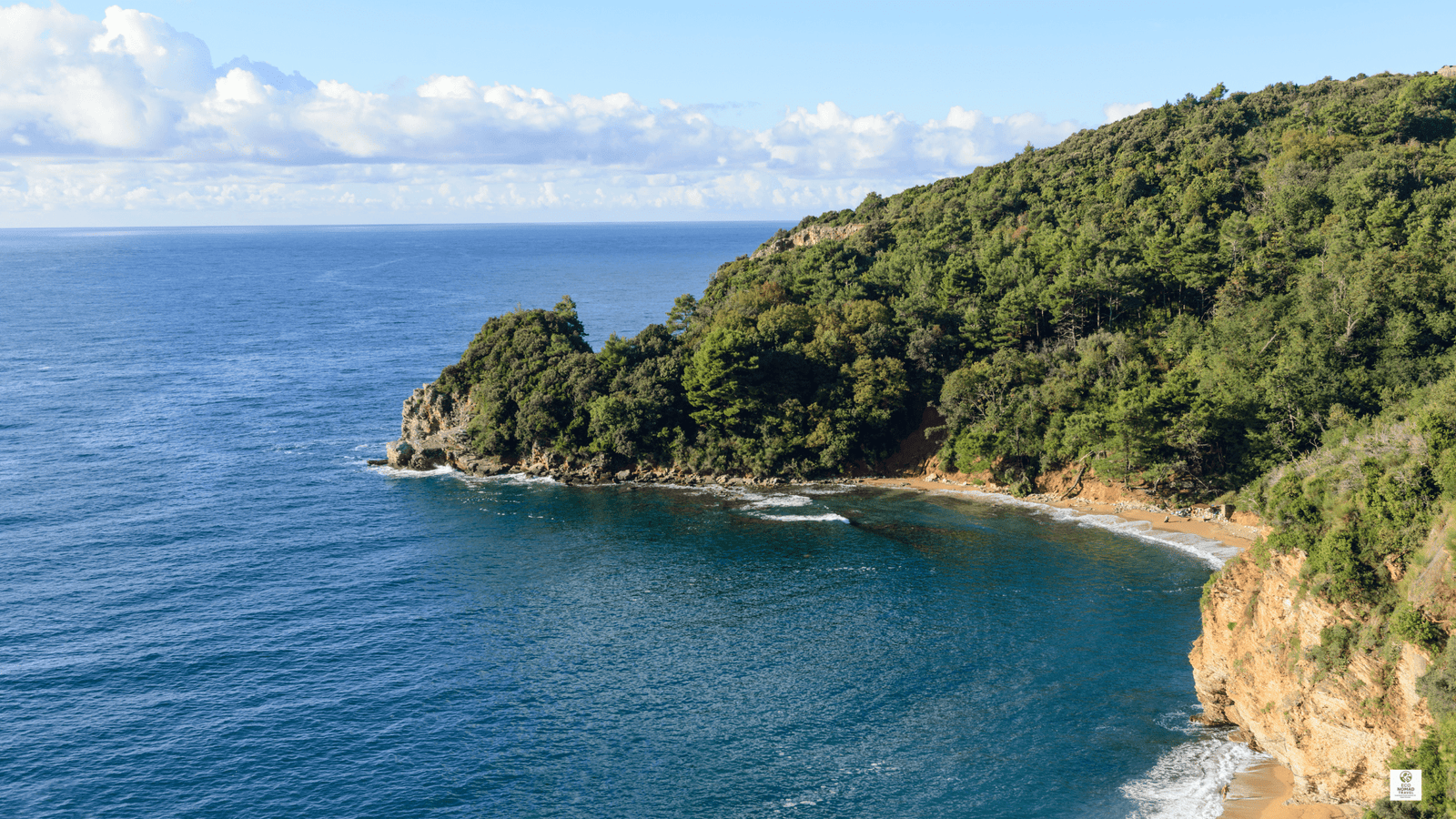
The Balkan Mountains and the Adriatic Sea feel like opposites until you travel them slowly. One minute you are in cool air above a ridge line, and the next you are walking a waterfront promenade where the day ends in warm light. When you stop trying to “do it all,” this region becomes surprisingly easy to stitch together with car-light routes, regional buses, a few scenic rail segments, and the kind of coastal towns that reward longer stays.
rel="nofollow sponsored". Key takeaways for Balkan Mountains + Adriatic slow travel
- Design the trip around two anchors: one mountain base for high views, one coastal base for walkable days.
- Use rail where it exists, then rely on regional buses for the “last mile” through mountain corridors.
- Pick coastal towns with a real everyday rhythm: local markets, swim spots you can walk to, and evening promenades.
- Drive only if you need to, and if you do, drive less: short hops, fewer moves, and smaller roads with pull-offs.
- Replace “checklist travel” with a routine: morning viewpoint, midday café work block, late-afternoon swim, sunset walk.
Why this route works for low-impact travel
The Balkan Mountains and the Adriatic Sea are close enough to combine, yet different enough that the contrast feels like a reset. From a sustainability angle, this is also one of those rare regions where slow travel is not only better for the footprint, it is better for the experience. The roads are scenic, the coastal towns are built for walking, and the mountain regions often push you toward simpler days: fewer errands, less consumption, more time outside.
In practice, the best low-impact version of this trip looks like a “car-light loop.” You take rail or bus for the long segments, then add short transfers to reach a mountain base and a coastal base. Because you are not constantly relocating, your daily footprint stays lower and your focus stays higher, especially if you are working remotely.
Best time to go for weather, crowds, and transit
Shoulder season is the sweet spot. Late spring and early autumn give you clearer mountain visibility, fewer cruise-day spikes on the coast, and a calmer pace in old towns. Summer can still work if you commit to slower days: early walks, midday shade, later swims, and fewer transfers. Winter is beautiful in the mountains, yet connectivity can be patchy and some high roads can be unpredictable.
- For high mountain viewpoints: aim for stable weather windows and plan a buffer day.
- For coastal towns: avoid one-night stops; a three-night minimum changes everything.
- For “quiet Adriatic” vibes: early autumn often feels like the coast finally exhales.
Choose your pace: 7, 10, or 14 days
Instead of trying to name a single “best” itinerary, it is more realistic to choose your pace. The Balkans reward flexible routing. Distances look short on a map, yet mountain roads and border timing can stretch the day. Consequently, planning fewer moves is both the sustainable choice and the calmer choice.
| Pace | Best for | How it feels | Simple structure |
|---|---|---|---|
| 7 days | One mountain base + one coastal base | Focused, restorative, minimal transit | 3 nights mountains, 4 nights Adriatic |
| 10 days | Two anchors + one “connector” stop | Still calm, more variety, better buffers | 3 nights mountains, 2 nights connector, 5 nights Adriatic |
| 14 days | Remote work rhythm + deeper local towns | Slow living, fewer tourist crowds, more routine | 5 nights mountains, 2 nights connector, 7 nights Adriatic |
Mountain bases with big views and calmer days
“Balkan Mountains” can mean different things depending on where you enter the region. Rather than chasing a single famous peak, plan around a mountain base that gives you reliable views, easy day hikes, and a place you can settle into. The best bases have a simple loop: viewpoint, café, market, trail, and a quiet evening.
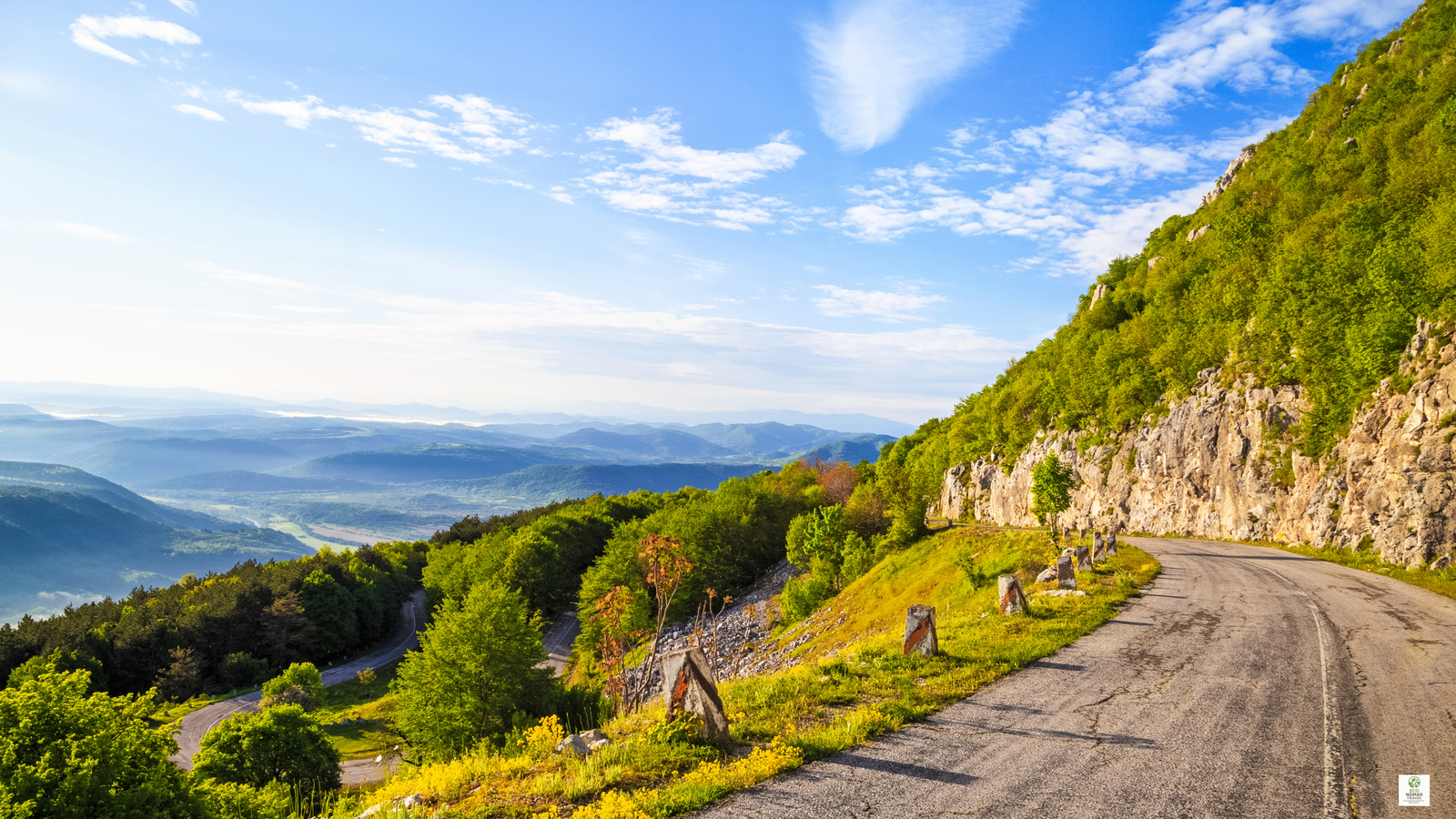
1) A high-view base with winding roads and switchbacks
If you want the cinematic “mountains-to-coast” feeling, choose a base reached by a scenic road. This is where slow travel shines: you drive less, stop more, and treat the route as part of the trip rather than an obstacle to finish.
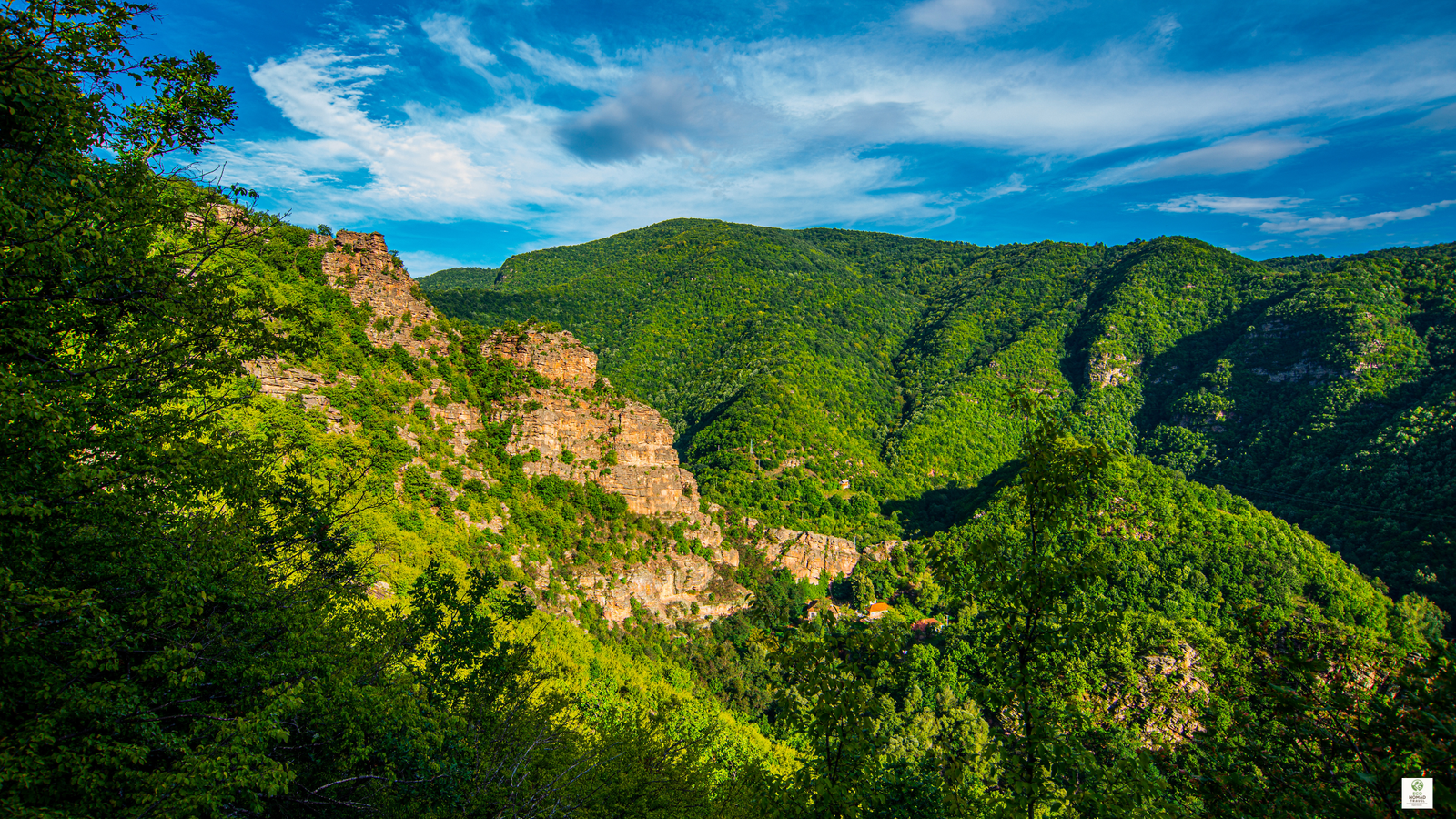
2) A ridge-and-valley base for everyday hiking
Look for valleys that have a real local life, not just a resort strip. When you stay in a working town near trailheads, your days become simpler: walk, eat locally, rest, repeat. Additionally, you reduce transport needs because the outdoors is right there.
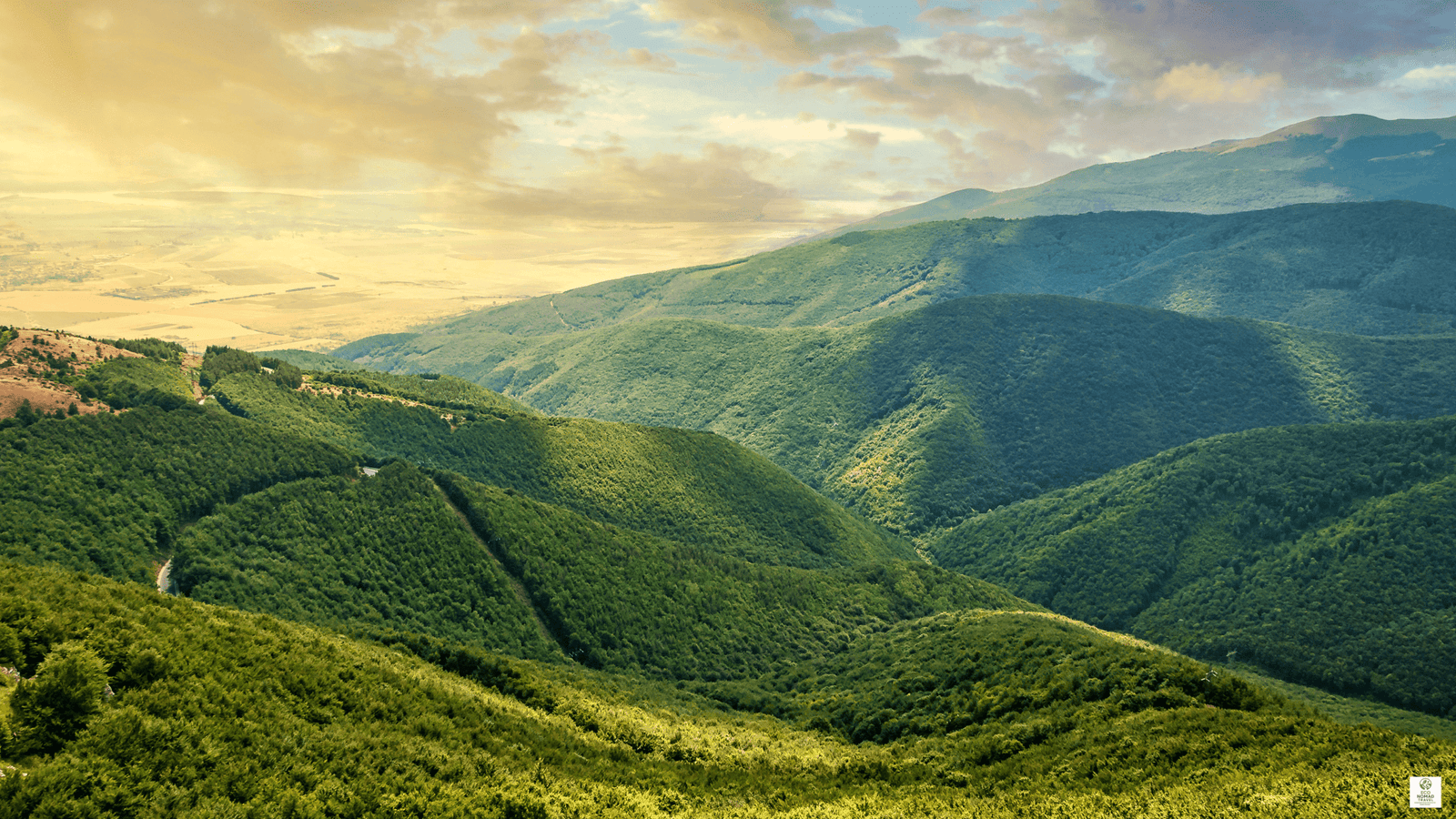
3) A “quiet peaks” base for early mornings and clear air
If your goal is mental clarity as much as scenery, pick a base where mornings are still quiet. In the Balkans, that often means staying slightly outside the most popular hubs. Consequently, you can start your day with a calm walk and finish with a simple meal rather than navigating crowds.
Adriatic coastal towns worth slowing down for
The Adriatic Sea has famous names, yet the best slow-travel experience is usually one step quieter: a smaller bay, a walkable old town, a swim spot you can reach without a car, and a market you can return to. In other words, choose places where you can live for a week, not just visit for an afternoon.
What makes a coastal town “slow-travel friendly”
- Walkable waterfronts and daily services within 15 minutes on foot.
- Easy access to local beaches or swim ladders without needing taxis.
- Public transport connections for day trips, so you do not “rent a car out of fear.”
- A calm evening rhythm: sunset, promenade, simple dinner, early night.
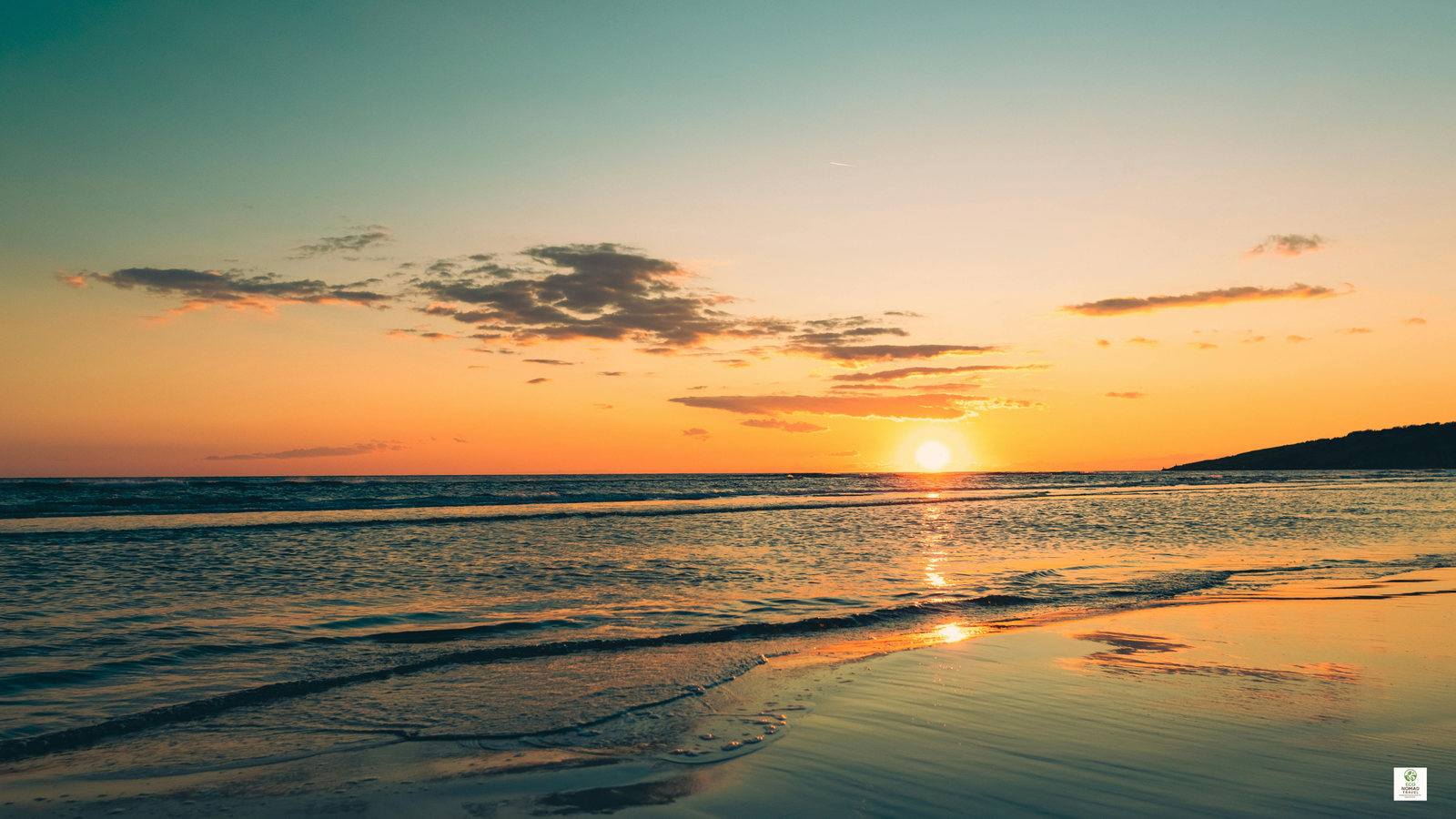
The Adriatic at sunset: plan your days around the light
If you only plan one “must-do” ritual, make it sunset. It is the easiest way to slow down without forcing it. Work earlier, walk later, and let the coast do what it does best: quiet your mind with repeating patterns.
Car-light logistics: buses, ferries, trains, and transfers
A common misconception is that the Balkans require a full road trip to be enjoyable. In reality, you can keep it car-light. Use buses for cross-border segments, add ferries where available, and reserve short transfers only when they genuinely reduce friction. This approach also prevents “decision fatigue,” because you are not constantly managing parking, tolls, and routing stress.
When a transfer is worth it
- You are arriving late and want to avoid negotiating taxis after dark.
- You are staying outside town to be closer to a trailhead.
- You are carrying work gear and want a predictable pickup time.
Connectivity: eSIMs and the “remote work buffer”
If you work while you travel, build buffers into the plan. For example, schedule a lighter arrival day, then do a full work block the next morning. This reduces stress and prevents you from turning every day into a transit day. Additionally, an eSIM can remove the friction of tracking down a shop the moment you cross a border.
Low-impact habits that matter in the Balkans
Sustainability in the Balkans is less about perfection and more about consistency. The region has incredible natural areas, yet also pressure points: fragile coastlines, narrow mountain roads, and popular bays that can be overwhelmed in peak season. Consequently, small habits compound quickly.
- Stay longer: fewer accommodation turnovers reduce transport, laundry, and constant consumption.
- Walk first: many Adriatic towns are built for promenades and short distances.
- Shop markets: local produce is lower-impact than imported convenience food.
- Swim and snorkel gently: respect marine life, avoid touching rock pools, and keep sunscreen choices reef-aware.
- Drive fewer kilometers: if you rent a car, plan short hops and stop early.
Budget planning without racing between cities
Slow travel is often cheaper, because you stop paying the “movement tax”: last-minute transport, extra meals on the go, and accommodation that is chosen for convenience rather than value. The easiest budget framework is to separate fixed costs from daily rhythm.
- Fixed costs: two bases, a few intercity buses, and one or two planned transfers.
- Daily rhythm: café work blocks, market meals, walking loops, and low-cost swim spots.
- Optional upgrades: one boat day, one guided hike, or one special dinner per week.
If you consistently choose calmer towns and longer stays, you also avoid the most expensive pattern on the Adriatic: one-night stops in headline cities during peak weeks.
Balkan Mountains to Adriatic Sea: A Slower Route That Actually Feels Good
The easiest way to plan a trip that links the Balkan Mountains and the Adriatic Sea is to think in “day rhythms,” not country lists. Mountain days move differently than coastal days. In the mountains, roads are slower, weather changes quickly, and the best views often come from early starts and short hikes. On the Adriatic, the pace naturally softens: you walk more, sit longer, and build your day around the water instead of a packed schedule. When you plan these two landscapes as complementary halves, you get a trip that feels smoother and stays more low-impact without trying to be perfect.
Why two home bases beat a dozen quick stops
A simple structure is the one that most travelers end up wishing they chose: one mountain base, one coastal base. Your Balkan Mountains base is for ridge views, valleys, day hikes, and that “clear air” reset. Your Adriatic Sea base is for walkable old-town streets, local cafés, swim breaks, and sunset promenades. By staying put longer, you reduce check-in days, cut down on transport time, and get a more realistic chance to enjoy the places you came for. It also makes the trip easier on your budget because you avoid last-minute transfers and convenience spending that tends to spike when you move every day.
If you want the trip to feel calm, set a simple rule: no one-night stops unless you are forced by timing. Three nights is where a place starts to feel familiar. Five nights is where you stop planning every hour. That’s when the Balkan Mountains become more than viewpoints and the Adriatic becomes more than a quick coastal photo.
Mountain first, coast second: the order that keeps your energy steady
Starting in the Balkan Mountains usually makes the rest of the route easier. You arrive with more patience for mountain logistics—switchbacks, narrow roads, occasional fog, and slower travel times. The mountains also reward morning momentum: a viewpoint before breakfast, a short trail before lunch, then a quiet afternoon for reading, remote work, or a long meal. After that, moving toward the Adriatic Sea feels like a release. Elevation drops, days get warmer, and the coast becomes a natural place to slow down without forcing it.
This order also helps you avoid the most common trap: stacking too many coastal towns back-to-back. The Adriatic is best when you treat it like a lifestyle for a few days—walk, swim, repeat—rather than a checklist of harbors and old towns.
Car-light travel that still delivers the “winding road” moments
You do not need to drive every day to enjoy this region. A car-light plan works well because you can use regional buses and occasional rail segments for the longer links, then add a short transfer only when it removes friction on arrival. If you want one classic scenic driving day—winding roads, pull-offs, and big viewpoints—do it in the mountain portion, then return the car before you settle into an Adriatic town where walking is easier than parking.
In practice, this keeps your trip simpler: fewer parking hassles, fewer stressful city entries, and fewer “we spent the day in transit” moments. It also makes your daily footprint more reasonable because you are not doing repeated short drives for basic errands. Once you are on the Adriatic, the goal is easy movement: waterfront loops, grocery runs on foot, and swim spots you can reach without taxis.
Low-impact choices that fit how the Balkans really work
Sustainable travel here is less about chasing perfect decisions and more about repeating a few good ones. The biggest lever is pacing. When you stay longer in one place, you automatically reduce transport churn, accommodation turnover, and the constant consumption that comes with rushed schedules. From there, small habits add up: eat seasonally at local markets, carry a refillable bottle when you can, and choose day trips that don’t turn your week into a string of bus schedules.
If you want a simple evidence-based frame for why transport choices matter, the European Environment Agency publishes public indicators on transport-related greenhouse gas emissions. It’s a useful reminder that reducing long-distance hops and repeated driving often matters more than minor “eco upgrades” that don’t change your transport pattern: European Environment Agency transport emissions indicator.
How to choose Adriatic towns that feel calm, not crowded
Many people search the Adriatic for sunsets, beaches, and old towns. Those are real, but the best experiences usually come from choosing towns that you can actually live in for a few days. The easiest filter is walkability: can you reach a bakery, a small grocery, a café, a swim spot, and an evening viewpoint within about 15 minutes on foot? If yes, you have a strong base. You will naturally spend less time in vehicles, which keeps the trip more low-impact and makes your day-to-day experience feel lighter.
Look for a real everyday cadence: local markets, waterfront paths that locals use, and a town layout that invites you to return to the same places—because that’s what slow travel actually is. When you stop switching towns constantly, even the iconic Adriatic sunset becomes less of an event and more of a daily reset.
Small planning details that make the trip feel smooth
Pack for temperature swings. The Balkan Mountains can be cool in the morning even when the Adriatic Sea is warm, so one light layer makes a difference. Build buffer time, especially if your route includes mountain passes, border crossings, or ferries with seasonal schedules. If you work while you travel, protect your focus with a simple rule: do not schedule a heavy workday on the same day as a major transfer. Give yourself a quieter arrival day, then plan a solid work block the next morning.
Most importantly, be honest about time. Mountain roads are slower than maps suggest, and coastal towns are better when you are not racing. When you give yourself slack, you spend more time in the places you actually came for: high mountain views in the Balkan Mountains and long, unhurried evenings by the Adriatic Sea.
Further Reading and Sustainable Work Resources
Use these guides to keep the trip rail-first where possible, reduce friction on arrival days, and stay consistent with low-impact habits.
- Carbon Neutral Travel in 2025: The Complete Guide
- Low-Impact Travel Habits You Can Actually Keep
- Eco-Friendly Travel Tips for Digital Nomads
- Train vs Plane Emissions (2025): What Really Matters
- Sustainable Stays 2025: How to Avoid Greenwashing
Editor’s Note
This article was fact-checked using sustainability data from the World Green Building Council, the Global Ecotourism Network, and peer-reviewed architecture studies. All partner links are vetted for compliance with sustainable business certifications.
If you want the “big picture” approach before you book anything, revisit our cornerstone: Carbon Neutral Travel in 2025: The Complete Guide. It will help you choose transport, pacing, and stays that reduce footprint without making the trip feel restrictive.
FAQs: Balkan Mountains, Adriatic Sea Slow Travel Guide
These answers are optimized for planning a Balkan Mountains to Adriatic Sea itinerary with a slower pace, fewer moves, and car-light logistics.
Quick planning notes for Balkan Mountains + Adriatic Sea routing
For the smoothest trip, pick one mountain base for high mountain views and one Adriatic coastal town base for walkable days. Build buffer time for mountain roads, border crossings, and seasonal ferry schedules, then let the route breathe.
How to Plan a Slow-Travel Route from the Balkan Mountains to the Adriatic Sea (Two Bases, Fewer Moves)
How do I plan a slow-travel route from the Balkan Mountains to the Adriatic Sea?
Use a two-base strategy: stay 3–5 nights in a Balkan Mountains base for mountain viewpoints and day hikes, then stay 4–7 nights in an Adriatic Sea coastal town for walkable waterfront days. Add only one connector stop if needed. This structure reduces packing, shortens transit stress, and keeps the itinerary low-impact while still covering the Balkan Mountains and the Adriatic coast.
Is this trip possible without a full road trip?
Yes. A car-light itinerary works well: use regional buses for longer links, add ferries where available, and use a short transfer only when it saves a difficult arrival. If you rent a car, keep it for the mountain portion (winding roads and viewpoints), then return it before settling into an Adriatic old town where walking is easier than parking.
What’s the best time of year for Balkan mountain views and Adriatic coastal towns?
Shoulder season is usually best for both: clearer visibility in the Balkan Mountains, fewer crowds along the Adriatic Sea, and a calmer slow-travel rhythm in coastal towns. Summer can still be enjoyable if you plan fewer moves, walk more, and schedule beach and promenade time outside peak midday heat.
Which Adriatic coastal towns are most slow-travel friendly?
Look for walkable towns with an everyday rhythm: a market, grocery, cafés locals use, and easy swim access without a car. The best Adriatic coastal towns for slow travel have a waterfront promenade, short day trips by bus or ferry, and enough quiet corners that you can stay multiple nights without feeling like you “ran out” of things to do.
How many days do I need for a Balkan Mountains and Adriatic Sea itinerary?
Seven days is the minimum if you use two bases (mountains + coast). Ten days is the easiest balance for slow travel because it adds buffers and allows a connector stop without rushing. Fourteen days is ideal if you want a remote work rhythm, slower mornings in the Balkan Mountains, and longer Adriatic Sea stays with fewer transfers.
Low-Impact Travel Between the Balkan Mountains and the Adriatic Sea: Rail-First, Bus Links, and Car-Light Transfers
What are the most low-impact ways to travel between the Balkan Mountains and the Adriatic?
Prioritize overland routes (bus and rail where available) and reduce the number of intercity hops. One longer move followed by longer stays is usually lower-impact than several short moves. If you must drive, keep daily kilometers low, carpool when possible, and treat viewpoint days as slow scenic days rather than “get there fast” days.
How do I keep the trip practical for digital nomads (Wi-Fi, work blocks, pacing)?
Choose accommodation with reliable Wi-Fi, then plan a repeating day structure: morning hike or viewpoint, midday café or apartment work block, late-afternoon swim or walk, sunset on the Adriatic Sea. Build a buffer day after major transfers and consider an eSIM so you are not hunting for connectivity right after border crossings or long bus rides.
What should I pack for a mountains-to-coast trip in the Balkans?
Pack for temperature swings: the Balkan Mountains can be cool in mornings and evenings even when the Adriatic coast is warm. Bring one light insulating layer, a breathable day setup, comfortable walking shoes for coastal towns, and a simple rain layer for mountain weather changes. Keeping luggage light also makes buses, ferries, and car-light travel much easier.
How can I avoid crowds on the Adriatic Sea while still seeing classic sunsets?
Stay longer in one coastal town and explore early or late rather than midday. Choose beaches and swim spots you can walk to, then make sunset your daily ritual on the promenade. If you want a quieter Adriatic feel, prioritize shoulder season, avoid one-night stops, and pick lodging a short walk away from the most photographed waterfront strips.
What’s the biggest mistake people make when planning the Balkan Mountains + Adriatic route?
Overpacking the itinerary with too many towns. Distances look short, but mountain roads, border timing, and coastal logistics can stretch the day. The best slow-travel Balkan Mountains and Adriatic Sea itineraries simplify: fewer bases, longer stays, and one or two high-value scenic days instead of constant moving.

Recent Posts
Best Travel Towels
Quick picks for fast-drying, packable towels that actually work on the road.
Best Waterproof Backpack
What matters for rain, train platforms, and daily carry—without overpacking.
Cheapest Way to Travel to Europe
Budget routes, timing, and practical ways to cut costs without cutting comfort.
How to Travel Europe by Train
Planning tips, rail passes, and simple route strategies for smoother trips.
Best Night Trains in Europe
Top sleeper routes, what to book, and how to avoid common overnight mistakes.
SIM Card for International Travel
Simple guidance on SIM vs eSIM, coverage, and avoiding roaming surprises.

Explore Eco Nomad Travel
📚 Core Guides
🧭 Planning & Logistics
🗺️ Destinations & Seasons
Jeremy Jarvis — founder of Eco Nomad Travel, sustainable travel writer, and advocate for regenerative tourism. His work focuses on low-impact mobility, eco-friendly digital nomad life, and climate-positive travel.
Legal
Affiliate DisclaimerPrivacy Policy
Terms of Service
Image & Media Notice
Cookie Policy
Contact
Affiliate Disclosure: Some links on Eco Nomad Travel are affiliate links, meaning we may earn a small commission at no extra cost to you. This supports our mission to inspire responsible and low-impact travel worldwide.
Connect
✅ Trusted Official Sources
Plan smarter eco trips
Try our free Sustainable Travel Tools for Digital Nomads – carbon calculator, train vs plane comparator, and more.
Open Tools Hub