
Planning a trip to see the best beaches in Italy often conjures images of crowded shores and high-season price tags. But for the eco-conscious traveler or digital nomad, a different kind of Italian coastline awaits—one accessible by train, rooted in local communities, and committed to preserving its natural beauty. This guide moves beyond the typical tourist traps to uncover pristine, low-impact coastal gems you can explore responsibly. From the rugged, car-free villages of Cinque Terre to the protected marine reserves of Sicily, we’ll show you how to experience Italy’s stunning shores without a car, focusing on rail-first itineraries and regenerative local stays.
Explore Beaches in Italy by Train: Sustainable, Walkable Coastal Escapes
Our approach is grounded in making sustainable travel practical and accessible. We’ll highlight destinations where you can easily connect via Italy’s extensive rail network, find walkable base towns, and support economies that prioritize conservation. Whether you’re planning a two-week slow travel journey or a multi-month remote work base, these handpicked locations offer a blueprint for a more meaningful and lower-carbon coastal adventure. We’ll provide actionable tips on reaching each spot, the best times to visit for minimal impact, and how your choices can contribute positively to these beautiful locales.
Each destination has been selected based on its commitment to sustainability, accessibility via public transport, and authentic local culture. This isn’t just a list of pretty places; it’s a practical roadmap for traveling smarter and slower. We’ll cover everything from the best eco-friendly accommodations to low-impact activities like hiking, snorkeling in protected waters, and supporting local artisans. Let’s explore the stunning beaches in Italy in a way that respects the environment and empowers the communities that call these shores home.
Affiliate disclosure: This post may contain affiliate links. If you buy through them, Eco Nomad Travel may earn a small commission at no extra cost to you.
1. Cinque Terre, Liguria: The Original Car-Free Coastal Dream
As a UNESCO World Heritage site, the Cinque Terre is an iconic destination for travelers searching for the best beaches in Italy without needing a car. The five vibrant villages, perched dramatically along the Ligurian coastline, are interconnected by a dedicated train line, the Cinque Terre Express. This makes it a pioneering model for sustainable, car-free tourism. While the beaches are more akin to small, rocky coves than vast sandy stretches, their setting is breathtaking, framed by terraced vineyards and colorful, cliffside homes.
This region is perfect for digital nomads and slow travelers. The unique infrastructure encourages a slower pace, focusing on hiking, swimming, and enjoying the local culture. Life here revolves around the train schedule and pedestrian paths, offering a refreshing break from car-centric travel.
Why It’s a Top Sustainable Choice
Cinque Terre’s reliance on rail and foot traffic inherently lowers its environmental impact. The national park actively works to preserve its fragile terraced landscape, a testament to centuries of human-environment interaction. By visiting, you support a system built on preservation and low-impact mobility. For those planning a multi-stop trip, this area serves as an excellent case study in how to travel through Italy by train. To get started, you can learn more about crafting the best rail-first itinerary in Italy.
- Best Time to Visit: April-May or September-October for pleasant weather and fewer crowds.
- Low-Impact Tip: Purchase a Cinque Terre Card (around $8 USD or €7.50 daily) for unlimited train travel and trail access.
- Walkable Base: Monterosso is popular with digital nomads, while the quieter villages of Vernazza or Corniglia offer a more peaceful stay. Pack light, as the steep stairs are plentiful.
2. Portonovo, Conero Riviera (Marche): An Adriatic Eco-Retreat
Often overshadowed by its more famous counterparts, the Conero Riviera offers some of the most dramatic and pristine beaches in Italy, especially for eco-conscious travelers. Portonovo, nestled at the base of the white limestone cliffs of Monte Conero, is a hidden gem on the Adriatic coast. As a UNESCO biosphere reserve, this area prioritizes nature preservation, offering a tranquil alternative to the bustling Amalfi Coast. Access is managed primarily through regional trains to Ancona, followed by local buses, preserving its car-free-at-the-shoreline appeal.
This region is perfect for digital nomads and slow travelers seeking an authentic Italian coastal experience away from heavy tourist traffic. The lifestyle here is intertwined with local fishing traditions and a deep respect for the natural environment. It’s a place where you can combine productive remote workdays with invigorating hikes, quiet pebble beach afternoons, and meals at family-run agriturismos.
Why It’s a Top Sustainable Choice
The Parco del Conero enforces strict environmental protections, ensuring the preservation of its unique flora and fauna. The area’s focus on agritourism and locally sourced food reduces the carbon footprint of your stay and directly supports the local economy. By choosing this destination, you’re opting into a model of tourism that values ecological balance over mass-market appeal. It’s an excellent stop for those exploring the Adriatic coastline by train.
- Best Time to Visit: June or September for warm waters and fewer people.
- Low-Impact Tip: Rent an e-bike in Numana or Sirolo to explore neighboring coves and reduce reliance on local buses.
- Walkable Base: Stay in the quiet coastal towns of Numana or Sirolo. For longer stays, Ancona serves as a practical, well-connected hub. Learn some basic Italian, as English is less common here.
3. Grado Lagoon, Friuli-Venezia Giulia: A Calm, Car-Free Sanctuary
In northeast Italy, the Grado Lagoon offers a uniquely tranquil experience for those seeking the best beaches in Italy with an eco-conscious focus. This historic spa town, connected to the mainland by a causeway, features a largely car-free center and is renowned for its calm, shallow, and warm waters. The setting is ideal for families with young children or anyone preferring gentle swimming conditions over crashing waves.
This area is a haven for digital nomads and slow travelers interested in regenerative tourism. The ecosystem, rich with salt marshes and migratory bird habitats, invites a deeper connection with nature. Life in Grado is unhurried, revolving around cycling, exploring the local seafood culture, and enjoying the therapeutic sea air. Its strategic location makes it a perfect, peaceful base for exploring the Venice-Trieste corridor by regional rail.
Why It’s a Top Sustainable Choice
Grado’s commitment to preserving its delicate lagoon environment and promoting low-impact transport makes it a standout sustainable destination. The town’s infrastructure prioritizes pedestrians and cyclists, minimizing vehicle traffic and its associated pollution. By choosing Grado, you support a tourism model that values ecological balance and local heritage, offering a peaceful alternative to more crowded coastal resorts.
- Best Time to Visit: July-September, when lagoon waters are warmest (around 75-79°F or 24-26°C) and conditions are calmest.
- Low-Impact Tip: Enjoy the beach during the peaceful early morning hours (6-8 a.m.) to avoid midday crowds and experience the lagoon at its most serene.
- Walkable Base: Base yourself in Grado’s historic center for a completely car-free experience. For a unique itinerary, combine your stay with a trip to the Friuli wine region, just a 20-minute bus ride inland for agritourism stays.
4. Matera Cliffside Beach Access, Basilicata: Ancient Caves Meet Ionian Shores
While not a traditional coastal resort, Matera offers one of the most unique approaches to experiencing the best beaches in Italy. This ancient city of stone, a UNESCO World Heritage site famous for its Sassi cave dwellings, serves as a remarkable car-free base. Perched dramatically above a ravine, it provides access to the pristine Ionian coast through a short and scenic regional train or bus ride. This setup allows you to immerse yourself in millennia of history while enjoying day trips to sandy shores.
This destination is ideal for digital nomads and slow travelers seeking a blend of profound culture and coastal relaxation. Life in the Sassi district is entirely walkable, fostering a regenerative tourism model that prioritizes heritage over high-traffic resorts. You can spend your mornings working from an atmospheric cave hotel and afternoons swimming in the turquoise waters of nearby Metaponto or Marina di Ginosa, all without needing a car.
Why It’s a Top Sustainable Choice
Matera’s zero-car city center and reliance on regional public transport make it an outstanding model for low-impact travel. The city’s focus on preserving its archaeological heritage and adapting ancient structures into modern accommodations, like cave hotels, promotes a deep respect for history and place. By basing yourself here, you support a community that has built a sustainable economy around its unique cultural landscape.
- Best Time to Visit: April-May or September-October to avoid the intense summer heat.
- Low-Impact Tip: Rent an e-bike from Metaponto station to explore quieter beach coves along the Ionian coast without a car.
- Walkable Base: Book a cave hotel directly within the Sassi district for an authentic, walkable experience. Base here for 3-5 days of cultural exploration combined with beach day trips.
5. Elba Island, Tuscany: A Low-Impact Mediterranean Escape
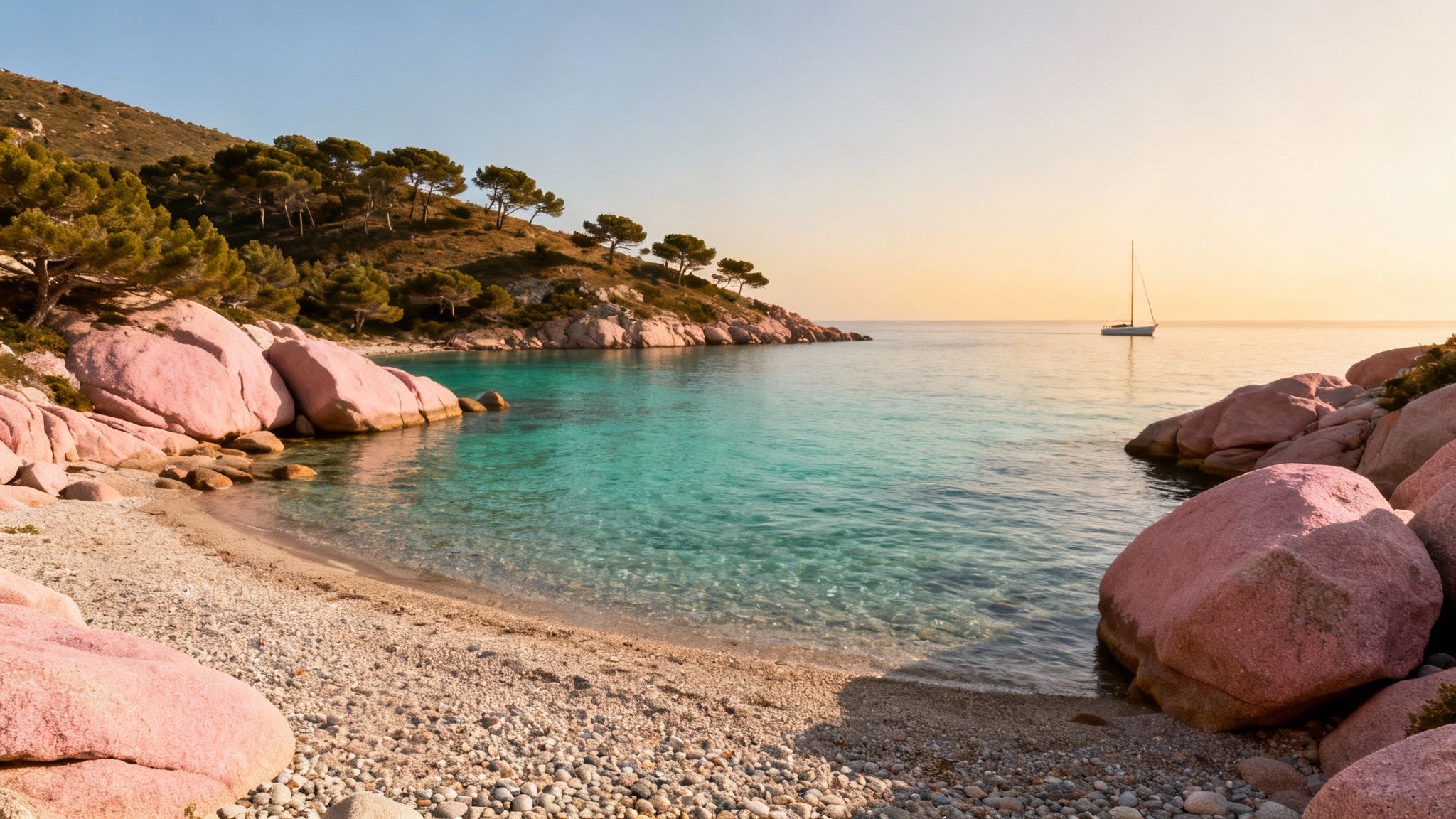
For travelers seeking a true island retreat without boarding a plane, Elba Island offers some of the most stunning beaches in Italy, all accessible via a short ferry ride. Reached from the rail-connected town of Piombino, Elba is a haven of granite coves, crystal-clear waters, and car-free villages. Its extensive network of hiking trails and snorkeling spots makes it an ideal base for digital nomads and slow travelers looking to immerse themselves in nature.
This Tuscan archipelago gem is perfect for a 5-to-10-day stay, allowing you to settle into the rhythm of low-impact island life. The focus here is on outdoor activities like e-biking, kayaking, and exploring the dozens of small, secluded beaches. For example, a couple could easily combine a week on Elba with a tour of Tuscany’s wine regions, using only train and ferry access.
Why It’s a Top Sustainable Choice
Elba’s accessibility by ferry makes it a prime example of regenerative, flight-free island tourism. The local infrastructure supports car-free mobility through reliable bus services and extensive e-bike rentals, minimizing the environmental footprint of visitors. By choosing Elba, you support a destination that prioritizes the preservation of its marine ecosystems and natural landscapes over mass-market tourism. It serves as an excellent model for low-impact Mediterranean travel, which you can explore further by reading more about low-impact island travel in the Mediterranean for 2025.
- Best Time to Visit: June or September for ideal swimming temperatures and fewer crowds. May and October offer sunny days with cooler water (around 64-68°F or 18-20°C).
- Low-Impact Tip: Rent an e-bike to explore the island’s hilly terrain. Also, pack your own snorkeling gear from the mainland to avoid single-use rentals.
- Walkable Base: Choose quieter villages like Porto Azzurro or Capoliveri on the east coast over the busier port town of Portoferraio for a more authentic and peaceful experience.
6. Positano & Amalfi Coast Slow Travel
The Amalfi Coast is one of the most iconic destinations for finding spectacular beaches in Italy, but its popularity presents a sustainability challenge. A slow travel approach allows you to experience its dramatic cliffside villages like Positano and Amalfi without renting a car. By relying exclusively on SITA buses and regional trains, you can navigate this famed coastline while minimizing your carbon footprint. This method redefines luxury, shifting the focus from exclusive resorts to authentic, low-impact local living.
This destination is a powerful lesson in conscious tourism for digital nomads and slow travelers. It demonstrates how to engage with a world-famous area while mitigating the effects of overtourism. By visiting in the shoulder season, staying for longer periods, and supporting small, local businesses directly, you contribute to a more sustainable model. It’s about being a temporary resident rather than a fleeting tourist.
Why It’s a Top Sustainable Choice
Embracing the Amalfi Coast’s public transit system is key to its sustainable potential. Foregoing car rentals and private drivers significantly reduces traffic congestion and emissions in this fragile environment. This approach encourages visitors to support the local economy more deeply, from staying in family-owned apartments to shopping at neighborhood markets. It’s a case study in how responsible choices can help preserve a destination at risk of being loved to death. By planning your trip during the quieter months, you help ease the strain on local infrastructure. You can discover more about planning off-peak sustainable trips in Europe.
- Best Time to Visit: April-May or October to avoid extreme crowds and high-season impact.
- Low-Impact Tip: Use SITA buses exclusively for travel between towns. Purchase tickets in advance from a tabacchi (tobacco shop) or local bar.
- Walkable Base: Stay in quieter villages like Praiano or Furore to reduce pressure on Positano and Amalfi while still enjoying easy bus access.
7. Salento Peninsula, Puglia: Authentic Slow Travel on the Adriatic
For travelers seeking authentic southern beaches in Italy, the Salento Peninsula offers a compelling alternative to more crowded destinations. This sun-drenched heel of Italy’s boot, where the Adriatic meets the Ionian Sea, is a landscape of turquoise waters, ancient olive groves, and striking limestone cliffs. The region is served by a train line to Lecce, with regional buses connecting visitors to charming car-free medieval towns like Otranto and Gallipoli.
This area is ideal for digital nomads and slow travelers planning extended stays of two to four weeks. Life here is unhurried, rooted in local ceramics, wine production, and a celebrated slow-food tradition. By basing in a walkable city and exploring via public transport or e-bike, visitors can immerse themselves in a regenerative tourism model that supports local artisans and preserves cultural heritage, all while enjoying some of Italy’s most beautiful coastlines.
Why It’s a Top Sustainable Choice
Salento’s appeal lies in its strong local economy and infrastructure that supports longer, more meaningful stays. Basing in a city like Lecce reduces the need for a car, encouraging exploration of the flat coastal plains by bicycle. The region’s focus on agriturismos and hyper-local food also minimizes the carbon footprint of your meals. This model is perfect for those who want to integrate into a community rather than just pass through, offering a deep and sustainable connection to southern Italian life.
- Best Time to Visit: April-May or September-October for warm waters (around 68-77°F or 20-25°C) and fewer people.
- Low-Impact Tip: Rent an e-bike to explore the coastal coves. Salento’s flat terrain is perfect for cycling, reducing reliance on buses for shorter trips.
- Walkable Base: Lecce is an exceptional base with abundant and affordable long-term rentals (a 4-week apartment can be found for around $425-$640 USD or €400-€600 per month). Day trips to the coast are easy via regional transit.
8. Gargano Peninsula, Puglia: A Natural Sanctuary for Eco-Travelers
The Gargano Peninsula offers some of the most dramatic and unspoiled beaches in Italy, standing in rugged contrast to the flatter landscapes of southern Puglia. This “spur” on Italy’s “boot” is a promontory of limestone cliffs, sea caves, and dense forests within the Gargano National Park. Its relative remoteness has preserved its wild character, making it a haven for travelers seeking an authentic, nature-focused escape. The region is well-suited for longer, 1-2 week eco-tourism stays that combine beach relaxation with active pursuits like hiking.
This area is ideal for eco-conscious travelers and digital nomads who want to disconnect and immerse themselves in a protected natural environment. The infrastructure encourages exploration via regional buses, ferries, and extensive trail networks, allowing for a rewarding car-free experience. Life here is dictated by the rhythm of nature, from early morning hikes along coastal paths to afternoons spent discovering hidden coves accessible only by boat.
Why It’s a Top Sustainable Choice
The Gargano National Park status protects its unique biodiversity, including ancient forests and fragile marine ecosystems. Sustainable tourism is a cornerstone of the local economy, with a focus on preserving natural landscapes and promoting low-impact activities. By choosing Gargano, you support a region committed to conservation. Travelers can create a fascinating multi-week Puglia itinerary by combining a stay here with the Salento peninsula, using a mix of trains and regional buses to connect the two distinct coastal areas.
- Best Time to Visit: May-June or September for ideal hiking weather and fewer tourists. July and August can be extremely hot and crowded.
- Low-Impact Tip: Take a ferry from Vieste or Manfredonia to the Tremiti Islands, a protected marine reserve perfect for a day of snorkeling and low-impact exploration.
- Walkable Base: Vieste is the largest town with the best bus connections and amenities. For a quieter, more traditional village feel, consider basing yourself in Peschici.
9. Cilento Beaches, Campania: An Ancient Coastline for Eco-Conscious Travelers
For those seeking Amalfi-style scenery with a lighter environmental footprint, the Cilento coast offers some of the most pristine beaches in Italy. As a UNESCO Biosphere Reserve, this protected coastline south of Salerno is a haven for regenerative tourism, combining crystal-clear waters, ancient Greek ruins, and a traditional agritourism culture. The region is easily accessed via train to hubs like Agropoli or Salerno, with local buses connecting to smaller coastal villages. This setup makes it an ideal destination for a car-free, slow-travel experience.
Cilento is perfectly suited for digital nomads and eco-conscious travelers looking to escape the crowds. The region encourages a deeper connection with nature and history, from hiking through protected marine areas to exploring the magnificent temples of Paestum. Life here is intentionally slower, offering a peaceful, low-impact alternative to its more famous northern neighbors. For instance, a digital nomad could use Agropoli as a base for two weeks, combining remote work with day trips to Paestum and secluded beach coves.
Why It’s a Top Sustainable Choice
The Cilento and Vallo di Diano National Park is committed to preserving its unique biodiversity and cultural heritage. The focus on sustainable fishing, organic farming, and low-impact tourism helps protect its fragile ecosystems. By visiting, you directly support a local economy built on conservation. The seamless integration of public transport allows for multi-stop itineraries, such as combining a week in Cilento with a train and bus journey south to Salento, creating a comprehensive Southern Italy tour without a car.
- Best Time to Visit: April-May or September-October for pleasant temperatures (68-77°F or 20-25°C) and fewer crowds.
- Low-Impact Tip: Rent an e-bike in towns like Agropoli to explore nearby villages and beaches, reducing your carbon footprint while enjoying the coastal views.
- Walkable Base: Agropoli is a larger town with more services, while Paestum is ideal for archaeology enthusiasts, with beautiful beaches just a 500-meter walk (about 0.3 miles) from the historic site.
10. Portofino & Liguria Riviera (Strategic Alternative)
The Ligurian Riviera, home to the famed Portofino, offers some of the most glamorous beaches in Italy, but its reputation for luxury can be a barrier. A strategic approach makes this stunning coastline accessible for sustainable travelers. By basing yourself in quieter, well-connected towns like Camogli or Recco, you can enjoy the region’s clifftop villages and coastal paths via train and ferry, treating Portofino as a manageable day trip rather than an expensive hub. This method mitigates the effects of overtourism while keeping your budget intact.
This region is ideal for remote workers seeking a short, luxurious break or eco-conscious travelers wanting to experience a high-end destination sustainably. The focus shifts from staying in the most famous spot to using efficient public transport to explore the whole area. Life is dictated by train and ferry schedules, offering a car-free experience centered on scenic walks and authentic local life away from the main tourist-heavy zones.
Why It’s a Top Sustainable Choice
Choosing a less-crowded base and visiting popular spots like Portofino during off-peak hours is a powerful strategy for conscious travel. It distributes tourist revenue more evenly and reduces strain on popular infrastructure. The area’s reliance on rail and sea transport inherently lowers your carbon footprint. For anyone planning a multi-stop European journey, this region demonstrates how to integrate iconic destinations into a sustainable itinerary. To see how this fits into a larger trip, you can explore how to travel Europe by train.
- Best Time to Visit: April-May or October to enjoy warm weather with significantly fewer crowds.
- Low-Impact Tip: Base yourself in Camogli (around $55 USD or €50 nightly) instead of Portofino (upwards of $130 USD or €120). Use the train for a 25-minute ride to Santa Margherita Ligure, then walk or take a short bus to Portofino.
- Walkable Base: Camogli is a fantastic, more affordable alternative with a beautiful beach and authentic atmosphere. Pack light to navigate the charming but steep alleyways with ease.
11. Marina di Vendicari, Sicily: An Eco-Nomad’s Coastal Sanctuary
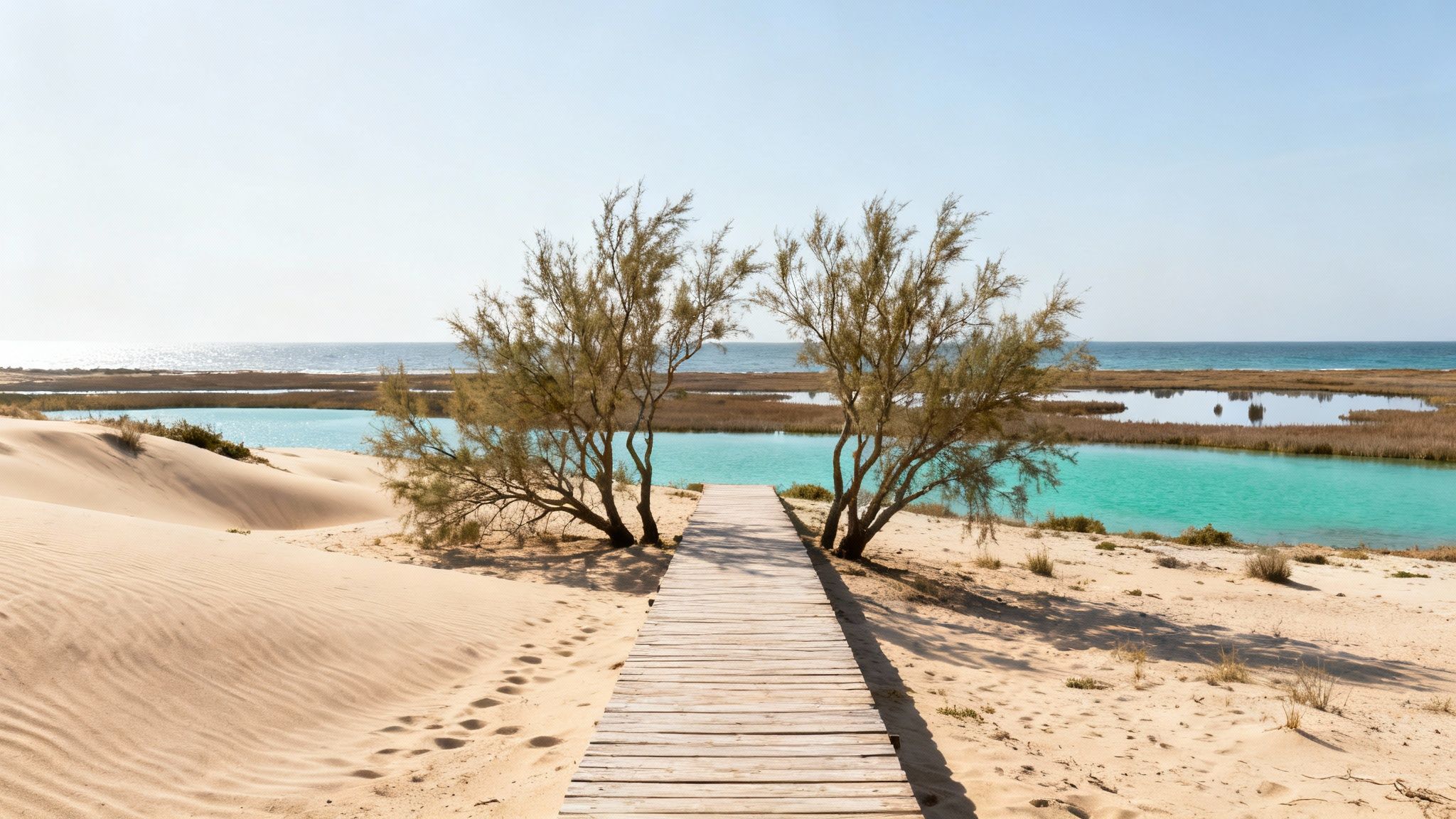
For travelers seeking truly wild and protected beaches in Italy, the Vendicari Nature Reserve offers a pristine alternative to Sicily’s more crowded shores. This protected marine area in southeastern Sicily is a haven for biodiversity, featuring salt marshes, ancient ruins, and stunning sandy coastlines. It’s an ideal destination for eco-conscious travelers looking to escape mass tourism and connect with a raw, natural landscape. Accessible via train to Siracusa followed by a regional bus, it champions a slower, more intentional travel style.
This region is perfect for digital nomads and bird-watching enthusiasts who value nature over nightlife. Life here is dictated by the sun and seasons, encouraging early morning beach visits and afternoons exploring the nearby UNESCO World Heritage site of Siracusa. The reserve’s commitment to conservation makes it a model for sustainable coastal tourism in Sicily, blending ecological preservation with low-impact visitor access.
Why It’s a Top Sustainable Choice
Vendicari’s status as a protected nature reserve ensures its delicate ecosystems are prioritized. The area supports a regenerative local economy focused on small-scale agriculture and eco-tourism rather than large resorts. By visiting, you contribute directly to the preservation of migratory bird habitats and a unique coastal environment. Combining a trip here with a stay in Siracusa allows you to support two distinct models of sustainable tourism: ecological conservation and cultural heritage preservation.
- Best Time to Visit: April-May or September-October for warm waters, mild air temperatures, and peak bird migration seasons.
- Low-Impact Tip: Pack a picnic with local produce from Siracusa’s market. There are no vendors inside the reserve, which minimizes waste and commercial impact.
- Walkable Base: Stay in Siracusa (about 6 miles or 10 km away). It offers excellent train connections, full services, and is a world-class archaeological destination. Use it as your base for day trips to the reserve.
12. Levanzo Island, Egadi Islands (Sicily): A Car-Free Mediterranean Hideaway
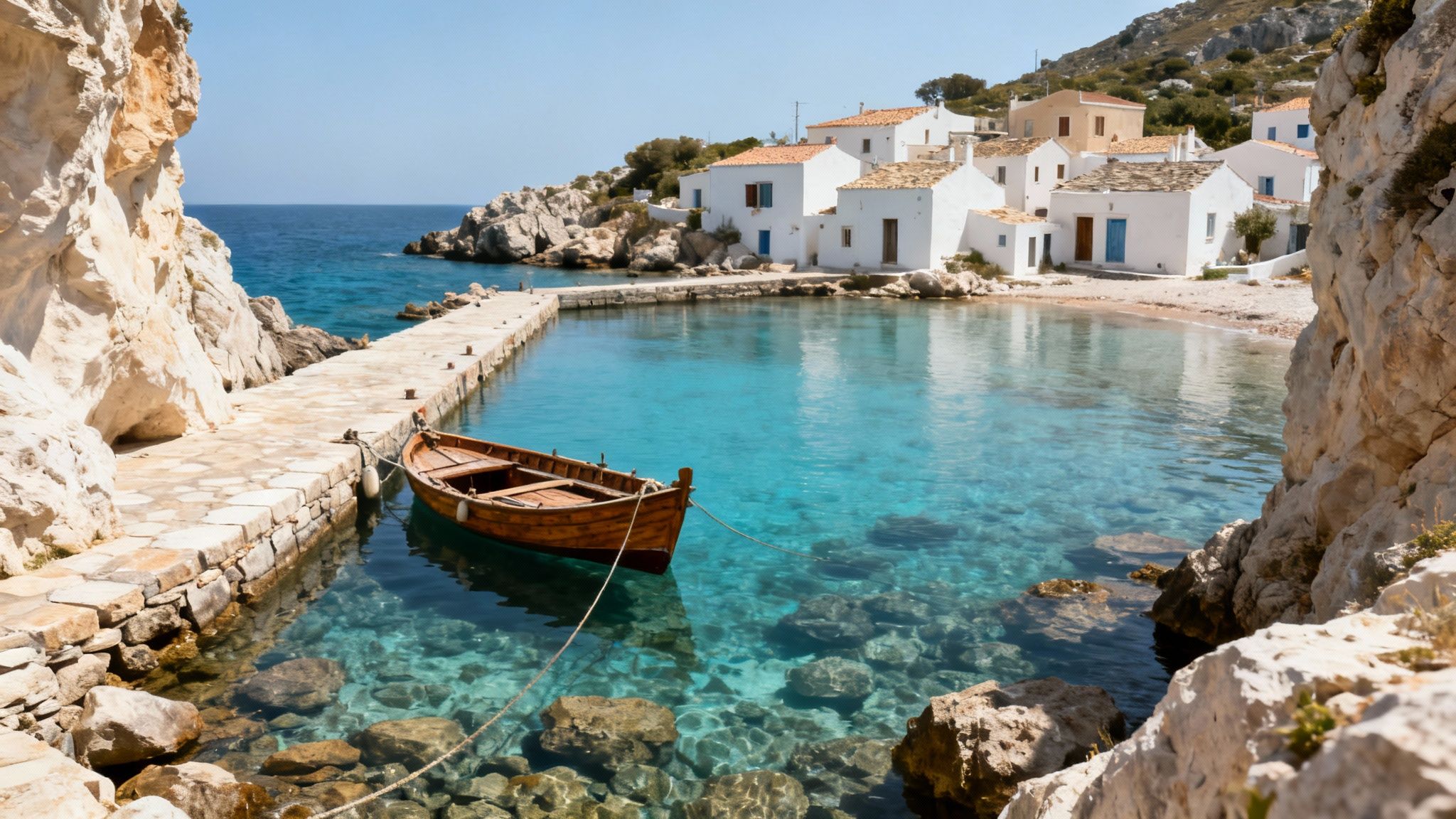
For those seeking a true escape, Levanzo Island offers some of the most untouched beaches in Italy in a completely car-free environment. As the smallest of the three Egadi Islands, accessible by ferry from the rail-connected city of Trapani, Levanzo is a haven for slow travel. The island has minimal tourist infrastructure, rewarding visitors who plan ahead with an authentic Sicilian island experience defined by pristine coves, ancient archaeological sites, and a blissful absence of traffic.
Life on Levanzo revolves around the small harbor, footpaths, and the sea. Its rugged coastline is dotted with stunning coves like Cala Fredda and Cala Minnola, perfect for snorkeling in crystal-clear waters. This destination is ideal for digital nomads or eco-conscious travelers looking to disconnect and immerse themselves in a quiet, zero-car existence where the primary modes of transport are your own two feet or a small boat.
Why It’s a Top Sustainable Choice
Levanzo’s lack of cars and limited development make it an inherently low-impact destination. The community’s reliance on the sea and small-scale tourism helps preserve its natural and cultural heritage, including the prehistoric cave paintings of the Grotta del Genovese. Visiting Levanzo supports a fragile local economy that thrives on preservation rather than mass development, making it a powerful choice for a regenerative travel experience.
- Best Time to Visit: May-June or September to enjoy warm seas with fewer visitors.
- Low-Impact Tip: Pack everything you need, including reef-safe sunscreen, as supplies on the island are limited. Practice “leave no trace” principles on all beaches and trails.
- Walkable Base: The entire village of Levanzo is the base. Accommodations are few, so book well in advance. Everything is accessible on foot, but be prepared for rustic, hilly terrain.
12 Italian Beaches Comparison
| Destination | Implementation Complexity 🔄 | Resource Requirements ⚡ | Expected Outcomes ⭐📊 | Ideal Use Cases 💡 | Key Advantages ⭐ |
|---|---|---|---|---|---|
| Cinque Terre, Liguria | 🔄 Low — direct regional trains to La Spezia; villages walkable/car-free | ⚡ Moderate — affordable shared stays (€40–70), Cinque Terre Card recommended; book ahead in summer | ⭐⭐⭐ Scenic hiking, excellent food; 📊 very high peak-season crowds; low-carbon rail access | 💡 2–4 week digital-nomad base; hikers; coastal day-trippers | ⭐ Car-free towns, excellent train frequency, UNESCO landscape |
| Portonovo, Conero Riviera (Marche) | 🔄 Medium — train to Ancona + 15‑min bus to Portonovo | ⚡ Low–Moderate — guesthouses €35–55; snorkel-friendly but pebble beaches need shoes | ⭐⭐ Quiet, authentic Adriatic coast; 📊 low crowd density; great snorkeling | 💡 Eco-conscious travelers; agritourism stays; quiet beach retreats | ⭐ Less crowded than Amalfi, protected park, strong local fish/wine |
| Grado Lagoon, Friuli-Venezia Giulia | 🔄 Low — direct Trieste links; town center car-free | ⚡ Low — very affordable (€30–45), family-friendly amenities | ⭐⭐ Calm, shallow warm waters ideal for families; 📊 peaceful, limited dramatic scenery | 💡 Families, beginner swimmers, Trieste–Venice corridor base | ⭐ Shallow lagoon beaches, excellent rail links, slow‑food culture |
| Matera Cliffside (Basilicata) | 🔄 Medium — rail to Matera; Metaponto for nearest beach access | ⚡ Low–Moderate — cave hotels (€40–70); steep terrain requires mobility | ⭐⭐⭐ Exceptional cultural/architectural experience; 📊 limited immediate beach access | 💡 Short cultural stays (3–5 days); cave‑hotel experience with day trips to beaches | ⭐ Unique UNESCO Sassi, car-free walkable center, authentic cuisine |
| Elba Island, Tuscany | 🔄 Medium — train to Piombino + ferry (~60 min) | ⚡ Moderate — ferry dependence, €40–65 guesthouses; possible cancellations in bad weather | ⭐⭐⭐ Island snorkeling/hiking; 📊 quieter than mainland, encourages longer stays | 💡 5–10 day island retreats for snorkelers/hikers; low‑carbon island week | ⭐ Protected marine park, multimodal access, varied beaches |
| Positano & Amalfi Coast (Slow Travel) | 🔄 High — train to Salerno/Naples + SITA buses; winding routes | ⚡ High — expensive accommodation (€80–150), crowded/slow buses | ⭐⭐⭐ Iconic dramatic scenery; 📊 severe overtourism and environmental strain in peak season | 💡 Short, conscientious shoulder‑season visits only; photography/creative work | ⭐ Iconic vistas and food culture; strong visual/creative appeal |
| Salento Peninsula (Puglia) | 🔄 Medium — train to Lecce hub + regional buses | ⚡ Low — excellent value (€35–50/night), strong long‑stay rental market | ⭐⭐⭐ Authentic culture, warm waters; 📊 ideal for extended stays and value travel | 💡 2–4 week digital‑nomad bases; food/wine exploration; cycle-friendly day trips | ⭐ Great value, walkable medieval towns, strong agritourism |
| Gargano Peninsula (Puglia) | 🔄 Medium — train to Foggia/Manfredonia + buses to villages | ⚡ Low — affordable (€35–50), ferry options to Tremiti Islands | ⭐⭐ Quiet, rugged coast with hiking and marine sanctuary; 📊 low visitation levels | 💡 1–2 week eco‑tourism and hiking stays; Tremiti island day‑trips | ⭐ Protected areas, forest + coast diversity, peaceful beaches |
| Cilento Beaches (Campania) | 🔄 Medium — train to Agropoli/Salerno + regional buses | ⚡ Low — affordable (€30–45), modest on‑site amenities | ⭐⭐ Dramatic cliffs with archaeological sites (Paestum); 📊 lower crowds, high value | 💡 Beach + archaeology combos; 1–2 week eco‑conscious stays | ⭐ UNESCO biosphere, excellent value, Paestum proximity |
| Portofino & Liguria Riviera (Alternative) | 🔄 Low–Medium — train to Genoa + local trains/buses; walkable villages | ⚡ High — very expensive (€80–150), luxury‑oriented services | ⭐⭐⭐ Spectacular scenery; 📊 high cost and overtourism in peak season | 💡 Short luxury breaks; use Camogli/Recco as budget alternatives | ⭐ Stunning coastal scenery, train access, coastal hiking paths |
| Marina di Vendicari, Sicily | 🔄 Medium — train to Siracusa + 20‑min bus to reserve | ⚡ Low — affordable (€30–45), minimal on‑site services (bring supplies) | ⭐⭐ Protected reserve with long sandy beaches; 📊 excellent for birding and archaeology | 💡 Eco‑nomads, bird‑watchers, Siracusa archaeology day trips | ⭐ Protected marine reserve, low crowds, authentic reserve experience |
| Levanzo Island, Egadi Islands (Sicily) | 🔄 Medium — train to Trapani + seasonal ferry (schedule required) | ⚡ Low — very limited guesthouses (€30–40); advance booking essential | ⭐⭐ True car‑free island life; 📊 minimal infrastructure, exceptional snorkeling | 💡 Short secluded stays for snorkel/divers; authentic island immersion | ⭐ Completely car‑free, outstanding snorkeling, very low tourist density |
Your Next Low-Impact Italian Adventure
From the dramatic, cliff-hugging villages of Cinque Terre to the sun-drenched, rustic shores of Sicily’s Marina di Vendicari, Italy’s coastline offers a staggering diversity of landscapes, cultures, and experiences. This guide has journeyed through twelve distinct coastal regions, each presenting a unique opportunity for a slower, more intentional form of travel. We’ve moved beyond the typical postcard snapshots to provide a framework for experiencing the best beaches in Italy through a sustainable lens. The common thread connecting these destinations, from the wild Gargano Peninsula to the tranquil Levanzo Island, is their accessibility via Italy’s remarkable public transit network, particularly its efficient rail system.
How Beaches in Italy Become a Deeper, Slower, More Local Travel Experience
This approach is about more than just reducing your carbon footprint; it is about fundamentally reshaping your travel experience. Choosing a train over a plane or rental car invites you to witness the changing landscapes, from the rolling hills of Tuscany to the arid plains of Puglia. Basing yourself in a walkable town like Lecce or one of the car-free villages in Cinque Terre immerses you in the local rhythm of life. You’ll shop at neighborhood markets, discover hidden trattorias, and build a genuine connection to the place, all while supporting small, local businesses that are the lifeblood of these communities. This philosophy transforms a simple beach holiday into a rich cultural immersion.
The principles outlined here, such as traveling in the shoulder seasons of April-May or September-October, not only help combat the environmental and social pressures of overtourism but also reward you with a more authentic and enjoyable trip. You’ll find quieter beaches, more personal interactions, and better value, allowing you to stay longer and explore deeper. Whether you’re a digital nomad setting up a base in Salento, a couple planning a car-free Amalfi Coast adventure, or a minimalist packer exploring the Conero Riviera, these strategies empower you to travel regeneratively. You contribute positively to the places you visit, ensuring these stunning coastlines remain pristine for generations to come.
Crafting Your Conscious Coastal Itinerary
Putting these ideas into practice is the next step. Start by outlining a potential route using a rail map. Consider a multi-stop journey that links several regions, like a trip starting in Liguria, heading down through Tuscany, and ending in Campania. This point-to-point approach maximizes your time and minimizes redundant travel. Once you have a route, dive into researching eco-certified accommodations and locally-owned guesthouses in your chosen base towns.
Remember to pack with intention. A lightweight, minimalist setup is not just about convenience; it is a core component of sustainable travel. It makes navigating train stations and cobblestone streets a breeze and encourages you to rely on local resources rather than disposable, single-use products. Your journey to Italy’s best beaches becomes an opportunity to practice conscious consumption, from what you pack in your bag to where you choose to spend your money. Every decision is a chance to vote with your dollar for a more sustainable and equitable tourism model.
Best Sustainable Base: Salento Peninsula (Puglia)
For its exceptional value, dual coastlines, deep-rooted slow-food culture, and excellent rail connectivity via Lecce, the Salento Peninsula stands out. It offers the perfect balance for digital nomads and slow travelers seeking an extended, affordable stay. The ability to base in a walkable, historic city like Lecce and take short bus trips to either the Adriatic or Ionian coast provides unparalleled flexibility for a low-impact, multi-week itinerary.
This article was fact-checked using sustainability data from the World Green Building Council, the Global Ecotourism Network, and peer-reviewed architecture studies. All partner links are vetted for compliance with sustainable business certifications.
Key Takeaways
- Prioritize Rail Travel: Italy’s extensive train network makes it easy to reach most major coastlines without a car, significantly reducing your carbon emissions.
- Visit in the Shoulder Season: Travel in April-May or September-October to avoid overtourism, enjoy milder weather, and find more affordable accommodation.
- Choose Walkable Base Towns: Select towns like Lecce, Siracusa, or the villages of Cinque Terre as your base to minimize the need for daily transportation.
- Support Regenerative Tourism: Opt for locally-owned guesthouses, agriturismos, and restaurants to ensure your money directly supports the local economy and sustainable practices.
- Pack Light and Waste Less: Bring reusable water bottles and shopping bags to reduce plastic waste, and pack light to make navigating train stations and cobblestone streets easier.
Remember that sustainable travel is a practice, not a destination. Each decision, from the transportation you choose to the souvenirs you buy, contributes to the overall health of the places you visit. We hope this guide inspires you to explore Italy’s coastline with intention and care.
Join the Sustainable Work Movement
Want more rail-first itineraries, low-impact packing systems, and walkable base-city ideas?
If you’re ready to plan your own regenerative journey, explore Eco Nomad Travel for more in-depth, rail-first itineraries and low-impact travel systems. Our guides provide the actionable details you need to experience destinations like the beaches in Italy in a way that’s better for you and the planet. Visit Eco Nomad Travel to start building your next sustainable adventure today.
Beaches in Italy FAQ
Quick answers for planning beaches in Italy the low-impact way—rail-first routes, walkable bases, and smarter timing to avoid crowds.
What’s the best way to reach beaches in Italy without a car?
Use a rail-first approach: take intercity or regional trains to a coastal hub, then connect via local buses, ferries, or short walks. In places like Cinque Terre, the train is the primary way to move between villages, which keeps your trip low-carbon and simple.
Which beaches in Italy are easiest to do car-free?
Cinque Terre is one of the easiest because the villages are linked by a dedicated train line. Elba Island is also doable without a car if you rely on ferry + buses + e-bikes once you arrive.
When is the most sustainable time to visit beaches in Italy?
Shoulder season is your best friend—typically April–May and September–October. You’ll reduce pressure on local water systems and transit, find better prices, and get a calmer experience without sacrificing the weather in most regions.
What’s the best walkable base town for a longer stay?
Lecce is a standout base for slow travel in Salento because you can live in a walkable city and do coast day-trips by bus or bike. For Sicily, Siracusa makes a smart base for protected areas like Vendicari.
Are Cinque Terre beaches sandy?
Not usually. Cinque Terre is better known for rocky coves and dramatic cliff scenery than wide sandy beaches. Bring water shoes if you plan on swimming from the rocks.
How can I avoid crowds at the most popular beaches in Italy?
Stack these strategies:
- Travel in shoulder season.
- Choose a quieter base (e.g., Camogli instead of Portofino).
- Go early (sunrise–10 a.m.) or late (after 5 p.m.).
- Stay longer in one region instead of hopping daily.
What should I pack for low-impact beach days?
Focus on reusables and a light kit: a refillable water bottle, a small towel, reef-safe sunscreen, a tote for groceries/market runs, and a compact trash bag so you can pack out anything you bring in.
Is Elba Island realistic without a car?
Yes, especially if you pick a base with good bus access and rent an e-bike for hills. Arrive by train to Piombino, take the ferry, then use public transport and walking for beach-hopping.
Which beaches in Italy are best for snorkeling in protected waters?
Look for marine reserves and protected stretches like Sicily’s Vendicari area and parts of Elba’s coastline. Always follow local rules and avoid standing on seagrass or touching marine life.
How do I choose eco-friendly stays near beaches in Italy?
Prioritize locally owned guesthouses, small hotels, and agriturismos that show real practices (not just “green” claims): clear waste policy, water-saving measures, local sourcing, and easy access to trains/buses so you don’t need a car.
What’s the simplest itinerary for a first rail-first beach trip in Italy?
Keep it tight: start with Liguria (Cinque Terre + a quieter base nearby), then move to Tuscany (Piombino + Elba). Fewer transfers, more beach time, and an easy car-free rhythm.
How do I keep my beach trip regenerative, not just “less bad”?
Stay longer, spend locally, and travel slower. Choose family-run places, eat seasonal food, book local guides, respect protected areas, and avoid day-trip churn. The goal is to leave value behind without leaving impact.
Are there beaches in Italy that work well for remote work?
Yes—pick walkable base towns with reliable services and transit. Lecce (Salento) is a strong option for longer stays, and larger hubs like Siracusa can balance culture + coast while keeping logistics easy.
What’s the biggest mistake people make planning beaches in Italy?
Trying to cram too many regions into a short window. It increases transport emissions, costs, and stress—and usually leads to peak-hour crowds. Fewer bases + longer stays creates a better experience and a lower footprint.
Do I need to book trains in advance for coastal trips?
For regional trains, you can often buy day-of. For faster intercity routes and busy seasons, booking ahead helps lock in better prices and reduces last-minute itinerary changes.
What if a beach requires a boat—can that still be low-impact?
It can be, if you choose small-group operators, avoid wildlife-chasing tours, and follow protected-area rules. For short distances, ferries are often a smarter shared-transport option than private transfers.
How do I minimize plastic waste on Italian beach days?
Refill your bottle (many towns have fountains), shop at markets for snacks, carry a reusable cutlery set if you’re picnicking, and keep a small “pack-out” bag for wrappers or micro-trash.
Is the Amalfi Coast worth it if I’m trying to travel sustainably?
Yes, but only with guardrails: visit in shoulder season, stay longer in a quieter base (like Praiano), use buses/trains, and treat the most famous towns as short, off-peak day visits to reduce pressure on local infrastructure.
What’s a good family-friendly option among beaches in Italy?
The Grado Lagoon is a great option because waters are calm, shallow, and warm in peak summer—ideal for relaxed swim days and a slower pace.
How can I connect these beaches into one train-based route?
Build a north-to-south chain: Liguria (Cinque Terre) → Tuscany (Elba via Piombino) → Campania (Cilento) → Puglia (Salento/Gargano) → Sicily (Siracusa + Vendicari). Keep 2–4 bases max per trip for a truly low-impact rhythm.
Explore Eco Nomad Travel
📚 Core Guides
🧭 Planning & Logistics
🗺️ Destinations & Seasons
Jeremy Jarvis — founder of Eco Nomad Travel, sustainable travel writer, and advocate for regenerative tourism. His work focuses on low-impact mobility, eco-friendly digital nomad life, and climate-positive travel.
Legal
Affiliate DisclaimerPrivacy Policy
Terms of Service
Image & Media Notice
Cookie Policy
Contact
Affiliate Disclosure: Some links on Eco Nomad Travel are affiliate links, meaning we may earn a small commission at no extra cost to you. This supports our mission to inspire responsible and low-impact travel worldwide.
Connect
✅ Trusted Official Sources
Plan smarter eco trips
Try our free Sustainable Travel Tools for Digital Nomads – carbon calculator, train vs plane comparator, and more.
Open Tools Hub