You are probably trying to narrow down Italy without ending up with a rushed, expensive, overcrowded trip. This is a significant challenge. Most lists of the best cities to visit in italy give you famous names, but not much help choosing the right base, the right pace, or the right route.
A better way to plan is to match each city to how you travel. Some places work best for art-heavy short stays. Others are better for a slow week with train day trips, local markets, and a simple walkable routine. If you care about car-free travel, easy rail connections, and neighborhoods that still feel local, your shortlist changes fast.
This guide keeps the classics, but it also explains why each city works, who it suits best, and how to use it in a practical itinerary. You will find iconic stops like Rome, Florence, and Venice. You will also find smart bases like Bologna, Siena, and Como, which often make a lower-stress trip.
Affiliate disclosure: This post may contain affiliate links. If you buy through them, Eco Nomad Travel may earn a small commission at no extra cost to you.
This guide is written from published operator information, official guidance, and practical planning research.
1. Rome
You arrive in Rome with a short list. The Colosseum, the Vatican, maybe the Trevi Fountain. By the end of the first day, the city usually teaches a different lesson. Rome works best when you treat it less like a checklist and more like a layered map, where ancient sites, neighborhood markets, and ordinary evening walks all matter.
That balance is why Rome fits so many first Italy trips. It has the famous landmarks people come for, but it also gives you room to shape the trip around your pace. You can build a fast three-day visit around major sights, or use Rome as a longer base with food markets, quieter districts, and easy train connections.

Why Rome Is One of the Best Cities to Visit in Italy
Neighborhood choice changes the experience more than many first-time visitors expect. Staying near the biggest attractions sounds efficient, but the busiest core can drain time and energy. Areas like Testaccio, San Lorenzo, and Garbatella often make daily travel simpler. You get local cafés, useful food options, and streets that still feel lived in after day-trippers leave.
Rome also works well for travelers who do not want to change hotels every two nights. It functions like a central switchboard. You settle in once, learn your local bus or metro stop, and spend your energy visiting places instead of repacking bags. If you are comparing rail options before booking, this guide on whether there is an unlimited train pass in Italy gives a clear starting point.
One practical mistake is trying to stack too many headline sights into the same day. Rome is larger and slower than it looks on a map. A route that seems close can include ticket lines, security checks, heat, stairs, and crowded transit. The better pattern is one major sight in the morning, a slower lunch in a real neighborhood, then a walk with a smaller goal, such as a church, market, or viewpoint.
Practical tip: Book the highest-demand attractions early, then protect unplanned time. In Rome, free time is not empty time. It is often when you find the bakery, side street, or small piazza you remember most.
Best base city for first-time travelers
Rome suits first-time visitors, history-focused travelers, museum lovers, and anyone who wants the widest range of route options from one city. It also helps if your group has mixed interests. One person can spend half a day in ancient ruins while another prefers churches, shopping streets, or long meals.
A good Rome day usually has a steady rhythm:
- Morning: Start early with one major landmark before crowds build.
- Midday: Eat away from the main piazzas, where prices and pace are often better.
- Afternoon: Keep plans lighter. Walking between smaller stops is often more rewarding than crossing the city again.
- Evening: Stay near your neighborhood for dinner, bringing the day to a calm close.
If you want a classic Italy trip with enough depth to feel personal, Rome remains one of the best cities to visit in italy.
2. Florence Firenze
You arrive after breakfast, roll your bag a few blocks, and within minutes you are passing a church facade, a leather workshop, and a small piazza full of people doing ordinary daily things. Florence gives first-time visitors that rare feeling of getting oriented fast. The city center works like a well-organized museum district that people still live in, so your day starts making sense quickly.
That compact layout is Florence’s real advantage. In Rome, distance and transit can shape the day. In Florence, the main challenge is choosing what deserves your time. The historic core is dense with famous art, but the best visits come from understanding how the city is put together. The Duomo area, Piazza della Signoria, the Uffizi side of the center, and the neighborhoods across the Arno each create a different pace.
Where to stay in Florence
A short stay usually works best when your hotel helps you avoid unnecessary crossings of the center. If your priority is major museums and early entry times, staying near the Duomo or Santa Maria Novella saves steps at the start and end of the day. If you care more about evening atmosphere, local wine bars, and streets that calm down after day-trippers leave, Oltrarno and Santo Spirito often feel better.
This matters more than many guides explain. Florence is walkable, but walkable does not mean friction-free. Stone streets, bridges, rolling luggage, and crowds around the cathedral can make a 15-minute route feel longer than it looks on a map. A hotel just outside the busiest lanes can improve the whole trip.
Florence also works well as a rail base for Tuscany. Day trips are possible, but they are not all equal. Pisa is easy. Siena is better with a little planning. Wine-country villages often need a bus, taxi, or tour connection after the train. If your schedule is short, one Florence museum day and one nearby town day is usually stronger than trying to sample half of Tuscany at once.
A smart Florence stay often depends on four practical choices:
- Sleep near your first priority: Museum-heavy trips benefit from central access. Food and neighborhood trips benefit from staying just outside the busiest core.
- Book one major museum per day: The Uffizi and Accademia can anchor separate half-days.
- Cross the Arno on purpose: Go for a viewpoint, dinner, artisan shops, or a slower walk. Do not cross only because a map says it is close.
- Use Santa Maria Novella well: It is the key station for arrivals, departures, and many day-trip plans.
How to time Florence well
Florence is strongest when you can walk slowly, look up, and still have energy left for the evening. Spring and early fall usually suit the city better than the hottest part of summer, especially if your plan includes viewpoints, long museum visits, and afternoons outside.
Crowding also changes by hour, not just by season. Around the Duomo, late morning often feels very different from early morning. The same applies to Ponte Vecchio at sunset versus just after dinner. If you want the city at its best, shape the day around pressure points. See a major sight early, eat a little away from the central monuments, then use late afternoon for a church, garden, workshop street, or river walk.
If your dates are still flexible, this guide to the best time to travel to Italy can help you match Florence with the weather and crowd level you want.
Florence is one of the best cities to visit in italy for travelers who want art and architecture without losing the rhythm of a real city. Stay close to your priorities, keep museum plans selective, and let the smaller streets do part of the work.
3. Venice Venezia
Venice is not just famous. It is structurally different from every other city on this list. You move through it on foot and by water. That changes the feel of the trip from the moment you arrive.
For many travelers, Venice is the most memorable place in Italy. It can also be the most frustrating if you visit badly. Day-tripper crowds, wrong timing, and overpacked schedules can flatten the experience. A slower stay fixes most of that.

Why Venice is still worth it
Venice dominated Italy’s overnight stay market with 37.04 million visitor nights in 2018, with 74.17% of those stays from foreign visitors. That scale shows both its global pull and the pressure the city faces.
For the traveler, the lesson is simple. Do not treat Venice like a checkbox. Stay long enough to experience early mornings, residential lanes, and quieter sestieri such as Cannaregio or Dorsoduro.
Because Venice is car-free, getting around the city feels naturally straightforward. Most days, you move on foot, then use a vaporetto when the route calls for it. As a result, you tend to carry less and settle into a slower rhythm.
If timing is still flexible, this guide on the best time to travel to Italy can help you decide whether to place Venice in a calmer month.
Helpful rule: In Venice, the city feels better before breakfast and after dinner. Plan your busiest sights around that fact.
Best route for a slower Venice trip
Use Venice as a short stay, not a sprint. A smart plan is one major area per day, with one lagoon island if you want a change of pace.
You may want to:
- Base in Cannaregio: Good balance of character and convenience.
- Walk without a fixed path: Venice rewards drifting.
- Use water buses selectively: Save them for longer hops.
- Book early: Better stays disappear quickly in popular periods.
Venice is one of the best cities to visit in italy if you value atmosphere over efficiency.
4. Bologna
Bologna rarely gets top billing in glossy Italy lists, yet it solves a lot of travel problems. It is central, well-connected, easier on the nerves than Rome or Milan, and enjoyable without needing a huge sightseeing checklist.
For many travelers, Bologna becomes the city they did not expect to love most.
Why Bologna is such a smart base
Bologna’s strength is not one giant landmark. It is how the city works as a whole. The porticoes make walking pleasant. The food culture feels local rather than performative. The station connects you easily to northern and central Italy.
It is also one of the few cities that works equally well for a long weekend, a week-long base, or a remote-work stretch with day trips.
The strongest reasons to pick Bologna:
- Rail convenience: Easy route options to several major cities.
- Walkable center: You can do a lot on foot.
- Everyday livability: Markets, cafés, and neighborhood life feel accessible.
- Balanced tourism: Famous enough to be well served, but usually less intense.
Best base city for food and rail day trips
If your ideal trip includes good meals, under-the-radar museums, and simple train access, Bologna may be your best choice. It also suits travelers who want to compare prices between major cities without staying in the busiest one.
A practical Bologna stay could include day trips to Florence, Milan, Parma, or smaller Emilia-Romagna towns. Yet the city itself deserves time. Long arcade walks, bookstore stops, and unhurried dinners are part of the point.
Check rail schedules before you commit to side trips. That one habit keeps the city useful rather than rushed.
Micro CTA: Check rail schedules first, then choose your base. Bologna often makes more sense than adding another hotel change.
Bologna is one of the best cities to visit in italy for travelers who care less about collecting landmarks and more about daily quality.
5. Milan Milano
You arrive in Italy expecting a city of ruins and piazzas, then step out into Milan and find trams, sharp storefronts, office workers, and neighborhoods that reveal themselves slowly. That surprise throws some travelers off. Milan makes more sense if you treat it as a city you use well, not a city you rush through.
It is one of the best cities to visit in Italy for travelers who care about how a trip functions day to day. Airport choices are good. Train connections are fast. Neighborhood selection matters more here than in cities where the historic center does most of the work for you.

Why Milan Is One of the Best Cities to Visit in Italy
Milan works well as a starting point, an ending point, or a short urban break between slower destinations. If Rome feels like a layered history book, Milan often feels more like a well-organized workstation. That appeal comes from how smoothly the city fits together, from transit and dining hours to business districts, shopping streets, and fast rail access across northern Italy. For travelers building an efficient route, this is one reason Milan remains one of the best cities to visit in Italy.
The city also changes character depending on where you stay. Brera feels polished and central, while Navigli suits travelers who want evening energy and canal-side restaurants. Porta Romana usually feels more residential and livable, whereas Isola offers a more contemporary side of Milan with newer buildings, bars, and a younger rhythm. That neighborhood choice matters more than many travelers expect, because in Milan it often decides whether the stay feels stylish and easy or expensive and impersonal.
What to book first in Milan
Book the neighborhood before you book the museum list.
That order matters because Milan rewards good positioning. A hotel near the wrong station or on a street that looks convenient on a map can add friction fast. Late returns, airport transfers, and dinner plans all become easier when your base fits your route. For a one- to three-night stay, that practical gain often matters more than squeezing in one extra attraction.
Use Milan if you want:
- A transport hub: Strong rail links and multiple airport options.
- A city with modern polish: Good for design, shopping, aperitivo culture, and contemporary dining.
- An easy Lake Como pairing: Simple to add without changing hotels immediately.
- Flexible itinerary planning: Helpful if your route is still taking shape.
If budget is part of the decision, this guide on trip to Italy cost for 2 helps you compare whether Milan works better as a base, a stopover, or a short splurge.
If you need a flight search for arrival or departure comparisons, Aviasales is best for travelers who want to price out flights versus rail entry points before making a reservation.
6. Cinque Terre Regional Hub La Spezia
You arrive by train with a rolling suitcase, step onto the platform, and realize the postcard version of Cinque Terre leaves out one detail. Getting between beautiful villages is easy. Getting luggage up narrow lanes and long staircases is not. That is why La Spezia works so well. It turns a scenic stop into a manageable one.
Cinque Terre functions less like a single city and more like a small coastal network. The five villages are the headline, but your experience is shaped by how you enter, where you sleep, and how much effort you spend changing places. La Spezia solves the logistics problem. You sleep in a larger rail hub, then visit the villages with a lighter bag and a clearer plan.

Best route for hiking and sea views
The simplest mistake here is treating Cinque Terre like a checklist. The better model is a day loop. Start from La Spezia, choose two or three villages, and leave space for what the area does best. A waterfront lunch, a short walking segment, time on a bench near the harbor, or an unplanned swim often becomes more memorable than racing through all five stops.
Rail makes this work. Once you are in the corridor, village-to-village movement is usually straightforward. The hard part is not transport. It is pacing.
A practical plan looks like this:
- Use La Spezia as your base: Easier for arrivals, departures, and early train starts.
- Pick villages by energy level: Monterosso is easier for a beach stop. Vernazza and Manarola often involve more stairs and slower movement.
- Start with one priority: A hike, a lunch view, or photography. Do that first, then let the rest of the day stay flexible.
- Keep one buffer block: Coastal weather, trail conditions, and crowd levels can change your plan quickly.
Travelers who want to combine this coast with inland Tuscany can use this guide to places in Tuscany for a wider route plan.
Where to stay for the easiest logistics
La Spezia gives you something the villages often do not. Margin for error. If your train arrives late, if you are carrying larger bags, or if you want dinner options that do not require another steep walk, the base is more straightforward to use.
This matters most for short stays.
A one- or two-night Cinque Terre segment can become tiring if every move includes stairs, narrow paths, and tight accommodation layouts. La Spezia reduces that friction. You trade some romance at check-in for a smoother morning, an easier return at night, and more freedom to choose your day trips based on energy instead of hotel location.
That setup suits couples, first-time visitors, and remote workers especially well. You still get the coast. You just handle it from the side that makes the trip easier to run.
7. Siena
Siena feels self-contained in the best way. The center is compact, medieval, and naturally walkable. Once you are inside it, the city encourages you to stay present rather than move fast.
That is why Siena is such a good slow-travel pick. It is not trying to entertain you every hour. It gives you a beautiful setting and enough depth to settle in.
Why Siena is a strong Tuscany base
Siena works well as both a standalone destination and a base for a wider Tuscany trip. If Florence feels too busy, Siena often feels more focused and restful.
The city is especially good for travelers who enjoy:
- Historic streets without big-city scale
- Wine country access
- A slower evening pace
- Short, meaningful stays
You can spend a few days in Siena and still have room for nearby countryside, tastings, or a simple bus or rail outing.
If you are still building your Tuscany route, this guide to places in Tuscany can help you connect Siena with nearby stops.
Best city for a slower Tuscany trip
Siena is one of the best cities to visit in italy when your goal is atmosphere and pace rather than nonstop attractions. The main square alone can hold your attention for longer than many full itineraries.
This is also a place where overplanning can backfire. A better Siena day might involve one church, one long lunch, a local wine bar, and a sunset walk.
Practical tip: Siena works best when paired with fewer transfers. Stay put, then explore outward in small arcs.
If you want mobile data that works well for navigation, train updates, and restaurant bookings, Airalo eSIM is best for travelers who want to get connected before arrival and avoid searching for a local SIM after check-in.
8. Como Lake Como Gateway
Como is not only a day trip from Milan. It is also a useful gateway to a wider lakeside experience. That matters because many travelers spend too little time here, then wonder why it felt crowded and rushed.
The town of Como itself offers a practical base. You can arrive by train, settle in, and move outward by ferry or local connections.

Why Como works better than a rushed lake hop
Lake destinations look easy on social media, but logistics can eat half your day if you do not plan them well. Como helps because it starts with a simple arrival pattern.
It suits travelers who want scenery without driving. It also works well for couples adding a softer stop after major cities.
Choose Como for:
- Car-optional travel
- Easy access from Milan
- Ferry-based exploring
- A lighter pace
The best version of Lake Como is usually not a frantic circuit of famous villages. It is one or two towns, one scenic ferry, and enough time to enjoy the water and mountain backdrop.
Best time to book Como
Como gets more enjoyable when you are not competing with peak traffic and packed ferries. Shoulder periods generally feel easier for reservations and route options.
If you are arriving from Milan and want a clean transfer instead of figuring out the first leg on the ground, Welcome Pickups is best for travelers who want a pre-booked ride after a late arrival or with heavier luggage.
For travelers who need a second eSIM option, Yesim is useful when you want a quick data setup for maps, booking confirmations, and ferry planning on the move.
Como earns its place among the best cities to visit in italy because it gives you both scenery and simplicity.
9. Sustainable Rail and Night Trains: A Practical Guide to the Best Cities to Visit in Italy
You land in Italy, check your phone, and realize your next hotel is three cities away. With a rail-first plan, that moment feels far less stressful. You take the train into the center, walk or use a short local connection, and check in without dealing with toll roads, parking garages, or rental car pickup lines. For many travelers, this is one reason the best cities to visit in Italy are often the ones connected by simple, reliable rail links.
Rail works best in Italy when you treat it as the backbone of the trip rather than a last-minute fix. The main trunk lines connect major cities quickly, while regional trains cover many of the smaller gaps. Night trains add another useful option as well. They are not really about luxury. Instead, they let you trade one hotel night for a moving room, which can make real sense on longer north-south routes.
Best Route Options for a Rail-First Italy Trip
The cleanest itineraries usually rely on a few strong bases with easy links between them. Rome, Florence, Bologna, Milan, and Venice work especially well because they sit on heavily used rail corridors. By contrast, La Spezia, Siena, and Como often make more sense as secondary stops after you lock in the main route.
A practical pattern looks like this:
- Arrive in one major rail hub
- Stay several nights instead of changing hotels constantly
- Add one slower stop that offers a different setting
- Depart from a city with an easy airport or international rail connection
That structure works like a spine with smaller branches. You secure the long, important legs first, then add local trips around them. It saves time in a way many Italy guides skip. A route such as Rome to Florence to Bologna to Venice is easier to manage than zigzagging from Rome to Siena to Milan to Cinque Terre to Venice.
If you want help comparing train types, transfer logic, and whether a pass or point-to-point tickets make more sense, this guide on the best way to travel Italy gives a useful planning framework.
What to book first
Start with the reservations that shape everything else. Arrival city and departure city come first because they determine the overall line of travel. After that, book the longest stays and any rail segments tied to a tight schedule, especially if you are traveling on a weekend, around holidays, or between major hubs.
Night trains need a slightly different mindset. Check departure time, arrival time, cabin type, and luggage rules before you book. A couchette can be good value for one night. A private sleeper is usually better if you know you do not sleep well with interruptions.
Then handle the support pieces. Mobile data matters more on train trips than many travelers expect because platforms can change, delays happen, and station signs are not always enough when you are rushing with bags.
For coverage on train trips, city breaks, and multi-stop itineraries, Visitors Coverage travel insurance is best for travelers who want to compare policy options before they book the rest of the trip.
Micro CTA: Book your first and last city, reserve any time-sensitive train legs, then fill in the middle once the route is stable.
Top 9 Italian Destinations & Travel Options Comparison
| Destination | 🔄 Complexity | ⚡ Resource requirements | 📊 Expected outcomes | 💡 Ideal use cases | ⭐ Key advantages |
|---|---|---|---|---|---|
| Rome | Medium, established transit network & rail hub (moderate coordination) | Metro/tram/bus passes, regional train bookings, coworking membership | High connectivity for multi-city rail travel; moderate local emissions reduction | Rail-first base for central/southern Italy, multi-week stays | Extensive transit + major rail connections; walkable historic core |
| Florence (Firenze) | Low, compact, pedestrian core simplifies logistics | Short-distance regional trains, bike rental or bike-share, apartment rental | Very low daily transport needs; strong walk/bike modal share | Long-stay base for Tuscany loops; cycling and slow travel | Most walkable city; excellent regional links to hill towns |
| Venice (Venezia) | Low–Medium, car-free but water transport timing and tides matter | Vaporetto passes, minimal luggage planning, advance stays | Very low local transport emissions; seasonal service disruptions possible | Short stays (1–2 weeks), island day-trips, night-train gateway | Fully car-free lagoon city; vaporetto network for islands |
| Bologna | Low, compact, bike-first with high-speed rail access | Bike or bike-share, regional/high-speed tickets, modest living costs | Low daily transport emissions when cycling; strong rail hub results | Affordable rail hub for multi-city loops, 2–4 week stays | Affordable, bikeable, protected porticoes and strong rail links |
| Milan (Milano) | Medium, high connectivity but higher urban complexity | Night-train and high-speed tickets, tier-1 coworking, higher living costs | Excellent international rail connectivity; moderate urban emissions | Strategic hub for multi-country night-train loops, tech/remote work | Best international rail links; strong coworking and services |
| Cinque Terre (La Spezia) | Low, rail + hiking focused but limited services | Cinque Terre pass, regional trains, early bookings for accommodation | Very low daily carbon footprint; seasonal crowding impacts experience | Short hiking/boat-focused stays (3–7 days), rail-first exploration | Car-free villages; simple rail+trail logistics |
| Siena | Low, pedestrian medieval town with fewer services | Regional train connections, modest lodging, picnic/hiking supplies | Low local transport needs; good access to wine country | Slow-travel base for countryside/wine loops, short stays | Authentic medieval atmosphere; gateway to Tuscan valleys |
| Como (Lake Como) | Low, short regional train from Milan, ferry scheduling | Regional train + ferry fares, limited coworking, test internet | Low-impact lake/ferry travel for day trips; seasonal service variance | 1–3 day hub for lake/alpine day-trips, combine with Milan | Quick access from Milan; ferry network enables car-optional travel |
| Sustainable Rail & Night-Trains (Summary) | Medium, planning needed for fares and connections | Night-train reservations, multi-day transit passes, advance bookings | Significantly lower CO2 vs flights; efficient overnight travel saves daytime | Multi-city and cross-border slow-travel loops; shoulder-season travel | Lower-carbon, time-efficient travel pattern using night & regional trains |
Final Thoughts
The best cities to visit in italy depend less on fame and more on fit. Rome is powerful and wide-ranging. Florence is compact and art-rich. Venice is unmatched for atmosphere. Bologna is one of the smartest all-around bases. Milan is strategic. Siena and Como slow things down. Cinque Terre gives you coastal drama without needing a car.
If you only have one trip, do not try to prove anything by packing in too much. Italy usually rewards restraint. Three well-chosen stops will often feel richer than six rushed ones.
A practical way to choose is to ask three questions. First, do you want one iconic city or two? Second, do you want your trip to feel urban, coastal, or regional? Third, how often are you willing to change hotels? Those answers usually narrow the list fast.
For first-timers, Rome, Florence, and Venice still make sense. They are famous for a reason. Yet if you have already seen the classics, or want a more grounded experience, Bologna and Siena can reshape the trip in a good way. If you want scenic relief, Como and Cinque Terre are strong additions.
Timing matters too. Popular places can feel magical or exhausting depending on season, arrival time, and how many nights you stay. The same city becomes far more enjoyable when you sleep nearby, walk early, and avoid turning every day into a checklist.
Why the Best Cities to Visit in Italy Matter for Digital Nomads and Longer Stays
For digital nomads and remote workers, the right base city matters even more than the right sightseeing list. Walkability, easy groceries, quiet mornings, good train links, and simple day trips change the quality of a stay. In that sense, the best cities to visit in italy are not only the most famous. They are the ones that make daily life easy while still giving you a strong sense of place.
There is also no rule that says every trip must center on landmarks. Some of the best Italy memories come from small habits. A corner café. A produce market. A train ride to nowhere special. A long dinner after a day with no big plan. Those moments often last longer than the attractions you booked months in advance.
If you want to mix major cities with meaningful pacing, use this list as a filter. Pick one anchor city, one contrast city, and one slower stop. Book early where availability tends to tighten, but leave some breathing room in the middle. That usually creates a better trip.
And if you want to add something memorable beyond city hopping, Italy also offers once-in-a-lifetime experiences that can fit around a rail-first itinerary.
Key Takeaways
- Rome is the strongest first-stop choice if you want history, major sights, and flexible rail connections.
- Florence works best for compact cultural travel with easy walking and simple Tuscany add-ons.
- Venice rewards slower stays far more than rushed day trips.
- Bologna is the sleeper pick for food, livability, and easy route options.
- Milan and Como pair well if you want efficient logistics plus scenery.
- Rail-first planning usually improves the trip by cutting transfers, simplifying arrivals, and making multi-city travel easier.
FAQ
What are the best cities to visit in italy for first-time travelers?
Rome, Florence, and Venice are the usual first choices because each gives you a very different side of Italy. Rome offers history and scale, Florence gives you compact art and architecture, and Venice adds a one-of-a-kind setting.
Which Italian city is best for a slow travel itinerary?
Bologna and Siena are both strong options. Bologna works well for food and rail day trips, while Siena is better for a slower Tuscany rhythm with fewer transfers.
Is Milan worth visiting if I care more about culture than shopping?
Yes. Milan is useful for design, neighborhoods, food, and onward train travel. It may not feel as immediately romantic as Florence, but it can be a very smart and satisfying base.
How many cities should I visit on one Italy trip?
For most travelers, three cities is a comfortable number. That usually gives you enough variety without turning the trip into a constant cycle of packing, check-in, and transit.
What should I book first for an Italy trip?
Book your arrival and departure cities first, then your main stays. After that, sort out your eSIM, any high-demand attractions, and travel insurance. This order makes route planning much easier.
Eco Nomad Travel helps digital nomads and eco-conscious travelers build smarter rail-first itineraries across Italy and beyond. If you want practical guides on night trains, walkable base cities, low-impact travel tools, and how to book with more confidence, start exploring Eco Nomad Travel.
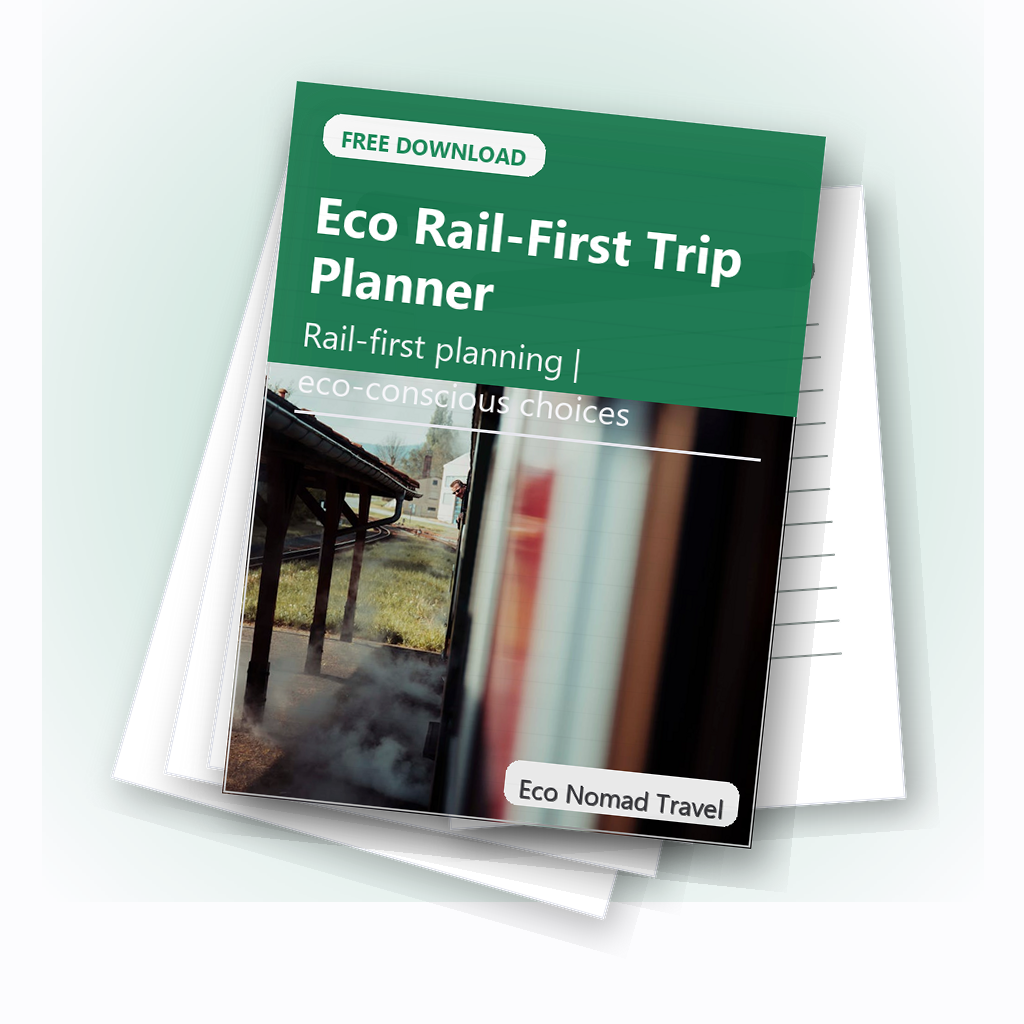
Free download: Eco Rail-First Trip Planner
A fast, practical checklist + templates for planning low-impact trips (without decision fatigue).

Book a Sustainable Stay That Fits This Trip
Explore eco lodges, villas, and resorts that match the slower, lower-impact travel style featured on Eco Nomad Travel.
Affiliate disclosure: We may earn a commission if you book through these links at no extra cost to you.
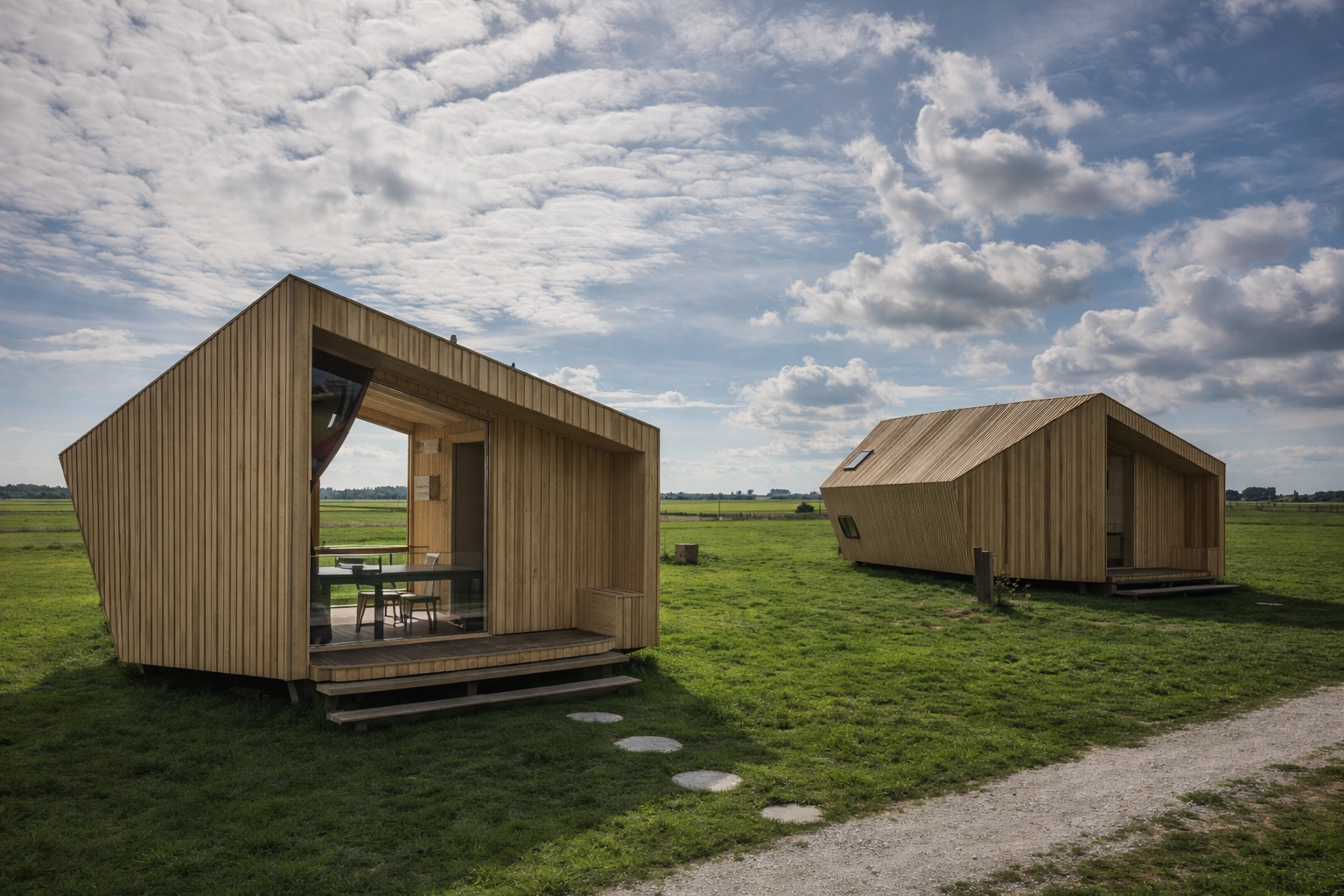
Sustainable Ecolodge at Lauwersmeer National Park and Wadden Sea
Nature-focused stay near wetlands and coast
Check Rates