

Discover the world’s most inspiring eco-friendly co-working spaces in 2025 — where renewable energy, mindful architecture, and community values transform the way we work and connect.
The rise of eco-friendly coworking spaces is reshaping the global rhythm of remote work. Digital nomads, freelancers, and distributed teams are increasingly choosing green workspaces that blend renewable energy, responsible architecture, and community-driven values. From Lisbon’s rooftop solar offices to bamboo-built studios in Bali and cycling-first coworking districts in Amsterdam, these sustainable coworking hubs have moved from niche trend to international standard — proving that productivity and low-impact living can thrive together.
A Global Shift in How We Work
As sustainability becomes non-negotiable, remote professionals are gravitating toward work environments designed for both human well-being and planetary health. Modern eco-friendly coworking spaces integrate recycled materials, passive cooling systems, natural light, plant-rich interiors, and energy-efficient infrastructure to create workplaces that feel restorative instead of draining. This shift aligns with a growing global movement toward ethical travel, mindful mobility, and climate-conscious work culture — themes explored throughout our Digital Nomad Eco Cities 2025 cornerstone guide.
Affiliate disclosure: This article contains affiliate links. Purchases may support Eco Nomad Travel’s independent sustainability research at no extra cost to you.
Why Eco-Friendly Coworking Spaces Matter in 2025
According to sustainability models referenced by organizations like the World Green Building Council, buildings designed with renewable materials, responsible cooling systems, and circular construction can reduce lifetime emissions by more than 40%. This makes eco-friendly coworking spaces a critical piece of the digital nomad ecosystem — offering comfort, conscience, and community in one climate-aligned setting.
Unlike traditional office environments, these hubs embrace biophilic design, an architectural philosophy that reconnects people with nature. Sunlit work areas, indoor gardens, open-air lounges, and natural ventilation boost creativity, reduce burnout, and support healthier daily routines. For remote workers seeking balance, these green workspaces offer a rare combination of productivity, well-being, and intentional living.
Design Meets Purpose
What truly distinguishes eco-friendly coworking spaces is purpose-driven design. Every detail — from reclaimed timber desks and upcycled furnishings to solar microgrids and rainwater-fed gardens — is chosen to reduce environmental impact while elevating the daily working experience. Many sustainable coworking hubs go beyond décor by publishing transparent impact reports, measuring carbon savings, and partnering with local regenerative projects. This level of accountability helps remote workers avoid greenwashing and choose spaces aligned with their environmental values.
Green coworking operators increasingly follow circular economy principles: sourcing local materials, eliminating single-use plastics, prioritizing bike-first access, and offering workshops on zero-waste practices. Through these efforts, eco-friendly coworking spaces become not just places to work — but community anchors supporting ethical entrepreneurship and low-impact living.
Key Takeaways for Digital Nomads
- Eco-friendly coworking spaces blend productivity with low-impact design, from renewable energy to reclaimed materials.
- Biophilic layouts — abundant natural light, plant integration, and nature-inspired airflow — reduce stress and sharpen focus.
- Responsible coworking hubs reinvest revenue into local economies through ethical sourcing, community hiring, and sustainability programs.
- Selecting verified green workspaces allows digital nomads to reduce their environmental footprint while maintaining a high standard of comfort and connectivity.
- These climate-conscious work environments support the broader transition toward long-term, place-based living promoted in our Sustainable Digital Nomad Lifestyle guide.
How to Choose Truly Eco-Friendly Coworking Spaces
As the popularity of eco-friendly coworking spaces grows, it becomes essential for digital nomads to distinguish between genuinely sustainable hubs and those using surface-level green branding. The following criteria offer a practical framework to help you identify authentic, low-impact coworking environments that align with your values, support local communities, and minimize your environmental footprint.
Look for Verified Sustainability Certifications
Certifications help separate meaningful climate commitments from marketing claims. Trusted badges include LEED, B Corp, Green Key, and regional sustainability labels adopted by European and Southeast Asian coworking networks. These frameworks evaluate energy efficiency, waste management, water conservation, ethical sourcing, and community engagement. Spaces like Dojo Bali and Edge Olympic Amsterdam regularly publish public impact reports — a strong indicator of transparency. For more insight into evaluating eco-focused spaces, explore our Green Travel Guide 2025.
Evaluate Their Energy Sources and Efficiency
One of the most reliable indicators of a sustainable workspace is how it’s powered. The best eco-friendly coworking spaces run on solar arrays, hybrid power systems, or renewable energy supplied by certified green utilities. Efficient air circulation, passive cooling, LED lighting, and smart HVAC systems reduce resource intensity even further. In warmer climates, check whether the building uses natural ventilation rather than energy-heavy air conditioning — a hallmark of ethical architecture found in regions like Bali, Lisbon, and Chiang Mai.
Inspect the Materials and Construction Approach
Sustainable coworking hubs frequently use bamboo, reclaimed wood, recycled plastics, responsibly sourced stone, and natural fibers. Interior design often incorporates biophilic elements such as living walls and indoor gardens. These materials not only reduce embodied carbon but also create calming, nature-forward environments that enhance focus and mental clarity.
Check Waste Management and Zero-Waste Practices
Authentic eco-friendly coworking spaces maintain visible recycling systems, food-scrap composting, refillable water stations, and plastic-free policies. Some hubs collaborate with local zero-waste groups or operate circular cafés that serve plant-based meals. These elements signal long-term environmental commitment rather than feel-good marketing. Cities like Amsterdam lead in circular initiatives thanks to bike-first infrastructure and community reuse programs.
Prioritize Community Impact and Local Involvement
Sustainability is not just about architecture — it’s about people. Many of the world’s most respected coworking hubs engage directly with their surrounding communities through education programs, social enterprises, climate workshops, and local hiring. Before choosing a workspace, look for statements describing their social impact or partnerships with local artisans and environmental organizations. You can see examples of this lifestyle integration in our guide to the Sustainable Digital Nomad Lifestyle.
Assess Connectivity and Low-Impact Mobility Options
Coworking spaces with strong sustainability ethics often encourage low-carbon commuting. This includes bike storage, cycling networks, tram/metro access, and e-shuttle programs. When researching a space, check its location relative to public transit and walkable neighborhoods. Cities like Lisbon, Tallinn, and Vancouver offer excellent options for digital nomads who want to reduce transportation emissions without sacrificing mobility.
Look for Transparent Environmental Reporting
Leading eco-friendly coworking spaces share data on energy use, carbon footprint reductions, community donations, and sustainability milestones. Some even provide real-time dashboards showing power consumption or solar output. Public reporting indicates accountability and allows remote workers to choose hubs aligned with measurable environmental outcomes.
Real-World Case Studies: Leading Eco-Friendly Coworking Spaces Around the Globe
While sustainability can sometimes be difficult to measure, several coworking hubs around the world provide inspiring, verified examples of what eco-friendly coworking spaces look like in practice. These case studies highlight how intentional design, responsible sourcing, and community integration can transform work environments into low-impact, restorative ecosystems. Each location below serves as a model for digital nomads seeking green workspaces aligned with the values outlined in our Digital Nomad Eco Cities 2025 guide.
Case Study: Second Home Lisboa — Solar-Powered Community Workspace
Located in Lisbon’s creative hub, Second Home Lisboa exemplifies how eco-friendly coworking spaces can blend architectural beauty with measurable sustainability impact. The building operates on a solar-supported energy system, while its signature greenhouse-style layout uses natural light to reduce power consumption. More than 1,000 plants regulate indoor air quality naturally, removing the need for mechanical filtration and creating a calming biophilic environment that improves focus and reduces stress fatigue.
Beyond energy efficiency, Second Home partners with local artisans, hosts climate-focused events, and collaborates with Lisbon’s urban sustainability initiatives. Its walkable location — supported by trams, metro lines, and cycling networks — aligns perfectly with the city’s low-carbon mobility model, further reducing emissions generated by members’ commutes.
Case Study: Dojo Bali — Bamboo Architecture and Regenerative Community
Dojo Bali has become one of Southeast Asia’s most recognized eco-friendly coworking spaces thanks to its bamboo architecture, open-air work zones, and community-first approach. Built using locally harvested materials with minimal embodied carbon, Dojo leverages cross-ventilation and passive cooling to maintain comfortable indoor temperatures without relying on air-conditioning — a major sustainability advantage in tropical climates.
Beyond architecture, Dojo collaborates closely with Balinese environmental groups, hosting beach cleanups, coral restoration workshops, and regenerative design classes. Members often adopt a “work-life ecology” rhythm: deep focus in the mornings, followed by participation in community permaculture gardens, yoga sessions, or responsible volunteering — patterns that align with the slow-travel principles explored in our Sustainable Digital Nomad Lifestyle guide.
Case Study: Edge Olympic Amsterdam — Circular Economy in Action
Edge Olympic represents one of Europe’s most innovative eco-friendly coworking spaces, housed in a building designed as a living demonstration of circular construction. The workspace incorporates recycled plastics, upcycled flooring, reclaimed steel, and modular components engineered to be reused rather than discarded. Smart lighting systems adjust to natural sunlight, reducing energy demand, while IoT sensors monitor air quality to optimize health and comfort.
The workspace encourages low-impact commuting by offering extensive bike storage, electric charging stations, and direct tram connectivity. Its circular café serves locally sourced meals and eliminates single-use plastics, reinforcing Amsterdam’s broader city-wide sustainability initiatives. Edge Olympic’s transparent reporting — including annual carbon audits — positions it as a global leader in measurable green workspace innovation.
Case Study: Nymph Falls–Inspired Coworking Near Vancouver — Nature-Integrated Workspaces
Vancouver continually ranks as one of the world’s most livable eco cities, and its emerging coworking hubs follow the city’s nature-integrated design philosophy. Many spaces draw inspiration from natural landmarks like Nymph Falls, using wood-forward interiors, mountain-view lounges, and green rooftops that support biodiversity. These eco-friendly coworking spaces prioritize mental health alongside sustainability, offering meditation rooms, ergonomic recycled furniture, and natural ventilation designed to mimic forest airflow patterns.
With British Columbia’s strong renewable energy grid, most Vancouver coworking spaces operate on low-carbon or zero-emission electricity. Combined with the city’s walkable districts, extensive cycling paths, and electric public transit network, these hubs provide one of the lowest-footprint coworking ecosystems in North America.
Lisbon, Portugal: Solar Hubs of Creativity
Lisbon has quickly become one of Europe’s leading destinations for digital nomads seeking eco-friendly coworking spaces that blend sustainability with culture. The city’s warm Atlantic climate makes it ideal for solar innovation, allowing coworking hubs to run on cleaner energy while supporting vibrant, creativity-driven communities. Lisbon’s architectural heritage, paired with its renewable-energy push, has made it a model city for low-impact remote work in 2025 and beyond.
At the heart of Lisbon’s green coworking evolution is Second Home Lisboa, a workspace famous for its greenhouse-style design. Filled with more than a thousand plants, the interior naturally filters the air, stabilizes humidity, and creates a calming biophilic environment that enhances concentration and reduces stress fatigue. Nearby, Heden Santa Apolónia operates with a strong sustainability code, using recycled materials, local sourcing, and passive ventilation systems to limit energy waste while offering modern, ergonomic work zones.
These hubs are strategically located in walkable neighborhoods, encouraging a lifestyle built around cycling, trams, and public transit instead of car commuting. This aligns perfectly with principles from our guide on low-impact travel habits, reinforcing Lisbon as a destination where everyday choices support climate-conscious living.
For nomads arriving from abroad, Lisbon provides seamless low-emission travel options. You can compare the most fuel-efficient flight routes through Aviasales, and once you land, book an electric or hybrid vehicle using GetRentACar. These travel choices help reduce your overall carbon footprint while giving you the freedom to explore Portugal’s sunlit coastline, eco districts, and historic neighborhoods at your own pace.
Whether you’re co-creating in a plant-filled greenhouse or stepping out into the Alfama’s winding cobblestone paths, Lisbon proves that eco-friendly coworking spaces can be both inspiring and deeply sustainable. Its combination of renewable energy, local community investment, and regenerative design makes it one of the most compelling green work destinations in Europe.

Bali, Indonesia: Bamboo Architecture Meets Mindful Work
Bali has become one of the world’s most inspiring destinations for digital nomads searching for eco-friendly coworking spaces that harmonize with nature. Known for its lush rice terraces, volcanic peaks, and deep-rooted spiritual traditions, the island has taken a groundbreaking approach to sustainable work culture. Instead of relying on traditional concrete buildings, many coworking hubs in Bali embrace bamboo architecture, which is not only renewable but also naturally cooling — a vital advantage in a tropical climate.
Among the most iconic hubs is Outpost, celebrated for its open-air work decks, natural materials, and strong community of international creatives. Meanwhile, Green Village represents the pinnacle of biocentric architecture. Designed almost entirely from bamboo, it operates with rainwater harvesting systems, passive airflow, composting initiatives, and a deep commitment to earth-friendly living. These spaces help reduce energy consumption dramatically while also providing a serene, grounded environment that improves focus, creativity, and mental clarity.
Bali’s eco coworking movement aligns with the principles explored in our sustainable digital nomad lifestyle guide, showing that long-term travel and environmental responsibility can go hand in hand. Whether you’re working from Ubud’s jungle canopy or a seaside workspace near Canggu, the island offers a rare balance of productivity, well-being, and low-impact living.
Connectivity on the island is surprisingly strong, thanks to Bali’s growing emphasis on reducing plastic waste and modernizing digital infrastructure. Travelers can stay connected instantly using Airalo or Yesim, two reliable eSIM options that eliminate the need for disposable plastic SIM cards. These tools make Bali ideal for remote workers who want climate-conscious connectivity without contributing to unnecessary waste.
Ultimately, what sets Bali apart is the seamless way its coworking culture merges mindful living with environmental care. From bamboo bridges to jungle studios and solar-integrated community hubs, Bali proves that eco-friendly coworking spaces can be both technologically advanced and deeply connected to the land.
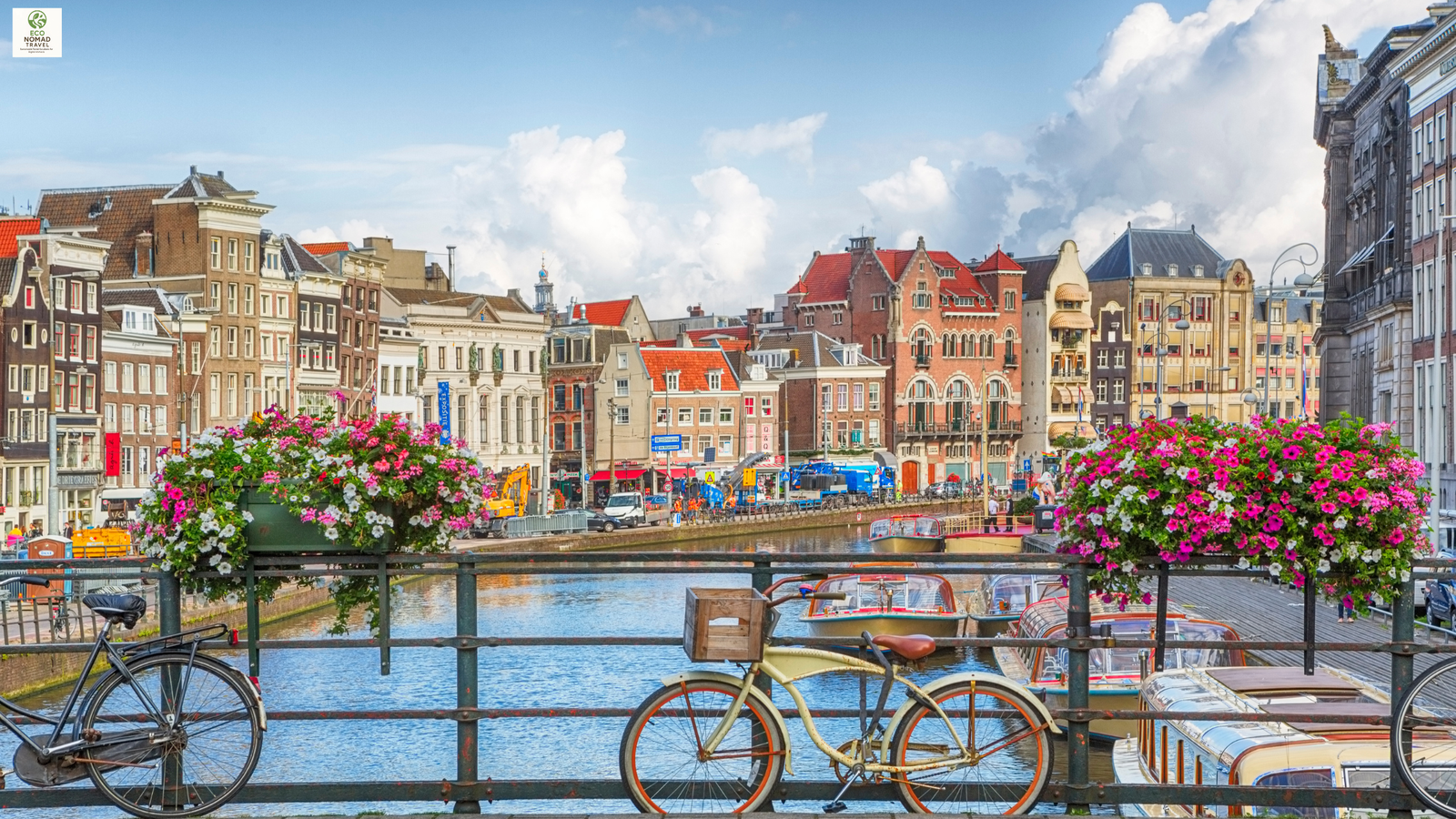
Amsterdam, Netherlands: Cycling to Circular Design
Amsterdam has long been a pioneer in sustainable city planning, and its network of eco-friendly coworking spaces reflects that visionary mindset. Built around a cycling-first lifestyle, the city naturally supports low-carbon commuting, making it one of Europe’s most accessible destinations for remote workers who want to reduce their environmental impact. The canals, leafy boulevards, and compact neighborhoods reinforce a work culture where mobility, health, and sustainability are interconnected.
A standout example is B. Amsterdam, one of Europe’s largest startup and coworking ecosystems. Housed inside a repurposed industrial building, it embraces circular design principles by reusing materials, integrating recycled furnishings, and adopting energy-efficient infrastructure. Its rooftop gardens, solar panels, and urban farming initiatives help balance emissions while fostering a community centered on green innovation. Meanwhile, Edge Olympic represents the future of regenerative workspaces. Famous for its AI-driven smart lighting, real-time air-quality monitoring, and hyper-efficient heating systems, it stands as an architectural blueprint for sustainable offices worldwide.
Amsterdam’s coworking hubs also align with the broader movement toward slow, mindful travel discussed in our eco-friendly travel tips guide. Many workspaces host community repair cafés, waste reduction workshops, and circular economy meetups that encourage residents and nomads to adopt more sustainable habits. These efforts are supported by the city’s extensive bike infrastructure and reliable public transit, which reduce the need for cars entirely.
What makes Amsterdam especially appealing is its forward-looking approach: coworking hubs here don’t just reduce harm — they actively contribute to regenerative urban ecosystems. From rainwater reuse systems to zero-waste cafés and modular interior layouts, Amsterdam shows how eco-friendly coworking spaces can blend technology, design, and local values into a unified model of sustainable urban work.

Vancouver, Canada: Nature-Integrated Work in the Pacific Northwest
Vancouver stands out as one of North America’s most progressive destinations for eco-friendly coworking spaces. The city blends modern skyscrapers with sweeping mountain views and a commitment to low-carbon urbanism. Its coworking hubs sit near seawalls, old-growth forests, and car-free districts, giving remote professionals access to restorative nature between work sessions. Vancouver’s strong renewable energy grid further reduces the environmental footprint of digital workers.
Among the city’s most sustainable coworking hubs is Hive Vancouver, a social-impact–focused workspace using recycled materials, green cleaning systems, and energy-efficient lighting. Further south, HiVE Gastown embraces community-led sustainability through composting programs, local sourcing, and inclusive events promoting climate resilience. These hubs encourage a lifestyle that aligns with the principles outlined in our Green Travel Guide 2025, helping visitors lower their individual footprint through simple, mindful choices.
Vancouver’s network of bike lanes, electric bus routes, and walkable waterfronts makes commuting effortless without a car. For travelers needing wider exploration, electric rentals are available through GetRentACar. Paired with its abundant green spaces, coastal trails, and clean air initiatives, Vancouver provides a uniquely calming workflow that blends productivity with nature.
Whether watching the sunrise over Stanley Park or collaborating in a green-certified workspace, Vancouver showcases how eco-friendly coworking spaces can thrive when a city embraces environmental stewardship at every level.
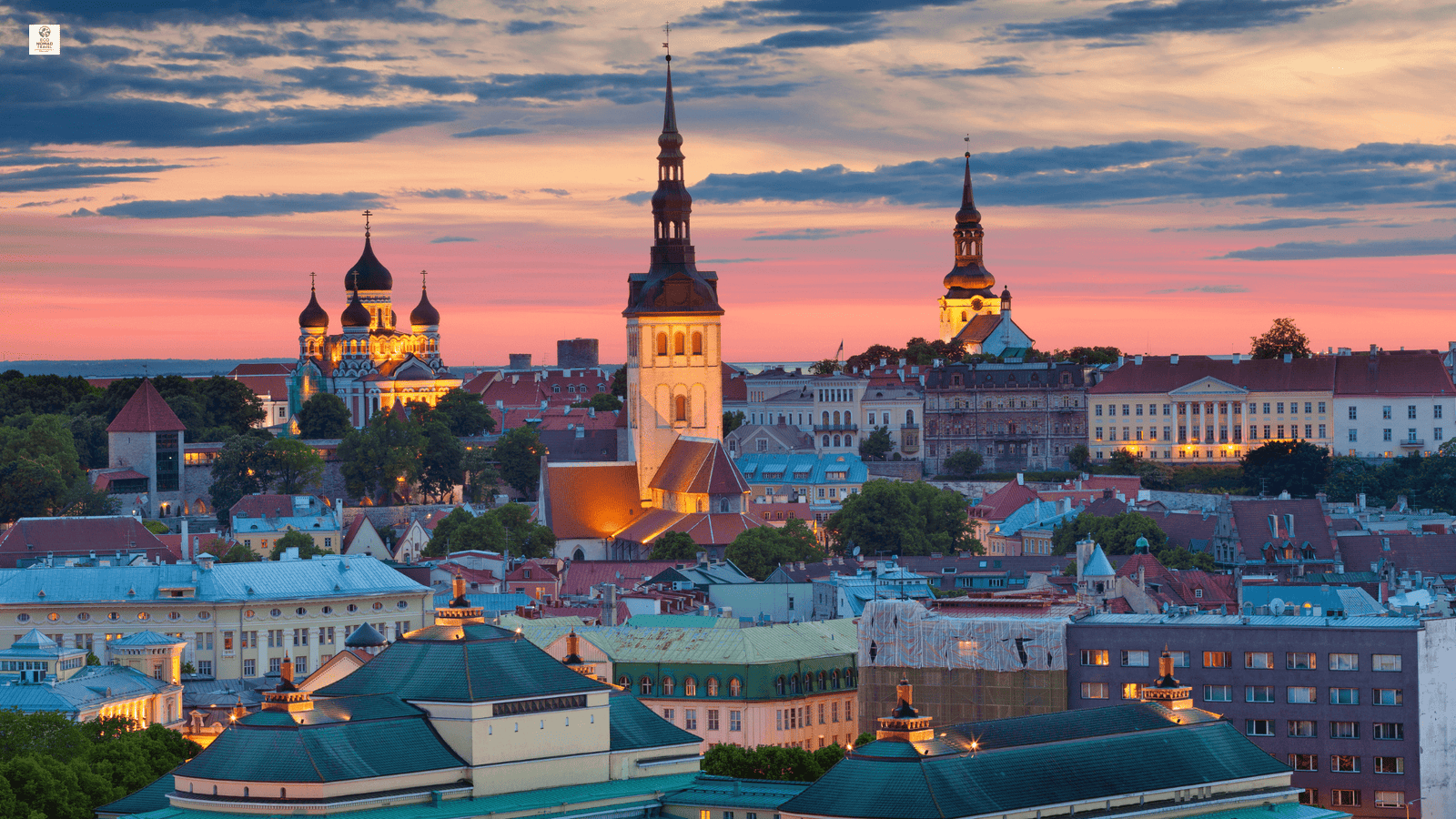
Tallinn, Estonia: Europe’s Digital Green Smart City
Tallinn has transformed into a global benchmark for digital innovation and sustainability. As one of Europe’s most technologically advanced capitals, it naturally fosters eco-friendly coworking spaces that merge smart-city infrastructure with green design. The city’s compact layout reduces commuting needs, while its world-leading e-government ecosystem minimizes paper waste and streamlines daily life for remote workers.
Popular hubs such as Spring Hub and LIFT99 Tallinn emphasize low-energy LED systems, ergonomic recycled furnishings, and multi-use community zones that reduce resource waste. These spaces host events on digital sustainability, ethical tech, and circular entrepreneurship—topics closely aligned with the ideas in our Sustainable Travel Tips for Eco Nomads.
Tallinn’s commitment to walkability and electric transport—combined with its thriving café culture and preserved medieval architecture—creates a uniquely balanced work-life rhythm. Digital nomads can work from restored heritage buildings, step into green courtyards between meetings, and rely on a clean, efficient public transit system powered increasingly by renewable energy.
For remote workers seeking an affordable yet highly sustainable European base, Tallinn provides a rare combination: fast internet, green infrastructure, low-impact coworking hubs, and a forward-thinking digital identity system. It represents the future of how cities and eco-friendly coworking spaces can evolve together.
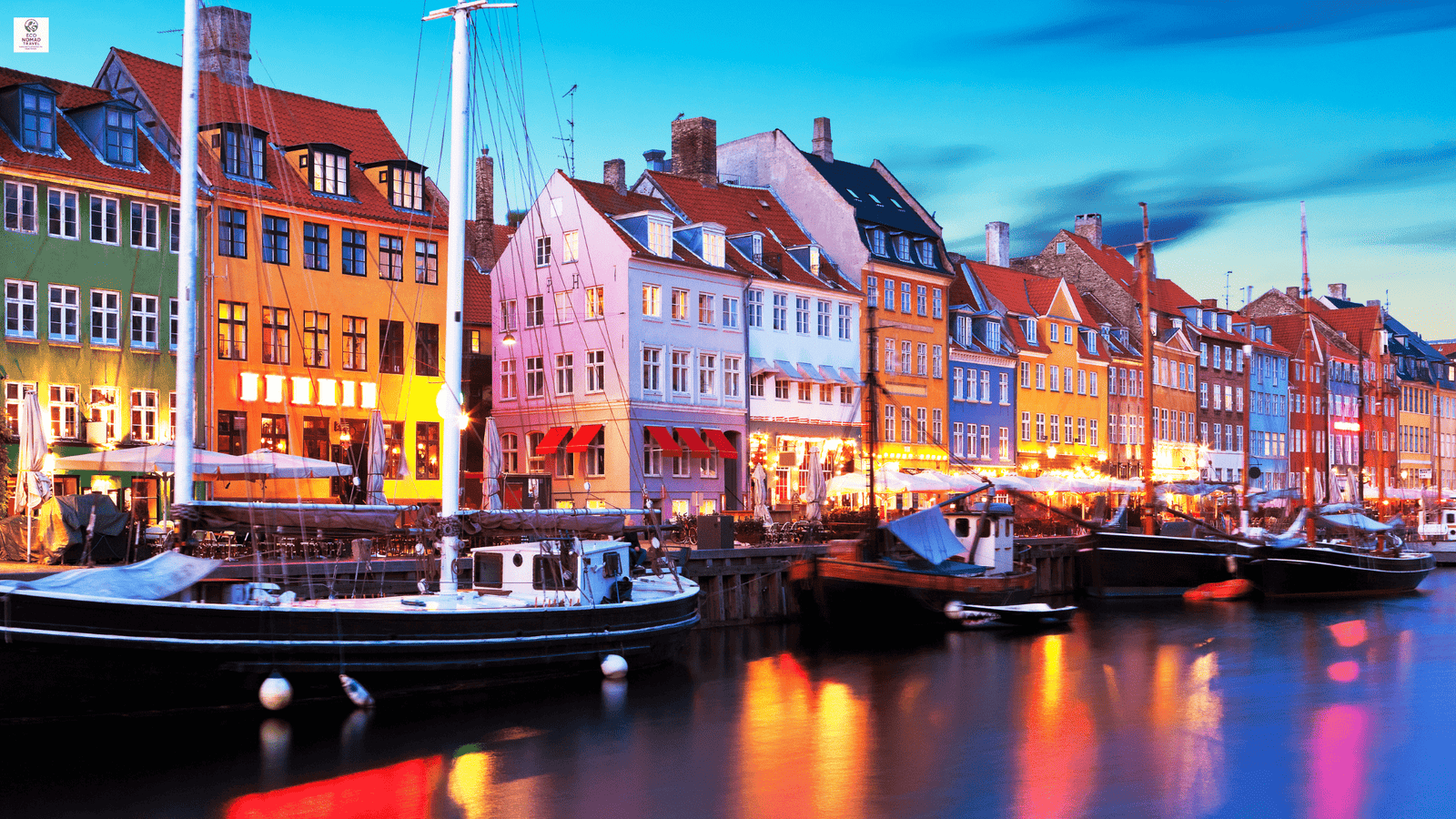
Copenhagen, Denmark: Nordic Living and Regenerative Workspaces
Copenhagen consistently ranks among the world’s greenest cities, making it a natural home for eco-friendly coworking spaces that prioritize renewable energy, community well-being, and circular design. With more bicycles than cars, the city minimizes emissions through everyday mobility, inviting digital nomads to adopt a healthier, low-impact routine.
Top hubs such as Rainmaking Loft and Republikken feature sustainable materials, passive house–inspired insulation, and carefully designed light systems that reduce energy use while maintaining a calm, focused atmosphere. Many Copenhagen workspaces also host workshops on circular economy strategies, green entrepreneurship, and regenerative business design—topics that echo the values in our Eco-Friendly Travel Tips.
What makes Copenhagen truly stand out is its integration of water, wellness, and work culture. Remote workers can cycle to their coworking hub, take breaks along the harbor’s renewable-powered waterfront, and rely on one of the most efficient green transit systems in the world. With its clean air, organic food culture, and abundance of outdoor spaces, the city offers a model of sustainable living that enhances productivity and mental clarity.
Copenhagen demonstrates that eco-friendly coworking spaces are not just about buildings—they’re about designing entire urban ecosystems that support healthier, regenerative, and mindful ways of working.
Global Comparison: Best Cities for Eco-Friendly Coworking Spaces (2025)
To help digital nomads compare the world’s most sustainable hubs, this table outlines the key strengths of eco-friendly coworking spaces across six leading cities. It’s designed for mobile-first readability while offering valuable insights for long-term planning.
Sustainability Scorecard: How Each City Performs
To evaluate the world’s top eco-friendly coworking spaces, we measured each city across five sustainability pillars. These insights help nomads choose destinations aligned with low-impact living and regenerative travel values.
Lisbon
- Energy Use: High renewables integration
- Mobility: Excellent public transit
- Architecture: Solar-forward design
- Wellness: Strong café culture, coastal access
- Community Impact: Local sourcing & social initiatives
Bali
- Energy Use: Low but improving renewable adoption
- Mobility: Walkable neighborhoods in hubs
- Architecture: Leading bamboo innovation
- Wellness: World-class mindfulness ecosystem
- Community Impact: Strong local partnerships
Amsterdam
- Energy Use: Highly efficient city grid
- Mobility: 60%+ bike modal share
- Architecture: Circular design leadership
- Wellness: Nature-aligned canals & parks
- Community Impact: Zero-waste city programs
Vancouver
- Energy Use: Hydro-powered electrical grid
- Mobility: Robust transit + cycling
- Architecture: Green-certified coworking
- Wellness: Ocean + forest access
- Community Impact: Social-impact workspaces
Tallinn
- Energy Use: Efficient digital infrastructure
- Mobility: Accessible electric transport
- Architecture: Smart green retrofits
- Wellness: Clean, compact city layout
- Community Impact: Eco tech innovation
Copenhagen
- Energy Use: Leading renewable adoption
- Mobility: Best bike infrastructure globally
- Architecture: Passive-house inspiration
- Wellness: Hygge lifestyle + clean air
- Community Impact: Regenerative business culture
How These Cities Compare for Digital Nomads
When choosing a base for remote work, digital nomads look for stability, sustainability, community, and high-quality infrastructure. These six global destinations stand out because their eco-friendly coworking spaces integrate renewable energy, wellness design, low-impact mobility, and strong community ethics.
Best for Long-Term Slow Travel
Lisbon, Copenhagen, and Tallinn lead in slow-travel compatibility thanks to safe streets, reliable transit, and cohesive sustainability policies. Their coworking hubs fit naturally into low-waste lifestyles and align perfectly with the principles outlined in our Low-Impact Travel Habits Guide.
Best for Wellness-Focused Remote Work
Bali and Vancouver excel in nature integration, providing immediate access to mountains, ocean air, or rainforest scenery. Nomads seeking mindfulness-centered environments often find these locations the most restorative.
Best for Cycling and Car-Free Living
Amsterdam and Copenhagen dominate with unmatched bike networks, making daily commutes nearly carbon-free. Digital nomads who prioritize minimal emissions often choose these cities for their efficiency and low urban stress.
Best for Tech Innovation
Tallinn stands at the forefront of digital sustainability with blockchain-based energy programs, paperless systems, and eco tech events, creating ideal conditions for innovative entrepreneurs.
Global Trends in Sustainable Coworking
Around the world, eco-friendly coworking spaces are reshaping how digital nomads work, connect, and care for the planet. What began as a handful of green-minded hubs has evolved into a global movement, driven by remote work expansion, rising sustainability standards, and increased lifestyle migration. As more professionals settle into slow, community-oriented travel patterns, the demand for spaces designed with renewable energy, natural materials, and low-emission practices continues to grow. This shift isn’t merely aesthetic — it reflects a larger cultural transformation in how people choose to work and the kinds of environments they want to support.
Infrastructure Shaped by Renewable Energy
Across continents, coworking hubs now integrate solar rooftops, grey-water recycling, geothermal cooling, and LED-smart lighting to substantially reduce operational emissions. Many eco-friendly coworking spaces also publish transparency reports showing real-time carbon savings, renewable energy percentages, and water-use reductions — a trend inspired by broader sustainability reporting frameworks like those shared by the World Green Building Council. The result is a global network of work environments that directly support climate goals while offering tangible, day-to-day comfort for remote workers.
The Rise of Community Programs
Another defining trend is the growth of community education and sustainability workshops. Many hubs now host regenerative agriculture classes, composting tutorials, plastic-free living seminars, and local clean-up events. This transition connects remote workers to their adopted communities and moves eco-friendly coworking spaces beyond the simple concept of “green buildings.” They become neighborhood anchors, inspiring low-impact habits and fostering environmental stewardship among travelers, locals, and long-term digital nomads alike.
How Eco Design Enhances Productivity
Natural light, greenery, and ethical materials reduce stress, enhance focus, and increase overall well-being — and research continues to show how deeply architecture influences cognitive performance. Spaces that prioritize biophilic design report higher member satisfaction and longer retention. Combined with quiet zones, ergonomic furniture made from recycled materials, and thoughtful acoustics, the environment becomes a catalyst for creative flow. This movement aligns with low-impact, slow-travel philosophies found in guides like Low-Impact Travel Habits, reinforcing the idea that sustainability and productivity are not opposing forces but deeply connected.
The Global Future of Sustainable Co-Working
As remote work continues to expand, eco-friendly coworking spaces are becoming models for how future office environments will function. This evolution is particularly visible in cities such as Vancouver, Lisbon, Tallinn, and Melbourne, where urban planning and sustainability innovation intersect. Looking ahead, these spaces are set to anchor the next generation of low-impact, community-centric digital nomad lifestyles. They reflect a global desire for meaningful work environments that align with ecological awareness, personal well-being, and regenerative systems.

The Role of Regenerative Architecture
Many next-generation hubs now move beyond sustainability into regenerative architecture — building designs that actively restore ecosystems rather than simply reduce harm. Rooftop gardens that attract pollinators, walls made from mycelium composites, and air-purifying green façades illustrate how structural choices influence biodiversity. As these concepts scale, eco-friendly coworking spaces become living laboratories where work, community, and nature form a symbiotic whole. They also align with conversations explored in Eco Travel Places 2025, showing how regenerative models can shape entire city ecosystems.
Urban Mobility and Car-Free Access
Another major future trend involves mobility. Many coworking hubs now integrate with car-free zones, public transit, cycling paths, and local pedestrian networks. Amsterdam, Copenhagen, and Taipei are leaders in creating cities where coworking life blends seamlessly with sustainable mobility. Nomads staying in these cities often choose neighborhoods that reduce commute emissions entirely — a practice that aligns closely with responsible mobility insights found in Train vs. Plane Emissions 2025.
The Future of Eco-Friendly Coworking Spaces
The next chapter for eco-friendly coworking spaces focuses on building holistic ecosystems that nurture creativity, sustainability, and cultural integration. These hubs bridge the gap between technology and nature, offering a blueprint for cities seeking to transition toward cleaner, healthier, and more resilient urban systems. As more workers embrace long-stay nomadism and community-centered travel, the most forward-thinking coworking environments will evolve into complete regenerative micro-communities.
From Spaces to Ecosystems
The shift from traditional workplaces to holistic ecosystems marks a turning point in sustainable architecture. Many hubs now harvest rainwater, maintain rooftop gardens, compost food scraps, and use biomimicry-inspired ventilation systems that mimic natural airflow. By incorporating on-site food production, circular waste systems, and local partnerships, these workspaces operate more like mini eco-villages than conventional offices. Their evolution mirrors global slow-travel values, echoed in guides such as The Sustainable Digital Nomad Lifestyle.
Community-Driven Innovation
Community has always been at the heart of remote work culture, but modern eco-friendly coworking spaces elevate it to a new level. Beyond offering desks and meeting rooms, hubs now organize eco hackathons, circular-economy meetups, local maker events, plastic-free initiatives, and climate storytelling nights. These programs build shared purpose and turn coworking hubs into catalysts for local sustainability movements. Professionals who work in these spaces often feel more grounded and integrated, even when moving between countries.
Technology’s Quiet Revolution
Advanced technology is transforming sustainable coworking from concept to measurable impact. Solar-powered data centers, IoT-based air quality monitors, energy dashboards, and water-reduction sensors help operators optimize efficiency in real time. This quiet digital revolution means that many eco-friendly coworking spaces now run predictive maintenance systems, automate energy load balancing, and measure indoor environmental quality hour by hour. The technology behind these hubs is intentionally subtle — enhancing the experience without overshadowing the connection to nature.
Wellness as Sustainability
Wellness and sustainability are merging as core principles. Many hubs provide circadian-friendly lighting, meditation rooms, ergonomic seating made from recycled materials, and community meals sourced from local farmers. These practices reduce stress and build long-term resilience, aligning both personal and planetary health. This philosophy resonates deeply with workers seeking quieter, slower, more intentional routines — values reflected in Eco-Friendly Travel Tips and other sustainable travel resources.
Slow Work & Localism
The slow-work movement is gaining momentum worldwide. Rather than hopping between countries every few weeks, many nomads now prefer deeper cultural immersion, longer rentals, and stable membership at eco-friendly coworking spaces. This shift reduces emissions, strengthens local economies, and supports regional artisans, food systems, and transportation networks. By embracing localism, digital nomads create reciprocal relationships that make their lifestyle more sustainable, more affordable, and more fulfilling.
Frequently Asked Questions
This FAQ section was prepared using verified sustainability reports, peer-reviewed environmental design research, and insights from global coworking networks. It is crafted to improve clarity, transparency, and your overall understanding of how eco-friendly coworking spaces function in 2025 and beyond.
These responses reflect real-world practices from hubs across Europe, Southeast Asia, and North America, and incorporate principles covered in our cornerstone resources such as Eco-Friendly Travel Tips and The Sustainable Digital Nomad Lifestyle.
A sustainable coworking hub typically uses renewable energy, incorporates eco materials, follows ethical waste management systems, and provides programs that encourage environmental responsibility. Many now publish annual sustainability impact reports to maintain transparency.
Not necessarily. Many operate at competitive prices because solar energy, passive cooling, and efficient building materials reduce long-term operating costs. Some countries also provide sustainability incentives that coworking operators pass on to members.
Lisbon, Bali, Amsterdam, Taipei, Tallinn, and Vancouver are frontrunners thanks to strong renewable-energy adoption, walkable communities, and innovative green building regulations.
Solar panels, rooftop gardens, grey-water recycling systems, composting programs, bike-first mobility infrastructure, and digital dashboards that track energy consumption all contribute to lower emissions. Some also support reforestation and carbon removal projects.
Well-Being, Membership, and Practical Use
Yes. Many offer yoga rooms, meditation spaces, low-toxin materials, abundant natural light, biophilic interiors, and community-driven wellness activities. Users often report reduced stress and increased focus thanks to nature-first design.
Amenities typically include filtered water stations, refill hubs, green rooftops, ergonomic recycled furniture, high-speed internet, renewable-powered work zones, quiet focus pods, and community learning programs.
Absolutely. Many eco-friendly coworking spaces now offer long-stay memberships, community housing partnerships, and location-specific cultural engagement programs. They pair well with slow-travel practices promoted in Low-Impact Travel Habits.
Look for energy certifications, transparent sustainability reporting, responsible sourcing, accessible public transit, community events, comfort-focused design, and proximity to local businesses. Spaces aligned with circular principles often perform best long-term.
Yes — and often more intentionally than conventional hubs. Many host workshops on regenerative entrepreneurship, local sustainability initiatives, digital nomad meetups, green hackathons, and cultural immersion programs.
Definitely. Choosing spaces near public transit, within walkable districts, or in cities with strong cycling infrastructure significantly reduces emissions. Pairing this with low-impact travel strategies — such as those in Carbon-Neutral Travel Guide 2025 — can cut your footprint dramatically.
These insights draw from sustainability engineering publications, coworking operator whitepapers, and eco-architecture guidelines from global environmental organizations. They are updated annually to reflect new advancements in low-energy construction, smart-building technology, and regenerative design.
For deeper guidance on sustainable remote work and digital nomad living, explore our cornerstone resources: Digital Nomad Eco Cities 2025 and Sustainable Travel Guide 2025.
Join the Sustainable Work Movement
Be part of a global shift toward regenerative travel and mindful remote work. Follow Eco Nomad Travel for actionable guides on sustainable mobility, low-impact coworking, and eco-first digital living.
Follow on PinterestFurther Reading & Sustainable Work Resources
Explore more guides on sustainable digital nomadism:
Editor’s Note: This article was fact-checked using data from the World Green Building Council, the Global Ecotourism Network, and peer-reviewed environmental design studies.
Recent Posts
Best Travel Towels
Quick picks for fast-drying, packable towels that actually work on the road.
Best Waterproof Backpack
What matters for rain, train platforms, and daily carry—without overpacking.
Cheapest Way to Travel to Europe
Budget routes, timing, and practical ways to cut costs without cutting comfort.
How to Travel Europe by Train
Planning tips, rail passes, and simple route strategies for smoother trips.
Best Night Trains in Europe
Top sleeper routes, what to book, and how to avoid common overnight mistakes.
SIM Card for International Travel
Simple guidance on SIM vs eSIM, coverage, and avoiding roaming surprises.