
If the dream is to stand between endless rows of vibrant Dutch tulips, timing is everything. For the most reliable, jaw-dropping peak blooms, you’ll want to aim for the last two weeks of April. In general, the window from mid-April to early May is the best time to see tulips in Holland.
Planning Your Sustainable Tulip Trip
This guide is for anyone who wants to experience the iconic Dutch flower fields through a sustainable, rail-first travel lens. We’ll show you how to build an unforgettable, low-impact trip, from navigating the brilliant Dutch train system to finding hidden-gem towns that get you closer to the blooms and away from the biggest crowds.
Instead of defaulting to Amsterdam, we’ll look at charming, walkable base cities like Leiden and Haarlem. They offer a more authentic Dutch experience, are much closer to the flower fields, and make low-impact train and bike travel incredibly simple.
This article was fact-checked using sustainability data from the World Green Building Council, the Global Ecotourism Network, and peer-reviewed architecture studies. All partner links are vetted for compliance with sustainable business certifications.
A Rail-First Approach
Making the train your primary mode of transport is the single best way to lower your trip’s footprint. The Netherlands’ rail network is one of the best in Europe. It connects major hubs with tiny towns so efficiently it makes renting a car feel completely unnecessary.
A train ride from Amsterdam to Leiden—a perfect base for exploring the tulip region—takes only about 40 minutes. It costs around $11 USD (€10). You get to skip the traffic, relax, and watch the classic Dutch countryside roll by your window.
Once you arrive, you can easily rent a bicycle for the day. This creates a seamless train-and-bike combo that’s both immersive and genuinely green. Planning your trip for the shoulder season can also make a huge difference. It helps you sidestep the biggest crowds while still catching the beautiful blooms, a strategy we cover in our guide to off-peak eco-escapes in Europe.
Navigating The Tulip Season Month By Month
Timing a trip to see the Dutch tulips isn’t as simple as just booking a flight for April. The season is a moving target. It’s a gradual unfolding that depends heavily on the weather. Knowing the natural rhythm of the bloom helps you manage expectations. More importantly, it helps you book your trip for the right window.
It all starts quietly. In March, you’ll see the first hints of spring with crocuses peeking through. However, it’s important to know that you won’t find many tulips yet. The fields are mostly just green, waking up from winter.
The First Colors Of Spring
As April begins, the landscape starts to come alive. This is when fragrant hyacinths and bright daffodils create their own incredible carpets of color. You’ll also spot the very first early-blooming tulip varieties. It’s a small preview of what’s to come.
But mid-April is when the real show begins. This period, usually from the second week of the month through early May, is the sweet spot. It’s when over 7 million bulbs erupt across the fields. They paint the landscape in impossibly straight lines of color. If you’re planning a rail-first trip, you can easily set up a base in walkable Leiden. This city is just a 15-minute train ride from the heart of the Bollenstreek (the Bulb Region). The experts at Slowtours have a great breakdown of how the season progresses and what to expect.
This timeline gives you a visual guide to how the season builds, peaks, and then fades. It helps you pinpoint the best time for your visit.

As the timeline shows, the absolute peak is a short but spectacular window. Planning your visit for the last two weeks of April is your safest bet for seeing the fields at their best.
The Peak Season And Its Decline
From mid-to-late April, the fields are a breathtaking sea of red, yellow, pink, and purple. This is hands-down the best time to see tulips in Holland. The flowers are at their most vibrant. The views are the ones you see in photos—endless, overwhelming color.
All good things must come to an end, though. By early May, the season starts to wind down. Farmers begin a process called “heading,” where they remove the flower heads from the stems. While it’s a disappointing sight for visitors, this crucial step redirects the plant’s energy back into the bulb. This ensures a strong and healthy crop for the following year. After that first week of May, most of the iconic fields will have been headed. The show is largely over.
This table breaks down what you can realistically expect to see during each part of the spring season. This helps you decide on the best time for your visit.
Tulip Bloom Progression Throughout the Season
| Time Period | What You Will See | Typical Crowd Level | Eco-Friendly Travel Tip |
|---|---|---|---|
| Late March | Green fields, early crocuses, maybe a few daffodils. No tulips. | Low | A great time for quiet city trips by train before the peak season rush begins. |
| Early April | Carpets of daffodils and hyacinths, first early-blooming tulips. | Medium | Visit mid-week to enjoy the emerging colors with fewer crowds. |
| Mid-to-Late April | Peak tulip bloom. Vast, vibrant fields of color. | High | Base yourself in a rail-hub city like Leiden and use trains for day trips to avoid traffic. |
| Early May | Some late-blooming tulips, but many fields will be “headed.” | Medium to Low | Focus on visiting formal gardens like Keukenhof, which often have later-blooming varieties. |
Ultimately, aiming for that mid-to-late April window gives you the highest probability of catching the tulips at their peak. However, remember that nature always has the final say.
Where to Stay: Best Base City for the Tulip Fields
Where you sleep can make or break your tulip trip. It’s the difference between a crowded tourist sprint and a relaxed, authentic adventure. While most visitors automatically book a room in Amsterdam, a far smarter move is to base yourself in a nearby city like Leiden or Haarlem.
These charming hubs offer a more genuine feel for Dutch life. They have far fewer crowds and much better access to the flower fields. By staying here, you’re also putting your money into local economies beyond the over-touristed capital.
More importantly, their location makes low-impact travel by train and bike not just possible, but genuinely enjoyable. This is a core part of sustainable travel, something we dig into in our guide to finding a truly eco-friendly lodge. You get a more memorable trip while keeping your footprint light.

Why Leiden and Haarlem Are Better Bases
Amsterdam is a fantastic city. But during peak tulip season it becomes expensive and overwhelmingly busy. Leiden and Haarlem, on the other hand, are perfectly positioned for exploring the Bollenstreek (Bulb Region) without the chaos.
- Proximity: Both cities are just a short 15-20 minute train ride from the heart of the flower fields.
- Authenticity: You get to experience daily Dutch life with gorgeous canals, historic buildings, and cozy local cafes—minus the intense tourist crush of the capital.
- Walkability: These are compact cities built for people, not cars. Exploring on foot or by bike is an absolute joy.
- Cost: You’ll often find that hotels and restaurants are more reasonably priced than in Amsterdam, giving you better value for your money.
For travelers looking to book certified sustainable stays, it helps to use a platform with good filtering options. To see what’s available for your dates, you can compare stays in Leiden and Haarlem on Trip.com, which is great for filtering by amenities and location. Remember to book early for the best reservation options.
Comparison: Leiden vs. Haarlem
So, which base city is right for you? It really comes down to personal taste. Both are fantastic choices for a tulip-viewing base camp, but they each have a slightly different personality. This quick comparison should help you decide.
| Feature | Leiden | Haarlem |
|---|---|---|
| Atmosphere | Historic university town, intellectual vibe, many museums. | Elegant and relaxed, great for shopping and fine dining. |
| Tulip Field Access | Excellent; direct bus/train routes to Keukenhof and Lisse. | Excellent; sits at the northern edge of the Bollenstreek. |
| Size & Feel | Feels like a smaller, cozier version of Amsterdam. | A sophisticated city with a strong cultural scene. |
| Best For | Travelers who love history, science, and picturesque canals. | Visitors who enjoy boutique shopping, art, and a slightly more polished feel. |
What to Book First: A Sustainable Tulip Trip by Train
If you want to see the tulip fields without the traffic jams and heavy carbon footprint, the Dutch rail network is your answer. Forget the car rental. Exploring the Netherlands’ flower regions by train is not only better for the planet, it’s far more relaxing. This method lets you experience the landscape like a local.
A train-first itinerary is the key to a low-impact and genuinely immersive trip. It’s also surprisingly easy. The country’s main tulip zones—the famous Bollenstreek, the expansive fields of Flevoland, and the quieter areas around Alkmaar—are all less than an hour from hubs like Amsterdam or Rotterdam. Choosing the train slashes your travel emissions. Dutch regional rail emits just 0.5 ounces of CO2 per passenger-mile, compared to a car’s 6.8 ounces (15 grams vs 120 grams per passenger-kilometer).

Building Your Itinerary: Point-to-Point Routes from Leiden or Haarlem
Basing yourself in a city like Leiden or Haarlem puts you right on the doorstep of the most iconic fields. From here, you can hop on short, affordable train rides for easy day trips. You get to do this without the stress of navigating city traffic.
Here are a few classic route options to get you started:
- Leiden to Lisse (for Keukenhof): This is the quintessential tulip journey. While Lisse doesn’t have a train station, you just take a quick train to Sassenheim. From there, it’s an easy bus ride directly to the gardens and surrounding fields.
- Haarlem to Alkmaar: A beautiful ride north, this train takes you toward the less-crowded but equally stunning fields of Noord-Holland. The journey is only about 30-40 minutes and costs around $9 USD (€8).
- Amsterdam to Leiden: This foundational trip connects the capital to your ideal tulip basecamp in just 40 minutes. A ticket costs about $11 USD (€10).
For more complex itineraries that stretch beyond the Netherlands, our complete guide on how to travel Europe by train offers deeper insights into planning multi-city journeys.
Comparing Top Tulip Regions by Train
Not all tulip regions are created equal. Some are famous and easy to reach. Others offer a quieter, more local feel. This comparison helps you choose a region based on train accessibility, crowd levels, and the overall experience you’re looking for.
| Feature | Bollenstreek (Lisse/Keukenhof) | Noordoostpolder | Kop van Noord-Holland |
|---|---|---|---|
| Train Accessibility | Excellent to nearby hubs (Leiden, Haarlem, Sassenheim), then bus/bike. | Good to regional stations, but requires more bus/bike planning to reach fields. | Very good. Direct trains to Alkmaar, a great base for exploring the area. |
| Crowd Levels | Very high, especially around Keukenhof and on weekends. | Low to moderate. Far fewer international tourists. | Moderate. Popular with Dutch visitors but much calmer than Bollenstreek. |
| Overall Vibe | Iconic and world-famous. Polished, but can feel commercialized. | Expansive and modern. Feels more agricultural and off-the-beaten-path. | Authentic and peaceful. Traditional Dutch landscapes with dikes and windmills. |
| Best For | First-time visitors who want the classic Keukenhof experience. | Travelers seeking vast, quiet fields and willing to explore independently. | Repeat visitors or those wanting a quieter, more local Dutch experience. |
Ultimately, your choice depends on your travel style. Bollenstreek is the classic for a reason. But the other regions offer a rewarding experience with a much smaller footprint.
Rail Pass vs. Point-to-Point Tickets
So, should you get a rail pass or just buy tickets as you go? For most travelers focused on a tulip trip from a single base, buying point-to-point tickets is usually the simplest and most economical choice. You only pay for the trips you take. This gives you maximum flexibility and is often the best deal.
A regional pass might make sense if you plan on making 3 or more day trips within a specific zone. However, it’s often unnecessary. Before you decide, it’s always a good idea to check schedules and compare prices for your planned routes on the official NS (Dutch Railways) website. This will give you a clear idea of the costs and help you make the best decision for your trip.
Editor’s Pick: Leiden + E-Bike Day Trip
For the most memorable and sustainable tulip experience, make the historic city of Leiden your base. From there, take a train to a nearby station like Sassenheim and rent an e-bike. This lets you explore the vast Bollenstreek flower fields freely, avoiding traffic and tour bus crowds while reaching quieter paths. It’s an authentic, low-impact adventure that combines Dutch efficiency with breathtaking scenery.
Your Sustainable Itinerary Video Guide
If you’re after a truly memorable tulip trip—one that gets you into the heart of the fields without the tour bus chaos—we have a favorite route. Our editor’s pick is to make the historic city of Leiden your home base. From there, you can use the brilliant Dutch rail network and explore the famous Bollenstreek (Bulb Region) by e-bike.
This strategy gives you something priceless: freedom. You get to pedal through the flower fields at your own pace. You can dip into quieter paths the big coaches can’t reach. Plus, combining trains and bikes keeps your carbon footprint tiny. It also ensures your travel budget goes directly into the local economy.
For a smooth start, especially after a long journey, think about booking an airport transfer ahead of time. For those flying into Schiphol Airport, a service like Welcome Pickups is a great option. They provide a reliable driver to take you straight to your door in Leiden, so you can skip wrestling luggage onto public transport.
A Step-by-Step Sustainable Itinerary
Putting this plan into action is simple. First, get your accommodation in Leiden sorted. You should book well ahead if you’re aiming for the peak last two weeks of April, as rooms fill up fast. Check availability and lock in your reservation now.
Once you’re settled, the city’s central train station becomes your launchpad. Plan a day for cycling and head to one of Leiden’s many rental shops. An e-bike is a game-changer. It makes the 6-10 mile (10-16 kilometer) ride to the core of the bulb region feel effortless.
Our recommended self-guided route is to cycle out toward the towns of Lisse and Hillegom. This is where you’ll find the highest concentration of flower fields that are open and accessible to the public.
This rail-and-bike strategy is a core principle of low-impact travel. By choosing these modes of transport, you are actively reducing emissions and congestion. This helps preserve the very landscapes you’ve come to admire. This method is also a key feature in our other flight-free travel itineraries, showcasing how slow travel can be both rewarding and responsible.
Statistically, planning your trip between April 20-30 gives you an 85-95% probability of seeing the tulips at their peak.
Getting from Amsterdam Centraal to a better base like Haarlem is ridiculously easy. It’s just a 20-minute train ride that costs about $5.50 USD (€5). That simple choice makes a real difference, too. Dutch trains emit around 0.9 ounces of CO2 per 62 miles (25g of CO2 per 100km), a fraction of the 5.3 ounces (150g) from driving. You can find more traveler insights on tulip season timing on TripAdvisor.
As you get your travel details sorted, make sure your documents are secure. A good set of leather passport holders can give you one less thing to worry about. Before you fly, it’s a good idea to price out flights vs rail to see which makes the most sense for your entry point into Europe.
For international trips, using a global flight search engine can save you a lot of money. We recommend Aviasales for comparing deals across hundreds of airlines to find the best fare.
Key Takeaways
- Optimal Timing: The absolute best time to see the tulips is the last two weeks of April. This period offers the highest chance of seeing the fields in full, vibrant peak bloom.
- Smarter Base Cities: Skip the crowds and high prices of Amsterdam. Stay in Leiden or Haarlem for a more authentic experience with better, easier access to the flower fields.
- Book Early: Tulip season is incredibly popular. You must book flights, accommodation, and key train tickets 4–6 months in advance to secure availability and avoid inflated prices.
- Travel like a Local: The most sustainable and enjoyable way to explore the region is by combining the efficient Dutch train system with a rental bike. This approach minimizes your footprint and maximizes your freedom.
- Get Travel Insurance: With trips booked so far in advance, travel insurance is essential. It protects your investment against unforeseen cancellations or disruptions.
FAQ: Your Top Questions About Seeing Tulips in Holland
1. When is the absolute best time to see tulips in Holland?
The most reliable window for peak bloom is the last two weeks of April. While the season runs from late March to early May, this specific two-week period gives you the highest probability of seeing the vast, colorful fields you’ve dreamed of.
2. Is Keukenhof Gardens the only place to see tulips?
No, Keukenhof is a curated garden, not a commercial tulip field. The iconic, endless rows of flowers are in the surrounding Bollenstreek (Bulb Region). For the best experience, visit Keukenhof for its variety and then rent a bike to explore the public fields nearby.
3. How far in advance should I book my trip?
You should book flights and accommodation at least 4-6 months in advance. Tulip season is a major international event, and the best deals and places to stay disappear quickly. Early booking is critical to get the reservation you want.
4. Is it better to stay in Amsterdam or a smaller city?
For a better tulip experience, stay in a smaller city like Leiden or Haarlem. They are closer to the fields, less crowded, and offer a more authentic Dutch atmosphere. You can easily reach them by train from Amsterdam Schiphol Airport.
5. What’s the best way to get around the tulip fields?
The most sustainable and enjoyable method is to combine trains and bicycles. Take a train to a town near the fields (like Sassenheim or Hillegom), then rent a bike to explore at your own pace. This allows you to avoid traffic and discover quieter, more scenic routes. For staying connected on the go, an eSIM is invaluable. For most travelers, Airalo offers affordable and reliable data plans for Europe.

Book a Sustainable Stay That Fits This Trip
Explore eco lodges, villas, and resorts that match the slower, lower-impact travel style featured on Eco Nomad Travel.
Affiliate disclosure: We may earn a commission if you book through these links at no extra cost to you.

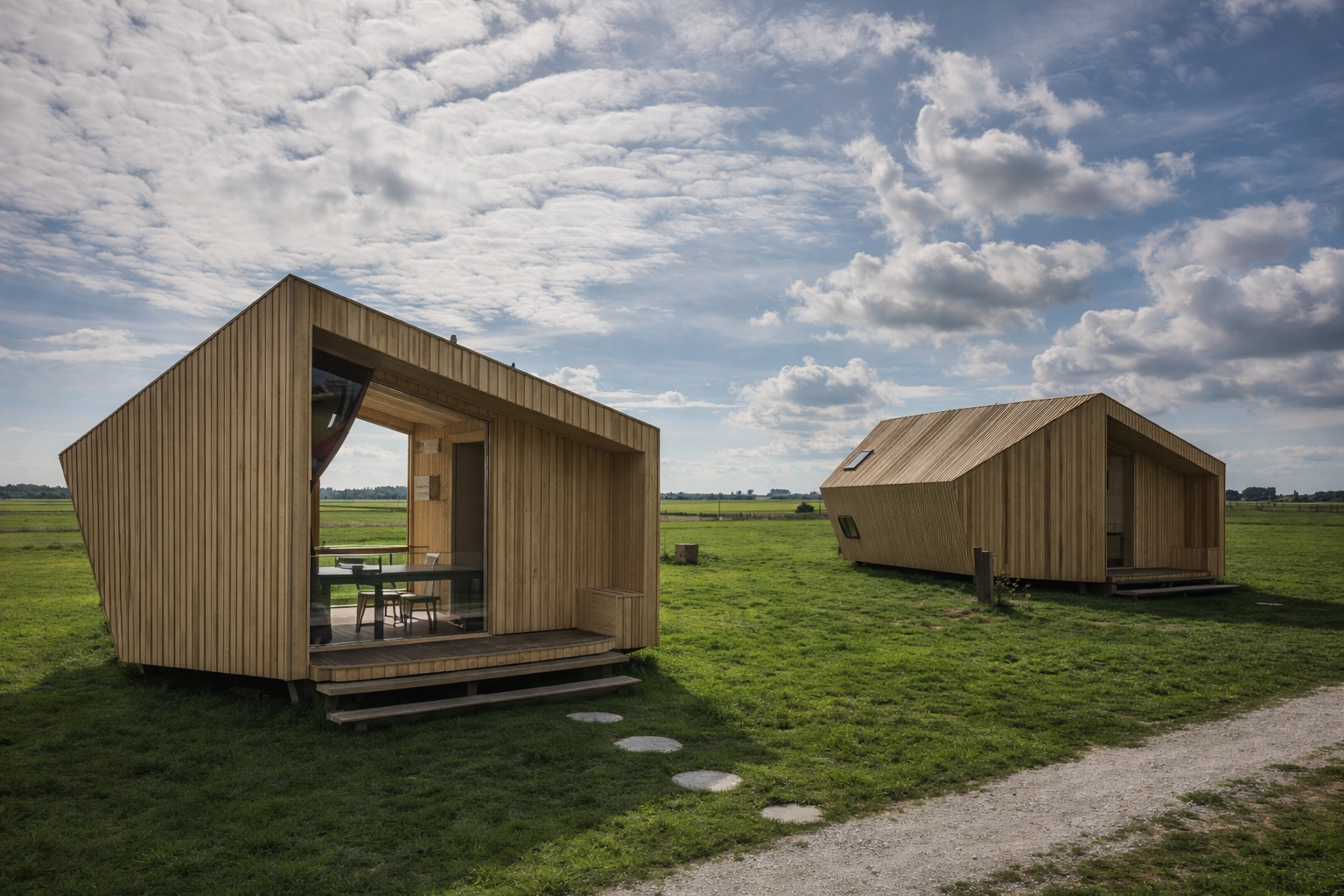
Sustainable Ecolodge at Lauwersmeer National Park and Wadden Sea
Nature-focused stay near wetlands and coast
Check Rates