Figuring out the best time to travel to Thailand is really a question of what you value most. Are you chasing perfect, sunny beach days, looking for the absolute lowest prices, or hoping to see the landscapes at their greenest without the crowds?
The country generally cycles through three distinct seasons. Each one offers a completely different travel experience. Therefore, understanding them is key to planning your perfect trip.
Most guides will point you to the cool, dry season from November to February. They’re not wrong—the weather is fantastic, with comfortable temperatures and endless sunshine, making it ideal for first-timers who want predictability. The catch? This is also peak season, meaning higher prices and busier beaches. To get a good deal, you’ll want to book early.
If you can handle the heat, the hot season from March to May offers some serious savings. Be prepared for it, though. Temperatures can easily soar past 95°F (35°C), making midday exploring a sweaty affair. The trade-off is fewer people and much friendlier prices on flights and accommodation. This is a great time to compare prices for a bargain.
Then there’s my personal favorite for slower travel: the green season from June to October. This is when the country comes alive, transforming into a lush, vibrant paradise. You’ll find the lowest prices and thinnest crowds, perfect for eco-minded travelers and nomads settling in for a longer stay. For more destination-specific guides, the Approved Experiences Blog has some great insights.
This quick table should help you match your travel priorities to the right season.
Quick Guide to Thailand’s Seasons
Use this table to find the best time to travel to Thailand based on your priorities.
| Season | Best For | Weather | Crowds |
|---|---|---|---|
| Cool & Dry (Nov–Feb) | First-timers, classic beach holidays, festivals | Sunny, dry, and comfortable | Peak |
| Hot (Mar–May) | Budget travel, heat-lovers | Very hot and humid, can be hazy | Moderate |
| Green / Rainy (Jun–Oct) | Eco-travel, low prices, lush landscapes | Daily rain showers, high humidity | Low |
Each season has its own rhythm. Consequently, understanding the trade-offs is the key to planning a trip that truly fits your style.
This timeline breaks down what you can expect from each of Thailand’s main travel periods.

As you can see, it’s all about balancing great weather against costs and crowds. This guide will help you dive deeper into each season, with specific advice for different regions, so you can plan a memorable, low-impact journey.
If you’re mapping out a broader Southeast Asia trip, our guide on the best time to go to Vietnam will help you align your travel plans across the region.
November to February: The Best Time to Travel to Thailand During Peak Season
This is it—the season everyone talks about. From November to February, Thailand enters its cool, dry period, often called the best time to visit. Think clear blue skies, wonderfully low humidity, and temperatures that make you want to be outdoors all day.
It’s the perfect window for first-timers aiming to wander through Ayutthaya’s ancient ruins. It’s also great for hopping between islands in the Andaman Sea without a rain cloud in sight. For nomads, cities like Chiang Mai become incredibly walkable, humming with a vibrant, creative energy.
Of course, perfect weather has its price. This is Thailand’s peak tourist season, which means you’ll be sharing those perfect views with bigger crowds. You’ll also see higher prices on everything from guesthouses to tours. A little advance planning goes a long way here. Booking your hotels and popular train routes ahead is a smart move. For a reliable place to compare stays, we recommend you check for availability on Trip.com as they offer a wide range of options.
This golden window delivers the country’s most reliable dry weather. Temperatures hover between a comfortable 79°F and 93°F (26°C and 34°C). Visitor numbers can surge by up to 50% during these months, driving up costs along with them.
You can make a real difference by choosing the train over a flight for routes like Bangkok to Chiang Mai. This can slash your carbon footprint by over 80%. To get a better feel for how the weather shifts across regions, Selective Asia has some excellent breakdowns. And with all that sunshine, packing the right protection is key. This is why our reef-safe sunscreen guide for 2026 is a must-read before you go.
Editor’s Pick: Our Favorite eSIM for Thailand
For reliable connectivity the moment you land, we recommend Airalo. Their regional Asia eSIMs are a lifesaver for multi-country trips, letting you switch seamlessly without juggling physical SIMs. It’s a simple, cost-effective way to stay online, find your way with maps, and book a ride from the airport.
For travelers needing to stay connected across multiple countries in Asia, this is the most flexible option. Lock in your eSIM before you fly.
March to May: The Hot Season Sweet Spot
If you’re more interested in empty beaches and deep discounts than you are in perfect weather, Thailand’s hot season is a surprisingly smart time to visit. From March to May, the crowds thin out dramatically. The savings on flights, hotels, and tours can be huge—a welcome relief for budget-conscious nomads.

Yes, it gets hot. Temperatures often climb to 95-104°F (35-40°C). However, you can easily work around the heat by planning your adventures for the cooler early mornings and late afternoons. You can leave the sweltering midday for a café, coworking space, or a nap.
This is the season for coastal living. Stick to places like Krabi or Hua Hin, where a steady sea breeze makes the heat far more manageable. It’s also a fantastic time for nomads to score long-stay deals. Hotel rates in places like Phuket drop by as much as 35%. You’ll often see discounts of 30-50% on everything from hostels to local transport.
The heat and humidity do bring out more insects, so a good repellent is non-negotiable. Make sure you’re prepared by checking out our guide to the best bug repellent sprays.
There is one major exception to the low-crowd, low-cost rule: Songkran. The Thai New Year water festival in mid-April is an unforgettable cultural experience. However, it sends prices and bookings through the roof for about a week. To get the best of both worlds, plan your trip to arrive just after the festival dust (or water) settles.
June to October: Embracing the Lush Green Season
Most guides will tell you to avoid Thailand from June to October, calling it the dreaded ‘monsoon season.’ That’s a fundamental misunderstanding—and a missed opportunity. For eco-minded travelers and anyone chasing a more authentic, uncrowded Thailand, this is the ‘green season,’ and it’s one of the best times to go.
Forget the idea of non-stop rain. What you usually get are short, predictable downpours in the late afternoon, often lasting just an hour or two. The rest of the day is typically sunny and bright. Temperatures hover around 90-93°F (32-34°C). That daily burst of rain transforms the country, turning rice paddies electric green and bringing waterfalls back to life. For photographers and nature lovers, it’s a visual feast.
While much of the country sees this pattern, the Gulf Coast islands like Koh Samui and Koh Phangan are actually enjoying some of their best weather of the year.
This is also the smartest time to travel for your wallet—and for the local economy. Visitor numbers can drop by as much as 50-60%. This means rock-bottom prices on everything from eco-lodges to train tickets. Even with monthly rainfall averaging 7-11 inches (178-279 mm), those short bursts are a small price to pay for having the temples and trails to yourself. Choosing to travel now also spreads tourist income into the low season, supporting local communities in a far more sustainable way. Explore more insights about Thailand’s seasonal travel on Audley Travel.
Decision Time: Where to Stay in the Green Season?
To help you choose between two popular island groups during the green season, here is a quick comparison.
| Feature | Andaman Coast (Phuket, Krabi) | Gulf Coast (Koh Samui, Koh Phangan) |
|---|---|---|
| Weather (Jun-Oct) | Wetter, higher chance of rain | Drier, more sunny days (best weather of the year) |
| Crowds | Very low, some businesses may close | Moderate, still lively but not overcrowded |
| Prices | Rock-bottom, best deals available | Good value, but not as cheap as Andaman |
| Vibe | Quiet, great for a peaceful retreat | Active, good for diving, parties, and activities |
Ultimately, for a sunny beach trip during this time, the Gulf Coast is the safer bet.
Best Time to Book Your Trip for the Best Deals
Knowing when to book your trip is just as important as knowing when to go. The sweet spot for finding great prices and open availability shifts dramatically with Thailand’s seasons. This isn’t just about snagging a cheap flight; it’s about making a smart reservation to match your travel style.

Booking by Season
During the beautiful cool, dry season from November to February, planning ahead is non-negotiable. I’d recommend locking in flights and key accommodation 3 to 6 months in advance. This is especially true for high-demand routes like the overnight train from Bangkok to Chiang Mai, which sells out incredibly fast. This is the best time to book for peace of mind.
If you’re traveling during the hot season from March to May, you get a bit more breathing room. You can often find decent last-minute deals. However, booking 1 to 2 months out is a good rule of thumb, especially if your trip overlaps with the massive Songkran festival in April.
The real bargain hunter’s dream, though, is the green season from June to October. You can often find fantastic prices on flights and hotels just a few weeks before you leave.
To get a clear view of your options, a good flight aggregator is your best friend. For finding the best flight deal, starting with a tool like Aviasales to compare prices across airlines is the most effective way to see all your options at once. For a deeper dive into timing your reservations, check out our complete guide on the best time to book a hotel.
Best Base City for Digital Nomads: A Seasonal Guide
Where you decide to plant your feet as a digital nomad in Thailand can make or break your entire stay. The right home base shapes everything—your budget, your productivity, and especially your social life. The trick is to think like a local and move with the seasons.
From November to February, during the cool, dry season, Chiang Mai is the place to be. The city comes alive, the air is clear, and the whole place feels wonderfully walkable. Its legendary nomad scene is in full swing, with every café and coworking space buzzing with energy. If you’re curious about what that lifestyle really feels like, you’ll find some great advice stories from a solo female traveler and true explorer who has navigated it all.
Bangkok vs. Chiang Mai: Which Nomad Hub Is Right for You?
For many nomads, the choice boils down to Thailand’s two biggest hubs: the sprawling metropolis of Bangkok or the laid-back northern city of Chiang Mai. Neither is universally “better”—it all depends on your work style, budget, and what you want from your downtime.
Here’s a head-to-head comparison to help you decide where to set up your first (or next) Thai basecamp.
Choosing Your Nomad Base: Chiang Mai vs. Bangkok
| Factor | Chiang Mai | Bangkok |
|---|---|---|
| Cost of Living | Lower. Accommodation, food, and daily expenses are significantly cheaper. | Higher. Rent and dining out can cost 30-50% more, especially in central areas. |
| Pace of Life | Relaxed & slow. A walkable city center with a strong community feel. | Fast-paced & energetic. A massive, bustling metropolis with endless activity. |
| Nomad Community | Huge & concentrated. Very easy to meet other nomads, especially in the Old City and Nimman areas. | Large but spread out. A big scene, but it takes more effort to connect in such a vast city. |
| Nature Access | Excellent. Mountains, waterfalls, and national parks are just a short scooter ride away. | Limited. Requires day trips or longer journeys to escape the urban sprawl. |
| Coworking & Cafes | Abundant. Famous for its high density of laptop-friendly cafes and dedicated spaces. | Plentiful but dispersed. Great options exist, but they are scattered across the city. |
| Connectivity | Very good fiber internet. Reliable in most modern condos and coworking spaces. | Excellent fiber & 5G. Top-tier infrastructure you’d expect from a major capital. |
| Best Season | November–February (cool & dry season). Becomes smoky from March-May. | Year-round. It’s always hot, but less affected by the northern “burning season.” |
Ultimately, many nomads end up splitting their time between both. Chiang Mai is fantastic for deep work, building community, and saving money. Meanwhile, Bangkok is the undisputed hub for networking, incredible food, and easy international travel.
Navigating Thailand’s Other Seasons
When the northern heat starts to build around March, it’s a good time to head south. Coastal cities like Hua Hin are a solid choice, giving you city-level amenities paired with a refreshing sea breeze. It’s a great compromise when you’re not quite ready for full-on island life.
Then comes the green season, from roughly June to October. While many people fear the rain, it often comes in predictable afternoon downpours. This leaves the rest of the day clear and lush. The Gulf islands, like Koh Samui and Koh Phangan, are perfect during this time. They get significantly less rainfall than the islands on the Andaman coast.
If you want to dive deeper into Thailand’s most popular northern hub, our complete guide to Chiang Mai for nomads breaks down everything from visas to the best cafes.
This guide is written from published operator information, official guidance, and practical planning research.
Key Takeaways for Planning Your Thailand Trip
So, how do you boil all this down to a final decision? It really comes down to matching Thailand’s seasons to your own travel style and priorities. Therefore, think of this as the final cheat sheet to help you lock in your plans.

Here’s the essence of what you need to remember:
- For Perfect Weather, Aim for the Cool Season (Nov–Feb): This is Thailand at its best—sunny, dry, and comfortable. Just know that everyone else thinks so, too. It’s the busiest and most expensive season, so you absolutely must book early, especially for flights and popular train routes.
- For Big Savings, Brave the Hot Season (Mar–May): If you can handle the heat, with temperatures often pushing past 95°F (35°C), you’ll be rewarded. This is when you’ll find a great deal on accommodation and far fewer crowds at major sights.
- For Lush Landscapes, Go in the Green Season (Jun–Oct): This is the time for vibrant, emerald-green scenery and the lowest prices of the year. The rain usually arrives in short, intense downpours, not all-day washouts, and the Gulf islands often enjoy their best weather now.
- Book Your Trip Smartly: During peak season, get everything locked in 3–6 months in advance. For other seasons, you have more breathing room, but it never hurts to compare prices for your dates to make sure you’re getting a fair deal.
- Travel Insurance is Essential: For peace of mind covering unexpected delays, cancellations, or medical issues, having travel insurance is non-negotiable. For a reliable policy that covers a wide range of situations, consider getting a quote from VisitorsCoverage.
- Make Your Trip More Sustainable: Choosing the train over a short flight makes a huge difference in your carbon footprint. When you can, spend your money at locally-owned, eco-certified businesses to ensure your travel dollars directly support the communities you’re visiting.
FAQ: Your Thailand Questions Answered
Planning a trip to Thailand can feel like sorting through a mountain of conflicting advice. Is it really that cheap? Will I get rained out? How long do I actually need?
Let’s cut through the noise. Here are straight answers to the questions we see most often, built from years of on-the-ground experience.
What Is the Cheapest Month to Travel to Thailand?
If you’re hunting for the absolute best deals, aim for September and October. This is the heart of the green season. Lower demand means you can find excellent prices on flights and accommodation. The trade-off is a higher chance of rain. However, just pack for it and you’ll be rewarded with fewer crowds and the lowest costs of the year.
Is Visiting Thailand During the Rainy Season a Bad Idea?
Not at all—in fact, we often recommend it. Calling it the “green season” is much more accurate. The rain usually comes in predictable, intense bursts in the afternoon, not constant, all-day drizzle. It’s an incredible time for budget travelers to see the country without the peak-season crowds. Everything is incredibly lush and vibrant. Plus, while the Andaman coast is wet, the Gulf islands hit their prime weather, giving you a perfect sunny escape.
How Many Days Are Enough for a Trip to Thailand?
For a first-time trip, 10 to 14 days is the sweet spot. This gives you just enough time to feel the energy of Bangkok, explore the northern hills around a city like Chiang Mai, and then unwind on a southern island. You won’t feel like you’re constantly in transit. If you’re a digital nomad settling in for a longer stay, one to three months is a very common and comfortable rhythm.
When Is the Best Time to Visit the Thai Islands?
This completely depends on which coastline you’re headed to. The weather on one side of the peninsula can be the total opposite of the other. The Andaman coast (think Phuket, Krabi, Koh Lanta) has its best weather during the main dry season from November to April. For the Gulf coast islands like Koh Samui, Koh Phangan, and Koh Tao, the skies are clearest from January to September, making them a fantastic choice during the rest of the country’s green season.
What Should I Pack for Thailand Depending on the Season?
No matter when you go, your packing list should be built around lightweight, breathable clothing. Natural fibers like cotton and linen are your best friend in the Thai climate. From there, you can adjust with a few key items:
- Dry Season (Nov–Feb): Throw in a light jacket or sweater. The evenings can get surprisingly cool, especially if you’re up in the northern mountains.
- Hot Season (Mar–May): Focus entirely on loose-fitting clothes. Anything that lets air circulate will make the intense heat far more manageable.
- Green Season (Jun–Oct): A reliable waterproof jacket and shoes that dry quickly are non-negotiable. You’ll be grateful for them when those afternoon showers roll through.
Free download: Eco Rail-First Trip Planner
A fast, practical checklist + templates for planning low-impact trips (without decision fatigue).

Book a Sustainable Stay That Fits This Trip
Explore eco lodges, villas, and resorts that match the slower, lower-impact travel style featured on Eco Nomad Travel.
Affiliate disclosure: We may earn a commission if you book through these links at no extra cost to you.
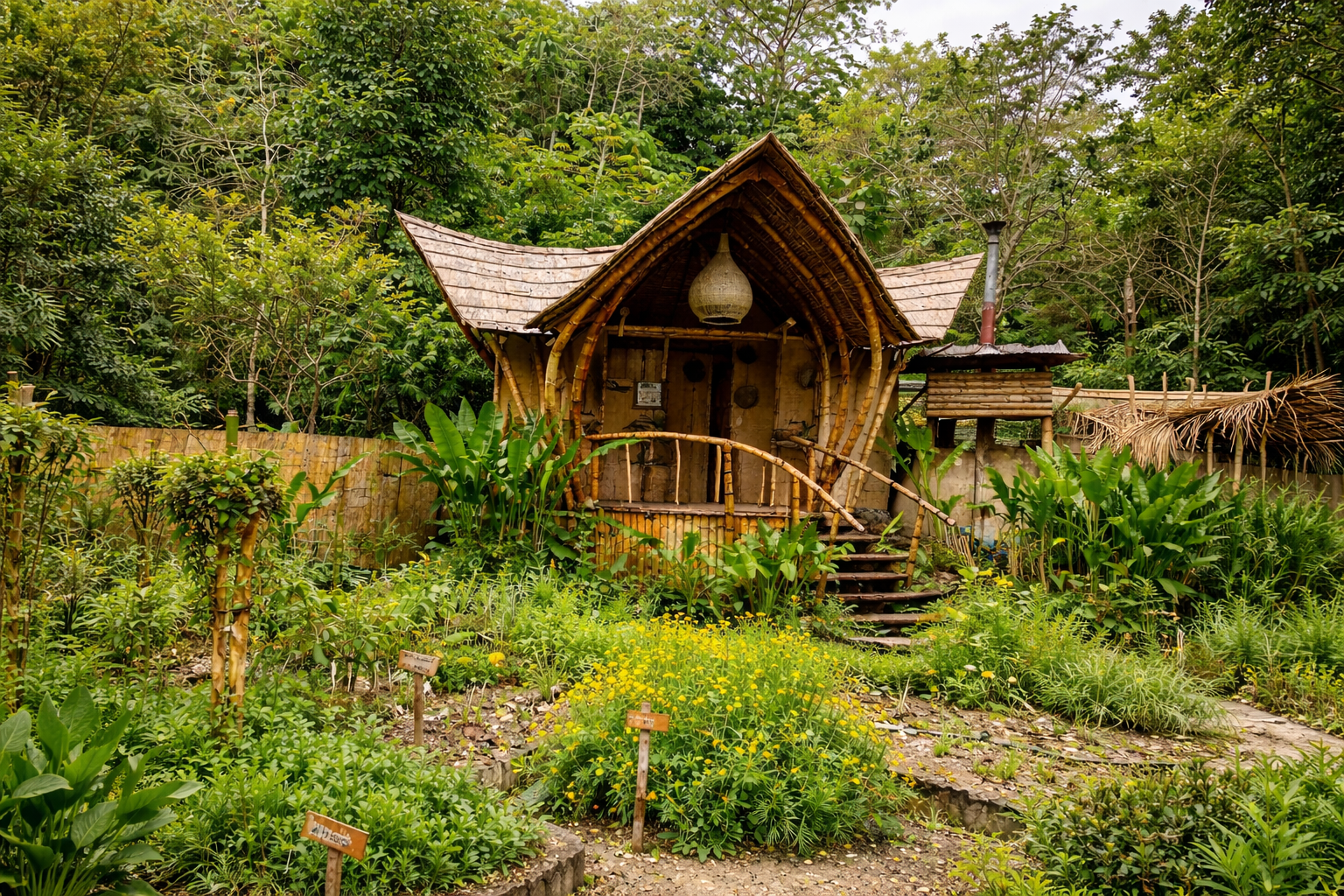
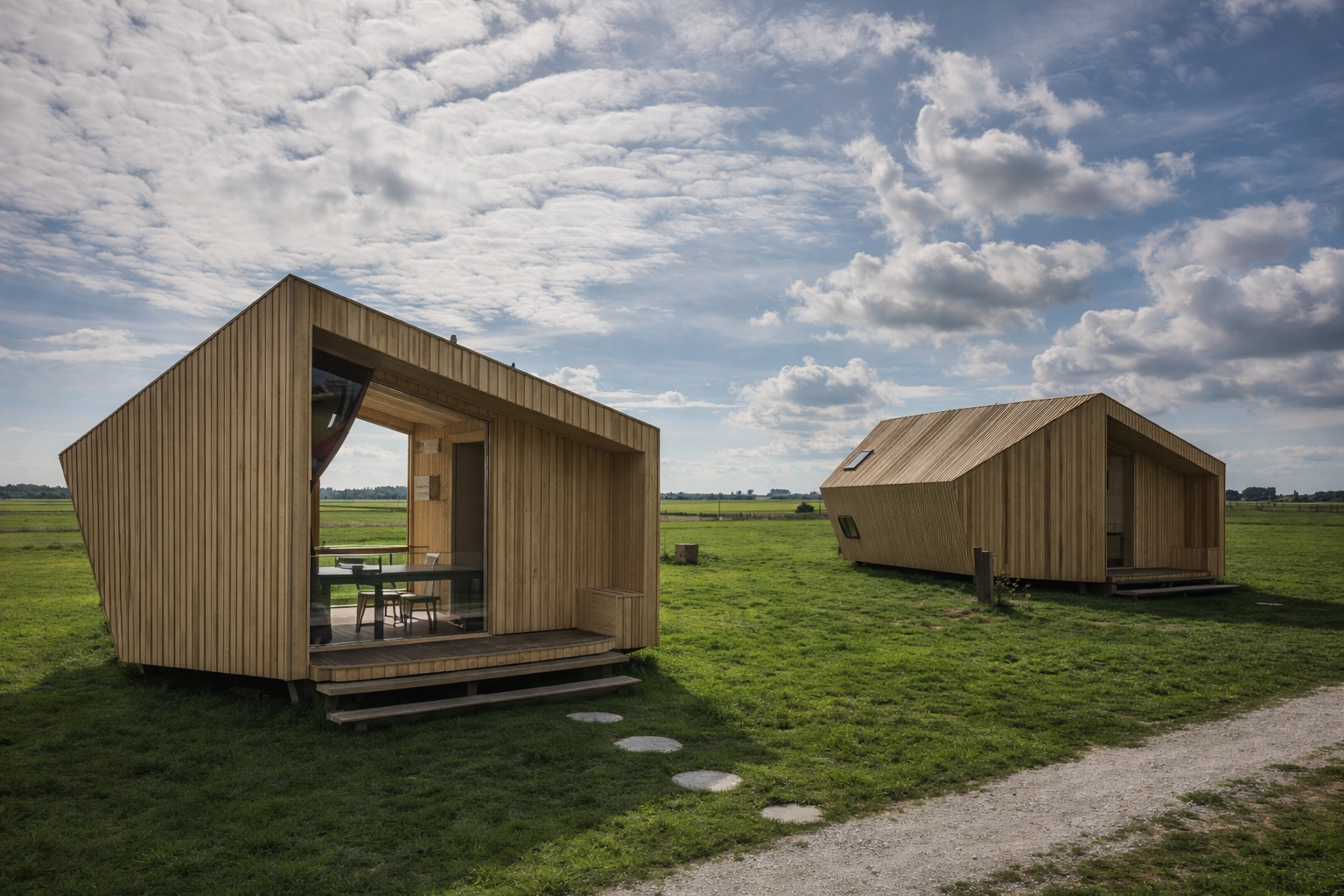
Sustainable Ecolodge at Lauwersmeer National Park and Wadden Sea
Nature-focused stay near wetlands and coast
Check Rates