

The best travel money belt matters most when you are tired, distracted, and moving through a crowded station with everything important on your body. That is exactly when a weak zipper, bulky fit, or awkward design stops being a minor annoyance and becomes a real problem.
For rail-first travel across Europe and Asia, I do not treat a money belt as a fear-based gadget. I treat it as part of a simple system. Passport, backup cards, and reserve cash go in deep storage. Daily spending money stays elsewhere. That split keeps your trip resilient.
Most roundups stop at anti-theft features. I think that misses half the decision. The best option should also last for years, work with minimalist packing, and avoid becoming another throwaway travel accessory.
For complex long-haul positioning flights before a rail trip, Aviasales is most useful when you want to compare prices across multi-city searches and spot a better deal before you book. You can compare flight options with Aviasales.
Finding Peace of Mind in a Crowded World
A crowded rail platform creates small mistakes. You check the departure board, shift your bag, answer a message, and suddenly lose track of where your wallet is. That is why the best travel money belt is less about paranoia and more about reducing decision fatigue.
On slow trips, the biggest risk is not always the dramatic one. It is the cascading mess after losing a passport, backup card, or main cash reserve. A hidden belt prevents a small lapse from wrecking a month of bookings, train reservations, and work plans.
What peace of mind looks like
A good belt lets you move through stations, markets, and overnight trains without constantly patting your pockets. It gives you a fixed home for critical items. You know what belongs there, and you know it stays there.
That matters even more for minimalist travelers. If you carry less, every item has a job. Your money belt becomes the secure layer under the visible layer.
Practical rule: Use your money belt as deep storage, not as your everyday wallet. If you keep opening it in public, the system fails.
Best time to book your transport and backup essentials
Security gear is one of those items worth sorting before the trip gets busy. Buy it early enough to test it on a full walking day, a train day, and a warm-weather day. If it pinches, rides up, or prints through clothing, you still have time to change it.
The same goes for trip logistics. If your route includes a setup flight before a rail itinerary, check availability well ahead of departure. Last-minute stress leads to rushed choices and weak packing decisions.
Why a Money Belt is Essential for Modern Slow Travel
Rick Steves has long described the money belt as a portable safe, and a 2023 community poll found that 77% of travelers credited money belts with preventing losses during rail-heavy European trips, while his Civita Moneybelt fits waists up to 72 inches and includes a lifetime guarantee (Business Insider on Rick Steves’ money belt guidance).
That framing fits slow travel well. If you travel as a digital nomad, your trip is not one airport sprint. It is a chain of transfers, check-ins, coworking days, local transit rides, and grocery runs. A hidden belt protects the small set of items that would be hardest to replace.
Why it beats a standard wallet
A wallet in a pocket is easy to access. That is also why it is easy to lose or steal. A money belt works because it stays hidden under clothing and outside your normal grab zone.
It also supports lighter daily carry. You can walk around with one spending card and limited cash in a front pocket while your backup items stay secured.
Quick comparison for slow travelers
| Carry method | Concealment | Access | Best use |
|---|---|---|---|
| Money belt | High | Low | Passport, reserve cash, backup card |
| Front-pocket wallet | Low | High | Daily spending |
| Crossbody bag | Medium | Medium | Day gear, not core documents |
For station-heavy travel, that combination works best. Keep your deep storage hidden. Keep your day money separate. Then your whole trip does not depend on one pocket.
Choosing Your Security Style Belt vs Neck Wallet vs Pouch
Not every hidden storage option works the same way. Some are better for airports. Some are better for hot climates. Some work well until you sit on a long train for six hours.

Money Belt vs Neck Wallet vs Hidden Pouch
| Style | Best For | Pros | Cons |
|---|---|---|---|
| Money Belt | Rail travel, markets, long walking days | Best concealment, stable under clothing, good for cash and cards | Slower access, can feel warm in hot weather |
| Neck Wallet | Airports, document-heavy days | Easier passport access, good for printed documents | More visible, can swing, less comfortable in heat |
| Hidden Pouch | Minimalists carrying only a few items | Very discreet, compact, simple | Harder to access, less versatile |
The classic money belt usually wins for long-term travelers. It stays put better and does not advertise itself the way a neck wallet sometimes does under a shirt.
What works and what does not
Neck wallets make sense when you need repeated passport access. I still find them annoying for hot weather, city walks, and train naps. They shift, they print through lighter shirts, and they can become one more thing rubbing against your chest.
Hidden pouches are excellent if you carry very little. But they are less forgiving if you need organization.
If you also travel with cables, adapters, and backup chargers, pair your security setup with a compact travel tech organizer so you are not digging through the same bag for electronics and documents. If you are also weighing visible carry options, this guide on a belt fanny pack helps clarify when an external waist bag makes sense and when it does not.
Best tools for this trip: Hidden storage works best when it stays hidden. If you need frequent access, your setup is probably carrying too much in the wrong layer.
For insurance, Visitors Coverage is best for travelers who want to compare prices before a long trip and choose a policy that matches a rail-heavy itinerary. You can compare travel insurance options with Visitors Coverage.
Best Travel Money Belt The Eco Nomad Editor’s Pick
The strongest overall choice for most travelers is the Peak Gear Hidden Travel Money Belt.
Independent 2026 reviews rank it as a top option, with RFID-blocking technology that prevents 99% of electronic scanning, and those same reviewed findings note over 40 million card skimming incidents globally in 2025, plus 92% user satisfaction and a lifetime warranty (Broke Backpacker’s review of the Peak Gear Hidden Travel Money Belt).

Editor’s Pick box
Editor’s Pick
Peak Gear Hidden Travel Money Belt is the best travel money belt for most rail-first travelers. It balances concealment, comfort, RFID protection, and long-term durability. The lifetime warranty also matters. Durable gear is usually the more sustainable choice because you replace it less often.
Why this one stands out
A lot of money belts solve one problem and create another. Some are secure but bulky. Some are light but flimsy. Some look fine online and feel awful after one hot afternoon.
Peak Gear lands in the practical middle. It is slim enough to wear under normal travel clothes, yet structured enough to keep documents from crumpling into one messy pocket. For long train days, that matters more than flashy features.
The sustainability angle is also important. Many reviews ignore materials, repairability, and replacement rate. I care less about novelty and more about whether a product survives repeated use. A belt that lasts through years of trips is the lower-waste option, even if the marketing never mentions sustainability.
What to book first in your digital setup
Once your document security is sorted, lock in your connectivity. Airalo is best for travelers crossing multiple borders who want to book early and avoid hunting for SIM cards after arrival. You can set up an eSIM with Airalo.
That sequence works well. Secure your passport and reserve cash first. Then secure your connection.
What to Look for in a Sustainable Money Belt
The biggest blind spot in this category is simple. Reviews talk about theft prevention, but they often ignore material impact, repairability, and disposal. Travel Geekery specifically notes that many money belt reviews overlook sustainability, including recycled materials, manufacturing ethics, and repairability, even though choosing durable gear reduces replacement and waste (Travel Geekery on sustainability gaps in money belt reviews).
The features that matter long term
Start with durability. A money belt only becomes sustainable if you keep using it. Thin fabric, weak stitching, and cheap elastic usually fail first.
Then look at the warranty. A lifetime warranty does not guarantee perfection, but it often signals that a company expects the product to stay in service. That is a better sign than disposable fast gear.
Material transparency also matters. Some brands say plenty about RFID and very little about what the belt is made from, whether it can be repaired, or how it should be retired.
A practical buying checklist
- Choose durable construction: Prioritize strong fabric, reliable zippers, and stitching that can handle repeated travel days.
- Favor long-use design: Slim, simple products tend to survive better than overly complicated belts with extra layers and gimmicks.
- Check repair and warranty support: If the brand stands behind the belt, that lowers replacement pressure.
- Avoid ultra-cheap clones: They often fail early, then become waste.
- Build a full low-waste kit: If you are refining the rest of your setup, this guide to eco-friendly travel accessories is a useful next step.
One rugged alternative
The Bison Designs 38mm T-Lock Money Belt suits travelers who prefer a belt-style system with more rugged build quality. Its buckle and zipper are engineered for 10,000+ open and close cycles, and the belt supports waists from 28 to 52 inches, with a concealed pouch measuring 30 inches long by 1.5 inches high (Bison Designs 38mm T-Lock Money Belt specifications).
That style is less document-friendly than a flat travel pouch, but it is excellent for travelers who want hidden cash storage built into a belt they already wear.
How to Wear and Use Your Money Belt Effectively
Most money belt mistakes happen in use, not in buying. Even the best model fails if you treat it like a purse.

Wear it like deep storage
Put the belt under your clothing. Keep it flat against your body. If people can see the outline clearly, adjust your clothing or carry less in it.
Inside the belt, keep only the items you cannot afford to lose at once. Think passport, backup card, reserve cash, and maybe one paper backup with key booking details.
For daily carry, use a separate front-pocket wallet or small pocket pouch. Keep only that day’s spending money there.
Field tip: Do not open your money belt in public unless you have no alternative. Access it in a private restroom stall, locked room, or similarly secure place.
Build a two-layer system
The best setup has two layers.
- Deep storage: Passport, backup card, emergency cash.
- Daily access: One card, local transit money, small spending cash.
- Bag layer: Water, charger, snacks, and other non-critical items.
If you want a cleaner way to separate passports, cards, and printed reservations in your bag, a travel document organizer can help without turning your daypack into clutter.
Best route for convenience and security
For arrivals after a long flight or overnight rail segment, reduce friction where you can. Welcome Pickups is best for travelers landing tired in a new city who want a pre-arranged transfer instead of negotiating transport while carrying all their valuables. You can book an airport pickup with Welcome Pickups.
Key Takeaways for Choosing Your Money Belt
This guide is written from published operator information, official guidance, and practical planning research.
- Choose concealment over convenience: The best travel money belt should stay hidden and function as deep storage, not as your main wallet.
- Prioritize durability: A belt with strong construction and long-term warranty support usually creates less waste over time.
- Match the style to your trip: Money belts suit rail-heavy travel best, while neck wallets and hidden pouches fit narrower use cases.
- Keep a two-wallet system: Daily cash stays accessible. Passport and reserve funds stay hidden.
- Think beyond security specs: Sustainability, repairability, and long service life matter too.
- Pack smarter overall: These best compression packing cubes pair well with a minimalist security setup.
Your Next Secure and Sustainable Adventure
The best travel money belt is a small piece of gear, but it changes how calmly you move through a trip. When your core documents and reserve cash are secure, you stop checking pockets every few minutes and start paying attention to the place around you.
That is also where sustainability shows up in real life. Buy one durable belt. Use it well. Maintain it. Skip the cycle of cheap replacements.
Before departure, sort the basics in this order:
- Book your major transport.
- Confirm document storage.
- Set up mobile data.
- Review your daily-carry system.
- Add simple backup security.
For travelers who need data on arrival and want to avoid roaming surprises, Yesim is best when you want to lock in service before departure and keep navigation working from the first minute. You can set up a travel eSIM with Yesim. If you are rounding out the rest of your security kit, this guide to the best TSA lock is a useful companion.
Frequently Asked Questions About Travel Money Belts
Are money belts still worth it?
Yes, for the right kind of trip. They make the most sense on rail-heavy itineraries, crowded city breaks, night trains, and long-term travel where losing a passport would disrupt everything. They are less useful if you expect to open them constantly.
What should I keep in a travel money belt?
Keep only deep-storage essentials inside. Passport, backup card, and reserve cash are the main items. Avoid stuffing it with receipts, coins, or things you need every hour.
Is a neck wallet better than a money belt?
Usually not for long walking days. A neck wallet gives faster access, but it is often less comfortable and more visible. For most slow travelers, the money belt is the better balance.
Can a money belt be sustainable?
It can be a better choice if it lasts. The category has a real sustainability gap, so focus on durability, repairability, warranty support, and materials that will survive years of use rather than one trip.
Should I use RFID blocking?
For many travelers, yes. It is not the only thing that matters, but it is a useful layer. If two belts are otherwise similar, I would usually choose the one with RFID protection and better durability.
If you want more practical, low-impact travel planning help, visit Eco Nomad Travel for gear guides, rail-first trip ideas, and sustainable travel tools built for slower, smarter journeys.
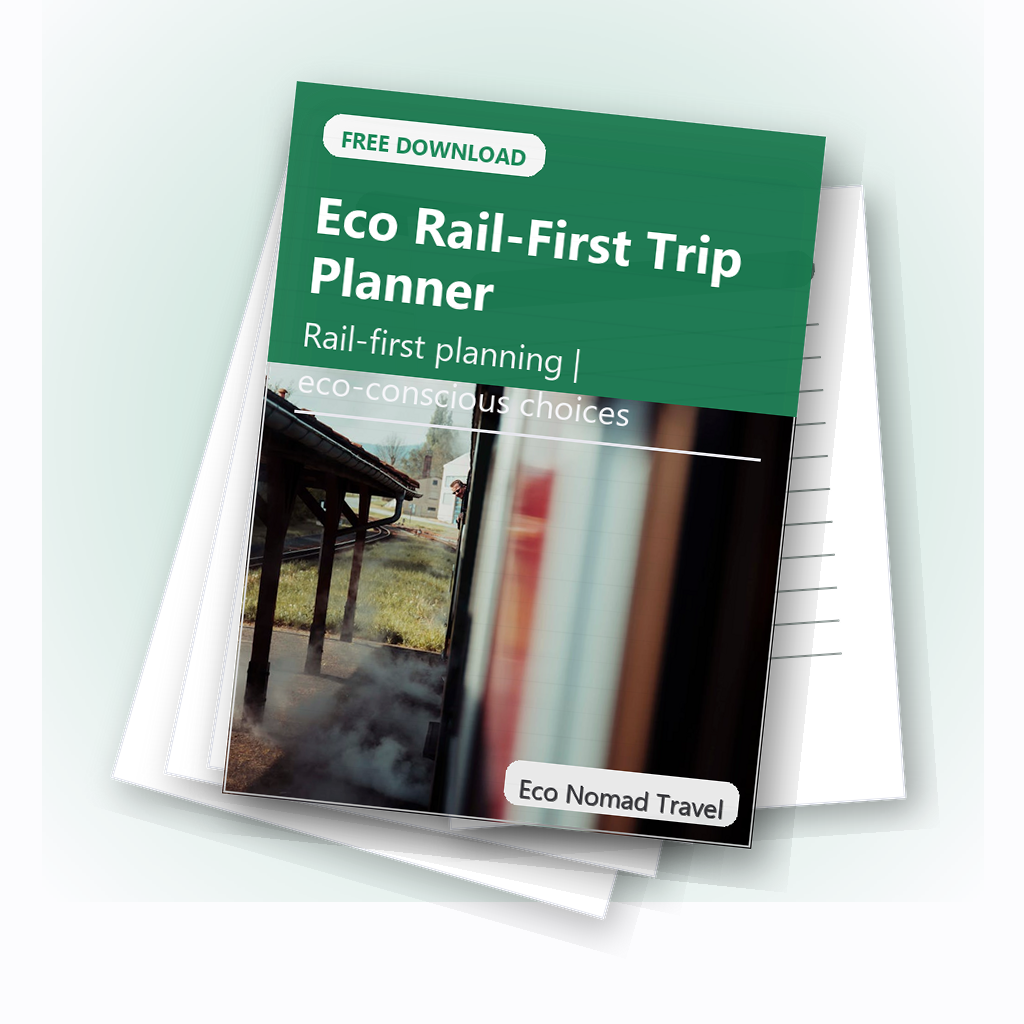
Free download: Eco Rail-First Trip Planner
A fast, practical checklist + templates for planning low-impact trips (without decision fatigue).
