Discovering the best weekend trips in California doesn’t require a car. The Golden State, famed for its scenic drives, also possesses a surprisingly robust network of trains, buses, and ferries that connect iconic cities, serene coastlines, and even national parks. This guide is built for the eco-conscious traveler, remote worker, and minimalist packer who prefers low-carbon, walkable adventures over rental car queues and traffic jams. We focus on rail-first and bus-centric itineraries that minimize environmental impact while maximizing your time on the ground.
For a related Eco Nomad guide, see best weekend getaways new england.
Each destination featured offers a practical, car-free plan. You’ll find detailed, point-to-point routing using services like Amtrak, regional transit, and ferry systems. Forget generic advice; we provide sample 1-2 day itineraries, specific transfer details, and estimated travel times. Furthermore, this guide includes budget notes, sustainable accommodation suggestions, and zero-waste packing tips tailored for short, efficient getaways. From a coastal journey between Los Angeles and San Diego to a bus-powered escape into the Sierra Nevada, these trips prove that sustainable travel in California is not only possible but also deeply rewarding. This resource gives you the actionable details needed to book a seamless, lower-impact weekend adventure.
This guide is written from published operator information, official guidance, and practical planning research.
1. San Francisco Bay Area Rail Loop: A Top Weekend Trip in California
Exploring the diverse landscapes of Northern California without a car is not only possible but also deeply rewarding, making this one of the best weekend trips in California for eco-conscious travelers. The San Francisco Bay Area’s extensive public transit network-including Bay Area Rapid Transit (BART), Caltrain, and Golden Gate Transit-creates a seamless loop. This route connects the city’s vibrant, walkable neighborhoods with the serene vineyards of Napa and Sonoma and the lush parks of the East Bay.

This approach allows you to skip the stress and expense of car rentals and city parking. Imagine a Friday evening arrival, dropping your bags at a sustainable stay, and spending the weekend exploring entirely on foot, by bike, or via public rail and ferry. This model has gained traction thanks to the efforts of organizations like SPUR, which champion urban walkability, and makes the Bay Area one of the most accessible green cities in America. To stay connected seamlessly, an eSIM is a great tool; for reliable service across California, you can lock your eSIM with a provider like Airalo.
Where to stay in the Bay Area
For a truly regenerative trip, consider booking a stay with a verified sustainable partner. For example, Harmony Farm Supply works with vineyards committed to carbon-neutral practices. In the city, Hayes Valley offers central coworking hubs perfect for a work-and-play weekend. Alternatively, base yourself in Sausalito for a waterfront retreat and use the Golden Gate Ferry for a scenic commute into San Francisco. If you need help finding the perfect accommodation, you can compare stays on Trip.com, which offers a wide range of options from eco-lodges to city apartments.
Sample Itinerary: Wine & City Escape
- Day 1 (Friday): Arrive in San Francisco and check into your accommodation. Grab a Clipper Card for easy transit access. Spend the evening exploring your neighborhood on foot.
- Day 2 (Saturday): Take an early BART train and connect to a bus or pre-booked shuttle heading into Napa or Sonoma for a day of wine tasting at regenerative vineyards. Return to the city in the evening. For those based in the city looking for more ideas, consider these excellent car-free day trips from San Francisco to expand your exploration.
- Day 3 (Sunday): Explore the East Bay. Ride BART to Oakland for the monthly Art Murmur gallery walk or to Berkeley to wander the university campus and nearby hiking trails accessible from the station. Depart Sunday evening.
2. Los Angeles to San Diego Coastal Rail: Surfrider Foundation Route
A scenic train journey down the Southern California coast is one of the best weekend trips in California, especially for those wanting to ditch the car. The Amtrak Pacific Surfliner connects Los Angeles to San Diego, hugging the shoreline and stopping at iconic beach towns like San Clemente and Oceanside. This fixed-rail corridor offers direct access to beaches, tide pools, and walkable downtowns, creating a low-carbon beach getaway with minimal stress.

This route is championed by organizations like the Surfrider Foundation for its eco-friendly approach to coastal exploration. You can avoid Southern California’s infamous traffic and the hassle of finding beach parking. Imagine spending a weekend hopping between surf spots and art festivals entirely by rail and foot. It’s a perfect model for an eco-nomad seeking a refreshing, car-free escape. For a worry-free journey, consider getting travel insurance; for comprehensive options, VisitorsCoverage is a solid choice for US-based travel.
Where to stay along the coast
For a truly sustainable trip, choose accommodations that prioritize environmental practices. In Laguna Beach, you can find eco-lodges that blend into the natural landscape. If you’re planning a multi-stop trip, consider a stay in Oceanside, which offers great access to both the beach and the train station. For finding the right fit, it’s wise to compare stays; their platform is ideal for searching a variety of eco-friendly and conveniently located options. The Dyrt app also helps locate state-beach campgrounds and nearby lodges for a more rustic experience.
Sample Itinerary: Coastal Hopper
- Day 1 (Friday): Depart from LA’s Union Station on an afternoon Pacific Surfliner train. Arrive in San Clemente, check into your glamping-style accommodation, and catch the sunset at the pier.
- Day 2 (Saturday): Spend the day exploring San Clemente’s famous beach breaks. In the afternoon, hop back on the train to Oceanside. Rent a bike from a local co-op to explore the town before dinner.
- Day 3 (Sunday): Enjoy a final morning at the beach or visit the California Surf Museum before taking a leisurely train ride back to Los Angeles in the afternoon.
3. Sierra Nevada Base-City Escape: Reno to Tahoe via Regional Bus
A car-free alpine getaway to Lake Tahoe is surprisingly simple, making this one of the best weekend trips in California for mountain lovers and remote workers. By using Reno, Nevada, as a transit hub, you can bypass the notorious traffic and parking hassles around the lake. The journey combines Amtrak’s California Zephyr with regional bus services like Tahoe Truckee Area Regional Transit (TART), connecting you directly to lakeside towns like Tahoe City and Incline Village.
This travel method is perfect for anyone seeking crisp mountain air without contributing to vehicle emissions. Imagine arriving in Reno via train, hopping on a bus the next morning, and spending the weekend hiking, swimming, or working from a café with alpine views. This approach is championed by groups like the Tahoe Conservancy, which promotes environmental stewardship, and has become popular among digital nomads who use the area as a temporary work-and-play base. To compare your travel options, it’s smart to price out flights vs rail; a platform like Aviasales can help you quickly see the cost difference.
Where to stay in Tahoe
For a trip focused on sustainability, consider booking a stay with a verified sustainable lodge that helps you find eco-friendly cabins. Incline Village offers a great base with coworking spaces for those needing to blend work and leisure. Alternatively, Tahoe City provides a central location with easy access to bike rentals and trails. You can compare various accommodation options on Trip.com, which is ideal for finding everything from rustic cabins to modern apartments that fit your travel style.
Sample Itinerary: Mountain Air & Remote Work
- Day 1 (Friday): Take the Amtrak California Zephyr from the Bay Area, arriving in Reno in the evening. Check into a hotel near the bus station for an easy morning departure.
- Day 2 (Saturday): Board an early TART bus to Tahoe City. Drop your bags, rent a bike from a local shop, and spend the day cycling along the lake’s western shore or hiking a portion of the Tahoe Rim Trail.
- Day 3 (Sunday): Enjoy a final morning hike or a coffee by the lake before catching an afternoon bus back to Reno for your return train journey. For a seamless trip, book your Amtrak tickets 2-3 months in advance, as summer weekend trains sell out quickly.
4. Big Sur Coastal Walk & Train Base: Carmel-by-the-Sea Overnight Hub
Experiencing Big Sur’s dramatic coastline without a car is one of the best weekend trips in California for those seeking iconic scenery without the driving stress. This itinerary uses Amtrak’s scenic Coast Starlight route to Salinas, connecting to a regional bus that takes you directly into the walkable village of Carmel-by-the-Sea. From this charming base, you can explore world-class art galleries, cozy bookshops, and coastal bluff trails entirely on foot or by using a seasonal hikers’ shuttle for day trips to famous Big Sur parks.

This train-to-trail approach allows you to bypass the infamous Highway 1 traffic and limited parking, a concept championed by local groups like Big Sur Guides. Instead of circling for a spot, you can spend your time hiking to McWay Falls or watching the sunset at Pfeiffer Beach. By combining public transit with a walkable hub, you fully immerse yourself in the landscape. To make your journey even smoother, you can learn more about low-impact travel and find other ways to minimize your footprint.
Where to stay near Big Sur
Carmel-by-the-Sea is filled with boutique inns and charming hotels that put you within walking distance of everything. For a romantic getaway, consider the historic Cypress Inn, which features a lovely courtyard perfect for evening relaxation. If you are planning a longer work-and-play trip, find a vacation rental with a dedicated workspace. Using a site like Trip.com is a great way to compare stays and check availability for hotels that align with your travel style, from cozy inns to larger, more modern accommodations.
Sample Itinerary: Coastal Train Adventure
- Day 1 (Friday): Take the Amtrak Coast Starlight to Salinas. From there, transfer to the Monterey-Salinas Transit (MST) bus line 20 for a direct ride to Carmel. Check in and explore the village’s art galleries and shops on foot.
- Day 2 (Saturday): Take the pre-booked Big Sur Shuttle (seasonal) or a local bus south along Highway 1. Hike the trails at Julia Pfeiffer Burns State Park to see McWay Falls. Return to Carmel for dinner.
- Day 3 (Sunday): Enjoy a leisurely morning walking along Carmel Beach or exploring the bluff trails. After lunch, take the MST bus back to Salinas to catch your return Amtrak train.
5. Death Valley & Mojave Desert Flight-Free Loop: Barstow Hub via Amtrak
Exploring the otherworldly landscapes of California’s high desert without a car is an exceptional experience, making this one of the best weekend trips in California for those seeking stark beauty and solitude. By using Amtrak’s Southwest Chief route into Barstow, you create a central hub for accessing Death Valley and the Mojave National Preserve. This approach eliminates long, tiring drives and reduces your carbon footprint, focusing your energy on the adventure itself.
This desert journey relies on pre-booked shuttles and guided naturalist tours, which are common in the region. An Amtrak arrival on Friday afternoon allows you to settle in and explore Barstow’s Route 66 heritage before an early start on Saturday. This model has been quietly championed by Amtrak’s own heritage marketing and National Park educational partners, who highlight the historical rail connections to these remote areas. For a guaranteed reliable airport transfer or shuttle service to your hotel upon arrival, Welcome Pickups is a great option to book in advance.
Where to stay for a desert trip
For a sustainable base, seek out lodging that participates in verified green programs. The Quality Inn in Barstow offers certified eco-rooms through the Green Key Global program, providing a comfortable and responsible option. To find the right accommodation for your desert base camp, you can compare stays on Trip.com, which features various hotels and motels in the Barstow area that are convenient for an early morning shuttle pickup.
Sample Itinerary: Desert Photography & Exploration
- Day 1 (Friday): Arrive at the Barstow Amtrak station around 2 PM. Check into your accommodation, then explore the Route 66 Mother Road Museum and the historic downtown. Prepare your pack and get to bed early.
- Day 2 (Saturday): Take a pre-booked shuttle for a full-day tour of Death Valley. Depart before sunrise (around 5-6 AM) to catch the golden hour light at Mesquite Flat Sand Dunes or Zabriskie Point. Return to Barstow in the evening.
- Day 3 (Sunday): Arrange for a naturalist guide or use a ride-share for a morning hike in the Mojave National Preserve, exploring the Kelso Dunes or Hole-in-the-Wall Rings Trail. Depart from Barstow on an evening Amtrak train. For more car-free adventure ideas, check out these flight-free travel itineraries.
6. Sequoia & Kings Canyon National Parks: Visalia Base via Regional Transit
A mountain getaway to see Earth’s largest trees without a car makes for one of the best weekend trips in California, especially for those prioritizing low-impact travel. By using Amtrak San Joaquins to reach Visalia and connecting to the seasonal Sequoia Shuttle, you can access the iconic giant sequoia groves and alpine meadows of Sequoia National Park. This method allows you to avoid park traffic, hefty rental car fees, and the environmental cost of driving.
Basing your trip in the walkable city of Visalia provides a perfect blend of urban comfort and natural wonder. Spend your days hiking among giants and your evenings enjoying farm-to-table dining and local breweries. This approach is championed by National Park Service accessibility initiatives and Amtrak’s sustainability marketing, which highlight the ease of car-free park exploration. It’s a responsible way to experience one of America’s most treasured landscapes.
Best base city for Sequoia
Visalia offers a range of accommodations, from budget-friendly inns to charming B&Bs. For a trip centered on sustainability, look for an eco-friendly lodge in the surrounding area that prioritizes green practices. Alternatively, staying in downtown Visalia keeps you close to the transit center and restaurants. For those planning a work-and-play trip, the city has several coworking-friendly cafes. When you’re ready to book, you can compare stays on Trip.com, which offers a variety of options to suit any budget or travel style.
Sample Itinerary: Giants & City Comforts
- Day 1 (Friday): Take the Amtrak San Joaquins train to Visalia. Check into your accommodation and explore Visalia’s downtown area on foot, perhaps visiting a local brewery.
- Day 2 (Saturday): Catch an early Sequoia Shuttle into the park (reserve your spot in advance). Hike the famous Congress Trail to see the General Sherman Tree and surrounding groves. Return to Visalia in the evening for dinner.
- Day 3 (Sunday): Enjoy a relaxed morning at the Visalia Farmers Market. Depending on your train schedule, you could visit a local museum before heading to the station for your return journey.
7. Monterey Bay Aquarium & Coastal Walk: Car-Free Peninsula Base
Discovering the stunning Monterey Peninsula without a car offers a refreshing and sustainable escape, making this one of the best weekend trips in California for marine life lovers and walkers. By using Amtrak’s Coast Starlight to Salinas and connecting with the local Monterey-Salinas Transit (MST) bus, you can reach the heart of this coastal paradise. Base yourself in the walkable neighborhoods of Pacific Grove or downtown Monterey for a weekend of exploring the world-famous aquarium, scenic waterfront trails, and rich literary history pioneered by author John Steinbeck, all without the hassle of a vehicle.
This car-free approach lets you fully immerse yourself in the coastal atmosphere, from the sounds of sea lions to the fresh ocean air. The region’s focus on conservation, heavily influenced by the Monterey Bay Aquarium’s educational programs, makes it an ideal destination for an eco-conscious getaway. Spend your days on foot, discovering tide pools, beaches, and Cannery Row at a relaxed pace.
Where to stay in Monterey
For an optimal car-free experience, book your accommodation in Pacific Grove or downtown Monterey. Both areas are highly walkable and provide excellent access to the coastal trail and public transit. Pacific Grove offers a quieter, more romantic setting with charming inns, while downtown Monterey provides proximity to Fisherman’s Wharf and vibrant restaurants. To find the right fit, you can compare stays on Trip.com, which is useful for filtering locations based on walkability and proximity to the MST bus lines.
Sample Itinerary: Coastal Immersion
- Day 1 (Friday): Take the Amtrak Coast Starlight to Salinas and transfer to an MST bus to Monterey or Pacific Grove. Check into your accommodation and take a sunset walk along the coast.
- Day 2 (Saturday): Visit the Monterey Bay Aquarium in the morning to avoid peak crowds (book tickets online in advance). In the afternoon, walk or bike the Monterey Bay Coastal Recreation Trail.
- Day 3 (Sunday): Check the NOAA tide tables and spend the morning exploring the rich tide pools at Asilomar State Beach. Enjoy a final seafood lunch before taking the MST bus back to Salinas for your return Amtrak trip.
8. Wine Country Train Tour: Napa & Sonoma via Skunk Train & Regional Buses
A car-free wine country tour offers one of the best weekend trips in California, blending scenic rail travel with intimate vineyard experiences. This itinerary pairs the iconic Napa Valley Wine Train with regional buses to access Sonoma’s farms and wineries. This approach significantly reduces your carbon footprint-up to 75% less than driving-while removing the stress of navigating and parking, allowing you to fully enjoy the tastings safely and socially.
This trip model has been championed by organizations like the Napa Valley Wine Train and Sonoma County Tourism, which promote sustainable hospitality. You can arrive via Amtrak to Napa, enjoy a luxurious meal on the Wine Train, and then use Sonoma County Transit to explore boutique wineries. It’s a perfect blend of slow travel and celebrated regional food and wine, inspired by the ethos of culinary figures like Alice Waters.
Where to stay in wine country
For a sustainable trip, choose accommodations that align with your values. Consider a farm-stay in Sonoma for a rustic retreat or an eco-resort for a touch of luxury. Before you book, research wineries and stays with certifications like California Certified Organic Farmers (CCOF) or SIP Certified. For those needing to compare a wide variety of options, Trip.com is a useful tool for finding everything from eco-lodges to hotels near transit hubs.
Sample Itinerary: Rail & Vine Weekend
- Day 1 (Friday): Take an Amtrak train to Napa. You can either take a direct route or transfer from Vallejo (adds about 45 minutes). Check into your accommodation and book your Napa Valley Wine Train journey for a special lunch or dinner experience.
- Day 2 (Saturday): Travel to Sonoma via regional bus. Use a pre-booked shuttle service or Sonoma County Transit to visit wineries. Remember to call wineries ahead to confirm shuttle schedules and tasting reservations.
- Day 3 (Sunday): Explore Sonoma Square and its local farmers market before heading back. Consider bringing a reusable wine glass to reduce waste at tastings. Depart via your return train in the afternoon.
9. Yosemite Car-Free Access: YARTS Bus & Valley Base Camp
Reaching the iconic granite cliffs of Yosemite National Park without a car makes for one of the best weekend trips in California, allowing you to immerse yourself in nature without the hassle of parking. This approach combines Amtrak’s San Joaquins line with the Yosemite Area Regional Transit System (YARTS) bus. The route delivers you directly to Yosemite Valley, where a free shuttle system and walkable paths connect you to all major trailheads and lodges.
This transit-first plan, promoted by Yosemite National Park’s car-free initiatives, lets you bypass congested park entrances and the frantic search for a parking spot. Imagine arriving in the valley, dropping your bags at a lodge, and immediately starting your adventure on foot. By basing yourself in the valley, you can explore El Capitan, Half Dome, and stunning waterfall trails entirely via the park’s efficient transportation network.
Best time to book Yosemite
Lodging within Yosemite Valley is the key to a successful car-free trip. All options, from the historic Ahwahnee Hotel to Curry Village tent cabins, are located on or near the free shuttle route. For the most convenient access, try to book a room at Yosemite Valley Lodge. Reservations are managed on recreation.gov and sell out months in advance, so book early. If you need help finding alternative lodging outside the park that still connects to the YARTS line, you can compare stays on Trip.com, which is ideal for finding availability in gateway towns.
Sample Itinerary: Yosemite Valley Immersion
- Day 1 (Friday): Take an early Amtrak San Joaquins train to Merced. Transfer directly to a pre-booked YARTS bus for the scenic ride into Yosemite Valley. Check into your lodging and spend the evening on a short walk to see the sunset on El Capitan.
- Day 2 (Saturday): Use the free valley shuttle to reach the Mist Trail trailhead. Hike to Vernal Fall, packing trekking poles for the slippery descent. In the afternoon, complete the Valley Loop Trail, visiting the Ansel Adams Gallery and general store.
- Day 3 (Sunday): Take an early shuttle to another trailhead, like the one for Mirror Lake. Enjoy a final morning hike before catching an afternoon YARTS bus back to Merced for your return Amtrak journey.
10. Channel Islands National Park via Oxnard Ferry: Zero-Car Marine Adventure
Escaping to the wild Channel Islands without a car feels rare and memorable. As a result, it stands out among the best weekend trips in California.
First, take Amtrak’s Pacific Surfliner to Oxnard. Then use a local bus or shuttle to reach the harbor. From there, the park ferry carries you into a protected marine world.
Because of that setup, you avoid the stress of a car-based trip. You also cut vehicle emissions for most of the journey. In turn, the experience feels lighter, quieter, and more intentional.
This trip works best with light packing and some advance planning. Even so, the reward is extraordinary. By Friday evening, you can leave the city behind. By the weekend, you may be kayaking, snorkeling, or hiking on remote islands.
In fact, many travelers rank this among the best weekend trips in California for pure contrast. The shift from urban routine to island wilderness feels dramatic. Moreover, the scenery often feels more remote than people expect.
Channel Islands National Park outreach programs help make this kind of visit possible. Likewise, local conservation groups support lower-impact access and education. Marine photographers also help highlight the fragile beauty of the islands. Together, they reinforce why this journey remains one of the best weekend trips in California.
Route Options: Island Hopping
Your route will depend on which island you choose to visit. Here’s a quick comparison to help you decide:
- Santa Cruz Island (Scorpion Anchorage): Best for first-timers. Offers kayaking, snorkeling, and well-defined trails. The most frequent ferry service.
- Anacapa Island: Best for bird watchers. Known for its iconic lighthouse and massive seabird colonies. It’s a shorter ferry ride but has fewer facilities.
- Santa Rosa Island: Best for experienced hikers and campers. Offers more rugged, remote landscapes and beautiful, empty beaches. Requires a longer ferry journey.
- San Miguel Island: The most challenging option. Best for adventurous backpackers. Access is highly weather-dependent.
Sample Itinerary: Island Camping & Kayak Adventure
- Day 1 (Friday): Take the Amtrak Pacific Surfliner to Oxnard. Transfer to a local bus or pre-booked shuttle to your harbor-area hotel or head directly to the ferry terminal. Set up your campsite at Scorpion Canyon on Santa Cruz Island before sunset.
- Day 2 (Saturday): Spend the full day exploring the island. Join a guided kayak tour to explore sea caves or rent snorkel gear to discover the rich kelp forests. Remember that this is a sensitive environment; for tips on ethical viewing, review these principles of responsible wildlife tourism.
- Day 3 (Sunday): Enjoy a final morning hike with your binoculars to spot the endemic island fox and scrub-jay. Pack up your camp, ensuring you leave no trace. Catch the afternoon ferry back to Oxnard to connect with your return train.
Editor’s Pick: Best Tool for Car-Free Trips
For seamless connectivity on any of these best weekend trips in California, an eSIM is our editor’s pick for the most essential tool. It eliminates the need for physical SIM cards and allows you to activate a data plan instantly upon arrival. This is especially helpful when navigating transit systems or looking up schedules on the go. For travelers who need reliable data across multiple regions or countries, Yesim offers flexible and affordable plans that make it easy to stay connected without hassle.
Key Takeaways
- Public Transit is Viable: California’s Amtrak, regional rail, and bus networks make many top destinations accessible without a car, including national parks.
- Base-City Strategy Works: Staying in a transit-connected hub like Visalia or Oxnard unlocks access to remote parks and coastal areas. A good reservation strategy is key.
- Plan for Connectivity: An eSIM is crucial for on-the-go navigation. Compare eSIM providers like Airalo or Yesim before your trip.
- Book Early for Best Availability: For popular routes like Yosemite or coastal trains, book tickets and lodging well in advance to secure the best deal and availability.
- Low-Impact is Rewarding: Beyond environmental benefits, train and bus travel offers unique views, reduces stress, and fosters a deeper connection to the journey itself.
- Prioritize Safety: Always secure travel insurance for peace of mind. A provider like VisitorsCoverage offers plans tailored for US travel.
Frequently Asked Questions (FAQ)
1. Is it really possible to enjoy California without a car?
Absolutely. As this guide shows, combining Amtrak trains with regional bus services like YARTS (for Yosemite) or MST (for Monterey) allows you to reach iconic destinations. Walkable base cities and in-park shuttles make exploration easy once you arrive.
2. What is the most budget-friendly weekend trip in California?
A trip to a destination with free or low-cost shuttles, like Sequoia or Yosemite, can be very budget-friendly. Using a bus-centric route, such as Reno to Lake Tahoe, also keeps costs down compared to train travel. Camping instead of staying in lodges is another great way to save money.
3. What should I pack for a car-free weekend trip?
Pack light. A comfortable backpack is essential. Include layers for changing weather, a reusable water bottle, a portable charger, and good walking shoes. Having an eSIM like Airalo installed on your phone is also crucial for navigation and checking schedules.
4. How far in advance should I book my trip?
It’s best to book early, especially for popular destinations. Amtrak tickets, particularly on the Pacific Surfliner and for routes to national parks, should be booked 2-3 months ahead for better pricing and availability. Park lodging and campsites often require booking 6-12 months in advance.
5. What is the best car-free trip for a first-timer?
The Los Angeles to San Diego coastal rail trip is an excellent choice for a first-timer. The Amtrak Pacific Surfliner is frequent and easy to navigate, and the destination cities (like San Clemente or San Diego) are very walkable with great local transit. It offers a high reward for low planning complexity.
Ready to plan your next flight-free adventure? Eco Nomad Travel specializes in crafting detailed, low-carbon itineraries that make sustainable travel simple and accessible. Explore our guides to discover how to see the world without compromising your values.
Free download: Eco Rail-First Trip Planner
A fast, practical checklist + templates for planning low-impact trips (without decision fatigue).

Book a Sustainable Stay That Fits This Trip
Explore eco lodges, villas, and resorts that match the slower, lower-impact travel style featured on Eco Nomad Travel.
Affiliate disclosure: We may earn a commission if you book through these links at no extra cost to you.
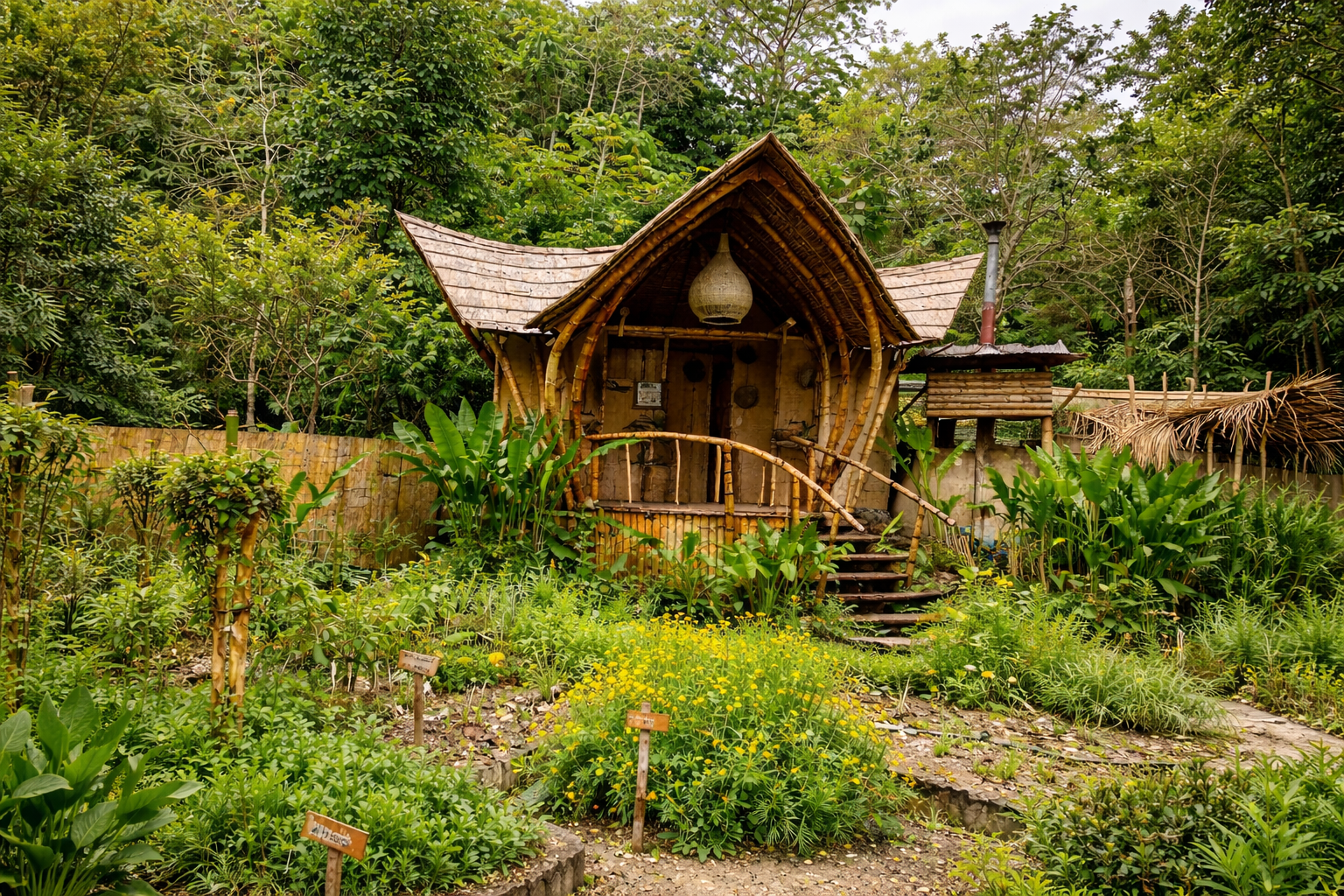
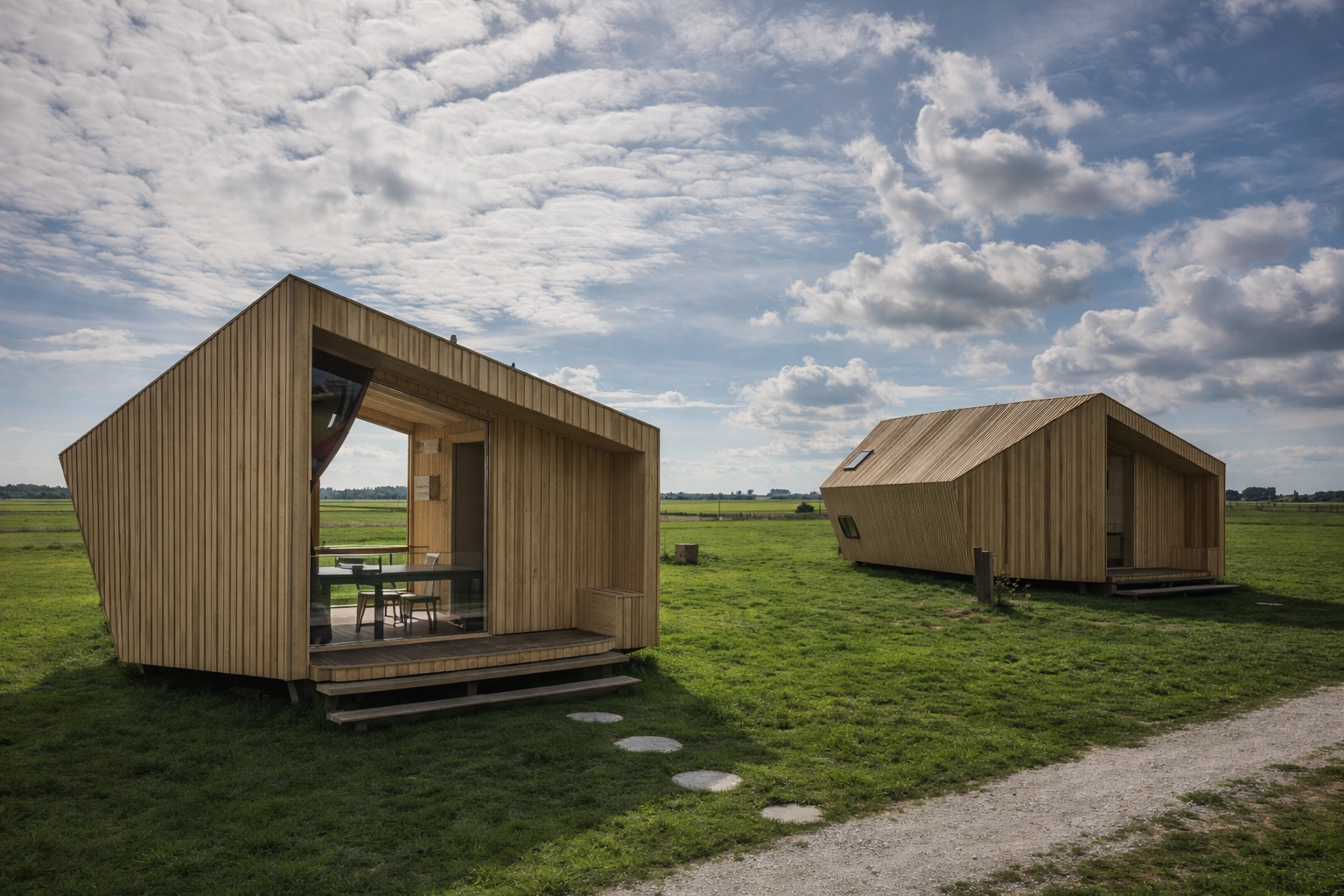
Sustainable Ecolodge at Lauwersmeer National Park and Wadden Sea
Nature-focused stay near wetlands and coast
Check Rates