Canada is the world’s second-largest country, and that scale is exactly why so many first-time travelers underestimate it. People often build ambitious routes that try to combine several cities, national parks, and major highlights in one short trip, only to realize too late how far apart the top places to visit in Canada really are. A better approach is to stop thinking of the country as one giant destination and start seeing it as a collection of very different travel regions. If you are comparing trip packages to Canada, looking for the best things to do in Canada, or wondering whether Canada is a good place to visit for a slower and more meaningful trip, the answer is yes. The key is choosing one region and exploring it well.
The smartest way to avoid travel burnout is to follow the “One Region” rule. Instead of rushing across multiple provinces, experienced travelers choose the part of the country that best matches their interests, whether that means the Atlantic coast, Central Canada, the Prairies, the West Coast, or the North. This makes it much easier to enjoy the strongest Canada travel destinations without wasting precious time on exhausting transfers. When researching Canada travel places, the first step is matching your travel style to the right region. That simple shift helps you narrow down the best places in Canada to travel, discover more memorable places in Canada, and even identify the best city to travel in Canada for the kind of trip you actually want.
Trip Packages in Canada: How to Choose the Best Region for Your Travel Style
Are you drawn to towering, snow-capped peaks, or would you rather spend a quiet morning beside a fog-covered coastal inlet? Choosing the right region is what shapes the entire feel of your trip. Some travelers will be happiest in the Canadian Rockies, where alpine lakes and dramatic mountain scenery create some of the most iconic places to visit in Canada. Others may prefer Quebec, where historic streets, strong food culture, and French-Canadian character offer a completely different kind of experience. Slowing down and choosing the right region is what helps reveal the most rewarding Canada travel destinations, rather than simply checking off stops on a crowded map.
Timing matters just as much as geography. Many travelers decide where to go based only on scenery, but season can completely change the experience. May and September are often the strongest months for travelers who want thinner crowds, lower peak pricing, and more manageable weather. By combining shoulder-season timing with a focused regional plan, you give yourself the best chance of building a lower-stress, lower-impact itinerary. If you are wondering where to go in Canada in July, the Rockies and coastal British Columbia are usually strong picks. If you are deciding where to visit in Canada in March, dark-sky preserves and Quebec’s late-winter cultural season can be especially rewarding.
Best Stays in Canada by Travel Style
- For coast-and-city balance: Stay in Vancouver if you want one of the smartest bases among Canada travel destinations, with easy public transit, waterfront walks, and fast access to West Coast nature.
- For rainforest and ocean escapes: Choose Tofino if you are comparing unique places to visit in Canada and want eco-lodges, Indigenous-led experiences, and one of the most memorable coastal places in Canada.
- For alpine scenery: Base in Banff for iconic lakes and easier access, or Jasper for a quieter, more spacious mountain stay in one of the best places in Canada to travel.
- For food, wine, and freshwater landscapes: Prince Edward County works well for travelers looking for slower-paced Canada travel places with sustainable sips, scenic drives, and strong local farm culture.
- For French-Canadian charm: Pick the Laurentians or Charlevoix if you want culturally rich Canada travel destinations with forest stays, agritourism, and a more distinctive Eastern Canada experience.
- For northern wilderness: Whitehorse is a strong base for travelers seeking wildlife, remote landscapes, and a more adventurous route through some of the most unforgettable places to visit in Canada.
Summary
This guide follows a simple idea: choosing one region makes Canada far easier and far more rewarding to experience. Instead of trying to cover impossible distances, you can focus on the places to visit in Canada that best match your interests and travel style. From the Pacific coast and the Rockies to Ontario’s freshwater landscapes, Quebec’s cultural regions, Atlantic geology, and northern wilderness, the best Canada travel destinations reward slower planning. A regional approach helps you enjoy more meaningful things to do in Canada, reduces stress, and makes it much easier to build a trip that feels memorable rather than rushed.
Pacific Giants: Why Tofino and Vancouver are the Gold Standard for Low-Impact Travel
Planning a trip balancing city comforts with untouched nature often feels impossible. Yet, British Columbia masters this urban-to-wildlife transition perfectly, making Vancouver the best city to travel in Canada for eco-conscious explorers. Wondering what is the best city to visit in Canada for green transport? Vancouver routinely ranks among the best cities to visit in Canada thanks to its SkyTrain, seawall paths, and expansive bike network. Start your morning navigating a metropolis famous for its aggressive green city initiatives, and by afternoon, board a seaplane heading straight into true wilderness.
Stepping off that plane in Tofino reveals why this coastal haven ranks among the must see cities in Canada. Here, the world’s most accessible ancient rainforests meet the crashing Pacific, offering a masterclass in low-impact travel. You can easily navigate cathedral-like groves of old-growth cedars before joining carbon-neutral whale watching excursions that keep your environmental footprint incredibly light—arguably one of the must see in Canada coastal experiences.
Beyond the trails, one of the most meaningful things to do in Canada is experiencing this landscape through the eyes of its original stewards. Indigenous-led tourism bridges the gap between sightseeing and active conservation, directly funding local ecosystems. Consider these authentic Tofino operators for your itinerary:
- Ahous Adventures: Eco-cultural wildlife tours guided by the Ahousaht First Nation.
- T’ashii Paddle School: Traditional dugout canoe tours navigating the pristine waters of Clayoquot Sound.
- Wya Point Tours: Guided coastal walks emphasizing Nuu-chah-nulth history and ecological knowledge.
While the misty Pacific coast provides a deeply rooted connection to the ocean, moving inland shifts the geographic scale dramatically. Once you’ve embraced these coastal ecosystems, you are ready to tackle the towering alpine heights of the Canadian Rockies.

The Turquoise Standard: Navigating Banff and Jasper Without the Crowds
Choosing between the Canadian Rockies’ two heavyweight champions often leaves travelers paralyzed. While both locations undeniably make Canada a good place to visit , deciding whether to base yourself in Banff or Jasper depends entirely on your travel heartbeat. Banff feels like a bustling alpine village with world-class amenities, whereas Jasper offers a rugged, quiet wilderness where nature takes center stage. If you are compiling your ultimate list of places to visit in Canada, this Banff vs Jasper National Park comparison will dictate the entire rhythm of your trip.
To find your perfect mountain match, consider these core differences:
- Atmosphere: Banff is highly social and resort-driven; Jasper is laid-back, quiet, and expansive.
- Crowds: Banff experiences heavy summer overtourism; Jasper requires more travel time, naturally filtering out casual day-trippers.
- Key Landmark: Banff boasts the iconic Lake Louise; Jasper features the massive, glacier-fed Maligne Lake.
Managing overtourism in these delicate ecosystems requires a shift in how we explore. Instead of fighting for limited parking, smart visitors use the Roam Public Transit system. This mountain shuttle network saves you money, eliminates parking stress, and respects wildlife corridor ethics by keeping excess rental cars out of sensitive migration zones. Furthermore, taking the dedicated shuttle to Moraine Lake in the late afternoon lets you capture stunning photography with softer light—completely skipping the dreaded 4 AM wake-up call that drivers typically endure just to secure a parking spot. If you’re deciding where to go in Canada in July, expect peak demand in Banff; consider basing in Jasper or traveling midweek to reduce crowds.
Leaving the towering peaks behind, the landscape flattens out to reveal an entirely different kind of scale. Once you have navigated the daytime energy of the Rockies, you might crave absolute solitude under the stars in the vast prairies.
Planning a low-impact trip? Compare the best stays in Canada by region before you book.
Some links below are affiliate links. If you book or buy through them we may earn a commission, at no additional cost to you.
Affiliate disclosure: We may earn a commission at no extra cost to you.
Dark Sky Paradises: Watching the Northern Lights in Grasslands National Park
Stepping away from the towering Rockies, the Canadian Prairies offer a completely different type of grandeur: an uninterrupted canvas of sky. If you are deciding where to visit in Canada for unparalleled stargazing, Saskatchewan’s Grasslands National Park is a revelation. Designated as a Dark Sky Preserve, this vast sanctuary strictly regulates artificial light pollution to maintain a zero-glow zone, ensuring nearly 100% visibility of the cosmos on clear evenings.
Timing your trip correctly unlocks the ultimate celestial show. Travelers often ask what is the best month to see Northern Lights in Canada, assuming a freezing mid-winter trek is required. In reality, the equinoxes—specifically March and September—are the seasonal “sweet spots.” During these transition months, the earth’s tilt aligns perfectly with solar winds, dramatically increasing the aurora’s frequency and intensity without the punishing sub-zero temperatures of January. For travelers asking where to visit in Canada in March, Grasslands offers clearer, longer nights around the spring equinox.
To protect this pristine environment, visitors must commit to strict low-impact camping guidelines. This requires packing out all waste and swapping bright white flashlights for red-light headlamps that respect nocturnal wildlife corridors. Knowing where to go in Canada matters, but how you treat the landscape defines the memory. Once you have soaked in the quiet brilliance of these prairie skies, your journey east beckons, leading straight toward the freshwater wonders of Ontario.

Freshwater Wonders: Bruce Peninsula’s Grotto and Prince Edward County’s Sustainable Sips
Leaving the vast prairie horizons behind, a journey east reveals Ontario’s colossal freshwater coastline. For those wondering where to visit in Canada in the summer, the Bruce Peninsula offers an otherworldly escape. This rugged landmass features ancient porous limestone cliffs dropping into turquoise waters that rival the Caribbean in clarity.
Accessing the famous sea cave known as The Grotto requires strategic planning, as it ranks high among must-visit places in Canada. Because this fragile ecosystem is heavily protected, Parks Canada enforces a strict, mandatory parking reservation system. Visitors cannot simply drive up; you must book a four-hour time slot weeks in advance online. To beat the heavy weekend crowds driving up from Toronto, plan your excursion for mid-June on a Tuesday or Wednesday.
That same ancient limestone foundation stretches south to Prince Edward County, creating mineral-rich soil perfect for sustainable viticulture. When debating where in Canada should I visit for culinary excellence, this region stands out. Local vintners and chefs pioneered the “Taste Trail,” an eco-conscious route directly supporting regenerative agriculture and local farmers while reducing visitor footprints.
Exploring this trail connects you deeply with the land through exceptional regional flavors. Consider these sustainable stops:
- Norman Hardie Winery: Renowned for clay-limestone Pinot Noirs cultivated with minimal intervention.
- Grange of Prince Edward: A family estate practicing biodiversity-focused grape growing.
- Kinsip Spirits: A farm-based distillery using locally foraged botanicals.
After savoring Ontario’s harvest, heading east introduces a distinct cultural shift toward French flair and forest bathing.
French Flair and Forest Bathing: The Laurentians and Charlevoix’s Geodesic Domes
Crossing into Quebec feels like stepping onto a vibrant cultural island, offering a distinctly European atmosphere without the transatlantic flight. Building on Canada’s famous linguistic duality, this province transforms your journey from familiar North American roads into a world of historic architecture and deep-rooted Francophone traditions. For travelers mapping out a diverse Canada vacation, the choice of where to experience this cultural landscape often comes down to two stunning regions: the accessible, family-friendly Laurentians just north of Montreal, or the dramatically rugged coastline of Charlevoix further east. If you’re mapping Eastern Canada tours, pairing the Laurentians and Charlevoix balances ease and drama.
Those opting for the Laurentians will discover a region practically designed for immersive agritourism. Instead of rushing between standard tourist stops, you can spend afternoons connecting with local farmers who produce artisanal cheeses, ciders, and maple syrups. This form of slow travel directly supports the rural economy while allowing visitors to literally taste the region, turning a simple lunch into a genuine cultural exchange deeply tied to the land.
Further down the St. Lawrence River, Charlevoix offers a bolder aesthetic anchored by innovative eco-tourism. Here, sleeping under the stars takes a unique turn with geodesic domes—curved, energy-efficient eco-lodges nestled directly into the forest canopy. These structures are part of a broader sustainability movement championed by initiatives like the Le Massif project, which balances world-class mountain recreation with strict ecological preservation, making this region host to several must-see landmarks in French-speaking Quebec.
Exploring these contrasting environments redefines what incredible places in Canada can look and feel like, seamlessly blending rich heritage with forward-thinking conservation. After soaking in the quiet luxury of this cultural hub, the journey pushes toward the tidal power and rugged cliffs of the Atlantic edge.
Tidal Power and Rugged Cliffs: Gros Morne’s Tectonic Marvels and the Bay of Fundy
Grasping the true difference between Atlantic Canada and Pacific coast landscapes means appreciating raw, ancient power over modern, towering peaks. Nowhere highlights this better than New Brunswick’s Bay of Fundy, home to the world’s highest tides. By tracking the daily tidal bore—a massive, reversing wave of incoming seawater—you can perfectly time your visit to the Hopewell Rocks, granting you a few rare hours to safely walk directly on the exposed ocean floor.
Travelers wondering where is the best place to visit in Canada for geological wonders will find their answer in Newfoundland’s Gros Morne National Park. This UNESCO World Heritage site exists because ancient tectonic plates violently collided millions of years ago, pushing the Earth’s deep mantle upward. Hiking the barren, rust-colored Tablelands offers the surreal, Mars-like experience of treading on heavy, toxic rocks that usually exist miles beneath the ocean’s crust.
Beyond these rocky expanses sit some of the most beautiful places in Canada to encounter nesting Atlantic puffins. Observing these vibrant seabirds requires strict etiquette to protect their coastal breeding grounds from human impact. Mindful visitors must stay on designated trails and keep at least ten meters back, ensuring they never accidentally step on or collapse the fragile, shallow cliffside burrows hiding delicate chicks. These highlights fit seamlessly into many Eastern Canada tours focused on geology and wildlife.
Trading the salty eastern shores for crisp northern air, the journey eventually pushes toward subarctic climates. This vast, icy transition prepares explorers to bundle up and embrace the last frontier of sustainable wildlife viewing.
The Last Frontier: Sustainable Wildlife Viewing in Churchill and Whitehorse
Leaving the familiar southern routes behind reveals a completely different side of the country. For those mapping out where to travel in Canada to see iconic megafauna, Churchill, Manitoba, stands alone. The prime viewing window hits between October and November when polar bears gather along the freezing Hudson Bay. Because these are apex predators, visitors safely observe them from a “Tundra Buggy”—a specialized, massive all-terrain vehicle elevated above the ice. Some Canada tour packages bundle Churchill excursions with scenic rail segments from Winnipeg, making logistics easier.
Because standard Canadian travel costs double in the sub-arctic, this remote journey requires careful budgeting. Savvy explorers opt for the “Train over Plane” method, taking a two-day rail trip from Winnipeg. This choice significantly lowers your carbon footprint while gradually introducing you to the harsh landscape.
Proper preparation for extreme temperatures means abandoning basic winter coats for strategic layering. Your ‘Arctic-ready’ clothing checklist must include:
- Thermal moisture-wicking base layers
- Insulating fleece or wool mid-layers
- Windproof, down-filled outer parkas
- Insulated, waterproof boots rated for -30°C
Further west lies Whitehorse, Yukon, famously dubbed the “Wilderness City” for blending modern amenities with immediate backcountry access. It is one of the best places to visit in Canada for first timers seeking true wilderness, but hikes demand strict adherence to wildlife viewing safety tips for national parks. Carrying bear spray and making noise are non-negotiable habits to master before navigating the vast distances between these bucket-list destinations.
The Reality Check: Navigating the 4,000km Gap Between Your Bucket List
Dreaming of a coast-to-coast adventure often leads to a harsh geographical awakening. Because the country stretches over 5,000 kilometers, attempting to see Vancouver and Toronto in one trip guarantees exhaustion. Successful travelers instead adopt a “One-Region” itinerary, focusing on exploring deeply rather than rushing across multiple time zones. Comparing Canada tour packages can help benchmark costs, but DIY planning gives you flexibility to personalize routes.
The overall cost of traveling across Canada for two weeks depends heavily on how you bridge these massive distances. While flying saves precious vacation days, connecting major Canadian cities to explore by train significantly lowers your carbon footprint. This multi-day rail journey trades the speed of a five-hour flight for a rolling hotel with panoramic window views, completely transforming your time-to-distance ratio.
Once you arrive at a regional hub, navigating the urban landscape requires a “multi-modal” approach—blending different transit types to get around efficiently. Layering public transportation, such as Vancouver’s elevated SkyTrain, with scenic walking paths or municipal bike rentals keeps you engaged with the local culture while simultaneously bypassing expensive car rentals and parking fees.
Securing your entry paperwork is the final step before executing these transit strategies. By learning how to apply for a Canada Electronic Travel Authorization (eTA) directly through the official government portal, you guarantee paying only the standard $7 CAD fee while avoiding unnecessarily pricey third-party scam sites. With your logistics anchored and documents sorted, you are ready to sequence your Canadian eco-tour.
Canada Travel Essentials: Flights, Insurance, and eSIMs for a Smoother Trip
To make your trip packages in Canada planning smoother, book the essentials before prices rise. Compare flights through Aviasales, protect your itinerary with VisitorsCoverage, and stay connected across Canada travel destinations with Yesim or Airalo. Whether you are mapping out places to visit in Canada, comparing Canada tour packages, or building your own low-impact route, these travel tools can help you book smarter, stay flexible, and move through Canada with less stress.

Your 14-Day Blueprint: How to Sequence Your Canadian Eco-Tour
You now know that conquering the world’s second-largest country doesn’t mean seeing it all at once; it means choosing the right slice. Instead of feeling overwhelmed by geography, you can confidently map out a route balancing urban energy with untamed wilderness. If you want to experience the best places in Canada to travel without the planning fatigue, here is a starting framework for how to plan a Canadian Rockies road trip itinerary over 14 days:
- Days 1-3: Arrive in Vancouver to explore Stanley Park and the coastal culinary scene.
- Days 4-6: Drive the Sea-to-Sky Highway to Whistler, then continue toward Clearwater’s waterfalls.
- Days 7-10: Enter Jasper National Park and drive the iconic, glacier-lined Icefields Parkway.
- Days 11-14: Conclude your adventure exploring Banff and Lake Louise before flying out of Calgary.
While it is tempting to rely entirely on guided trip packages to Canada, executing this self-driven route is entirely within your grasp if you pack the “Canadian Essentials.” Because mountain weather shifts rapidly, your suitcase must prioritize adaptable clothing layers over high fashion. Furthermore, equip yourself with a sturdy reusable water bottle and always carry accessible bear spray when venturing beyond city limits.
Trip Packages in Canada: Responsible Travel Tips for Fragile Landscapes
Proper preparation naturally leads to responsible exploration, which is crucial when visiting these awe-inspiring but fragile environments. Embrace the Leave No Trace principles on your journey by staying on marked trails, packing out all waste, and observing wildlife only from a safe, respectful distance. This commitment ensures the landscapes remain pristine long after your departure.
Start by choosing your travel dates and securing that first flight, trusting that you understand the logistics needed to navigate this vast terrain. Measure your trip’s success not by the miles you drive, but by the quiet awe of seeing your first ancient glacier or the satisfaction of tasting a fresh lobster roll on a future East Coast visit. Take that first step today, and let these wild spaces turn your travel dreams into unforgettable realities.
Ready to Book the Right Stay in Canada?
Compare stays in Canada near national parks, coastal trails, cultural hubs, and low-impact adventure regions. Find hotels and flexible options that fit your route, budget, and travel style before prices climb.
Affiliate disclosure: This section contains an affiliate link. If you book through it, we may earn a small commission at no extra cost to you.
Q&A
Question: How should I choose which part of Canada to visit without overloading my itinerary?
Short answer: Follow the One-Region rule to avoid the “Distance Trap.” Canada spans multiple time zones and 4,000+ km between marquee cities, so pick one of five zones that best matches your style: Atlantic (tides and cliffs), Central (Toronto–Montreal–Quebec culture), Prairies (big skies, dark-sky preserves), West Coast (Vancouver–Tofino coast-to-alpine), or the North (Churchill/Whitehorse wilderness). Match your interests—think foggy Pacific inlets vs. Rocky Mountain peaks or Francophone culture—then build a slow, deep itinerary within that single zone.
Question: When is the best time to visit for fewer crowds and great conditions—and what about Northern Lights?
Short answer: Aim for the shoulder seasons of May and September for thinner crowds, manageable weather, and better pricing. For aurora viewing, target the equinox months—March and September—when solar activity and darkness align without deep-winter cold; Saskatchewan’s Grasslands National Park (a Dark Sky Preserve) is ideal. If you’re set on summer: July shines in high-alpine routes and coastal BC; for March, consider dark-sky trips and Quebec’s late-winter festivals.
Question: How can I see Banff and Jasper highlights without the stress of parking and overtourism?
Short answer: Use transit-first strategies. In the Rockies, Roam Public Transit reduces parking hassle and protects wildlife corridors by keeping extra cars off the road. Book the Moraine Lake shuttle and go late afternoon for softer light and fewer crowds—no 4 a.m. parking scramble. Choose your base to fit your vibe: Banff is lively and amenity-rich (with peak summer demand), while Jasper is quieter and more spread out, naturally filtering crowds. In July, consider midweek travel or basing in Jasper.
Question: What are the top sustainable, must-do experiences—and how do I access fragile sites responsibly?
Short answer: On the West Coast, combine Vancouver’s low-impact transportation system—SkyTrain, the seawall, and the city’s bike network—with Indigenous-led tours in Tofino such as Ahous Adventures, T’ashii Paddle School, and Wya Point Tours for a deeper eco-cultural experience. If Ontario is on your route, plan ahead for The Grotto on the Bruce Peninsula, since access requires a pre-booked four-hour parking reservation. For a more relaxed food-and-drink stop, Prince Edward County’s “Taste Trail” highlights minimal-intervention wineries and farm-to-glass producers like Norman Hardie, Grange, and Kinsip. In Atlantic Canada, you will get the best experience at Hopewell Rocks by timing your visit around the Bay of Fundy tides. When viewing wildlife such as puffins, stay on marked trails and keep at least 10 meters away to avoid damaging fragile nesting burrows.
Question: What logistics and packing essentials make a low-impact Canada trip smoother?
Short answer: For long distances, consider the “Train over Plane” approach (e.g., Winnipeg to Churchill) to cut emissions and costs; once in-region, go multimodal with transit, walking paths, and bikes. Secure your Canada eTA only via the official portal for the standard $7 CAD fee. Pack adaptable layers and a reusable water bottle; beyond cities, carry bear spray and follow Leave No Trace. For Churchill’s polar bears (best Oct–Nov), budget for subarctic conditions and layer properly (thermal base, insulating mid-layer, windproof down parka, insulated waterproof boots). If the Rockies are your pick, the guide’s 14-day Vancouver–Whistler–Clearwater–Jasper–Banff blueprint balances urban energy with wilderness while keeping impact low.
FAQ: Sustainable Canada Tourism Spots
Quick Answers for Planning a Smarter Canada Trip
Is Canada a good place to visit for sustainable travel?
Yes. Canada is a good place to visit for sustainable travel when you slow down and focus on one region instead of trying to cross the whole country in one trip. It offers strong public transit in some cities, Indigenous-led experiences, national parks, dark-sky preserves, and many lower-impact ways to explore nature.
Where should first-time visitors go in Canada?
For first-time visitors, the best choice depends on travel style. Vancouver and Tofino work well for coast-and-city trips, Banff and Jasper are ideal for mountain scenery, Quebec offers culture and food, and Atlantic Canada is strong for coastal landscapes and geology. The best approach is to choose one region and explore it deeply.
What are some must see places in Canada for nature lovers?
Some of the top must see places in Canada for nature lovers include Tofino, Banff National Park, Jasper National Park, Grasslands National Park, the Bruce Peninsula, Gros Morne National Park, Churchill, and Whitehorse. Each offers a different kind of landscape, from ancient rainforest and alpine lakes to dark skies and Arctic wildlife.
When is the best time to visit Canada for fewer crowds?
May and September are often the best times to visit Canada for fewer crowds, better prices, and manageable weather. These shoulder-season months usually offer a better balance than peak summer while still giving travelers access to major landscapes and activities.
Where should I go in Canada in July?
If you are wondering where to go in Canada in July, high-alpine routes in the Rockies and coastal British Columbia are among the strongest options. July is also a popular time for Vancouver Island, Banff, Jasper, and marine wildlife experiences on the Pacific coast.
Where should I visit in Canada in March?
For travelers asking where to visit in Canada in March, good options include dark-sky preserves like Grasslands National Park, Quebec’s late-winter festival season, and northern-light viewing regions during the spring equinox period.
Is Banff or Jasper better for a sustainable trip?
Both can work well, but Jasper is often better for travelers who want a quieter and less crowded experience. Banff has more services and easier access, while Jasper feels more spacious and naturally filters out heavier day-trip traffic. Using transit-first options helps in either park.
What is the best month to see Northern Lights in Canada?
March and September are among the best months to see Northern Lights in Canada because the equinox periods improve the odds of aurora activity while avoiding the deepest winter cold. Dark Sky Preserves and northern regions offer the strongest conditions.
How can I travel across Canada in a lower-impact way?
The best way to lower your impact is to choose one region, use trains where practical, rely on public transit in cities, walk or bike when possible, and avoid overloading your itinerary with flights and long-distance transfers. Slow travel is usually the most sustainable approach in Canada.
Do I need an eTA to visit Canada?
Many travelers need a Canada Electronic Travel Authorization, or eTA, before flying to Canada. Requirements depend on nationality and passport type, so it is important to check the official government rules before booking.
Free download: Eco Rail-First Trip Planner
A fast, practical checklist + templates for planning low-impact trips (without decision fatigue).

Book a Sustainable Stay That Fits This Trip
Explore eco lodges, villas, and resorts that match the slower, lower-impact travel style featured on Eco Nomad Travel.
Affiliate disclosure: We may earn a commission if you book through these links at no extra cost to you.
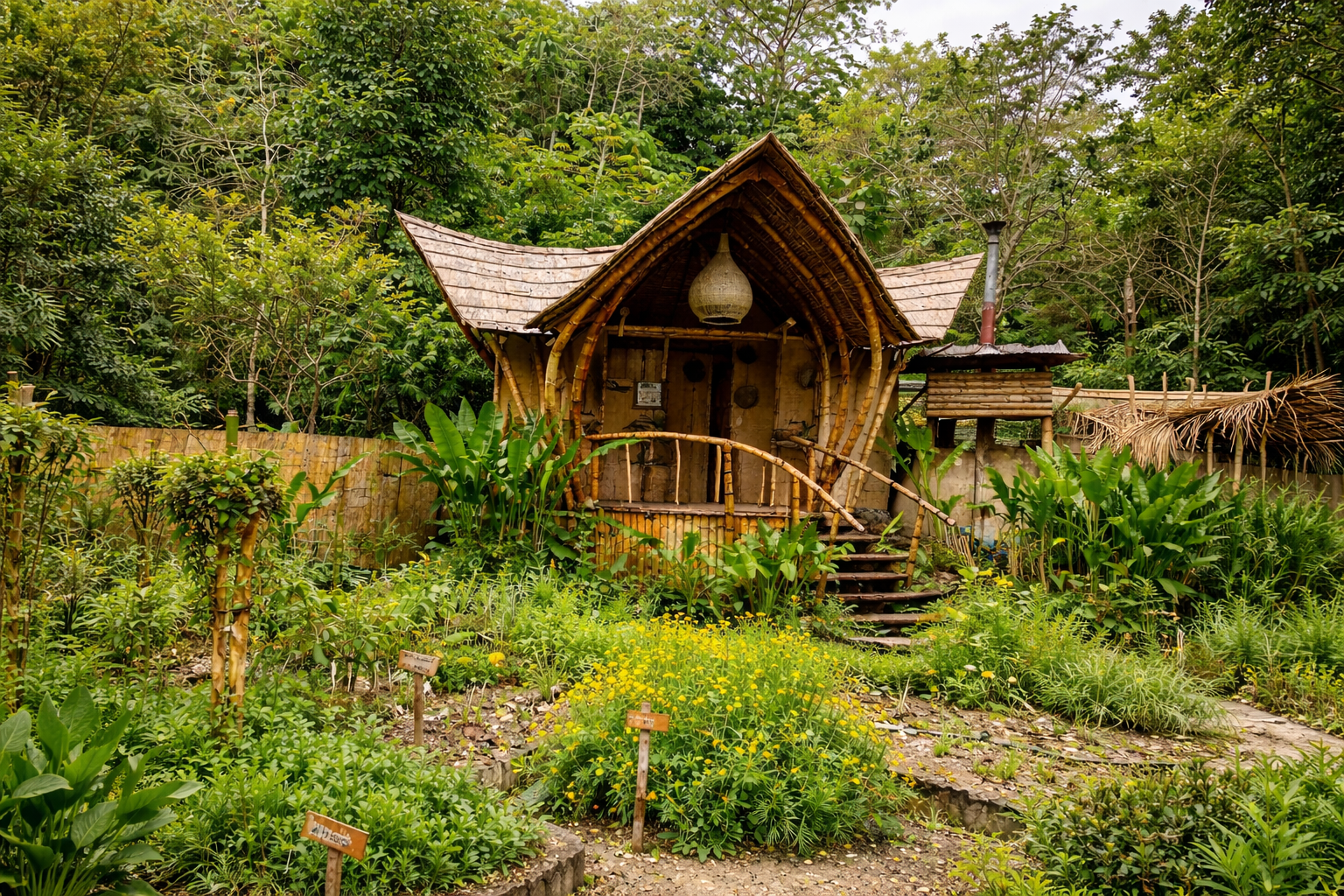
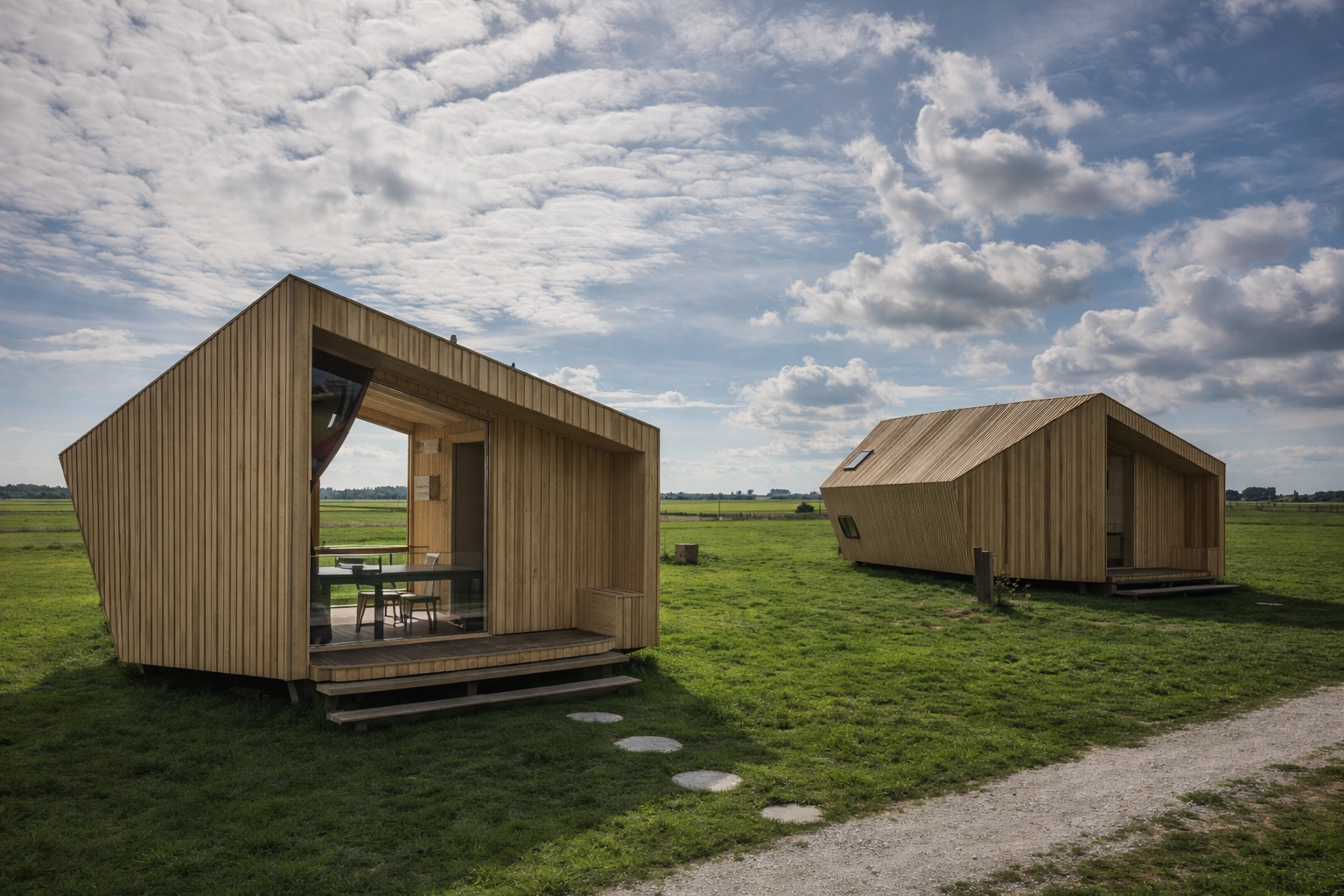
Sustainable Ecolodge at Lauwersmeer National Park and Wadden Sea
Nature-focused stay near wetlands and coast
Check Rates