Exploring the best cities on the Mississippi River offers a unique way to see America’s heartland without a car. This guide moves beyond the typical road trip, focusing instead on a more sustainable, rail-first approach to discovering these historic river towns. We’ve curated a list of key cities on the Mississippi River, organized by river section, specifically for the eco-conscious traveler, remote worker, and slow-travel enthusiast.
Each entry provides practical details to help you plan a low-impact journey. You’ll find walkability scores, public transport insights, and Amtrak connections that make car-free travel simple. Consequently, we highlight river-based transport like ferries and cruises, recommended low-impact stays, and day trips easily accessible by train. For digital nomads, we’ve included notes on logistics for a productive work-travel experience.
This isn’t just a list of places; it’s a blueprint for thoughtful travel. By prioritizing rail and walkable urban cores, you can reduce your carbon footprint while experiencing the rich culture, history, and natural beauty along the Mighty Mississippi. As we consider the future of travel along this iconic waterway, exploring various sustainable transportation solutions becomes increasingly important for these vibrant communities. This resource is designed to help you plan a more meaningful and responsible adventure.
1. Minneapolis–St. Paul: Upper Mississippi Rail Hub & Car-Free Northeast Loop
The Twin Cities of Minneapolis and St. Paul anchor the headwaters region, making them some of the most dynamic and sustainable cities on the Mississippi River. This area serves as a world-class base for remote workers and eco-conscious travelers. It combines robust public transit with extensive green spaces. Minneapolis, in particular, excels with its impressive network of over 400 miles of bikeways and highly walkable neighborhoods. These features make it an ideal destination for an extended, car-free stay.

The region’s METRO light rail system connects the airport to both downtowns, while Amtrak’s Empire Builder provides direct rail links to Chicago and Milwaukee. This connectivity supports a lifestyle centered around slower, more intentional travel. For example, the historic Stone Arch Bridge Trail is a scenic walk and a functional bike commuter path. The area’s sustainable food ecosystem, with its local grain producers and craft brewery districts, further deepens its appeal. Planning vacations without a car is entirely feasible here.
Actionable Tips for Your Stay
- Best Base Neighborhoods: Rent an apartment in Northeast Minneapolis or Uptown for the best walkability, cultural attractions, and coworking access.
- Car-Free Mobility: Use the Nice Ride bikeshare system for daily trips. Rely on the METRO light rail for longer distances, including airport transfers.
- Optimal Timing: Plan your visit between May and October for the best weather to enjoy the riverfront, parks, and outdoor patios.
2. Memphis: Soul of the South, Blues Heritage & Mississippi Riverfront Base
Memphis rests on a dramatic curve of the Lower Mississippi, offering authentic Southern culture and affordable costs for a longer stay. The city is a prime destination for remote workers seeking deep cultural immersion. Walkable neighborhoods like Cooper-Young and the riverfront corridor are perfect. It easily ranks as one of the most culturally significant cities on the Mississippi River. Moreover, it blends heritage with modern creative energy. This makes it an ideal base for writers, musicians, and anyone wanting to explore the Deep South at a slower pace.

The city’s heritage tourism is anchored by the powerful National Civil Rights Museum and the legendary Sun Studio. Meanwhile, the Mississippi River Park system provides excellent walking and kayaking opportunities right on the water. Amtrak’s City of New Orleans connects Memphis directly to Chicago and New Orleans. This establishes it as a natural hub for rail-first exploration. This connectivity allows for a lifestyle focused on meaningful travel without a car. For instance, a long stay of 3-8 weeks becomes entirely feasible, blending work with trips to blues clubs and historic sites.
Actionable Tips for Your Stay
- Best Base Neighborhoods: Stay in Cooper-Young or South Midtown for excellent walkability, local coffee shops, galleries, and easy access to cultural venues.
- Car-Free Mobility: Avoid a car rental. Instead, rely on walking for neighborhood exploration, occasional rideshares, and Amtrak for intercity travel.
- Optimal Timing: Plan your visit between October and April for pleasant weather. Summer heat can be intense, requiring indoor activities during the day.
3. Saint Paul: Minnesota’s Historic Capital & Eco-Friendly Remote Work Base
While often paired with its larger neighbor, Saint Paul stands strong as one of the most livable cities on the Mississippi River. It offers a distinct, quieter alternative for a sustainable stay. The city’s compact core, tree-lined historic neighborhoods, and excellent light rail access make it a prime base. Remote workers who value focus and natural beauty will love it here. Neighborhoods like Cathedral Hill and Grand Avenue provide a perfect blend of affordable apartments and local culture. This environment is ideal for writers or anyone seeking community without the downtown bustle.

The city’s geography is a key asset for low-impact living. Scenic walking trails along the Mississippi River bluffs offer immediate access to nature. Its affordability and robust local food scene further strengthen Saint Paul’s appeal. For regional travel, the METRO Green Line provides a direct, 30-minute connection to Union Depot. This is where Amtrak’s Empire Builder departs. This setup makes regional and cross-country rail travel seamless. It confirms its status as one of the best cities for remote work for those with a minimalist mindset.
Actionable Tips for Your Stay
- Best Base Neighborhoods: Choose Historic Hill, Cathedral Hill, or Grand Avenue for excellent walkability, historic charm, and affordability.
- Car-Free Mobility: Rely on the Green Line light rail for trips to Minneapolis, the airport, and Amtrak. A car rental is completely unnecessary.
- Local Food Access: Join a co-op like Mississippi Market for local produce and a sense of community.
- Optimal Timing: Plan a 4–12 week stay between May and October to enjoy the seasons and benefit from lower daily living costs.
- Work & Wellness: Use neighborhood cafes for a community feel and walk the Mississippi River bluffs for daily nature immersion.
4. Chicago: Midwest Transportation Hub & World-Class Urban Base
Although not directly on the Mississippi, Chicago serves as the critical rail gateway to the entire river basin. It’s an essential hub for any multi-city journey. Its status as North America’s premier rail crossroads, combined with a world-class urban infrastructure, makes it one of the best sustainable bases near the cities on the Mississippi River. The city’s ‘L’ elevated train system connects all major neighborhoods. Meanwhile, Amtrak’s Union Station offers direct routes to New Orleans, Denver, and both coasts. This unmatched connectivity enables a car-free lifestyle perfect for remote workers and eco-conscious travelers.

Neighborhoods like Logan Square, Wicker Park, and Pilsen provide vibrant, walkable bases. They have rich cultural scenes and ample coworking infrastructure. The 18-mile Lakefront Trail and the expanding Chicago Riverwalk offer extensive car-free recreation. For digital nomads, Chicago is an ideal city for a 4–8 week stay. This allows for deep cultural immersion before embarking on rail loops across the continent. Its extensive food scene, renowned museums, and live music culture offer endless opportunities for exploration without needing a car. For instance, you can easily price out flights vs rail options for your next leg.
Actionable Tips for Your Stay
- Best Base Neighborhoods: Stay in Pilsen, Logan Square, or Wicker Park for a blend of affordability, walkability, and local culture.
- Car-Free Mobility: A 30-day Ventra pass ($75 USD) provides unlimited travel on the ‘L’ and bus systems, making a car rental completely unnecessary.
- Optimal Timing: Plan your visit between October and April for pleasant weather and fewer crowds, though the city offers year-round attractions.
5. Milwaukee: Compact Walkable City & Wisconsin Gateway
While not directly on the Mississippi, Milwaukee serves as a critical gateway for those exploring the upper river region by rail. It offers a smaller-scale alternative to Chicago. The city has exceptional walkability, affordability, and strong rail connectivity. Its compact downtown, rich brewery heritage, and Lake Michigan waterfront create a unique charm. This is perfect for a 2 to 4-week nomadic base. This progressive community attracts creative workers and sustainable travelers. This makes it one of the most accessible supporting cities for a Mississippi River journey.

Milwaukee’s design supports a car-free lifestyle. Neighborhoods like Bay View and the East Side are highly walkable residential zones. They are filled with independent coffee shops, galleries, and coworking spaces. For recreation, trails provide excellent pedestrian and cycling routes away from traffic. Amtrak’s Hiawatha service connects Milwaukee to Chicago multiple times daily in just 90 minutes. This opens up the entire national rail network. As a result, it is an ideal first stop for those entering the Midwest. It’s also one of the more surprising green cities in America due to its compact urban core and transit links.
Actionable Tips for Your Stay
- Best Base Neighborhoods: Stay in Bay View, Walker’s Point, or the East Side for the best combination of walkability, affordability, and local culture.
- Car-Free Mobility: Utilize the Bublr Bikes bikeshare system for short trips. Winter biking is also very feasible with the right gear.
- Optimal Timing: Plan your visit between April and May or September and November for pleasant weather. The winter is beautiful but requires adaptation.
- Rail-First Day Trips: Use the frequent and reliable Amtrak Hiawatha service for easy day trips to Chicago.
6. St. Louis: Exploring One of the Most Historic Cities on the Mississippi River
St. Louis serves as a historic crossroads on the Mississippi River, sitting at the junction of the Mississippi and Missouri Rivers. This location has defined it as a key gateway between the American Midwest and South. The city’s downtown riverfront, anchored by the iconic Gateway Arch, provides a stunning backdrop. Meanwhile, neighborhoods like the Central West End and South City offer walkable, culturally rich bases for travelers. Its combination of deep Americana, blues music heritage, and affordable costs makes it an excellent choice for a long-stay base.

The city is well-connected for slow travel, with Amtrak’s Texas Eagle service providing direct links to Chicago, San Antonio, and Los Angeles. This makes multi-city, car-free itineraries entirely possible. Within the city, vast green spaces like the 1,300-acre Forest Park offer car-free recreation. It has free museums, a zoo, and botanical gardens. Neighborhoods such as the Central West End are attracting remote workers with their walkability and amenities. South City maintains an authentic vibe with local music venues, solidifying St. Louis’s place among the great cities on the Mississippi River.
Actionable Tips for Your Stay
- Best Base Neighborhoods: Choose the Central West End for its polished walkability and proximity to Forest Park. For a local, music-focused experience, find a stay in South City.
- Car-Free Mobility: Rely on walking, biking, and public transit within the city. For regional travel, use Amtrak to avoid car rentals.
- Optimal Timing: Plan your visit for spring (April-May) or fall (September-October) to avoid the intense summer heat and humidity.
Where to Stay in St. Louis
Finding the right accommodation is key to a great trip. For travelers seeking convenience and modern amenities, booking a hotel downtown offers easy access to the Arch and riverfront. If you’re looking for an extended stay with local charm, consider apartments in the Central West End. To get the best deal, it’s wise to book early, especially during peak season. You can use a travel portal to compare prices and check availability across different neighborhoods. For those who want everything taken care of, a service like Welcome Pickups is ideal for airport transfers directly to your hotel.
- For Convenience: Consider hotels near the Gateway Arch.
- For Local Vibe: Look for apartments or guesthouses in the Central West End.
- For Peace of Mind: For a seamless arrival after a long flight, arranging a pre-booked airport transfer with a service like Welcome Pickups is a great option.
- To Find the Best Rate: To easily browse hotels and check availability for your dates, a comprehensive booking platform like Trip.com can be very helpful.
7. New Orleans: Cultural Immersion & Southern Rail Gateway
At the mouth of the great river, New Orleans presents a unique cultural crossroads. It’s one of the most distinctive cities on the Mississippi River. American, African, French, and Spanish influences blend to create an experience found nowhere else. Its highly walkable neighborhoods, like the French Quarter and the bohemian Marigny, are perfect bases. These areas combine with the green expanse of City Park. This city rewards deep cultural curiosity over rushed tourism.

The city’s deep-rooted culture is accessible through its food, music, and festivals. Amtrak’s City of New Orleans train connects the city northward to Memphis (10 hours) and Chicago (19 hours). This creates a perfect southern anchor for a rail journey up the river. The combination of walkability, relative affordability, and profound cultural offerings makes New Orleans ideal. It’s great for a 4–12 week creative base. Exploring the city this way supports a deeper connection, an approach central to slow travel. For example, the Marigny has evolved with artist lofts and intimate live music venues that sustain a vibrant creative community.
Actionable Tips for Your Stay
- Best Base Neighborhoods: Stay in the Marigny, Bywater, or the French Quarter for a truly car-free experience in the historic core.
- Car-Free Mobility: Rely on walking, the historic St. Charles Streetcar, and Blue Bikes bikeshare. Avoid renting a car entirely.
- Optimal Timing: Plan your visit between October and May to enjoy pleasant weather. Avoid the intense heat and hurricane risk from June to September.
8. La Crosse: Wisconsin River Town & Regional Rail Hub
La Crosse, Wisconsin, is an underrated gem among cities on the Mississippi River. It offers a rare small-city base with exceptional affordability and natural beauty. Situated at the confluence of three rivers, its downtown riverfront and compact neighborhoods create a car-free environment. This is perfect for writers and nature-focused travelers. The city’s genuine local culture and progressive community make it ideal for a deeper, more intentional stay.

Amtrak’s Empire Builder service provides a vital rail link, connecting La Crosse to Milwaukee in about 5 hours. This makes it possible to establish a peaceful, low-cost base while retaining easy access to larger urban centers. The city’s strong outdoor culture, centered on hiking and kayaking, attracts remote workers seeking a healthier work-life balance. Local farm-to-table restaurants underscore the community’s commitment to a sustainable food scene.
Actionable Tips for Your Stay
- Best Base Neighborhoods: Stay in Downtown or the Riverside neighborhood for maximum walkability, river access, and proximity to independent coffee shops.
- Car-Free Mobility: La Crosse is very bike-friendly. Use a bicycle for most daily trips; the flat terrain and river trails make it safe and enjoyable.
- Optimal Timing: Plan your visit between May and October for ideal weather. Consider a 4 to 8-week stay to integrate into the local rhythm.
9. Dubuque: Historic Mississippi Bluff Town & Outdoor Recreation Base
Dubuque, Iowa, stands out as one of the most scenic and authentic cities on the Mississippi River. Nestled among dramatic bluffs, it is an exceptional base for nature-focused remote workers. The city’s core, including the downtown riverfront and Cable Car Square, is highly walkable. This makes it easy to enjoy a low-impact stay centered on creativity and natural beauty.

The city’s culture is deeply connected to its surroundings. There are ample opportunities for hiking, kayaking, and even winter ice climbing. This outdoor focus, combined with a strong local food movement, attracts travelers seeking a genuine connection. While Amtrak access requires a regional bus, Dubuque’s affordability and car-free potential make it perfect. It’s ideal for a 3–6 week deep-work retreat, especially for writers and creatives looking for quiet immersion.
Actionable Tips for Your Stay
- Best Base Neighborhoods: Stay in downtown or the Cable Car Square area for excellent walkability, river views, and proximity to galleries and independent shops.
- Car-Free Mobility: A bicycle is all you need for getting around the safe and friendly downtown core. For longer-range travel, use regional buses.
- Optimal Timing: Plan your visit between May and October for ideal weather. Fall offers spectacular foliage along the bluffs.
10. Midwest & Mississippi Rail Corridor Overview
The Midwest and Mississippi River corridor presents a cohesive network for rail-first, slow travel. This approach allows travelers to explore numerous cities on the Mississippi River without a car. Amtrak’s trunk routes like the Empire Builder and City of New Orleans link primary anchors. These routes create a backbone for sustainable, multi-city itineraries. Smaller river towns such as La Crosse and Dubuque become accessible, car-free bases for longer stays.
This travel style is centered on compact, walkable neighborhoods and strong local food scenes. Seasonal planning is vital. Winters in the north can be harsh, while summers in the south are hot. By focusing on train logistics, you can plan efficient day trips or settle into one location. With the right planning, you can move seamlessly from a bustling urban center to a quiet riverside trail.
Actionable Tips for Your Stay
- Best Base Neighborhoods: Use La Crosse, WI or Dubuque, IA as a quiet, nature-focused base. For a major hub, consider Chicago’s Loop.
- Car-Free Mobility: Rely on Amtrak for inter-city travel. In towns, utilize local buses, bikeshare systems, and walkability.
- Optimal Timing: Travel the northern corridor from May to October. Explore the southern corridor from October to April to avoid extreme heat.
Best Time to Book Your Mississippi River Trip
Deciding when to book your travel can greatly impact your budget and experience. For this route, booking your primary rail tickets 2-3 months in advance is often the sweet spot. This allows you to secure a good deal on Amtrak fares before prices rise closer to the departure date. For flights into a hub city like Chicago or Minneapolis, comparing prices early is also key.
Booking Strategy: Flights vs. Rail
| Travel Method | Best For | When to Book | Pro Tip |
|---|---|---|---|
| Amtrak Rail | Slow, scenic travel between cities | 2-3 months in advance | Look for “Saver Fares” for the best price, but note they are non-refundable. |
| Flights | Getting to your starting hub city quickly | 3-6 months in advance | Flexible dates can save you a lot of money. Use a flight comparison tool to find the lowest fares. |
For finding the best flight deals to start your journey, a powerful aggregator like Aviasales is an excellent tool. It compares multiple airlines to help you find the best route and price.
Mississippi River Cities: 10-Point Comparison
| Location | 🔄 Complexity / Logistics | ⚡ Resources & Costs (USD) | ⭐ Expected outcomes & Sustainability | 📊 Key advantages | 💡 Ideal use cases |
|---|---|---|---|---|---|
| Minneapolis–St. Paul | Moderate — light rail + regional transfers | Moderate costs; strong coworking; bikeshare | ⭐⭐⭐⭐ — very high bikeway & transit integration | Extensive bikeways (400+ mi); light rail; Empire Builder access | 2–4 week creative/remote-work base; bike-forward nomads |
| Saint Paul | Low — compact geography; easy light‑rail link | Lower costs; smaller coworking scene; easy neighborhood access | ⭐⭐⭐⭐⭐ — exceptional car‑free neighborhoods, light rail access | Quiet historic neighborhoods; strong local food culture; focus-friendly | Writers, academics, minimalist remote workers (4–12 weeks) |
| Memphis | Low–moderate — walkable cores but limited city transit | Very affordable long‑stay costs; limited flights; occasional rideshare | ⭐⭐⭐ — high when chosen neighborhoods are safe and walkable | Deep musical/cultural scene; riverfront parks; City of New Orleans rail | 3–8 week cultural immersion for musicians, writers, researchers |
| Chicago | High — complex systems but excellent intercity hub | Higher living costs; unmatched rail access; many coworking options | ⭐⭐⭐⭐⭐ — exceptional transit and Amtrak hub status | Continental Amtrak hub; ‘L’ system; extensive cultural institutions | 4–8 week hub for multi‑city rail loops and urban nomads |
| Milwaukee | Low — compact, easy to navigate; frequent Hiawatha service | Affordable long‑stay costs; smaller coworking but strong bike culture | ⭐⭐⭐⭐ — very high walkability and frequent regional rail | Short (1.5 hr) trains to Chicago; lakefront trails; brewery scene | 2–4 week base; gateway to Wisconsin rail network |
| St. Louis | Moderate — good long‑distance rail; limited local transit | Very affordable; moderate coworking; walking/biking primary | ⭐⭐⭐ — high walkable assets and large car‑free park (Forest Park) | Forest Park cultural access; affordable housing; Amtrak south/west links | 3–6 week history/music/cultural base |
| New Orleans | Moderate — walkable cores; seasonal hurricane planning needed | Affordable long‑stay options; limited transit; tourism spikes | ⭐⭐⭐ — medium‑high; strong cultural assets but climate risk | Unmatched food & music culture; City of New Orleans rail link | 4–12 week deep cultural/creative residencies (avoid hurricane season) |
| La Crosse | Low — compact downtown; limited but direct Badger service | Very affordable; small coworking; strong local food systems | ⭐⭐⭐⭐⭐ — exceptional small-city sustainability and nature access | Bluff trails, riverfront walkability; direct Badger rail to Madison/Milwaukee | 4–8 week nature‑focused deep‑work base |
| Dubuque | Moderate — very walkable locally but no direct Amtrak | Extremely affordable; limited digital‑nomad infrastructure | ⭐⭐⭐ — high sustainability locally; constrained by rail access | Stunning bluffs, outdoor activities, tight community | 3–6 week outdoor‑focused creative or research stays (use regional bus/drive for rail) |
| Midwest Rail Corridor | Moderate–high — requires itinerary planning | Efficient & often affordable if rail‑first; seasonal adaptation needed | ⭐⭐⭐⭐⭐ — overall very high for low‑carbon, rail‑first travel | Consolidated Amtrak routes; many walkable river towns; strong food networks | Multi‑city rail itineraries, slow travel, and region‑wide long‑stay planning |
Final Thoughts
Our journey through the most remarkable cities on the Mississippi River reveals a vibrant, interconnected corridor. It is ripe for slow, sustainable travel. From the headwaters hub of Minneapolis to the cultural delta of New Orleans, each city presents a unique personality. These historic industrial centers are transforming into walkable, eco-conscious destinations. As a result, they offer remote workers a chance to connect with American history, music, and nature without a car.
This guide focused on practical, actionable details for a reason. Understanding walkability scores, public transit, or rail connections are the building blocks of a low-impact itinerary. By choosing cities with strong infrastructure, you actively reduce your carbon footprint. You also support communities investing in sustainable futures. The Mississippi River isn’t just a backdrop; it’s a living system. Exploring its cities by rail, foot, and ferry honors that connection.
Ultimately, traveling along this great American waterway is about more than just seeing the sights. It is a chance to experience the country at a more human pace. You can feel the pulse of the nation’s heartland, from blues clubs on Beale Street to the serene bluffs of Dubuque. These cities on the Mississippi River prove that meaningful, eco-aware travel is not only possible but deeply rewarding. The infrastructure is there, waiting for you.
This article was fact-checked using sustainability data from the World Green Building Council, the Global Ecotourism Network, and peer-reviewed architecture studies. All partner links are vetted for compliance with sustainable business certifications.
Editor’s Pick: Best Tool for Staying Connected
For travelers exploring multiple cities on the Mississippi River, staying connected without juggling physical SIM cards is crucial. An eSIM is the best solution. Airalo provides a seamless way to get affordable data coverage across the USA. You can activate it upon arrival, ensuring you have maps and communication from the moment you step off the train. It’s a non-hypey, practical tool for any digital nomad or modern traveler who needs reliable internet access without the hassle. It’s best to lock your eSIM before you travel for peace of mind.
Key Takeaways
- Rail is the Backbone: Amtrak’s City of New Orleans, Texas Eagle, and Empire Builder routes are your primary tools for connecting major Mississippi River cities sustainably.
- Walkability Varies: Cities like Minneapolis, Chicago, and New Orleans offer highly walkable cores, while others require strategic use of public transit.
- Book Stays Strategically: Prioritize accommodations near central train stations or light rail stops to simplify arrivals, departures, and daily exploration. Booking early can often secure the best reservation.
- Embrace Slow Travel: The river’s pace encourages a slower, more immersive experience. Allow time to walk the riverfronts, enjoy local cafes, and connect with the unique culture of each stop.
- Stay Connected Easily: Use an eSIM to avoid connectivity issues when moving between states. This is a must for digital nomads and remote workers.
- Protect Your Trip: For multi-city itineraries, especially with rail travel, getting comprehensive travel insurance is a wise decision to cover unexpected delays or cancellations.
Frequently Asked Questions
1. What is the best city on the Mississippi River for a first-time visitor?
For first-time visitors, New Orleans offers an unforgettable cultural experience with its unique music, food, and history. Its French Quarter is highly walkable, making it easy to explore without a car.
2. Can you really travel the Mississippi River cities without a car?
Yes, absolutely. By leveraging Amtrak’s main routes and staying in the walkable downtown or historic neighborhoods of each city, a car-free journey is not only possible but also more relaxing and sustainable.
3. What is the best time of year to visit cities on the Mississippi River?
This depends on the region. For northern cities like Minneapolis and La Crosse, May to October is ideal. For southern cities like Memphis and New Orleans, the fall and spring (October-April) offer the most pleasant weather.
4. How should I stay connected while traveling between cities?
An eSIM is the most convenient option. For travelers who need reliable data across the US for navigation and work, an eSIM from a provider like Airalo or Yesim is a great investment. You can activate it on your phone without needing a physical SIM card.
5. Is travel insurance necessary for a domestic trip like this?
While not mandatory, travel insurance is highly recommended. It can protect you from financial losses due to trip cancellations, travel delays, or medical emergencies. For US travel, a provider like VisitorsCoverage is a solid option to compare plans and get a quote.
Ready to plan your own sustainable journey along America’s great river? At Eco Nomad Travel, we create custom, rail-first itineraries that align with your values. Let us help you design a seamless trip through the best cities on the Mississippi River, complete with verified eco-stays and low-impact travel logistics. Visit Eco Nomad Travel to start building your next adventure.

Book a Sustainable Stay That Fits This Trip
Explore eco lodges, villas, and resorts that match the slower, lower-impact travel style featured on Eco Nomad Travel.
Affiliate disclosure: We may earn a commission if you book through these links at no extra cost to you.
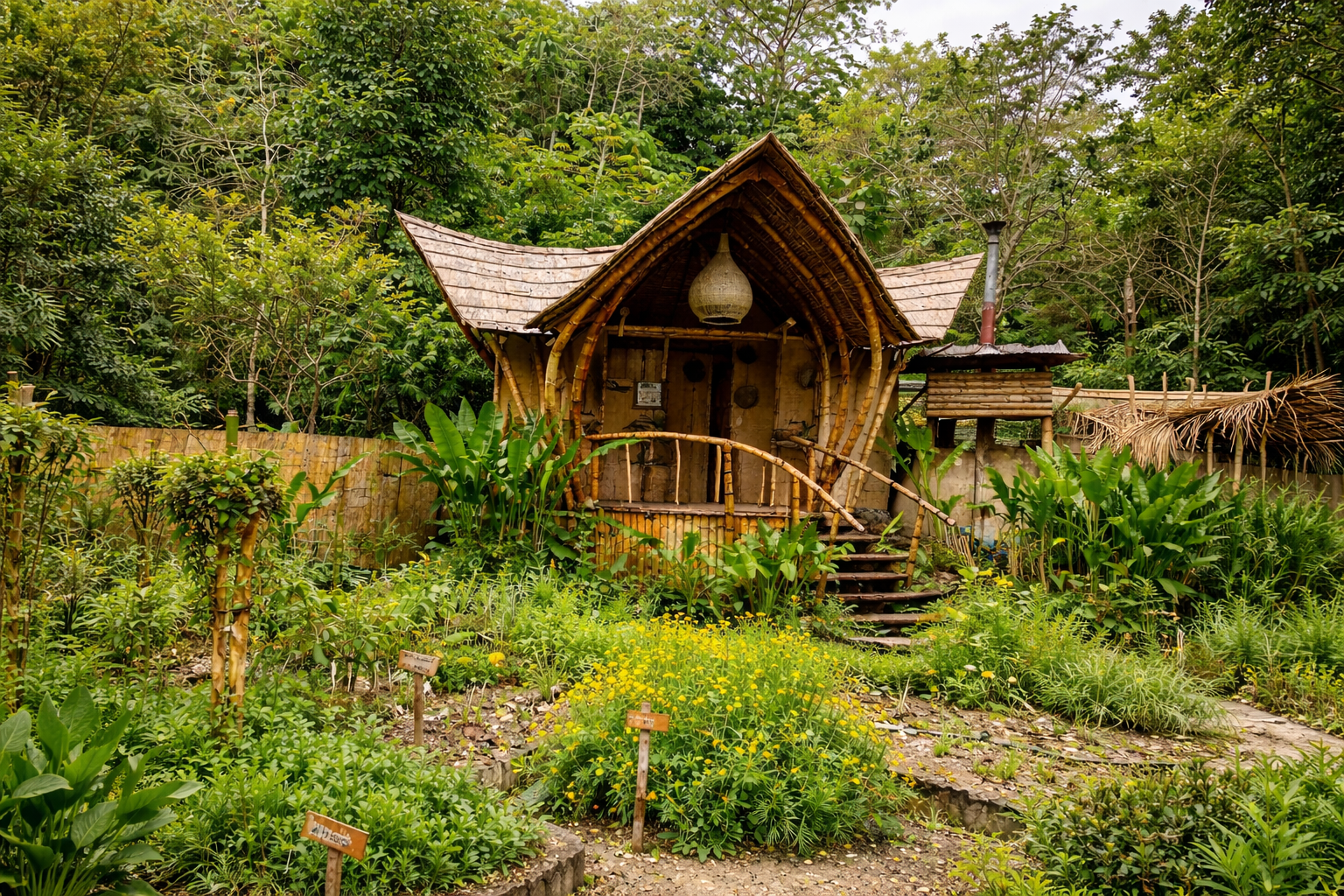
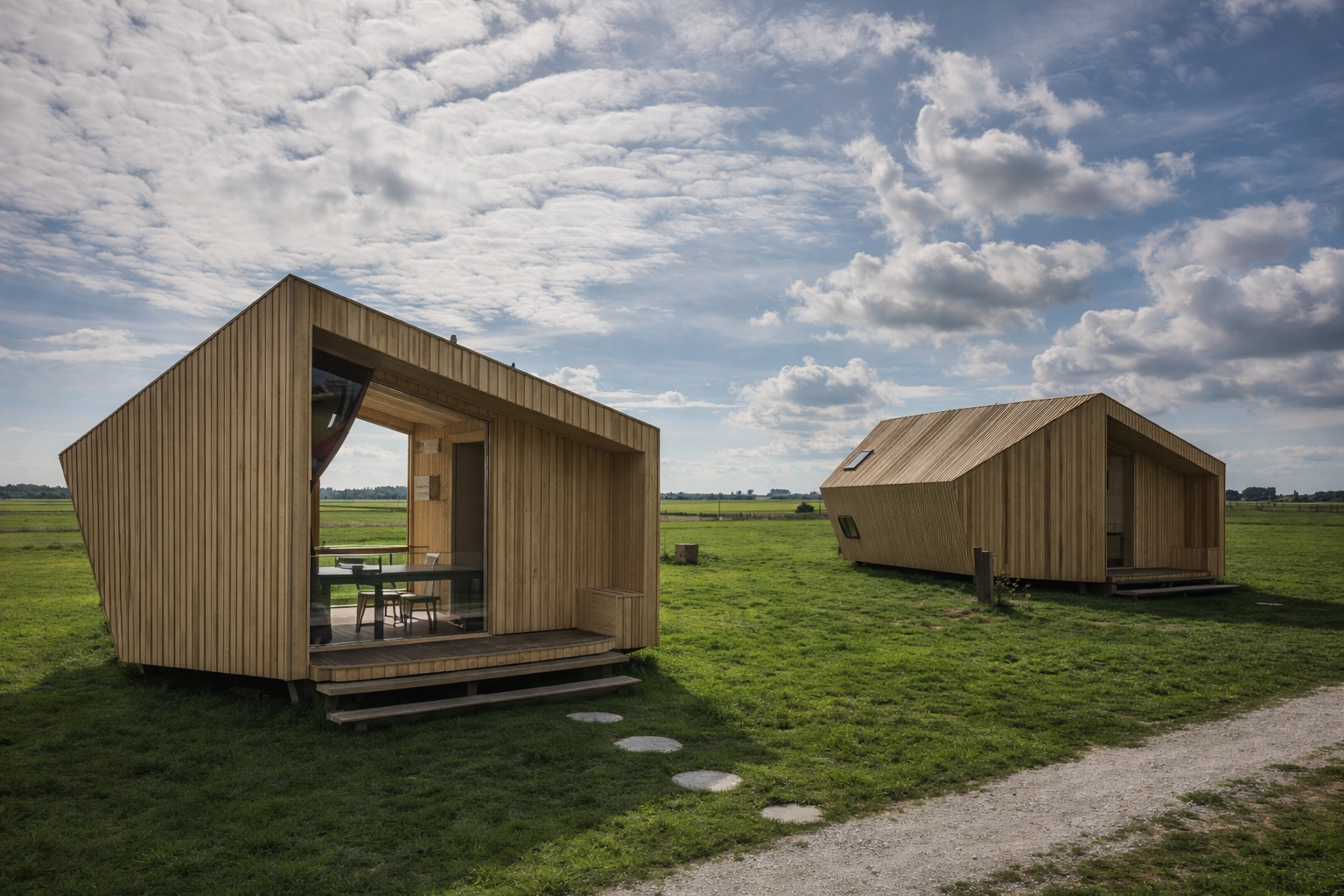
Sustainable Ecolodge at Lauwersmeer National Park and Wadden Sea
Nature-focused stay near wetlands and coast
Check Rates