Discover the world’s leading digital nomad eco cities for 2025 — places where clean energy, mindful design, and strong connectivity make sustainable living effortless.
A New Era of Sustainable Remote Work
In 2025, remote work has matured far beyond chasing cheap rent or fast Wi-Fi. A new generation of professionals is chasing purpose — cities that prioritize balance, health, and environmental integrity. The rise of digital nomad eco cities signals a fundamental shift toward conscious mobility, where modern independence meets planetary care.
Across continents, innovative destinations are proving that sustainability and productivity can thrive together. Imagine cycling highways lined with urban gardens, solar-powered coworking hubs buzzing with creativity, and zero-waste cafés where the community knows your name. These are not future fantasies — they’re the blueprints of how digital work will evolve.
The Mission Behind Eco Nomad Travel
At Eco Nomad Travel, we explore how conscious travel and digital independence can coexist harmoniously. Our mission is to guide you toward green digital nomad destinations that align with your professional goals and ethical values. Every featured city in this guide represents a real-world example of how sustainability enhances quality of life for remote workers worldwide.
Affiliate disclosure: Some links in this article are affiliate links. If you click and make a purchase, Eco Nomad Travel may earn a small commission at no additional cost to you. These partnerships help us keep sharing sustainable travel resources while promoting responsible exploration.
Why Eco Cities Are the Future of Digital Nomadism
The future of work is global — and green. According to the United Nations Sustainable Cities Report (2024), urban centers that invest in renewable energy, cycling infrastructure, and digital inclusion score up to a 40% higher quality-of-life rating among mobile professionals. For digital nomads, comfort is no longer enough; they’re looking for cleaner air, ethical living, and a sense of belonging that goes beyond convenience.
How Eco Design Attracts Global Talent
Cities that prioritize green architecture, public transit, and inclusive digital access naturally draw skilled remote workers. From geothermal heating in Reykjavík to solar trams in Melbourne, the world’s top digital nomad eco cities are building reputations as havens for innovation and well-being. Their approach to sustainability isn’t cosmetic — it’s structural, woven into the everyday rhythm of life.
From Convenience to Connection
For modern nomads, eco living has become an act of connection — to place, to people, and to purpose. Whether volunteering at permaculture farms, joining zero-waste coworking spaces, or engaging in local entrepreneurship, these global citizens are redefining success. The best green digital nomad destinations are no longer measured by affordability but by how gracefully they balance progress and preservation.
The Cities Leading the Way
Below you’ll find ten cities that embody this transformation. Each demonstrates how technology, creativity, and sustainability can converge into a regenerative lifestyle model. Together, they show that digital nomadism isn’t about escaping systems — it’s about helping build better ones. Welcome to the future of travel, where living lightly is the ultimate freedom.
Top Digital Nomad Eco Cities 2025
These ten digital nomad eco cities redefine how remote work, sustainability, and quality of life can coexist. From Europe’s cycling capitals to Asia’s green coworking hubs, each destination offers both environmental innovation and digital freedom.
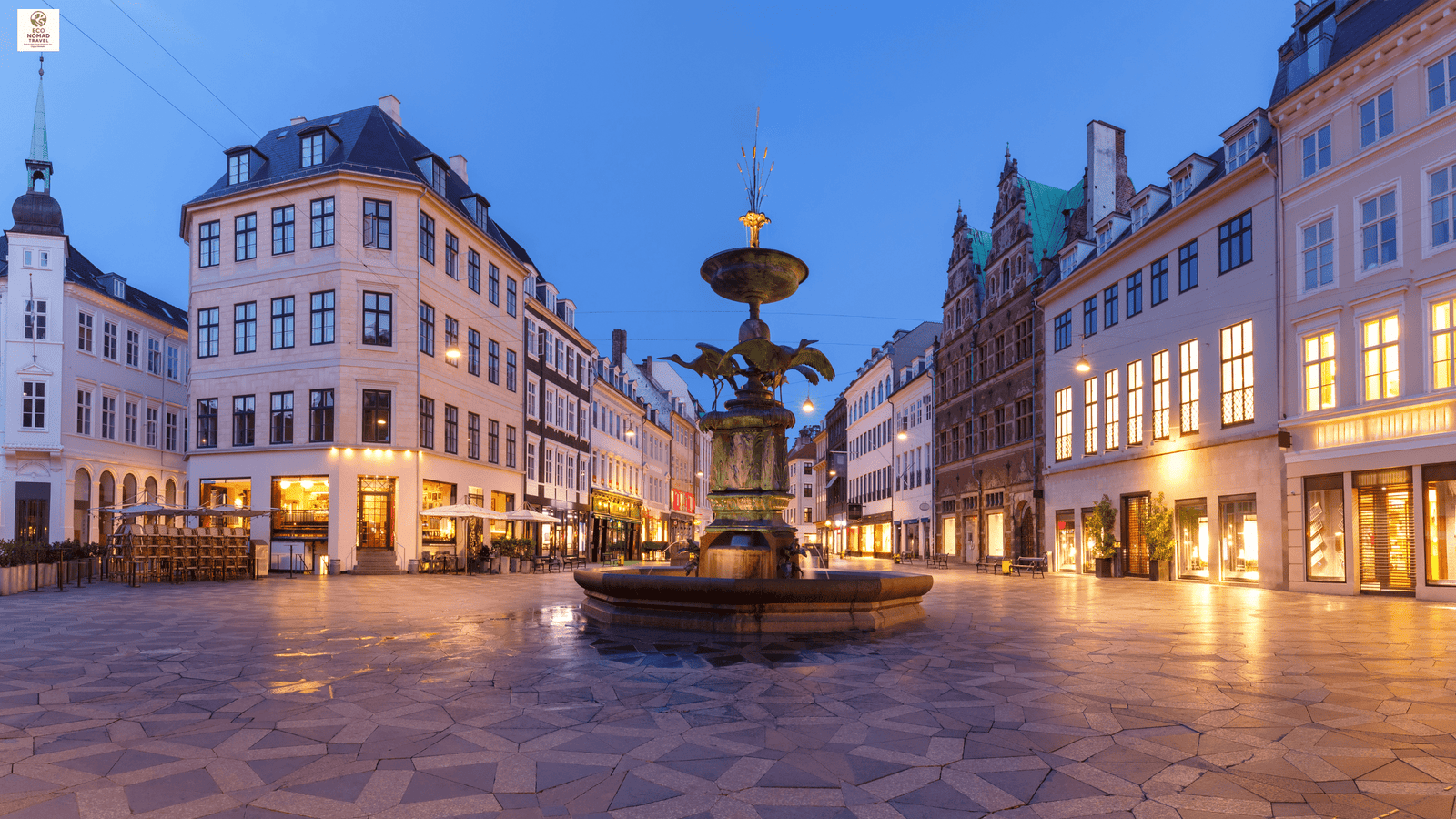
Copenhagen, Denmark
Copenhagen’s commitment to sustainability isn’t just policy—it’s culture. Over 70% of its energy now comes from renewables, and the city plans to be carbon-neutral by 2025. English-friendly coworking spaces like Republikken run on wind power, while the city’s bike lanes, green roofs, and organic food markets make it a daily masterclass in eco living.
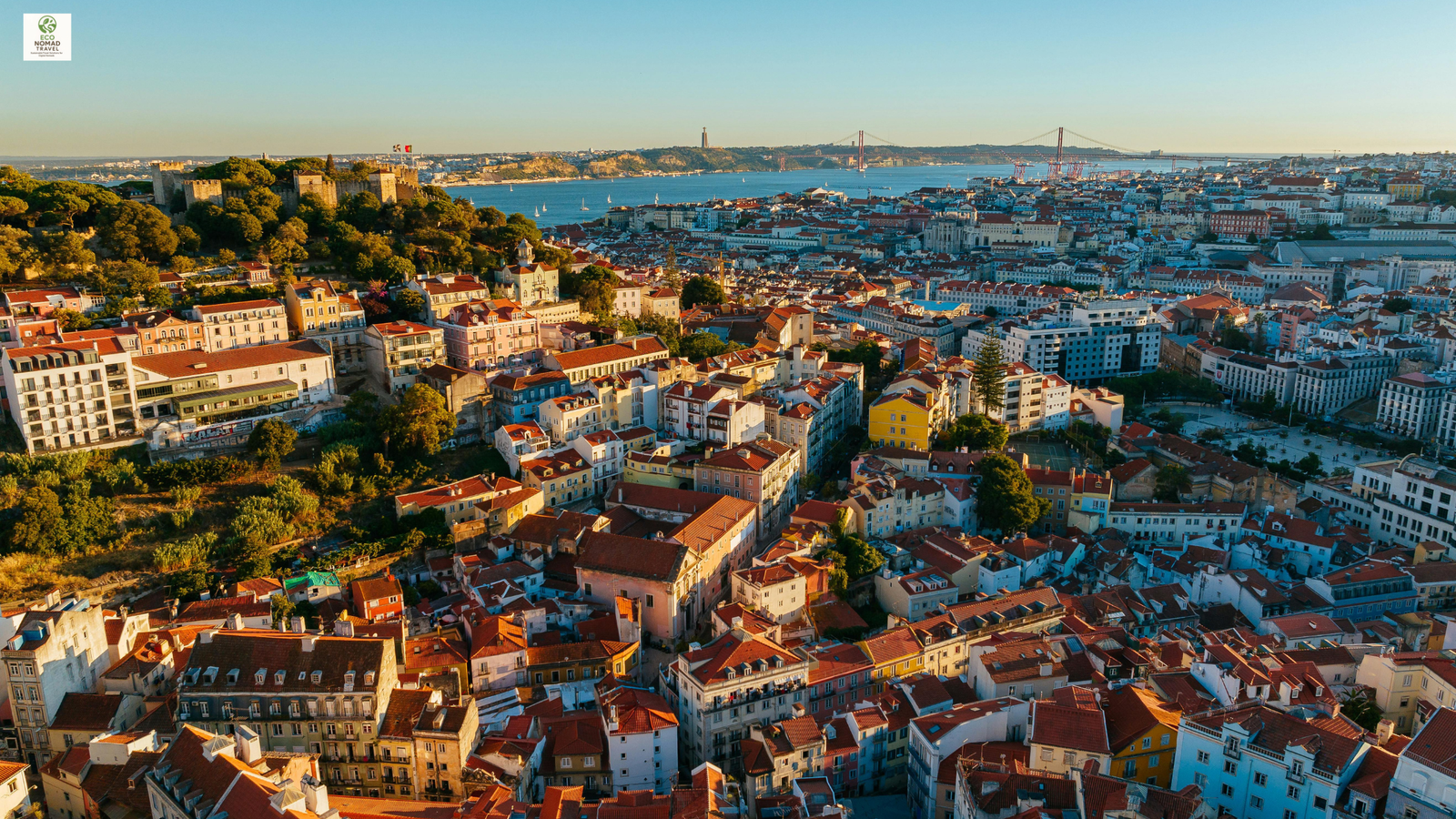
Lisbon, Portugal
Lisbon has transformed into Europe’s creative eco capital for remote workers. The city’s Green Plan and solar-powered coworking spaces make sustainable living easy. Digital nomads benefit from walkable districts, electric trolleys, and eco nomad visa options. For weekend escapes, rent a hybrid car through GetRentACar or plan eco-train routes via Aviasales.
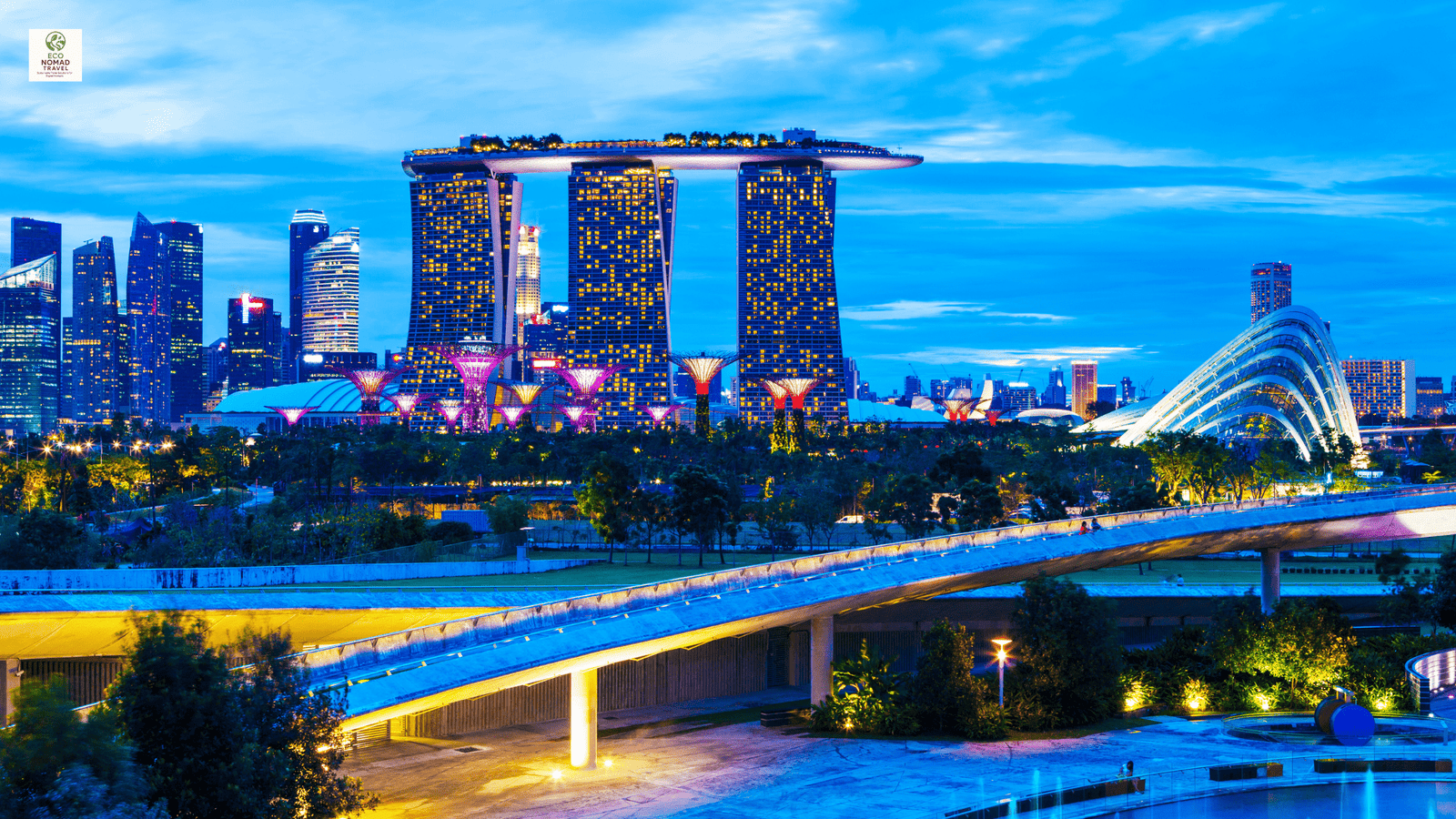
Singapore
Singapore’s Green Plan 2030 makes it one of the world’s smartest digital nomad eco cities. Urban farms, rooftop solar grids, and biodiversity corridors blend seamlessly with its futuristic architecture. Coworking cafés like The Great Room embrace zero-waste operations, while public transport remains fully electrified — efficiency meets ecological harmony.

Chiang Mai, Thailand
Chiang Mai’s serene mountain setting makes it Asia’s spiritual home for sustainable remote work. Coworking spaces built from bamboo, solar cafés, and permaculture communities foster low-impact lifestyles. Stay connected sustainably using Airalo or Yesim eSIM while supporting local regenerative tourism projects.
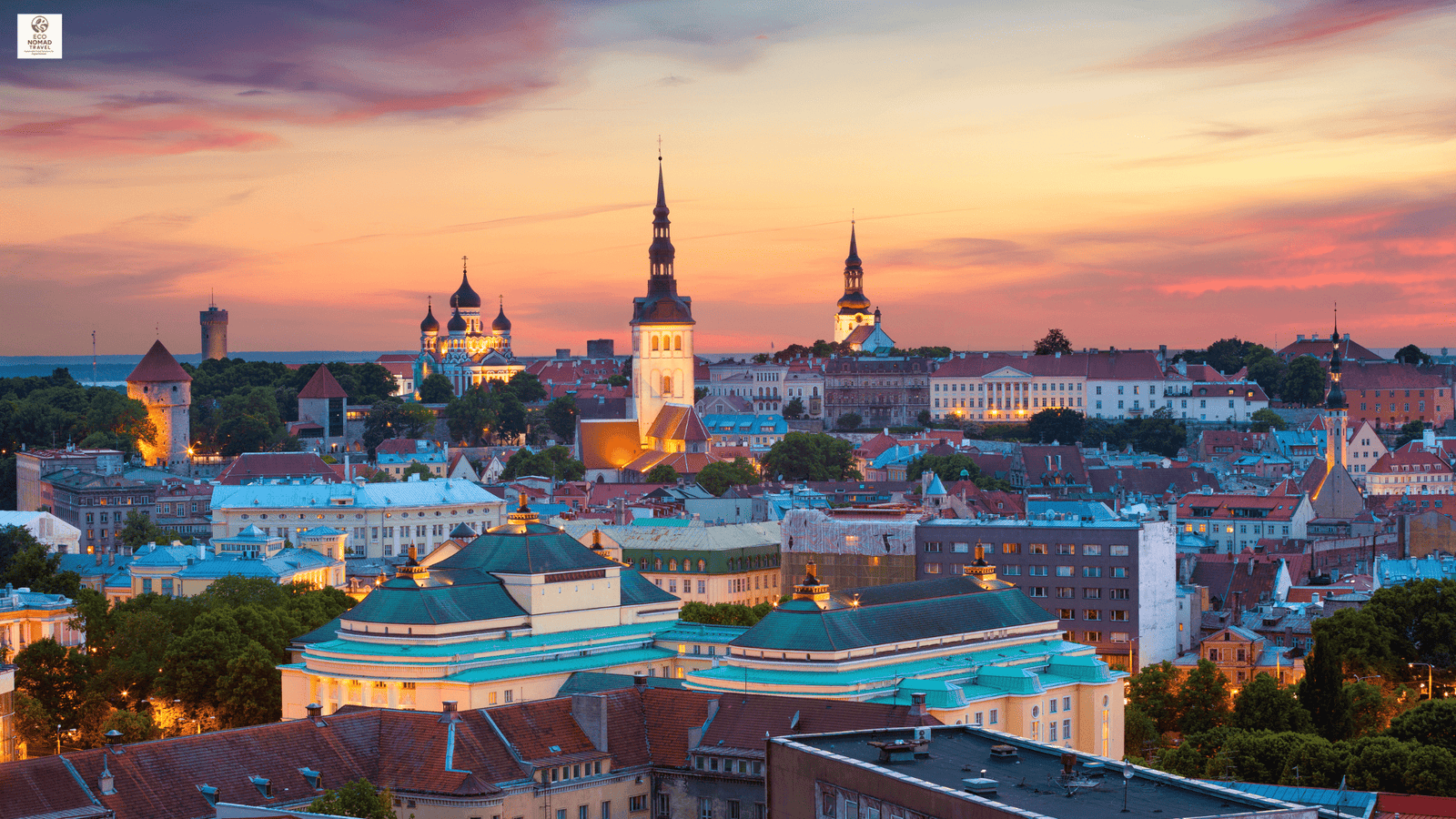
Tallinn, Estonia
Tallinn’s e-Residency revolution has turned it into a global case study for sustainable digital governance. Paperless systems, solar-powered offices, and minimal commute distances make it one of the cleanest urban ecosystems for entrepreneurs. A shining example of how technology can build truly green digital nomad eco cities.
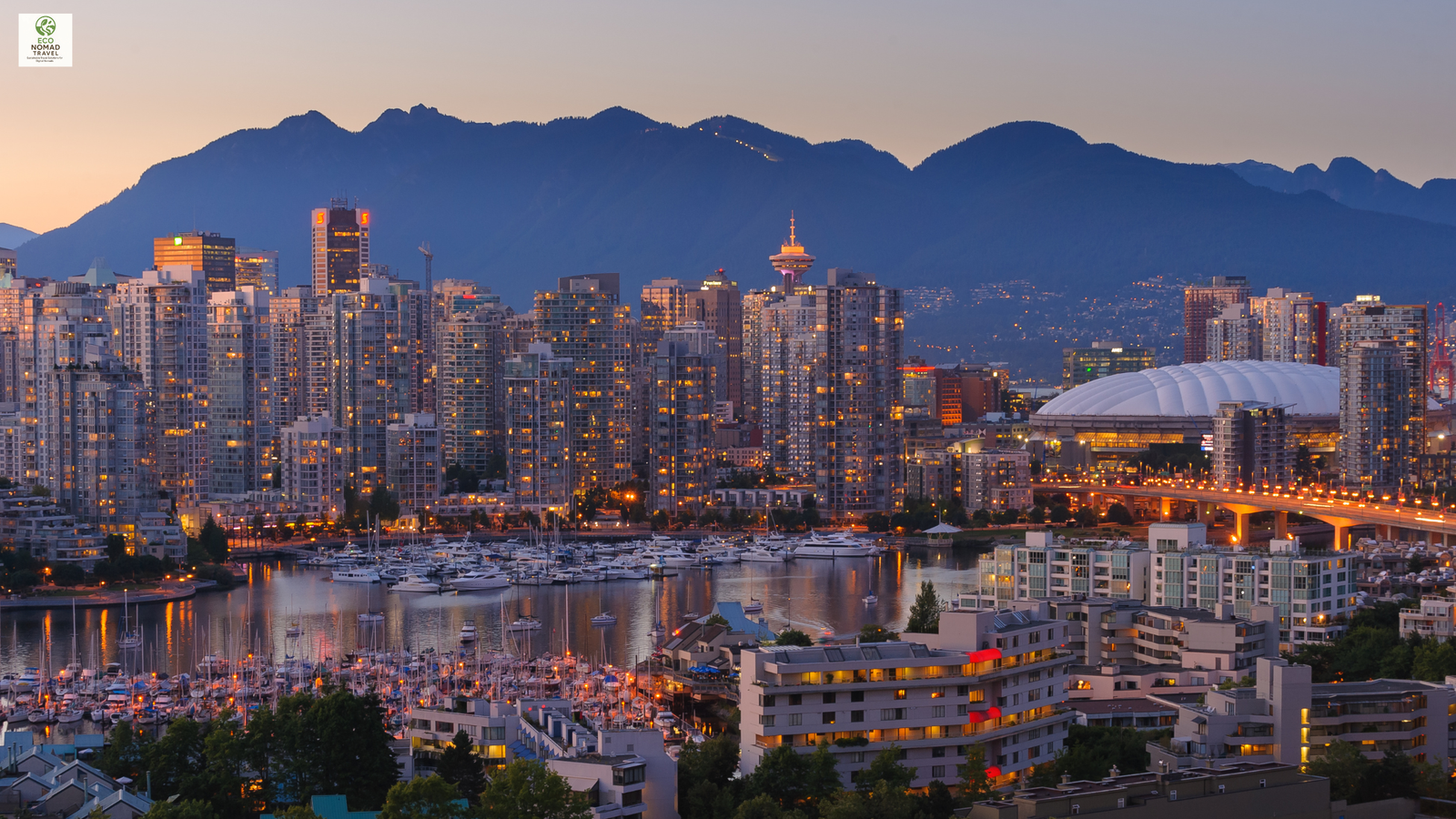
Vancouver, Canada
Vancouver’s mix of green innovation and nature access makes it ideal for mindful professionals. The city leads in sustainable architecture and low-carbon transport. Coworking studios offer views of the Pacific, while nearby eco-lodges and coastal trails encourage restorative balance between work and wilderness.
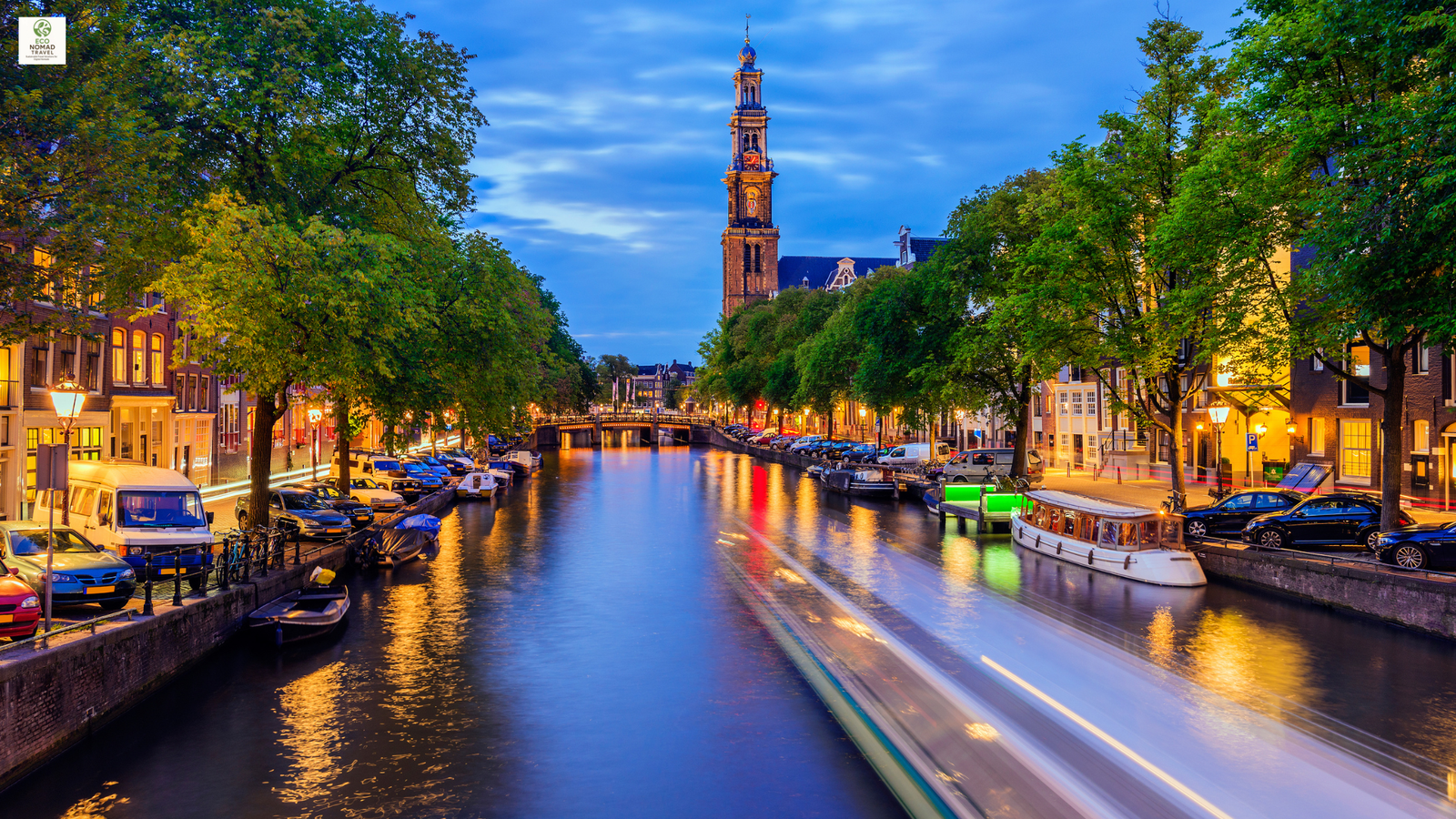
Amsterdam, Netherlands
Amsterdam is the benchmark for cycling-first digital nomad eco cities. With over 500 km of protected lanes, circular economy startups, and eco-focused coworking collectives, it remains a global role model. Digital nomads love its multicultural energy and the city’s clear commitment to a post-car future.
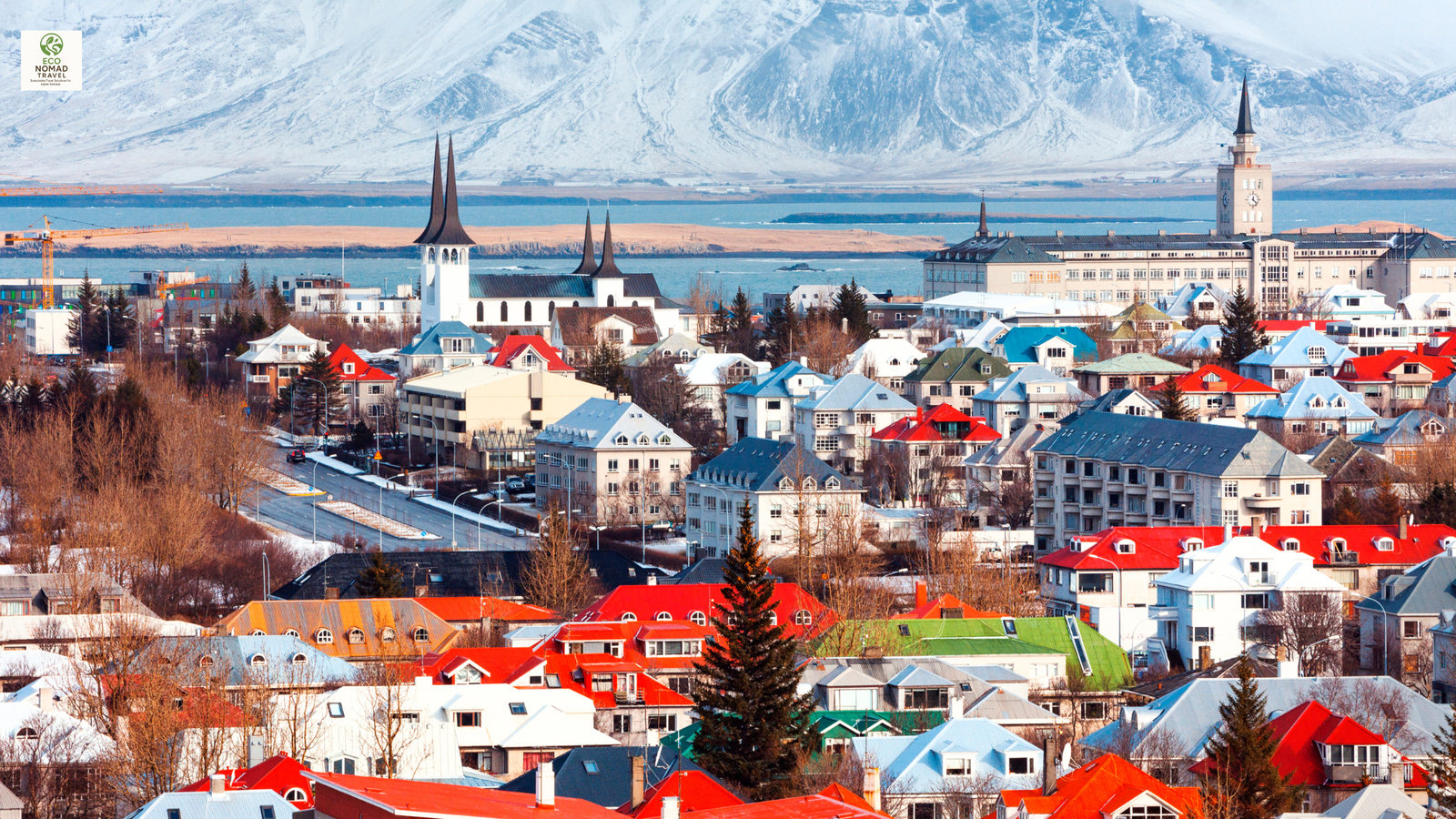
Reykjavík, Iceland
Reykjavík thrives on geothermal and hydroelectric power, making it a sustainability pioneer. Remote workers find inspiration in its minimalism and unmatched natural beauty. High-speed internet, pure air, and zero-emission energy create the ideal formula for a conscious lifestyle.
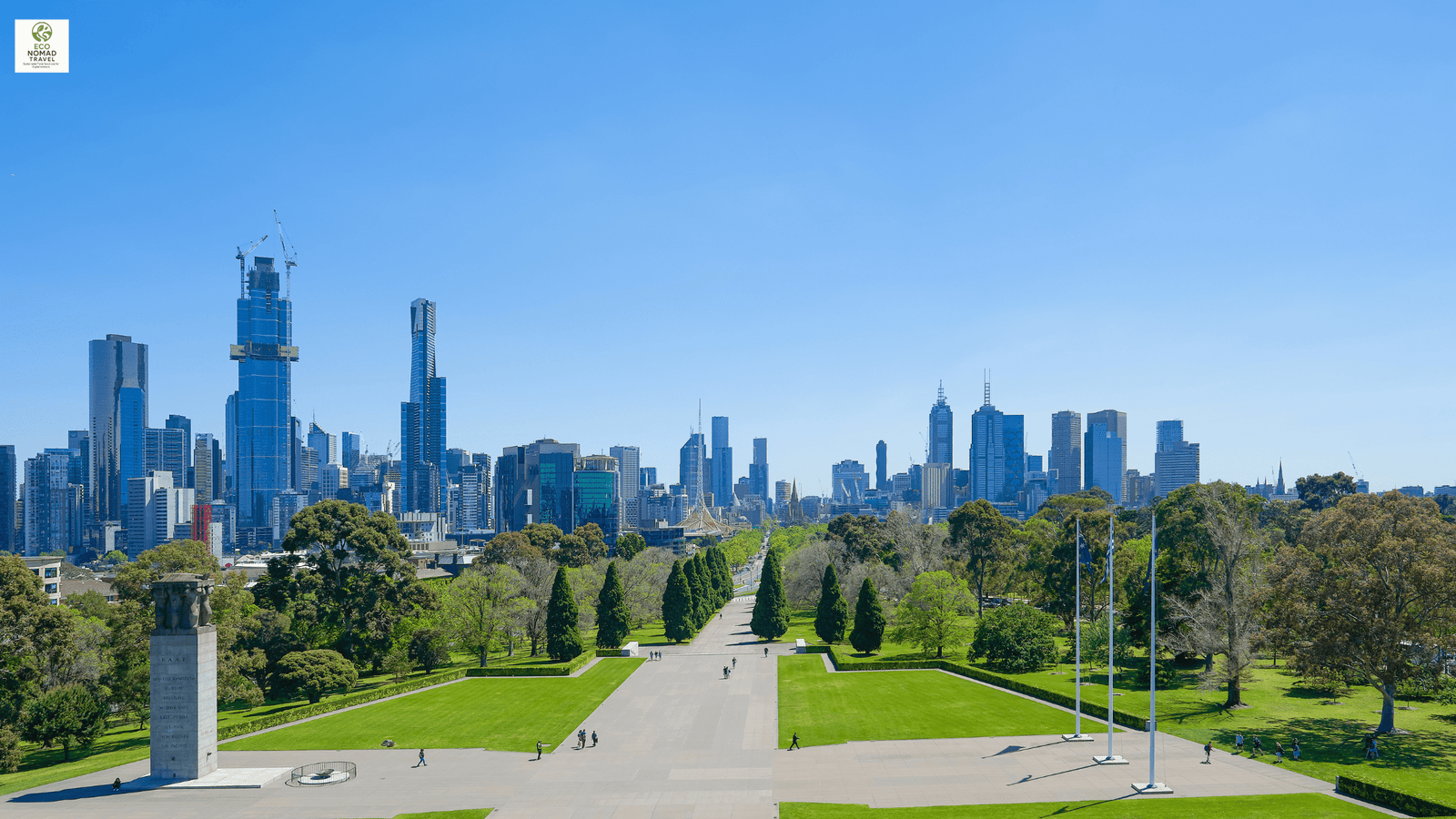
Melbourne, Australia
Melbourne combines arts, innovation, and green mobility. Its trams run entirely on renewable energy, while coworking spaces feature recycled interiors and rooftop gardens. With friendly locals and eco-conscious cafés, it’s a southern-hemisphere favorite for workation cities 2025 enthusiasts.
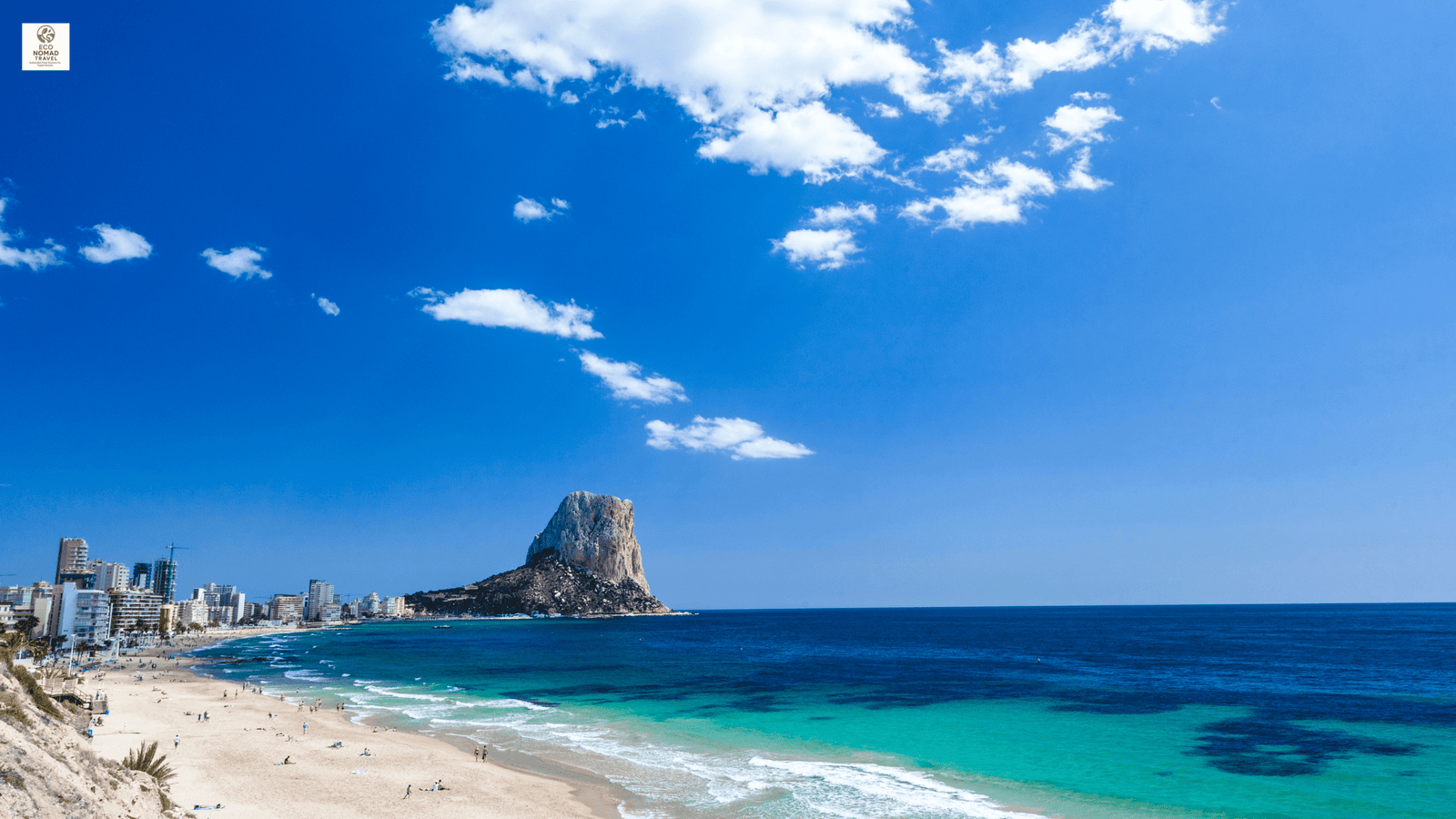
Valencia, Spain
Winner of the EU Green Capital Award, Valencia blends sunny coastal charm with serious sustainability. Its solar coworking spaces, farmers’ markets, and restored green belts make it one of the most livable digital nomad eco cities in Europe.
Eco-Friendly Coworking Spaces & Remote Hubs
Across the globe, eco-minded coworking hubs are redefining the workplace. Instead of sterile offices, digital nomads now gather in repurposed warehouses, bamboo pavilions, and solar-lit studios. These spaces emphasize wellness and circular design — recycled materials, natural airflow, plant walls, and plastic-free cafés.
Leading examples include Outpost Bali in Ubud — a solar-powered jungle coworking space where composting and meditation share equal priority — and Impact Hub Berlin, a climate-neutral office designed with circular-economy materials. Even larger chains like WeWork have begun adopting green certifications, signaling an industry-wide transformation toward sustainability.
For connectivity, digital nomads rely on eSIM solutions such as Airalo or Yesim, both of which minimize plastic SIM waste and provide instant activation in over 190 countries.
Remote Eco Retreats & Nature-Based Workations
Beyond urban coworking, a parallel movement is blossoming in the wilderness. From Costa Rica’s rainforest eco-lodges to Spain’s off-grid fincas, remote eco retreats combine deep work with digital detox. These sanctuaries are built from bamboo, powered by solar energy, and designed to leave virtually no carbon trace.
Work-retreat hybrid programs in regions such as Bali, Portugal, and the Azores integrate yoga, permaculture, and entrepreneurship. For ocean-bound nomads, consider Searadar Yacht Rentals for electric-assisted sailing adventures that connect productivity with blue-planet stewardship.
Need comfortable, planet-friendly gear? Explore curated eco travel goods on Amazon — lightweight solar chargers, reusable bottles, and biodegradable packing cubes that simplify conscious mobility.
Living the Change: Inside the Human Side of Digital Nomad Eco Cities
Behind every policy, coworking hub, and solar-powered café in digital nomad eco cities are people rewriting what it means to live well. Sustainability isn’t an abstract concept in these places—it’s personal. Residents notice the difference in their lungs, their commutes, and even their conversations. Because when your morning coffee comes from a farmer you met, and your Wi-Fi runs on sunshine, work starts to feel like participation rather than consumption.
Transitioning to this lifestyle begins with small choices. Many remote workers start by downsizing belongings before moving abroad, discovering that fewer possessions often equal more mobility and mental space. Soon, minimalism stops being a constraint and becomes a quiet luxury. Instead of collecting souvenirs, eco-nomads collect routines—morning bike rides, market days, or sunset calls with family—that tie them to place without anchoring them permanently.
Designing Cities That Nurture People, Not Just Profits
City planners in Copenhagen, Barcelona, and Melbourne have learned that digital professionals thrive in the same environments locals do: clean air, green spaces, and predictable infrastructure. Consequently, the most successful eco-cities design from the ground up for livability. They focus on walkable neighborhoods, universal public transport passes, and local entrepreneurship zones that attract remote talent without displacing residents.
Interestingly, these urban improvements ripple far beyond nomads. When bike lanes appear, so do safer streets for children. When cafés adopt zero-waste systems, municipal waste output drops for everyone. This demonstrates a crucial truth for policymakers: sustainability doesn’t just appeal to travelers—it strengthens cities for those who never leave.
Digital Storytelling as Environmental Action
Modern nomads are also content creators, whether consciously or not. Every photo, vlog, or blog post becomes a piece of environmental storytelling. When creators highlight recycling programs in Amsterdam or slow-food movements in Chiang Mai, they normalize eco-conscious living for global audiences. Social media can be performative, yes—but it can also be transformative. By celebrating local initiatives instead of luxury, creators shift the algorithmic spotlight toward sustainability.
Eco Nomad Travel actively encourages this type of responsible storytelling. Travelers who document positive impact experiences help small communities gain visibility without the extractive marketing budgets of major tourist boards. Ethical content creation thus becomes part of the circular economy of awareness.
Mentorship, Community, and the New Nomadic Ethic
Another under-discussed dimension of digital nomad eco cities is mentorship. As more professionals work remotely, inter-generational skill-sharing has become a quiet revolution. Retired engineers advise start-ups in exchange for language lessons; yoga instructors trade wellness sessions for website design. These symbiotic exchanges cultivate belonging in ways that transient travel never could.
Moreover, coworking communities have matured into mentorship ecosystems. Places like Impact Hub Lisbon or Dojo Bali now host “regenerative living” workshops where members learn composting, urban gardening, and financial literacy side by side. The effect is cumulative: productivity rises, loneliness falls, and participants leave each city with deeper emotional intelligence about sustainability.
The Science of Staying Longer
Psychologists studying mobility trends note that people who remain in one eco-city for at least three months report higher levels of life satisfaction and focus. This phenomenon, called the “adaptation plateau,” suggests that once travel novelty fades, meaningful habits finally take root. From a climate perspective, staying longer is also the simplest emission-reduction strategy available to any traveler. Each skipped flight represents tangible progress.
Governments are responding accordingly. Estonia’s e-Residency, Portugal’s long-stay visa, and Costa Rica’s sustainability-linked tax incentives reward those who commit to slow travel. As more policies follow, eco-cities may soon replace tourist hotspots as the new centers of global mobility.
Digital Nomad Eco Cities: Redefining What It Means to Belong
In the end, sustainability thrives on relationships—between humans, between species, and between choices. The best digital nomad eco cities remind us that success is no longer measured by how far we go, but by how gently we arrive. And as these ideas spread, the line between “traveler” and “citizen of the world” continues to blur, one mindful relocation at a time.
The Rise of Sustainable Workation Culture
The term workation — once dismissed as a buzzword — has matured into a cultural phenomenon. In 2025, nearly 35 % of global remote workers plan to take a blended “work + travel” trip lasting more than 30 days. Yet as mobility increases, so do ethical questions: How can nomads minimize their footprint while maximizing local benefit?
Sustainable workation culture revolves around four principles: slowness, stewardship, connection, and contribution. Staying longer reduces flight emissions and fosters genuine community ties. Many eco-cities now offer volunteer exchange programs or discounted coworking for those participating in local sustainability projects.
1. Slowness Over Speed
Choosing a single base for months instead of weeks dramatically cuts travel emissions. Platforms like Stay Kula or Nomad Residency promote slow mobility by linking remote workers with eco-certified long-stay rentals.
2. Stewardship Through Habits
Modern nomads are embracing personal carbon accounting. Apps such as AWorld or Klima track daily impact, while communities organize beach cleanups and tree-planting days. This emerging ethic turns the digital nomad lifestyle into a driver of climate action.
3. Connection with Local Culture
Eco-cities thriving in 2025 all share one trait: respect for local heritage. Projects in Kyoto, Medellín, and Cape Town integrate cultural immersion into coworking memberships, encouraging nomads to learn language basics and support family-run businesses rather than global chains.
4. Contribution to Regeneration
Some nomads go beyond neutrality into regeneration — actively restoring ecosystems. In Portugal’s Algarve, remote professionals collaborate with nonprofits rewilding abandoned farmland. Similar initiatives appear in Costa Rica and Bali, blending skill-sharing with environmental restoration.
Together, these principles mark the maturation of the digital nomad ethos — from self-optimization to planetary cooperation.
“The next evolution of digital nomadism isn’t about escaping the system — it’s about redesigning it. Sustainable nomads become catalysts for global regeneration, proving that freedom and responsibility can coexist.”
— Jeremy Jarvis, Founder of Eco Nomad Travel
How Digital Nomad Eco Cities Are Redefining Global Mobility
To truly understand why digital nomad eco cities matter, we need to look at the intersection of technology, climate awareness, and lifestyle design. During the 2010s, most remote workers measured success in air miles. Today, they measure it in impact. Each city in this movement functions not merely as a destination but as a living laboratory for sustainability — a place where policies, culture, and innovation blend into one ecosystem.
At the core of this transformation lies a shift in values. Remote professionals are increasingly aware that freedom without responsibility can no longer define modern nomadism. As more people adopt location-independent careers, the world’s most forward-thinking cities are rewriting the rules of urban living. They’re replacing short-term tourism infrastructure with long-term regenerative design.
From Carbon Offsetting to Carbon Literacy
Not long ago, “eco travel” often meant paying for offsets while continuing business as usual. However, today’s digital nomads are far more informed. They study how their lifestyle shapes local economies, water use, and energy demand. Instead of buying offsets, they practice carbon literacy — understanding exactly how many emissions a flight or streaming session produces and making mindful choices about when and how to move. As a result, eco-cities are investing in tools that allow residents to visualize their personal environmental data in real time.
For example, Helsinki’s “City Carbon Dashboard” helps workers calculate emissions by activity, while Singapore’s smart-grid apps reward residents who reduce energy consumption during peak hours. This kind of feedback loop turns sustainability from an abstract goal into a daily habit. Furthermore, it inspires digital nomads to carry these values across borders, amplifying change beyond city limits.
Community-Led Innovation Inside Digital Nomad Eco Cities
One of the most inspiring aspects of digital nomad eco cities is how innovation often starts at the community level. In Lisbon, remote workers have partnered with locals to create rooftop gardens that feed nearby cafés. In Tallinn, coders volunteer their time to develop open-source tools that track municipal energy efficiency. And in Bali, collaborative hubs like Green School blend education, entrepreneurship, and ecology to cultivate the next generation of global citizens.
These examples demonstrate that sustainability doesn’t emerge from policy alone — it grows from connection. When digital nomads invest their time and skills locally, cities benefit from an influx of ideas while nomads gain a sense of belonging. This symbiotic relationship turns each eco-city into a microcosm of global cooperation.
Health, Well-Being, and Purpose-Driven Design
Equally important, sustainability extends to human health. Many of the world’s most admired eco-cities integrate well-being into urban planning. Parks are within walking distance of nearly every neighborhood, and bike-share programs replace the need for cars. These environments naturally promote movement, reduce stress, and spark creativity — qualities that remote workers often lose in sedentary lifestyles.
Moreover, coworking spaces are rethinking interior design. Biophilic elements like plants, natural textures, and open airflow have been shown to improve focus and emotional stability. Consequently, nomads working in these environments often report higher productivity and a stronger connection between mental clarity and ecological balance.
Creating Eco-Inspired Workspaces at Home
For those seeking to replicate that feeling at home, lightweight air-purifying devices, standing desks made from recycled materials, and noise-canceling headphones sourced responsibly (see eco travel goods on Amazon) can make any workspace more harmonious.
Inclusivity and Equity in Sustainable Nomadism
Although sustainability often focuses on the environment, genuine progress must include social equity. Therefore, cities aspiring to attract remote workers responsibly are creating programs that ensure locals benefit directly. For instance, Mexico City and Lisbon have both introduced tax incentives for businesses that hire local talent rather than importing entire remote teams. Similarly, Medellín’s “Digital Equity Labs” train young residents in remote-work skills, ensuring that global nomadism uplifts rather than displaces local economies.
By incorporating social responsibility, digital nomad eco cities become engines of opportunity instead of engines of gentrification. This inclusivity aligns perfectly with the broader goals of the Global Ecotourism Network, which emphasizes sustainable development that benefits both visitors and residents.
Technology as an Enabler of Conscious Mobility
Finally, the digital layer underpinning these cities deserves recognition. Cloud platforms, AI assistants, and decentralized finance tools now allow professionals to live borderlessly while remaining accountable. Remote work management systems automatically calculate energy footprints; blockchain projects trace supply chains for ethical sourcing. Even public Wi-Fi networks in eco-forward nations like Estonia and Sweden use renewable energy credits.
Thus, technology — once blamed for isolation and overconsumption — is being repurposed to enable conscious mobility. The same apps that schedule work tasks can now schedule carbon-neutral transit. The same cloud infrastructure that powers global business also powers green data centers cooled by the sea.
Digital Nomad Eco Cities: From Transience to Stewardship
Ultimately, this convergence of ethics, technology, and design points to a future where “digital nomad” no longer implies transience but stewardship. These cities remind us that sustainability is not a static checklist — it’s a living culture of care, curiosity, and co-creation. And as more people choose mindful movement over mass tourism, the ripple effects may redefine how humanity inhabits the planet itself.
In short, the story of digital nomad eco cities is the story of possibility — of humans learning to live lighter, connect deeper, and innovate with empathy. Whether in Lisbon’s sun-washed coworking cafés or Reykjavik’s geothermal hubs, each decision toward sustainability becomes an act of leadership. Every traveler who chooses purpose over convenience contributes to the world’s slow and steady transformation.
Key Takeaways
- Digital nomad eco cities 2025 prioritize renewable energy, bike infrastructure, and community-driven innovation.
- Slow, long-term travel is the most sustainable way to live and work abroad.
- Eco-friendly coworking and retreats integrate wellness with productivity.
- Use renewable transport: trains, ferries, electric rentals, or shared rides via Kiwitaxi and Welcome Pickups.
- Support verified programs like those recognized by the Global Ecotourism Network to ensure ethical tourism standards.
You May Also Like
Explore other long-form eco-travel guides from our sustainability library:
Continue Your Eco Nomad Journey
Explore the rest of the Digital Nomad Eco Cities Cluster for 2025 and beyond:
Frequently Asked Questions
What makes a city eco-friendly for digital nomads?
Cities that use renewable energy, promote public transit or cycling, and offer coworking spaces built from sustainable materials are considered eco-friendly. They also balance tourism with local wellbeing.
How can digital nomads reduce their carbon footprint while traveling?
Stay longer in each destination, choose train or ferry travel over flights, offset carbon responsibly, and use reusable gear. Many rely on eSIMs from Airalo and Yesim to cut plastic waste.
Are eco visas different from regular digital-nomad visas?
Some countries integrate sustainability requirements—such as local contributions or extended minimum stays—to qualify as eco visas, encouraging deeper cultural and environmental engagement.
What is the most sustainable transport option for nomads in Europe?
Night trains and high-speed rail are the greenest ways to move between European eco cities. Explore routes in our Night Trains Europe 2025 guide.
🌿 Sustainable Work & Accommodation
5. Which coworking spaces have sustainable design?
Spaces like Outpost Bali, Impact Hub Berlin, and Lisbon’s Second Home use solar panels, recycled interiors, and natural light to reduce energy use.
How can I find eco-certified accommodation?
Look for hotels verified by the Global Sustainable Tourism Council (GSTC) or book through partners like Trip.com that list certified eco-stays.
Are digital nomad eco cities more expensive?
Not always—cities like Chiang Mai and Lisbon remain affordable while offering strong green infrastructure. Cost depends on lifestyle and visa length.
What equipment helps travel sustainably?
Lightweight laptops, solar chargers, collapsible bottles, and ethical luggage—see our eco travel goods on Amazon list.
How can nomads give back to local communities?
Volunteer with conservation or language-exchange programs, buy locally, and promote small eco-businesses through digital skills or reviews.
💰 Sustainable Finances & Ethical Tools for Nomads
Are there eco-friendly banking or finance options?
Yes. Online banks such as Aspiration Bank or Tomorrow Bank invest only in sustainable projects and offer carbon-tracking tools for users.
Which Asian destinations are leading sustainability?
Japan’s Kyoto, Indonesia’s Bali, and Singapore’s Green Plan 2030 make them standout Asian eco-cities for digital professionals.
How can I ensure reliable internet in rural eco retreats?
Use global eSIMs like Yesim for backup connectivity and portable routers powered by solar chargers.
What’s the best season to visit eco cities?
Travel off-peak—spring or autumn—to reduce overtourism pressure while enjoying mild weather and lower prices.
Are ferries and yachts sustainable travel modes?
When powered by hybrid or electric engines, yes. Platforms like Searadar promote lower-emission sailing routes.
✈️ Travel, Visas & Smart Green Cities
Do eco cities support long-stay digital nomad visas?
Many—like Portugal, Estonia, and Costa Rica—offer extended visas that encourage responsible, slow travel lifestyles.
What are “smart green cities”?
These cities integrate IoT technology with renewable grids—examples include Tallinn, Singapore, and Amsterdam—optimizing waste, traffic, and energy systems in real time.
How do I measure my travel emissions?
Use calculators from organizations such as the UN Carbon Offset Platform or apps like Klima to track and offset your footprint.
What local habits support sustainability abroad?
Bring reusable utensils, avoid single-use plastics, respect dress codes, and learn eco-friendly waste-sorting practices in each region.
Which insurance options cover sustainable travel?
Companies like SafetyWing and Heymondo now include eco travel extensions—covering cycling injuries and extended remote stays.
How can I join the global eco nomad community?
Join online groups like the Sustainable Nomads Collective or attend digital-nomad conferences focusing on green innovation.