

Sustainable travel is not just about where you sleep or how you move. For digital nomads in 2025, the tech you carry is just as important. Laptops, routers, chargers and power stations all draw energy, and together they shape how practical carbon-neutral travel really feels.
Why Eco-Friendly Gear Matters for Digital Nomads in 2025
In the cornerstone guide, Carbon Neutral Travel in 2025: The Complete Guide, we zoomed out and looked at the entire system: transport, lodging, habits and emissions. This EcoTech guide zooms in on one crucial layer of that system: the tools that make digital nomadism sustainable. Think of it as your blueprint for a lean, low-impact tech stack in 2025.
Key Takeaways: EcoTech for Digital Nomads in 2025
- Choose low-energy laptops that deliver long battery life on minimal wattage.
- Use solar panels, power stations and power banks to run your work from renewables.
- Keep a minimal tech stack instead of chasing every new gadget.
- Leverage eSIMs and cloud tools to reduce waste and simplify logistics.
- Connect your tech choices with eco travel kits, off-grid cabins, and carbon-neutral routes for a complete low-impact lifestyle.
Affiliate disclosure: Some of the links in this guide are affiliate links to partners like Amazon and Trip.com. If you book or buy through them, Eco Nomad Travel may earn a small commission at no extra cost to you. I only recommend gear and stays that I’d genuinely trust for long-term, low-impact digital nomad life.
Why Sustainable Tech Matters for Digital Nomads
Every digital nomad needs a basic stack: laptop, phone, chargers, maybe a camera and a small router. On their own, these items do not look very energy-intensive. However, as trips get longer and work becomes fully remote, your tech choices shape how often you charge, which power sources you rely on, and how much e-waste you create.
In Low-Impact Travel Habits, we talk about decisions that compound over time. Tech is exactly like that. A laptop that uses less power needs fewer charges from the grid. A good solar panel can keep your office running from a rooftop or campsite. A durable bottle prevents endless plastic purchases while you move between sustainable digital nomad hubs.
For digital nomads who want to reduce their footprint, sustainable tech is about more than “green” branding. It means choosing low-energy devices, repairing gear instead of replacing it, and building a remote work setup that runs well on trains, in eco lodges and at off-grid cabins. The right eco friendly digital nomad gear makes it easier to say yes to night trains, tiny homes and slower, low-carbon routes.
Low-Energy Laptops for Digital Nomads Working Remotely
Your laptop is still the core of your mobile office. For sustainable nomads, the goal is straightforward: maximise battery life per watt while keeping performance strong enough for your real work. Thin, efficient machines also travel better on trains and buses and fit easily into minimalist packing lists.
For most digital nomads, that means choosing a low-energy laptop over a heavy gaming machine. Models like the MacBook Air M2 or M3 deliver long battery life, quiet performance and enough power for writing, browser work, calls and light creative tasks. Because they draw less power, they work beautifully with solar chargers, portable power stations and compact wall adapters.
When you evaluate laptops, look beyond marketing names and check practical details: battery capacity, real-world battery tests, USB-C charging support and weight. A good digital nomad laptop should charge quickly from a small power bank, fit comfortably on a night-train table, and run cool in warm climates. Those details matter more for remote workers than raw benchmark scores.
You can find more ideas in the wider digital nomad essentials and packing guides on Eco Nomad Travel, where low-energy laptops sit alongside eco travel kits, reusable bottles and other sustainable digital nomad gear that supports long-term, low-impact travel.

MacBook Air M2 (Renewed): Low-Energy Daily Driver
For most eco-conscious digital nomads, a 13-inch MacBook Air with M2 chip is the easiest way to cut power use without sacrificing performance. The Apple Silicon architecture is extremely efficient, which means fewer charges and smaller power needs at off-grid cabins and train stations.
Choosing a renewed model also keeps hardware in circulation and reduces demand for new production. You get the speed and battery life of an M2 machine, but in a more resource-friendly package.
- Excellent performance-per-watt for writing, browsing and creative tasks.
- Fanless design that runs cool in tiny rooms and cabins.
- 13-inch size that fits night-train tables and coworking desks.
View Renewed MacBook Air M2 on Amazon →
If you want the latest generation of efficiency, the renewed MacBook Air with M3 chip goes further with all-day battery life and a bright Liquid Retina display.
Whichever model you choose, pair your laptop with low screen brightness, a minimalist app setup and offline-first tools. These small decisions stretch each charge, which matters when you are working from European night trains, solar-powered cabins or budget hostels.
Solar Panels, Power Stations and Power Banks
Once your laptop is efficient, the next step is thinking about where your energy comes from. Solar panels, power stations and compact power banks help you move away from grid-only charging and diesel generators.
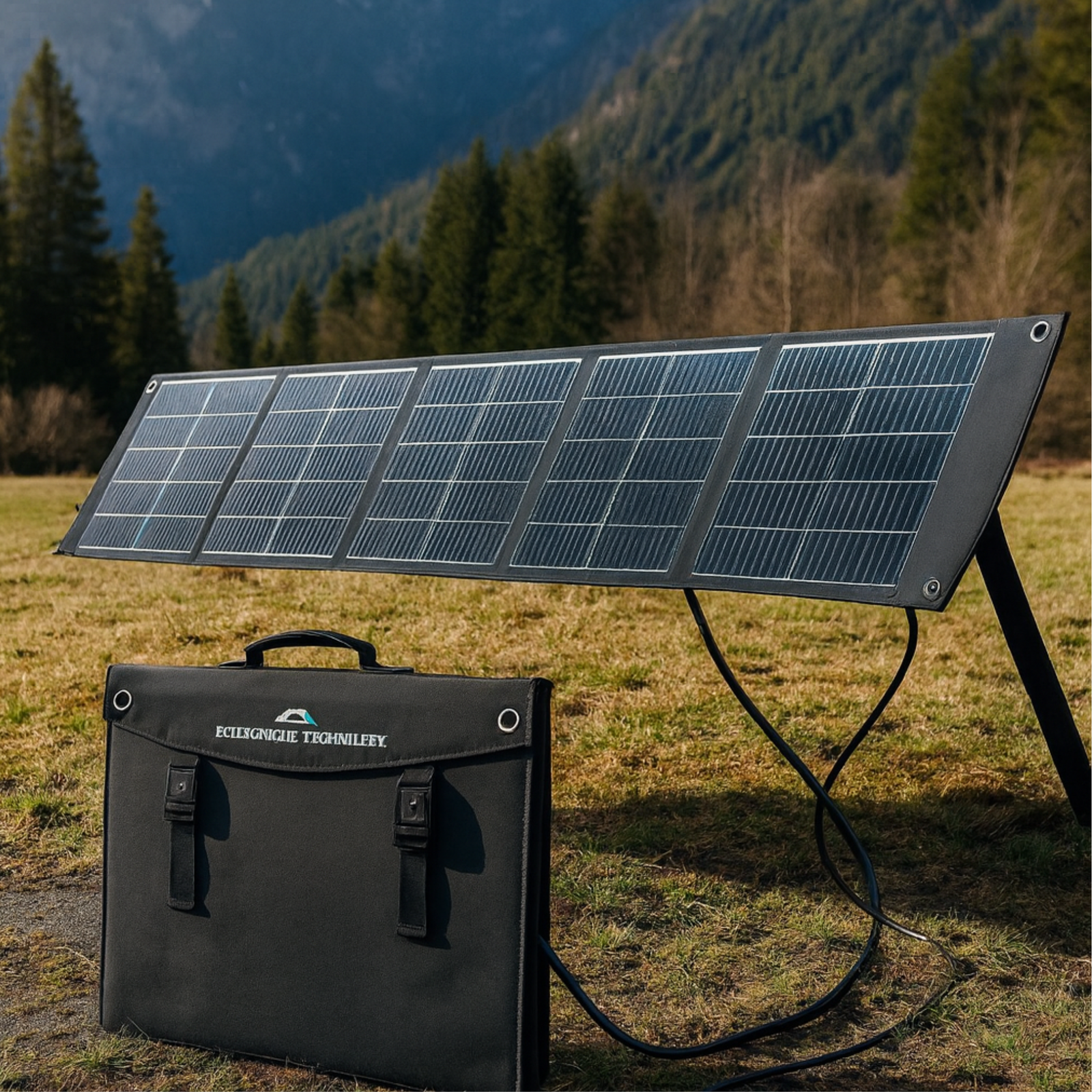
Ecosonique 200W Portable Solar Panel: Clean Power for Basecamps
For longer stays at eco cabins or rural colivings, a foldable 200W solar panel can keep your entire setup running on sunlight. The Ecosonique panel folds down small, hangs from vans or tents and uses kickstands to catch better angles.
Multiple outputs, including MC4, XT60 and USB-C PD, let you charge laptops, power stations and phones from the same panel. It is a strong companion for extended stays in the kind of places we highlight in Best Off-Grid Lodging Options for Eco Nomads.
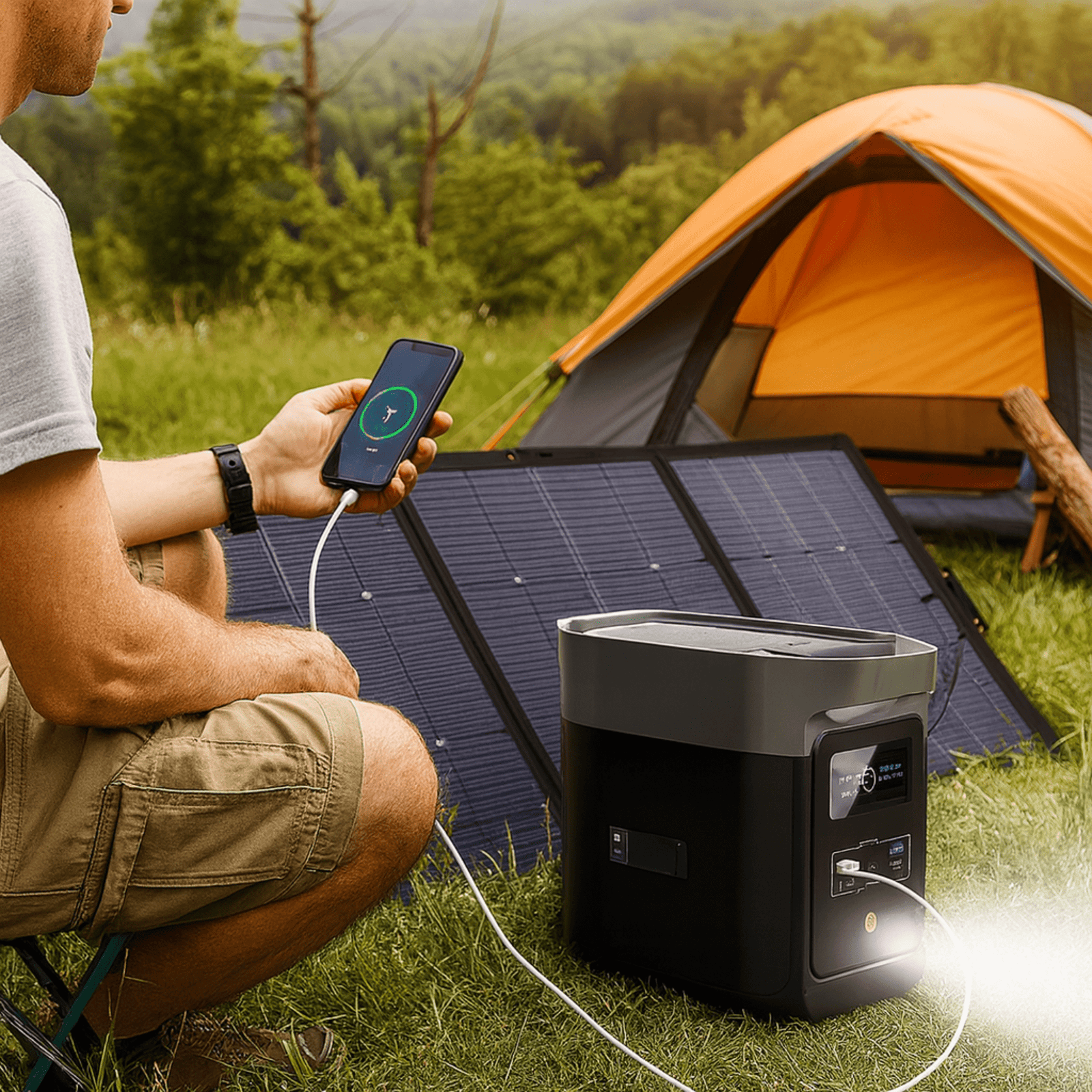
Solar Generators and Power Stations
A compact solar generator or power station bridges the gap between a simple power bank and a full off-grid system. It stores more energy, runs at higher wattage and can charge laptops multiple times.
Units like the EcoFlow DELTA series pair well with foldable panels, especially for stationary basecamps in cabins, vans or tiny homes. For lighter trips, a smaller option like the MARBERO 88Wh power station can handle phones, lights and occasional laptop top-ups.
- Use large stations for multi-device setups and coliving spaces.
- Carry smaller ones for weekend retreats and short rail trips.
- Always check airline rules when flying with bigger batteries.
Explore EcoFlow Solar Generator Options →
For a more compact backup, the MARBERO 88Wh portable power station is enough for phones, cameras and small accessories.

Rugged Solar Power Banks for Everyday Use
You will not always want a full power station. On city days and short hikes, a rugged solar power bank covers the basics. Models like the WONGKUO 49,800mAh bank combine wired and wireless charging with a built-in flashlight and water-resistant casing.
Keep it clipped to your daypack or cabin window so it soaks up background sunlight. Then top it up from outlets or your main solar panel whenever you can. That way, you always have emergency power for navigation, eSIM apps and offline maps.
Bottles and Small Gear That Support Your Tech
It might sound strange to discuss bottles in a tech guide. However, hydration and comfort determine how long you can stay in deep work. Reusable bottles also pair nicely with your charging habits and off-grid stays.

Reusable Stainless Steel Bottles
A durable stainless steel bottle keeps water cold on hot coworking days and warm on chilly sunrise trains. Packs like the VEGOND 17oz set work well for couples, coliving spaces and basecamps where you rotate gear between people.
For solo travel, a single 34oz Triple Tree stainless bottle gives you plenty of capacity for remote beaches and forest trails.
Combine bottles with the reusable kit from Eco Travel Kit 2025: Essentials Every Nomad Needs. Bamboo cutlery, solid toiletries and small containers cut plastic waste in cafés, trains and eco lodges, which keeps your daily routine aligned with the carbon-neutral choices from the cornerstone guide.
eSIMs, Routers and Low-Impact Connectivity for Digital Nomads
Connectivity is another invisible part of your tech footprint. SIM cards, roaming plans and local routers all create extra plastic, shipping and admin. Fortunately, eSIMs and lightweight routers make this much smoother.
For most eco nomads, global eSIM providers such as Airalo and Yesim are enough for day-to-day travel. You install the app, download a regional eSIM, top it up from your laptop and avoid swapping physical SIMs at every border.
When you stay longer in one country, it can still be worth picking up a local SIM to keep costs low. However, even then, running most of your connectivity through a compact travel router or phone hotspot keeps your hardware simple and your packing list light.
Designing a Lean, Sustainable Tech Stack
Sustainable tech is not about owning every eco gadget. It is about carrying exactly what you use often and nothing else. That way, your bag stays light, your mind stays clear and your power system stays simple.
A basic, lean stack for 2025 might look like this:
- One low-energy laptop (MacBook Air M2 or M3).
- One phone with global eSIM apps installed.
- One rugged solar power bank and one compact wall charger.
- Optional: one portable power station for off-grid cabins.
- One or two reusable stainless bottles plus a small eco travel kit.
You can expand this with cameras, microphones or external screens if your work requires them. Just evaluate each item against your real daily use and the carbon-neutral strategy you laid out using the step-by-step carbon-neutral travel guide.
How Digital Nomads Can Improve Their EcoTech Setup Over Time
Your tech setup should evolve with your routes and your work, not with every product launch. The simplest way to keep it sustainable is to treat it as a living system and review it on a regular schedule.
Run Post-Trip Tech Audits
After each major trip, ask three quick questions. Which items did you use every day? Which ones stayed at the bottom of your bag? Which devices felt hard to power? Keep the essentials, remove dead weight and adjust your solar or power capacity accordingly.
Match Tech to Itineraries
You may not need a full solar generator for a month in Copenhagen, but it becomes very useful for two months in a remote cabin. Align your gear with the lodging and transport strategies from the off-grid lodging guide and the main carbon-neutral travel hub.
Use Evidence, Not Hype
When you consider a new gadget, look past the marketing. Check power draw, real-world battery tests and durability. Then ask whether it supports the low-impact habits outlined in Sustainable Travel Guide 2025. If it does not clearly reduce waste, energy or friction, you probably do not need it.
A Digital Nomad EcoTech Mindset for 2025
For many digital nomads, sustainability starts with flights and accommodation. Yet your daily remote work setup also matters. Every watt your laptop uses, every charge your phone needs and every extra gadget in your backpack adds up over months of travel. A modern digital nomad who cares about climate impact needs a clear EcoTech mindset: fewer devices, longer lifespans and smarter charging habits.
Research from organisations like the International Energy Agency shows that information and communication technology already accounts for a meaningful and growing share of global electricity use. That means low-energy laptops, efficient chargers and portable solar panels are not just cool gear; they are practical tools for cutting the invisible emissions behind your workday. Sustainable digital nomads treat tech as infrastructure, not as disposable lifestyle accessories.
Aligning EcoTech With Your Digital Nomad Lifestyle
A sustainable digital nomad setup starts with honest questions. Where do you actually work most days: trains, cafés, eco lodges, coliving spaces or short-term rentals? How often do you run out of battery? Which pieces of digital nomad gear stay in your bag all month? When you map those patterns, it becomes easier to choose eco friendly digital nomad gear that fits your real life instead of chasing the newest gadgets that only add weight and complexity.
This is where a lean, eco-friendly travel tech kit shines. A single low-energy laptop, one rugged solar power bank, a compact power station for off-grid weeks and a simple eSIM setup cover most situations for digital nomads in 2025. Everything else is optional. By designing your tech stack around realistic use instead of marketing hype, you cut costs, reduce e-waste and support your long-term carbon-neutral travel goals.
Turning EcoTech Choices Into Daily Digital Nomad Habits
The final step is turning good intentions into repeatable habits. Digital nomads who travel sustainably do small things consistently: dimming screens, closing heavy apps, charging during sunny hours when solar panels are most effective and sharing power stations in coliving spaces. They back up data to the cloud instead of hoarding external drives, repair devices when possible and buy renewed hardware before considering brand-new models.
Over time, these habits become part of your identity as a digital nomad. You stop thinking of “eco tech” as a special category and start seeing it as the default. Your laptop, solar charger, eSIMs and eco travel kit all work together, supporting the low-impact travel patterns described in your Carbon Neutral Travel in 2025 cornerstone guide and the step-by-step carbon-neutral travel checklist. That alignment is what Google, and more importantly real readers, recognise as genuine expertise and experience in sustainable digital nomad life.
Further Reading & Sustainable Work Resources
To go deeper into low-impact travel and sustainable digital nomad life, explore these related guides on Eco Nomad Travel:
EcoTech 2025 FAQ for Digital Nomads
Have more questions about sustainable digital nomad gear? These quick answers cover the most common doubts about laptops, solar power and everyday eco tech on the road.
Low-Energy Laptops and Workflows
Do I need to switch to a MacBook Air to be a sustainable nomad?
Not necessarily. Any laptop with strong battery life and low power draw can work. However, Apple Silicon machines are currently some of the most efficient options, which is why they appear often in EcoTech discussions.
Is 8GB of RAM enough for remote work in 2025?
For writing, browsing, email, calls and light creative tasks, 8GB is usually fine. If you edit large video files or run heavy design software, 16GB gives you more headroom and smoother performance.
Solar Panels, Power Banks and Generators
Are solar chargers reliable enough for full-time digital nomads?
Yes, when you match the panel size to your needs and combine solar with regular outlets. Use rugged power banks for daily phone charging, and reserve larger generators for off-grid cabins and longer basecamps.
How big should my power station be for laptop work?
For a single low-energy laptop and a phone, 250–500Wh is usually enough for a few days. If you power multiple devices, lights and a router, a 1kWh unit or larger offers more flexibility.
Can I fly with solar generators and big batteries?
Airlines limit battery capacity in carry-on and checked luggage. Always check current airline rules and keep large batteries within allowed watt-hour limits to avoid airport issues.
Connectivity, eSIMs and Data
Are eSIMs better for the environment than physical SIM cards?
eSIMs avoid plastic cards, packaging and some shipping. The impact is small compared with flights and lodging, but over many trips it still reduces waste and clutter.
Which is better for nomads: global eSIMs or local SIM cards?
Global eSIMs are more convenient for fast trips and multi-country routes. Local SIM cards usually offer cheaper data for long stays. Many nomads use a mix of both across the year.
Minimalism, Gear Choices and Budget
Is it really sustainable to buy new eco gadgets?
The most sustainable approach is to extend the life of gear you already own. Upgrade only when your current tools fail, cannot be repaired or block your low-impact travel plans.
Can I build a sustainable tech stack on a tight budget?
Yes. Start with a renewed laptop, one good power bank, one bottle and a simple eSIM setup. Add solar panels or power stations later, once you know your routes and work patterns.
How often should I review my EcoTech setup?
A quick audit after each big trip is enough. Remove unused devices, repair what you can and only upgrade when it clearly supports carbon-neutral, low-stress travel.
Ready to Build Your Own EcoTech Setup?
Start with one piece at a time. Choose a low-energy laptop, add a rugged power bank, then experiment with solar and eSIMs. As your routes evolve, your gear can evolve with them.
For more ideas on low-impact routes and eco-friendly basecamps, explore the full Carbon Neutral Travel in 2025 guide and the rest of the carbon-neutral cluster.
Join the Sustainable Work Movement
Eco Nomad Travel is all about building a calmer, lower-impact way to work and wander. Follow our boards for fresh ideas on eco cities, night trains, digital nomad gear and slow travel inspiration.
Recent Posts
Best Travel Towels
Quick picks for fast-drying, packable towels that actually work on the road.
Best Waterproof Backpack
What matters for rain, train platforms, and daily carry—without overpacking.
Cheapest Way to Travel to Europe
Budget routes, timing, and practical ways to cut costs without cutting comfort.
How to Travel Europe by Train
Planning tips, rail passes, and simple route strategies for smoother trips.
Best Night Trains in Europe
Top sleeper routes, what to book, and how to avoid common overnight mistakes.
SIM Card for International Travel
Simple guidance on SIM vs eSIM, coverage, and avoiding roaming surprises.



Explore Eco Nomad Travel
📚 Core Guides
🧭 Planning & Logistics
🗺️ Destinations & Seasons
Jeremy Jarvis — founder of Eco Nomad Travel, sustainable travel writer, and advocate for regenerative tourism. His work focuses on low-impact mobility, eco-friendly digital nomad life, and climate-positive travel.
Legal
Affiliate DisclaimerPrivacy Policy
Terms of Service
Image & Media Notice
Cookie Policy
Contact
Affiliate Disclosure: Some links on Eco Nomad Travel are affiliate links, meaning we may earn a small commission at no extra cost to you. This supports our mission to inspire responsible and low-impact travel worldwide.
Connect
✅ Trusted Official Sources
Plan smarter eco trips
Try our free Sustainable Travel Tools for Digital Nomads – carbon calculator, train vs plane comparator, and more.
Open Tools Hub