
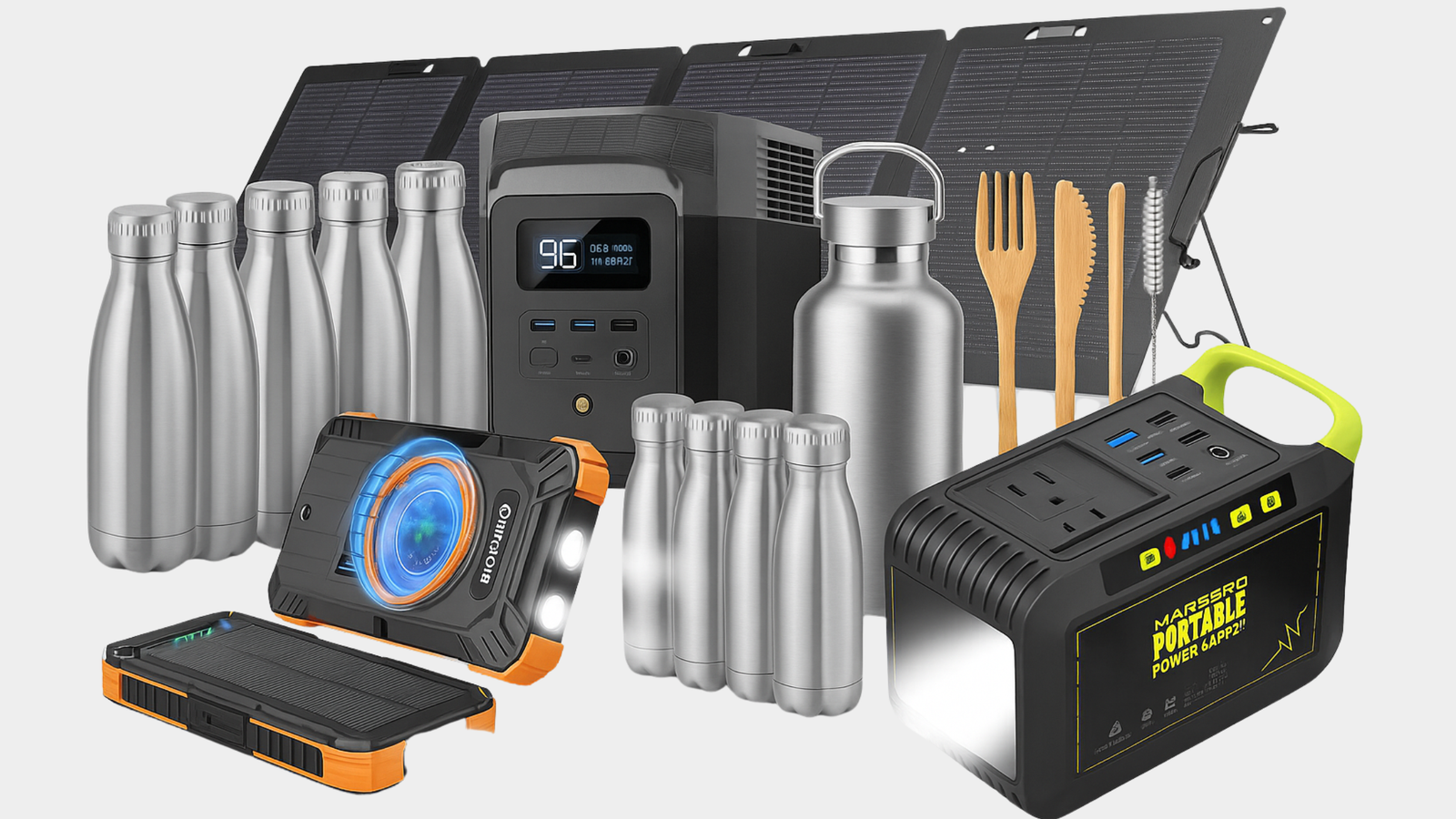
A well-designed eco travel kit keeps your footprint low, your bag light, and your daily routine simple.
Key Takeaways: Building an Eco Travel Kit in 2025
- Your eco travel kit is a reusable, low-waste “system” you carry from trip to trip, not a one-off packing list.
- Focus on a few high-impact categories: hydration, food gear, personal care, power, and digital tools.
- Reusable stainless steel bottles, bamboo cutlery, and biodegradable toiletries cut plastic waste dramatically.
- Solar power banks and compact power stations keep devices running in off-grid cabins, trains, and eco lodges.
- Once your kit is set, packing becomes automatic and it’s much easier to travel close to carbon-neutral.
Why an Eco Travel Kit Matters for Carbon-Neutral Travel
You can book eco lodges, travel by train, and offset the flights you still need. Yet if you buy disposable bottles, cutlery, and mini toiletries every week, your footprint quietly creeps back up. That is where a repeatable eco travel kit comes in: a compact set of gear that makes the low-impact choices the easiest ones.
In the cornerstone guide, Carbon Neutral Travel in 2025: The Complete Guide, we look at the big picture: routes, lodging, habits, and tech. This article zooms in on the physical kit you carry with you. When your bag is dialed in, it becomes natural to drink from your own bottle, eat with your own cutlery, and charge devices from renewable power wherever possible.
How This Fits Into the Carbon-Neutral Travel Cluster
Think of this guide as the gear companion to How to Travel Carbon-Neutral in 2025 and Best Off-Grid Lodging Options for Eco Nomads. Those posts show you where and how to travel. This one focuses on what you carry so you can actually live out your low-impact values day after day.
Core Principles of a 2025 Eco Travel Kit
Before we dive into specific gear, it helps to define the principles behind an eco travel kit. When you get these right, you naturally avoid overpacking, greenwashing, and wasteful impulse buys.
Less but Better: Buy Once, Use for Years
A good eco travel kit is not about buying dozens of new “sustainable” products. It is about a small number of durable, multi-use items that you use every week: one or two bottles, a trusted cutlery set, a compact solar power bank, a few refillable containers. If something will not earn a permanent place in your bag, it probably does not belong here.
Reusable and Repairable Beats Recyclable
Recycling still has a role, but the best wins come from reuse. Stainless steel bottles, bamboo cutlery, and solid shampoo bars avoid single-use plastic entirely. When you do need plastic, choosing refillable bottles and long-lived gear keeps your kit in circulation for years instead of months.
Design for Your Real Travel Pattern
A digital nomad who lives in eco city basecamps and hops on night trains will need a different kit from someone who spends months in off-grid cabins. As you read, keep your own travel pattern in mind. You can always start with the basics and then layer in extra power, backup bottles, or more advanced tech later.
Hydration: Stainless Steel Bottles You Use Every Day
Single-use plastic bottles are still one of the biggest sources of waste on the road. Fortunately, this is also one of the easiest habits to fix. Two or three reusable stainless steel bottles cover almost every situation: day hikes, long train rides, and coworking days.
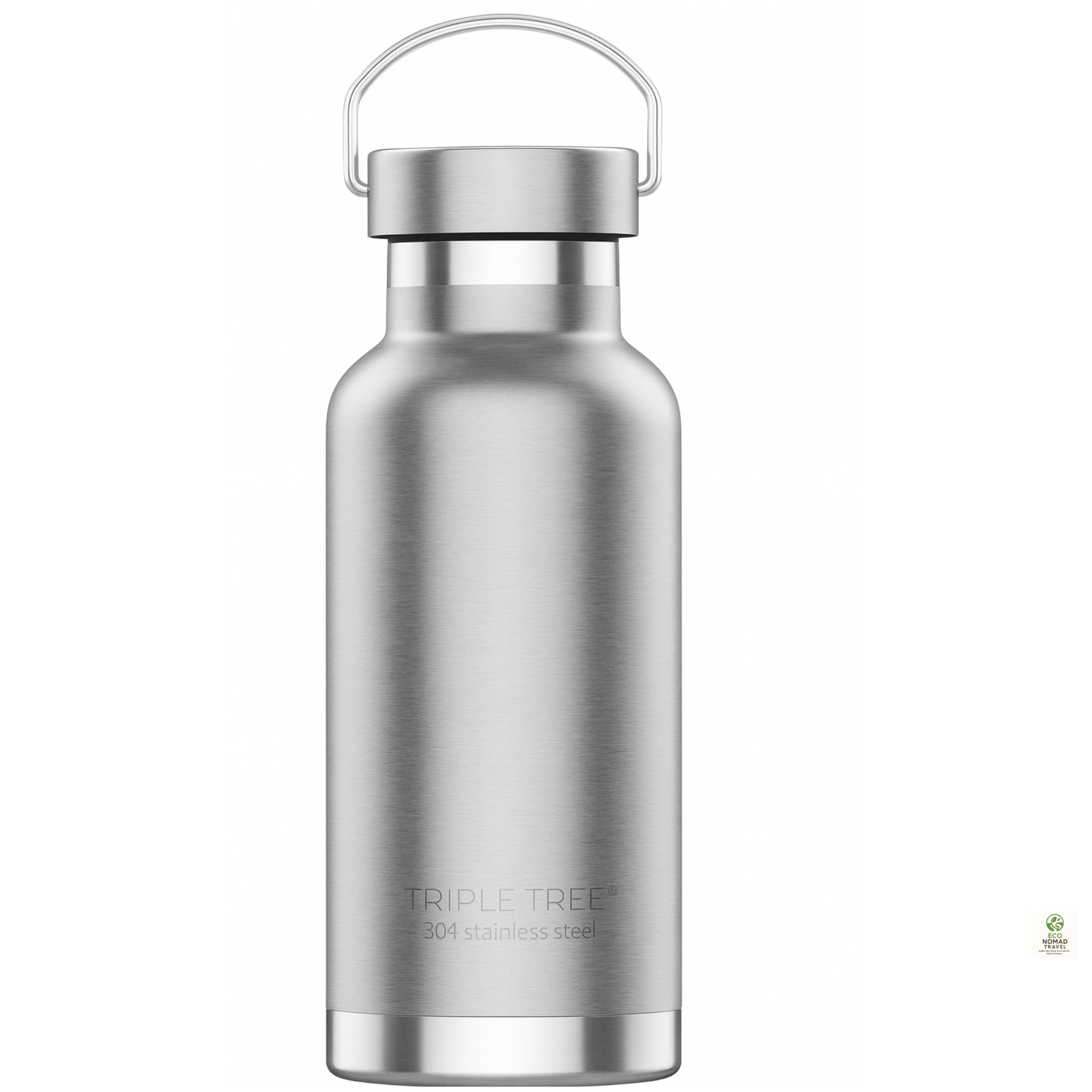
1. TRIPLE TREE 34oz Stainless Steel Bottle: Your All-Day Hydration Anchor
For long travel days or hot climates, a larger bottle is much more realistic than tiny flasks. A 34oz stainless steel bottle like this TRIPLE TREE design keeps water cold for hours, survives years of use, and has a wide mouth that makes refills and cleaning simple.
- Double-wall vacuum insulation keeps drinks cold or hot throughout the day.
- Wide mouth makes it easy to add ice, fruit, or electrolyte powders.
- Leak-proof lid with silicone gasket, so it can ride in your backpack without drama.
- Integrated handle for hikes, gym sessions, and crowded train platforms.

2. VEGOND 17oz Bottle Set: Backup Bottles for Home, Friends and Coworking
If you travel with a partner, keep a home base, or bounce between colivings, an eight-pack of 17oz bottles is surprisingly useful. You can stash one in your daypack, keep another at a coworking space, and still have spares for guests or shared kitchens.
- Food-grade stainless steel, BPA-free and flavor-neutral.
- Vacuum insulation to keep water cold up to 24 hours and hot for 12.
- Powder-coated exterior that resists chips and scratches.
- Slim “cola bottle” shape that fits most backpack and bike-bottle pockets.
Tip: many eco lodges and hostels now provide filtered water refills. Carrying your own bottle turns “is there plastic-free water here?” into a non-issue.
Food Gear: Cutlery, Containers & Coffee on the Road
Reusable food gear keeps you from collecting plastic every time you grab street food, a takeaway salad, or an airport snack. The goal is not to carry a full kitchen, only a few items that remove friction whenever you want to eat without waste.
Bamboo Cutlery and Reusable Straws
A lightweight bamboo cutlery set disappears into your daypack yet replaces hundreds of plastic forks over a year. Most sets include a fork, knife, spoon, chopsticks, and sometimes a straw and cleaning brush.
You can start with a simple set like this: bamboo travel cutlery kit . Pair it with a couple of reusable straws or a collapsible cup if you drink a lot of iced drinks on the go.
Compact Containers and Snack Boxes
One or two small stainless steel containers let you store leftovers, pick up bakery items without bags, or portion out snacks for long buses. They also make it easier to cook in eco lodges or colivings without buying disposable storage every few days.
Personal Care: Biodegradable & Refillable Essentials
Toiletries are a classic source of micro plastic and unnecessary packaging. Fortunately, you can switch much of your kit to solid and biodegradable products without sacrificing comfort.
Solid Shampoo Bars, Soaps and Toothpaste Tabs
Solid bars are lighter, leak-proof, and often come in cardboard instead of plastic. A single bar can replace several mini bottles of shampoo or shower gel. Toothpaste tabs are easy to travel with and help you skip yet another plastic tube.
For a simple starting point, you can explore a curated list of biodegradable personal care products and choose a shampoo bar, soap, and deodorant that fit your skin and climate.
Bamboo Toothbrushes and Brushes
Swapping plastic toothbrushes and cleaning brushes for bamboo versions is an easy win. They feel familiar, travel light, and break down more naturally at the end of their life.
A multi-pack like these bamboo toothbrushes and brushes keeps you stocked for months, even if you lose one on a night train somewhere between Vienna and Prague.
Solar Power & Energy Kit for Off-Grid Eco Nomads
Reliable power is the difference between a romantic off-grid idea and a realistic digital nomad lifestyle. A compact solar charger power bank plus, optionally, a small portable power station lets you keep phones, headlamps, cameras, and laptops running without constantly hunting for outlets.

3. WONGKUO 49,800mAh Solar Charger Power Bank
For most eco nomads, a tough solar power bank is the first power upgrade. This 49,800mAh WONGKUO solar charger combines huge capacity, built-in cables, and wireless charging in one unit, so you can charge almost anything without carrying a tangle of cords.
- High-capacity battery for multiple phone charges between outlets.
- Built-in cables for USB-C, Lightning and Micro-USB, plus USB-A input.
- Wireless charging pad for modern phones when you want a cable-free nightstand.
- IP65 waterproof, shockproof and dust-proof housing for rough trails and boat rides.
- Bright dual LED flashlight with steady, SOS and strobe modes.

4. MARBERO 88Wh Portable Power Station
If you want to go beyond phones and charge cameras, tablets, or small devices from an AC socket, a compact portable power station is a big comfort boost. The MARBERO 88Wh unit stays small enough for carry-on while still powering essential gear in cabins or vans.
- Multiple outputs: AC outlets, DC car port, USB and USB-C PD ports.
- Can run phones, tablets, small laptops, projectors and mini-fridges in a pinch.
- Weighs about 3.2 lbs with an ergonomic handle for easy carrying.
- Large integrated LED light with multiple brightness levels and SOS mode.
- Battery management system for voltage and temperature protection.
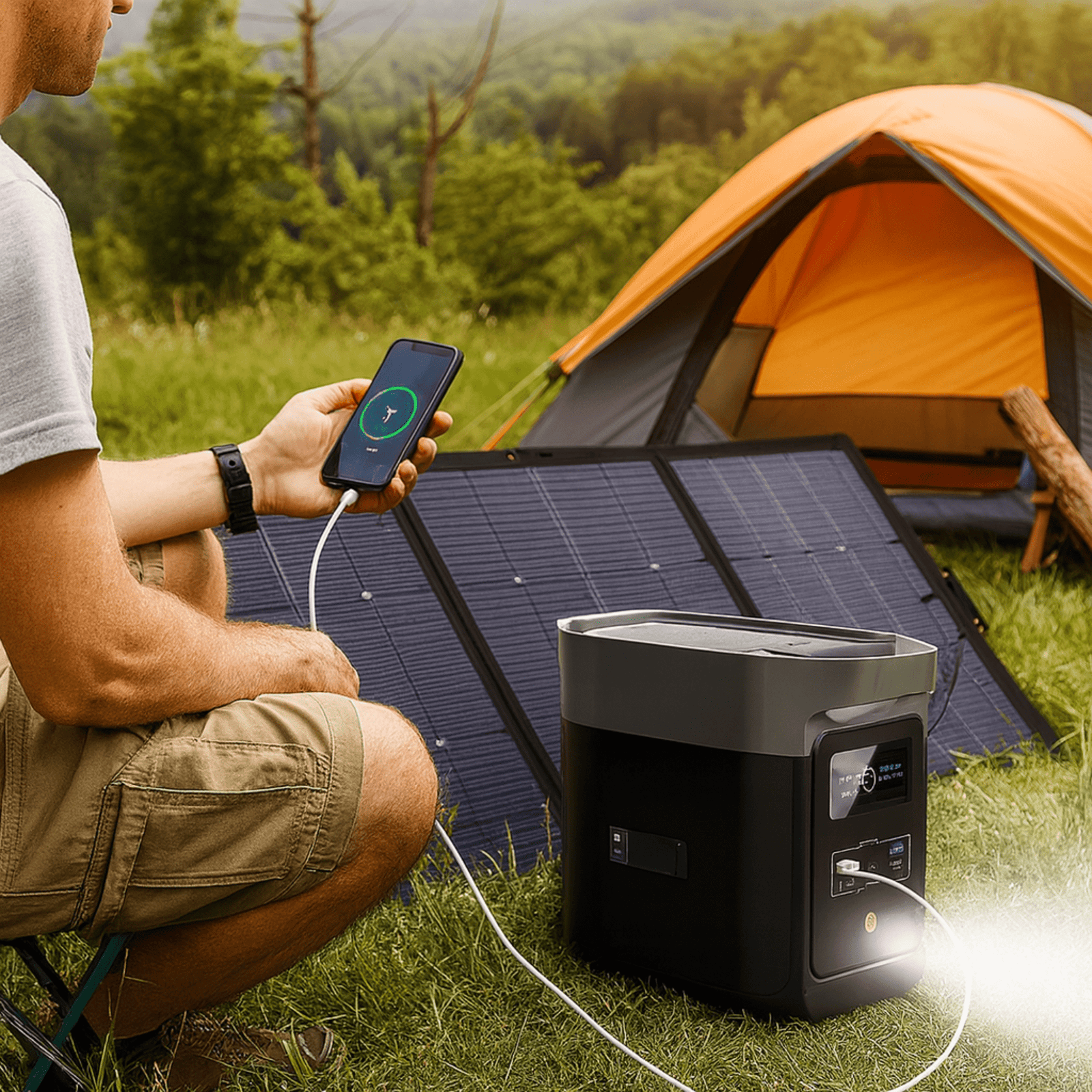
5. Solar Generator Setup: When You Want a Long-Term Base
For long stays in tiny homes, vans, or remote cabins, a solar generator and panel kit is a serious but powerful upgrade. Systems in the EF ECOFLOW DELTA family can power laptops, routers, monitors and even induction hobs without the noise or fumes of a gas generator.
- Large battery capacity suitable for multi-day off-grid stays.
- Multiple AC outlets and high-wattage USB-C ports for creative work setups.
- Foldable solar panels that refill the battery while you hike or work.
- Quiet operation, making it ideal for eco lodges and community colivings.
As an Amazon Associate, Eco Nomad Travel earns from qualifying purchases. Choosing durable, repairable gear like this also supports a genuinely lower-waste, lower-impact travel lifestyle.
Digital Layer: eSIMs, Files & Low-Energy Tech
Your eco travel kit is not just physical gear. A few smart digital choices help you avoid paper, reduce extra hardware, and stay flexible without constant trips to phone shops.
Use eSIMs Instead of Plastic SIM Cards
eSIM providers let you activate data plans instantly without plastic cards or store visits. Services such as Airalo and Yesim work well for digital nomads who hop between countries and want reliable coverage without waste.
Digitise Documents and Tickets
Keeping scans of passports, vaccines, insurance and tickets in a secure cloud folder reduces the need for printed copies. When you do need paper boarding passes, you can still recycle them at the end of the trip. Most rail providers now accept digital tickets as well, especially on the routes covered in Night Trains in Europe 2025 .
Lean, Long-Lived Devices
Finally, try to keep your devices list short and energy-efficient: one laptop, one phone, and maybe an e-reader or small camera. The fewer chargers and adapters you carry, the simpler it becomes to plug into solar and keep your bag light. Our tech-focused guide, Tools That Make Digital Nomadism Sustainable (EcoTech 2025), dives deeper into laptops, keyboards and accessories that sip rather than chug energy.
Eco Travel Kit Checklist for 2025
To bring this all together, here is a simple checklist you can adapt. Start with the basics, test them on your next trip, and then refine from there.
Core Reusables
- 1 × 34oz stainless steel bottle for all-day hydration.
- 1–2 × 17oz stainless steel bottles for backups and short outings.
- 1 × bamboo cutlery set with straw and cleaning brush.
- 1–2 × small stainless steel containers or snack boxes.
Personal Care & Cleaning
- Solid shampoo bar, body soap, and deodorant in tins or cloth bags.
- Biodegradable toothpaste tabs and refillable floss container.
- 3–4 bamboo toothbrushes for the next few months of travel.
- Small travel towel and quick-dry cloth for dishes.
Power & Tech
- 1 × rugged solar power bank for phones and small devices.
- Optional: compact portable power station for cabins and vans.
- Optional: solar generator kit for long-term off-grid basecamps.
- Minimal set of charging cables plus one universal adaptor.
Digital Setup
- Primary and backup eSIM apps installed and configured.
- Cloud folder with passport, insurance and key travel documents.
- Offline maps and translation apps for your next region.
Further Reading & Sustainable Travel Resources
To go deeper into sustainable nomadism, pair this eco travel kit guide with a few key resources from the Eco Nomad Travel library and beyond.
How to Improve Your Eco Travel Kit Over Time
Building an eco travel kit is not a one-time project. Instead, it is a slow, iterative process where you test gear on real trips, then refine your packing list. This ongoing optimisation is exactly what helps long-term digital nomads travel more sustainably, reduce waste, and save money.
Track What You Actually Use on Every Trip
After each journey, take five minutes and review your packing list. Which eco items did you use almost every day, and which stayed buried at the bottom of your backpack? Consistently used items belong in your core kit; everything else is a candidate for removal.
This simple review process also reveals gaps. Perhaps you always buy extra snacks in plastic because you lack a small container, or maybe you purchase disposable coffee cups because you forgot a lightweight mug. By noticing these patterns, you can make small upgrades that deliver big sustainability gains on your next trip.
Align Your Gear With Low-Impact Travel Habits
An eco travel kit works best when it supports low-impact travel habits you already practice. For example, if you prioritise rail journeys and night trains, compact power banks and stainless steel bottles should be easy to access in your daypack. If you favour slow travel in eco cities, you might focus more on coffee gear, reusable food containers, and a minimal but durable wardrobe.
For deeper ideas on behaviour change, pair this guide with Low-Impact Travel Habits and the broader Sustainable Travel Guide 2025. Together, these resources show how reusable gear, zero-waste packing, and carbon-neutral routing reinforce one another instead of competing for your attention.
Use Science-Backed Resources to Avoid Greenwashing
Because eco-friendly products are trending, marketing claims can be confusing. However, you can cut through the noise by checking independent, science-based sources before buying new gear. Reports from organisations such as the United Nations Environment Programme on tourism and climate change explain which changes actually lower emissions and which are mostly symbolic.
When a product lines up with those recommendations and supports the carbon-neutral strategies in Carbon Neutral Travel in 2025: The Complete Guide, you can feel far more confident about adding it to your eco travel kit. Over time, this evidence-based approach keeps your packing list lean, effective, and genuinely sustainable.
Refresh Your Eco Travel Kit Once or Twice a Year
Finally, schedule a kit “reset” once or twice a year. Replace worn bottles, recharge power banks fully, and compost or recycle anything at the end of its life. At the same time, update your digital tools: renew eSIM apps, clean cloud folders, and refresh your saved itineraries for rail-first, carbon-neutral routes.
This regular maintenance keeps your eco travel kit aligned with how you actually live, work, and travel. As a result, your sustainable packing system becomes an invisible ally, quietly supporting every train ride, eco lodge stay, and zero-waste coffee stop on the road.
Eco Travel Kit 2025 FAQ
These are some of the most common questions eco nomads ask when they start building a low-waste travel kit. Use them as prompts to refine your own setup.
Do I need to buy everything on this list to have an eco travel kit?
Not at all. Start with the highest-impact items: one or two good bottles, a bamboo cutlery set, and a solid shampoo bar. Use those for a few trips, then add power gear or extra containers only if you feel a real need.
Is stainless steel better than plastic or glass for travel bottles?
For most nomads, stainless steel is the sweet spot. It is durable, light enough to carry all day, and usually well insulated. Glass is heavier and more fragile, while plastic bottles degrade faster and are harder to recycle responsibly.
Will airport security let me carry all this eco gear?
Yes, as long as liquids are empty before screening and sharp items comply with local rules. Bottles, cutlery, containers and solar power banks are normally fine in carry-on. Larger power stations may need to travel as checked luggage depending on capacity and airline policy.
How do I clean bamboo cutlery and bottles while traveling?
A small brush, mild soap, and hot water handle most cleaning needs. You can also use a tiny drop of biodegradable soap and rinse away from lakes or rivers. Many eco lodges provide washing-up areas designed for exactly this kind of gear.
Are solar chargers reliable enough for full-time digital nomads?
Solar power banks work well for phones, headlamps, and small devices, especially when you top them up from outlets whenever possible. For heavy laptop work or camera rigs, pairing them with a portable power station or solar generator gives you far more flexibility.
Solar Chargers for Full-Time Digital Nomads: How Reliable Are They?
What if I mostly travel between big cities and coworking spaces?
You may not need a full solar generator. Focus on bottles, cutlery, personal care, and a power bank for day trips. When you occasionally head to an off-grid retreat, you can rent or share larger power setups.
Is it really more sustainable to buy new gear instead of using what I already own?
The most sustainable item is usually the one you already have. If you own a solid bottle or decent power bank, keep using it until it wears out. Upgrade only when you need more durability, insulation, or capacity.
How often should I review or update my eco travel kit?
A quick review once or twice a year is enough. After each long trip, note what you rarely used and what you constantly reached for. Trim the unused items and upgrade anything that failed or caused friction.
Can I build an eco travel kit on a tight budget?
Yes. Start with basics you already own, then add one reusable upgrade at a time. Many items, such as bamboo toothbrushes and stainless steel bottles, cost little but make a big difference over a year of travel.
Where does this eco travel kit fit into my overall carbon-neutral travel plan?
The kit is the daily “micro level” of your carbon-neutral strategy. Big decisions like train routes and eco lodges matter, but the gear you use every day keeps you aligned with those choices. Think of it as the bridge between your values and your actual habits on the road.
Join the Sustainable Work Movement
Eco Nomad Travel is built for people who want to work remotely and travel lightly. If you enjoy guides like this eco travel kit, you’ll love our visual ideas and itineraries.
Follow our boards on Pinterest for weekly inspiration on eco cities, rail routes, low-impact packing and digital nomad workflows:
Recent Posts
Best Travel Towels
Quick picks for fast-drying, packable towels that actually work on the road.
Best Waterproof Backpack
What matters for rain, train platforms, and daily carry—without overpacking.
Cheapest Way to Travel to Europe
Budget routes, timing, and practical ways to cut costs without cutting comfort.
How to Travel Europe by Train
Planning tips, rail passes, and simple route strategies for smoother trips.
Best Night Trains in Europe
Top sleeper routes, what to book, and how to avoid common overnight mistakes.
SIM Card for International Travel
Simple guidance on SIM vs eSIM, coverage, and avoiding roaming surprises.



Explore Eco Nomad Travel
📚 Core Guides
🧭 Planning & Logistics
🗺️ Destinations & Seasons
Jeremy Jarvis — founder of Eco Nomad Travel, sustainable travel writer, and advocate for regenerative tourism. His work focuses on low-impact mobility, eco-friendly digital nomad life, and climate-positive travel.
Legal
Affiliate DisclaimerPrivacy Policy
Terms of Service
Image & Media Notice
Cookie Policy
Contact
Affiliate Disclosure: Some links on Eco Nomad Travel are affiliate links, meaning we may earn a small commission at no extra cost to you. This supports our mission to inspire responsible and low-impact travel worldwide.
Connect
✅ Trusted Official Sources
Plan smarter eco trips
Try our free Sustainable Travel Tools for Digital Nomads – carbon calculator, train vs plane comparator, and more.
Open Tools Hub