

Last updated: July 15, 2026
Planning a rail trip across Europe is exciting. It can also get expensive fast if you fall into common europe train booking mistakes. This guide shows you how to time your purchase, when you must reserve seats, how to compare a pass to point‑to‑point tickets, and which hidden fees can catch you out. Use the clear steps, tables, and examples to plan smarter and save money without stress.
Key takeaways
- Book high‑demand routes early, but do not rush local or flexible fares that do not rise.
- Seat reservations are mandatory on many high‑speed and cross‑border trains. On others they are optional or not offered.
- Compare a rail pass plus reservation fees against advance point‑to‑point fares before you buy.
- Watch for extra booking fees, dynamic currency conversion, and card FX charges.
- Know refund and exchange rules before purchase. They vary by operator and fare type.
- Download mobile tickets, keep ID handy, and board the right coach and class.
What are the biggest europe train booking mistakes?
The most expensive errors are simple. People buy late for limited‑quota high‑speed trains and pay peak prices. Travelers assume seats are always included, when many services require a separate reservation and a fixed time. Some buyers add connections across multiple operators when a cheaper nonstop exists. Others mix up city stations, accept a bad currency conversion at checkout, or skip the fare rules. Finally, pass holders forget that many high‑speed trains still need paid reservations, so they arrive with a pass but no seat.
We will keep calling out these europe train booking mistakes with examples and fixes you can use right away.
Get the Eco Rail-First Trip Planner (Free PDF)
Plan calmer, greener trips with a rail-first checklist, buffer planner, and copy/paste templates.
How to use this guide to avoid European train booking errors
Start with the quick checks before you buy. Next, look up the timing and seat rules for your route. Then compare fares and passes and scan the fee traps. You can skim in any order and jump straight to the answers you need. This guide helps you avoid europe train booking mistakes fast, with plain language and official links.
When should you book European trains?
Release timing and price strategy vary by country, route, and fare type. Many long‑distance services use dynamic pricing. When cheap fare buckets sell out, the price rises. In contrast, many regional routes use fixed fares that do not change by day. That is why you book some trains early and buy others on the day without penalty.
As a rule of thumb, high‑speed and cross‑border trains reward early buyers, especially for weekends, holidays, and big events. However, do not panic if your date is not open yet. Timetables often load in waves, especially around seasonal changes. You may see “not available†instead of a price. In that case, set an alert and check back. You can also try the partner operator’s site for the same train if sales open on one side first.
Typical booking‑window patterns to prevent rail booking mistakes in Europe
These windows shift during timetable updates and special events. Always confirm on the operator’s site before you plan. The links under the table will help.
| Operator/Route Type | Typical advance release | Notes |
|---|---|---|
| Eurostar (London–Paris/Brussels/Amsterdam) | Often several months ahead | Seats required and included; popular trains sell out fast. |
| SNCF TGV INOUI/OUIGO (France) | Often 3–6 months | Dynamic pricing and mandatory reservations on TGV. |
| Deutsche Bahn ICE/IC (Germany) | Often up to several months | Advance deals (“Sparpreisâ€) limited; seat reservation optional but recommended. |
| Trenitalia Frecce (Italy) | Often up to several months | Promos can appear early; mandatory seat reservation when you book. |
| Renfe AVE/Long‑distance (Spain) | Varies; sometimes short notice | Windows shift with timetable updates; seats required. |
| SBB/CFF/FFS (Switzerland) | Varies by route | Many domestic routes have fixed fares; reservations rarely required. |
Official references and help pages:
- Deutsche Bahn: seat reservation info (seat policy and tips)
- SNCF Connect (TGV, OUIGO, and exchange/refund rules)
- Eurostar (release announcements and ticket types)
Mistake to avoid: booking the wrong kind of fare
Buying a fully flexible fare when you can commit, or buying a deep discount when your plans may shift, can both cost you. Check the change fee and refund rules on the exact fare before you buy. Also, confirm whether a seat is included, optional, or required. That alone prevents many europe train booking mistakes.
Do you need seat reservations in Europe?
It depends on country, operator, and train type. On many high‑speed and cross‑border trains, you must hold a specific seat for a specific departure. On many regional trains, you cannot reserve at all. Before you buy, check how your train works and whether you need a seat number to board.
Reservation rules by service type (guidance only)
| Service | Reservation | How it works |
|---|---|---|
| Eurostar | Mandatory (included) | Seat is assigned when you book; you must travel on that train. |
| TGV INOUI/OUIGO (France) | Mandatory | Seat is required and included with your ticket. |
| ICE/IC (Germany) | Optional | You can board with a valid ticket, but a paid reservation guarantees a seat. |
| Frecciarossa/Frecciargento (Italy) | Mandatory (included) | Seat assigned at purchase; choose class and seat type when available. |
| AVE/ALVIA/Long‑distance (Spain) | Mandatory (included) | Seat assignment at booking; stick to your train. |
| Regional/TER/RE/R (many countries) | Not offered | Buy a ticket and board; seats are first‑come, first‑served. |
Operator help pages to confirm policies:
- Eurostar: seat info
- SNCF Connect: tickets and refunds
- DB: seat reservations
If you hold a rail pass, you still need a paid reservation on many high‑speed trains. This is where many europe train booking mistakes start, because the seat charge is separate from the pass.
Is a rail pass cheaper than point‑to‑point tickets?
Sometimes yes, sometimes no. A pass buys flexibility across many countries and days, but some high‑speed trains add reservation fees and passholder quotas. Advance point‑to‑point tickets can be far cheaper if you lock dates now. The best choice depends on your route mix and how fixed your plans are.
Here is a quick way to test it. Imagine five long‑distance trips over ten days. If the sum of advance tickets for your exact dates is lower than the pass price plus reservation supplements, buy tickets. If plans are fluid, the pass can be worth it even if the pure math is close, because you avoid change fees and can shift days. Just do the numbers before you buy.
How to compare in five minutes
- List your long‑distance segments and dates.
- Price advance point‑to‑point tickets on operator sites.
- Price a pass that covers the same travel days.
- Add reservation fees for each reserved train if you use a pass.
- Pick the cheaper plan that still fits your need for flexibility.
Official pass pages with reservation tools and policies:
- Eurail: reservations for passholders
- Interrail: reservations and supplements
Because reservation supplements can add up, skipping this math often leads to europe train booking mistakes. A two‑minute price check can save a lot later.
Which fees surprise travelers most?
Beyond the fare you see, extra costs can slip in at checkout. Some are worth paying when they add value. Others are avoidable. Read the line items and compare totals before you click pay.
| Fee | Where it appears | How to reduce or avoid |
|---|---|---|
| Seat reservation fee | High‑speed and cross‑border trains; passholders | Compare departures; pick non‑reserved regional options when time allows. |
| Booking/service fee | Third‑party agencies and apps | Compare the operator site vs agency. Pay the small fee only if the tool truly helps. |
| Dynamic currency conversion (DCC) | Checkout pages and card terminals | Pay in the local currency of the seller. Decline DCC to avoid poor exchange rates. See Visa on DCC. |
| Card FX fee | Your bank | Use a card with no foreign transaction fee where possible. |
| Exchange/refund penalty | Restricted fares | Read fare rules before checkout. Sometimes paying a bit more up front saves more later. |
Understanding these fees helps you avoid checkout slip‑ups that turn into europe train booking mistakes and unnecessary costs.
Train booking mistakes in Europe: timing traps
Waiting too long for peak routes. Summer weekends and holiday periods can sell out on high‑speed links. Book early when demand is obvious. A simple calendar check saves money and stress.
Booking too early when timetables shift. Some countries load new timetables in stages. If your date shows “not available,†it may not be on sale yet. Set alerts, check again after a few days, or try the partner operator’s site for the same train.
Ignoring shoulder departures. Trains an hour earlier or later can be much cheaper. If your plans allow, compare two or three times on the same day.
Skipping regional alternatives. When speed is not critical, regional trains can be a no‑reservation, fixed‑price option. They take longer but simplify the trip and reduce surprises.
Use these timing habits to avoid quiet, costly europe train booking mistakes that only show up on your card statement.
European train booking errors with seat reservations
Assuming your pass covers the seat. Passes cover the travel entitlement, not the reservation. Many high‑speed trains require a paid supplement for a specific departure. Without it, you can be refused a seat.
Skipping reservations on busy optional routes. In Germany, you may board ICE with a valid ticket and no reservation, but at peaks you could stand. A low‑cost reservation avoids that risk and makes the ride smoother.
Choosing the wrong coach type. Quiet zones, family areas, and 1st vs 2nd class differ by operator. Check the coach map during seat selection if offered, and match it to how you like to travel.
Forgetting night train specifics. Night services use seats, couchettes, and sleepers. Your reservation must match the accommodation type or the conductor will move you. This is an easy place for europe train booking mistakes to creep in.
Cross‑border quirks that trigger rail booking mistakes in Europe
Station naming. Cities can have many stations. Verify you are buying to the right terminal. For Paris, for example, different lines use different terminals across the city. Mixing them adds time and cost.
Border checks. Some routes include document checks before boarding. Arrive early, keep ID ready, and follow the operator’s guidance sent after purchase.
Split reservations. One leg may need a reservation while the next does not. Read each segment’s rule on your itinerary page and plan your seat strategy ahead of time.
Refunds, exchanges, and passenger rights
Refund windows. Discount fares can be non‑refundable. Flexible fares often allow fee‑free changes until a cutoff time. Check the exact rules before you pay so you can change plans without nasty surprises.
Exchanges. Some fares allow changes for a fee plus the fare difference; others do not. If your dates might shift, compare the total cost of a flexible fare against a deep discount you cannot change.
Passenger rights. In the EU, rail passenger rights include assistance and, in some cases, compensation for delays. See the European Commission’s page on rail passenger rights and the Your Europe rail rights guide. Knowing these rules helps you make good choices when things change.
Mobile tickets, ID, and boarding checks
Mobile tickets are common, but details vary by country and operator. Always follow the delivery note on the checkout page and the email you receive after the purchase.
- Ticket format. Some tickets have a QR code that works offline. Others require the app to refresh before inspection.
- ID match. If the ticket shows your name, bring the matching ID and check spelling when you buy.
- Battery life. Keep your phone charged or print a copy when allowed to avoid delays at gates.
For app support, see SBB Mobile help. Simple prep here prevents platform stress and last‑minute europe train booking mistakes.
Night trains: common rail booking mistakes in Europe
Overnight trains save daytime hours and a hotel night, but you must pick the right accommodation. A simple seat is cheap, yet it can be uncomfortable on a long haul. A couchette offers basic bunks, while sleepers give the most privacy. Book early for popular routes because compartments sell out fast.
If you hold a pass, you still need the specific night train reservation that matches your couchette or sleeper. Read the compartment details and check whether breakfast or linens are included before you confirm.
Booking channels: operator vs agency vs pass apps
Operator sites often offer the lowest price, full fare rules, and the best seat maps. Aggregator tools are great for cross‑border planning and comparing operators side by side, though they may add a small service fee. If you use a pass, the pass app is ideal for activation and day planning, but many seat reservations still require external sites.
Pick the channel that fits each leg, not one tool for every route. This habit avoids extra costs and prevents quiet europe train booking mistakes that come from missing a better option.
Step‑by‑step: a simple booking checklist
- Define your route and dates. List must‑do segments and where you can be flexible.
- Check reservation rules. Is a seat required, optional, or not offered?
- Compare fares vs pass. Add reservation costs if you use a pass.
- Search at the operator and one aggregator. Look for schedule and price differences.
- Pick currency and payment. Pay in the seller’s local currency; avoid DCC.
- Review fare rules. Note refund/exchange windows.
- Select seats and print/save tickets. Download PDFs, add to wallet, or print if needed.
- Set reminders. Add departure times and station transfer notes to your calendar.
Visual guide: Book, reserve, or pass?
Decision path
- If the train is high‑speed or cross‑border → Check if a seat is mandatory → If yes, compare ticket vs pass+seat → Choose cheaper that fits your flexibility.
- If the train is regional with no reservations → Buy when convenient → Consider day passes or local apps.
- If plans may change → Prefer flexible fares or a pass, then add seats only when needed.
Follow this quick path to avoid last‑minute europe train booking mistakes when plans shift on short notice.
Examples: how a few minutes of checking saves a lot
London to Paris on a popular weekend
Eurostar uses dynamic pricing and includes a mandatory seat. Waiting to buy can double the fare on peak departures. Set an alert the moment your dates are firm, compare a few trains on the same day, and lock in one that fits. Paying a small premium for a flexible fare can also beat losing the entire ticket if plans change.
Florence to Rome during shoulder season
High‑speed Frecciarossa seats are required and included. However, regional alternatives exist between the cities. If your schedule is open, the slower option may work and costs less. If you want to choose your exact seat and arrive faster, book the high‑speed ticket now and select the seat that suits you.
Berlin to Munich on a busy Friday
On ICE, a reservation is optional. On Fridays it can be crowded, and standing is no fun. A low‑cost seat reservation saves the day. Compare a couple of departure times, and if the fare difference is big, consider traveling an hour earlier or later.
Names and IDs: train booking mistakes in Europe
Named tickets and passes must match your ID exactly. Check the spelling of your first and last name before you pay. If your booking platform supports it, add middle names only if your ID shows them. Fixes can be hard or impossible at the station counter on the day of travel.
If you travel as a group, keep one ID per named ticket and do not mix different traveler IDs inside a single ticket. When a pass requires both the pass and a seat reservation, store them together—digital or paper—so you can show both on request. These simple steps prevent avoidable europe train booking mistakes at inspection time.
Station transfers and platform planning
Many cities have multiple stations or involve a long platform walk. Confirm the exact departure station in the city and allow enough time to move between terminals if your itinerary requires it. A cross‑city transfer can eat more time than the train ride itself.
Coach order also matters. Your seat may be near the front or back of a long train. If the operator provides a coach position diagram, check it before the train arrives and wait near the right section of the platform.
If you need assistance, request it early through the operator. Teams can help with boarding, luggage, and connections, but they usually need advance notice to be sure help is available.
Photos: crowds and late‑night arrivals
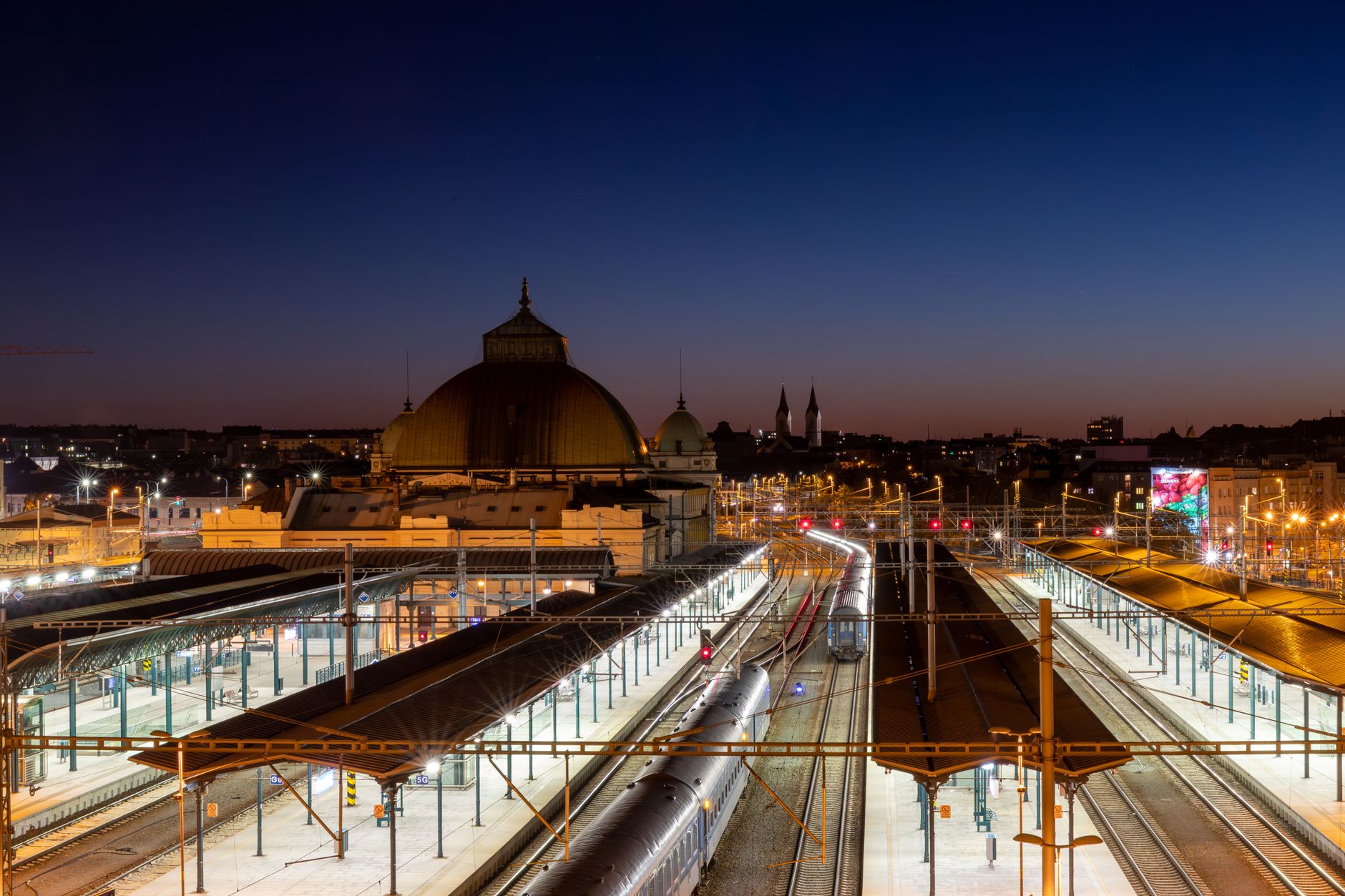
Busy platforms often signal popular trains. If a seat is required, book early. If it is optional, consider reserving at peaks for a smoother ride.

Currency and cards: European train booking errors
Checkout pages sometimes offer to charge you in your home currency. That is dynamic currency conversion (DCC), and it often costs more than paying in the local currency of the seller. Always compare totals, and decline DCC when you can. These choices can cause europe train booking mistakes at checkout if you click too fast.
- Choose local currency at checkout. For example, pay euros at a French site. See Visa’s DCC overview.
- Prefer a card with no foreign fee. Card FX fees stack on top of the base exchange rate.
- Check mobile wallets. Some wallets default to a different currency. Confirm the final amount before you tap pay.
First‑time riders: rail booking mistakes in Europe
Small details make a big difference the first time you ride. Read your delivery note to know if you must print the ticket or if mobile is fine. Match your seat, coach, and class to what the ticket shows so you do not have to move mid‑journey. Finally, double‑check 24‑hour time: 06:30 is early morning, not evening. These habits help you sidestep europe train booking mistakes before they start.
One smart place to compare options
When you want a quick cross‑border view, an agency can help you see schedules and prices in one place. Then you can still double‑check on operator sites.
Affiliate disclosure: Some links in this guide may be affiliate links. If you book or buy through them, Eco Nomad Travel may earn a commission at no extra cost to you.
Compare and book on Rail Europe for a wide range of European operators. Use it to scout times and costs, then decide if booking direct or via the aggregator fits your trip best.
Frequently asked questions
Do I need to reserve a seat on every European train?
No. Many high‑speed and cross‑border trains require seats. Many regional trains do not offer reservations at all. Always check the operator’s rule for your specific train.
When do European train tickets go on sale?
It varies. Some open several months ahead, others later, and schedules can load in waves. If a date is not available, check back and sign up for alerts.
Are rail passes worth it?
They can be, especially for flexible, multi‑country trips. Add required reservation fees to your pass days and compare to advance point‑to‑point fares.
What if my train is delayed or canceled?
In the EU, rail passenger rights can include rerouting, assistance, and sometimes compensation. See official guidance from the European Commission and Your Europe linked above.
Can I use mobile tickets everywhere?
Often yes, but not always. Some borders and stations prefer paper. Follow the delivery instructions on your ticket and keep your phone charged.
A final 2‑minute checklist to prevent europe train booking mistakes
- Confirm if your train needs a seat reservation.
- Compare pass+reservations vs advance tickets.
- Verify station names and transfer times.
- Read refund and exchange rules.
- Pay in local currency; avoid DCC.
- Save tickets offline and carry matching ID.
Follow these steps and you will skip the most common europe train booking mistakes and travel with confidence.
More Europe train guides for planning your route
- Europe train travel guide
- How to choose Eurail or Interrail
- London to Paris train guide
- Europe night train tips
- Is it safe to travel by train in Europe?
Use these to plan smarter and avoid more europe train booking mistakes on your itinerary.
Compare the trip details before you book
Affiliate disclosure: Eco Nomad Travel may earn a commission if you book through qualifying links, at no extra cost to you. Use the link only when it genuinely helps your trip research.
Before you lock in dates for Europe Train Booking Mistakes: Timing, Seat Reservations, and Hidden Fees, compare location, flexible cancellation, transfer timing, and total trip cost so the final plan fits your budget and pace.
