

Embark on a captivating journey through France by rail. The French railway system offers a seamless way to explore this beautiful country. Whether you plan rail to France from neighboring countries or start domestically, the process is straightforward.
From bustling cities to serene countryside, trains connect you to every corner of France. The convenience and efficiency of train travel make it a top choice for many travelers, and train transportation in France makes long and short trips simple. If you are comparing France-specific planning with broader pass options across the continent, start with our European train pass guide to see when a flexible multi-country pass makes the most sense.
Imagine gliding past vineyards, historic towns, and stunning landscapes. The French railways promise not just a trip, but an experience.
Whether you’re a first-time visitor or a seasoned traveler, the train system in France caters to all who want to train around France. Prepare to discover France like never before, with comfort and ease.
Why Choose Rail Travel in France?
Rail travel in France—often searched as “train travel France”—offers unmatched convenience and accessibility. With trains connecting major cities and remote villages, it’s easy to explore the entire country. Opting for train travel eliminates the hassle of traffic jams and parking headaches.
France’s high-speed trains, like the TGV, significantly reduce travel time between destinations. Experience the thrill of traveling from Paris to Marseille in just a few hours. The efficiency of the French rail service ensures punctual journeys, allowing you to make the most of your travels.
Besides speed and convenience, trains offer a unique opportunity to appreciate France’s diverse landscapes. Enjoy sweeping views of rolling vineyards and picturesque towns from your train window. Trains provide comfort with spacious seating, dining options, and onboard amenities. For a more detailed look at major French routes, hubs, and regional connections once you are inside the country, see our France rail map guide.
Consider these reasons for choosing rail travel in France:
Efficiency: High-speed connections and frequent services.
Comfort: Spacious seats and onboard amenities.
Scenic Views: Enjoy France’s countryside from the train.
Eco-Friendly: Lower carbon footprint than flying.

Understanding the French National Railway System
The backbone of train travel in France is the French national railway system, operated by SNCF, the French national railway company. Known for its efficiency, SNCF maintains a vast network across the country—often simply called the French railroad. If your trip extends beyond France, our Europe train map guide can help you visualize the wider network before you book.
This national railway system (the French railroad system) includes a range of services from high-speed to regional trains. It’s renowned for its punctuality and reliability, ensuring smooth journeys for locals and tourists alike. When researching routes and policies, travelers often search “railroad france” or “french national railway system” to locate official details from SNCF.
SNCF offers a variety of train services, each catering to different travel needs. Travelers can choose based on speed, distance, and route preference. Whether you’re heading to a bustling city or a quiet village, there’s likely a train service to suit you.
Key aspects of the French national railway system include:
Extensive Network: Covers major cities and rural areas.
Variety of Services: High-speed, regional, and night trains.
User-Friendly Booking: Available online and via mobile apps.
Punctuality: Reliable timetables ensure prompt travel.
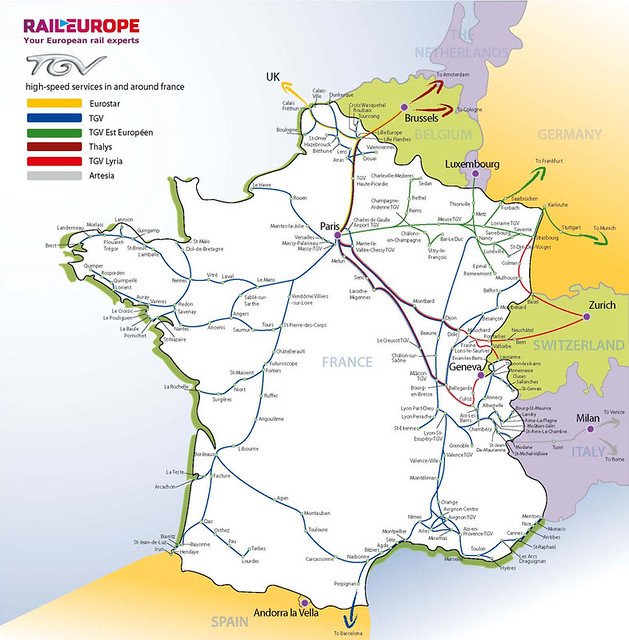
Types of Trains in France: High-Speed, Regional, and Night Services
Traveling through France by train offers diverse experiences tailored to different itineraries. Whether you’re racing across the country or meandering through the countryside, French trains have you covered.
High-speed trains, known as TGVs, are the stars of the French railway system. They connect major cities like Paris, Lyon, and Marseille in mere hours, making them ideal for swift journeys.
Regional trains, or TER services, cater to exploring France’s picturesque towns and rural landscapes. They offer a slower pace, allowing travelers to soak in the local charm and scenic views.
For those traveling longer distances, night trains provide a unique solution. Equipped with sleeper cars, they offer the chance to rest while moving towards your next destination.
If you’re comparing options across the network (often looked up as “train French railways”), match the train type to your route, budget, and schedule.
Each train type serves a specific purpose within the broader railway system:
TGV: High-speed, city to city.
TER: Regional, serving towns and countryside.
Night Trains: Overnight travel with sleeper options.
Exploring France by train presents myriad options, each with its own flavor of adventure.

by Ruben Christen (https://unsplash.com/@ruben_christen)
Major Train Routes and Destinations
France’s train network connects a tapestry of cities and landscapes, each offering unique attractions. High-speed routes make exploring these destinations efficient and hassle-free.
The Paris to Marseille route lets travelers witness the swift transition from northern cityscapes to southern coastlines. In just over three hours, TGVs whisk you from the capital to the Mediterranean.
Another popular route, Paris to Bordeaux, invites travelers to the wine capital of the world. Bordeaux offers a perfect blend of rich history and modern charm. If France is part of a wider itinerary, our western Europe travel guide can help you connect rail planning with nearby destinations more naturally.
For a taste of the south, the Lyon to Nice journey provides stunning views of the French Alps and the sparkling Côte d’Azur. This route combines natural beauty with cultural allure.
The Strasbourg to Lyon line showcases eastern France’s scenic landscapes and robust gastronomic traditions. Stops along the way reveal charming villages and vineyards.
Beyond the major cities, the regional train routes allow exploration of hidden gems. The Loire Valley is a must, famous for its châteaux and lush vineyards.
Key routes include:
Paris to Marseille: Cityscapes to coastal beauty.
Paris to Bordeaux: Discover wine country.
Lyon to Nice: Mountains meet the sea.
Strasbourg to Lyon: Eastern charm.
Discover these routes and make the most of France’s diverse offerings.

by Antonio Vivace (https://unsplash.com/@avivace)
Key Train Stations and Hubs
Paris serves as the heart of France’s rail system with several major train stations. Gare du Nord, one of the busiest in Europe, connects to international destinations like London and Brussels.
Gare de Lyon is another pivotal station, serving routes to the south of France. It’s a gateway to cities like Marseille and Nice.
In the west, Gare Montparnasse provides access to regions like Brittany and the Atlantic coast. It’s the departure point for travelers heading towards Nantes and Bordeaux.
Lyon’s central rail hub, Gare de Lyon Part-Dieu, is a junction for regional and high-speed services alike. It links Lyon to major cities across the country and beyond.
Key stations include:
Gare du Nord: Northern connections.
Gare de Lyon: Southern routes.
Gare Montparnasse: Western access.
Gare de Lyon Part-Dieu: Regional hub.
Efficient navigation through these stations ensures a seamless travel experience.
How to Book Train Tickets in France
Booking train tickets in France is straightforward; if you’re wondering how to buy train tickets in France, the steps are simple and well supported. Online platforms, station kiosks, and mobile apps offer convenient options for travelers.
Buying tickets in advance is recommended. This approach ensures availability and often secures better prices. Some discounts are exclusively available for early bookings. Train prices France and France train fares vary by route, time, and flexibility. If you are still shaping the bigger route, our best trips in Europe guide can help you compare broader itinerary ideas.
Several platforms facilitate ticket purchases, including the official SNCF website. Apps like Oui.SNCF provide flexible options for booking and managing trips. Search terms like “France train booking” or “book train tickets France” will surface official options for France train tickets and French train tickets, including Paris train tickets.
To book tickets, consider the following:
Online: SNCF site and apps.
In Person: Train station kiosks.
Third-Party Sites: Travel agencies and apps.
Payment options include credit cards and digital wallets. This variety ensures flexibility for international visitors. If you need seat assignments, look for France train reservations; many services support French rail reservation and French rail bookings directly in the checkout flow.
Tickets can often be customized with add-ons like meals or first-class upgrades. This helps tailor the travel experience to individual preferences and budgets.

by KOBU Agency (https://unsplash.com/@kobuagency)
France Train Passes and Railcards: Are They Worth It?
France offers several train passes and railcards, designed for tourists and frequent travelers. These options can bring significant savings.
French train passes include the France train pass and the Paris train pass, as well as regional options like the Paris Visite pass. They offer unlimited travel within specific time frames and regions.
Railcards provide discounts for different demographics, such as students and seniors. French railcards can be invaluable for those traveling frequently.
When considering railcards or passes, evaluate:
Travel Frequency: More travel means more savings.
Travel Routes: Ideal for long distances.
Flexibility Needs: Passes suit spontaneous travel better.
Ultimately, the decision to buy depends on your travel plans. For many, the convenience and savings are well worth the investment.

by Robbi Manea (https://unsplash.com/@robbimanea)
Navigating French Train Stations: Tips for a Smooth Journey
Navigating French train stations can be daunting for first-timers. However, knowing a few tips can ease the experience. French train stations are well-equipped but often busy.
Firstly, familiarize yourself with the station layout. Most stations have clear signage, usually in multiple languages. Arriving early also provides time to find your platform calmly.
Pay attention to platform numbers and departure boards. Information about train schedules is vital for a smooth journey. Keep your tickets or railcards handy for quick checks.
Helpful tips include:
Check Station Maps: Available at entrances.
Follow Signs: They guide you to platforms.
Listen for Announcements: Updates are frequent.
With these strategies, navigating even the largest French train stations can be straightforward.

by Eunsong Jo (https://unsplash.com/@eunsong_jo)
Onboard Experience: Comfort, Amenities, and Accessibility
Traveling on French trains offers a high level of comfort and convenience. Passengers can relax in spacious seats and enjoy scenic views. Most trains provide ample legroom and adjustable seating.
Modern amenities make the journey more pleasant. Many trains offer Wi-Fi, especially on high-speed lines. Dining cars and food trolleys provide snacks and meals.
The French rail network prioritizes accessibility for all travelers. Facilities accommodate passengers with reduced mobility. Elevators, ramps, and designated seating are standard.
Amenities include:
Wi-Fi Access: Available on many routes.
Dining Options: Cafés and food services.
Accessibility Features: Elevators and special seating.
These onboard experiences ensure that traveling by train in France is enjoyable and accommodating for everyone.

by Mykyta Martynenko (https://unsplash.com/@prostotakphoto)
International Rail Travel to and from France
France’s rail system seamlessly connects to the rest of Europe. High-speed trains offer quick international journeys. Paris is the central hub for these routes. For rail travel to France, international high-speed links make arrivals and departures smooth. When comparing cross-border options, searching “train europe france” can help surface timetables and booking portals.
International travel by rail is efficient and eco-friendly. Trains to countries like Spain, Italy, and Germany are frequent and fast. Travelers enjoy the comfort of direct city-center connections. If you are starting your trip from Britain, our European visa from UK guide can help you sort out ETIAS, Schengen rules, and document planning before you book.
Essential connections include:
Eurostar to the UK
Thalys to Belgium and the Netherlands
TGV routes to Switzerland and Italy
These routes make cross-border travel straightforward and appealing. France’s integration with European rail networks enhances the travel experience.

by Alvin FREY (https://unsplash.com/@afrey)
Plan Rail Travel to France With More Confidence
Compare train routes and stays, protect your trip before departure, and set up mobile data so you can navigate tickets, stations, and border crossings more easily.
Affiliate disclosure: We may earn a commission from qualifying bookings at no extra cost to you.
Frequently Asked Questions About Train Travel in France
Many travelers have questions about navigating the French rail system. Here are answers to common inquiries that can help simplify your journey.
FAQs include:
How to buy train tickets in France?
Are French train passes good for tourists?
What amenities are available onboard?
Can you change or cancel train reservations in France?
How to make France train reservations?
These quick answers should assist in planning your rail travel efficiently.
Final Tips for Your Ultimate Rail Journey in France
To make the most out of your rail trip, plan ahead and stay flexible. Consider the following tips for a smoother experience.
Key Tips:
Book in advance for lower fares.
Check train schedules regularly.
Explore local attractions near stations.
Keep essentials handy during your journey.
With these simple tips, you can enjoy France’s beautiful scenery and efficient rail service.
Q&A
Question: What are the main types of trains in France, and which should I choose? Short answer: France’s network offers TGV high-speed trains for fast city-to-city trips (e.g., Paris–Lyon–Marseille), TER regional trains for reaching towns and countryside at a slower, scenic pace, and night trains with sleeper options for long distances while you sleep. Choose TGV for speed between major cities, TER for regional exploration and hidden gems, and night trains to maximize daytime sightseeing and save on a night’s accommodation.
Question: How do I book train tickets in France, and is booking in advance worth it? Short answer: Booking is simple online via the official SNCF site and apps (including Oui.SNCF), at station kiosks, or through third-party travel platforms. Buying in advance is recommended to secure availability and often lower fares—prices vary by route, time, and ticket flexibility. Many services let you reserve seats and add extras like meals or first-class upgrades, and you can pay with credit cards or digital wallets.
Rail to France: Are Train Passes and Railcards Worth It for Tourists?
Question: Are France train passes and railcards worth it for tourists? Short answer: They can be, depending on your plans. Passes (like the France train pass, Paris train pass, or regional options such as Paris Visite) offer unlimited travel within set time frames/areas and suit flexible, spontaneous itineraries. Railcards provide discounts for specific groups (e.g., students, seniors) and help frequent travelers save. Assess your travel frequency, average distance, and need for flexibility to decide if the savings outweigh point-to-point tickets.
Question: Which routes and stations should I know to plan my trip? Short answer: Highlight routes include Paris–Marseille (capital to Mediterranean in just over three hours), Paris–Bordeaux (wine country), Lyon–Nice (Alps to Côte d’Azur), and Strasbourg–Lyon (eastern France’s villages and vineyards). For châteaux and vineyards, use regional trains to the Loire Valley. Key hubs: Paris Gare du Nord (international links like London and Brussels), Gare de Lyon (southbound to Marseille and Nice), Gare Montparnasse (west to Brittany, Nantes, Bordeaux), and Lyon Part-Dieu (major regional/high-speed junction).
Question: What can I expect onboard, and how do I navigate stations smoothly? Short answer: Onboard, expect spacious seating, ample legroom, scenic views, Wi‑Fi on many routes (especially high-speed), dining cars or trolleys, and accessibility features like ramps, elevators, and designated seating. In stations, arrive early, consult station maps, follow multilingual signage to platforms, watch departure boards, listen for announcements, and keep tickets or railcards handy for quick checks. These habits make even busy hubs easy to manage.
