

The quick answer on Japan train travel
Japan has the best passenger railway in the world, and using it well is mostly about three decisions rather than hundreds. Because Japan train travel is dense, punctual and comprehensively signed in English, the difficulty is commercial rather than practical.
The three decisions are whether to buy a nationwide pass, whether a regional pass fits better, and how to handle the city networks that the passes do not cover. Meanwhile everything else, from reservations to luggage, follows easily once those are settled.
- The nationwide pass is no longer the automatic answer it was, and for many itineraries point-to-point tickets win.
- Regional passes are frequently better value and are widely overlooked by first-time visitors.
- A rechargeable IC card handles city trains, subways, buses and convenience stores and should be the first thing you set up.
- The fastest category of high-speed train is excluded from the nationwide pass without a surcharge, which catches people out.
- Large suitcases now need a reserved space on some high-speed services, which is a recent and strictly enforced change.
Affiliate disclosure: Some links in this guide are affiliate links. If you book through them, Eco Nomad Travel may earn a commission at no extra cost to you, and it does not change what we recommend.
Free download: Eco Rail-First Trip Planner
A fast, practical checklist + templates for planning low-impact trips (without decision fatigue).
Work out the pass question with your actual route, then set up an IC card on arrival. Consequently the rest of Japan train travel looks after itself.
How Japan train travel is organised
Understanding who runs what in Japan train travel explains why passes cover some trains and not others.
The former national railway was split into several regional companies, which together operate the high-speed network and most long-distance and local lines. Consequently a nationwide pass issued by that group covers their trains and not other companies’.
Alongside them, a large number of private railways operate their own lines, particularly around the major cities and towards resort and temple destinations. Therefore some of the most useful journeys for visitors are on lines no national pass covers.
Subways in the big cities are separate again, usually municipal, with their own fares and their own day passes. Meanwhile an IC card smooths over all of this by simply working on nearly everything.
Buses, ferries and a handful of scenic railways fill the gaps where rail does not reach. So a complete Japanese itinerary usually mixes several operators without you noticing.
The practical consequence is that any pass question must be answered against your specific route rather than in the abstract. Consequently a route that leans on private railways makes a national pass much weaker.
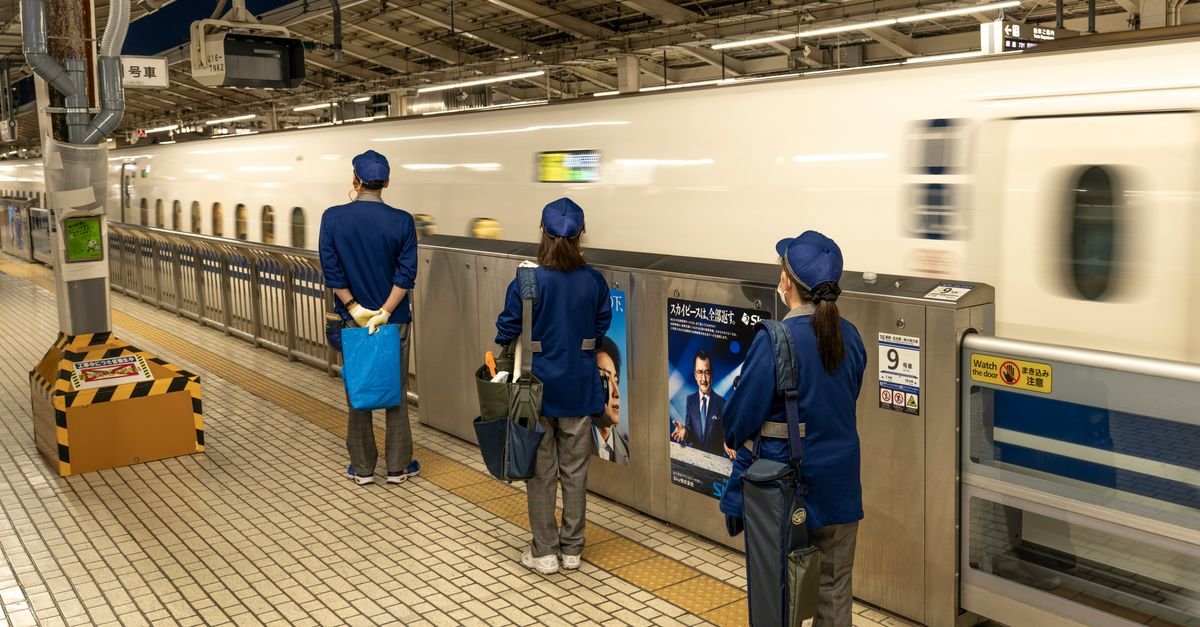
Comparing your options for Japan train travel
The table compares the ticketing approaches on the dimensions that decide which to buy.
| Approach | What it covers | Breaks even when | Flexibility | Best for |
|---|---|---|---|---|
| Nationwide pass | One group’s trains across the country | Several long high-speed legs | High, hop on most trains | Long-distance, multi-region trips |
| Regional pass | One area, often including private lines | Two or three regional legs | High within the area | One-region trips, overlooked value |
| Point-to-point tickets | Exactly what you buy | Always, if you travel little | Total | Two-city trips, slow itineraries |
| IC card | City trains, subways, buses, shops | Immediately | Total, tap and go | Everyone, every trip |
| City day passes | One city’s subway or buses | Three or more rides in a day | Within the city | Sightseeing-heavy city days |
| Night bus or ferry | Long distances, overnight | Not a rail product | Low | Saving a night’s accommodation |
A framework for planning Japan train travel
Four steps settle the whole question, and taking them in order avoids the classic mistake of buying a pass first.
The nationwide pass: when it still wins
The nationwide pass was for decades the default advice, and that is no longer safe.
Its price rose substantially in recent years, which moved the break-even point a long way up. Consequently itineraries that used to justify it comfortably now do not.
It still wins clearly on trips that cross the country several times, or that combine the far north and the far south with the main island. Therefore a genuinely long-distance, high-mileage route is where it earns its keep.
It loses on the classic first-timer route of two or three cities on the same corridor, where point-to-point tickets are usually cheaper. Meanwhile that is exactly the route most first-time visitors take.
A significant restriction catches people out: the very fastest category of high-speed service on the main corridor is excluded, and using it requires paying separately or waiting for the next train. So the pass does not simply mean every train.
The pass also must usually be bought by visitors on a specific entry status, with the eligibility checked at exchange. Consequently confirm current eligibility and purchase rules before planning around it.
Regional passes: the overlooked Japan train travel answer
Regional passes are where most of the genuine savings sit, and they are poorly understood outside Japan.
Each regional railway company sells passes covering its own area, often at a fraction of the nationwide price. Therefore a trip concentrated in one region is almost always better served by one of these.
Several include private railways, buses and ferries within the area, which the nationwide pass does not. Consequently they can cover journeys the bigger pass leaves you paying for.
Some are extraordinarily good value for a specific circuit, including passes aimed at particular scenic routes or island loops. Meanwhile they are sold with durations and area boundaries that must match your plan closely.
Because the areas overlap in places, two regional passes bought for consecutive weeks sometimes beat one nationwide pass. So it is worth sketching the trip as two halves and pricing both.
The catch is research time, since there are dozens of these and no single comparison tool is complete. Consequently budget an hour for this step, which is usually the best-paid hour of the whole planning process.
IC cards and city travel
The IC card is the one piece of Japan train travel advice that applies to every visitor without exception.
Rechargeable IC cards work on trains, subways, buses, and increasingly in convenience stores, vending machines and some taxis. Therefore they remove the need to understand any city’s fare table.
They work across most of the country rather than only in the region that issued them, with a handful of local exceptions. Consequently one card covers almost all urban travel on a multi-city trip.
Several can be added to a phone wallet rather than carried as plastic, which also makes topping up easier. Meanwhile availability of the digital version depends on your device and region, so check before relying on it.
They are not passes and give no discount, they simply make paying frictionless. So the saving is in time and confusion rather than money.
Set one up on arrival at the airport rather than in the city, where machines are busier. Consequently your first journey is already smooth.
Japan train travel reservations, seats and boarding
The reservation system is simple once the vocabulary is clear.
High-speed trains have both reserved and non-reserved carriages, and the non-reserved ones operate first come, first served. Therefore you can travel without a reservation on most services by queuing at the marked door positions.
Reserving is free with most passes and costs a supplement with point-to-point tickets. Consequently reserve when you have luggage, are travelling at a peak, or simply want certainty.
Platform markings show exactly where each carriage door will stop, and queues form at those marks. Meanwhile the train will arrive and depart within seconds of the timetable, so being in the right place matters.
Green car is the first-class equivalent, buying more space and quiet rather than a different service. So it is a pleasant upgrade on a long run and unnecessary on a short one.
Limited express trains on regional lines have their own reservation rules, and some require a supplement even with a pass. Consequently checking the specific train type avoids a conversation with the conductor.
Luggage: the rule that changed
This is the most important recent change in Japan train travel and the one most guides still miss.
Oversized luggage on some high-speed services now requires a reserved space, booked with the seat, at no extra cost if done in advance. Therefore turning up with a very large case and no reservation can mean a fee and a scramble.
The threshold is based on combined dimensions rather than weight, and it is enforced. Consequently measuring your case before you travel is worth doing.
Below the threshold, luggage travels free on overhead racks and in end-of-carriage spaces as everywhere else. Meanwhile Japanese overhead racks are generous by European standards.
The widely used alternative is luggage forwarding, where a courier moves your bags between hotels overnight for a modest fee. So many travellers send the large case ahead and travel with a daypack, which is genuinely the better experience.
Coin lockers are everywhere and are large, numerous and cheap. Consequently a bag-free day between check-out and the next train is easy to arrange.
Japan train travel routes worth building a trip around
Beyond the obvious corridor, several journeys are worth planning for their own sake.
The main high-speed corridor linking the biggest cities is the spine of almost every itinerary, and it is fast enough to make day trips practical between cities hours apart. Consequently a single base can cover more than visitors expect.
The line north into the mountains and on to the northern island crosses genuinely remote country and includes an undersea tunnel. Therefore it is a long day and a memorable one.
West and south, the corridor continues towards the southern island, where a separate high-speed line runs down the west coast. Meanwhile the southern island is substantially less visited and very well served by rail.
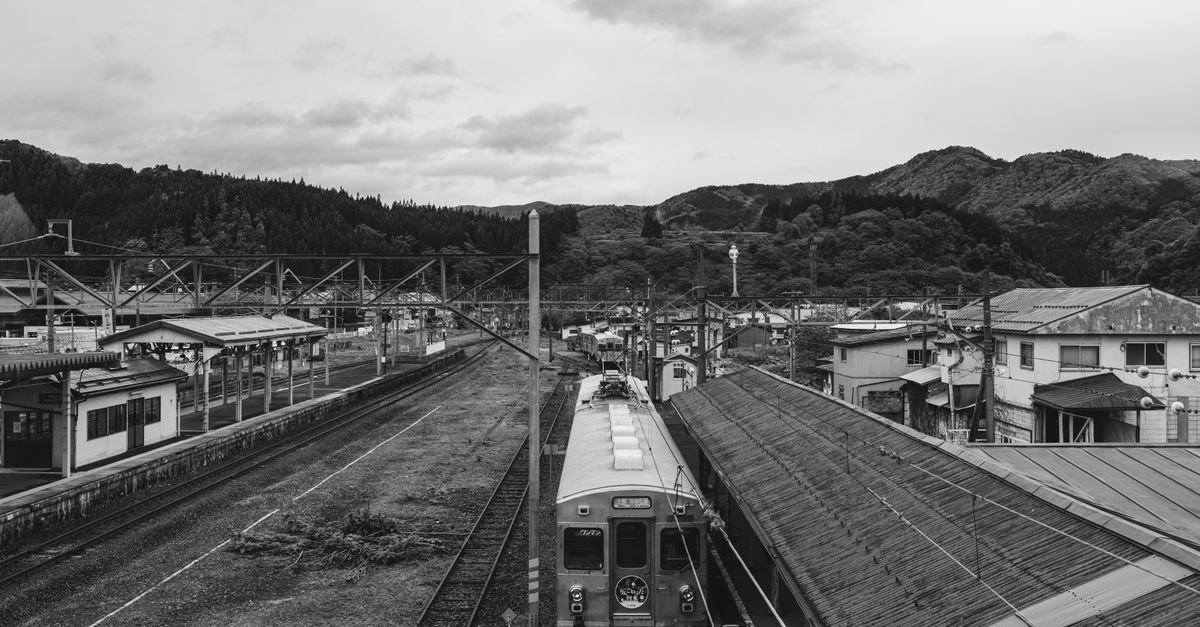
The coastal and mountain local lines are where the country opens up, several of them running single-car trains along the sea or through gorges. So these are the journeys that reward a regional pass.
A number of sightseeing trains run as scheduled services with panoramic windows and themed interiors, bookable like any other train. Consequently they are an attraction you reach by simply reserving a seat.
Timetables, apps and planning tools
Planning Japan train travel is easier than anywhere, provided you use the right tool.
Several journey planners cover the whole country including private railways and buses, in English, with platform-level detail. Therefore route planning is a solved problem.
The best of them show which trains a given pass covers, which is the single most useful feature for a pass holder. Consequently checking coverage before boarding avoids a supplement.
Punctuality is such that connections of a few minutes are genuinely reliable, which changes how tightly you can plan. Meanwhile that also means a missed connection is usually your fault rather than the railway’s.
Seat reservations can be made at ticket offices, at machines and increasingly online, with online availability depending on the operator. So the office remains the fallback for anything complicated.
Station staff are helpful and the major stations have English-speaking information desks. Consequently asking is faster than struggling.
Why rail is the obvious low-impact choice
For a low-carbon trip, Japan is close to the ideal case.
Rail produces substantially lower emissions per passenger kilometre than flying or driving alone, and the Japanese network is almost entirely electrified on the routes visitors use. Therefore a rail-first Japanese trip is clearly the lower-impact option.
High-speed rail competes directly with domestic flights on the main corridors and generally wins on door-to-door time as well as emissions. Consequently the environmental and the practical choice coincide.
The density of the network means a car is unnecessary for almost every itinerary, including rural ones. Meanwhile a handful of remote areas are genuinely easier with a car, and admitting that is more useful than pretending otherwise.
Load factors on the main corridor are high, which improves per-passenger figures further. So the busiest trains are also the most efficient.
For precise comparisons use a current calculator rather than a remembered figure, since grid mix and rolling stock change. Consequently treat the direction as reliable and the number as approximate.
Seasons and timing for Japan train travel
Season affects crowding and price more than it affects operation, and Japan train travel runs reliably year-round.
Spring blossom season and autumn colour season are the two peaks, with the heaviest demand and the highest accommodation prices. Therefore reserving long legs well ahead matters in those windows.
Several domestic holiday periods produce extreme demand, when trains sell out and non-reserved carriages are standing room only. Consequently checking the Japanese holiday calendar before fixing dates is worth five minutes.
Summer is hot and humid, which makes air-conditioned trains a relief and long walks less appealing. Meanwhile the far north is much more comfortable then.
Winter brings snow country into play, with some of the best rail journeys running through deep snow. So winter is underrated rather than unsuitable.
The shoulder weeks either side of the two peak seasons give nearly the same conditions with far fewer people. Consequently they are the best-value time to travel.
Costs and budgeting for Japan train travel
Rail is a large line in a Japanese budget, and the structure matters more than the total.
High-speed fares are high in absolute terms and reasonable per kilometre, which is why long legs justify passes and short ones do not. Therefore the shape of your route determines the bill more than the length of your trip.
Regional passes are the main lever for reducing it, followed by using local lines rather than high-speed where time allows. Consequently a slower itinerary is also a cheaper one.
Night buses and ferries exist as much cheaper long-distance alternatives and save a night’s accommodation. Meanwhile they cost comfort, which is a fair trade on one or two legs rather than throughout.
Budget separately for city transport, which the long-distance passes do not meaningfully cover. So the IC card balance is a real and recurring cost.
Pass prices, eligibility and surcharges all change, so treat this as structure rather than pricing. Consequently check the operators’ current terms before buying anything.
Practical notes for first-time visitors
A few conventions are worth knowing before your first journey.
Trains are quiet. Phone calls are not made in carriages, and conversation is low, which visitors notice immediately. Therefore matching the norm is both easy and appreciated.
Eating is normal on long-distance trains and not on commuter ones, and station bento is a genuine part of the experience. Consequently buying a meal on the platform before a long leg is standard practice.
Queuing is orderly and marked, and boarding happens without a scrum. Meanwhile standing aside to let passengers off first is expected.
Cash remains useful despite widespread card acceptance, particularly in rural areas and at small stations. So carrying some is sensible even on a card-heavy trip.
Finally, verify current entry requirements and any pass eligibility conditions through official channels before booking. Consequently nothing here substitutes for the official position at the time you travel.
Booking checklist for Japan train travel
First, write your actual route and list every long leg before looking at any pass.
Second, price those legs as point-to-point tickets so you have a number any pass has to beat.
Third, compare the nationwide pass against the regional passes that cover your area, remembering that regional ones often include private lines.
Fourth, set up an IC card at the airport on arrival, whichever pass you choose, because city travel is separate.
Fifth, measure your largest suitcase and reserve an oversized luggage space on high-speed legs if it exceeds the limit, or forward it by courier instead.
Finally, check the Japanese holiday calendar against your dates, reserve long legs in blossom and autumn seasons, and confirm pass eligibility rules through official sources.
Mistakes that cost travellers money
- Buying the nationwide pass by default for a two-city trip that point-to-point tickets would cover more cheaply.
- Never investigating regional passes, which are frequently the best value available.
- Assuming a national pass covers private railways and city subways, which it largely does not.
- Boarding the fastest high-speed category on a pass that excludes it.
- Arriving with an oversized suitcase and no reserved luggage space on a high-speed leg.
- Planning travel across a major domestic holiday without reserving.
- Skipping the IC card and buying individual city tickets all week.
Frequently asked questions about Japan train travel
Is the nationwide rail pass worth buying?
Only if your route includes several long high-speed legs, because its price rose substantially and moved the break-even point up. For the common first-timer route of two or three cities on one corridor, point-to-point tickets are usually cheaper. Price your actual route both ways before deciding.
What is a regional pass and should I consider one?
Each regional railway company sells passes covering its own area, often at a fraction of the nationwide price and frequently including private railways, buses or ferries. For a trip concentrated in one region they are almost always better value, and they are widely overlooked by visitors.
Do I need an IC card as well as a pass?
Yes, for practical purposes. Long-distance passes do not meaningfully cover city subways and buses, and a rechargeable IC card works on nearly all urban transport plus many shops and vending machines. Set one up at the airport on arrival.
Can I bring a large suitcase on the bullet train?
Oversized luggage on some high-speed services requires a reserved space booked with your seat, based on combined dimensions rather than weight, and it is enforced. Reserve in advance, or use the widely available luggage forwarding services to send the case to your next hotel instead.
Do I need seat reservations?
Not always, because high-speed trains have non-reserved carriages that work first come, first served. Reserve when you have luggage, are travelling at a peak or during a domestic holiday, or simply want certainty. Reservations are free with most passes.
Is Japan hard to navigate without Japanese?
No. Signage at every station visitors use is bilingual, journey planners work in English with platform-level detail, and major stations have English-speaking information desks. The network is considerably easier to use than its scale suggests.
Where to stay along the route
Japanese station hotels are a genuine category, and staying above or beside the station makes an early departure painless. Compare hotels near Japanese stations on Trip.com
How this guide was researched
This guide explains the structure of Japanese rail ticketing rather than quoting prices: the split of the former national railway into regional companies, the separate private railways and municipal subways that national passes do not cover, the distinction between nationwide and regional passes, the reserved and non-reserved carriage system, and the oversized luggage reservation requirement on some high-speed services.
No pass prices, fares, surcharge amounts or luggage dimension thresholds appear here, because all of them change and several have changed recently. The point that the nationwide pass is no longer the automatic answer reflects documented price increases rather than an opinion, but the break-even depends entirely on your route, which is why the guide tells you to price it both ways rather than giving a rule.
The emissions comparison is stated directionally. Rail is substantially lower-carbon per passenger kilometre than flying or driving alone, and the Japanese network is almost entirely electrified on visitor routes, but precise figures depend on grid mix and occupancy. Nothing here claims first-hand travel on every route described.
Useful official references: the Japan National Tourism Organization for official travel information, US State Department country information for Japan for entry requirements, the International Energy Agency’s Japan profile for electricity mix context, and the UNESCO World Heritage list, which includes many rail-accessible Japanese sites.
Planning more rail travel? See our guides to two weeks in Japan, rail passes for Europe and train versus plane emissions.
Last updated .
