

Crafting the perfect minimalist travel packing list is more than just saving space; it’s a strategy for more flexible, sustainable, and stress-free adventures. For digital nomads and remote workers prioritizing rail-first travel, a lighter bag means greater mobility, easier transitions between train platforms, and a significantly smaller carbon footprint. This comprehensive guide moves beyond generic advice to provide a complete system for intentional, low-impact journeys.
This is not just about packing less; it’s about packing smarter. We will show you how to build a versatile, carry-on-only setup that adapts to any trip, from a short city break to a multi-month, multi-season work-travel experience. You will discover actionable strategies for selecting multi-use gear, creating modular packing templates, and implementing zero-waste alternatives that align with a sustainable lifestyle.
Inside, you will find detailed checklists organized by category, specific product recommendations from trusted brands like REI Co-op, Tortuga, and MUJI, and practical advice on laundering and resupplying on the road. We also address the unique constraints of train travel, helping you navigate everything from luggage storage to overnight journeys with ease. Each recommendation is grounded in practical, real-world testing and vetted for sustainability. By focusing on quality over quantity, you can move effortlessly between cities, reduce your environmental impact, and fully embrace the freedom of light travel.
1. Eco Nomad Travel
For those building a minimalist travel packing list grounded in sustainability, Eco Nomad Travel serves as an indispensable, evidence-based hub. It moves beyond generic advice, offering a comprehensive framework specifically for rail-first digital nomads, remote workers, and climate-aware travelers. Instead of simply listing items, the platform provides a complete system for lighter, lower-impact journeys, making it a standout resource for intentional travel planning.
The site is edited by sustainable travel writer Jeremy Jarvis and distinguishes itself with a data-driven approach. It integrates practical tools directly into its guides, which is a significant advantage for modern travelers. You can use a free travel carbon-footprint calculator, live currency and crypto converters, and a unique train-vs-plane emissions comparator to make informed decisions before booking a single ticket. This allows you to quantify the environmental benefits of choosing rail over air, a core principle of the site’s philosophy.
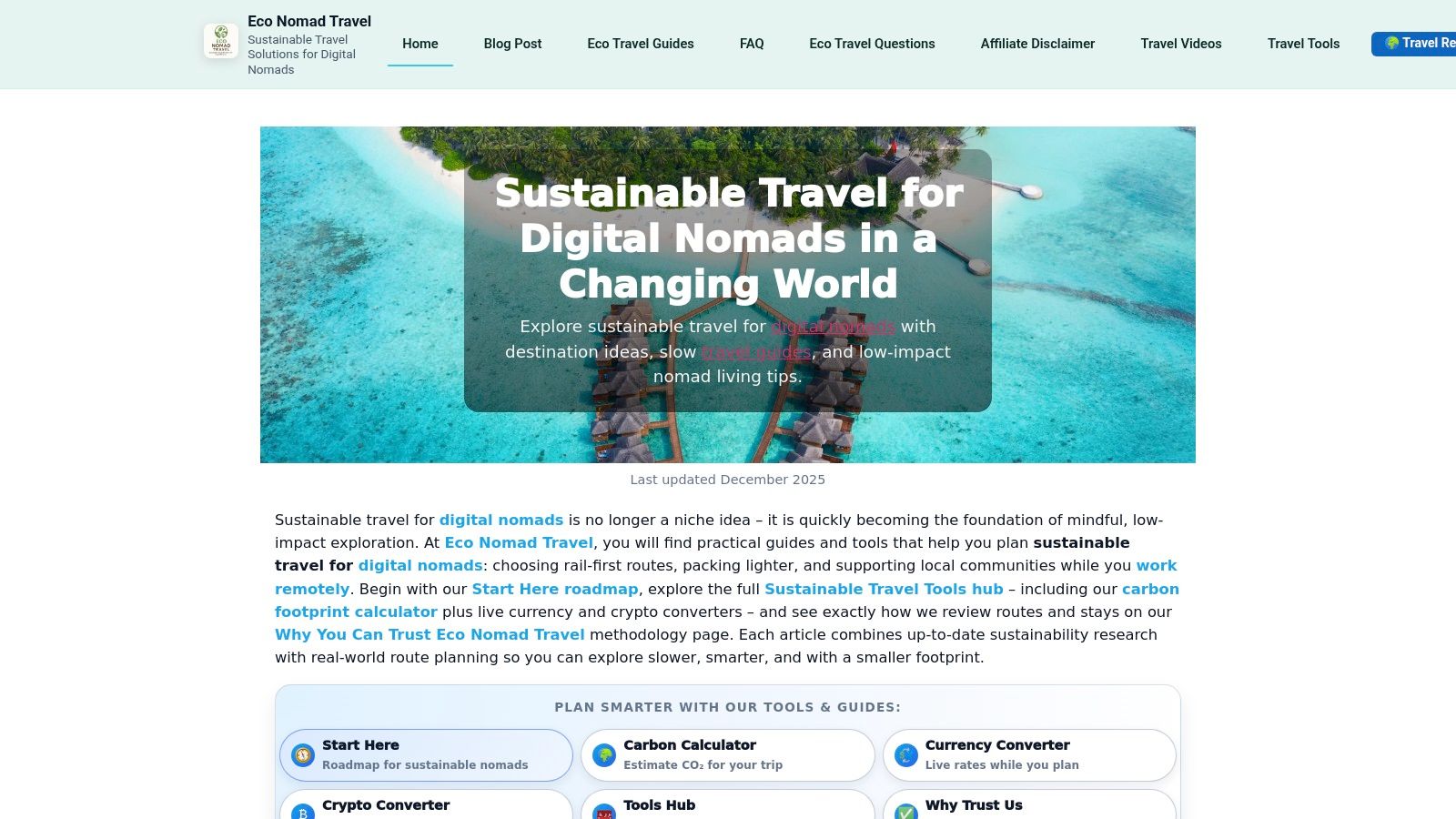
Unlike many travel blogs, Eco Nomad Travel is committed to transparency. Its recommendations are backed by reputable sources like Our World in Data, the Global Ecotourism Network (GEN), and various European rail emissions studies. The site clearly explains its methodology, empowering you to evaluate the trade-offs between cost, time, and CO₂ emissions for your specific itinerary. This focus on verifiable data builds a high level of trust and authority.
Core Features and Strengths
Eco Nomad Travel excels in turning complex sustainability concepts into actionable travel plans. Its content is structured to guide users from initial idea to a fully realized, low-impact trip.
- Practical Packing Systems: The cornerstone content provides modular packing templates tailored to trip length and season. The site’s zero-waste packing guide is particularly useful, offering specific suggestions for multi-use items, low-buy alternatives, and strategies for laundering and resupplying on the road. You can find more detail in their guide to packing for low-impact travel.
- Rail-First Itineraries: The platform is a goldmine for anyone interested in European train travel. It features in-depth guides on night trains, regional rail passes, and shoulder-season planning, which are essential for car-free couples and minimalist packers wanting to avoid the hassle and emissions of flights.
- Data-Driven Tools: The free, no-signup-required carbon calculator is a powerful feature. It allows you to run “what-if” scenarios, directly comparing the carbon footprint of a flight versus a train journey for the same route. This makes the abstract concept of travel emissions tangible and actionable.
How to Use Eco Nomad Travel Effectively
To maximize the benefits of this resource, start with the “Start Here” roadmap, which provides a structured approach to planning. Use the packing checklists as a foundation and customize them based on your destination and planned activities. Before booking transportation, run your proposed routes through the train-vs-plane comparator to see the potential CO₂ savings.
The site is not a direct booking platform but an independent planning hub. It provides clearly disclosed affiliate links to trusted partners like Trip.com for booking transport and accommodation. This model keeps the information free while allowing you to book through vetted providers. For connectivity, consider their recommendations for eSIM providers like Airalo to stay connected without physical SIM cards.
Pros:
- Strong focus on low-carbon, rail-first travel with clear CO₂ comparisons.
- Practical, nomad-specific tools like a free carbon calculator and currency converters.
- Transparent, research-backed methodology citing trusted organizations.
- Emphasis on walkable base cities, regenerative stays, and zero-waste routines.
Cons:
- Not a direct booking operator; you must book through partner links.
- Guidance is less applicable for itineraries where rail travel is impractical.
2. REI Co-op: A Great Minimalist Travel Packing List Resource
For those building a durable, sustainable, and minimalist travel packing list, REI Co-op is an invaluable one-stop shop. It excels by merging high-quality retail with practical, actionable education. This combination allows you to learn the principles of minimalist packing and immediately find the gear that fits those principles, all in one place. Unlike sprawling marketplaces, REI’s curated selection focuses on reliable, technical gear designed for performance and longevity, which is a core tenet of sustainable travel.
The platform is especially useful for rail-first digital nomads who need multi-functional, lightweight items. You can find everything from merino wool base layers and packable down jackets to carry-on compliant backpacks and a vast array of packing cubes. The real differentiator is their “Expert Advice” section. These articles and guides break down complex packing strategies into simple rules, like the popular 1-2-3-4-5-6 guideline, making the process less intimidating for newcomers.
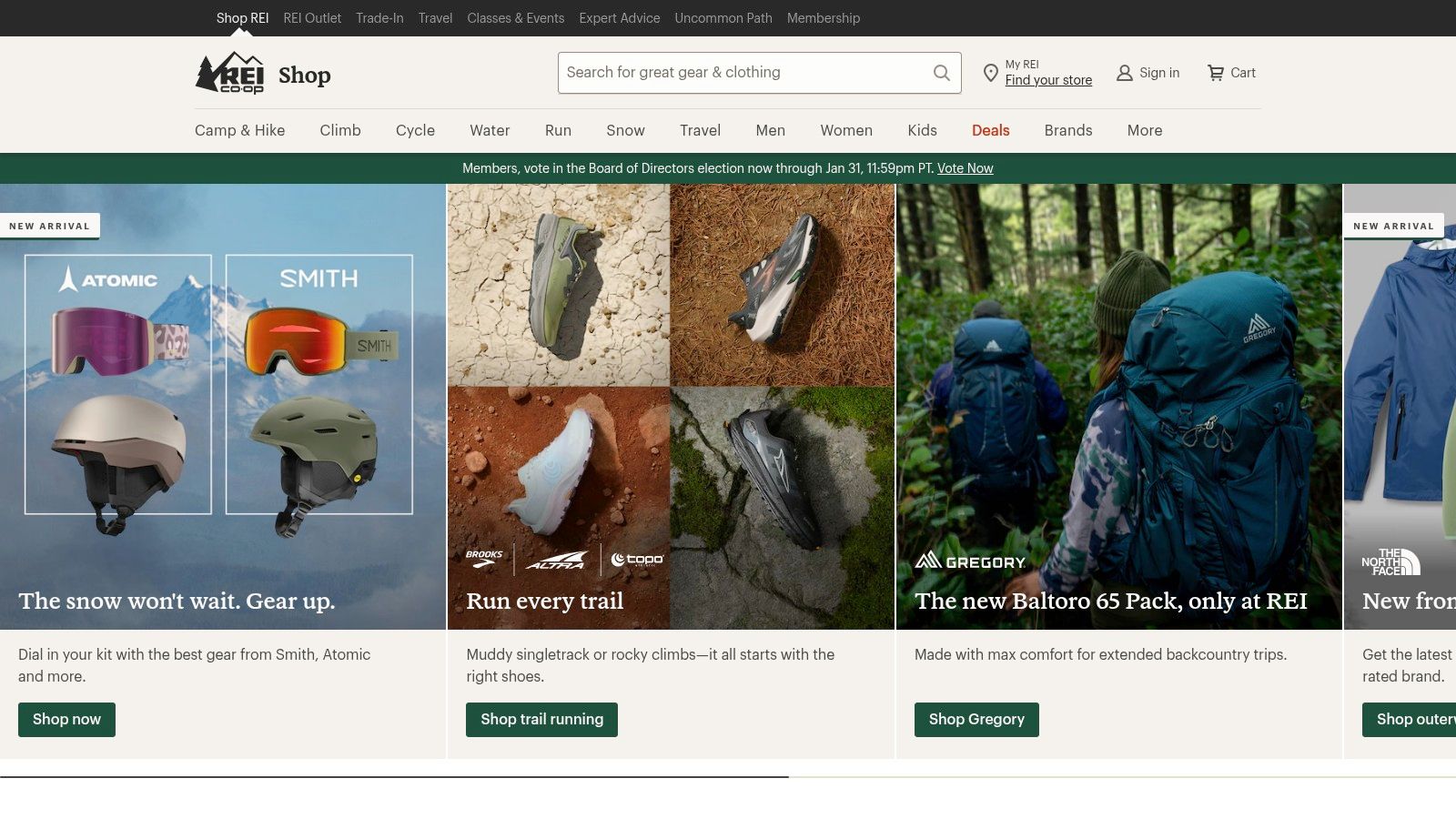
This educational component, paired with a robust product inventory, creates a seamless user experience. You can read about the benefits of merino wool for travel and then browse a selection of ethically sourced options. Similarly, a guide on choosing the right travel pack is linked directly to top-rated bags from brands like Osprey, Patagonia, and REI’s own Co-op line. For those committed to sustainability, REI makes it easy to filter for products with Bluesign® or Fair Trade certifications.
Getting the Most Out of REI
To maximize the platform, start in the Expert Advice section to ground your packing strategy. Once you have a framework, use the detailed product filters to find items that match your specific needs, such as weight, material, and sustainability credentials. The in-store support is also a significant advantage; getting professionally fitted for a backpack can prevent discomfort on long travel days.
A lifetime membership costs a one-time fee of $30 USD and provides significant value. Members get free U.S. standard shipping on most orders, an annual member dividend (typically 10% back on eligible purchases), and access to exclusive sales and the “Garage Sale” for used gear. This makes it a cost-effective choice for anyone regularly investing in quality travel equipment. While popular items can sell out during major sales, checking the REI Outlet section often reveals excellent deals on last-season’s gear. This focus on durability and repair aligns perfectly with a low-buy, minimalist philosophy. When shopping, you’ll find an excellent selection of the kind of quick-drying clothing that is essential for minimalist travel.
- Website: https://www.rei.com
- Best For: Travelers seeking reliable, technical gear and educational resources on how to pack light and sustainably.
- Unique Feature: The integration of in-depth packing guides (“Expert Advice”) with a curated retail selection.
3. Amazon
While a vast marketplace might seem counterintuitive for a minimalist travel packing list, Amazon serves as an excellent starting point for sourcing essential organizational gear. It excels at providing a massive, budget-friendly selection of packing basics like cubes, refillable bottles, and cable organizers. This accessibility allows travelers, especially those new to minimalism, to test out packing systems without a significant financial commitment. Unlike curated specialty stores, Amazon’s strength lies in its sheer volume and competitive pricing, making it easy to find low-cost accessories quickly.
The platform is particularly useful for digital nomads and remote workers who need to rapidly source specific items before a trip. With options for fast Prime shipping, you can acquire everything from a set of compression packing cubes to a TSA-approved toiletry bag in just a day or two. The standout feature is the extensive user review system. The thousands of customer photos and detailed critiques provide invaluable real-world insights into an item’s durability and functionality, helping you sift through the massive catalog to find reliable products.
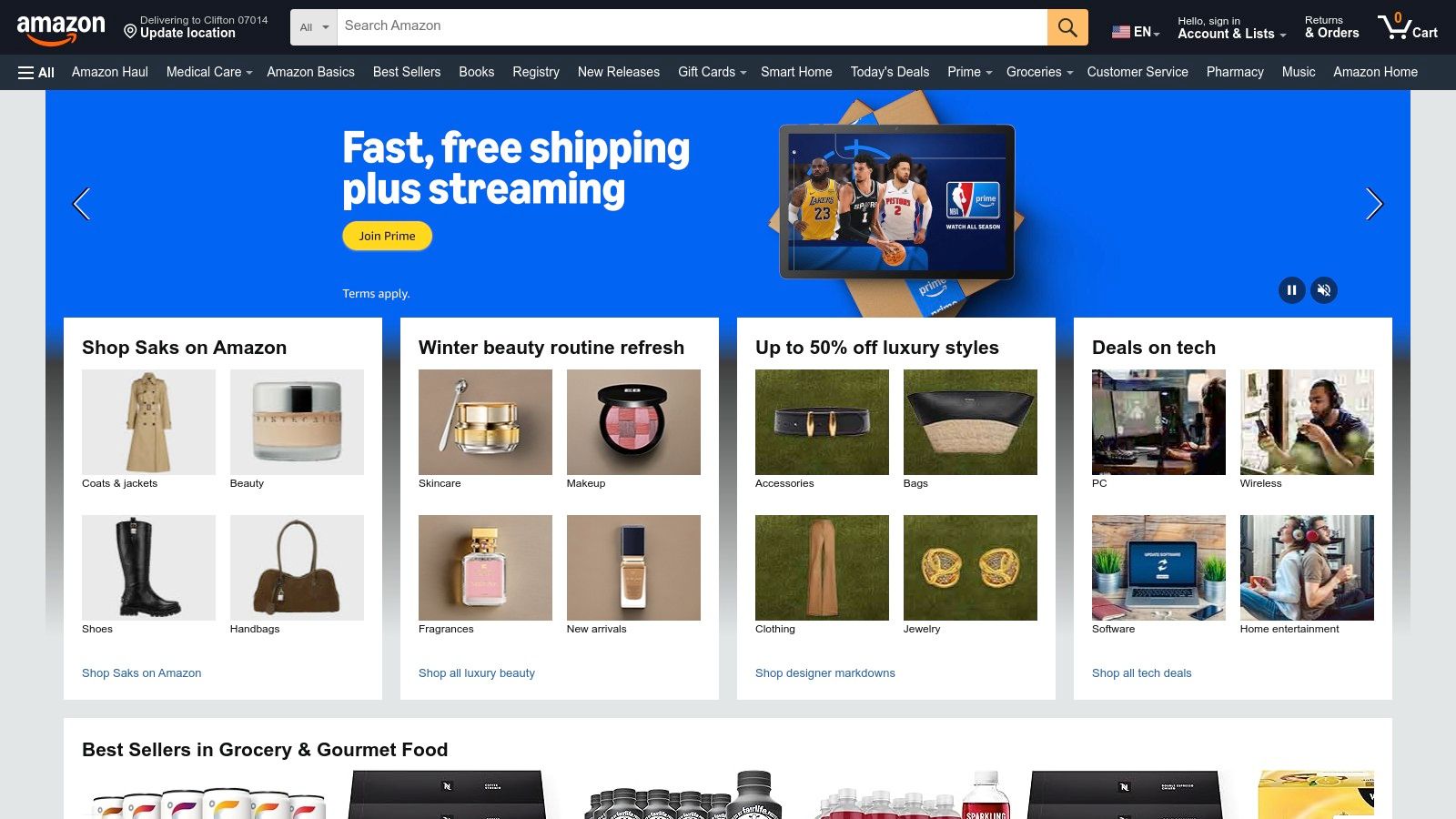
This user-generated feedback, combined with an enormous product range, creates a powerful comparison tool. You can read reviews on ten different brands of silicone travel bottles side-by-side to see which ones are truly leakproof. Similarly, you can compare budget-friendly packing cubes against more premium options to decide if the investment is worthwhile for your travel style. The streamlined returns process for most items also lowers the risk of trying out a new product that might not meet your minimalist standards.
Getting the Most Out of Amazon
To use Amazon effectively for your minimalist packing list, be highly specific with your search terms. Instead of “travel bag,” search for “personal item underseat bag 18x14x8 inches.” Use the filter functions extensively, sorting by average customer review (4 stars & up) and brand to narrow down the options. Always read the most recent reviews, both positive and negative, to get a balanced view of a product’s current quality, as third-party seller inventory can change.
Amazon Prime, which includes fast, free shipping on eligible items, is a major benefit for last-minute needs. While Prime sharing is now limited to a single household, the convenience can still be worth it for frequent travelers. For non-members, consolidating items into a single order often qualifies for free shipping over a certain threshold (typically $35 USD). Be cautious of product quality from unknown sellers; sticking to well-reviewed items or “Amazon’s Choice” products can help mitigate risks. The platform is best for testing concepts, like whether compression cubes or regular cubes work better for you, before you decide to invest in higher-end, more sustainable gear.
- Website: https://www.amazon.com
- Best For: Budget-conscious travelers testing out minimalist packing systems and needing fast delivery of essential accessories.
- Unique Feature: The massive volume of user reviews and photos, providing real-world feedback on a wide array of travel products.
4. Tortuga
For travelers committed to one-bag travel, Tortuga offers a laser-focused solution for crafting the ultimate minimalist travel packing list. The brand designs backpacks and organizers specifically for carry-on-only enthusiasts, making it a go-to resource for digital nomads and minimalist adventurers. Unlike general outdoor brands, Tortuga’s entire philosophy centers on maximizing carry-on space, ensuring organizational efficiency, and protecting electronics, which directly addresses the core needs of a modern, mobile lifestyle.
The platform excels by providing not just the gear but also the blueprint for using it. Its products, like the flagship Travel Backpack, are engineered to meet strict airline size requirements while offering features like front-loading access, a protected laptop sleeve, and logically placed compartments. This purpose-built design is complemented by one of the web’s most practical and straightforward minimalist packing guides on their blog. This synergy of product and education empowers users to confidently pack everything they need in a single, organized bag.
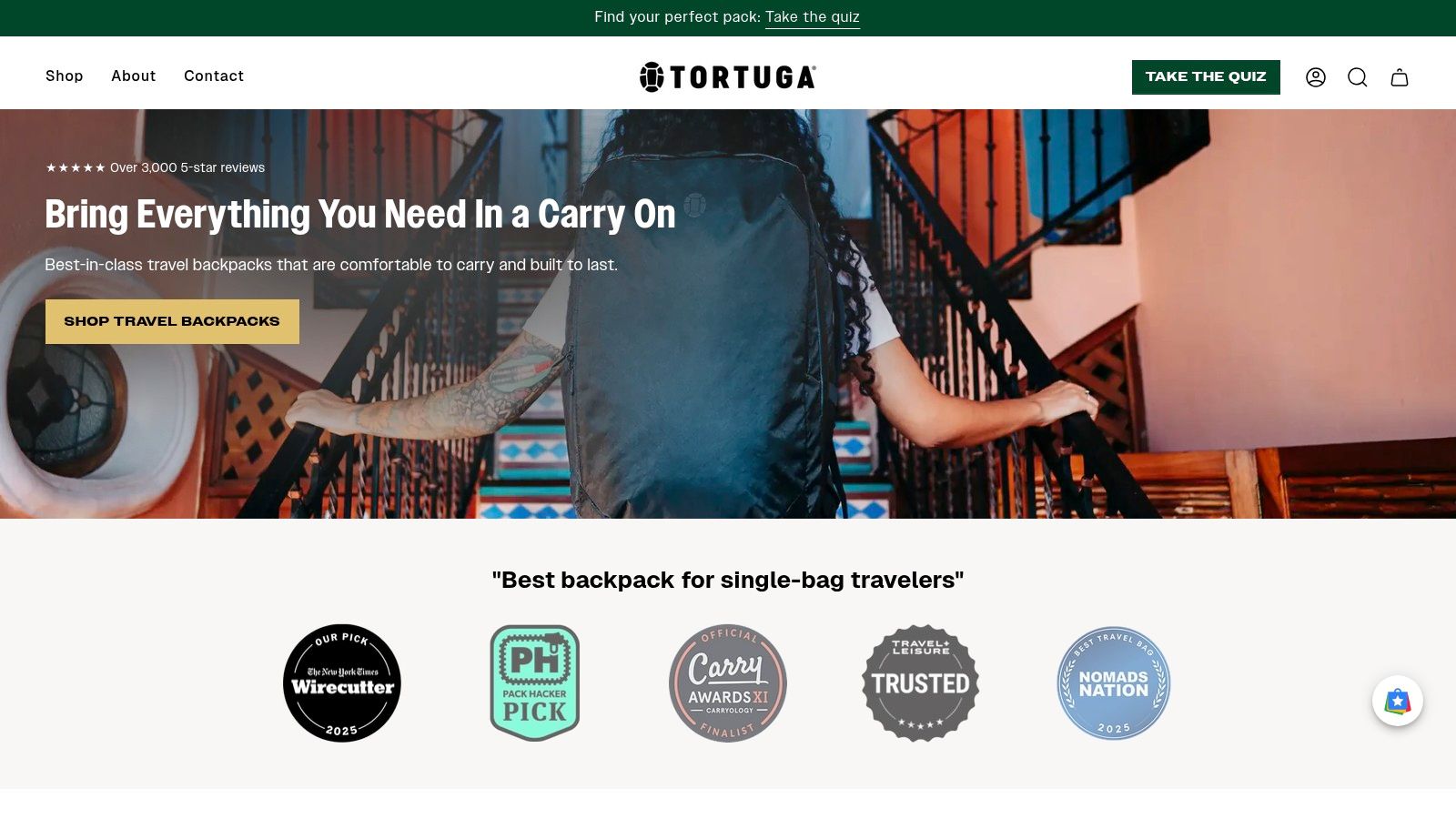
This integrated approach sets Tortuga apart. You can read a detailed article on their blog about the merits of packing cubes and then immediately purchase a set designed to fit perfectly within their backpacks. This removes the guesswork often associated with building a cohesive packing system. The products are priced at a premium, reflecting their specialized design and durable materials, but they solve a very specific problem: how to travel light without making sacrifices. While fulfillment is currently limited to the United States, their clear shipping and return policies provide a reliable customer experience for U.S.-based travelers. For anyone serious about carry-on only travel, their expertise is invaluable, and you can learn how to pack carry-on only with their guidance.
Getting the Most Out of Tortuga
To fully leverage the platform, start with their blog and packing list guides. These resources provide the strategic foundation for your minimalist packing approach. Once you understand the principles, you can explore their product line to find a backpack and organizer set that aligns with your specific travel style and gear. The product descriptions are highly detailed, explaining the intended use for every pocket and feature, which helps in making an informed decision.
While the brand is U.S.-focused with free ground shipping on orders over a certain threshold, international travelers often use package forwarding services to access their products. The investment in a Tortuga pack is significant, but the simple warranty and straightforward return policy offer peace of mind. Their focus on creating a single, durable bag that lasts for years aligns perfectly with a minimalist, low-buy ethos. By buying one quality pack instead of several cheaper ones, you reduce waste and invest in gear that supports long-term travel.
- Website: https://www.tortugabackpacks.com
- Best For: Digital nomads and travelers dedicated to carry-on-only travel who need a specialized, highly organized packing system.
- Unique Feature: A product line and educational blog that are exclusively focused on solving the challenges of one-bag minimalism.
5. Pack Hacker
For travelers looking to perfect their minimalist travel packing list, Pack Hacker is an indispensable research hub. It functions as a specialized encyclopedia for travel gear, offering incredibly detailed reviews, comparisons, and curated packing guides. Unlike retail sites that sell products directly, Pack Hacker’s mission is purely informational. It helps you understand what to pack, why it’s the right choice, and where to buy it from reputable sellers.
The platform is a goldmine for digital nomads and minimalist travelers who want to make informed decisions before investing in gear. Its strength lies in rigorous, real-world testing. You won’t find generic product descriptions; instead, you get deep-dive reviews on everything from the fabric durability of a travel backpack to the user interface of a packing cube. The detailed pros and cons, usage timelines, and a standardized rating system make it easy to compare items and find the perfect fit for your specific travel style.
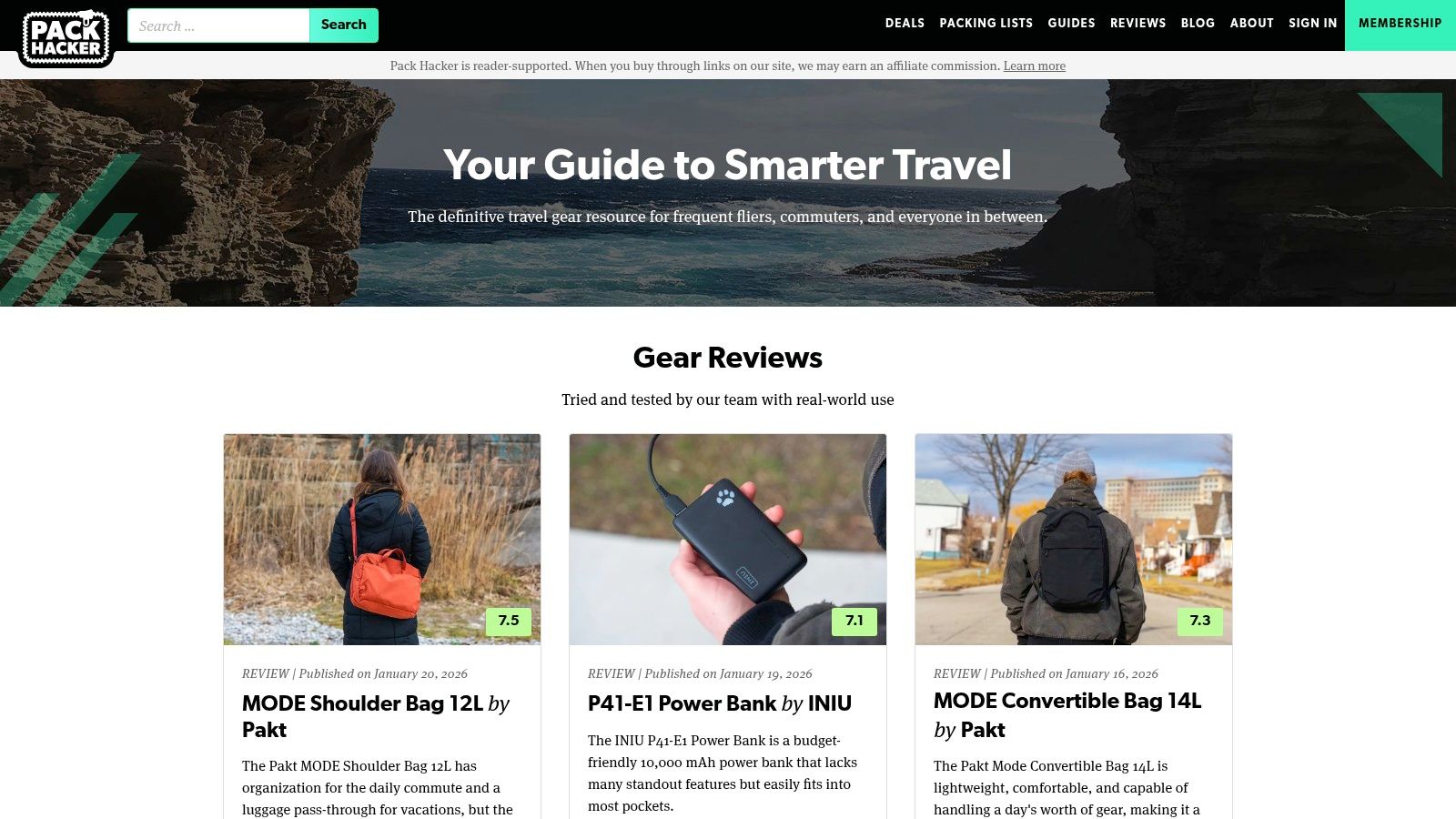
This research-driven approach saves you time and prevents costly packing mistakes. The site translates abstract minimalist principles into concrete item suggestions. You can explore their various packing lists, which range from “bare minimum” essentials for ultralight travel to comprehensive setups for long-term digital nomads. Each list is thoughtfully constructed and links directly to in-depth reviews and purchase options on third-party sites like REI, brand websites, or Amazon.
Getting the Most Out of Pack Hacker
To maximize the platform’s value, start with their curated Packing Lists to get a baseline for your trip. From there, dive into the individual Gear Reviews for items you’re considering. Pay close attention to the “Usage Timeline” in their reviews, as it provides honest feedback on how a product holds up over time, a crucial factor for sustainable, long-term travel.
The Gear Roundups and Comparison Guides are particularly useful for making final decisions between two or three top contenders. Because Pack Hacker doesn’t sell products directly, their advice remains editorially independent, focused solely on performance and user experience. While many recommended items are in the premium price range, the meticulous reviews ensure you are investing in quality that lasts, which aligns with a low-buy, minimalist ethos. Keep an eye on their continuously updated guides to stay current with the latest and best gear iterations.
- Website: https://www.packhacker.com
- Best For: Travelers wanting to research and compare high-quality gear with data-driven reviews before making a purchase.
- Unique Feature: Rigorous, hands-on testing and in-depth, standardized reviews that provide unbiased insights into gear performance.
6. MUJI USA
For crafting the perfect minimalist travel packing list with a focus on affordability and zero-waste principles, MUJI USA is an essential resource. The brand’s philosophy of simplicity and function translates directly into products that are ideal for organized, lightweight travel. Unlike stores that offer flashy or over-engineered solutions, MUJI provides no-frills, high-quality basics like refillable containers, clear cases, and simple organizers. This approach empowers travelers to build a custom, sustainable toiletries and accessories kit from the ground up.
The platform is especially beneficial for rail-first digital nomads who need to keep their small items tidy and accessible. MUJI’s standardized, stackable containers and bottles make it easy to decant your favorite products, reducing single-use plastic waste. Their clear TPU cases are perfect for speeding through airport security, while their various mesh pouches help compartmentalize everything from charging cables to first-aid supplies. This focus on modular, reusable items makes MUJI a go-to for low-cost, eco-conscious packing.
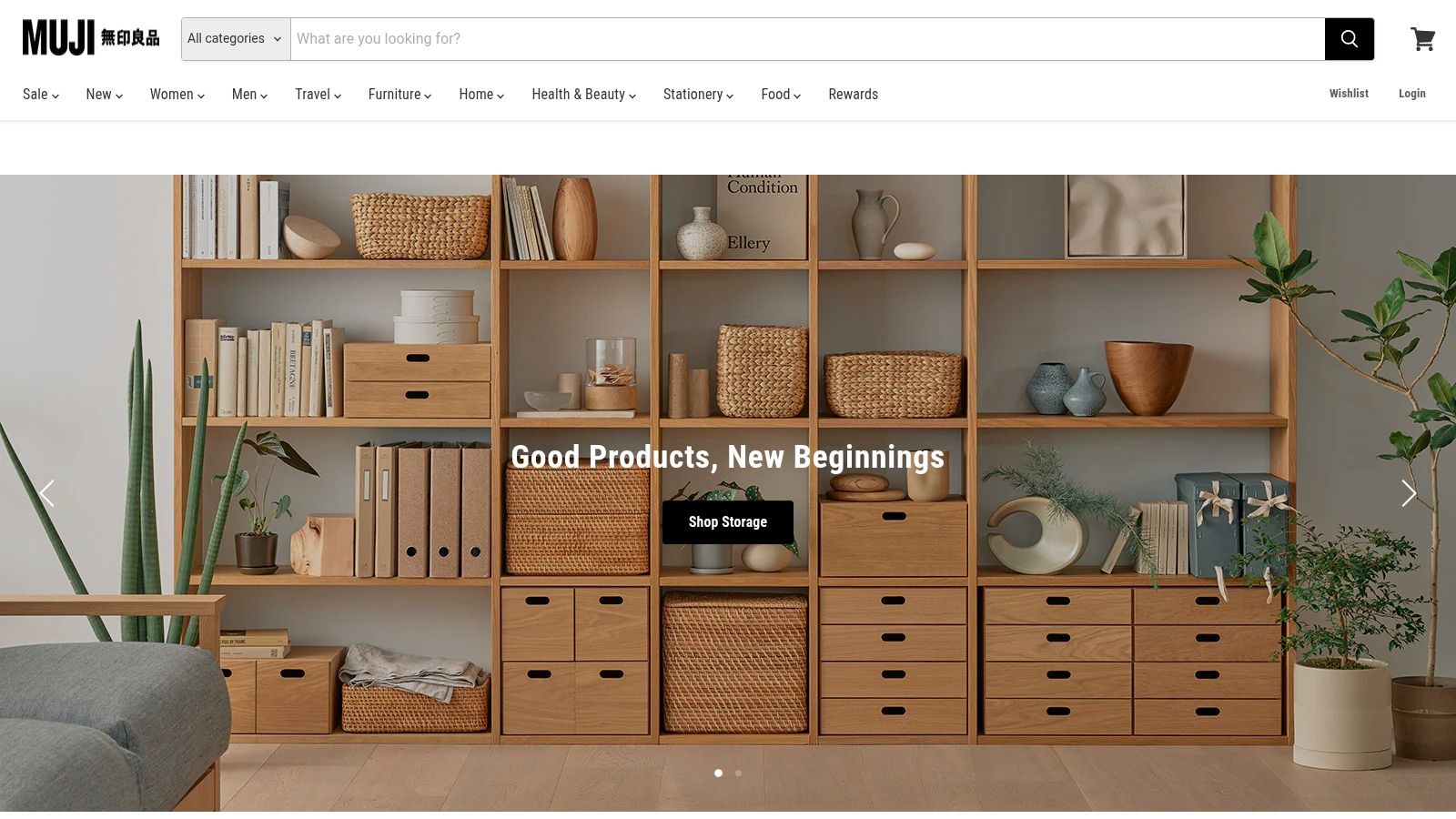
The user experience on the MUJI USA website is clean and straightforward, mirroring the brand’s aesthetic. You can easily navigate to the “Travel” section to find everything you need in one place. The product descriptions are direct, focusing on material and dimension, which helps in planning exactly how each item will fit into your luggage. This functional approach allows you to efficiently assemble a compact and highly organized system without unnecessary expense or features. This aligns perfectly with the principles outlined in this guide to zero-waste nomad packing.
Getting the Most Out of MUJI
To maximize the platform, start by inventorying your current toiletries and accessories to determine exactly which container sizes you need. MUJI offers a wide range of bottles, pots, and sprayers, so measuring your liquids beforehand prevents over-buying. Take advantage of their multi-piece sets for the best value. Also, be sure to check the “Sales” section for discounts on organizers and other travel essentials.
While shipping can take 7–10 business days, planning your purchases ahead of a trip will mitigate this. Meeting the free shipping threshold is often easy if you are building a full travel kit. Pay close attention to the return policy, as some items like innerwear can be final sale. By focusing on their core offerings of containers and cases, you can build a durable, refillable travel system that supports a minimalist and low-impact lifestyle for years to come.
- Website: https://www.muji.us
- Best For: Travelers building a budget-friendly, zero-waste toiletries kit and organizing small accessories.
- Unique Feature: An extensive collection of simple, affordable, and standardized refillable containers and cases.
7. TOM BIHN
For the traveler dedicated to creating a truly modular minimalist travel packing list, TOM BIHN is a foundational resource. The U.S.-based company specializes in an ecosystem of packing cubes, organizers, and pouches designed for one-bag travel. It excels by focusing on extreme durability, thoughtful design, and repairability, appealing to those who see their gear as a long-term investment rather than a disposable convenience. This “buy it for life” philosophy directly supports a low-buy, sustainable travel mindset.
TOM BIHN’s approach is perfect for rail-first digital nomads who need a systematic, repeatable packing method for frequent multi-city trips. Their extensive line of packing cubes, including clear and internally divided options, allows for meticulous organization of clothing, tech, and toiletries. Unlike many competitors, their products are designed to function together as a cohesive system. This means you can segment every part of your travel kit into its own dedicated, perfectly sized pouch, making packing and unpacking incredibly efficient.
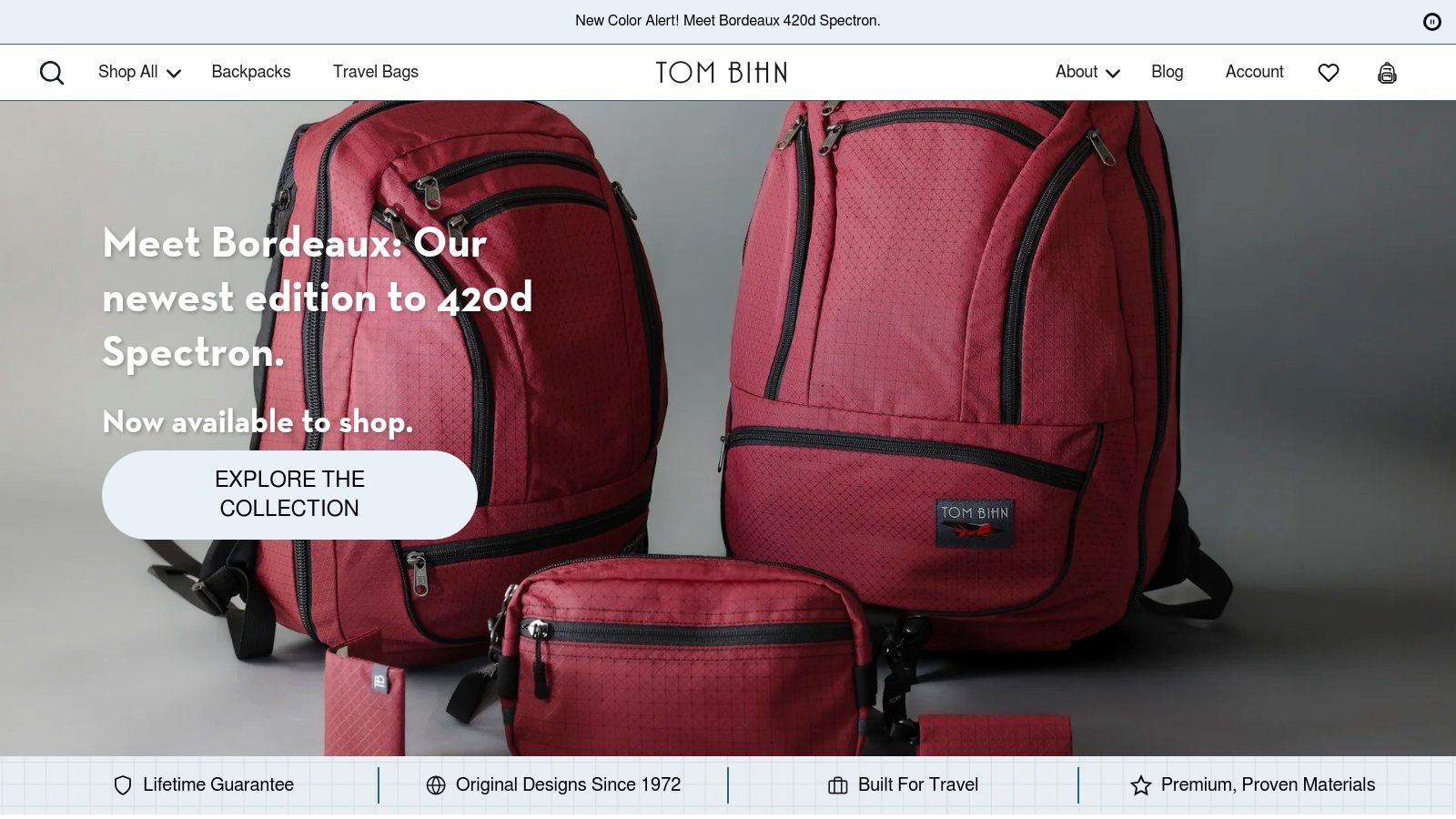
The platform’s strength lies in its specialized, high-quality offerings. Every item, from the zippers to the fabric, is chosen for longevity, and the company stands behind its products with a robust repair policy. For travelers building a minimalist travel capsule wardrobe, their various cube sizes can accommodate different clothing types, from socks to bulkier sweaters. This segmentation prevents overpacking and ensures everything has a designated place, simplifying life on the road.
Getting the Most Out of TOM BIHN
To maximize the platform, start by assessing your current packing pain points. Are your electronics a tangled mess? Do you struggle to separate clean and dirty laundry? TOM BIHN likely has a specifically designed pouch or cube to solve that problem. Use their detailed product pages, which include dimensions and use-case photos, to plan out your system before purchasing. It’s wise to measure the interior of your primary travel bag to ensure the cubes you select will fit efficiently.
While the upfront cost is higher than mass-market alternatives, the lifetime value is exceptional. The focus on durability and repair means you will not have to replace your gear every few years. Keep an eye on the “In Production” page on their website to see what will be restocked soon, as popular items can sell out. Joining their community forums can also provide valuable insights and real-world packing examples from long-time users. This system-based approach to packing is ideal for anyone who values efficiency and sustainable, long-lasting gear.
- Website: https://www.tombihn.com
- Best For: Frequent travelers seeking a durable, modular, and systematic approach to one-bag packing.
- Unique Feature: An integrated ecosystem of packing organizers built with a lifetime repair-focused guarantee.
Minimalist Travel Packing: 7-Brand Comparison
Eco Nomad Travel
| Item | Complexity 🔄 | Resources ⚡ | Expected outcomes 📊 | Ideal use cases 💡 | Key advantages ⭐ |
|---|---|---|---|---|---|
| Eco Nomad Travel | Low — ready-to-use guides & tools | Minimal cost; free calculators; internet required | Lower CO₂ itineraries; data-backed trade-offs (time/cost) | Climate-aware nomads, rail-first & long-stay planning | Research-backed guidance; free carbon calculator; transit-focused recommendations |
REI Co-op
| Item | Complexity 🔄 | Resources ⚡ | Expected outcomes 📊 | Ideal use cases 💡 | Key advantages ⭐ |
|---|---|---|---|---|---|
| REI Co-op | Low — retail + practical guides | Mid-range budget; membership boosts perks | Reliable gear fit & immediate purchase | Shoppers needing in-store support, technical clothing, packing guidance | Wide inventory; expert advice; member benefits & returns |
Amazon
| Item | Complexity 🔄 | Resources ⚡ | Expected outcomes 📊 | Ideal use cases 💡 | Key advantages ⭐ |
|---|---|---|---|---|---|
| Amazon | Very low — search-and-buy marketplace | Low cost options; Prime for fast delivery | Quick sourcing of budget accessories; quality varies | Rapid replacement, testing inexpensive solutions | Huge selection; fast shipping; extensive user reviews |
Tortuga
| Item | Complexity 🔄 | Resources ⚡ | Expected outcomes 📊 | Ideal use cases 💡 | Key advantages ⭐ |
|---|---|---|---|---|---|
| Tortuga | Low — product-driven with clear guidance | Premium pricing; U.S. fulfillment | Carry-on-optimized packing; organized travel setup | One-bag travelers prioritizing carry-on and organization | Purpose-built front-loading packs; clear minimalist packing list |
Pack Hacker
| Item | Complexity 🔄 | Resources ⚡ | Expected outcomes 📊 | Ideal use cases 💡 | Key advantages ⭐ |
|---|---|---|---|---|---|
| Pack Hacker | Low — research hub, no direct sales | Time investment to read; links to retailers | Well-researched item choices; informed buying | Comparing gear before purchase; minimalist packing lists | In-depth reviews; curated, test-based recommendations |
MUJI USA
| Item | Complexity 🔄 | Resources ⚡ | Expected outcomes 📊 | Ideal use cases 💡 | Key advantages ⭐ |
|---|---|---|---|---|---|
| MUJI USA | Very low — simple, standardized products | Low cost; standard shipping windows | Compact toiletries & tidy small-accessory organization | Zero-waste toiletries kits; budget-friendly organizers | Affordable TSA-friendly containers; simple modular organizers |
TOM BIHN
| Item | Complexity 🔄 | Resources ⚡ | Expected outcomes 📊 | Ideal use cases 💡 | Key advantages ⭐ |
|---|---|---|---|---|---|
| TOM BIHN | Low–Moderate — ecosystem requires sizing attention | Higher upfront cost; durable materials; repair focus | Long-lasting, modular packing system; fewer replacements | Frequent multi-city travelers who value durability & repairability | High-quality construction; repair service and long-term value |
Your Journey to Lighter, More Intentional Travel
Crafting the perfect minimalist travel packing list is more than just a logistical exercise; it’s a transformative step toward a more intentional and sustainable way of exploring the world. As we’ve explored, this approach isn’t about deprivation. Instead, it’s about liberation. By carefully curating a small set of high-quality, versatile, and eco-conscious items, you free yourself from the physical and mental weight of overpacking. You become more agile, more present, and better equipped to embrace the spontaneity that makes rail-first, slow travel so rewarding.
This philosophy shifts your focus from stuff to experiences. No more wrestling with oversized bags on crowded train platforms or paying exorbitant fees for checked luggage. Instead, you can navigate bustling European train stations and quiet, walkable base cities with ease. The principles we’ve discussed, from building a modular capsule wardrobe with items from ethical brands like REI Co-op to choosing zero-waste toiletries from innovators like MUJI USA, empower you to reduce your environmental footprint while enhancing your travel freedom. This is about making conscious choices that align with a sustainable, low-impact lifestyle.
Remember, this is your journey. The lists and templates provided are a starting point, not a rigid set of rules. Your ideal setup will evolve with each trip as you learn what truly serves you. Whether you’re a digital nomad settling in for a month or a slow traveler on a multi-city rail adventure, the goal is the same: to carry only what you need, allowing you to move through the world with greater ease and intention. Start small, test your system, and refine it over time. The freedom you’ll discover is well worth the effort.
From Theory to Practice: Implementing Your Minimalist System
The transition to minimalist packing is a practical one. The first step is a ruthless audit of your current gear. Lay everything out and ask critical questions. Do I truly need this? Can another item serve this purpose? How many times will I actually use it? Brands like Tortuga and TOM BIHN build their products around this very mindset, designing durable, intelligently organized bags that make carrying less feel like having more.
Next, focus on multi-functionality. A solid shampoo bar replaces a plastic bottle of shampoo and can double as body wash. A versatile travel wrap can be a scarf, a blanket on a chilly night train, or a stylish accessory. When selecting your core items, consider the entire lifecycle, from production ethics to end-of-life recyclability. Pack Hacker is an excellent resource for detailed reviews that often touch on these sustainability criteria, helping you make informed decisions.
Finally, integrate sustainable habits into your routine. This includes choosing an eSIM from providers like Airalo or Yesim to avoid plastic waste, and packing a reusable water bottle and coffee cup. These small actions compound, significantly reducing your travel footprint. And for peace of mind, ensure you have reliable travel insurance from a provider like Visitors Coverage.
Editor’s Pick: Tortuga Travel Backpack (40L)
For the rail-first digital nomad, the Tortuga Travel Backpack strikes the ideal balance between capacity, comfort, and organization. Its front-loading, suitcase-style opening makes accessing your gear on a train or in a small apartment effortless. The dedicated, padded laptop sleeve provides crucial protection for your mobile office, and the hip belt distributes weight effectively for navigating long station transfers. Built with durable, weather-resistant sailcloth, it’s a long-term investment in sustainable, carry-on-only travel.
Key Takeaways
- Mindset Over Matter: Minimalist packing is a philosophy of intentionality. It prioritizes experiences over possessions, leading to lighter, more flexible, and sustainable travel.
- Modularity is Key: Build your packing list around a core set of versatile, multi-use items that can be adapted for different trip lengths, seasons, and activities.
- Sustainability as a Standard: Choose durable gear from ethical brands, opt for zero-waste alternatives, and prioritize items made from recycled or natural materials to minimize your environmental impact.
- Function First for Rail Travel: Select a comfortable, carry-on-sized backpack and pack in a way that allows for easy mobility through train stations and on board.
- Iterate and Refine: Your perfect minimalist travel packing list is a living document. Use each trip as an opportunity to learn what works and to refine your system for the next journey.
- Plan for Logistics: Beyond gear, plan for digital needs with an eSIM like one from Airalo, secure your trip with travel insurance from a company like Visitors Coverage, and book accommodations through platforms like Trip.com that offer filters for sustainable properties.
Ready to dive deeper into planning your next sustainable adventure? At Eco Nomad Travel, we specialize in creating resources for rail-first itineraries, low-impact packing systems, and walkable base-city guides. Visit Eco Nomad Travel for more tools and inspiration to help you travel lighter and more responsibly.
Join the Sustainable Work Movement
Want more rail-first itineraries, low-impact packing systems, and walkable base-city ideas?
Minimalist Travel Packing List FAQs
These FAQs cover the most common questions readers ask when building a minimalist travel packing list for rail-first, carry-on-only, low-impact travel.
1What is a minimalist travel packing list?
A minimalist travel packing list is a small, intentional set of versatile items that covers your real needs without duplicates or “just in case” extras. The goal is a carry-on-only setup that stays light, organized, and easy to move with—especially helpful for rail travel, station transfers, and walkable cities.
2How do I start building a carry-on-only packing system?
Start with your bag size (carry-on or “one-bag” backpack), then build in layers: clothing capsule, toiletries, tech, and a small “unexpected” kit. Pack once, live out of it for 48 hours at home, and remove anything you don’t touch.
3What’s the ideal bag size for minimalist travel?
For most travelers, 28–40L is the sweet spot. Under ~30L pushes you toward true minimalism; ~35–40L is more forgiving for a laptop setup or colder weather layers. If you’re rail-first and moving often, prioritize comfort and organization over raw capacity.
4How many outfits should a minimalist pack include?
A practical rule is 3–5 tops, 2 bottoms, 1 mid-layer, 1 outer layer, and 7 days of underwear/socks (or less if you’ll wash weekly). Build around quick-dry fabrics so you can rinse-and-repeat mid-trip.
5How do I pack for multiple climates without overpacking?
Use a layering strategy: a breathable base, a warm mid-layer, and a weather shell. Pick clothing that works across temperature ranges (merino blends, technical tees, and a packable insulated jacket). Keep colors neutral so everything mixes easily.
Packing Cubes & Organization
6Are packing cubes worth it for minimalist travel?
Yes—packing cubes help you keep a minimalist travel packing list organized and reduce decision fatigue. They also make train travel easier because you can grab a single cube quickly without unpacking your entire bag in a shared space.
7What are the best fabrics for minimalist, quick-dry packing?
Look for merino blends (odor resistance), nylon/poly technical fabrics (fast drying), and lightweight stretch weaves (durable and packable). Avoid heavy cotton for core items because it holds moisture and dries slowly.
8How do I handle laundry on the road with minimal gear?
Plan on washing every 4–7 days. Bring a small amount of concentrated soap (or a soap sheet), rinse items in a sink, roll in a towel to remove water, then air-dry overnight. Choose quick-dry pieces so your system resets fast.
9What toiletries belong on a minimalist travel packing list?
Keep toiletries tight: toothbrush/paste, deodorant, a small skincare routine, and one multi-use cleanser. Solid toiletries (shampoo bar, solid soap) reduce leaks, plastic, and TSA hassle. Decant liquids into small refillables only if you truly use them daily.
10How can minimalist packing be more sustainable?
Minimalist packing supports sustainability by cutting consumption, reducing single-use items, and encouraging durable “buy once” gear. Pack reusables (bottle, tote, cutlery), choose repairable items, and avoid impulse buys by planning a flexible capsule wardrobe.
Minimalist Tech Kit for Digital Nomads
11What tech should digital nomads include without overpacking?
Stick to a lean kit: laptop, one charger, phone cable, compact power bank, and a universal adapter (if needed). Replace bulky backups with cloud storage and a small USB-C hub only if your workflow demands it.
12How do I avoid “just in case” overpacking?
Use a rule: if an item doesn’t solve a known, likely problem, don’t pack it. Create a tiny “unexpected” pouch (pain reliever, blister care, mini repair tape) and let that cover your anxiety, instead of extra clothes and gadgets.
13What’s the best shoe setup for minimalist travel?
Most minimalist travelers do best with two pairs max: one walking shoe (worn) and one compact secondary option (sandals or lightweight flats). Choose neutral colors and comfortable soles for long station walks.
14How should I pack for train travel specifically?
Prioritize quick access: keep snacks, water, charger, layers, and documents in an easy-to-reach pocket. Use cubes so you can pull out what you need without unpacking. For night trains, add a small “sleep kit” pouch (earplugs, eye mask, lip balm).
15How do I make sure my bag stays light over a long trip?
Use a “one in, one out” rule and avoid souvenir creep. Plan resupplies (laundry detergent, toiletries) locally instead of packing months’ worth. If you’re adding something, remove something of equal size.
