
Quick answer: Choose a direct Munich to Vienna train for a standalone journey, then check its arrival station. Favor an offer with clearly documented connections when continuing by rail. Compare fare flexibility first, then consider the seating arrangement.

Fares for Munich to Vienna start from € 23.99. [1]
Check the journey time and available departures for your travel day. Confirm fare availability before paying, then read the conditions for the selected offer.
Free download: Eco Rail-First Trip Planner
A fast, practical checklist + templates for planning low-impact trips (without decision fatigue).
Decide first between a simple ride and a coordinated onward journey. Consider how certain your departure plans are before selecting the fare. Choose restrictive terms only after settling your itinerary. Compare flexible alternatives next, then choose the arrangement you feel comfortable following.
Compare the trip details before you book
Affiliate disclosure: Eco Nomad Travel may earn a commission if you book through qualifying links, at no extra cost to you. Use the link only when it genuinely helps your trip research.
Before you lock in dates for Munich to Vienna train: Compare Operators and Book Clearly, compare location, flexible cancellation, transfer timing, and total trip cost so the final plan fits your budget and pace.
How this guide was researched
This guide was researched rather than tested. This guide was drafted with AI assistance from the published pages listed under Sources, and each sourced sentence carries a marker that points to the page it came from. This guide does not describe first-hand use, stays or purchases. Pages change, so check the source page before you rely on a figure.
Which Munich to Vienna train should you choose?
Use a direct option as your starting point for comparison. Search again with your actual onward destination, then inspect the complete result. Compare the arrangements first, then decide where to end your booking.
Check the arrival station first instead of relying on the destination city alone. Locate your accommodation on a map, then plan the route from the station. Check the onward departure station when continuing by rail. Prefer an arrival that suits the rest of your day.
Read the operating company and fare name on each result. Save those details beside the station names, then compare the offers consistently. Avoid choosing solely by the logo on the booking screen. Ask about ticket acceptance first whenever the offer leaves that point unclear.
Compare suitable departures across the part of the day you can use. Prefer an earlier arrival, for example, when finding your accommodation calmly matters most. Choose a later departure for a less hurried morning. Match the useful options to your actual plans, then rank them.
Start with the journey you actually need
ÖBB tickets are not valid on Westbahn trains. [3] Settle the service you intend to board before purchasing. Read the ticket’s acceptance conditions first when considering different operators. Ask about any uncertain leg, then keep the answer with your booking notes.
Write down where you will begin the day and where you need to finish. Separate the rail journey from the surrounding local travel, then plan each part. Add your known onward destination to the search. Compare the resulting itinerary next before choosing where to end the ticket.
Decide how much complexity you are willing to manage. Prefer a straightforward itinerary when carrying awkward luggage or traveling with tired companions. Consider a connection for a more convenient arrival, then assess the transfer carefully. Choose around your travel party’s needs first.
- Choose an arrival station for the rest of your day first.
- Compare the complete journey offered by each seller next.
- Read the fare restrictions first, then rank the options.
- Decide on your seating priorities before completing the comparison.
How do you compare Munich to Vienna train tickets?
Booking selects a specific train for a specific day. [4] Match your Munich to Vienna train departure to your morning arrangements first. Consider checking out, collecting luggage, and reaching the correct station. Review your tolerance for a changed plan next, then choose suitable fare conditions.
Compare offers using the same travel party and seating preferences. Remove any unusable discount first, then run the search again. Read the eligibility conditions first when considering a discounted offer. Keep the comparison consistent when changing the search or adding another traveler.
Read the change and cancellation terms separately first. Ask about choosing another departure, then inspect the answer for conditions or limitations. Review the cancellation procedure before deciding not to travel. Prefer clear terms over a reassuring description without practical detail.
Match the fare to your certainty
Tickets cannot be exchanged for other trains or travel days. [5] Settle your intended Munich to Vienna train departure before choosing a restrictive fare. Separate a voluntary change from an operator-caused disruption first. Read the relevant conditions first, then choose your next step.
Consider a delayed breakfast or changed accommodation, for example, when judging your departure plans. Decide how comfortably you could keep the original service. Compare a flexible offer next if your plans remain unsettled. Read the specific terms instead of relying on a general impression of flexibility.
Example Suppose your departure morning is free, your luggage is packed, and your arrival plans are settled. Compare the restrictive fare with the flexible alternative first. Choose terms you can comfortably follow, then save the selected departure. Favor room to adapt when your morning depends on an uncertain arrival.
Which parts of the train journey can you book together?
Book your Munich to Vienna train with the connecting legs explicitly listed in the ticket offer. Read the seat booking next, separately from the ticket coverage. Treat the return as a separate decision, then plan the remaining local travel. Resolve uncertain coverage first before paying.
Search from your actual rail origin to your final rail destination. Request a complete offer first, then inspect the itinerary and ticket coverage. Match the offered legs to your intended journey. Keep excluded local travel and separately purchased services visible in your plan.
Each ticket is valid only on the train chosen during booking. [6] Check the selected main service first when building a journey with connections. Ask about through-ticket coverage for the whole itinerary. Read the missed-connection details next, then settle any unanswered question with the seller.
Separate the itinerary displayed on screen from the ticket coverage. Read the documented origin, destination, and route first. Resolve any unexplained connection before paying, then keep the seller’s clarification. Match the final offer to your intended travel rather than relying on its appearance alone.
Match each intended leg to the offer’s description. Ask about an uncertain leg first, then read the explanation of the ticket arrangement. Check the relationship between the individual documents next. Request explicit coverage details instead of treating a shared checkout as enough confirmation.
Check the city journey separately
Elevators at BahnhofCity Wien West give barrier-free access to every level. [2] Plan the route out of the station first, then consider the local journey. Read the relevant local fare instructions next. Check the ticket coverage before deciding which remaining travel to buy.
Locate the walk or local connection to your accommodation first. Consider the route with your actual luggage, then choose a comfortable arrival plan. Inspect the station access details before relying on a particular exit. Prefer a manageable journey over an idealized arrival without practical arrangements.
Use our practical guide to traveling by rail next for broader planning. Keep the local journey in your notes when buying it later. Save the accommodation address next.
Treat a stopover as a deliberate choice
Separate offers may be calculated for transfers longer than normal. [7] Add a sightseeing break to your Munich to Vienna train search before purchasing. Read the resulting offer first, then assess the proposed arrangement. Check the break-of-journey terms rather than assuming the original ticket arrangement will suit the longer pause.
Separate a comfortable transfer from a sightseeing stop first. Plan luggage storage first, then decide how to spend the break. Read the ticket’s stopover conditions before committing to the pause. Choose the onward departure around your actual plans for returning to the station.
Keep the onward departure realistic. Decide whether the stop is worthwhile, then compare it with continuing directly. Request a longer transfer first when simply seeking a calmer connection. Avoid adding an ambitious sightseeing plan to a break intended mainly for easier travel.
Can you reserve a seat on the Munich to Vienna train?
Look for the seating options attached to your selected departure. Inspect the offer for an existing seat allocation first. Decide whether to add a reservation, then review the completed arrangement. Avoid buying again merely because the seat confirmation appears separately from the travel ticket.
Match your Munich to Vienna train ticket to the reserved departure first. Read the travel class, boarding station, and reserved section. Inspect the allocation for your group, then decide whether it meets your preferences. Resolve unclear seating before relying on an arrangement for traveling together.
Choose seating around your priorities during the journey. Prioritize an aisle, for example, when moving around easily matters most. Prefer nearby seats when spending the journey together is your goal. Review the offered arrangement next, then compare it with those preferences.
Check the reservation against the fare
The reservation can be combined with any fare. [8] Keep the travel ticket and seat booking distinct in your notes. Read the travel entitlement first, then inspect the allocation. Check the complete booking before relying on the seating arrangement.
Identify the service associated with each reservation first. Review any connecting service separately, then match its confirmation to the itinerary. Ask for clarification about an unclear reserved section. Keep the answer alongside the relevant booking rather than relying on memory during travel.
Compare the final offer after adding your preferred seating. Match the extras first, then compare equivalent arrangements. Remove unnecessary extras first, then review the buy. Choose comfort deliberately, for example, by prioritizing a practical seat arrangement over optional additions you do not value.
Raise any help needs while choosing the service. Check the boarding and transfer arrangements first, then contact the operator about help. Save the confirmation with your itinerary next. Choose a journey whose practical arrangements you understand before committing to the departure or connecting services.
Read the operator’s conditions before bringing a bicycle or pet. Check extra booking arrangements first, then complete the relevant purchases. Check the confirmations next against your own ticket. Resolve these details while selecting the departure instead of leaving them until you reach the platform.
Which cross-border train option fits your priorities?
Use the worksheet next while comparing Munich to Vienna train offers. Record your main priority first, then remove unsuitable options. Compare the remaining choices using the same questions. Keep any unresolved detail visible while deciding which journey best suits your plans and your travel party.

| Your priority | What to check | Suggested choice |
|---|---|---|
| A simple travel day | Direct service and convenient arrival station | Prefer the easiest complete journey |
| An onward connection | Ticket coverage and transfer arrangements | Seek clearly documented coverage |
| Freedom to change plans | Conditions for another departure | Choose terms that allow your likely change |
| Sitting together | Confirmed seat allocation | Choose an arrangement your group accepts |
| A relaxed arrival | Local journey and accommodation access | Leave room for an unhurried arrival |
Write down any unresolved question beside the offer. Investigate an unclear transfer or ticket boundary first. Finish the comparison only after resolving those questions, then review the selected arrangement. Keep the final buy focused on the journey you intend to make.
Use a consistent booking sequence
- Enter the journey and traveler details first.
- Open the full itinerary next, then identify the operating services.
- Read the ticket coverage before choosing a fare.
- Inspect the seating arrangement next, then review any extras.
- Check the completed offer before paying.
Save the confirmation somewhere easy to find. Keep the buy terms alongside it, then open the actual ticket. Confirm the completed buy before closing the booking screen. Check your access to the documents first before leaving the booking process behind.
How should you plan a connecting train?
Look for a search option allowing a more comfortable transfer. Use it first when the suggested connection feels rushed. Review the new itinerary next, then inspect the ticket offer again. Compare the revised journey with your original priorities before accepting the change.
Consider your own walking pace and luggage before choosing a Munich to Vienna train connection. Discuss the transfer with your companions, then choose a comfortable arrangement. Prefer a connection you could manage without running through an unfamiliar station. Leave room for a slower transition instead of planning around your fastest possible pace.
Check the arrival and onward departure stations first. Plan any movement between them separately, then review the local journey. Read the route, fare, and accessibility details before accepting the itinerary. Resolve an unexplained station change before building a fixed onward commitment around it.
Think through the transfer from the moment you leave your seat. Include gathering belongings, finding the route, and locating the next departure. Assess that sequence first, then discuss it with your travel party. Prefer a comfortable plan over a connection chosen merely for its appearance in search results.
Protect the next fixed commitment
Work backward from anything you cannot easily move. Consider a reserved event or accommodation arrival arrangement, for example, before choosing the rail service. Select an itinerary with comfortable breathing room. Review the onward plan next, then decide whether its commitments still feel manageable.
Decide how to respond to a changed arrival. Identify the appropriate help point first, then save the relevant contact details. Decide first how to notify anyone expecting you. Keep those arrangements with your journey notes rather than searching for them during an unexpected change.
Example Suppose your onward train leaves from another station. Inspect the route between the stations first. Read the local ticket coverage, then choose a comfortable transfer. Reconsider the arrival station or onward departure if the plan still feels fragile. Keep the local journey visible beside the main rail legs.
What should you recheck the evening before departure?
Single Westbahn tickets are valid for the selected travel date. [4] Compare the Munich to Vienna train ticket date with your intended travel day first. Match the journey direction and passenger details to your plans next. Open the full itinerary next, then review the remaining travel arrangements.
Reopen the booked itinerary and current operator notices. Look for changes affecting the train, boarding station, arrival station, or connection. Read the service notice first, then examine its effect on your plans. Avoid relying only on the headline departure time when reviewing the journey.
- Check the booked service and expected itinerary first.
- Confirm the exact boarding and arrival stations next.
- Inspect changed stops or replacement transport before setting off.
- Review the onward connection next, then check its departure station.
- Read the ticket and document instructions before preparing your belongings.
Repeat the service check before leaving for the station. Use current station details next when finding your departure. Keep the booking details available, then compare the display with your ticket. Ask about an unexplained difference before choosing a platform or boarding a service.
Inspect the beginning and end of the journey separately. Review the local trip to your boarding station first. Check access to your accommodation next, then align it with the updated arrival. Keep the practical arrangements consistent with any change to the main rail journey.
Confirm the seat after any change
The seat reservation expires when the train connection changes. [8] Review the reservation first after choosing another departure. Match the new service to the seating details, then resolve any mismatch. Check the revised arrangement before relying on the original seat allocation.
Compare the service on the ticket with the service on the reservation. Read the reserved section first, then match it to your revised itinerary. Resolve any mismatch before relying on the seat. Keep the corrected confirmation accessible while setting aside superseded booking details.
Review the arrangements for everyone traveling together first. Share the relevant confirmation, then agree which document each traveler will show. Arrange a meeting place before boarding separately. Discuss a changed-departure plan with your companions instead of leaving the group to make different assumptions.
Keep your documents ready to show
Read the seller’s instructions for your chosen ticket format first. Prepare the appropriate version before leaving your accommodation. Check identification and discount-document instructions next, then gather the relevant items. Keep them accessible without exposing personal details unnecessarily while moving through the station.
Keep the needed travel documents easy to reach. Open the actual ticket first instead of relying on a payment receipt. Check your device charge next, then prepare for the journey. Save the booking details somewhere easy to find among your other travel documents.
Make a backup according to the seller’s ticket instructions. Keep personal documents secure, then place the ticket somewhere convenient for inspection. Check the arrangement first before closing your main bag. Pack the remaining belongings around an easy document check instead of burying everything together.
How should you handle a changed plan?
Cancellation is only possible with Sparschiene Komfort. [6] Read the Munich to Vienna train cancellation conditions before relying on that option. Establish the reason for changing your plan, then consult the relevant terms. Separate a voluntary cancellation from the response to an operator-caused disruption.
Keep the original booking available while seeking advice. Ask about acceptance on an alternative service first, then decide whether to use it. Request clarification about any uncertain ticket coverage. Avoid treating a journey suggestion alone as confirmation of acceptance for your existing ticket.
Check any affected seat booking next. Keep the travel entitlement and seating questions separate while seeking clarification. Contact the issuing seller or operating staff first when the instructions remain unclear. Record the answer, then match it to the service you actually intend to use.
Keep preference separate from disruption
Read the fare conditions before making a voluntary change. Inspect the cancellation procedure first, then check the refund instructions. Save the answer with your booking notes next. Decide what to do only after understanding the stated conditions for your particular ticket and buy method.
Read the affected service’s current instructions first. Save relevant notices first, then retain any written directions you receive. Ask about the onward journey next, as well as the immediate alternative. Match the advice to your complete itinerary before setting off again.
Ask about another operator’s ticket acceptance before boarding. Explain your existing ticket first, then describe the journey you need to complete. Seek a clear answer before committing to another service or expense. Keep the response beside your original booking for reference during the journey.
Can you book the return train journey at the same time?
Westbahn’s first train from Vienna to Munich leaves Vienna Westbahnhof. [3] A Sparschiene return journey needs a separate ticket. [5] Plan the return after your Munich to Vienna train journey as a separate travel decision. Compare the departure, fare terms, and station access for that direction next. Review your return-day plans next, then choose a suitable arrangement.
Check the return confirmation separately after arranging the bookings together. Match the date and direction first, then review the departure. Choose suitable flexibility for an unsettled return morning. Save the relevant conditions with that booking instead of assuming the outward terms apply unchanged.
Consider the trip surrounding the rail day first. Keep the final evening manageable before an early departure. Explore our ideas for a countryside stay for a rural extension, then inspect its practical connections. Choose the onward itinerary only after deciding how comfortably the travel days fit together.
Review record
Last reviewed on .
Frequently asked questions
Which operator should I choose for a direct trip?
Choose around the arrival station, departure plans, and fare flexibility. Compare the complete Munich to Vienna train offers for your travel party first. Inspect seating and the local arrival journey next, then rank the options. Prefer a comfortable arrangement over a decision based solely on an advertised fare.
Can I book connecting legs together?
Search the complete rail journey first, then inspect the offered ticket coverage. Ask about through-ticket arrangements before purchasing. Resolve uncertain coverage next with the seller. Keep any excluded local journey visible, and plan the separate buy before treating the itinerary as complete.
Will every seller charge the same reservation price?
Each railway company independently sets seat reservation prices. [7] Compare completed offers after adding your preferred seating. Look for an existing seat allocation first. Read the confirmation next, then decide whether to buy another reservation. Resolve an unclear arrangement before paying again.
What deserves attention the evening before travel?
Reopen the booked journey and current notices first. Confirm boarding and arrival stations next, then review the onward connections. Check the date, ticket format, and reservation details before packing. Prepare the needed documents, then repeat the service check before leaving for the station.
Should I reserve before deciding on my departure?
Settle your intended departure before relying on a seat booking. Match the reservation to the ticket and reserved section first. Review the seating again after a change, then share the confirmation with your companions. Choose an arrangement suitable for your group and keep it easy to find.
Which arrival station should I check?
Match your Munich to Vienna train arrival station to your onward plan first. Inspect the route to your accommodation or connecting train next. Review the station details after changing operators or departures, then update your travel notes before setting off.
Sources
- Vienna » Buy Westbahn Tickets | Affordable Trains Austria & Germany ()
- Travel to Vienna by train – vienna.info ()
- Munich » Buy Westbahn Tickets | Affordable Trains Austria & Germany ()
- My journey » Buy Westbahn Tickets | Affordable Trains Austria & Germany ()
- Sparschiene Europe – ÖBB ()
- ÖBB Sparschiene – ÖBB ()
- Tickets & bookings – ÖBB ()
- Reservations » Buy Westbahn Tickets | Affordable Trains Austria & Germany ()

Book a Sustainable Stay That Fits This Trip
Explore eco lodges, villas, and resorts that match the slower, lower-impact travel style featured on Eco Nomad Travel.
Affiliate disclosure: We may earn a commission if you book through these links at no extra cost to you.

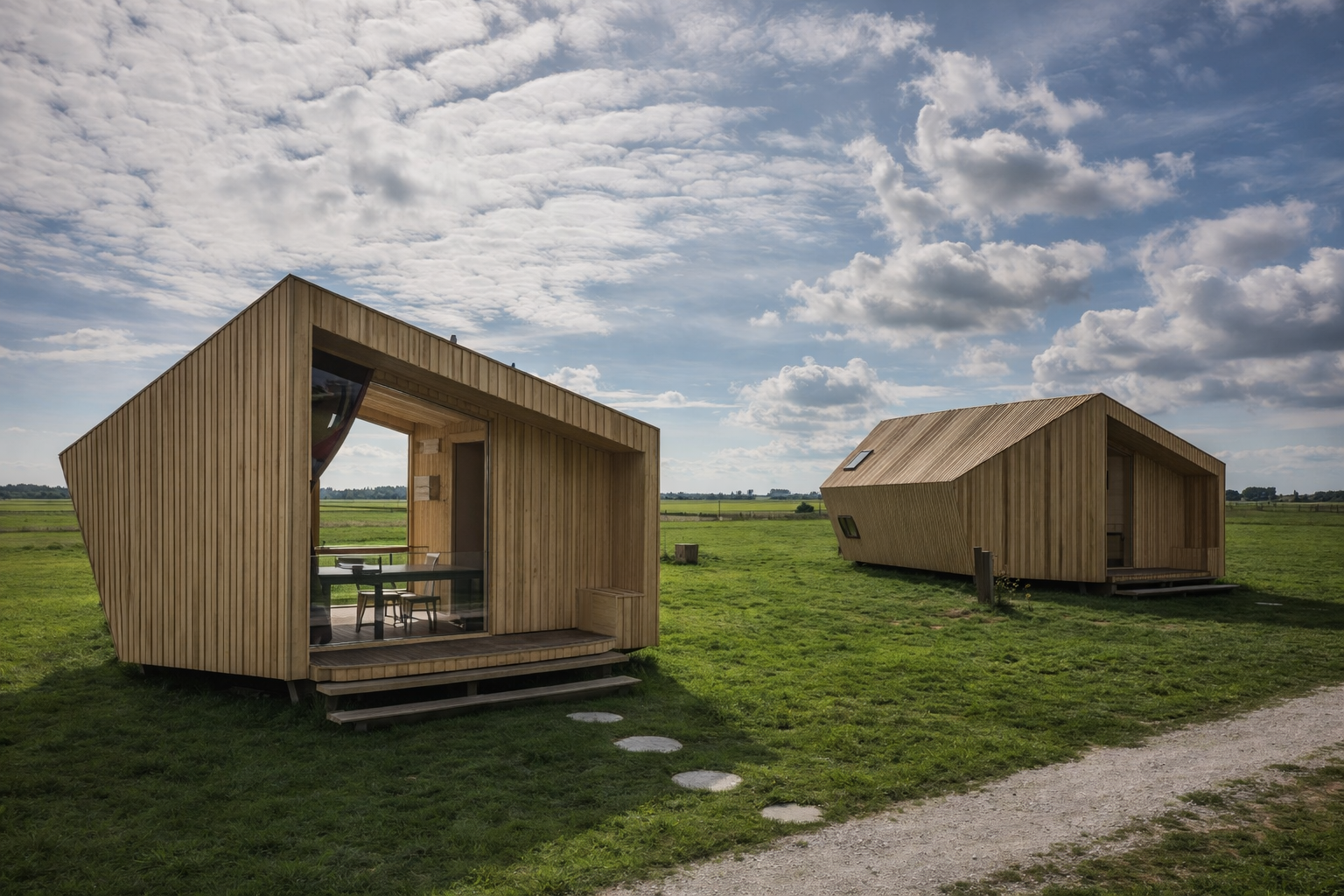
Sustainable Ecolodge at Lauwersmeer National Park and Wadden Sea
Nature-focused stay near wetlands and coast
Check Rates