

Transport gets most of the attention in carbon-neutral travel, but where you sleep is just as important. An off-grid eco lodge can shrink your footprint, deepen your connection to a place, and give you the kind of quiet focus that is almost impossible to find in city hotels. For eco nomads, these lodges become temporary homes, creative retreats, and low-impact basecamps all at once.
How This Off-Grid Lodging Guide Connects to the Carbon-Neutral Cornerstone
In our cornerstone guide, Carbon Neutral Travel in 2025: The Complete Guide , we mapped out off-grid cabins, eco pods, renewable-powered stays, and rail-first routes as one connected system. This article zooms in on the lodging piece: real-world off-grid and eco-focused stays you can actually book in 2025, plus how to choose them wisely as a digital nomad.
- Off-grid eco lodges can dramatically cut the footprint of long-term travel while improving focus and well-being.
- Domes, pods, tiny homes, farm stays, and rainforest lodges each serve a different type of eco nomad.
- Booking through platforms like Trip.com lets you support verified properties while still earning travel rewards.
- A lean eco travel kit and solar-powered tech setup make off-grid stays much easier to enjoy in practice.
- City eco hotels in places like Amsterdam and Copenhagen can act as “low-carbon basecamps” between remote retreats.
- Why Off-Grid Lodging Matters for Eco Nomads in 2025
- Patagonian Domes: EcoCamp and the Mountain Basecamp Model
- Swiss Alps Eco Pods: Whitepod Original
- Regenerative Farm Lodges in Costa Rica: Rancho Margot & Finca Luna Nueva
- Deep Rainforest Stays on the Osa Peninsula: Lapa Rios Lodge
- Cloud Forest Immersions in Ecuador: Mashpi Lodge
- Eco City Basecamps: Conscious Hotel Westerpark, Hotel Jakarta & Zoku Copenhagen
- Gear That Makes Off-Grid Lodging Easier
- How to Choose Off-Grid Lodging as an Eco Nomad
- Off-Grid Eco Lodge FAQs for 2025
Why Off-Grid Lodging Matters for Eco Nomads in 2025
When you slow down and stay in one place for weeks or months, your lodging becomes the center of your footprint. Heating, cooling, electricity, food, and water all run through the property’s systems. In other words, the building you choose is either working with you or against you.
Off-grid and eco-focused lodges try to shift that balance. Many use solar panels, efficient design, rainwater collection, organic gardens, and waste systems that keep impact low. For an eco nomad who wants deep work, strong nature time, and honest sustainability, these places are ideal basecamps.
This guide focuses on specific examples that pair well with the strategies in How to Travel Carbon-Neutral in 2025 and broader lifestyle shifts in Sustainable Digital Nomad Lifestyle.
Patagonian Domes: EcoCamp and the Mountain Basecamp Model
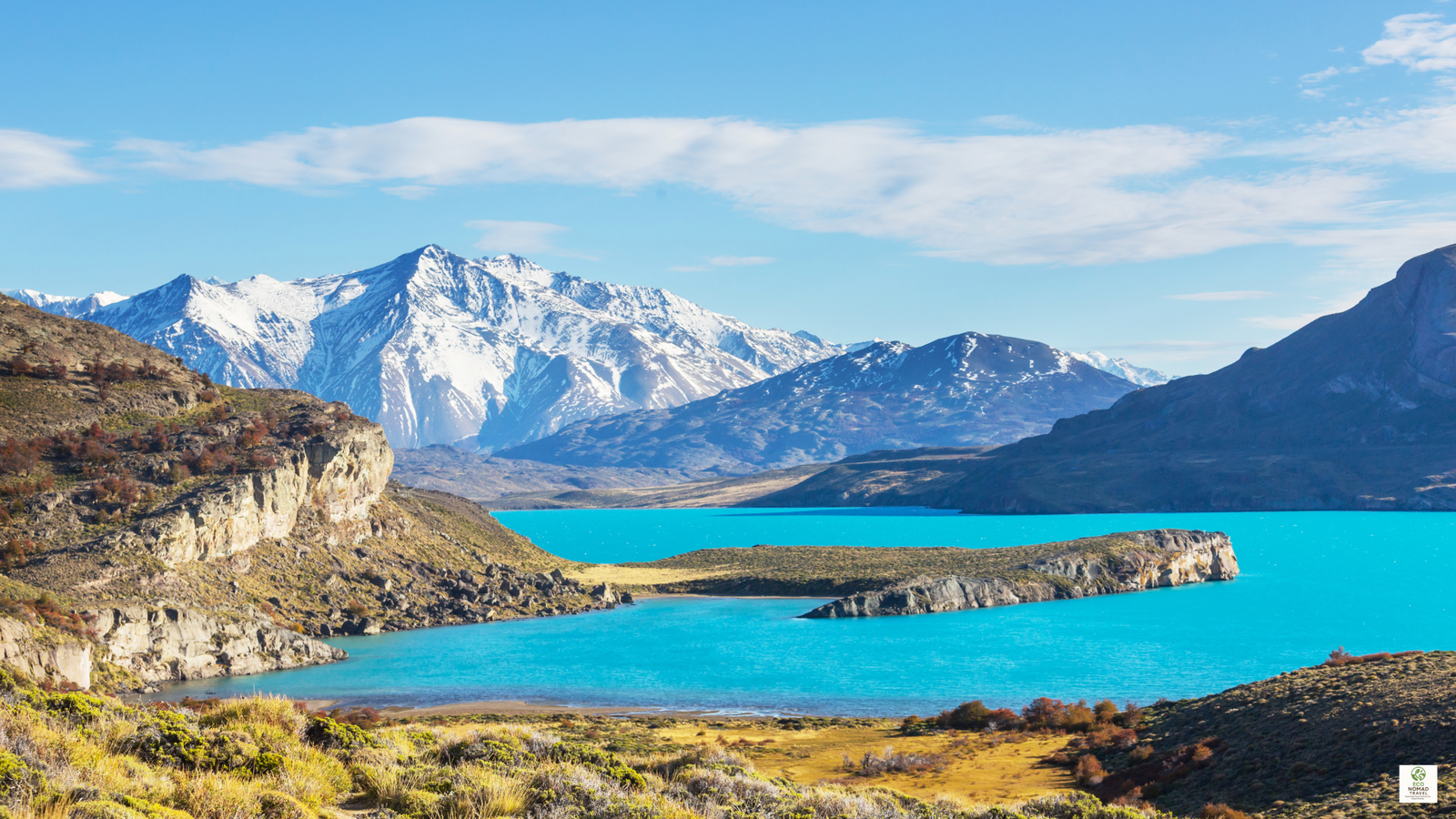
EcoCamp Patagonia – Domes in Torres del Paine
EcoCamp Patagonia is one of the classic names in off-grid lodging. Its geodesic domes sit inside Torres del Paine National Park, surrounded by huge skies and jagged peaks. The camp was designed with low-impact systems, small-group trekking, and a focus on immersion rather than luxury overload.
For eco nomads, EcoCamp works best as a focused basecamp rather than a months-long work location. The real value is in using it as a reset: a week of hiking, reflection, and deep nature time between heavier work sprints in nearby cities with stronger connectivity.
When you are ready to book, you can check dates, rates, and room types here:
If you plan to combine EcoCamp with train-heavy routes and low-impact city stays, use the transport strategies in Train vs Plane Emissions 2025 and the broader carbon-neutral planning checklist from the Carbon Neutral Travel 2025 cornerstone.
Swiss Alps Eco Pods: Whitepod Original
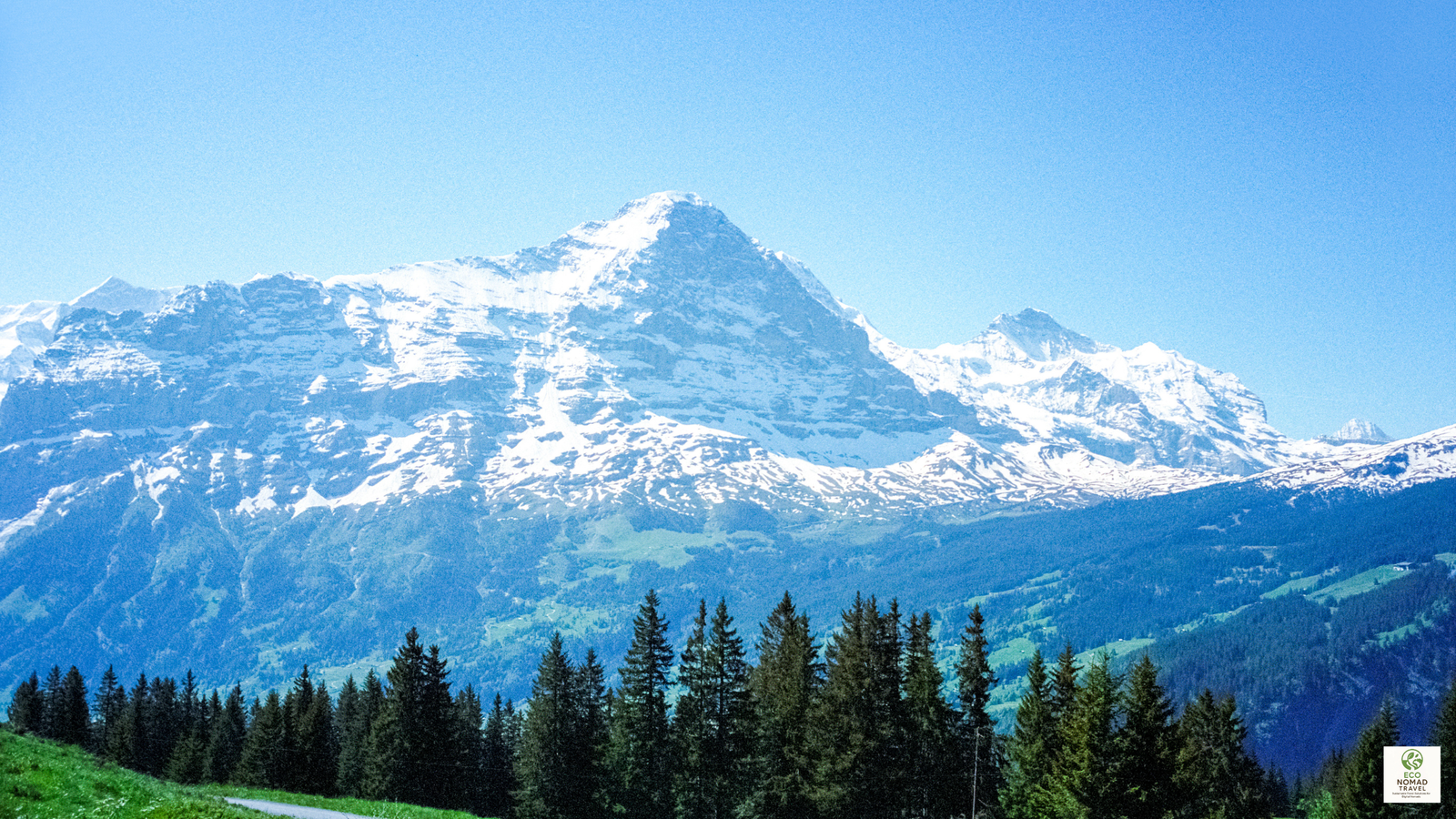
Whitepod Original – Off-Grid Pods in the Swiss Alps
In the Swiss Alps, Whitepod Original takes the pod concept and applies it to snow-covered mountains. The hillside pod “village” is designed to reduce energy use and visual impact while still giving you warm, comfortable spaces to sleep and work.
This kind of alpine eco pod setup is ideal for deep work retreats. You can spend mornings in focused sessions, then head out for snowshoeing or hiking in the afternoon. Because the pods and infrastructure are built with efficiency in mind, your energy use per person stays lower than in a typical resort-style hotel.
You can compare dates and pod types here:
If you want to keep your overall footprint low on a Europe trip built around rail, check out our Night Trains in Europe 2025 guide. Pods like Whitepod fit naturally into itineraries that revolve around trains and compact mountain towns instead of constant flights.
Regenerative Farm Lodges in Costa Rica: Rancho Margot & Finca Luna Nueva

Rancho Margot – Sustainable & Self-Sufficient Eco Lodge
Rancho Margot is often described as a sustainable, self-sufficient eco lodge near Costa Rica’s Arenal region. It combines riverside nature, organic food production, and on-site activities like hiking and horseback riding. Much of what you eat is grown on the property, which lowers transport emissions and connects you directly with local food systems.
As an eco nomad, you can split days between slow work sessions, farm-to-table meals, and time on nearby trails. Wi-Fi and infrastructure are generally more rustic than in big-city coworking spaces, so this is best for low-distraction deep work rather than heavy video calls.
You can view availability and room options here:
Finca Luna Nueva Lodge – Regenerative Farm and Rainforest Retreat
Finca Luna Nueva Lodge blends regenerative agriculture, rainforest trails, and wellness programs. It functions as a living classroom for soil health, biodiversity, and organic food systems. For eco-minded travelers, this lodge shows what it looks like when a business tries to heal landscapes rather than simply extract from them.
Again, this is not a city-style digital nomad hub. You go to Finca Luna Nueva to reset your nervous system, learn, and reconnect with the land, then take that clarity back into your next work cycle.
Check rates and packages here:

Some of the links above are affiliate links. If you book through them, Eco Nomad Travel may earn a small commission at no extra cost to you. It helps keep these guides research-based and ad-light.
Deep Rainforest Stays on the Osa Peninsula: Lapa Rios Lodge

Lapa Rios Lodge – Off-Grid Rainforest Immersion
On Costa Rica’s Osa Peninsula, Lapa Rios Lodge offers a deeper, more remote version of the eco lodge experience. Perched above the rainforest canopy, it leans into conservation, wildlife viewing, and off-grid living powered by renewable energy and careful water use.
This kind of stay is not about fast Wi-Fi or big to-do lists. Instead, it is about slowing down enough to hear monkeys, birds, and the ocean while you read, journal, or do light, asynchronous work. Many eco nomads use places like Lapa Rios as “reset chapters” between more intense work periods in cities like San José or Panama City.
You can explore stay details and availability here:
Cloud Forest Immersions in Ecuador: Mashpi Lodge

Costa Rica is not the only rainforest-and-cloud-forest option in Latin America. In northern Ecuador, Mashpi Lodge sits inside a private reserve in the Chocó cloud forest, several hours from Quito. The surrounding valley is packed with orchids, hummingbirds, waterfalls, and dense green canopy that disappears into mist almost every afternoon.
The lodge is known for its science-focused approach: guided walks with naturalists, canopy viewpoints, and on-site research projects that monitor birds, insects, and plant life. Because of its remote location and immersive style, Mashpi works best as a short, high-impact stay rather than a long digital nomad base. Think of it as a concentrated nature immersion where you step away from Slack and social feeds for a few days and return to your work life with a calmer nervous system.
See more details and packages here:
Eco City Basecamps: Conscious Hotel Westerpark, Hotel Jakarta & Zoku Copenhagen

Conscious Hotel Westerpark & Hotel Jakarta – Energy-Smart Stays in Amsterdam
Not every eco nomad stay has to be deep in the rainforest. Sometimes, you just need a city base with honest, energy-smart design. In Amsterdam, hotels like Conscious Hotel Westerpark and Hotel Jakarta Amsterdam lean into renewable energy, efficient building design, and eco-certified operations.
Conscious Hotel Westerpark sits next to a large urban park and uses eco-minded materials and energy systems. Hotel Jakarta is often described as an energy-neutral building with its own indoor subtropical garden. Both pair nicely with train-first, bike-heavy travel in and out of the city.
You can compare options and dates here:
Zoku Copenhagen – A Hybrid Home-Office Eco Basecamp
In Copenhagen, Zoku Copenhagen mixes a home-office loft design with sustainability features and social spaces for remote workers. It is not off-grid, but it is a strong example of an eco-conscious city base where you can work for weeks, then branch out to rural retreats on weekends.
Because Zoku is designed around laptops, meetings, and community, it matches perfectly with more remote eco lodges in your wider itinerary. You can do heavy work cycles at Zoku, then unplug in the mountains or along the coast without sacrificing your overall income or momentum.
See loft and room options here:

Gear That Makes Off-Grid Lodging Easier
The right gear turns off-grid lodging from “romantic idea” into a practical lifestyle. A small set of well-chosen items reduces waste, keeps you powered up, and lowers the temptation to fall back on disposable products when you arrive somewhere remote.
In Eco Travel Kit 2025: Essentials Every Nomad Needs we walk through a full packing list, but a few key pieces show up again and again:
- A reliable solar power bank for phones and small devices.
- One or two tough stainless steel water bottles.
- A compact bamboo cutlery set and reusable food container.
- Bamboo travel brushes and a small kit of reusable hygiene tools.
- Biodegradable toiletries that do not trash local waterways.
To make this simple, you can start with a lean, Amazon-based kit like:
solar power bank, stainless steel water bottle, bamboo cutlery set, bamboo travel brushes, and a few biodegradable toiletries. After a few trips, you will know exactly which items you actually use and which ones you can leave behind.
As an Amazon Associate, Eco Nomad Travel earns from qualifying purchases. This helps support new guides and in-depth research without cluttering the site with intrusive ads.
For a deeper look at solar chargers, efficient laptops, eSIMs, and low-energy setups that fit well into off-grid travel, bookmark Tools That Make Digital Nomadism Sustainable (EcoTech 2025).
How to Choose Off-Grid Lodging as an Eco Nomad
Clarify Your Work Needs First
Before you book, decide what kind of work you plan to do on this stay. If you need constant video calls, heavy file uploads, and fast support, a fully off-grid rainforest lodge may not be the right choice. Instead, use eco city basecamps like Amsterdam or Copenhagen for high-bandwidth phases, and remote lodges for deep work and downtime.
Look Beyond the “Eco” Label
When you scan listings, look for specifics: renewable energy, water systems, waste handling, local employment, conservation work, and honest sustainability reporting. A simple “eco” badge is not enough. Cross-check lodge claims with independent sources and reviews where possible.
Align Lodging with Your Transport and Budget
An off-grid stay still sits inside a larger itinerary. Use the rail-first, slow-travel strategies from How to Travel Carbon-Neutral in 2025 and the cost-saving ideas in Carbon-Neutral Travel for Digital Nomads (Budget Edition) to keep the whole picture sustainable, not just the lodge itself.
Use Off-Grid Stays as Anchors, Not the Whole Year
Finally, treat off-grid eco lodges as anchors in your year. Maybe you do one or two Patagonian or Costa Rican retreats, a cloud forest immersion, and several city-based eco stays in between. Over time, this mix of deep nature time and well-designed urban basecamps creates a sustainable rhythm for both your work and the planet.
Designing a Year of Off-Grid Stays as an Eco Nomad
Off-grid eco lodges work best when they sit inside a thoughtful, low-impact travel plan. Instead of chasing random deals, you can design a year that blends slow travel, carbon-neutral routes, and regenerative tourism experiences. This approach supports the planet and also creates a calmer, more sustainable digital nomad lifestyle.
The goal is simple. You build a rhythm of rail-first movement, eco city basecamps, and nature-based retreats. Over time, this rhythm becomes your personal framework for responsible travel and low-impact living, not just a one-off experiment.
Start with One Region and Build a Low-Impact Circuit
The easiest way to plan sustainable travel is to focus on one region at a time. You might design an itinerary around Patagonia, Costa Rica, or Northern Europe and stay within that area for several months. This reduces long-haul flights and encourages slower, more mindful exploration.
For example, you could combine EcoCamp Patagonia with train-heavy routes through Chile and Argentina. Or you might base in Amsterdam and Copenhagen, then add shorter trips to nearby eco lodges, islands, and national parks. Guides like Eco Travel Places 2025 and the broader Sustainable Travel Guide 2025 can help you spot regions that already support climate-conscious travelers.
Alternate Eco City Basecamps and Nature-Based Retreats
Many eco nomads thrive on a simple pattern. They work deeply from an eco city basecamp for several weeks, then unplug at an off-grid cabin, eco pod, or regenerative farm stay. This alternation keeps income flowing while still creating real space for rest and reflection.
In practice, that might look like one month at Zoku Copenhagen or a similar hybrid hotel, followed by a ten-day stay at a rainforest lodge in Costa Rica. During basecamp phases you handle calls, deadlines, and admin. During retreat phases you focus on writing, strategy, and personal reset. This blend works well with the low-impact habits described in Low-Impact Travel Habits and our Eco-Friendly Travel Tips.
Use a Simple Checklist to Keep Lodging Truly Eco-Friendly
Because “eco lodge” is often used loosely, a quick checklist helps you stay grounded. Before you book, look for renewable energy, water conservation, responsible waste systems, and meaningful support for local communities. Clear information about conservation projects or regenerative agriculture is another strong positive sign.
It also helps to read reviews from other climate-conscious travelers. Many guests now mention recycling practices, plastic use, and honest sustainability measures in their feedback. When you see repeated praise for renewable power, local food, and respectful wildlife viewing, you can feel more confident that the lodge is walking the talk.
Track Your Impact and Adjust Each Season
Finally, treat your eco nomad lifestyle as an ongoing experiment. Each season, review your routes, flights, and lodging choices. Did off-grid cabins, eco pods, and farm stays make it easier to live with less? Did rail journeys and shared transfers feel realistic for your work?
You don’t need perfection. You only need a clear direction and a willingness to adjust. Over a few years, small changes compound into a genuinely lower-impact travel pattern, one that still supports your income, creativity, and long-term well-being as a digital nomad.
Off-Grid Eco Lodge FAQs for 2025
These questions cover the most common concerns eco nomads have about staying in off-grid lodges and eco hotels.
What makes a lodge truly “off-grid” for eco nomads?
A truly off-grid lodge generates much of its own power, often through solar, manages water on-site, and handles waste responsibly. It also tends to sit away from major urban centers and encourages slower, more intentional stays rather than quick weekend breaks.
Can I work remotely from off-grid eco lodges?
Sometimes. Many lodges now offer Wi-Fi, but speeds can vary. For heavy, synchronous work, eco city basecamps are usually better. Off-grid lodges are ideal for deep writing, planning, reading, and low-bandwidth tasks.
Are off-grid eco lodges always more sustainable than city hotels?
Not always. A well-run eco city hotel near public transport can be very low impact, especially if you arrive by train. The key is to look at the full picture: transport, building efficiency, food, and how long you stay.
How far in advance should I book popular eco lodges?
Many well-known eco lodges, especially in Patagonia and Costa Rica, fill months in advance during peak seasons. If your dates are fixed, book as early as you can so you can still build a slow, rail-first route around them.
Meal Plans and Food Options at Off-Grid Eco Lodges
Do off-grid lodges usually include meals?
Many remote lodges include at least breakfast and often full board, sometimes with farm-to-table menus. This can make trips easier to budget, though upfront prices appear higher than self-catering city stays.
What should I pack for an off-grid eco lodge stay?
Start with a basic eco travel kit: reusable bottle, cup, cutlery, containers, and biodegradable toiletries. Add a solar power bank, offline maps, and a few comfort items like a good headlamp and lightweight layers.
How do I keep my carbon footprint low when visiting remote lodges?
Travel slowly, use trains and shared transfers where possible, combine several experiences into one long trip, and offset remaining emissions using high-quality climate projects after reducing what you can.
Are eco lodges only for luxury travelers?
No. Some lodges are high-end, but many farm stays, cabins, and simple pods are mid-range or budget-friendly, especially outside peak season. Our budget carbon-neutral travel guide explores these options in more detail.
Can off-grid eco lodges support long-term stays?
A few lodges welcome longer bookings, but many are set up for shorter, high-impact stays. In practice, most eco nomads mix shorter off-grid retreats with longer city-based stays over the course of a year.
Where can I learn more about sustainable travel as an eco nomad?
Explore the Sustainable Travel Guide 2025, our Eco-Friendly Travel Tips, and the Low-Impact Travel Habits guide for more step-by-step ideas you can apply to any trip.
Join the Sustainable Work & Travel Movement
Off-grid eco lodges are just one part of a bigger shift toward low-impact, deeply intentional travel. As more eco nomads choose rail over constant flights, regenerative farm stays over generic resorts, and focused work sprints over constant hustle, the culture of travel changes too.
For more ideas on slow travel routes, eco lodges, and sustainable digital nomad setups, follow Eco Nomad Travel on Pinterest, where we share new guides, packing ideas, and rail-based itineraries.
Recent Posts
Best Travel Towels
Quick picks for fast-drying, packable towels that actually work on the road.
Best Waterproof Backpack
What matters for rain, train platforms, and daily carry—without overpacking.
Cheapest Way to Travel to Europe
Budget routes, timing, and practical ways to cut costs without cutting comfort.
How to Travel Europe by Train
Planning tips, rail passes, and simple route strategies for smoother trips.
Best Night Trains in Europe
Top sleeper routes, what to book, and how to avoid common overnight mistakes.
SIM Card for International Travel
Simple guidance on SIM vs eSIM, coverage, and avoiding roaming surprises.



Explore Eco Nomad Travel
📚 Core Guides
🧭 Planning & Logistics
🗺️ Destinations & Seasons
Jeremy Jarvis — founder of Eco Nomad Travel, sustainable travel writer, and advocate for regenerative tourism. His work focuses on low-impact mobility, eco-friendly digital nomad life, and climate-positive travel.
Legal
Affiliate DisclaimerPrivacy Policy
Terms of Service
Image & Media Notice
Cookie Policy
Contact
Affiliate Disclosure: Some links on Eco Nomad Travel are affiliate links, meaning we may earn a small commission at no extra cost to you. This supports our mission to inspire responsible and low-impact travel worldwide.
Connect
✅ Trusted Official Sources
Plan smarter eco trips
Try our free Sustainable Travel Tools for Digital Nomads – carbon calculator, train vs plane comparator, and more.
Open Tools Hub