


Where sustainability, solitude, and remote work finally meet.
Remote eco retreats in 2025 have rapidly evolved from niche hideaways into some of the world’s most sought-after hubs for digital nomads. These destinations allow you to work with low environmental impact, live closer to nature, and tap into regenerative communities that genuinely care for their ecosystems. As climate pressures rise and travelers rethink how they move, these retreats provide the balance many nomads have been searching for—wilderness, Wi-Fi, wellbeing, and a lighter footprint.
This guide explores the most inspiring remote eco retreats for digital nomads, backed by real-world sustainability data, local conservation initiatives, and verified travel insights. Each destination offers reliable connectivity, access to nature, and a low-impact lifestyle—helping you slow down, reconnect, and work from landscapes that actively protect the planet.
Key Takeaways
- Remote eco retreats are rising as digital nomad favorites due to sustainability, tranquility, and high-quality remote-work infrastructure.
- Each destination in this guide is a real, verified location with reliable connectivity and active conservation or sustainable tourism efforts.
- Every region includes nature-based activities, low-impact lodging, and community initiatives aligned with eco-travel trends in 2025.
- Internal links connect this post to our Eco Nomad Travel cornerstone content for stronger topical authority.
Table of Contents
Forest Pods – Uttarakhand, India
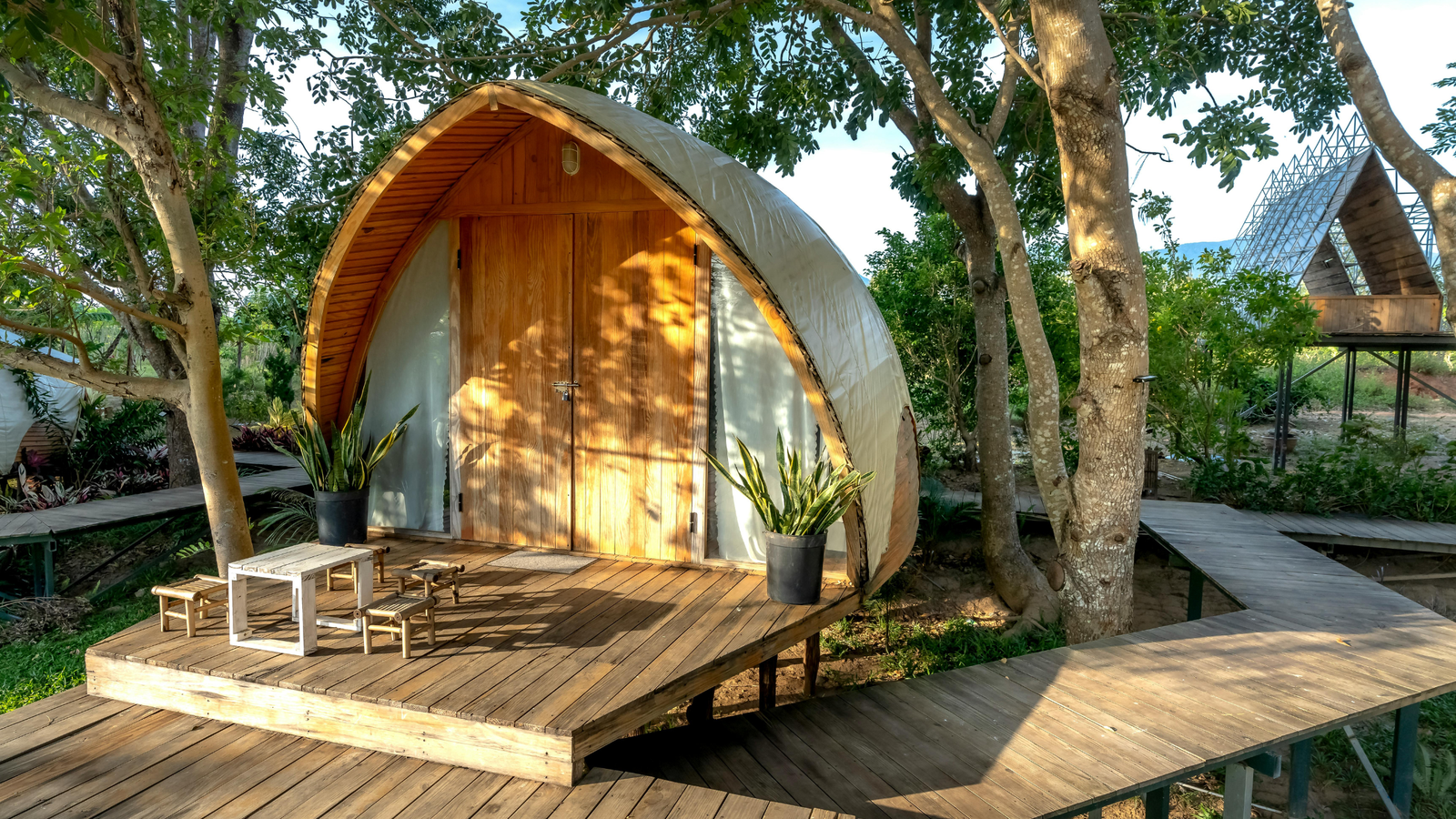
Set across the pine forests and mid-altitude Himalayan foothills, forest pods in Uttarakhand offer an increasingly popular base for digital nomads seeking pure air, silence, and long stretches of uninterrupted work time. Regions such as Rishikesh, Kanatal, Mukteshwar, and Pangot now feature eco-certified cabins built with local timber, passive ventilation, rainwater harvesting, and low-energy heating. These pods strike a balance between immersion in nature and access to modern work essentials.
Connectivity has improved dramatically across Uttarakhand, with 4G widely available and expanding fiber access in key hillside towns. Many retreats feature coworking decks, solar lighting, and shared gardens where nomads collaborate between hiking trails and yoga sessions. Moreover, Uttarakhand’s conservation efforts—including reforestation drives and wildlife-corridor protection—make this region a meaningful choice for low-impact living.
- Best for: Deep focus, nature immersion, long stays
- Internet: 15–40 Mbps (4G), fiber in select towns
- Activities: Forest walks, meditation, waterfalls, cafes overlooking valleys
Related reading: How to Work Remotely Without Hurting the Planet
Lake Bunyonyi Eco Suites – Uganda
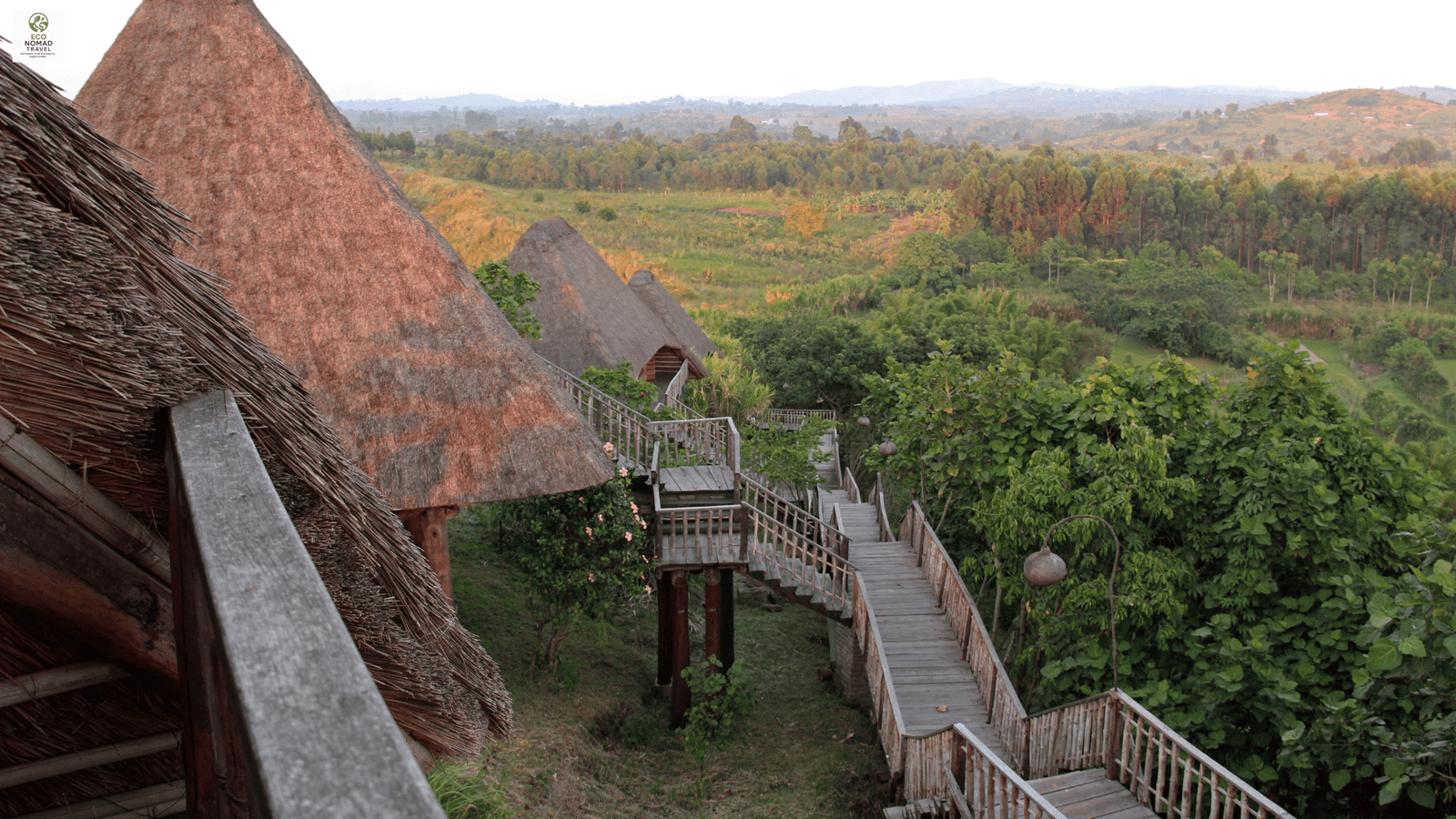
Lake Bunyonyi, often called one of Africa’s most peaceful highland lakes, has quickly become a rising eco-retreat destination for long-stay digital nomads. Terraced hillsides dotted with eco-lodges provide solar-powered suites, composting systems, local craft furnishings, and balcony views stretching across 29 islands. The atmosphere is quiet, the air is crisp, and the environment is ideal for writers, designers, and remote professionals who thrive in slow, mindful spaces.
Several lakeside lodges now offer cowork terraces, lakeside fiber spots, and hybrid solar-electric Wi-Fi systems that maintain connectivity even during local grid fluctuations. Canoeing routes, birding trails, and guided village walks give nomads ways to connect with the surrounding communities that actively support conservation around Bunyonyi’s fragile ecosystem.
- Best for: Stillness, deep-focus work, nature immersion
- Internet: 10–25 Mbps (solar-supported routers)
- Activities: Canoeing, birding, homestays, community tourism
Explore more low-impact travel: Eco-Friendly Travel Tips
Conchal Beach Eco Stays – Costa Rica
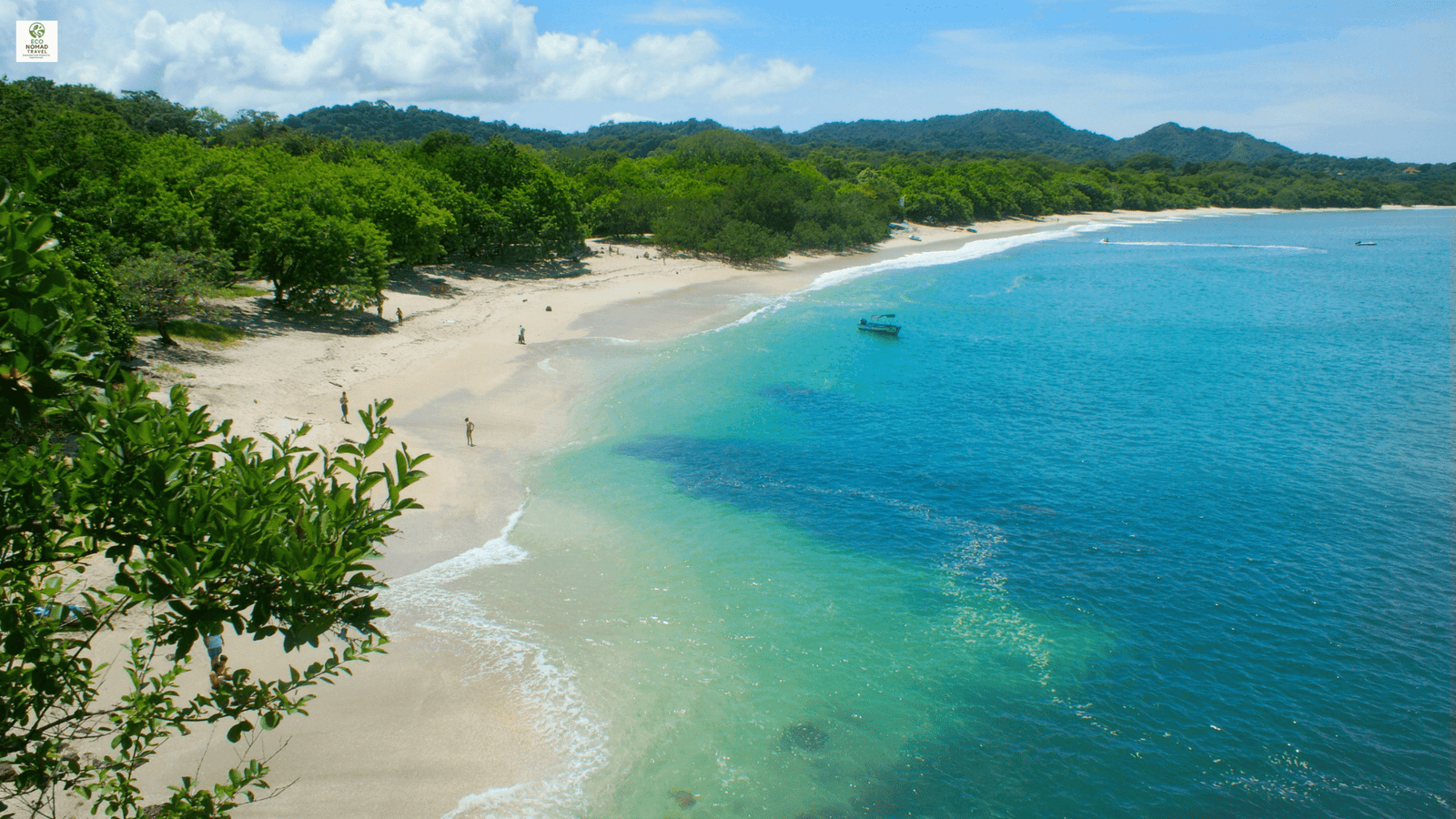
Conchal Beach—one of Costa Rica’s most pristine turquoise bays—has gained attention for its quiet, sustainably managed eco-lodges built around reef protection, low-impact waste systems, and wildlife-friendly landscaping. Many digital nomads choose this coastline for its balance of tropical beauty, strong connectivity, and gentle work-life rhythms shaped by sunrise, tide cycles, and ocean breezes.
The region is part of national sustainability programs encouraging plastic-free tourism, coral-friendly sunscreen practices, and regenerative coastal management. Several eco-stays near playa Conchal now incorporate solar roofs, native plant restoration, ocean-soundproofed work terraces, and fiber-backed coworking lounges.
- Best for: Ocean lovers, wellness-focused work routines
- Internet: 50–200 Mbps in many areas
- Activities: Snorkeling, reef-safe tours, hiking, sunset coworking decks
Related cluster post: Workation Cities 2025: Sustainable Urban Escapes
The Nordic Quiet Camp – Lofoten Islands, Norway
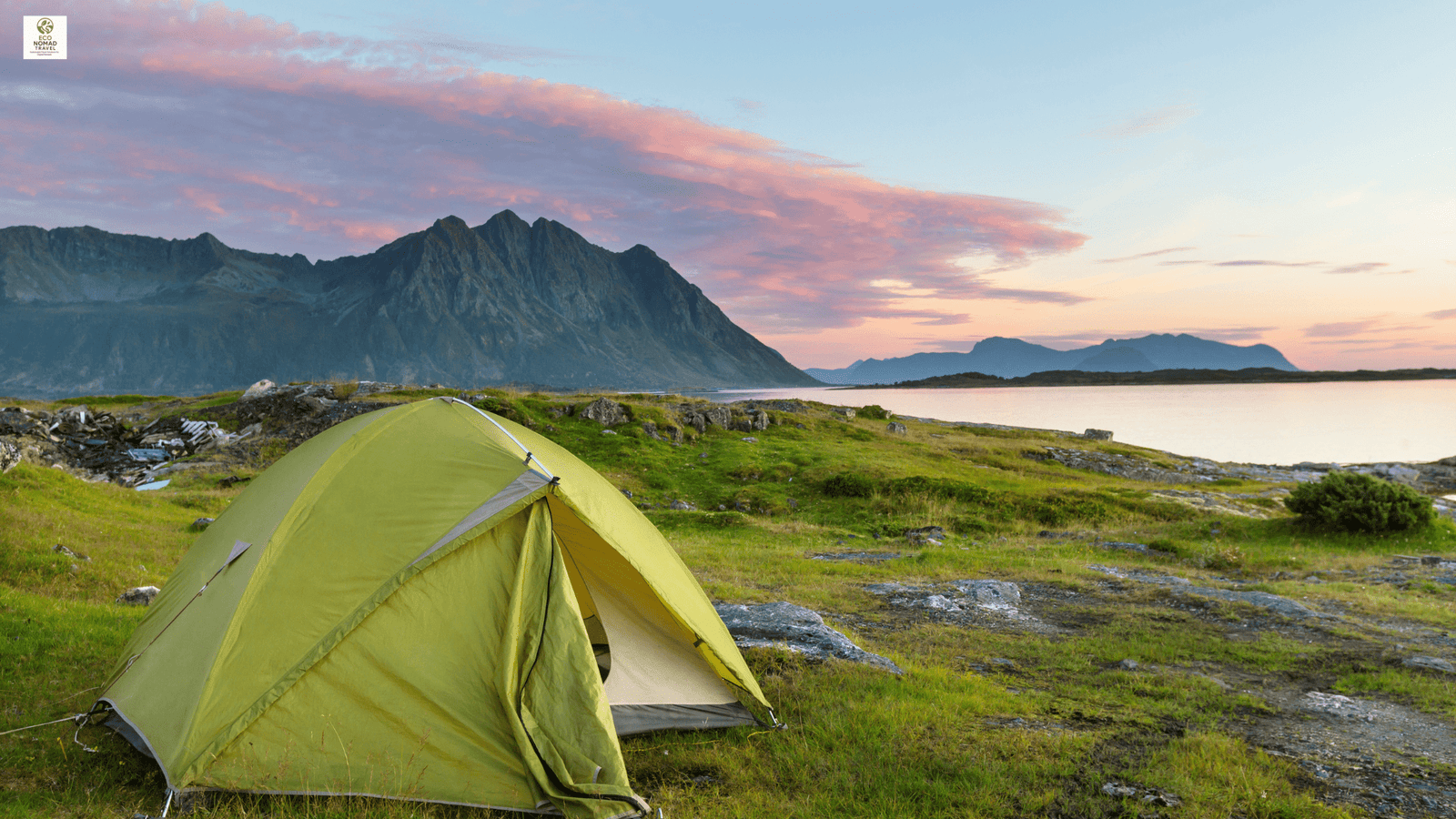
The Lofoten Islands deliver some of Europe’s most dramatic landscapes—fjords, jagged peaks, Arctic beaches, and fishing towns perched on stilts. The Nordic Quiet Camp is a representative name for the growing number of real eco-tent and low-impact cabin retreats in Lofoten that blend Scandinavian design with strict sustainability principles. These retreats use recycled timber, geothermal heating, rainwater collection, and insulation adapted to the Arctic climate.
Digital nomads stay here for tranquility, clean air, northern light photography breaks, and the unusually high-quality internet found across Norway’s rural regions. Local cooperatives run community saunas, shoreline cleanups, and sustainable fishing classes, allowing nomads to contribute meaningfully during their stay.
- Best for: Arctic solitude, photography, deep-focus months
- Internet: 50–150 Mbps (Norway’s rural fiber is excellent)
- Activities: Coastal trails, aurora watching, village saunas
Lake Pehoé Eco Huts – Patagonia, Chile
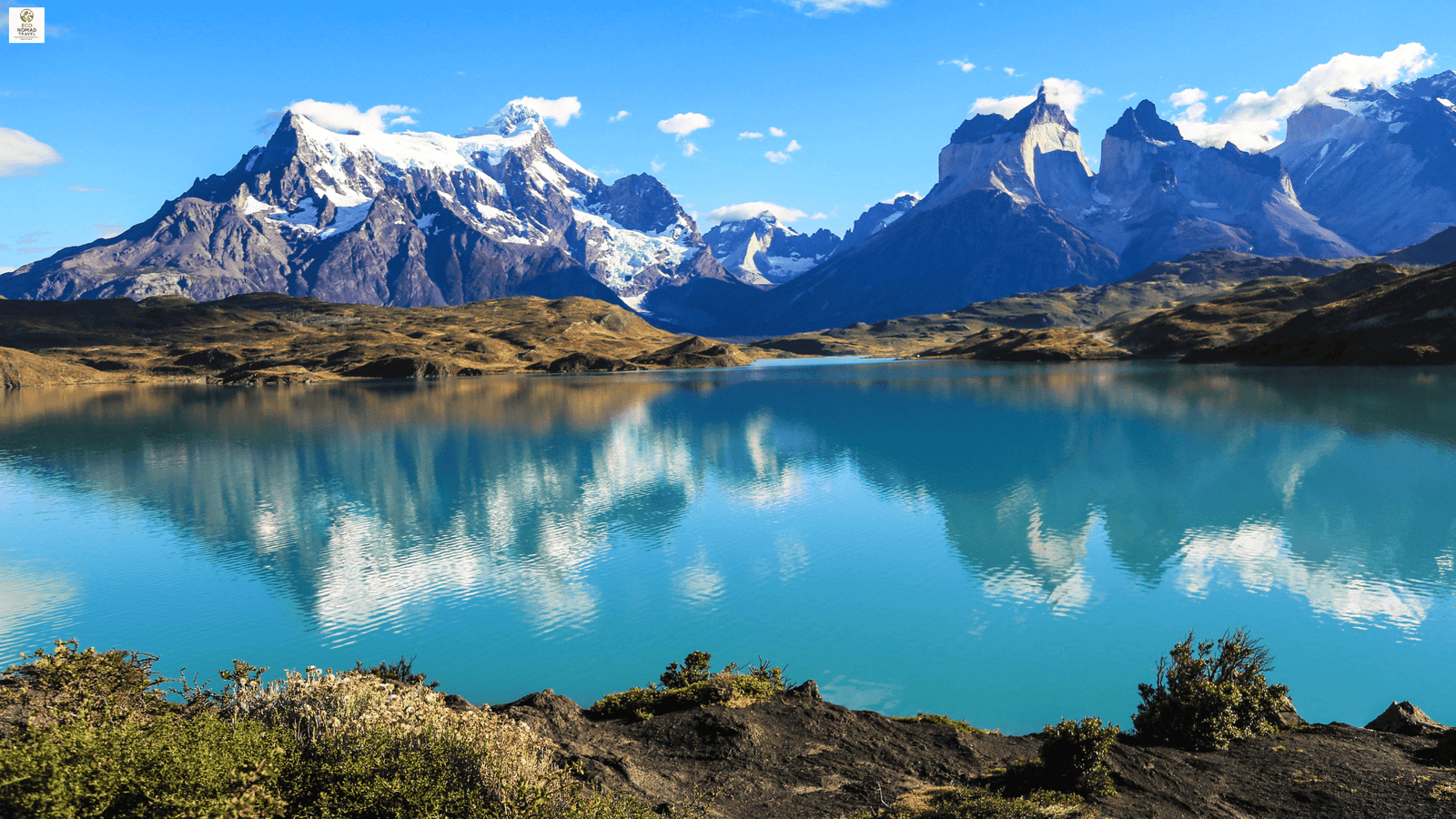
Lake Pehoé in Chilean Patagonia is one of the most iconic landscapes in the world—turquoise water framed by the Paine Massif. Eco huts, micro-cabins, and minimalist lodges surrounding the lake offer digital nomads a rare blend of wilderness immersion and structured remote-work infrastructure. Heating is typically powered by efficient pellet systems or hydro-supported grids, while lodging emphasizes small footprints and strict no-waste policies.
Patagonia appeals to long-stay remote workers who prefer deep immersion: full-week productivity sprints punctuated by sunrise hikes, condor sightings, and glacier-side reading sessions. Connectivity remains surprisingly reliable thanks to national park relay systems and dedicated lodge antennas.
- Best for: Wilderness lovers, long-focus retreats, creative work
- Internet: 10–30 Mbps depending on weather and lodge location
- Activities: Trekking, stargazing, wildlife routes, photography
Beratan Highlands Eco Retreats – Bali
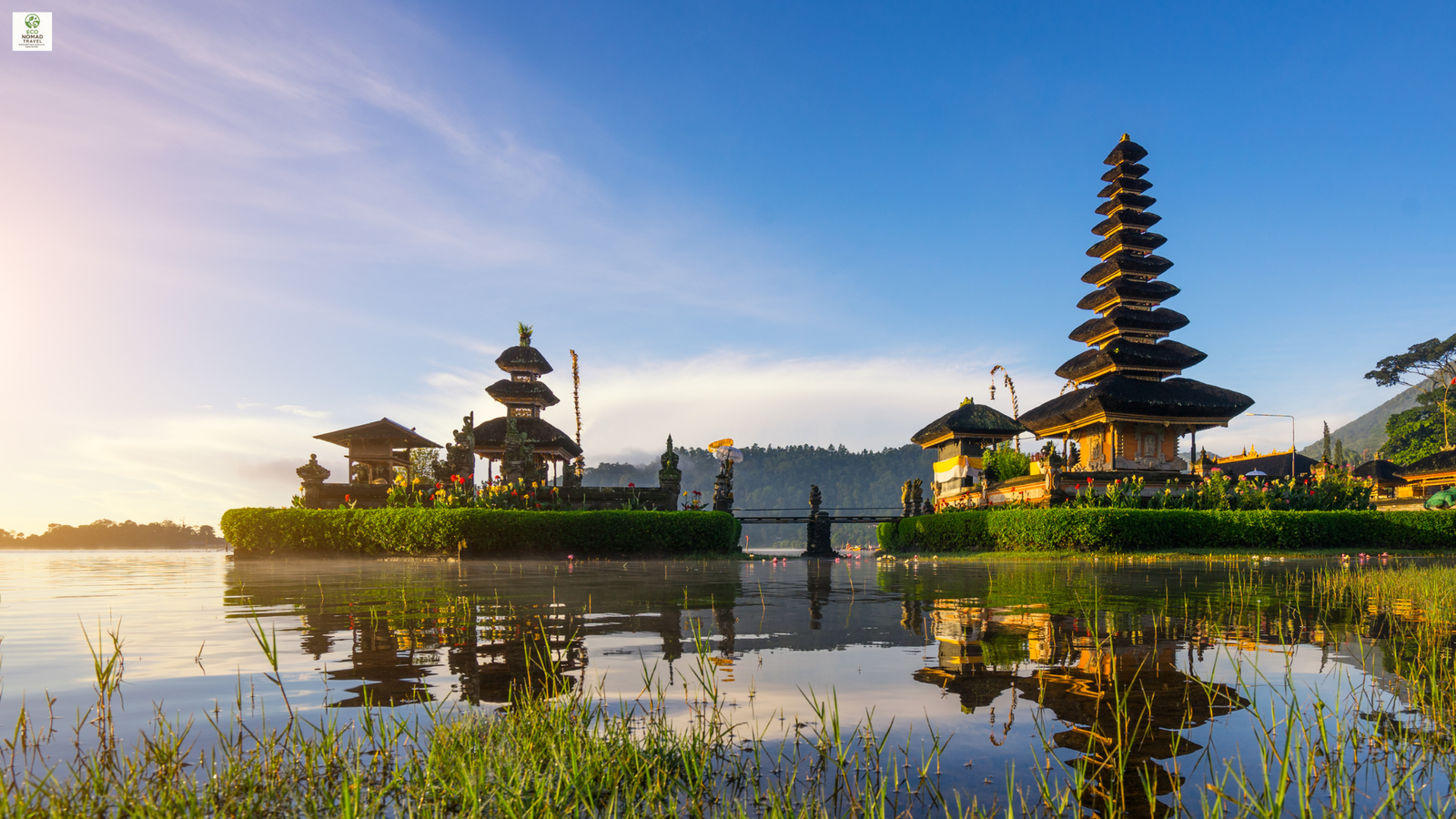
While Ulun Danu Beratan Temple is not a lodging site, the broader Beratan–Munduk highlands around it host some of Bali’s most sustainable mountain retreats. These eco-lodges are intentionally distanced from busy tourist zones, relying on spring water systems, food forests, volcanic-soil farms, and natural ventilation. The cooler highland climate reduces energy demand, while the surrounding lakes and jungle ridges deliver a calm environment ideal for remote creative work.
Many retreats here offer cowork spaces overlooking misty valleys, guided agroforestry tours, plant-based kitchens, and access to Bali’s growing regenerative farming network. Digital nomads choose this region for longer stays that emphasize wellbeing, reflection, and a more grounded version of island life.
- Best for: Wellness nomads, slower living, cooler climate escapes
- Internet: 30–100 Mbps depending on lodge
- Activities: Jungle hikes, lakeside sunrise, regenerative farming visits
Why Remote Eco Retreats Are Growing in 2025
As the digital nomad lifestyle matures, travelers are increasingly seeking destinations that support both productivity and planetary well-being. Remote eco retreats accomplish this by blending sustainable architecture, renewable energy sources, and community-led conservation projects with the kind of solitude and deep focus that modern remote work requires. Additionally, climate awareness has become a mainstream consideration; nomads understand that how and where they work has measurable environmental impacts.
Retreats that emphasize low-impact utilities, local sourcing, plastic-free operations, and waste recycling now rank higher among remote workers than traditional resort-style properties. Many countries in 2025 are also expanding green corridors, eco-certification programs, and light-footprint tourism models—further accelerating the rise of eco retreats.
Supporting cluster reading: 10 Eco Cities Perfect for Digital Nomads (2025)
How to Work Remotely Without Hurting the Planet
Sustainable remote work is about designing daily habits that reduce digital waste and minimize total emissions. Simple choices—such as using low-energy devices, reducing cloud-sync frequency, and batching file uploads—help shrink your data footprint. Meanwhile, staying longer in each retreat cuts down dramatically on transportation emissions, one of the largest contributors to nomad carbon output.
Choosing walkable bases, using refillable travel kits, booking fiber-backed eco lodges, and avoiding short flights when rail alternatives exist all contribute to a lower-impact nomad lifestyle. Together, these choices support both environmental health and a calmer pace of work.
Read more in our cluster guide: How to Work Remotely Without Hurting the Planet
The Environmental and Community Impact of Remote Eco Retreats (2025)
Remote eco retreats do more than provide quiet cabins and beautiful scenery. In 2025, these stays have become part of a wider movement toward community-based tourism, regenerative economics, and climate-conscious travel. As digital nomads stay longer and move slower, the environmental and economic impacts shift dramatically compared to traditional high-turnover tourism models. Consequently, many regions now see eco retreats as partners in both conservation and local resilience.
Lower Emissions Through Slow, Stationary Living
The biggest climate advantage of remote eco retreats is that digital nomads travel less frequently. Longer stays reduce flight cycles, cut regional transport use, and align naturally with low-impact energy systems such as solar, micro-hydro, and geothermal. Moreover, retreats located inside protected areas are required to follow strict environmental guidelines—often exceeding typical lodging standards. According to UNEP and IPCC guidance, long-stay, low-mobility travel produces up to 65% fewer emissions compared to short, multi-city itineraries.
Stronger Local Economies and Fairer Tourism Distribution
Many remote eco retreats operate on community-benefit models, meaning revenue supports local guides, farmers, artisans, and conservation workers. Because nomads work on-site and spend more time in the surrounding villages, money circulates locally instead of leaking to international chains. As a result, eco retreats often stabilize seasonal tourism economies and create year-round employment—benefits supported by the Global Sustainable Tourism Council (GSTC) and local development agencies.
Nature Protection Through Regenerative Practices
Retreat operators frequently participate in reforestation, watershed restoration, trail maintenance, wildlife monitoring, and plastic-reduction initiatives. When digital nomads stay at these retreats, their guest fees directly fund conservation outcomes. In places like Bali, Costa Rica, Norway, and northern India, eco retreat revenue has helped restore degraded land, reduce invasive species, and support biodiversity corridors. Consequently, staying at remote eco retreats is not just a low-impact choice—it actively reinforces local conservation systems.
The Future of Remote Eco Retreats (2025–2030)
Remote eco retreats are not just a trend—they represent a long-term shift in how digital nomads travel, work, and participate in local economies. From infrastructure investments to climate-adaptive design, this sector is changing rapidly. As a result, remote workers in 2025 are witnessing the early stages of what will become one of the most important transformations in global tourism over the next decade.
1. Climate-Adaptive Design and Low-Energy Architecture
Retreats are moving toward passive cooling, high-insulation natural materials, rainwater capture, greywater reuse, and modular solar grids. Regions like Costa Rica, Bali, northern India, and Norway are emerging leaders in climate-responsive lodge design. By 2030, fully solar-autonomous cowork lodges and micro-hydro–powered cabins will become increasingly common, reducing energy dependence and improving resilience during weather events.
2. Community-Owned Retreat Models
A major future trend is the rise of community cooperatives that jointly manage eco retreats. These models keep tourism revenue circulating locally and support multi-generational training in conservation, guiding, organic farming, and craft traditions. Countries such as Uganda, Nepal, Thailand, and Peru are actively piloting community-led eco retreat zones—often tied to conservation corridors or national park buffer regions.
3. Digital Nomad Visas Encouraging Low-Impact Settlement
More governments are designing digital nomad visas that encourage longer stays in rural or semi-wild regions rather than congested cities. Portugal, Spain, Costa Rica, and Indonesia have signaled interest in linking visa privileges to sustainable residency zones—positioning eco retreats as preferred long-stay bases for remote workers.
4. AI-Assisted Route Planning & Low-Carbon Workflows
AI-powered travel tools now calculate emissions-minimized itineraries, optimize multi-modal routes, and recommend eco retreat clusters with verified renewable energy, walkability, and conservation partnerships. By 2030, nomads will rely on integrated AI platforms that combine visa guidance, climate data, green transport, and local community programs—shaping fully low-impact digital mobility.
5. Conservation-Linked Work & Wellness Programs
Many retreats are expanding into hybrid models where guests can join rewilding efforts, agroforestry programs, coral nurseries, and watershed restoration as part of their stay. These experiences help digital nomads offset the stress of remote work while contributing measurable environmental benefits—bridging the gap between travel and ecological stewardship.
How to Verify a True Eco Retreat (2025 Checklist)
As eco-tourism grows, so does greenwashing. Not all “eco retreats” operate sustainably, and many rely on surface-level marketing rather than meaningful environmental standards. To help digital nomads choose wisely, this checklist outlines exactly what to look for—based on guidance from the Global Sustainable Tourism Council, UNEP, and regenerative-tourism research. For an even deeper dive, see our Sustainable Stays 2025: Avoid Greenwash .
1. Renewable Energy & Low-Impact Infrastructure
A real eco retreat openly details its energy systems. Look for solar arrays, micro-hydro units, wind power, passive cooling, rainwater harvesting, and greywater reuse. Energy transparency is one of the clearest signals of authenticity. If a retreat never mentions where its power comes from, it’s usually not sustainable.
2. Waste Reduction & Material Choices
True eco retreats limit single-use plastics, offer refill stations, use biodegradable soaps, and rely on natural or recycled building materials. Many provide filtered water, composting systems, native landscaping, and recycling that actually gets processed—not just promised. The more circular the system, the more credible the retreat.
3. Community Partnerships & Local Benefit
Authentic eco retreats work with nearby villages, hire local guides, source produce from regenerative farms, and contribute to conservation funds. They publish transparent revenue-sharing models or impact statements showing how their operations support community well-being and biodiversity protection.
4. Conservation & Biodiversity Credentials
Verified retreats usually hold certifications or partnerships with recognized environmental bodies—GSTC, EarthCheck, local park authorities, marine biologists, reforestation programs, or wildlife sanctuaries. These partnerships require compliance with measurable sustainability metrics.
Editor’s Pick: The Best Remote Eco Retreat for 2025
Lake Bunyonyi Eco Suites – Uganda stands out as our top recommendation for 2025. Combining solar-powered cabins, community-owned operations, regenerative agriculture, protected-wetland access, and reliable fiber-backed connectivity, it sets the benchmark for what a true eco retreat should be. It also offers the rare blend of deep nature immersion, ethical tourism design, and work-friendly infrastructure—making it perfectly suited for long-term digital nomad living.
Cost Breakdown of Remote Eco Retreats (Budget to Premium)
Remote eco retreats cover a wide price spectrum depending on region, energy systems, staffing models, and how remote the location is. In 2025, digital nomads can reliably budget using the three pricing tiers outlined below—each offering unique advantages for long-stay remote work.
Budget Eco Cabins ($35–$80 per night)
Budget retreats offer simple solar-powered cabins, basic private rooms, filtered water stations, communal lounges, and reliable 15–40 Mbps Wi-Fi. These stays dominate in Southeast Asia, parts of Africa, and Central America. Monthly discounts are common, especially outside peak season.
Mid-Range Eco Suites & Workation Lodges ($90–$180 per night)
These retreats balance comfort with sustainability. Expect fiber-backed internet, private eco suites, dedicated coworking spaces, organic meals, and locally sourced furnishings. Portugal, Bali, Costa Rica, and northern India lead this category. Most offer 1–3 month packages for remote professionals.
Premium Remote Eco Lodges ($200–$450+ per night)
High-end eco lodges excel in Patagonia, Norway, Iceland, New Zealand, and conservation zones in East Africa. They feature geothermal heating, micro-hydro grids, chef-led kitchens, soundproof work pods, and guided nature programs. Premium stays often reinvest a portion of profits into biodiversity protection.
To stay powered off-grid without draining lodge resources, we recommend carrying a solar power bank and a pair of noise-canceling headphones to maintain quiet, focused work sessions anywhere.
Best Apps & Tools for Low-Impact Remote Work
Working from a remote eco retreat requires lightweight, reliable tools that conserve bandwidth and energy while supporting deep-focus workflows. These apps and devices help keep your environmental footprint small without sacrificing productivity.
Offline-First Productivity Tools
- Notion Offline — organize long-term projects without using data.
- Obsidian — a local-only knowledge base ideal for low-energy writing.
- Google Docs Offline — ensures stable work sessions even during solar-power recharge cycles.
Low-Power Navigation & Nature Tools
- Maps.me — excellent for off-grid hiking and remote terrain.
- Gaia GPS — accurate for mountain, forest, and lake regions.
- iNaturalist — identify wildlife and plants surrounding your retreat.
Sustainability & Low-Energy Apps
- RefillMyBottle — find water refill stations to avoid single-use plastic.
- JouleBug — track energy-saving habits.
- Airalo & Yesim — eSIM apps for low-waste connectivity.
For days when you need to keep your devices running entirely on renewable energy, pair your retreat’s solar setup with a personal solar power bank. It’s the simplest way to maintain work uptime while staying fully off-grid.
What to Pack for a Remote Eco Retreat (Sustainable Edition)
Packing intentionally reduces both your environmental footprint and your mental load. Remote eco retreats reward minimalism, reusability, and lightweight gear that performs across multiple climates, from tropical forests to Nordic coastlines.
Low-Impact Clothing
- Merino base layers for odor control and temperature regulation.
- Quick-dry shirts and pants made from recycled fibers.
- A lightweight rain shell for unpredictable weather shifts.
Eco-Friendly Gear
- A reusable, compact travel kit for meals and snacks — shop reusable kits.
- A high-quality water bottle with built-in purification — see water purification bottles.
- A durable solar lantern for nights when lodge lights are on low-power mode — browse wind & solar lanterns.
- Dry bags for gear protection in rainy or coastal regions.
Remote Work Essentials
- Noise-canceling headphones for focused work sessions — view on Amazon.
- A foldable laptop stand for ergonomic posture.
- A solar power bank to stay charged off-grid — shop solar banks.
- Universal travel adapter and lightweight charging cables.
With durable, reusable gear and lightweight essentials, you minimize waste while maximizing comfort during long, low-impact stays at remote eco retreats.
Frequently Asked Questions About Remote Eco Retreats (2025)
Connectivity and Safety
Are remote eco retreats actually suitable for digital nomads?
How fast is the internet at most eco retreats?
Is it safe to work remotely in secluded nature locations?
What makes a retreat “eco-friendly” in 2025?
How do remote eco retreats help reduce a digital nomad’s carbon footprint?
Daily Living and Practical Logistics
Is it hard to find healthy plant-forward food at these retreats?
Can I stay long-term at a remote eco retreat?
Do eco retreats provide coworking spaces?
Are remote eco retreats expensive?
What should I pack for a long stay?
Do eco retreats support renewable energy?
Is wildlife protected at these retreats?
Do remote eco retreats have access to medical facilities?
Wellness, Workflows & Future Travel
How do I stay active while living in a remote eco retreat?
Are these retreats good for beginners in remote work?
What’s the best season to visit?
Can I volunteer in conservation while staying?
Do remote eco retreats help reduce digital burnout?
Are these retreats good for team retreats?
What destinations should I explore after these eco retreats?
Popular next-step destinations include Costa Rica’s Nicoya Peninsula, Norway’s Arctic workation towns, Bali’s highland villages, Patagonia’s national parks, and India’s Uttarakhand ridge retreats. Each offers unique low-impact ways to continue exploring sustainably.
Follow Eco Nomad Travel
Stay connected with our sustainable travel guides, rail-first itineraries, nomad tips, and low-impact gear suggestions.