
Sailing · Croatia · Low-impact routes
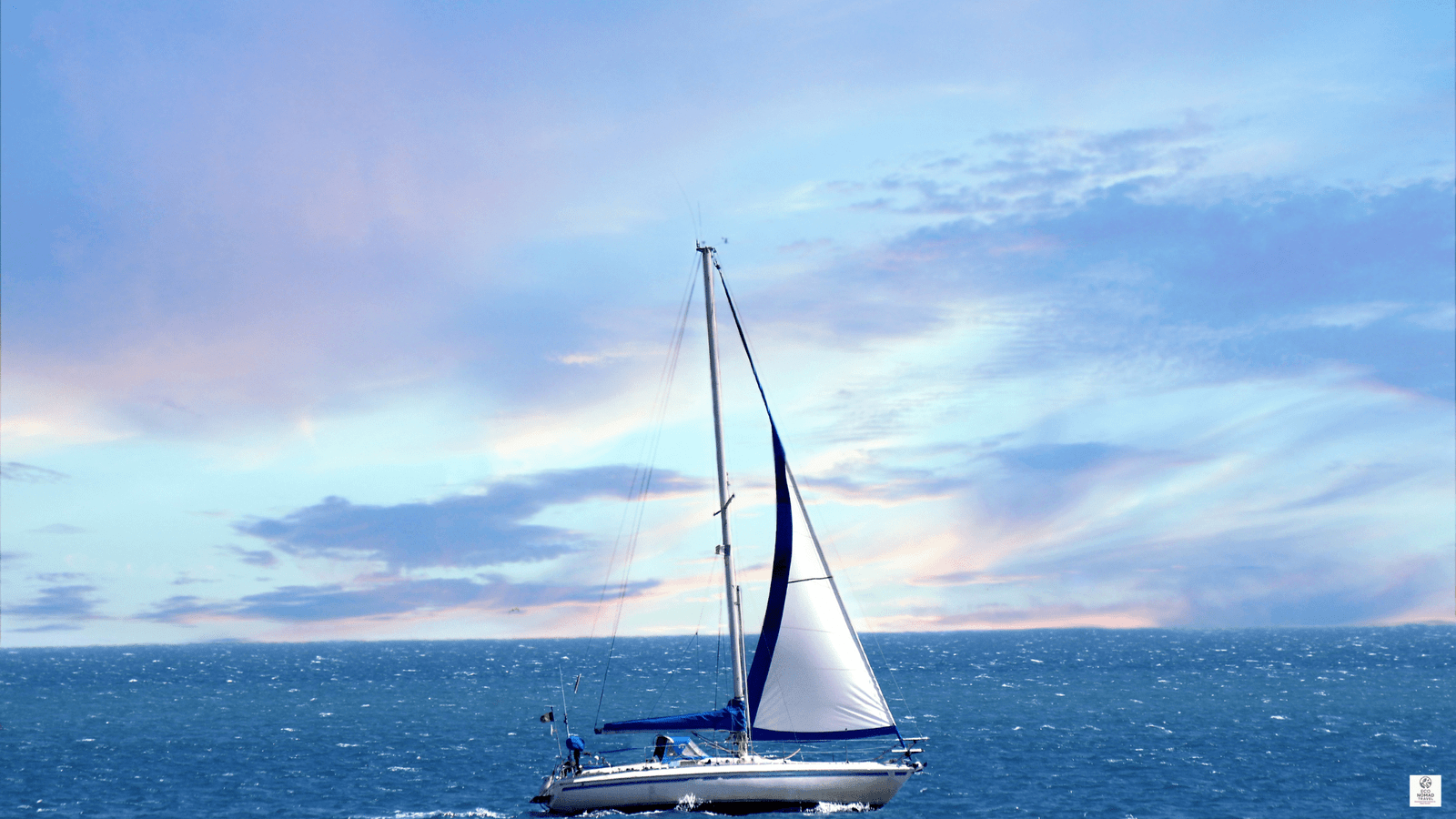

By Jeremy Jarvis · Founder of Eco Nomad Travel & sustainable digital nomad writer
Slow travel, rail-first itineraries, and wind-powered trips for eco-minded nomads.
Affiliate note
This guide may include partner links for yacht charters and travel tools. If you book through them, Eco Nomad Travel may earn a small commission at no extra cost to you. I only recommend options that fit a slower, lower-impact style of travel and complement the frameworks in our Carbon-Neutral Travel Guide 2025 .
Key takeaways for sailing in Croatia
- The Adriatic coast is tailor-made for wind sailing: short hops, protected bays, and over 1,000 islands to explore.
- You can choose from hundreds of sailboats and catamarans in Croatia, from budget-friendly 2-cabin boats to 50-foot yachts.
- Shoulder months (May–June and September–October) balance comfortable wind, warm seas, and calmer marinas.
- Understanding local winds (Bora, Jugo, Tramontana, Mistral) makes routes safer and more comfortable.
- Booking through a reputable charter platform and packing a low-waste kit keeps your adventure aligned with eco-friendly travel habits .
If you dream of sailing in Croatia and actually feeling the wind move you from island to island—rather than watching the coast from a cruise ship balcony—this guide is for you. Croatia’s coastline is long, jagged, and incredibly well set up for small boats: more than a thousand islands, clear water, stone harbors, and reliable seasonal winds described on the official Croatian National Tourist Board site as a “nautical paradise.”
Below, we’ll look at what a sailing holiday in Croatia is really like, how to choose a yacht, when to go, and how to keep your trip as low-impact as possible while still feeling like a proper adventure. If you’re also planning trains before or after your trip, pair this guide with our Night Trains in Europe 2025 for a flight-light itinerary.
Quick start: find a sailing yacht in Croatia
If you already know that **Croatia + sailing** is your next move, the fastest way to get a feel for boats and budgets is to browse live listings for different regions and yacht types.
Partner link via Searadar: you’ll see current prices, discounts, and filters for sailboats, catamarans, cabins, and more.
On a typical search you’ll see **well over 400 yachts** available in Croatia, from compact 23-foot boats for four people to 50-foot yachts with space for larger groups. You can filter by region (Split, Zadar, Dubrovnik, Istria, Kornati), boat size, cabins, and price, then save a shortlist to compare. For a deeper look at how we think about low-impact planning, see our Eco Travel Places 2025 guide .
What a sailing holiday in Croatia actually feels like
A week of sailing in Croatia is less “luxury cruise” and more **floating cottage with moving views**. You wake up to water, have coffee on deck, raise the mainsail, and move a few hours along the coast or between islands. Afternoons mean swimming in bays you can’t reach by road; evenings are for grilled fish, local wine, and car-free stone streets.
The coastline is dotted with marinas and small ports, so even if you’re new to sailing you’re rarely far from shelter, showers, or a konoba when you want one. Routes are usually built around **short legs**—2–4 hours of sailing between anchorages—rather than long ocean crossings, which pairs nicely with a slower, nomad-style working rhythm.
Why it works so well for eco-minded travelers
- Wind first, engine second: you are moving primarily on wind, not burning fuel on highways or short flights.
- Small-boat scale: 4–10 guests is normal; there’s no need for heavy floating cities or huge hotel complexes.
- Local economies: you spend in harbors, family-owned restaurants, and markets instead of all-inclusive resorts.
- Island access without flights: arrive by train or coach, then explore the islands under sail and ferry.
If you’re new to low-impact planning, you may also want to read our Low-Impact Travel Habits primer and Eco-Friendly Travel Tips for ideas that carry over to any sailing route.
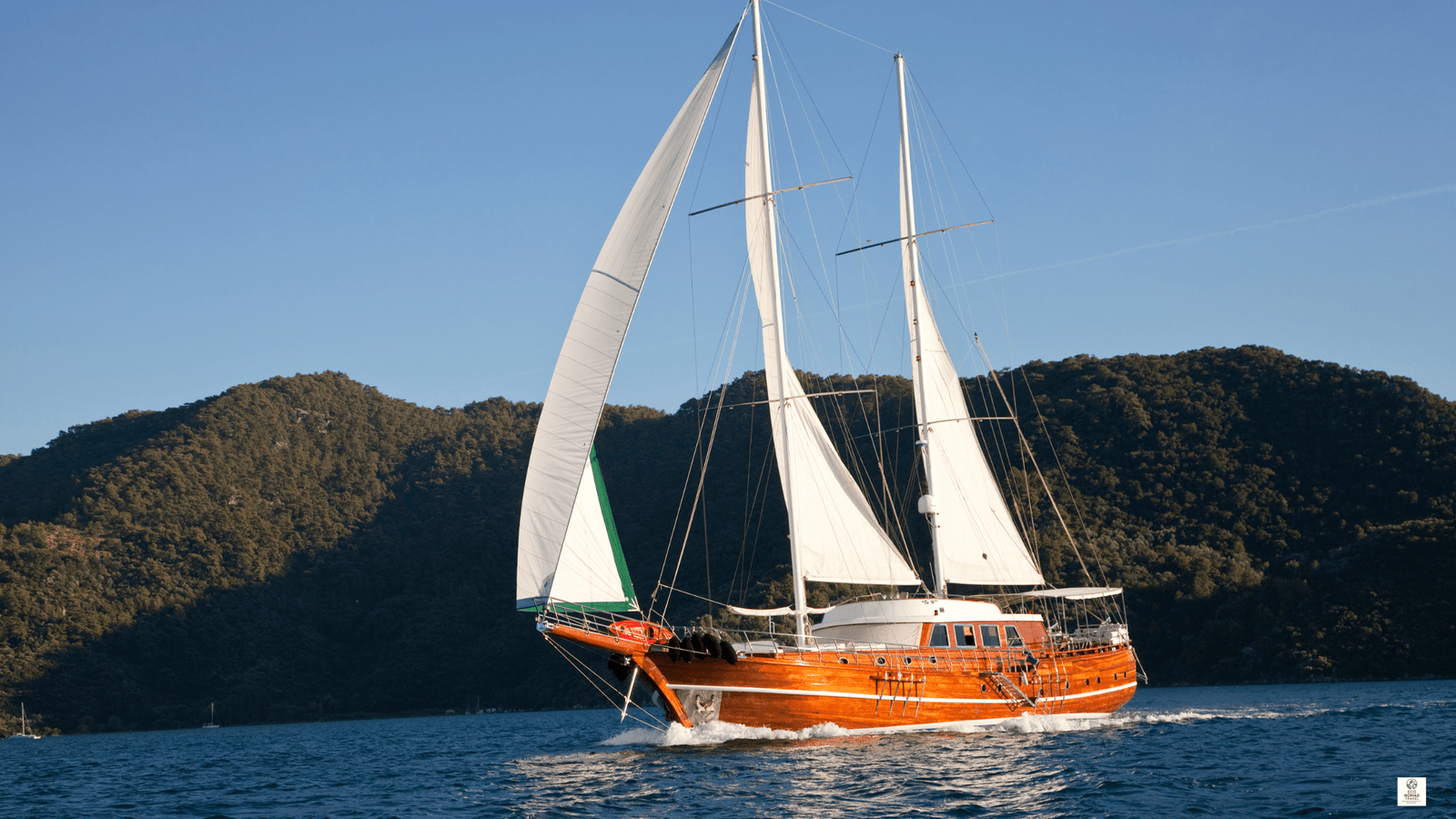
Best regions for wind sailing along the Croatian coast
1. Central Dalmatia: Split, Hvar, Brač, Šolta, Vis
This is the classic “first-time” **sailing in Croatia** area. You can fly or take overland routes into Split (regularly served by regional trains and buses—check Interrail’s Croatia page ), walk to the marina, and sail a loop through Brač, Hvar, Šolta, and Vis.
- Short sailing distances and sheltered channels that are forgiving for newer crews.
- A mix of car-free old towns and quiet anchorages for nights under the stars.
- Plenty of charter bases and experienced skippers used to first-time guests.
2. Kornati Islands & Zadar–Šibenik area
North of Split, the **Kornati archipelago** feels more remote. It’s a maze of rocky islands and clear water, perfect if you prefer nature and hiking over nightlife. Routes here pair beautifully with green travel frameworks if you want to keep your footprint as small as possible.
- Dozens of bays where you can anchor in near-silence away from main ferry routes.
- National park landscapes and low light pollution for stargazing.
- Charter bases in Zadar, Biograd, Šibenik, and nearby marinas.
3. Southern Dalmatia: Dubrovnik and the southern islands
Starting from Dubrovnik, you sail between the Elaphiti Islands, Mljet, and sometimes Lastovo, with options to head north toward Split or south toward Montenegro by land afterwards.
- Combines an iconic walled city with quieter green islands and national parks.
- Good for one-way routes between Dubrovnik and Split if you have 10–14 days.
- Plenty of sheltered anchorages in bays protected from open-sea swell.
Choosing the right yacht in Croatia: from 2 cabins to 50 feet
When you open a charter platform, the number of options can be overwhelming. Here’s how to read what you’re seeing and pick something that fits your group and comfort level, especially if you’re mixing work and sailing days as a digital nomad.
Main yacht types
- Monohull sailboats: classic single-hull yachts from about 30–50 feet. Cheaper, more “sail-feel,” and perfect if you want that lean-over-on-a-reach sensation.
- Catamarans: twin-hull boats with huge deck space and very stable motion. Great for families or mixed comfort levels, but usually pricier with higher marina fees.
- Cabin charters: instead of renting the whole boat, you book a cabin and share the yacht with other travelers plus a skipper, sometimes a cook. Good for solo travelers and couples.
Reading the listings
Typical listing details for sailboats in Croatia include:
- Length: from smaller 23–35 ft boats up to 45–50 ft yachts.
- Cabins & guests: e.g., 2 cabins / 6 guests, 4 cabins / 10 guests, or 5 cabins / 12 guests.
- Sails: full-batten or furling mainsail (furling is easier, full-batten is more performance-oriented).
- WC / bathrooms: 1–3 heads depending on boat size.
- Security deposit: refundable deposit (often around 1,000 €) or deposit insurance to “avoid full security deposit.”
- Price for 7 days: weekly base price, with clear discounts and “mandatory costs” (cleaning, transit log, local fees).
On Searadar you’ll see labels like All, Recommended, Special price, or Highest discount, which can help you quickly find boats that match your budget and flexibility. Use the comparison feature to shortlist a few yachts, then read reviews and year of build carefully before booking.
Tip: filter first by region (e.g., Split or Kornati), then by cabins and price. Add 3–5 boats to your shortlist and compare deposit, age, and reviews.
Winds and seasons: how Croatia’s weather shapes your sailing
The Adriatic has a few named winds you’ll see in forecasts and hear in every marina briefing. You don’t need to become a meteorologist, but understanding the basics helps you choose your season and route.
Main winds you’ll hear about
- Mistral (NW): a north-westerly sea breeze, especially in warmer months. Usually pleasant, steady wind for afternoon sailing and clearing the air.
- Bora (NE / “Bura”): a cold, dry, very gusty wind that pours down from the mountains, mostly in winter but possible at other times. It can reach very high speeds and create rough seas—your skipper will treat Bora days with respect.
- Tramontana (N–NW): strong, dry, colder wind triggered by high pressure over central Europe. It can bring powerful gusts but also very clear air and visibility.
- Jugo (SE / “Sirocco”): a warm, humid wind from the southeast. It often brings clouds, rain, and choppy, uncomfortable waves, especially in autumn and winter.
If you’re sailing with a professional skipper or taking a cabin charter, the crew will check forecasts daily and adjust the plan. Your job is mainly to be flexible and understand that wind days and calm days are just part of the rhythm.
Air temperatures by month
Here’s a simple view of typical coastal air temperatures across the year:
| Month | Min (°C) | Max (°C) |
|---|---|---|
| January | 1 | 9 |
| February | 2 | 10 |
| March | 4 | 13 |
| April | 8 | 17 |
| May | 12 | 22 |
| June | 16 | 26 |
| July | 19 | 29 |
| August | 19 | 29 |
| September | 15 | 25 |
| October | 11 | 20 |
| November | 6 | 14 |
| December | 2 | 10 |
Best time to go
- June–September: warmest water, reliable sunshine, and busy marinas. July–August are the most crowded and expensive weeks.
- May & October: cooler but often beautiful shoulder months, with lower prices and calmer harbors.
- Budget-friendly windows: May–June and September–October typically offer the best balance of cost, crowds, and sailing conditions.
Typical costs and sample routes for sailing Croatia
Charter prices move a lot with season, size, and age of the boat. As a very rough guide, weekly base prices for a sailboat in Croatia can range from around **600–700 € (discounted older boats)** up to several thousand euros for larger or newer yachts—before mandatory fees, fuel, and food.
On a charter search you’ll often see:
- Smaller older sailboats showing big discounts (for example, 850 € down to around 600 € a week).
- Mid-size 34–37 ft yachts with 2–3 cabins for 6–7 people.
- Newer 45–50 ft yachts with 4–5 cabins, 2–3 bathrooms, and higher weekly prices.
Remember that these figures are for the boat only. You still need to plan for:
- Mandatory costs (cleaning, marina check-in, local fees).
- Security deposit or deposit insurance.
- Fuel (often modest if you truly sail most days).
- Marina or mooring fees, especially in popular summer harbors.
- Food and drink, whether you cook on board or eat out most nights.
Example week: Split – Hvar – Vis – Brač loop
A simple 7-day **sailing + Croatia** loop that many crews follow:
- Day 1: Arrive in Split, stock up at local markets, short sail to Šolta.
- Day 2: Šolta to Hvar town or a quieter bay on the island.
- Day 3: Hvar to Vis, anchoring in a sheltered bay.
- Day 4: Explore Vis and nearby coves; short sailing legs only.
- Day 5: Vis to Brač, overnight in a harbor village or anchorage.
- Day 6: Brač back to Split, evening in the old town.
- Day 7: Check-out and onward travel by train or coach.
Getting to Croatia and staying connected on board
You can reach Croatia by **plane, train, bus, car, or ferry**, depending on where you’re coming from. For a lower-impact itinerary, try routing by rail or coach into Zagreb, Split, Zadar, Rijeka, or Pula, then taking regional buses down to your departure marina. The official tourism site at croatia.hr lists major entry hubs and ferry connections.
Internet access is generally solid along the coast. Coastal towns and marinas offer good 4G/5G coverage, and many charter yachts provide Wi-Fi packages. If you plan to work remotely on non-sailing days, ask the charter company about routers and typical speeds, and bring an eSIM or local SIM as backup—our Eco-Friendly Travel Kit 2025 breaks down simple gear that works across trips.
Low-impact tips for sailing Croatia as an Eco Nomad
Sailing is already one of the better ways to move through a country, but a few choices can push your trip even further toward the low-impact side.
- Travel overland to your marina: whenever practical, swap short-haul flights for trains and coaches into coastal hubs.
- Pick smaller, efficient yachts: a well-maintained 34–40 ft boat with fewer guests often has a lighter footprint than oversized options.
- Ask skippers to prioritize real sailing: flexible itineraries allow more time under sail and less engine use.
- Pack a zero-waste kit: reusable bottles, cups, food containers, and shopping bags drastically cut plastic on island supply runs. Use our Zero-Waste Digital Nomad Packing Guide as a checklist.
- Respect swim zones and seagrass: anchor only where allowed, avoid disturbing marine life, and keep noise low at night.
After you’ve reduced what you can, you can look at carbon-footprint estimates and offsetting, but the biggest win will always be traveling less by air and more by rail, ferry, and sail.
Want to estimate the footprint of your route? Use our carbon calculator before you book:
[carbon_calculator_2025]
FAQs about sailing and winds in Croatia
Do I need sailing experience to book a yacht in Croatia?
No. If you don’t have a license or experience, you can book a skippered charter or a cabin on a shared boat. The skipper handles navigation, docking, and weather decisions while you help with simple tasks and enjoy the route. If you already hold an appropriate license, you can also choose a bareboat charter.
What’s the best month to go sailing in Croatia for good wind and fewer crowds?
For most eco-minded travelers, late May, June, September, and early October offer the best balance. You get warm but not extreme temperatures, generally reliable wind, and marinas that are noticeably calmer than in peak July–August. Prices also tend to be friendlier in the shoulder season.
How strong are the Bora and Jugo winds, and should I worry about them?
Bora (NE) and Jugo (SE) can both be powerful. Bora is cold, dry, and gusty, while Jugo is warm, humid, and can build confused seas. A professional skipper or experienced bareboat crew will avoid exposed crossings in strong Bora or Jugo and may adjust plans or stay in port until conditions ease. The key is flexibility and checking forecasts daily.
Is sailing in Croatia budget-friendly compared to hotels and resorts?
It depends on your group size. For couples, a yacht can be more expensive than a simple guesthouse. For groups of 4–8 people sharing cabins, a week of sailing can be competitive with mid-range hotel stays, especially if you cook on board. Older boats and shoulder-season discounts can bring weekly rates down and are easy to spot when you compare offers on platforms like Searadar.
Can I work remotely while sailing in Croatia?
Yes, with some planning. Mobile data coverage is strong along much of the coast, and many charter companies offer onboard Wi-Fi packages. For focused work sessions, plan to anchor near towns or marinas with good signal, and schedule deep work for calmer mornings in port. Pair this with the gear from our Eco-Friendly Travel Kit and you can keep your setup minimal and low-waste.
Is Sailing in Croatia Environmentally Friendly in 2025?
Is sailing in Croatia environmentally friendly?
Sailing has a lower operational footprint than many resort- and car-based trips, especially when you:
travel overland to the marina, prioritize time under sail instead of motoring, use a zero-waste kit, and anchor only in permitted areas. For a complete framework, see our Sustainable Travel Guide 2025 and Carbon-Neutral Travel Guide .
Which Croatian region is best for a first-time sailing trip?
Central Dalmatia (Split–Hvar–Vis–Brač–Šolta) is usually the easiest introduction: short legs, lots of shelter, and plenty of services. Zadar–Kornati is better if you prefer wilder landscapes and national parks, while Dubrovnik and the southern islands are ideal if you want to combine an iconic city with quieter green islands.
What should I pack for a week of sailing in Croatia?
Pack lighter than you think. Soft luggage, quick-dry layers, a windproof jacket, deck-friendly shoes, reef-safe sunscreen, and a simple zero-waste kit (bottle, cup, container, cutlery, tote bags) go a long way. For a detailed list built for eco nomads, use our Zero-Waste Packing Guide .
Is it better to choose a monohull or a catamaran in Croatia?
Monohulls are usually cheaper, feel more “classic sailing,” and are great if you enjoy the motion of heel and tighter harbors. Catamarans are more expensive but offer huge outdoor space and a more stable platform, which some families and remote workers prefer. For most eco-minded travelers, a mid-size monohull is a good compromise between cost, comfort, and footprint.
How far in advance should I book a sailing trip in Croatia?
For July–August, it’s wise to reserve several months ahead, especially if you’re targeting newer boats or specific marinas. For May–June and September–October, you often have more flexibility, but booking a few months in advance still gives you the best selection and prices.
Final thoughts: why sailing in Croatia fits an Eco Nomad lifestyle
A **sailing holiday in Croatia** is not just about ticking off islands. It’s a way to test what a slower, wind-led, small-scale style of travel feels like in real life. You wake with the light, move with the weather, and spend most of your time outdoors rather than in transit lounges and traffic.
With hundreds of yachts to choose from, solid infrastructure, and rich coastal culture, Croatia makes it surprisingly easy to combine wind sailing, digital nomad life, and low-impact travel decisions. If you plan carefully, you can arrive overland, sail for a week or two, and leave with more stories than emissions.
Searadar is a partner platform we use to surface real-time yacht offers in Croatia. Booking through the link above supports Eco Nomad Travel at no extra cost to you. Always check contract terms, safety standards, and cancellation policies before you confirm a charter.
Editor’s note: This article is for informational purposes only and is not navigation, safety, or financial advice. Always follow local regulations, listen to your skipper or charter company, and monitor official weather forecasts when sailing in Croatia.



Recent Posts
Best Travel Towels
Quick picks for fast-drying, packable towels that actually work on the road.
Best Waterproof Backpack
What matters for rain, train platforms, and daily carry—without overpacking.
Cheapest Way to Travel to Europe
Budget routes, timing, and practical ways to cut costs without cutting comfort.
How to Travel Europe by Train
Planning tips, rail passes, and simple route strategies for smoother trips.
Best Night Trains in Europe
Top sleeper routes, what to book, and how to avoid common overnight mistakes.
SIM Card for International Travel
Simple guidance on SIM vs eSIM, coverage, and avoiding roaming surprises.

Explore Eco Nomad Travel
📚 Core Guides
🧭 Planning & Logistics
🗺️ Destinations & Seasons
Jeremy Jarvis — founder of Eco Nomad Travel, sustainable travel writer, and advocate for regenerative tourism. His work focuses on low-impact mobility, eco-friendly digital nomad life, and climate-positive travel.
Legal
Affiliate DisclaimerPrivacy Policy
Terms of Service
Image & Media Notice
Cookie Policy
Contact
Affiliate Disclosure: Some links on Eco Nomad Travel are affiliate links, meaning we may earn a small commission at no extra cost to you. This supports our mission to inspire responsible and low-impact travel worldwide.
Connect
✅ Trusted Official Sources
Plan smarter eco trips
Try our free Sustainable Travel Tools for Digital Nomads – carbon calculator, train vs plane comparator, and more.
Open Tools Hub