

Finding authentic, sustainable small hotels in Europe can transform your trip from a typical vacation into a memorable, low-impact journey. These hidden gems offer a genuine connection to local culture. They often have a much smaller environmental footprint than large chain resorts. This guide cuts through the noise of massive booking sites. It highlights the best platforms for discovering unique, eco-conscious stays. We will explore curated collections and powerful search tools. These help you find the perfect boutique hotel, family-run guesthouse, or countryside inn for your next rail-first adventure.
Choosing the right place to stay is about more than just a bed for the night. It is an opportunity to support local economies and travel more responsibly. Many small, independent hotels are deeply rooted in their communities. They prioritize local sourcing, energy efficiency, and preserving cultural heritage. However, navigating the world of ‘green’ claims can be tricky. That’s why this roundup focuses on platforms that provide clear sustainability signals. This includes B-Corp certifications to partnerships with recognized bodies like the Global Sustainable Tourism Council (GSTC). This ensures you can book with confidence, knowing your choice aligns with your values.
7 Best Tools to Find Small Hotels in Europe (Curated Picks, Sustainability Filters, and Budget-Friendly Options)
This guide will walk you through seven of the most effective tools for finding small hotels in Europe. We will cover highly curated luxury collections to broad aggregators with surprisingly useful sustainability filters. We’ll compare their strengths, weaknesses, and unique features. So, you can pick the right one for your travel style and budget. Whether you’re planning a walkable city break or a quiet rural retreat, these resources will help. They unlock a more authentic and mindful way to explore the continent. To keep things organized, I always use my favorite packing cubes to separate clothes from gear in my carry on backpack.
1. Small Luxury Hotels of the World (SLH)
For travelers seeking a reliable collection of authentic, independently-owned small hotels in Europe, Small Luxury Hotels of the World (SLH) is a premier discovery platform. It curates over 560 unique properties globally. The platform has a significant and impressive presence across the continent. SLH stands out by providing a high signal-to-noise ratio. It filters out large, impersonal chains in favor of boutique hotels. These hotels offer genuine character and a distinct sense of place. This focus makes it an invaluable tool for digital nomads and eco-conscious travelers. They prioritize quality over quantity and seek accommodations deeply connected to their local environment.
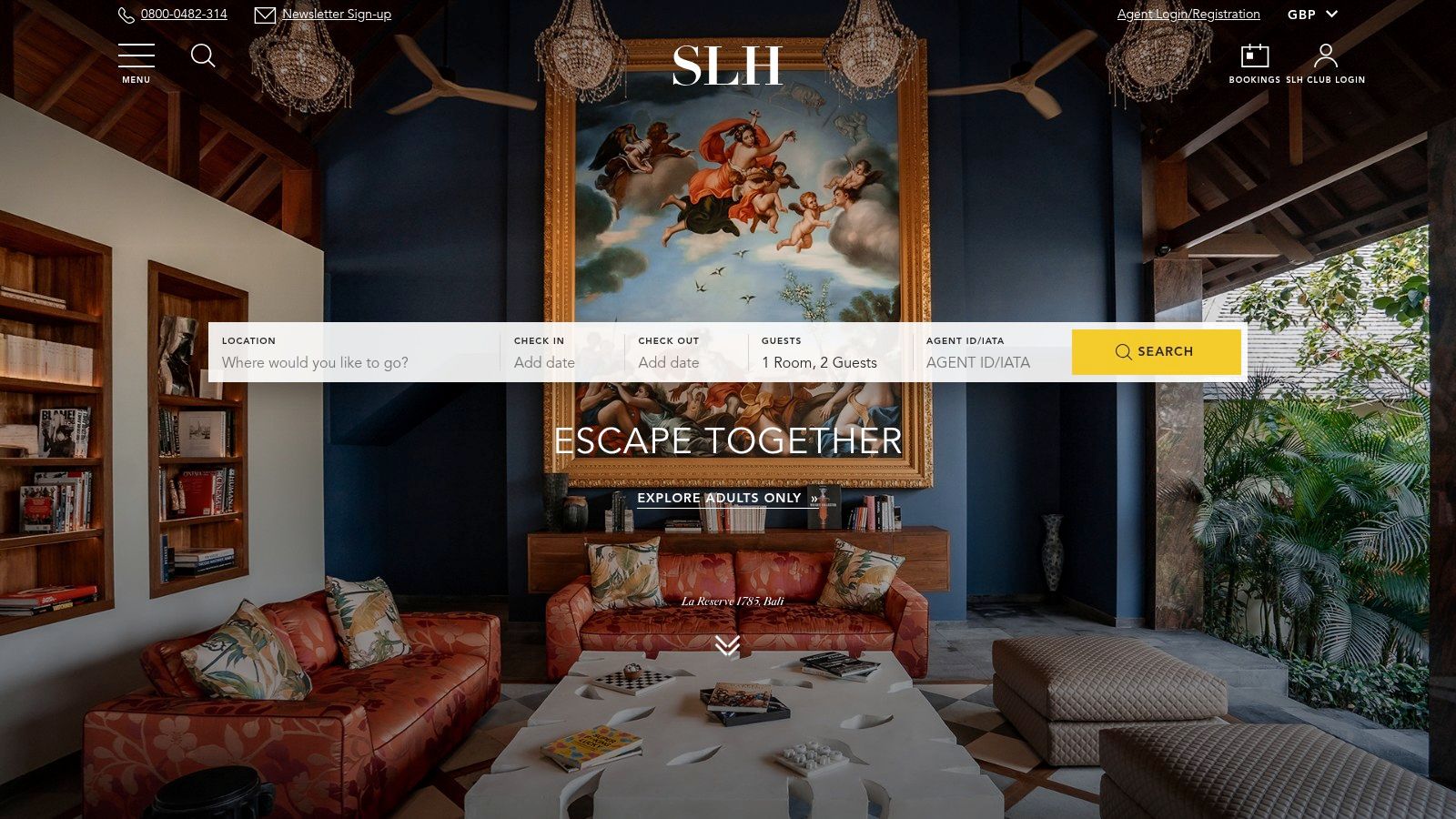
Each hotel must pass a rigorous annual inspection. This ensures high standards of service and quality are consistently met. This vetting process removes the guesswork often associated with booking independent hotels online. For the sustainability-minded traveler, SLH’s “Considerate Collection” is a key feature. This subset of hotels must meet the highest standards of social and environmental responsibility. They align with the Global Sustainable Tourism Council (GSTC) framework. This makes it easier to identify and support properties genuinely committed to positive impact.
The platform’s user experience is clean and intuitive. It has powerful filters that allow you to search by destination, travel style (like “Mindful”), or specific amenities. While the price point leans towards mid-range and premium luxury, the value is evident in the quality of the stays. The complimentary INVITED loyalty program offers immediate benefits. These include early check-in and late check-out, enhancing the travel experience.
How to Use SLH for Sustainable Travel Planning
To maximize SLH for your low-impact European itinerary, start with the Considerate Collection. Use the map view to find properties near major train stations. This makes a car-free trip seamless. For example, you can identify a certified eco-hotel in a walkable Lisbon neighborhood. Or find a countryside retreat in Tuscany that is accessible via regional rail.
When evaluating a property, look beyond the eco-label. Check the hotel’s own website for detailed sustainability reports or specific initiatives. Look for waste reduction programs, local sourcing for their restaurant, or community partnerships. Before booking, use the “Ask a Question” feature on the hotel page. You can inquire about their proximity to public transport or their policies on single-use plastics. You might pack a few essentials like a reusable water bottle and solid shampoo bar to align with their efforts.
2. MICHELIN Guide – Finding small hotels in Europe
Long celebrated for its culinary authority, the MICHELIN Guide has expanded its rigorous curation to accommodations. This makes it a powerful tool for discovering exceptional small hotels in Europe. Moving beyond just restaurants, its hotel selection focuses on properties that offer memorable experiences. These places have distinctive character and outstanding service. This makes the platform an excellent resource for travelers who trust editorial judgment. It helps them bypass the endless scroll of massive booking sites. It’s particularly useful for digital nomads and eco-conscious travelers seeking hotels with a strong sense of place and a high standard of quality.
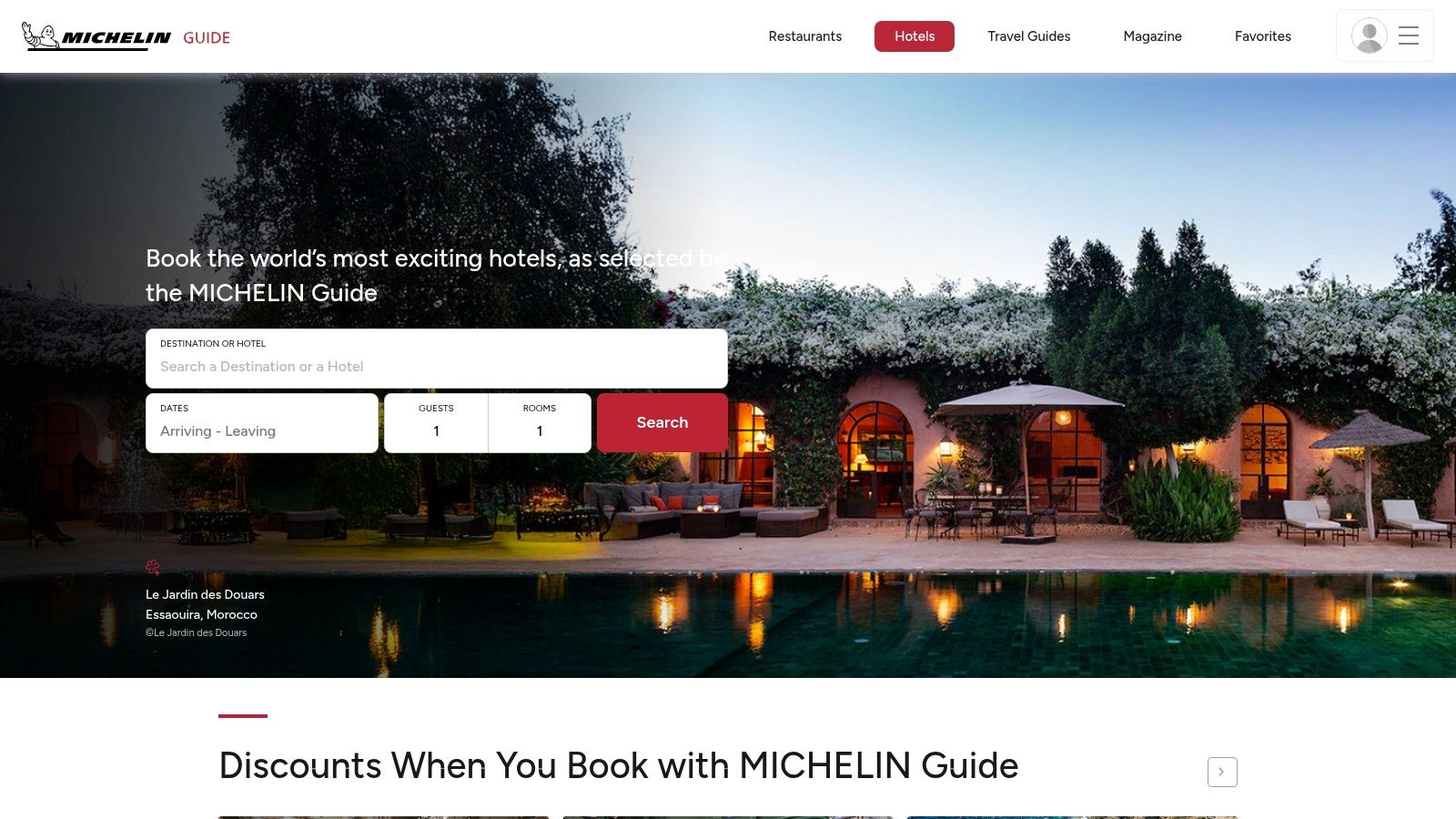
The guide’s standout feature is the “MICHELIN Key” distinction (One, Two, or Three Keys). It is an award system that highlights the most remarkable hotels. This simple quality signal helps you quickly identify properties that go above and beyond. These range from great hotels (One Key) to extraordinary, destination-worthy stays (Three Keys). The selection process, carried out by anonymous inspectors, favors boutique and independently owned hotels. This ensures that the platform’s inventory is filled with unique and authentic options. This curated approach removes much of the guesswork. It provides a reliable shortlist of high-quality accommodations.
The user experience is clean and visually driven. It features beautiful photography and concise editorial descriptions that capture each hotel’s essence. While the curated inventory means it isn’t exhaustive for every small town, its coverage in major European cities and popular regions is robust and growing. The platform also allows for direct booking at competitive market rates, streamlining the planning process. Although many featured hotels are in the mid-range to luxury price bracket, the value is in the guaranteed quality and unique character of the stay. Having an RFID blocking wallet is always a smart idea for added security in busy cities.
How to Use the MICHELIN Guide for Sustainable Travel Planning
To find properties that align with a low-impact itinerary, use the guide as a starting point for quality. Then, cross-reference with your sustainability criteria. Start by filtering for a destination. Look for hotels located in central, walkable neighborhoods close to train stations. For example, you can identify a “One Key” hotel in a historic district of Rome. Or find a “Two Key” countryside property in Provence that champions farm-to-table dining.
Once you have a shortlist, visit the hotel’s own website. Investigate its specific environmental commitments. Look for detailed sustainability pages, certifications, or blog posts. These might cover local sourcing, energy conservation, or community initiatives. The guide’s focus on character and local integration often overlaps with sustainable principles. However, direct verification is key. Before booking, ensure your own gear, like a collapsible water bottle or biodegradable soap, aligns with a minimalist, low-waste travel style.
3. Relais & Châteaux
For travelers whose European journeys are guided by their palate, Relais & Châteaux offers a distinctive collection. Here, gastronomy and hospitality are inseparable. This association of 580 independent hoteliers and chefs worldwide has deep roots in Europe. This makes it a go-to platform for finding character-rich small hotels in Europe. The brand is built on a philosophy of “l’Art de Vivre” (the art of living). It focuses on authentic experiences, regional character, and a profound connection to local cuisine and culture. This makes it a perfect match for eco-conscious digital nomads who seek immersive stays that support local food systems.
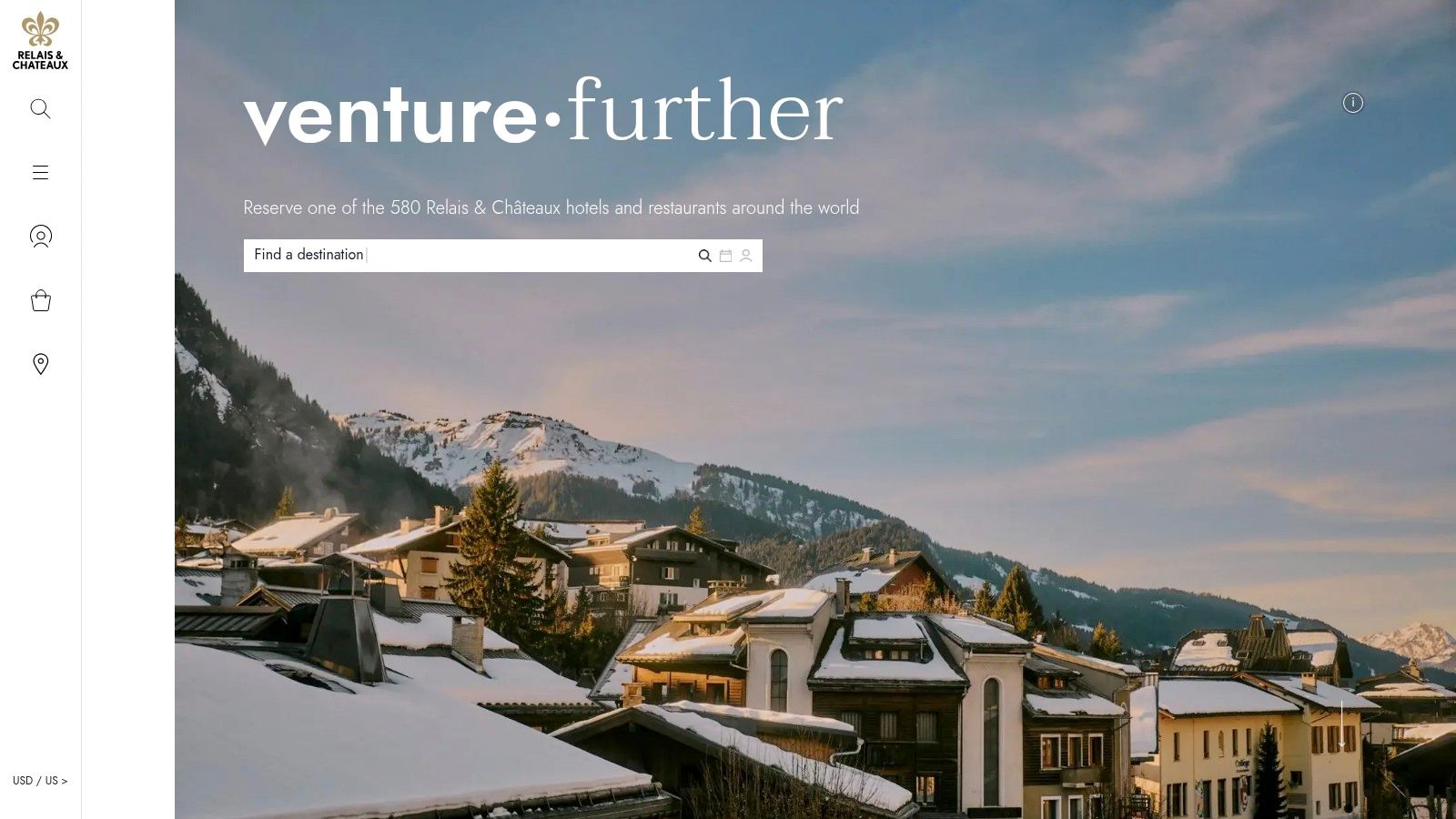
Unlike typical booking sites, Relais & Châteaux is a curated membership association. Each property, often with fewer than 50 rooms, is selected for its unique soul and commitment to quality. The emphasis on gastronomy is its key differentiator. Many member properties house Michelin-starred restaurants. Or, they are renowned for their farm-to-table ethos. In 2014, the association partnered with the slow food movement and presented a Vision to UNESCO. They pledged to preserve the world’s cuisines and hospitality. This commitment ensures that a stay is not just about a room. It is about experiencing the very best of a region’s culinary heritage.
The platform’s website allows users to explore properties and book directly. A standout feature is the “Routes du Bonheur” or “journeys of happiness.” These are curated multi-stop itineraries that link several member properties along a themed route. While the price point is firmly in the premium category, the value lies in the unparalleled quality of food and service. The deeply personal nature of each stay is also a highlight. Availability can be limited, especially in peak season, so booking well in advance is recommended.
How to Use Relais & Châteaux for Sustainable Travel Planning
To align a Relais & Châteaux stay with a low-impact itinerary, focus on properties that champion their local ecosystem. Use the platform to find a hotel with an on-site organic garden in Provence. Or find a coastal inn in Scotland that sources exclusively from local fishermen. Many of these rural properties are destinations in themselves. This reduces the need for extensive daily travel.
Before booking, explore the property’s profile. Look for details on their culinary philosophy and sustainability commitments. Check for mentions of local sourcing, community partnerships, or conservation efforts. For a car-free journey, map the hotel’s location relative to the nearest regional train station. Some countryside properties even offer transfers for guests. Combining a stay with slow travel by rail creates a truly sustainable and luxurious European experience. Traveling light with a simple carry on backpack and a few compression packing cubes makes navigating these train connections much easier.
4. i-escape
For travelers who value curation and character, i-escape has long been a trusted platform. It’s especially useful for discovering unique small hotels across Europe, and it feels more like a high-quality travel guide than a massive booking engine. The site handpicks boutique hotels, B&Bs, and rentals that offer a genuine sense of place, which is exactly what many eco-conscious travelers and digital nomads are looking for. The team is also known for being selective, noting that only a small fraction of properties are accepted. As a result, i-escape can be a strong resource for finding charming, often family-run stays that feel far removed from generic, large-scale hotel chains.
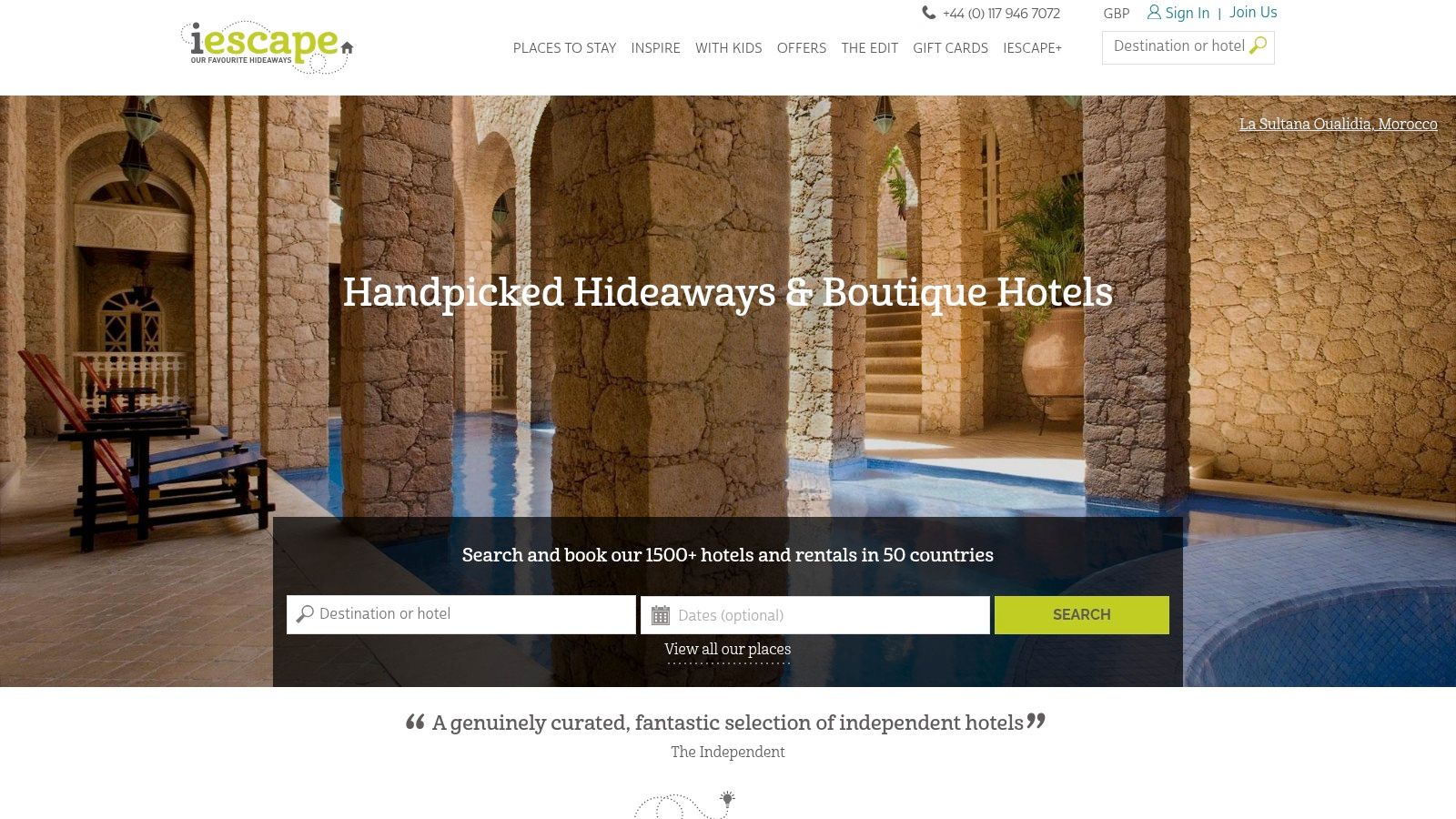
What sets i-escape apart is its editorial integrity and transparency. Each listing features an honest, in-depth review. This is written by a team member who has stayed at the property. The review includes highs, lows, and practical details. This provides a level of trust that automated listings cannot match. The platform is particularly strong in its European coverage. It offers everything from affordable agriturismos in rural Italy to stylish city-center guesthouses in Portugal. Their emphasis on smaller, independent properties naturally aligns with more sustainable travel choices. This supports local economies directly.
The booking process is also refreshingly clear. i-escape shows transparent payment and cancellation policies. It has no hidden service fees for travelers. It also provides responsive human support for booking inquiries. The free iescape+ membership offers perks like discounts and extras at many properties. While its curated inventory means it isn’t comprehensive for every single town, the quality and character of its selection are unparalleled. For those who prioritize a well-vetted stay over endless options, it’s an indispensable tool. A lightweight travel backpack is perfect for these kinds of trips.
How to Use i-escape for Sustainable Travel Planning
To find low-impact stays on i-escape, leverage their detailed reviews and collection filters. Use collections like “Eco-Friendly,” “Good with Kids,” or “Off-Grid and Remote”. This will narrow your search to properties aligned with your travel style. The map view is particularly useful for planning a rail-based trip. It allows you to find charming accommodations within walking distance of train stations in cities like Seville or Ghent.
Dive deep into the “Lowdown” section of each hotel review. This is where i-escape’s team provides candid insights into a property’s location, atmosphere, and amenities. Look for mentions of proximity to public transport, local food sourcing for their restaurant, or community involvement. Since many properties are small and family-owned, you can often book directly with them after discovery. This ensures more of your money supports the local business. Before your trip, pack your quick dry travel towel and a USB C charger to minimize your footprint and stay connected.
5. Sawday’s
For eco-conscious travelers seeking intimate, host-run accommodations, Sawday’s offers a handpicked collection of truly special places to stay. This UK-based B-Corp champions independent, characterful small hotels in Europe. It also features B&Bs, countryside inns, and self-catered spots. With over 30 years of curation experience, Sawday’s stands out by personally inspecting every property. This ensures each one has a story and a genuine connection to its local community. This ethos makes it a perfect resource for digital nomads and slow travelers. It helps them find authentic, low-impact stays far from the crowds.
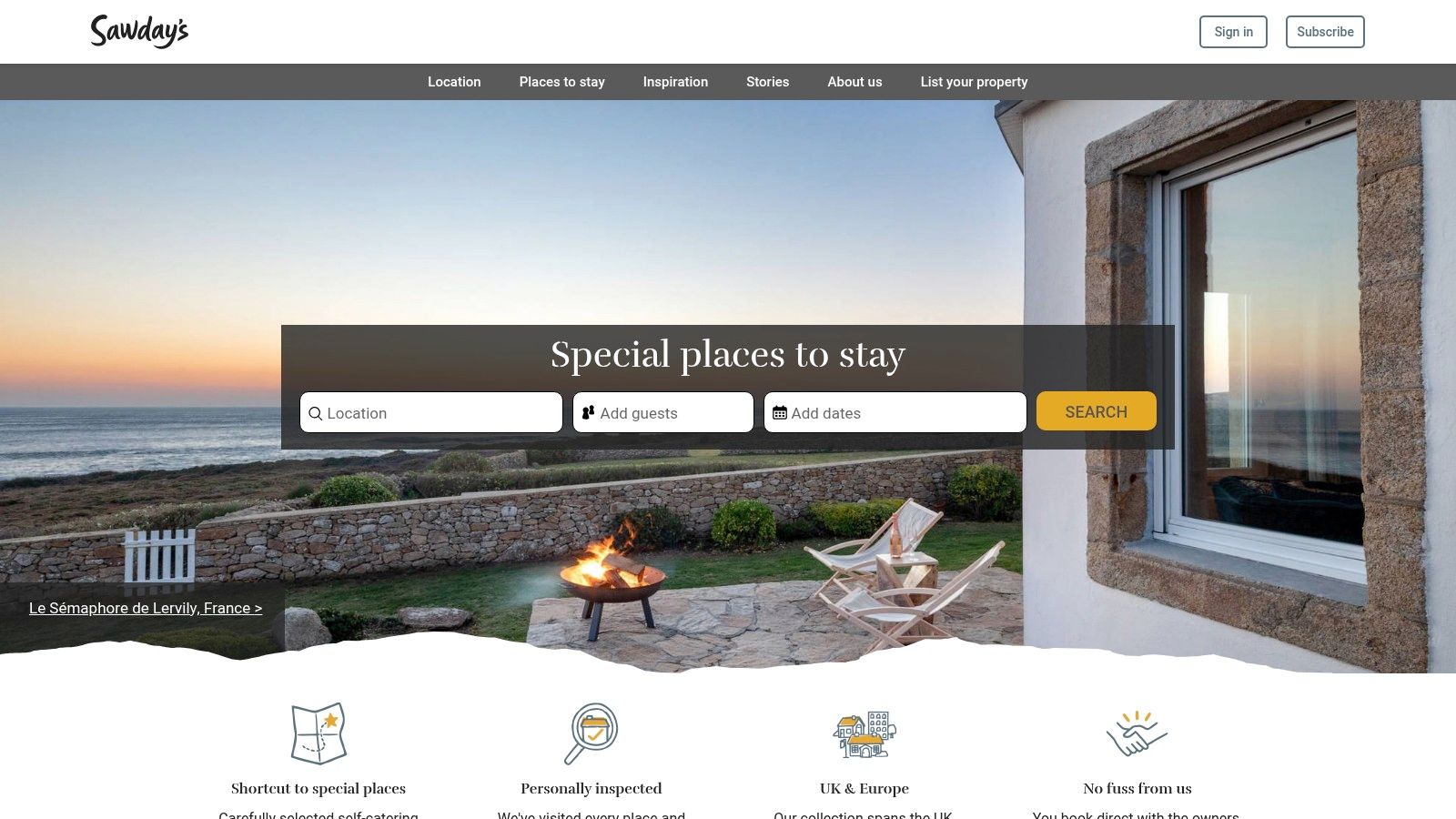
The platform’s commitment to responsible travel runs deep. As a certified B-Corp, Sawday’s actively promotes properties that share its values of sustainability and community engagement. They have even implemented policies to limit listings in areas suffering from overtourism. This guides travelers toward more regenerative destinations. This focus on smaller-scale, often family-run establishments provides a powerful alternative to mainstream booking sites. It connects you with hosts who are deeply invested in their local environment and culture.
The user experience on Sawday’s is more like browsing a curated travel guide than a massive booking engine. The interface is clean, with inspiring collections and a focus on storytelling. While its European inventory is smaller than larger platforms, the quality and authenticity are exceptional. This is particularly true for countryside and village-scale hotels that are often accessible by regional trains. This makes it an ideal tool for planning car-free itineraries. A portable power bank is a must-have for these more remote trips.
How to Use Sawday’s for Sustainable Travel Planning
To find the most authentic and low-impact stays, use the “Our Values” filters. For instance, you can select “Veggie/Vegan” or “Good for Public Transport.” This instantly identifies properties that align with a sustainable travel mindset. The platform is particularly strong for discovering charming inns and B&Bs near regional rail lines in the UK, France, and Italy. This makes it easy to plan a multi-stop trip without a car.
Before booking, read the detailed descriptions written by Sawday’s inspectors. These often highlight the host’s personality and the property’s unique sustainable practices. For example, they might source breakfast from their own garden or use renewable energy. Since some smaller places may require direct contact for booking, it’s a great opportunity. You can ask hosts about local walking trails or the best way to arrive via public transport. Packing a packable daypack will be useful for exploring these local recommendations on foot.
6. BookDifferent
For the eco-conscious traveler who wants data-driven insights, BookDifferent is a powerful search engine. It helps find small hotels in Europe. Unlike traditional booking sites, its mission is centered on sustainability. It overlays crucial environmental data onto a broad inventory of hotels. This makes it simple to compare properties based on their eco-credentials and estimated carbon footprint. This approach is invaluable for digital nomads and climate-aware travelers. They want to make informed decisions that align with their values.
The platform’s standout feature is the “staygreencheck” system. It benchmarks over 20 different eco-labels against the Global Sustainable Tourism Council (GSTC) pillars. This helps you quickly understand the legitimacy of a hotel’s certification. Furthermore, BookDifferent provides a carbon footprint estimate per guest-night for each hotel. This allows for a direct comparison of environmental impact. By aggregating its inventory from major online travel agencies, it offers broad coverage. It also provides competitive pricing across the continent. You can easily find prices in US dollars ($) as well as Euros (€).
While the user experience is straightforward, it’s important to note that BookDifferent acts as an aggregator. This means the final booking and payment process is often handed off to a partner site. This can lead to some variation in the interface. Additionally, the carbon estimates are based on models rather than precise, meter-level data. However, they still serve as an excellent directional tool for making a lower-impact choice. For travelers packing light with carry on luggage, this data-first approach helps select hotels that reflect a minimalist, low-impact mindset.
How to Use BookDifferent for Sustainable Travel Planning
To get the most out of BookDifferent, start your search. Immediately look for the green leaf and heart symbols next to property listings. These indicate hotels with recognized eco-certifications. Click on a hotel to see its detailed sustainability card. This breaks down its performance and lists the specific certifications it holds.
Use the carbon footprint estimate as a key comparison point. When deciding between two similarly priced small hotels in Europe, choose the one with the lower CO2-per-night figure. This is a tangible way to reduce your trip’s environmental impact. Before finalizing, cross-reference the hotel’s own website. Learn more about its specific initiatives, like water conservation or community engagement. This ensures it aligns with your travel ethics. Bringing your own laundry detergent sheets is another small way to contribute.
7. Booking.com
While known for its sheer scale, Booking.com is an indispensable tool for finding small hotels in Europe. It is especially useful for travelers seeking broad coverage and competitive pricing. Its massive inventory includes thousands of independent guesthouses, B&Bs, and boutique properties. These are often not listed on more niche platforms. The key is to leverage its powerful filtering system. This helps cut through the noise of large chain hotels. You can uncover the unique, locally-owned gems that provide an authentic European experience. This makes it a practical starting point for digital nomads and eco-conscious travelers. They can cast a wide net before narrowing down their options.
Booking.com’s strength lies in its user-driven data and functional design. With millions of verified guest reviews, travelers can cross-reference property descriptions with real-world experiences. This is a crucial step when evaluating smaller, less-known hotels. For the sustainability-minded traveler, the platform’s “Travel Sustainable” program is a significant feature. It identifies properties that have implemented impactful sustainability practices. It often highlights those with credible third-party certifications like Green Key or EU Ecolabel. This filter helps direct spending toward more responsible accommodations.
The user interface is straightforward. It allows searches to be refined by property type (like “guesthouses” or “apartments”), neighborhood, and amenities. The “Genius” loyalty program offers progressive discounts. Flexible cancellation policies are easy to filter for, providing peace of mind for fluid travel plans. While the platform’s vastness can feel overwhelming, its comprehensive nature ensures that even the smallest towns in Europe have listed options. This makes it a reliable resource for planning car-free, off-the-beaten-path itineraries. Don’t forget a universal travel adapter to keep all your devices charged.
How to Use Booking.com for Sustainable Travel Planning
To effectively find sustainable small hotels in Europe, begin by applying the “Travel Sustainable” filter. Next, narrow the “Property type” to options like “Guesthouses,” “B&Bs,” and “Apartments”. This helps to eliminate large resorts. Use the map view to pinpoint accommodations within walking distance of train or bus stations. This is essential for a low-impact trip. For example, you can find a family-run guesthouse in a pedestrian-friendly area of Bruges. Or find a certified eco-lodge near a hiking trail in the Swiss Alps.
Once you have a shortlist, scrutinize the property’s page. Read recent reviews, specifically looking for comments on cleanliness, local character, and host interaction. Always click through to the hotel’s direct website. Verify their sustainability claims and learn about specific initiatives like local food sourcing or energy conservation. Before booking, you might pack your own toiletry bottles reusable and a travel power strip to reduce waste and be ready for local excursions.
7-Provider Comparison: Finding the Best Small Hotels in Europe
Small Luxury Hotels of the World (SLH)
- Implementation Complexity: Low — direct booking; optional SLH Club
- Resource Requirements: Moderate — mid‑to‑premium rates; Europe focus
- Expected Outcomes: High authenticity & boutique quality; Considerate Collection offers GSTC‑aligned signals
- Ideal Use Cases: Travelers seeking authentic boutique‑luxury stays in Europe
- Key Advantages: Curated inspections; GSTC‑aligned subset; rotating member perks
MICHELIN Guide – Hotels
- Implementation Complexity: Low — editor/inspector selection with on‑platform booking
- Resource Requirements: Moderate — often premium rates; selective inventory
- Expected Outcomes: Consistent high service and character; clear MICHELIN Key signals
- Ideal Use Cases: Travelers prioritizing editorially vetted, high‑service hotels
- Key Advantages: Well‑known editorial standard (MICHELIN Keys); clear quality cue
Relais & Châteaux
- Implementation Complexity: Low — membership network with direct booking options
- Resource Requirements: High — premium pricing; limited peak availability
- Expected Outcomes: Exceptional gastronomy, strong regional character and sustainability ties
- Ideal Use Cases: Culinary‑led luxury stays and intimate, small‑scale properties
- Key Advantages: Strong food credentials; curated, regionally distinctive members
i‑escape
- Implementation Complexity: Low–Medium — handpicked listings; some ‘On Request’ properties
- Resource Requirements: Moderate — varied price points; responsive human support
- Expected Outcomes: High editorial trust; good variety across budgets
- Ideal Use Cases: Finding family‑run, characterful boutique hotels beyond OTAs
- Key Advantages: Strict curation (“~1 in 100”); traveler‑friendly policies and support
Sawday’s
- Implementation Complexity: Low — personally inspected, sometimes owner‑direct booking
- Resource Requirements: Low–Moderate — smaller inventory, countryside bias
- Expected Outcomes: Excellent for intimate, community‑rooted, low‑impact stays
- Ideal Use Cases: Countryside, village or pub‑with‑rooms stays and rail‑linked travel
- Key Advantages: B‑Corp ethos; long‑standing personal inspections
BookDifferent
- Implementation Complexity: Medium — overlay aggregator with partner booking flows
- Resource Requirements: Low — search/filters show eco‑labels; availability varies by partner
- Expected Outcomes: Clear sustainability signals and modeled carbon estimates per night
- Ideal Use Cases: Quick screening for certified, lower‑carbon small hotels in Europe
- Key Advantages: staygreencheck benchmarking; visible eco‑labels & carbon estimates
Booking.com
- Implementation Complexity: Low — broad platform with extensive filters and instant booking
- Resource Requirements: Low — massive inventory, often competitive pricing; needs filtering time
- Expected Outcomes: Wide shortlist and many reviews; sustainability signals vary by property
- Ideal Use Cases: First‑pass search to find and shortlist many small hotels quickly
- Key Advantages: Largest inventory; strong filters, reviews, and flexible cancellation options
Low-Impact Travel Tools (Worth It)
Also, if you’re planning a trip and want to keep things simple, these tools help you travel smoother while staying mindful about impact.
Get an eSIM for reliable data → Disclosure: Partner link. No extra cost to you.
Pre-book a transfer for easy arrivals → Disclosure: Partner link. No extra cost to you.
Editor’s Pick: i-escape
For the eco-conscious digital nomad and independent traveler, **i-escape** stands out. Its strength lies in its candid, in-person reviews and highly curated selection, which cuts through the noise of algorithm-driven platforms. You won’t find thousands of generic listings here. Instead, you get a thoughtful collection of properties that genuinely offer a unique experience. This helps you make a truly informed decision, ensuring your chosen stay aligns perfectly with your expectations for a quiet, authentic, and sustainable European adventure.
Key Takeaways
- Define Your Priorities: Your ideal platform depends on what you value most. This could be verified luxury (SLH), rustic authenticity (Sawday’s), culinary excellence (MICHELIN), or transparent carbon data (BookDifferent).
- Look Beyond the Label: “Eco-friendly” is a broad term. Use these tools to dig deeper into specific practices. Look for renewable energy use, waste reduction programs, local sourcing, and community support.
- Leverage Filters Aggressively: On larger platforms like Booking.com, the “Travel Sustainable” filter is your best friend. Use it as a starting point. Then, vet the shortlisted properties by reading recent reviews for mentions of their green initiatives.
- Niche Platforms Offer Curation: Don’t overlook smaller, specialized sites like i-escape. Their hands-on, human-first curation process often uncovers hidden gems you won’t find on major search engines.
- Location is a Sustainability Metric: A hotel’s proximity to a train station and its walkability are crucial. Prioritizing central, car-free-friendly locations significantly reduces your trip’s overall carbon footprint.
- Travel Smart: Always check for the best deals on flights through sites like Aviasales or Trip.com, and stay connected with an Airalo eSIM card.
Frequently Asked Questions
What defines a “small hotel” in Europe?
A small hotel typically refers to an independently owned property with a limited number of rooms, often fewer than 50. They prioritize a personal atmosphere, unique character, and a strong connection to the local culture, distinguishing them from large, standardized chain hotels. This could include boutique hotels, guesthouses, inns, or B&Bs.
Are small hotels more sustainable than large hotels?
Often, yes. Many small hotels have a smaller physical and carbon footprint. They are more likely to be locally owned, source food and supplies from the community, and engage in practices that preserve local heritage. However, it’s always best to verify a hotel’s specific sustainability claims using the platforms mentioned in this guide.
How can I find small hotels that are easily accessible by train?
Use the map view feature on booking sites like i-escape, Sawday’s, or Booking.com. Filter for properties located within a short walking distance (e.g., under 0.6 miles or 1 kilometer) of major or regional train stations. Platforms like Sawday’s even have a “Good for Public Transport” filter.
What is the best way to book a small hotel in Europe?
For curated, high-quality options, platforms like Small Luxury Hotels of the World or i-escape are excellent. For the broadest selection and competitive prices, Booking.com is a strong starting point. Sometimes, after finding a hotel on an aggregator, booking directly on the hotel’s own website can offer better rates or special perks.
How far in advance should I book a small hotel?
For popular destinations and during peak season (summer, major holidays), it’s wise to book 3-6 months in advance. Small hotels have limited inventory and can fill up quickly. For off-season travel, you may have more flexibility, but booking at least a month ahead is still a good practice.
What is a B-Corp certified hotel platform?
A B-Corp (Benefit Corporation) is a company that meets high standards of social and environmental performance, accountability, and transparency. Sawday’s is an example of a B-Corp certified platform, meaning its business model is designed to benefit workers, customers, the community, and the environment.
How can I make my stay more eco-friendly?
You can contribute by packing light and bringing reusable items like a water bottle, toiletry containers, and a shopping bag. Conserve water and electricity in your room, and choose to have your linens and towels changed less frequently. Also, support the local economy by dining at nearby restaurants and shopping at local markets.
What travel insurance is recommended for Europe?
For comprehensive coverage that includes trip interruptions, medical emergencies, and lost baggage, it is highly recommended to secure travel insurance. A provider like VisitorsCoverage offers various plans that can be tailored to your specific itinerary and needs for peace of mind.
Join the Sustainable Work Movement
Want more rail-first itineraries, low-impact packing systems, and walkable base-city ideas?
