
Sustainability in Travel and Tourism 2025: Simple Rules to Choose Ethical Tours, Stays, and Routes
Sustainable tourism Sustainability in travel and tourism Responsible travel Eco friendly cities
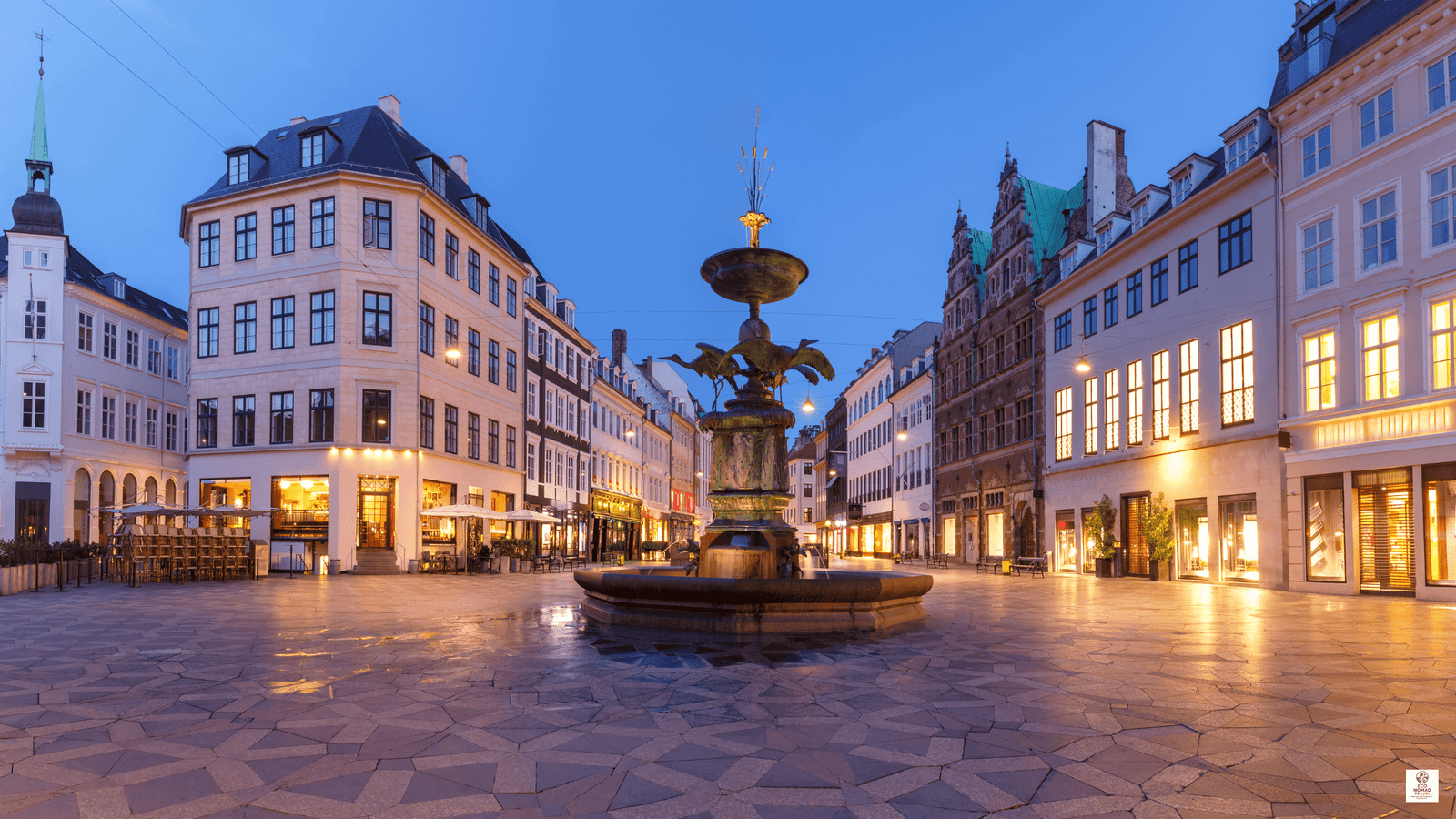
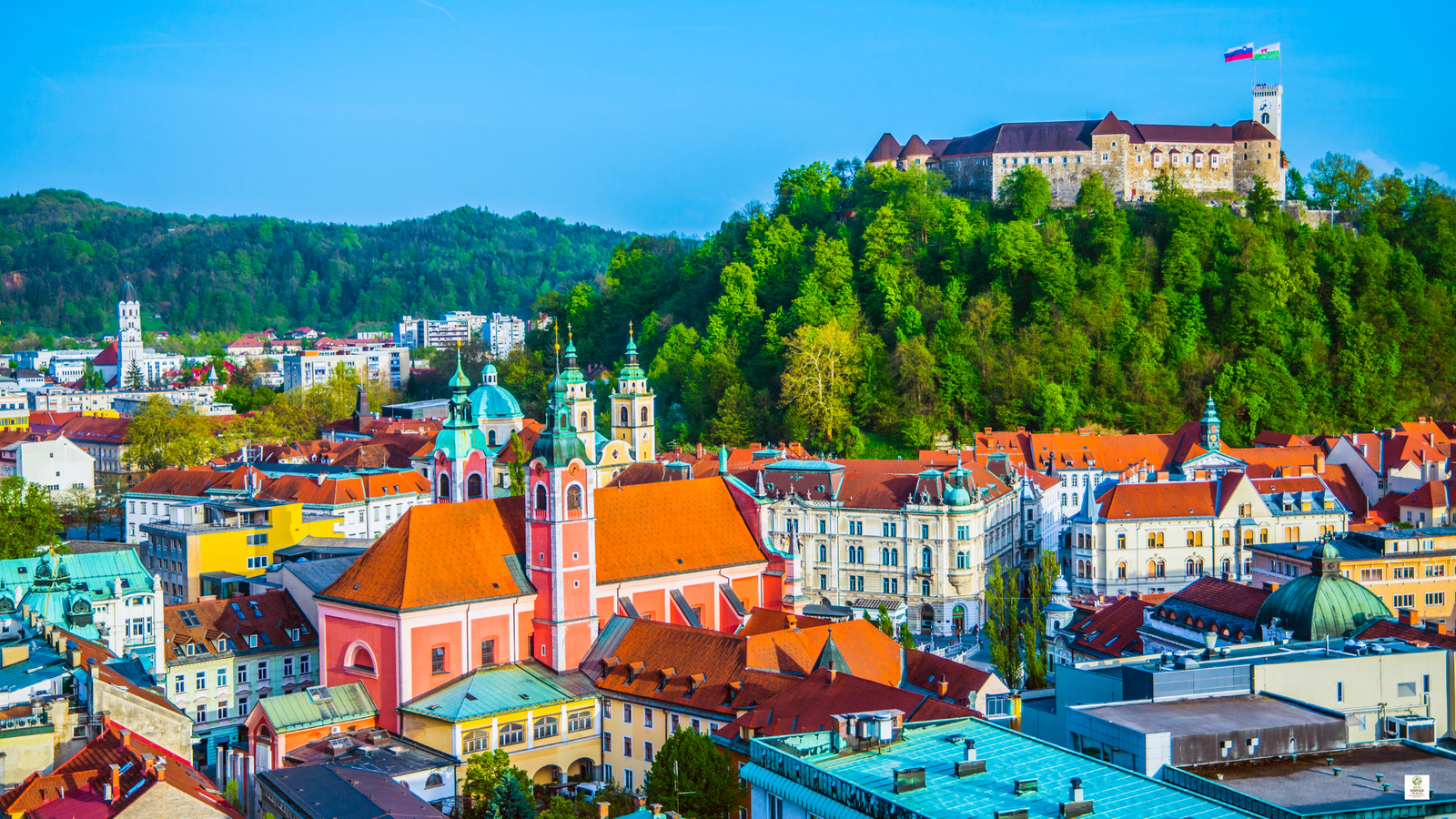
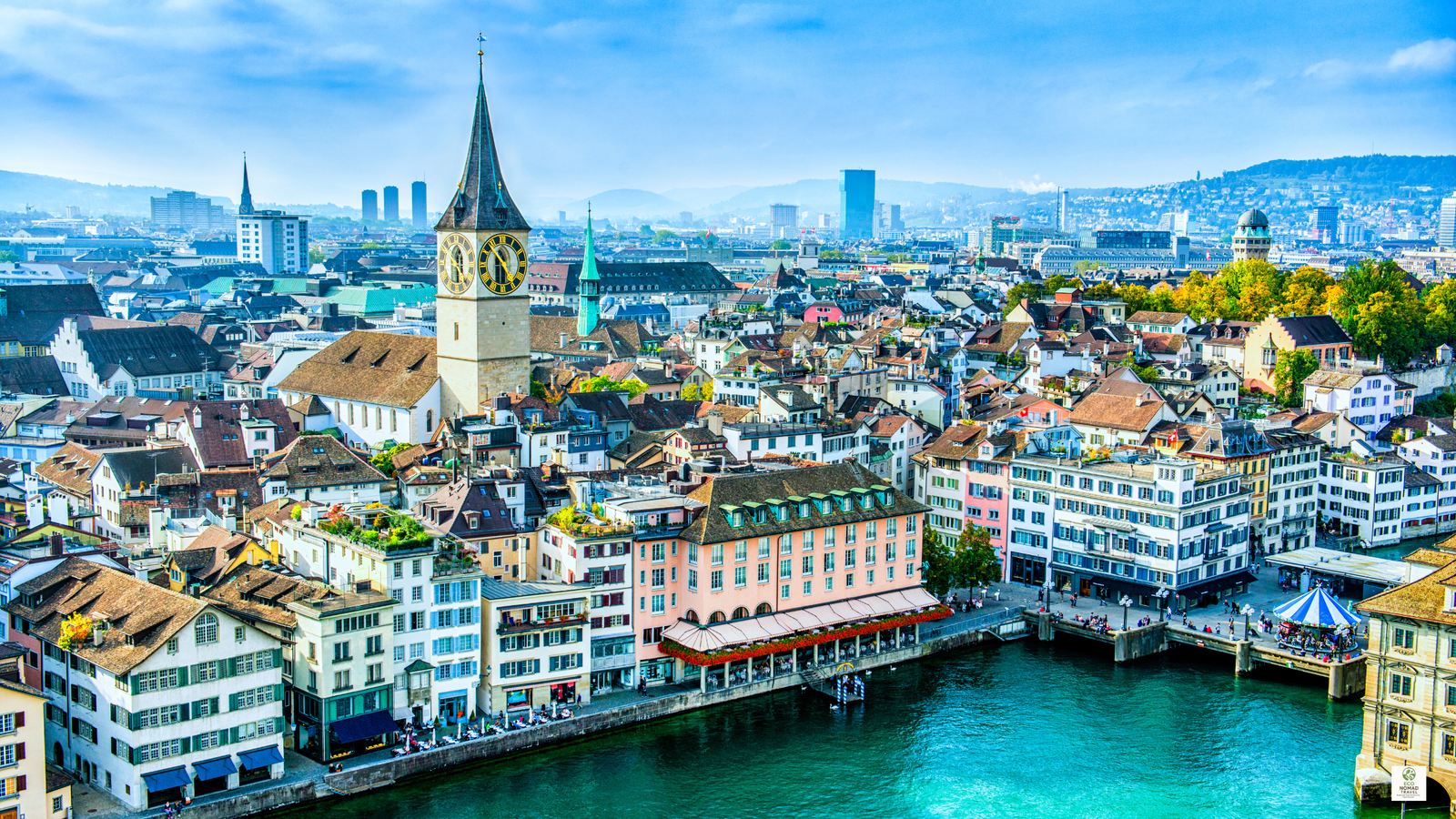
Sustainability in travel and tourism can sound abstract at first. At street level, however, the idea looks very concrete. You might walk across Copenhagen’s Strøget, cycle along Ljubljana’s riverfront, or ride a tram through Zurich and notice how easy it is to move without a car. In those moments, ethical travel becomes less about slogans and more about how a city actually works for residents and visitors.
This cornerstone guide turns sustainability in travel and tourism into clear rules you can use on every trip. It connects with ecotourism, our Carbon-Neutral Travel 2025 guide, and the Eco Travel Places 2025 overview so you can plan low-impact routes, stays, and tours with more confidence and less guesswork.
Some links are affiliate. If you book through them, Eco Nomad Travel may earn a small commission at no extra cost to you.
- Sustainability in travel and tourism balances enjoyment, community benefit, and environmental limits on every trip.
- Cities like Copenhagen, Ljubljana, and Zurich show how car-light design supports green tourism in daily life.
- Four checks — place, people, planet, and price — help you choose ethical tours and stays in any destination.
- Carbon neutral goals work best when you reduce emissions first and only then offset what remains.
Compare Rail, Bus, and Flights in One Place
Search routes on Trip.comAfterwards, pair it with our Train vs Plane Emissions 2025 guide for a clearer carbon view.
Use eSIMs Instead of Plastic SIM Cards
Get an Airalo eSIMAlso popular with eco nomads: Yesim and Saily.
- 1. What Is Sustainability in Travel and Tourism in 2025?
- 2. City Examples: Copenhagen, Ljubljana, Zurich
- 3. Four Strands: Place, People, Planet, Price
- 4. Carbon-Neutral Trips Without the Greenwash
- 5. How to Choose Sustainable Stays and Tours
- 6. Sustainability in Travel and Tourism for Digital Nomads
- 7. Further Reading & Sustainable Travel Resources
- 8. FAQs on Sustainable Tourism 2025
What Is Sustainability in Travel and Tourism in 2025?
A simple definition of sustainable tourism
In everyday terms, sustainable tourism means travel that does not damage the places you care about. The trip respects environmental limits, supports local life, and still leaves room for joy and curiosity. When it works well, it feels relaxed and humane rather than strict or guilt driven.
This idea grew alongside classic ecotourism. Travellers once typed “eco tourism what is it” into search bars and booked small trips in forests, reefs, and national parks. Over time, the concept expanded. Sustainability in travel and tourism now covers cities, workations, rail journeys, and even simple day trips from home. The key test stays the same: does this journey support living systems or slowly wear them down?
Why sustainability in travel and tourism matters now
Travel is growing again, and that growth brings a choice. Each itinerary can either push toward responsible, low-impact travel or pull back toward crowded, extractive patterns. Trips that follow sustainability in travel and tourism principles reduce pressure on fragile areas and reward operators who care for people and nature. Meanwhile, high-emission routes and “all-inclusive” compounds often pull money and resources away from local communities.
This can feel hard to navigate on your own. Because of that, this cornerstone connects with three core guides:
- Carbon-Neutral Travel in 2025: The Complete Guide
- Green Travel Guide 2025
- Sustainable Travel Guide 2025
Together these resources turn sustainability in travel and tourism into repeatable, everyday habits. The aim is not one perfect eco trip for social media but a long run of decent, thoughtful journeys.
City Examples: Copenhagen, Ljubljana, Zurich
What sustainable tourism looks like in real cities
It helps to start with places where sustainable tourism already feels normal. Copenhagen, Ljubljana, and Zurich use different tools, yet they share a clear pattern. Streets stay calm, distances stay short, and daily life feels rooted in local routines rather than staged for visitors. In other words, sustainability in travel and tourism is built into the system, not bolted on as an afterthought.
Copenhagen: Everyday green tourism
Copenhagen turns green tourism into daily routine. Many visitors never rent a car because they can walk Strøget, rent a bike, ride the metro, and connect to trains for day trips. Cafés stock local food, parks sit close to homes, and bike lanes feel safe even for new riders. As a result, sustainability in travel and tourism feels like the default setting rather than a special project you have to chase.
Ljubljana: Responsible tourism on foot
Ljubljana removed most cars from its centre, and the change reshaped how people visit. Travellers stroll along the river, shop at markets, and stop in family cafés without dodging traffic. This is responsible tourism in practice. Air feels cleaner, noise drops, and more money stays with local families instead of leaving through large chains. For many visitors, this calm city becomes their personal “eco tourism meaning”.
Zurich: Carbon-aware mobility
Zurich shows how transit can anchor eco friendly tourism. Trams, ferries, and trains run often and connect smoothly. You can land at the airport and reach the old town or the lake without touching a taxi. In this kind of network, keeping a trip close to carbon neutral happens by design, not through a last-minute offset on the booking page.
These three cities are not the only ecotourism places in Europe. Nevertheless, they show the pattern very clearly. Short distances, strong public transport, and locally rooted businesses support visitors and residents at the same time. That balance is exactly what sustainability in travel and tourism tries to achieve.
Four Strands of Sustainable Tourism: Place, People, Planet, Price
To judge whether a trip fits sustainable tourism, it helps to use four strands. These strands work for any itinerary, from a night train to a week-long city break. By returning to them often, you keep sustainability in travel and tourism grounded in simple, repeatable questions.
Place: How does the destination function day to day?
The first strand is place. Look at how the destination works when nobody is on holiday. Can you move mainly by walking, cycling, and public transport? Are there parks, markets, and cafés within easy reach of where you stay? A car-free riverfront in Ljubljana or a protected bike lane in Copenhagen is not just an “attraction”. Instead, it signals that the city’s everyday design supports green tourism rather than fighting against it.
People: Who benefits when you visit?
Next come people. Ask who gains from your visit, day by day. You might stay in a locally owned guesthouse instead of an anonymous resort. You might join small tours led by guides who live in the area rather than by staff flown in from elsewhere. This strand is where responsible tourism moves from theory into daily choices. Your trip becomes part of the local story instead of a separate layer that sits on top.
Planet: What is the real environmental cost?
The third strand is the planet itself. Here you look at emissions, land use, and waste. You can choose trains over short flights where routes exist and match longer journeys with longer stays. You can refill water bottles instead of buying single-use plastic and pick smaller, energy-efficient rooms over sprawling resorts. Our Train vs Plane Emissions 2025 guide and the Travel Carbon Footprint Calculator help you see this impact in numbers so decisions feel less vague.
Price: Where does your money flow?
The final strand is price, not only in terms of how cheap a trip feels but in terms of where the money goes. Ask whether the company hires locally and sources food close to the route. Look for long-term partnerships with villages and conservation groups instead of quick one-off donations. When more of your budget stays in the destination, you support durable sustainability in travel and tourism instead of short-term profit that disappears at the end of the season.
Carbon-Neutral Trips Without the Greenwash
What “carbon neutral” should really mean
The phrase “carbon neutral” appears everywhere in travel marketing and often causes confusion. At its core, the idea is simple. You measure emissions, reduce what you reasonably can, and then support projects that balance the rest. Problems start when companies claim sustainability in travel and tourism yet skip straight to offsets and ignore the reduction step.
A practical rule for carbon-conscious trips
A simple rule helps: treat offsets as the last tool, not the first one you reach for. To begin, cut flights when a rail or coach route exists. Then pick lodgings that use renewables, natural light, and good insulation so you do not need constant air conditioning. In addition, use eSIMs to reduce plastic waste instead of buying new SIM cards in every country. Only after those choices should you look at trusted offset or insetting projects that support forests, wetlands, or community energy.
Our Carbon-Neutral Travel Guide 2025 walks through these steps in more detail. If you run a blog or tour company, you can also embed our calculator with [carbon_calculator_2025] on your own route-planning pages. That way, the maths behind eco friendly tourism becomes easier for your readers and guests.
How to Choose Sustainable Stays and Tours
Choosing ethical tours and stays becomes easier when you break it into two lists. One list focuses on accommodation and the other on activities. Both use the same ideas you already saw in Copenhagen, Ljubljana, and Zurich, where sustainability in travel and tourism is part of the whole system rather than just a label on the booking page.
A quick checklist for green stays
- Location: can you walk to food, parks, and transit within ten to fifteen minutes?
- Energy: does the property use renewables or efficient systems and explain this clearly?
- Water and waste: are there refill points, bulk toiletries, and no single-use plastics where possible?
- Food: is breakfast or dinner based on local suppliers rather than only imported products?
- Ownership: is the stay locally owned, or do they partner fairly with local staff and suppliers?
You will not tick every box on every trip. However, even three or four “yes” answers move your stay into genuine eco friendly tourism territory rather than simple marketing language or vague green icons.
A quick checklist for responsible tours
- Group size: are groups small enough to leave a light physical and social footprint?
- Guides: are guides from the area, with deep knowledge and fair pay?
- Transport: does the tour rely on walking, bikes, boats, or shared vehicles instead of constant flights?
- Nature and culture: does the operator explain rules clearly and enforce them kindly on the ground?
- Community: is there an ongoing link with local projects, not just a one-time donation or photo opportunity?
For more detail, see How to Choose Eco-Friendly Tour Operators in 2025 and What Makes a Tour Truly Sustainable?. Both guides sit inside the same framework of sustainability in travel and tourism and give you extra question lists you can reuse across trips.
Sustainability in Travel and Tourism for Digital Nomads
Slow loops and better base cities
Digital nomads move more than most travellers, so their habits strongly shape sustainability in travel and tourism. A roaming work life can raise emissions through frequent flights and short stays. On the other hand, it can also support genuinely green tourism if you slow your loop, choose better bases, and keep spending close to local communities.
Long stays in walkable, transit-rich cities turn everyday routines into quiet examples of eco friendly tourism. Instead of hopping through distant resorts, you rent a compact flat near markets, parks, and coworking spaces. That pattern reduces car use, keeps money in neighbourhood businesses, and makes responsible tourism part of normal life rather than a separate “eco holiday” to tick off.
Slowing the travel loop is often the first big shift. A month in Copenhagen, Ljubljana, or Zurich usually has a lighter footprint than three short holidays in car-dependent resorts. In addition, longer stays leave space for basic language skills, friendships, and stable work rhythms, which many nomads find more valuable than ticking off new borders every week.
Everyday habits for eco nomads
Tools can support these choices without taking over your life. eSIMs cut plastic waste, route planners highlight trains and ferries, and carbon calculators show how close your lifestyle comes to carbon neutral over the year. These tools are helpful. Even so, the real impact still comes from simple on-the-ground decisions: how often you move, which eco tourism destinations you favour, and how you behave once you arrive.
A short set of rules keeps things practical and easy to remember:
- Stretch each stay and aim for at least one month in each base when you can.
- Favour car-light cities with strong public transport, bike lanes, and compact districts.
- Use eSIMs instead of plastic SIM cards and avoid constant upgrades to phones and laptops.
- Choose coworking spaces and cafés that pay staff fairly and work with local suppliers.
- Share honest stories about ecotourism places that handle visitors well, and gently flag those that do not.
- Return to communities that clearly invest in long-term sustainable tourism, not only quick-win mass tourism.
Over time, these habits turn a mobile career into a quiet force for sustainability in travel and tourism. Your calendar still holds trips, work blocks, and weekend adventures. The difference is that the pattern behind those plans starts to support the places you love instead of slowly wearing them down.
Our guide on the Sustainable Digital Nomad Lifestyle goes deeper into routines, packing, and mental health for long-term eco nomads.
Why Sustainability in Travel and Tourism Matters on Every Trip
In practice, sustainability in travel and tourism starts long before you depart. First, you decide whether a journey is necessary right now. Next, you compare rail, coach, and flight options for each route. Often, slower routes support more sustainable tourism and calmer schedules. In addition, they usually link better with walkable districts and transit. This planning phase is where responsible tourism actually begins. You already shape carbon neutral outcomes before you book anything.
Using Sustainable Tourism Principles When You Plan Routes
When you open a booking site, keywords suddenly become practical tools. You might search eco tourism destinations or quiet ecotourism places first. After that, you layer in green tourism filters for trains and buses. You also check whether night trains or ferries replace short flights. As a result, your route supports eco friendly tourism instead of convenience only. At the same time, you reduce stress around airport lines and delays. This is how sustainability in travel and tourism feels day to day. It looks like shorter hops, rail corridors, and compact city loops. Every change seems small, yet your yearly footprint drops significantly.
Choosing Green Tourism Stays and Eco Tourism Destinations
Accommodation choices express your values just as clearly as routes. Therefore, you scan listings for walkable locations and honest sustainability notes. You look for language about responsible tourism rather than vague green icons. Clear details on energy, water, and waste show real eco friendly tourism. You also check owner bios and staff stories where possible. In many cases, smaller guesthouses keep money circulating locally for longer. That pattern reflects true sustainability in travel and tourism, not slogans. Meanwhile, you can still enjoy comfort, design, and strong WiFi. Eco tourism meaning shifts from remote jungle lodges to everyday city stays. However, wild ecotourism places remain important for conservation and culture. You simply visit them less often and stay longer each time.
Living a Low-Impact Digital Nomad and Vacation Lifestyle
Finally, lifestyle habits glue all these decisions together over years. You slow your travel loop and pick fewer, deeper bases. In each base, you learn local transit, markets, and community projects early. Over time, this routine becomes your personal sustainable tourism roadmap. Work days feel calmer because commutes are short and predictable. Free time flows into parks, waterfront paths, and car free districts. Friends ask eco tourism what is it in practical terms. You answer with simple stories about routes, cafés, and real neighbours. As a result, sustainability in travel and tourism feels achievable, not abstract. Bit by bit, your choices support carbon neutral goals across many journeys.
Further Reading & Sustainable Travel Resources
Use this cornerstone together with a few core resources on Eco Nomad Travel. Combined, they give you a full picture of sustainability in travel and tourism from big-picture policy down to daily choices:
- Sustainable Travel Guide 2025 – big picture habits and frameworks.
- Green Travel Guide 2025 – everyday choices for routes, tickets, and food.
- Carbon-Neutral Travel 2025 – emissions, offsets, and calculators.
- Eco Travel Places 2025 – a starting map of eco-minded cities and regions.
- Why Trust Eco Nomad Travel? – our methods and sourcing approach.
For global context, you can also use open resources from the UN’s sustainable tourism programme and the Global Ecotourism Network.
This article was fact-checked using sustainability data from the World Green Building Council, the Global Ecotourism Network, and peer-reviewed architecture and tourism studies. All partner links are vetted for basic alignment with sustainable business and certification practices at the time of writing.
FAQs on Sustainable Tourism in 2025
What is the short definition of sustainable tourism?
Sustainable tourism is travel that protects the environment, supports local communities, and respects culture while still allowing visitors to enjoy and learn from a place.
How is sustainable tourism different from ecotourism?
Ecotourism usually focuses on nature-based trips in wild areas. Sustainable tourism covers all types of travel, including cities and workations, as long as they follow responsible practices.
Is sustainable tourism more expensive?
Not always. Longer stays, local food, and walking or public transport can lower costs. You may pay more for some eco-certified stays, yet you often save money on cars and flights.
Can my trip really be carbon neutral?
You can get close by cutting flights, choosing efficient routes and lodgings, and then offsetting the remaining emissions through verified projects. Our carbon-neutral guide explains the steps in more detail.
Which cities are good examples of sustainable tourism?
Copenhagen, Ljubljana, and Zurich are strong examples. They combine bikes, transit, walkable streets, and local businesses in a way that supports both residents and visitors.
How do I know if a hotel is truly eco-friendly?
Look for clear information on energy, water, and waste, plus some form of certification or audit. Central, car-light stays are better than remote resorts that require long drives.
What are easy first steps toward sustainable tourism?
Start by taking fewer flights, choosing walkable cities, using eSIMs, and carrying a basic zero-waste kit. Then look for locally owned stays and tours.
Can digital nomads travel sustainably while moving often?
Yes, if they slow their moves, favour rail, and choose car-light hubs. Long stays in good base cities do more for sustainability than constant short trips.
Does sustainable tourism mean I should never fly?
No. It means flying less, combining trips, and pairing each flight with a longer stay plus lower-impact transport on the ground.
How can I support sustainable tourism from home?
Support conservation groups, book rail where possible, choose transparent operators, and share real stories about low-impact trips so others can learn from your experience.
Join the Sustainable Work and Travel Movement
Want more ideas for low-impact cities, rail-first itineraries, and eco-friendly workations?
Follow Eco Nomad Travel on Pinterest for weekly boards on sustainable tourism routes, packing, and tools.
Follow Eco Nomad Travel on PinterestReady to plan a lower-impact journey? Start with our Carbon-Neutral Travel 2025 guide, then compare real routes on Trip.com.
Plan a Sustainable Route on Trip.comDisclosure: affiliate links help keep Eco Nomad Travel reader-supported and ad-light.



Latest Sustainable Travel Guides
Explore Eco Nomad Travel
📚 Core Guides
🧭 Planning & Logistics
🗺️ Destinations & Seasons
Jeremy Jarvis — founder of Eco Nomad Travel, sustainable travel writer, and advocate for regenerative tourism. His work focuses on low-impact mobility, eco-friendly digital nomad life, and climate-positive travel.
Legal
Affiliate DisclaimerPrivacy Policy
Terms of Service
Image & Media Notice
Cookie Policy
Contact
Affiliate Disclosure: Some links on Eco Nomad Travel are affiliate links, meaning we may earn a small commission at no extra cost to you. This supports our mission to inspire responsible and low-impact travel worldwide.
Connect
✅ Trusted Official Sources
Plan smarter eco trips
Try our free Sustainable Travel Tools for Digital Nomads – carbon calculator, train vs plane comparator, and more.
Open Tools Hub