

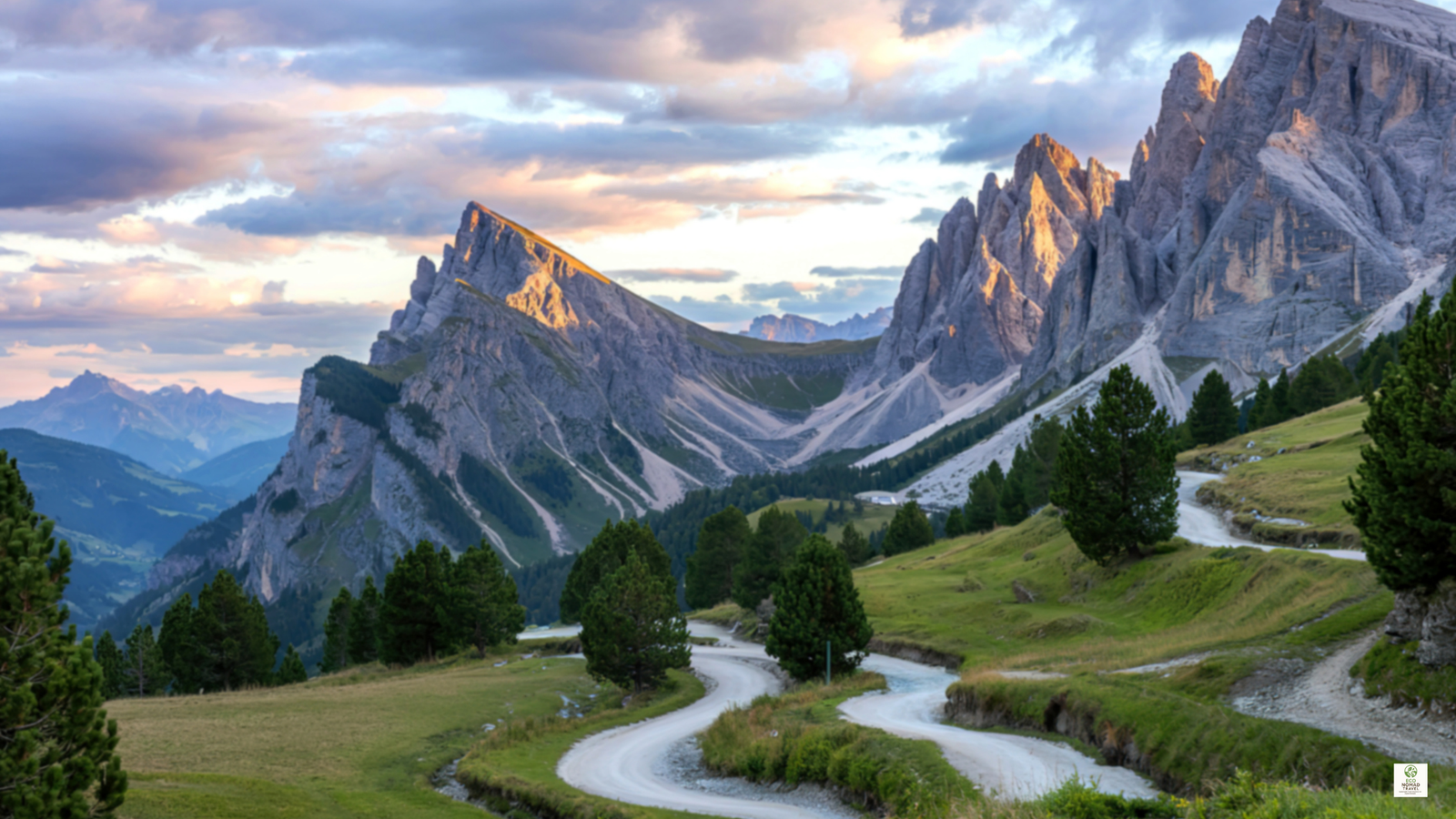
Sustainable road trip vacations Green travel Eco friendly road trips Austrian Alps
Sustainable road trip vacations give you freedom without the usual rush. Instead of racing down motorways, you follow quieter roads, stay longer in each base, and spend more time off the road than on it. This style of green travel feels calmer, usually costs less over time, and leaves a lighter mark on the mountains, lakes, and villages you pass through.
In this guide, we look at sustainability in travel and tourism through the lens of the classic road trip vacation. The focus stays on real choices you can control: route length, daily mileage, vehicle type, driving style, and the way you spend money in each town. The Austrian Alps and Tyrol serve as examples, yet the same ideas work in many regions around the world.
Some links are affiliate. If you book through them, Eco Nomad Travel may earn a small commission at no extra cost to you. This helps keep guides independent, ad-light, and focused on genuinely sustainable travel.
- Sustainable road trip vacations rely on shorter loops, slower days, and longer stays in each base.
- Green travel works best when you link scenic roads with rail, buses, and walkable town centres.
- Eco friendly road trips are easier with efficient cars, motorbikes, or shared vehicles and simple planning.
- Tools like carbon calculators and route planners make sustainability in travel and tourism practical.
Compare Trains, Buses, and Rentals in One Search
Before you lock in a road trip vacation, compare rail, coaches, and rental cars in the same search. This helps you see where driving adds value and where public transport already does the heavy lifting.
Search routes and rentals on Trip.comThen pair your plan with our Train vs Plane Emissions 2025 guide so every leg of your trip makes carbon sense.
- Why Sustainable Road Trip Vacations Make Sense in 2025
- How to Choose Routes for Green Travel
- Vehicles, Fuel, and Smarter Driving Habits
- What to Pack for an Eco Friendly Road Trip
- Example Tyrol Road Trip Itinerary
- Sustainable “Road Trips” Without Owning a Car
- Budgeting and Booking for a Green Vacation
- Sustainable Road Trips for Digital Nomads
- Mindset Shifts for Slower Days and Better Memories
- Further Reading & Sustainable Travel Resources
- FAQs on Sustainable Road Trip Vacations
Measure Your Road Trip Emissions Before You Drive
A quick carbon check helps you choose between two or three vacation plans. It also nudges you toward shorter loops and slower days, which most travellers enjoy more anyway.
Use the Eco Nomad Travel calculator or embed [carbon_calculator_2025] on your own site if you publish road trip and green travel guides.
Why Sustainable Road Trip Vacations Make Sense in 2025
Road trips, vacations, and sustainability
Classic road trip stories celebrate distance. They focus on how far someone drove, how many borders they crossed, or how little sleep they got along the way. That style of travel often means long highway days, rushed meals, and very little real rest once you arrive.
Sustainable road trip vacations flip that script. The centre of the trip becomes time off the road rather than hours behind the wheel. You still get scenic drives and mountain passes, yet each segment stays short enough that you can enjoy the landscape with clear attention. This shift is at the heart of green travel.
From a climate angle, distance matters. Shorter loops with fewer high-speed legs burn less fuel. From a local angle, longer stays mean more stable income for guesthouses, cafés, and guides. Taken together, those two gains show why sustainability in travel and tourism is not just an abstract idea; it changes how your vacation feels day by day.
Why 2025 is ideal for greener road trip travel
In 2025 it is easier than ever to plan eco friendly road trip routes. Map apps show EV chargers and slow roads. Booking tools label eco-certified hotels and highlight walkable locations. Carbon calculators turn vague concerns into clear numbers you can act on while you still have time to adjust the plan.
Regions like the Austrian Alps and Tyrol are moving in the same direction. Many valleys now combine rail lines, bus networks, and local bike hire schemes. Town centres are becoming calmer and more car-light. All of this makes sustainable road trip vacations feel less like a niche experiment and more like a natural way to travel.
How to Choose Routes for Green Travel
Pick short, focused loops instead of giant circles
On a map, a huge loop across several countries can look bold and satisfying. On the ground, it often means long motorway stages and tired evenings. For a sustainable road trip, smaller loops tend to work better.
Start by choosing one region that already supports low-impact travel. Tyrol, the Dolomites, the Black Forest, parts of Slovenia, and many lake districts are good examples. Then draw a loose loop that links three or four bases with short drives. Aim for one to three hours on the road on most moving days, not six or seven.
This approach protects your energy, eases fuel costs, and leaves more space for walking, swimming, and slow lunches. It also fits the core principle of sustainability in travel and tourism: more depth, less churn.
Use rail for long legs, drive only where it adds value
A powerful green travel trick is to remove the long approach drive. Rather than driving all the way from your home city to the mountains, you can travel most of the distance by train. Once you reach a hub like Innsbruck, you then rent a compact car or motorbike for the regional loop.
This rail-plus-road pattern keeps most kilometres on efficient transport and still gives you the sense of freedom that makes road trip vacations so appealing. It also reduces parking stress and wear on busy highways so you can save your concentration for the scenic sections that actually deserve it.
Favour scenic secondary roads over crowded passes
Alpine passes feature in many travel photos, yet not every pass offers a good experience in high season. Some roads see queues of cars, large tour buses, and fast bikes trying to overtake. Sustainable road trip vacations lean toward quieter valley roads and lakeside stretches that support lower speeds.
When you plan, look for roads that run along rivers, lakes, and village chains. These sections often have regular bus stops, sidewalks, and easy parking. They invite you to stop, walk, and spend time in local shops. In other words, they support eco friendly tourism instead of just funneling traffic from one viewpoint to another.
Vehicles, Fuel, and Smarter Driving Habits
Choosing the right vehicle for a sustainable road trip vacation
Vehicle choice shapes the footprint of any road trip vacation. A compact hybrid or electric car usually beats a large SUV on both emissions and stress. Smaller cars are easier to park in dense villages. They also handle narrow mountain roads with less drama and lower fuel use.
Camper vans feel romantic, but they make the most sense when you move slowly. If you drive short distances and stay several nights in each spot, a smaller camper can fit a sustainable plan. If you move every day and cover big distances, a heavy van becomes harder to justify from a climate point of view.
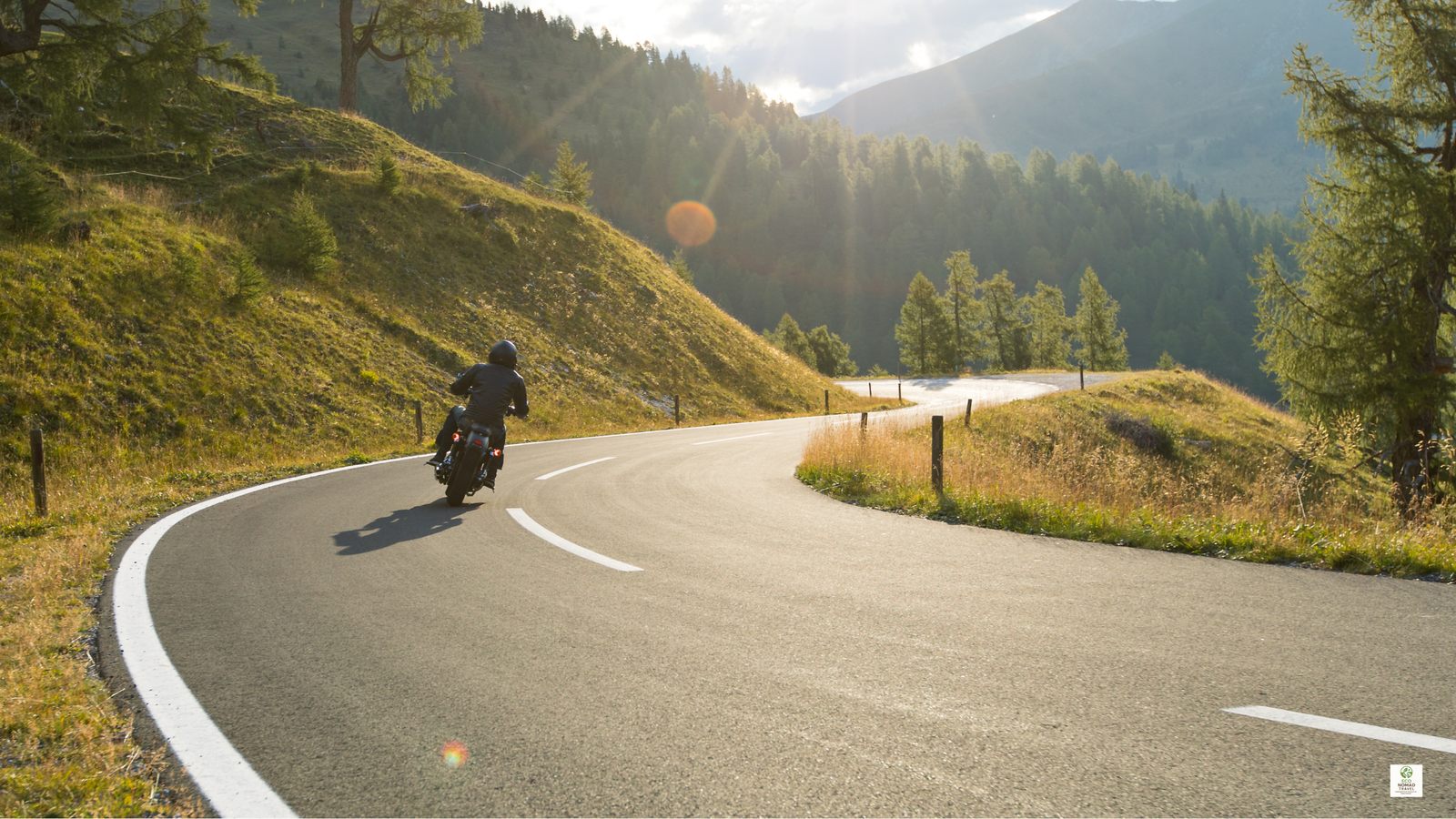
How motorbike road trips fit sustainable travel
Many riders love the idea of a winding mountain road in Tyrol. Motorbikes use less fuel than many cars, especially when ridden at steady speeds. As a result, a carefully planned motorbike tour can align with sustainable road trip principles when you keep daily distances modest.
The keys are restraint and rhythm. Choose one or two scenic sections per day instead of chaining together every pass you can find. Plan long pauses in villages and at lakes so the trip is not just hours of riding. In this pattern, a bike road trip supports green travel and still delivers the sense of flow people seek.
Planning for EV and hybrid road trips in mountain regions
Electric vehicles now work well in many parts of the Alps. Tyrol has chargers at supermarkets, municipal car parks, and some lakeside bases. Even so, EV road trips still benefit from light planning.
Before you travel, mark a few chargers near each planned base. Pick stays where you can walk to most daily needs so you do not rely on the car for every errand. Then design driving days around natural breaks so that charging time becomes lake time, café time, or quiet work time instead of a frustrating pause on the edge of a car park.
Driving habits that support sustainability in travel and tourism
The way you drive shapes both emissions and mood. Harsh acceleration, last-second braking, and high speeds all push fuel consumption up. They also make you more tired and less able to enjoy the view.
Smooth driving, by contrast, supports both eco road trip goals and your nervous system. Leave earlier than you think you need. Choose a lower cruising speed and stick with it. Use engine braking on descents where conditions allow and avoid idling with the engine running while you check maps. Small habits add up quickly over a week on the road.
What to Pack for an Eco Friendly Road Trip
Build a simple low-waste road trip kit
Waste reduction is one of the easiest wins on sustainable road trip vacations. A few basic items in the car let you skip most single-use plastic without needing perfection.
Pack two refillable bottles per person, a hot drink flask, compact food boxes, and light cutlery. Add a couple of cloth bags for markets and a small towel for impromptu swims. With that kit in reach, every scenic stop can stay low waste even when you grab snacks or local treats.
Clothing and layers that support green travel
The same “less but better” rule works for clothing. In the Austrian Alps, one good rain shell, a warm mid layer, and sturdy walking shoes will take you through most days in shoulder season. Fast-fashion piles often create more stress and more laundry without adding real comfort.
For riders, safe protective layers come first. Once that base is set, you can still pack light by choosing pieces that work on and off the bike. That way you can ride, park early, and walk into town without needing a fresh outfit for every small change of plan.
Digital tools that strengthen sustainability in travel and tourism
A compact digital toolkit keeps your plan flexible and your footprint visible. Offline maps, public transport apps, and note tools help you adapt if weather or mood changes.
On the sustainability side, carbon calculators and rail planners show you the trade-offs between different road trip vacation ideas. For more gear and app ideas, explore our Eco-Friendly Travel Kit 2025 and Zero-Waste Digital Nomad Packing Guide.
Example Tyrol Road Trip Itinerary
Why Tyrol works so well for sustainable road trip vacations
Tyrol is compact, scenic, and well-connected by rail. That mix makes it ideal for eco friendly road trips. Distances between lakes, valleys, and small cities stay manageable. Many trailheads, cable cars, and viewpoints sit within reach of buses or short walks from town centres.
The outline below assumes you reach Innsbruck by train and then rent a small car or motorbike for a regional loop. You can adjust the same pattern for other parts of the Alps, the Pyrenees, or similar regions.
Arrive by rail where possible. Check into a central guesthouse and spend the day on foot. Walk the river, try local food, and let your body slow down from work or travel before you even think about driving.
Pick up the car or bike after breakfast and drive a short stage to a nearby lake village. Aim for one to two hours on the road, not more. Park once, then explore the shore paths and cafés on foot.
Keep the vehicle parked and treat this as a no-drive day. Use buses, bikes, or walking paths to reach trailheads. Swim, hike, and nap without tracking distance. This is where a sustainable road trip vacation begins to feel different from a classic mileage chase.
Drive a quieter valley road rather than the fastest highway link. Choose two or three planned stops rather than many tiny pauses. Arrive at the next base early enough to walk the streets in evening light.
Take a cable car or gondola that starts near town. Spend the day on marked paths, then ride back down. This pattern keeps high mountain experiences in reach while holding to green travel goals.
Follow a different valley back toward the city. Stop at a small market or farm shop along the way. Reach Innsbruck in the afternoon, return the vehicle, and enjoy a final car-free evening.
Leave by train rather than adding another long driving day. Use the journey to note what worked, what felt rushed, and how you might adjust your next sustainable road trip vacation.
For more ideas on pairing rail with short driving loops, explore our Night Trains in Europe 2025 and Eco Travel Places 2025 Guide.
Sustainable “Road Trips” Without Owning a Car
Rail plus car share instead of full-time rental
Sustainable road trip vacations do not require owning a car. Many travellers now combine rail journeys with short car-share bookings or local rentals. You can stay a full week in one base and only rent a vehicle for two key days, which keeps costs and emissions down.
In Tyrol, for example, you might stay in a rail-linked town, use buses and bikes most days, and hire a car only when you want access to a more remote valley. This model fits sustainability in travel and tourism and still gives you the joy of a scenic drive when it matters.
Bus-based “road trip” vacations
In some regions, buses follow exactly the routes that road trippers love. Lakes, passes, and small villages may all sit on well-timed lines. When that is true, you can turn the bus network into a shared, low-impact road trip.
Instead of planning parking, you plan your days around bus timetables and walking paths. You sit higher than drivers, can look at the scenery, and arrive rested. From a climate point of view, bus-based travel is one of the strongest forms of green travel after rail.
Budgeting and Booking for a Green Vacation
How sustainable road trip vacations shape your budget
Many people assume that eco friendly road trips must cost more. In practice, sustainable road trip vacations usually shift where the money goes rather than simply adding new costs.
You may choose a slightly higher nightly rate for a central guesthouse, yet you save by driving fewer kilometres, cooking some meals, and skipping constant one-night stays. You also reduce tolls and parking fees when your car spends more time parked in one safe spot.
Booking tools for sustainable road trip planning
Booking tools become more sustainable when you let location and transport filters lead the search. Start by looking for stays close to town centres, lakes, or rail stations. Then read reviews with an eye for comments on noise, walkability, and public transport.
For transport and stays, compare options through:
- Trip.com for trains, buses, and hotels.
- Aviasales for flights when you cannot avoid flying.
- GetRentACar for compact and efficient rentals.
Affiliate note: booking through these links supports Eco Nomad Travel and funds more detailed work on green travel and low-impact trip planning.
Sustainable Road Trips for Digital Nomads
Turning base changes into sustainable mini road trips
Digital nomads often move between base cities a few times a year. Each move can become a small sustainable road trip vacation if you plan it with care. Instead of a fast motorway transfer, you can design a two or three day loop with one scenic stop, a rail leg, and a couple of nights in a quiet village.
This approach keeps your low-impact digital nomad lifestyle intact while still giving you variety. It also spreads income to places that rarely see long-stay visitors, which supports the broader goals of sustainability in travel and tourism.
Balancing deep work with road trip days
For nomads, the biggest constraint is often focus. Too many travel days break deep work rhythms. One way to handle this is to group driving days together and protect the rest of the month for stable routines in one base.
When you do plan a sustainable road trip vacation in the middle of a work block, keep it short and clear. Choose a simple loop, decide in advance which days will be online and which days will be mostly offline, and avoid trying to work from the passenger seat. Slow, planned movement tends to support both your income and your love of green travel.
Mindset Shifts for Slower Days and Better Memories
Redefining what a “good” road trip looks like
A “good” road trip does not have to be the longest one. When travellers look back on sustainable road trip vacations, the memories that stand out are often small: a lake swim at sunset, a quiet meal on a village square, a morning walk when the valley is still.
Those kinds of moments depend on time, not distance. When you plan fewer hotel switches and more full days without driving, you create space for experiences that linger. That is one of the simplest yet strongest arguments for green travel.
Rest as a core part of sustainability in travel and tourism
Rest and sustainability sit closer together than most guides admit. Tired drivers make more mistakes. They also default to fast food, impulsive purchases, and anxious decisions that usually do not help local places.
Rested drivers, by contrast, walk more, notice more, and have the bandwidth to talk with hosts and guides. When you slow the pace, you protect your own health and support communities at the same time. In that sense, sustainability in travel and tourism is as much about nervous systems as it is about carbon.
Further Reading & Sustainable Travel Resources
Use this road trip guide together with Eco Nomad Travel’s core sustainability articles:
- Sustainable Travel Guide 2025 – big-picture habits and planning frameworks.
- Carbon-Neutral Travel in 2025 – emissions, offsets, and calculators.
- Green Travel Guide 2025 – everyday choices for routes, tickets, and food.
- Eco Travel Places 2025 Guide – cities and regions that support low-impact tourism.
- Low-Impact Travel Habits – small changes that stack up over every trip.
This article was fact-checked using sustainability data from the World Green Building Council, the Global Ecotourism Network, and peer-reviewed tourism and transport studies. All partner links are vetted for basic alignment with sustainable business and certification practices at the time of writing.
FAQs on Sustainable Road Trip Vacations
What is a sustainable road trip vacation?
A sustainable road trip vacation is a journey planned with shorter routes, efficient vehicles, longer stays, and local spending so that your travel supports communities and keeps emissions as low as possible.
Are road trips ever truly eco friendly?
Road trips still create emissions, yet you can reduce impact by driving less, using rail for longer legs, choosing efficient cars or motorbikes, and staying in walkable bases instead of remote resorts.
Is it better to drive my own car or rent a newer vehicle?
When your own car is small and well maintained, using it can make sense for short vacations. For longer trips, a newer hybrid or electric rental may produce fewer emissions overall, especially if you drive many mountain roads.
Can I plan a sustainable road trip with kids?
Yes. Short daily drives, frequent breaks, and family rooms near parks or lakes work very well. Children usually enjoy slower vacations with more time outside and less time sitting in traffic.
Electric Vehicles in the Alps: Charging Tips for Sustainable Road Trip Vacations
Do electric vehicles work in the Alps for road trips?
Many alpine regions now support electric vehicles. With a little planning around chargers near lakes, lifts, and town centres, EV road trips in the Alps are realistic in 2025 and fit green travel goals.
How can I keep fuel use low on a road trip?
Drive at steady speeds, avoid harsh acceleration, reduce weight in the car, and plan routes that skip long detours. These habits can reduce fuel use by a clear margin over a one-week vacation.
What is the best way to support local communities on a road trip?
Stay in locally owned guesthouses when you can, eat regional food, shop in markets and small stores, and visit outside peak season so income spreads through the year rather than only a few crowded weeks.
Can I have a road trip vacation without renting a car?
Yes. Many travellers now combine trains, buses, bikes, and occasional car shares. This model keeps most distance on public transport and still gives you flexibility for key scenic days.
How do I calculate the carbon footprint of my road trip?
Use a travel carbon calculator that accepts route length, vehicle type, and fuel data. Eco Nomad Travel’s Travel Carbon Footprint Calculator compares cars, trains, and flights so you can pick the lightest plan.
Where can I learn more about sustainability in travel and tourism?
Start with Eco Nomad Travel’s cornerstone guides on sustainable travel, green travel, and carbon-neutral trips. Then explore resources from global organisations that study tourism, climate, and community-led development.
Join the Sustainable Work and Travel Movement
Want more ideas for low-impact road trips, rail-first adventures, and eco friendly vacations?
Follow Eco Nomad Travel on Pinterest for weekly boards on green travel, packing, and slow itineraries.
Follow Eco Nomad Travel on PinterestReady to design your next sustainable road trip vacation? Start with our Carbon-Neutral Travel 2025 guide, then compare real routes and rentals on Trip.com.
Plan a Green Route on Trip.comDisclosure: affiliate links help keep Eco Nomad Travel reader-supported and focused on practical, evidence-aware sustainability in travel and tourism.



Recent Posts
Best Travel Towels
Quick picks for fast-drying, packable towels that actually work on the road.
Best Waterproof Backpack
What matters for rain, train platforms, and daily carry—without overpacking.
Cheapest Way to Travel to Europe
Budget routes, timing, and practical ways to cut costs without cutting comfort.
How to Travel Europe by Train
Planning tips, rail passes, and simple route strategies for smoother trips.
Best Night Trains in Europe
Top sleeper routes, what to book, and how to avoid common overnight mistakes.
SIM Card for International Travel
Simple guidance on SIM vs eSIM, coverage, and avoiding roaming surprises.

Explore Eco Nomad Travel
📚 Core Guides
🧭 Planning & Logistics
🗺️ Destinations & Seasons
Jeremy Jarvis — founder of Eco Nomad Travel, sustainable travel writer, and advocate for regenerative tourism. His work focuses on low-impact mobility, eco-friendly digital nomad life, and climate-positive travel.
Legal
Affiliate DisclaimerPrivacy Policy
Terms of Service
Image & Media Notice
Contact
Affiliate Disclosure: Some links on Eco Nomad Travel are affiliate links, meaning we may earn a small commission at no extra cost to you. This supports our mission to inspire responsible and low-impact travel worldwide.
Connect
🌍 Eco Travel Partners ▼
✅ Trusted Official Sources
Plan smarter eco trips
Try our free Sustainable Travel Tools for Digital Nomads – carbon calculator, train vs plane comparator, and more.
Open Tools Hub