
When you hear about sustainable tourism in Costa Rica, it’s not just a marketing slogan. It’s a choice to travel in a way that actively protects the country’s world-famous biodiversity and supports the communities that guard it. This responsible travel approach is central to the nation’s identity.
This is about experiencing the national motto, Pura Vida (the pure life), not just as a visitor passing through, but as a temporary local—someone who gets the delicate balance between people and nature here. It’s how you make sure your trip adds to the conservation story that makes this country a global green leader.
Traveling sustainably in Costa Rica is like stepping into a national success story. For decades, the country has poured its resources not into an army—which it famously abolished back in 1949—but into protecting its natural treasures.
You can see that commitment everywhere. More than 25% of its landmass is set aside as protected national parks and reserves. The result? This small nation, no bigger than West Virginia, is home to an incredible 5% of the world’s biodiversity.
When you practice sustainable tourism here, you’re directly funding that vision. The entrance fee you pay at Manuel Antonio or the Monteverde Cloud Forest Biological Reserve goes straight back into conservation. Choosing a certified eco-lodge supports local jobs and reforestation projects. And when you book a community-based tour, your money helps families preserve their culture and environment for the next generation. It’s a powerful, circular system where your travel dollars become a tool for good.
This philosophy goes beyond just nature. The “Ticos,” as Costa Ricans call themselves, have built a society around well-being and environmental awareness. It creates a travel experience that just feels different. It’s less about consumption and more about connection—with the misty cloud forests, the incredible wildlife, and the warm, welcoming people who are the keepers of this green paradise.
What Sustainable Tourism in Costa Rica Really Means
Pura Vida is more than just a friendly greeting; it’s the cultural backbone of Costa Rica’s entire approach to sustainability. It shapes how locals see their environment and how the tourism industry grew up around it. It’s a mindset that values a simple, uncluttered life lived in harmony with the natural world.
For travelers, this opens up some unique ways to experience the country:
- A Slower Pace of Travel: Instead of rushing between sights, the Pura Vida way encourages you to linger, observe, and just soak it all in.
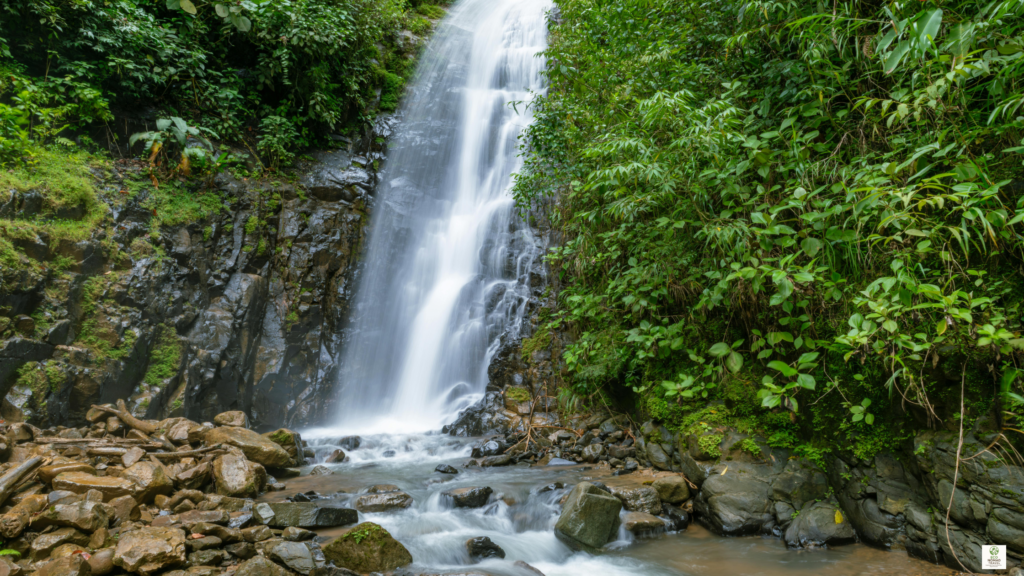
- An Emphasis on Well-being: The focus is on experiences that restore you, whether that’s hiking to a hidden waterfall or just watching the sunset from a quiet beach.
- Real Community Connection: Sustainable tourism here often means engaging directly with local life—maybe learning to cook a traditional meal or visiting a family-run coffee farm.
“In Costa Rica, their green environment has become their economic gold and providing these rich ecotourist experiences has really become a national identity.”
This philosophy is the reason tourism development hasn’t trampled the country’s greatest asset: its natural beauty. It’s a model built on the idea that a healthy environment leads to a healthy economy and happy people. When you align your travel choices with this mindset, you help preserve the very magic you came to see.
Understanding Costa Rica’s Green Credentials
In a world full of vague “eco-friendly” claims, it’s easy to wonder if your travel choices are actually making a difference. How do you separate genuine conservation efforts from clever marketing, a practice known as “greenwashing”?
Costa Rica has a refreshingly direct answer. The country built a robust, government-backed framework that helps travelers see exactly who is walking the talk. It’s a system designed for transparency, empowering you to make choices based on proven commitment rather than just marketing slogans. This is a huge part of why Costa Rica remains a global leader in responsible travel.
The country has long been a magnet for eco-conscious travelers, particularly from the US and Europe, drawn to its staggering biodiversity. In a recent peak year, Costa Rica welcomed 2.6 million tourists, many looking for low-impact adventures. This success story is built on a foundation of protecting 25% of its land in national parks and reserves.
Decoding the Certification for Sustainable Tourism (CST) for Sustainable Tourism in Costa Rica
The heart of this system is the Certification for Sustainable Tourism (CST) program. The easiest way to think about it is like a Michelin star guide, but for sustainability. Instead of stars, tourism businesses—from boutique hotels to jungle tour operators—earn “leaves” based on how well they perform across four key areas of sustainability.
The rating is simple and clear:
- One Leaf: The business is just getting started, putting some initial sustainable practices into place.
- Three Leaves: A solid performer, showing good management of its environmental and social footprint.
- Five Leaves: The gold standard. These businesses are exemplary models of sustainability in every way.
When you spot a CST logo with a high leaf rating, you know that business has gone through a rigorous vetting process. They aren’t just saying the right things; their daily operations prove it.
This whole approach is rooted in the national philosophy of Pura Vida. It’s more than just a saying; it’s a worldview that connects personal well-being directly to the health of the community and the environment, as this map illustrates.
As you can see, protecting nature isn’t separate from daily life—it’s what makes the good life possible. This is the simple, powerful idea that fuels the country’s sustainable identity.
National Policies That Power Your Trip
Your journey is also shaped by Costa Rica’s big-picture national goals. The country is pursuing an ambitious National Decarbonization Plan, with the goal of reaching net-zero emissions by 2050. This isn’t just a distant target; it has a very real impact on your experience.
For starters, Costa Rica generates over 98% of its electricity from renewable sources, mostly hydropower. That means the power charging your phone in a remote eco-lodge is incredibly clean.
The government also pours resources into protecting watersheds and reforesting old farmland, which directly improves water quality and expands the wildlife habitats you came to see. When you travel here, your tourism dollars help fund these massive conservation projects. You become a participant, not just a spectator, making your trip part of the solution. While your choices matter, it’s also helpful to understand the bigger picture of climate action; you can dig deeper into whether carbon offsets are effective in our detailed guide.
Planning Your Low-Impact Costa Rica Itinerary
Getting your Costa Rica itinerary right means rethinking how you move. It’s tempting to hop on a small domestic flight to save time, but those short trips come with a heavy carbon price tag. The real secret to experiencing the country’s Pura Vida rhythm is to slow down and embrace Costa Rica’s excellent public bus system.
Jumping on a local bus isn’t just about shrinking your carbon footprint; it’s an invitation to see the real Costa Rica. You’ll be traveling alongside locals, watching the incredible landscape unfold at a human pace, and saving a surprising amount of money. It’s a choice that feels right for a more mindful kind of adventure.
This approach connects you directly to major eco-hubs like La Fortuna and Monteverde without ever needing a rental car or flight. It’s practical, affordable, and turns your travel days into part of the experience, not just a necessary evil to get from A to B.
Riding the Bus for a Lighter Footprint
Costa Rica’s public buses are surprisingly efficient, connecting just about every corner of the country. For a tiny fraction of what you’d pay for a flight or private shuttle, you can travel between San José, the cloud forests, and the coasts. To put it in perspective, a bus ride from San José to La Fortuna will set you back around $5 USD (₡2,700 CRC). The same route by plane? Easily over $100 USD.
Before you lock in your plans, it’s worth taking a moment to see the real impact of your choices. Popping your route into a travel carbon footprint calculator gives you a clear comparison of emissions between different transport modes. It’s a simple step that helps you make decisions you can feel good about.
To give you a clearer picture, here’s how the main options stack up for a typical journey.
Comparing Low-Carbon Transport Options in Costa Rica
This table breaks down common travel methods in Costa Rica for a hypothetical 100-mile (160-kilometer) trip. It helps you weigh the carbon cost against your budget and schedule, making it easier to choose a route that aligns with a slower, more sustainable travel style.
| Transport Mode | Estimated CO2 Emissions (per person) | Average Cost (USD/CRC) | Typical Travel Time |
|---|---|---|---|
| Public Bus | ~13-18 lbs (6-8 kg) CO2 | $8 – $15 (₡4,300 – ₡8,100) | 4-5 hours |
| Shared Shuttle | ~33-44 lbs (15-20 kg) CO2 | $50 – $70 (₡27,000 – ₡38,000) | 3-4 hours |
| Rental Car (Gasoline) | ~55-66 lbs (25-30 kg) CO2 | $60 – $80 (plus fuel) | 3-4 hours |
| Domestic Flight | ~176-220 lbs (80-100 kg) CO2 | $100 – $150 | ~45 minutes (plus airport time) |
As you can see, the public bus is the clear winner for minimizing your environmental impact and cost, turning the journey itself into part of the adventure.
A few practical tips for navigating the bus system:
- Booking: For most routes, you can just show up. But if you’re heading to a popular spot, it’s a good idea to swing by the station and buy your ticket a day or two in advance.
- Main Hubs: San José is the nerve center, with different terminals serving different regions. Always double-check which terminal your bus leaves from.
- Staying Connected: Having data on your phone makes navigating much smoother. An eSIM from a provider like Airalo or Yesim is a great way to get online without creating plastic waste.
Sample Itinerary 1: Cloud Forest and Pacific Coast Route
This route is perfect for first-timers, hitting the iconic cloud forests and sun-drenched Pacific beaches—all reachable by public transport.
- Days 1-4: La Fortuna (Arenal Volcano Base): After landing at SJO airport, a pre-booked Welcome Pickups transfer to your San José stay makes for a stress-free start. The next day, catch a direct bus to La Fortuna. Find a walkable base and spend your days exploring Arenal Volcano National Park, hiking to waterfalls, and soaking in natural hot springs.
- Days 5-7: Monteverde (Cloud Forest Magic): Take the famous jeep-boat-jeep transfer to Monteverde. While not a public bus, it’s a shared, efficient route that dodges a long, bumpy road journey. Walk the hanging bridges in the Monteverde Cloud Forest Biological Reserve and join a guided night walk to spot nocturnal wildlife.
- Days 8-12: Manuel Antonio (Wildlife and Waves): Travel from Monteverde down to the coast by bus. Manuel Antonio National Park offers an incredible blend of lush rainforest trails and stunning white-sand beaches. This is a great place to slow down, with plenty of long-stay options and community-run sodas (small local restaurants).
Sample Itinerary 2: Caribbean Conservation Trail
If you’re looking for something a bit more off the beaten path, Costa Rica’s Caribbean coast has a unique culture and a deep connection to conservation.
- Days 1-4: Puerto Viejo de Talamanca (Afro-Caribbean Culture): A direct bus from San José drops you in this vibrant beach town. The best way to get around is by renting a bicycle, just like the locals. Pedal your way along the coastline, from the black sands of Playa Negra to the pristine waters of Punta Uva, and be sure to support the fantastic Jaguar Rescue Center.
- Days 5-8: Tortuguero National Park (Turtle Sanctuary): This remote spot is only accessible by boat and small plane, but the bus-and-boat combo from San José is the most sustainable way in. Famous for its sea turtle nesting sites (check the season), you can explore the park’s canals by canoe or electric boat to keep your disturbance to wildlife at a minimum.
- Days 9-12: Cahuita (Reefs and Rainforest): A short bus ride from Puerto Viejo, Cahuita National Park is special because it protects a massive coral reef. It’s also one of the few national parks with a donation-based entry. Spend your days snorkeling and hiking the coastal trail, keeping an eye out for monkeys and sloths.
For any trip with adventure activities, having solid travel insurance is a must. A reliable plan from VisitorsCoverage can give you peace of mind. By choosing slower, more intentional travel, you don’t just see Costa Rica—you connect with it.
Choosing Stays That Heal, Not Just Host
Your choice of where you sleep is one of the most powerful decisions you’ll make in Costa Rica. It shapes the entire impact of your trip. To leave a genuinely positive footprint, we need to look past the simple “eco-lodge” label and embrace something more profound: regenerative travel.
Regenerative lodges don’t just aim to reduce harm; they’re designed to be part of the solution. These are places that run reforestation projects on their own land, fund local wildlife rehab centers, or create permanent conservation easements to protect critical habitats.
When you stay at one, you become a direct investor in the health of Costa Rica’s wild places. It’s about leaving a place a little better than you found it, one night at a time.
Vetted Regenerative Stays Across Costa Rica
Finding a truly regenerative lodge can feel like searching for a needle in a haystack. To help, we’ve highlighted a few exceptional properties that genuinely walk the talk in different corners of the country.
Lapa Rios Lodge (Osa Peninsula): A true pioneer of luxury ecotourism, Lapa Rios is nestled inside its own 1,000-acre private reserve. They didn’t just build a lodge; they funded the creation of the local primary school and actively support ongoing conservation work. Their bungalows are brilliantly designed for natural ventilation, completely eliminating the need for air conditioning.
Finca Rosa Blanca Coffee Farm and Inn (Central Valley): This certified organic coffee farm is a masterclass in sustainable agriculture and hospitality. They run on solar power, have eliminated single-use plastics, and offer immersive tours that teach you exactly why shade-grown coffee is so vital for biodiversity. Your stay supports both the farm’s eco-practices and its fair-wage employment for local staff.
Pacuare Lodge (Caribbean Highlands): Accessible only by raft, this stunning lodge offers an unparalleled immersion in nature with the lightest possible touch. The property was built with lumber from a reforestation project and is powered entirely by turbines in a nearby stream. They were also instrumental in bringing a school and clean water to the local Cabécar indigenous community.
For a deeper dive into what makes an accommodation truly sustainable, check out our comprehensive guide on how to find and vet eco-friendly lodges that align with your values.

Editor’s Pick: A Model for Regenerative Tourism
Exceptional Stay: La Leona Eco Lodge (Corcovado)
La Leona stands out for its profound commitment to existing in harmony with one of the most biodiverse places on Earth. Tucked right against the border of Corcovado National Park, its tent-cabins are intentionally rustic, designed to minimize environmental disruption while maximizing your connection to nature. The lodge operates entirely on solar power, sources its food from local organic farms, and works tirelessly to protect the adjacent sea turtle nesting beach. What makes it so special is its philosophy: it’s not about luxury insulated from nature, but about a comfortable immersion within it.
Going Deeper with Community-Based Tourism
Beyond lodges, another powerful way to support sustainable tourism in Costa Rica is by engaging directly with community-run projects. These are initiatives owned and operated by local people, ensuring the economic benefits of your visit stay right where they belong.
The economic engine of sustainable tourism is vital for Costa Rica. It powers communities and funds national development through job creation and eco-infrastructure. While a recent peak of 2.6 million annual visitors fueled impressive growth, the industry can be fragile. Periodic dips in arrivals can seriously impact the small operators—from tour guides in Tamarindo to family-run sodas in the cloud forest. You can read more about how tourism fluctuations affect the local economy on Tico Times.
By choosing community-based experiences, you help build resilience for these small businesses.
“In Costa Rica, their green environment has become their economic gold and providing these rich ecotourist experiences has really become a national identity.”
This means your travel choices have a direct, immediate, and positive effect.
Consider these kinds of impactful experiences:
- Visit a Family-Run Coffee Farm: Instead of a big commercial tour, seek out a small, family-owned finca. You’ll get a hands-on look at the traditional coffee process, and your tour fee directly supports the family.
- Volunteer with a Sea Turtle Patrol: Organizations like the Sea Turtle Conservancy often partner with local communities. You can join night patrols to protect nesting turtles and their eggs—a truly unforgettable regenerative activity.
- Take a Cooking Class in a Local Home: Several community tourism networks connect travelers with local families for authentic cultural exchanges, like learning to make gallo pinto right in their kitchen.
These activities transform you from a passive observer into an active participant in Costa Rica’s celebrated conservation culture.
Your Guide to Responsible Wildlife Encounters
Spotting a three-toed sloth clinging to a cecropia tree, or waking up to the primal roar of a howler monkey—these are the moments that define a trip to Costa Rica. They’re why so many of us come here. But it’s on us to make sure our presence helps, not harms, these incredible animals. Getting this right is a huge part of what sustainable tourism in Costa Rica is all about.
The golden rule is simple: observe animals in their natural habitat without changing what they’re doing. That means keeping a respectful distance, never offering them food, and moving quietly. Feeding wildlife, even with something that seems harmless like a banana, is a disaster. It can make them sick, aggressive, and dependent on handouts instead of foraging for themselves.
And then there’s the photo temptation. We’ve all felt it. But getting too close for the perfect shot causes serious stress for the animal. A zoom lens is your best friend here. True sustainable tourism puts an animal’s well-being miles ahead of a selfie.
Finding Ethical Tour Operators
Choosing your guide is one of the most critical decisions you’ll make. A good one will always put the animal’s welfare first, even if it means you don’t get a guaranteed sighting. They get that wildlife doesn’t work on a schedule and would never use bait or recorded calls just to lure an animal out for a photo.
Before you book any tour, ask these questions:
- What is your policy on wildlife interaction? The only right answer involves zero touching, feeding, or crowding. Period.
- Are your guides certified? Look for guides with certification from the Costa Rican Tourism Board (ICT). This means they’ve had proper training in biology and conservation ethics.
- How do you contribute to local conservation? The best operators are often involved in local research, reforestation, or community programs. They give back.
A guide who uses a powerful spotting scope to give you a breathtaking view of a distant quetzal is playing the long game. The one who lets you get close enough to disturb it is not. For a deeper dive, our guide on responsible wildlife tourism offers a closer look at making ethical choices.
Legitimate Sanctuaries Versus Roadside Traps
It’s also crucial to know the difference between a real rescue center and an exploitative tourist trap. A legitimate sanctuary’s main goal is to rehabilitate animals and, when possible, release them back into the wild. You won’t find them offering photo ops or direct contact, because that just habituates the animals to humans and ruins their chances of survival back in the forest.
If you see a roadside “zoo” letting tourists hold a sloth or play with monkeys, that’s a massive red flag. Those places are about profit, not animal welfare, and often get their animals illegally.
Costa Rica’s sustainable tourism model is world-class, but it relies on travelers like us to make informed, ethical choices. The industry needs to be strong to support the rural communities that are the frontline guardians of this biodiversity. When tourist numbers drop, like the 7% dip one February, the economic shock is real, making every conscious choice we make even more important. You can find more insights on how tourism fluctuations impact Costa Rica on tourismanalytics.com. When you support ethical operators, you’re helping build a system that’s truly sustainable.
Everyday Tips for a Greener Trip
Real sustainable travel in Costa Rica isn’t about grand, sweeping gestures. It’s built from the small, conscious choices you make every single day. Think of these simple habits as your toolkit for minimizing your footprint, ensuring your adventure leaves a positive ripple effect long after you’ve gone home.
These aren’t just about environmental brownie points, either. They connect you more deeply to the local culture and economy, turning your trip into something far more authentic and meaningful.
Conserve Precious Resources
Water is life, especially in drier regions like Guanacaste during the high season from December to April. While many eco-lodges have impressive rainwater harvesting systems, your personal habits still make a huge difference.
It’s the simple things that add up:
- Keep your showers short and sweet.
- Turn off the tap while brushing your teeth or washing your face.
- Reuse your towels and linens for a few days to cut down on laundry.
These small acts help preserve local water tables, which is critical for both the communities and the wildlife that depend on them.
Reduce Waste Like a Local
One of the most visible ways to practice sustainable tourism is by tackling plastic waste head-on. Costa Rica is fighting hard against pollution, and as a traveler, you can be a huge part of the solution.
“The new generations of animals are not to associate people with food, and wrappers and plastic garbage are no longer allowed into the ecosystem. It seems like they care more about the wildlife than the tourists.”
This observation, shared by a fellow traveler at Manuel Antonio National Park, really hits home. The country is serious about this. Always pack a reusable water bottle, a tote bag for market runs, and maybe even a travel cutlery set. A simple “no, gracias” to plastic straws and bags goes a very long way.
Support the Local Economy Directly
Your wallet is one of the most powerful tools you have for supporting local communities directly. Instead of defaulting to international chains, seek out the small, family-run eateries known as ‘sodas’. You’ll find delicious, authentic Costa Rican food for a fraction of the price—often just $6-$8 USD (₡3,200-₡4,300 CRC) for a massive, satisfying meal.
The same goes for souvenirs. Buy directly from artisans at local markets instead of from the big tourist shops. This ensures the full value of your purchase goes straight to the person who crafted the item. It’s a simple switch that makes a world of difference for local families and is one of the easiest ways to contribute to sustainable tourism in its truest sense.
Embrace Cultural Respect
Finally, traveling thoughtfully means showing genuine respect for the local culture. Learning a few basic Spanish phrases—like buenos días (good morning), por favor (please), and gracias (thank you)—is more than just polite. It shows you value the local language and are making an effort to connect.
And a golden rule of travel anywhere: always ask for permission before taking photos of people. These small acts of courtesy enrich your interactions, foster mutual respect, and turn a simple visit into a genuine connection.
Your Top Questions About Sustainable Travel in Costa Rica, Answered
Thinking through the practical side of sustainable travel can bring up a lot of questions. To help you feel completely prepared for your trip, let’s tackle some of the most common things people ask when planning a more thoughtful journey to Costa Rica.
Isn’t a Sustainable Trip to Costa Rica Way Too Expensive?
It’s true that Costa Rica can cost a bit more than its neighbors, but a sustainable trip is absolutely doable on a real-world budget. You’ll save a ton by using the public bus system and eating at the local sodas—these small, family-run spots serve up incredible Costa Rican food for just $6–$8 USD.
Choosing certified mid-range eco-lodges also keeps costs down. And if you travel during the “green season” (May to November), you’ll often find much better prices on both stays and activities. Think of it this way: your money is directly supporting a system that protects some of the most incredible biodiversity on the planet and ensures locals earn a fair wage. That’s value you can feel good about.
How Do I Spot Greenwashing and Find the Real Deal?
Look for proof, not just promises. The gold standard here is the official Certification for Sustainable Tourism (CST). Before you book, check a hotel’s or tour operator’s website for the CST logo and its “leaf” rating, which tells you how committed they really are.
Don’t be shy about asking direct questions. A simple “How do you manage your waste and water?” or “Do you hire your guides from the local community?” can tell you everything. Genuinely sustainable businesses are proud of their work and love to share the details. If you just see vague buzzwords like “eco-friendly” with nothing to back it up, it’s probably best to keep looking.
Is It Safe to Drink the Tap Water While Practicing Sustainable Tourism in Costa Rica?
In most towns and the main tourist areas, yes, the tap water is treated and perfectly safe to drink. This is a huge opportunity to cut down on plastic waste. Bringing a reusable water bottle is one of the simplest, most impactful habits you can adopt here.
If you’re heading to very remote rural areas and want extra peace of mind, a reusable water bottle with a built-in filter is a brilliant solution. It’s easy, sustainable, and keeps you hydrated while protecting Costa Rica’s stunning environment from another single-use plastic bottle.
What Are the Must-Haves for a Zero-Waste Packing List?
The goal is to think “reusable.” A few key items will dramatically shrink your travel footprint.
- A water bottle (one with a filter is a fantastic bonus).
- A travel coffee cup for your morning brew.
- A cloth tote bag for shopping at local markets.
- A set of bamboo or metal cutlery to avoid plastic forks and spoons.
Solid toiletries are another game-changer. Shampoo bars, conditioner bars, and toothpaste tabs are perfect for avoiding little plastic bottles. And if you plan on getting in the water, make sure you pack a reef-safe sunscreen to protect Costa Rica’s fragile coral and marine life.
This article was fact-checked using sustainability data from the World Green Building Council, the Global Ecotourism Network, and peer-reviewed architecture studies. All partner links are vetted for compliance with sustainable business certifications.
Key Takeaways
- Embrace Slow Travel: Use Costa Rica’s public bus system instead of domestic flights to dramatically lower your carbon footprint and connect more authentically with the country.
- Verify Credentials: Look for official certifications like the CST (Certification for Sustainable Tourism) to avoid greenwashing and support genuinely sustainable businesses.
- Go Beyond “Eco-Lodge”: Seek out regenerative stays that actively improve the local environment through reforestation, wildlife protection, and community support.
- Support Community Tourism: Engage directly with local communities by visiting family-run farms, participating in conservation projects, or eating at sodas to ensure your money has a direct positive impact.
- Interact Ethically with Wildlife: Never feed or touch animals. Choose certified guides who prioritize animal welfare over guaranteed sightings.
- Pack for Impact: Reduce plastic waste by bringing reusables like a water bottle, tote bag, and travel cutlery. This simple act supports Costa Rica’s conservation goals.
Join the Sustainable Work Movement
Want more rail-first itineraries, low-impact packing systems, and walkable base-city ideas?
Frequently Asked Questions About Sustainable Tourism in Costa Rica
These answers are designed to help you plan smarter, avoid greenwashing, and travel in a way that supports Costa Rica’s wildlife, communities, and protected ecosystems.
1. What does sustainable tourism in Costa Rica actually mean?
2. Is Costa Rica really a leader in sustainable travel?
3. How do I avoid greenwashing when booking hotels and tours?
4. What is the CST certification and why does it matter?
5. What is the most sustainable way to get around Costa Rica?
Do You Need a Rental Car for Sustainable Travel in Costa Rica?
6. Do I need a rental car for a sustainable trip?
7. Is sustainable tourism in Costa Rica more expensive?
8. What are the best eco-friendly places to visit in Costa Rica?
9. Is it ethical to visit wildlife sanctuaries in Costa Rica?
10. What are the rules for responsible wildlife viewing?
Can You Drink Tap Water in Costa Rica Without Buying Plastic Bottles?
11. Can I drink tap water in Costa Rica and skip plastic bottles?
12. What should I pack for zero-waste travel in Costa Rica?
13. What is regenerative travel and how is it different from eco-tourism?
14. How can I support local communities instead of big tourism chains?
Best Low-Impact Activities for Sustainable Tourism in Costa Rica
15. What are the best sustainable activities in Costa Rica?
16. How do I choose reef-safe sunscreen for Costa Rica?
17. Is it better to visit in the dry season or the green season?
18. What are the most sustainable beach towns in Costa Rica?
19. How can I reduce my carbon footprint on a Costa Rica itinerary?
20. What’s the simplest way to travel sustainably in Costa Rica without overthinking it?
