You’re probably looking for a swiss alps city that gives you mountain views without wrecking your routine, budget, or values. That usually means more than a pretty village. It means strong rail access, daily walkability, a place where remote work feels normal, and enough practical infrastructure to support a stay longer than a weekend.
Most guides still treat the Alps like a short vacation backdrop. They focus on famous photo spots, but skip the details that matter to remote workers. Rail-first access, apartment availability, coworking options, and realistic day-trip logistics rarely get proper attention. That gap matters if you want to work from the Alps without depending on a car.
The difference is even clearer when you compare access. A Zurich-to-Interlaken train trip emits about 5 to 10 kg CO2e per person, while a short-haul flight emits about 50 to 100 kg per person, according to the rail comparison noted in this Swiss Alps access analysis. If you are still narrowing down regions, this broader guide to places to visit in Switzerland can help you frame the bigger picture before choosing a base.
Affiliate disclosure: This post may contain affiliate links. If you buy through them, Eco Nomad Travel may earn a small commission at no extra cost to you.
Beyond the Postcard Finding Your Perfect Swiss Alps City
A good swiss alps city for digital nomads does four things well. It gets you in by train, lets you live mostly on foot, supports focused work, and gives you easy access to nature without constant logistics.
That rules out a lot of romantic-looking places for longer stays. Some villages are perfect for a two-night break, but frustrating for a month of calls, grocery runs, laundry, and bad-weather days. Others look less dramatic in photos, yet work far better once real life starts.

What matters for a longer stay
A strong base is rarely the most famous one. It is usually the place where your daily friction stays low.
- Rail-first arrival: You should be able to reach it cleanly from a major Swiss hub.
- Walkable daily life: Groceries, cafés, train station, and housing should sit within easy reach.
- Remote work rhythm: Quiet mornings, decent work spots, and reliable routines matter more than spectacle.
- Flexible day trips by train: Good route options let you explore without moving hotels.
Tip: If you feel tempted by a tiny mountain village, ask one question first. Would you still enjoy it after a week of errands and rain?
What works and what does not
What works is choosing a base with enough urban function to support slow travel. What does not work is chasing the most famous chalet scene, then realizing every simple task takes extra transfers, extra planning, or extra money.
For most rail-first travelers, the smartest choices are often Chur, Brig, Lucerne, and Zermatt, depending on your work style. Interlaken and Grindelwald still have value, but they require more tolerance for crowds and tourism-heavy energy.
How to Choose Your Hub The Nomad’s Criteria
The best Alpine base is not always the prettiest one. It is the one that keeps your trip low-impact and usable day after day. I use five filters before I book anything.
Rail connectivity first
If the rail spine is weak, everything gets harder. Switzerland’s rail system is the reason a longer Alpine stay is practical at all.
The clearest example is the Gotthard Base Tunnel, operational since 2016. It is the world’s longest rail tunnel at 57 km (35.4 miles), supports trains at up to 250 km/h (155 mph), cuts Zurich to Milan to 3 hours and 20 minutes, and reduces CO2 emissions by an estimated 2.3 million tons annually by shifting freight from road to rail, as noted in this Britannica overview of Swiss transport and geography. For broader inspiration on places that balance nature and access, this guide to best mountain towns is useful.
That matters for nomads because a strong hub gives you cleaner route options across Europe. It also reduces the temptation to fly once you are already in the region.
Walkability beats convenience by car
A mountain base feels sustainable only if local life works without extra transfers. Car-free or highly walkable places usually make daily routines easier. You waste less time. You spend less mental energy. You also experience the town more closely. Many scenic places lose points for this reason. They are beautiful, but spread out or too dependent on lifts, buses, or resort infrastructure.
Long-stay logistics matter more than views
A long stay needs more than a postcard. Look for these basics:
- Apartment-style stays: Better for cooking and waste reduction.
- Coworking spaces or work-friendly cafés: Useful when your room setup fails.
- Simple grocery access: A small supermarket nearby changes everything.
- Weather resilience: The town should still function well in rain, snow, or shoulder season.
Best time to book
For Alpine stays, booking early usually matters most in famous hubs. In less obvious bases, you get more room to compare prices and choose better locations.
Shoulder season often works best for remote workers. Availability improves, trains are still strong, and the overall pace is calmer. That makes it easier to find a place where to stay for multiple weeks without overpaying for peak demand.
Sustainability beyond labels
Low-impact travel is not just about taking the train. It is also about what happens after arrival.
Look for signs that a stay supports local sourcing, low-waste operations, and a neighborhood that is not built entirely around quick turnover tourism. “Green” marketing alone is not enough. The most useful question is practical: does this place help you live with simplicity, or does it push you toward high-consumption travel habits?
Check before you book: Open a map and test your real routine. Station, grocery store, bakery, laundromat, and one good café should all make sense on foot.
The Contenders A Comparison of 7 Swiss Alps Cities
Open a Swiss rail map and a lodging app at the same time, and the trade-offs show up fast. The best base is rarely the most photogenic one. For a rail-first remote worker, the better question is simple: which city keeps daily life easy while still giving you worthwhile mountain access without constant transfers, resort premiums, or car dependence?
That lens changes the shortlist. Chur and Brig deserve more attention than they usually get, while famous names like Zermatt and Grindelwald still make sense for specific work styles.
| City | Rail Connectivity | Walkability | Avg. Monthly Cost (USD) | Nomad Vibe |
|---|---|---|---|---|
| Interlaken | Strong | Good | High | Energetic, tourism-heavy |
| Lucerne | Strong | Strong | High | Balanced, polished |
| Chur | Strong | Strong | Moderate to high | Practical, underrated |
| Montreux | Strong | Strong | High | Scenic, urban-leaning |
| Zermatt | Strong | Excellent | Very high | Car-free, outdoors-first |
| Grindelwald | Good | Good | High | Scenic, resort-style |
| Brig | Strong | Good | Moderate | Functional, rail-smart |

Chur
Chur is one of the smartest long-stay bases in the Alps. It is less theatrical than the resort towns, but it performs better for day-to-day living. The old town is compact, groceries and services are easy to reach, and the rail position is excellent for travelers who want to explore by train instead of committing to one valley for weeks.
Its biggest strength is network value. Chur sits on the Rhaetian Railway system, so scenic regional travel feels built into daily life rather than added as a special excursion. If you want a practical base for regular rail outings, this guide to the Bernina Pass and Poschiavo from Chur shows why the city works so well.
The compromise is visual impact. Chur feels like a functioning small city first and a dreamscape second. For many remote workers, that is exactly why it works.
For readers comparing Switzerland with other remote-work hubs, YayRemote’s list of best cities for digital nomads adds useful context.
Brig
Brig is one of the most underrated rail bases in the Swiss Alps. It does not sell itself with postcard drama, but it handles the logistics well. That matters more on week two than on day one.
The station is the reason to choose it. Brig gives fast access toward Zermatt, the Valais, and onward national connections, so it suits travelers building a slower multi-stop itinerary. It also tends to feel more local and less performative than the bigger-name resorts.
The trade-off is clear. If your mood depends on stepping outside to instant wow-factor scenery, Brig may feel plain. If you care more about rail efficiency, lower friction, and a town that still works outside peak tourism, Brig earns serious consideration.
Zermatt
Zermatt is the cleanest fit for hikers who want a destination base rather than a flexible hub. The car-free setup improves the experience on arrival and throughout the stay. You walk, take local electric transport when needed, and move straight into trail country.
It also carries the heaviest price pressure in this comparison. Accommodation costs run high, groceries are not cheap, and the town can feel saturated with visitors in peak periods. That does not make it a poor choice. It makes it a specialized one.
Choose Zermatt if afternoon mountain access is the whole point of the trip. Choose somewhere else if work routine, cost control, and route flexibility matter just as much as scenery.
Interlaken
Interlaken wins on simplicity. It is easy to reach, easy to understand, and well placed for day trips in several directions. For a first Swiss Alps stay, that removes a lot of friction.
The issue is atmosphere over time. Interlaken often feels like an activity hub built around turnover. That can be useful for a short, energetic stay, but it is not always comfortable for a month of focused work. Expect plenty of convenience, but less sense of local rhythm than in Chur or Brig.
If you are arriving by air before switching to rail, use this only for the first leg. For travelers who must fly into Zurich or Geneva, Aviasales is best for comparing prices and checking the best deal before you continue by train.
Lucerne
Lucerne is the strongest all-rounder in the group. It balances city services, polished public space, strong transport, and quick access to mountain routes without forcing you into a pure resort setting.
That makes it one of the safest picks for remote workers with a full workload. Cafés, shops, and everyday services are more consistent than in smaller Alpine bases, and the city still feels attractive when the weather turns. The trade-off is that Lucerne feels more urban and less raw than the higher mountain towns.
For many people, that is a sensible trade.
Grindelwald
Grindelwald delivers the visual fantasy many travelers want from a swiss alps city. The views are immediate, the outdoor access is strong, and the village feels tied to the mountains.
Long stays are more mixed. Grindelwald leans heavily toward resort life, which can make work routines feel secondary. It suits travelers who want scenery first and are willing to accept higher prices, more seasonal pressure, and a town shaped heavily by visitor demand.
For remote workers who need consistency, Chur and Lucerne usually hold up better over several weeks.
Montreux
Montreux works for a different kind of Alps stay. It mixes lakefront living, good rail access, and a more urban feel than the classic mountain bases. If you want culture, promenade walks, and easier city comforts, it has a lot going for it.
It is less convincing as a pure hiking base. You can still reach mountain areas, but the daily experience is more refined than alpine. That makes Montreux a strong option for travelers who want Switzerland with mountain access, not a mountain town with limited urban life.
Best route for low-friction rail travel
If rail efficiency drives the decision, four places stand out:
- Chur: Best mix of rail reach, everyday function, and long-stay practicality.
- Brig: Best for onward connections and multi-stop itineraries.
- Lucerne: Best for city comfort with reliable access to mountain day trips.
- Zermatt: Best if you want to arrive, stay put, and spend free time outdoors.
Micro CTA: Check your apartment against the station, not just the center. In Alpine bases, a steep uphill walk with luggage can turn a good location into a daily annoyance.
Decision Time Best Swiss Alps City for Your Work Style
The smartest choice depends less on beauty and more on how you live while traveling. Work rhythm, route plan, and energy level matter most.

Best for peak baggers and hikers
Choose Zermatt first. It was built around low-impact access, stays car-free, and works well if hiking is the center of your stay. If where to stay depends on trail access rather than city comforts, Zermatt wins.
Grindelwald is the alternate pick. It gives you classic scenery, but daily life can feel more tourism-driven.
Best for budget-conscious slow travelers
Pick Chur or Brig. Neither is cheap by global standards, but both usually make the overall trip easier to manage. You get better rail positioning, more practical daily life, and fewer resort premiums than the headline destinations.
These are the places where long-stay logic starts to beat postcard logic.
Best for city comforts and easy day trips
Go with Lucerne. It is the strongest fit for remote workers who need calm structure, reliable amenities, and a base that still feels polished when the weather turns.
This is the best compromise if you want mountains nearby but do not want every part of life to depend on tourism timing.
Best for night train connections across Europe
Chur and Brig stand out again. They fit rail-first itineraries better than the most famous resort towns. If your trip includes Switzerland plus Italy, Germany, or a broader overland route, these hubs keep transfers cleaner.
Practical rule: If you plan to move often, choose the better rail hub. If you plan to stay put and hike, choose the stronger destination base.
Sustainable Stay Logistics Planning Your Trip
A smooth Swiss Alps stay is usually decided before you board the first train. The big wins are simple: keep transfers short, stay close to the station, and book the parts of the trip that are hard to replace if plans tighten.

Pass vs point-to-point tickets
For most remote workers, this comes down to movement pattern, not ideology.
| Option | Best for | Main trade-off |
|---|---|---|
| Point-to-point tickets | Longer stays in one hub with a few planned excursions | You need to commit to routes and times earlier |
| Rail pass | Faster itineraries with frequent intercity moves and spontaneous day trips | Easy to overpay if you spend many days working from one base |
Point-to-point fares usually work better for stays in Chur, Brig, or Lucerne where you may work three or four days between outings. A pass starts to make sense if you are treating the Alps as a rolling route rather than a base. The mistake is buying flexibility you never use.
Check the full chain, not just the headline fare. A cheap ticket with an awkward local connection can cost more in time, missed work blocks, and taxi temptation when weary.
Best time to book stays and transport
Popular mountain bases tighten up first, especially around ski weeks, summer hiking windows, and holiday weekends. Rail-oriented hubs usually give you more room to wait, but the best station-close apartments still go early.
Shoulder season is often the most workable option for low-impact travel. Trains are less crowded, lodging pressure drops, and you can choose based on layout and location instead of whatever is left.
Accommodation choice matters more than many travelers expect. A place that is 10 minutes on foot from the station often beats a cheaper unit that requires a bus connection, a steep climb with luggage, or repeated short car rides. For a practical screening checklist, use this guide to eco-friendly accommodation before you book.
Staying connected without extra waste
An eSIM keeps arrival simpler and cuts out plastic SIM packaging.
For longer regional itineraries, Airalo is a solid option if you want data working as soon as you land. For shorter trips or plans that may change mid-route, Yesim is useful for flexible top-ups.
Set it up before departure. Station Wi-Fi is not something to build your first work call around.
Airport transfer and insurance
The lowest-impact option is usually rail straight from the airport. In practice, there are cases where a pre-booked transfer still earns its place. Late arrivals, heavy work gear, or a same-night connection crunch can justify paying for a clean handoff to the main station. Welcome Pickups is useful if you want that transfer arranged in advance.
Insurance deserves the same practical lens. A cheap policy that excludes laptops, hiking disruptions, or longer stays can fail exactly where a remote worker needs it. VisitorsCoverage is worth checking for nomad-style coverage options.
Admin also affects how sustainable the trip feels day to day. If receipts, bookings, and reimbursement notes are scattered across inboxes and screenshots, trip planning gets messy fast. This guide to modern travel and expense management is practical for keeping the operational side under control.
Low-waste packing for Alpine living
Pack for repeat use, not for every possible scenario.
- Reusable bottle: Reliable in stations, apartments, and day hikes.
- Layered clothing: Easier to adapt than bulky single-purpose gear.
- Compact food kit: Useful for train lunches and reducing takeaway waste.
- Work backup: A light keyboard or compact stand can make a one-month stay much more workable.
The best setup is the one you will carry on and off trains without stress. That usually means less stuff, better shoes, and one bag you can handle alone.
Future-Proofing Your Stay Climate Resilience and Regenerative Travel
A responsible Alpine stay is not only about carbon. It is also about choosing places that remain viable and safer as conditions change.
The Alps are warming at twice the global average rate, increasing risks such as landslides and glacier melt. Some Swiss towns, including Zermatt and Saas-Fee, are in lower-risk zones and have invested over 500 million Euros in protective barriers, which makes resilience part of trip planning, according to this climate risk overview of Alpine towns.”
That does not mean every lower-risk town is automatically the best base. It means climate resilience should join your list beside beauty, price, and rail access.
What regenerative travel looks like on the ground
A regenerative stay should do more than reduce harm. In practice, look for places that support local hiring, avoid wasteful turnover patterns, and encourage longer, slower stays rather than constant high-consumption churn.
You can go deeper on that approach in this guide to regenerative travel.
Editor’s Pick
Best booking priority for this trip: a rail-close apartment or eco-certified hotel in Chur.
It is the most balanced choice for many remote workers because it supports long-stay routines, strong rail access, and lower-friction day trips without the pressure of a heavy resort environment.
This guide is written from published operator information, official guidance, and practical planning research.
Key Takeaways for Choosing Your Swiss Alps City
- Choose Chur for balance: It is the strongest all-round base for rail-first remote workers.
- Choose Zermatt for hiking: It is best if trail access and a car-free setting matter most.
- Choose Lucerne for comfort: It suits nomads who need city amenities with easy mountain access.
- Use Brig strategically: It is a smart rail hub for slower multi-city trips.
- Book by function, not photo appeal: Station access, groceries, and workability matter more than famous views.
- Prioritize regenerative stays: Look for longer-stay properties with low-waste habits and local grounding.
Frequently Asked Questions
Is Switzerland too expensive for digital nomads?
It can be expensive, yes. However, the bigger issue is not always headline price. It is whether your base forces you into expensive habits. Staying somewhere walkable, cooking often, and using rail well can make the trip much more manageable.
Can I get by with just English in these Swiss Alps cities?
Usually, yes, especially in places that see regular international visitors. Still, basic courtesy goes a long way. Learn a few simple phrases for greetings, thanks, and shop interactions.
What is the best time of year for a long-stay remote worker?
Shoulder season is often the sweet spot. You usually get a calmer pace, better availability, and less crowd pressure. It is also easier to compare prices and book a stay that feels livable, not just scenic.
Do I need a special visa to be a digital nomad in Switzerland?
Visa rules depend on your nationality, trip length, and work setup. Check official government guidance before you book. Do not assume that tourist entry automatically covers remote work.
How reliable is the Wi-Fi in Alpine towns for remote work?
In the stronger hubs, it is usually fine for normal remote work. The primary variable is the property, not the town itself. Before booking, ask the host direct questions about router location, workspace setup, and backup connectivity.
If you want more rail-first destination guides, practical route planning, and low-impact travel advice built for remote workers, visit Eco Nomad Travel. It is a strong starting point for designing a Swiss stay that is easier on both your schedule and the places you visit.
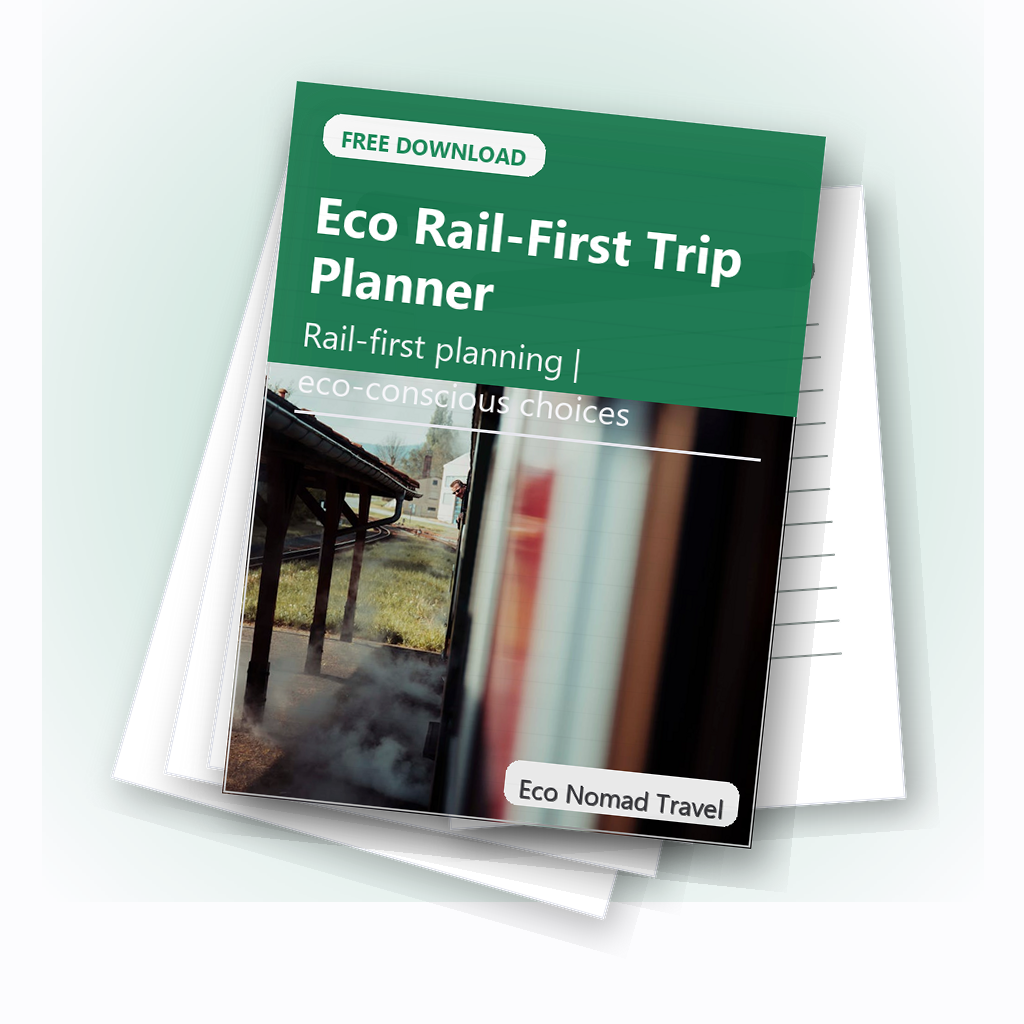
Free download: Eco Rail-First Trip Planner
A fast, practical checklist + templates for planning low-impact trips (without decision fatigue).

Book a Sustainable Stay That Fits This Trip
Explore eco lodges, villas, and resorts that match the slower, lower-impact travel style featured on Eco Nomad Travel.
Affiliate disclosure: We may earn a commission if you book through these links at no extra cost to you.
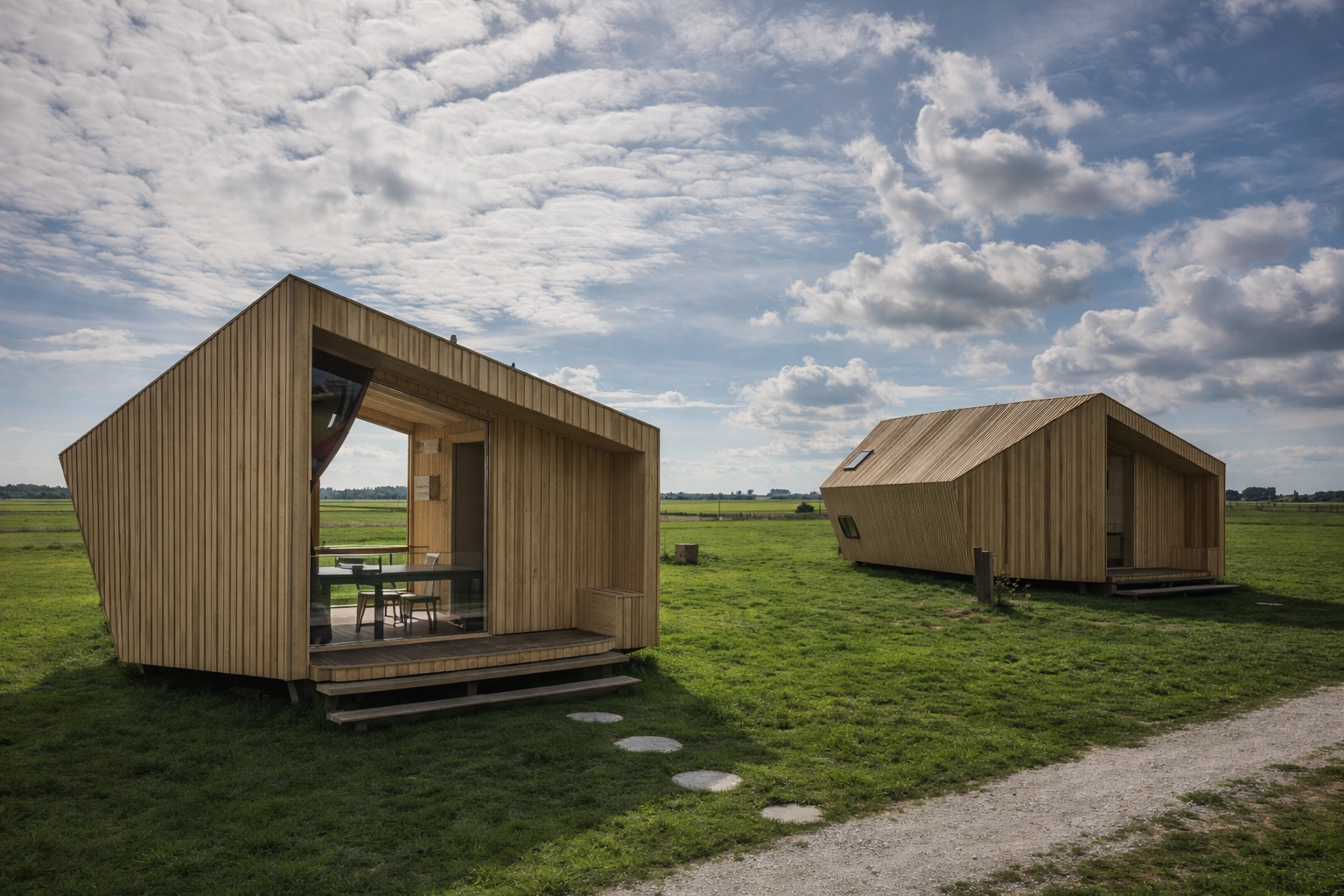
Sustainable Ecolodge at Lauwersmeer National Park and Wadden Sea
Nature-focused stay near wetlands and coast
Check Rates