São Miguel, the “Green Island” of the Azores, offers far more than just postcard-perfect views. This guide focuses on sustainable and enriching things to do in São Miguel, designed for the eco-conscious traveler. We’ll move beyond the typical tourist trail to explore the island’s volcanic soul through a lens of regenerative travel. Forget generic checklists; consequently, this is about connecting with the island on a deeper level.
You’ll find actionable advice for low-impact exploration, from leveraging the island’s bus system for day trips to finding authentic agritourism stays that support local communities. We’ll detail specific bus-accessible hikes, zero-waste experiences, and how to engage with the island’s unique geothermal and agricultural wonders responsibly. This article provides a framework for a slow, mindful journey, emphasizing car-free options and meaningful interactions over a rushed itinerary. For example, we cover everything from whale watching with certified ethical operators to visiting Europe’s only tea plantations, all while minimizing your footprint.
This listicle is crafted for travelers who prioritize depth and sustainability, including remote workers seeking a walkable base, minimalist packers, and anyone looking to avoid greenwashing. You will learn how to experience the best of São Miguel while contributing positively to its preservation. It’s about making your visit count for both you and the island.
1. Ponta Delgada Old Town Walking Tour & Local Markets
Exploring São Miguel’s capital city is one of the most rewarding and sustainable things to do in São Miguel. Moreover, it requires no transportation beyond your own two feet. A self-guided walking tour through Ponta Delgada’s historic center connects you with the island’s authentic culture. You’ll see its traditional Azorean architecture and bustling local markets. The city’s compact and accessible layout makes it a prime example of a walkable destination. This allows you to minimize your carbon footprint while maximizing your cultural immersion.

Start your journey at the iconic Portas da Cidade. These are 18th-century city gates that serve as a morning gathering spot for locals. From there, wander through the narrow, black-and-white cobblestone streets to discover architectural gems. Be sure to visit the 16th-century Church of São Sebastião, with its ornate Manueline-style portal. Also see the starkly beautiful, white-fronted Convento da Esperança, a key pilgrimage site. This low-impact approach to sightseeing offers a much richer experience than driving through. For travelers who prioritize car-free travel, Ponta Delgada’s design is a significant advantage. Discover more about how city design impacts sustainable travel in our guide to the most walkable cities in Europe.
No walking tour is complete without a visit to the Mercado da Graça. This lively covered market is where you can connect directly with local producers.
Actionable Tips for Your Walking Tour
- Visit the Mercado da Graça before 11 a.m. to find the freshest local tuna, São Jorge cheese, and seasonal fruits like pineapple.
- Bring reusable shopping bags for your market purchases to avoid single-use plastics.
- Download offline maps for the city center; Google Maps works reliably for navigation without needing data.
- Schedule 2–3 hours minimum for a meaningful visit that allows for unhurried exploration and maybe a coffee break.
- Base yourself centrally if planning a longer stay. Booking a stay within a 10-minute walk of the center simplifies daily life and reduces the need for a rental car. For a convenient and well-located option, you can compare stays in Ponta Delgada.
2. Sete Cidades Crater Lakes & Bus-Accessible Viewpoint Hike
Witnessing the iconic Sete Cidades twin crater lakes is one of the most essential things to do in São Miguel, and you don’t need a rental car to do it. The legendary Lagoa Azul (Blue Lake) and Lagoa Verde (Green Lake) sit inside a massive volcanic caldera. Their most famous viewpoint is easily reached by public transport. Choosing the bus is a low-impact way to experience this natural wonder. It reduces road congestion in a protected area. As a result, you can focus on the scenery instead of navigating narrow roads.
The journey starts with a roughly 30-minute bus ride from Ponta Delgada to the Vista do Rei viewpoint. From the bus stop, it’s just a five-minute walk to one of the most breathtaking panoramas in the Azores. The bus-accessible trail system provides a sustainable alternative to driving. It connects you directly to the raw beauty of the caldera. Hiking here offers an intimate connection to the landscape, a stark contrast to a quick photo stop by car. For more inspiration on breathtaking lakeside destinations, check out our guide to some of the world’s best lake vacations.
For a more immersive experience, you can hike the 7.5-mile (12-kilometer) trail that circumnavigates the crater rim. This is a moderately difficult trek that takes about four hours. This path provides ever-changing perspectives of the lakes and the Atlantic Ocean beyond. In summary, this approach supports a slower, more deliberate form of travel that respects the fragile ecosystem.
Actionable Tips for Your Sete Cidades Hike
- Take the first bus (often around 8 a.m.) from Ponta Delgada for the best chance of clear morning views before clouds roll in.
- Bring a waterproof jacket as the weather at this altitude can shift from sunny to rainy in minutes.
- Wear sturdy hiking boots with good grip; the volcanic soil paths become very slippery when wet.
- Pack a refillable water bottle and snacks. A water fountain is available at the Vista do Rei viewpoint for refills.
- Confirm the return bus schedule before you leave town, as service can be infrequent. Plan for a total of 5–6 hours for transportation and exploration.
3. Caldeira Velha Hot Springs & Forest Bathing Walk
Combining hydrotherapy with forest immersion, visiting Caldeira Velha is one of the most unique things to do in São Miguel. This environmental interpretation center features a geothermal waterfall and natural thermal pools. They are set within a lush, subtropical ravine. It’s an accessible, low-impact experience that showcases the island’s powerful volcanic geology. You can reach it via a 15-minute drive or a regional bus from Ponta Delgada. This is followed by a scenic 1-mile (about 1.5-kilometer) downhill walk.

The experience connects you directly with the natural world. The iron-rich waters, heated by the volcano, offer a therapeutic soak surrounded by towering ferns and endemic flora. This activity is perfect for solo travelers, who often find a welcoming sense of community. It is also great for remote workers seeking a multi-day “thermal retreat” by staying nearby. The site’s managed entry system helps preserve the delicate environment by limiting visitor numbers. This ensures the experience remains serene and sustainable. Find more inspiration for similar experiences in our guide to the world’s best natural hot springs.
Actionable Tips for Your Hot Springs Visit
- Arrive before 10 a.m. to enjoy the pools before the midday crowds arrive. Early mornings also offer more stable and pleasant water temperatures.
- Bring a swimsuit, flip-flops, and a quick-dry microfiber towel. These packable items are essential for comfort and convenience.
- Pack a dry bag to protect your phone and other electronics from the high humidity and steam.
- Confirm the bus route from Ponta Delgada. The AAVT bus line typically serves the area; allow around 45 minutes for travel plus the walk.
- Schedule 2.5–3 hours for the activity, plus an extra hour for transportation. This gives you ample time to soak and explore the grounds without rushing.
- Fill a reusable water bottle at the on-site café before you leave to stay hydrated.
4. Where to stay in São Miguel
Choosing the right base is crucial for a low-impact trip. Ponta Delgada is best for travelers who want walkability and access to public transit. For those seeking a quieter, more nature-focused stay, Furnas or the north coast offer excellent options.
Base City Comparison: Ponta Delgada vs. Furnas
| Feature | Ponta Delgada | Furnas |
|---|---|---|
| Vibe | Bustling, historic capital | Quiet, geothermal village |
| Walkability | Excellent, very compact | Good within the village |
| Transit Hub | Main bus terminal for island | Limited direct bus routes |
| Best For | Car-free travelers, nightlife | Nature immersion, thermal spas |
| Cost | Wider range of options | Mid-range to luxury stays |
| Deal Potential | Book early for best deals | Reservations are essential in summer |
For most travelers, a stay in Ponta Delgada offers the best balance of convenience and access. To find the best availability, it’s wise to book your accommodation early.
5. Ribeira dos Caldeirões Village Mill & Zero-Waste Craft Experience
Visiting Ribeira dos Caldeirões offers a direct connection to São Miguel’s rich heritage. It is a fantastic sustainable activity on the island’s north coast. This preserved 19th-century water mill village has been repurposed into a living museum. Traditional Azorean craftsmanship thrives here. Walking through its stone pathways, you can observe artisans using ancestral techniques. Consequently, this is one of the most authentic cultural things to do in São Miguel. The experience promotes a zero-waste ethos by allowing you to buy unique, unpackaged crafts directly from the makers.

The village’s setting, complete with waterfalls and lush greenery, makes it a beautiful spot for low-impact exploration. Here, you can watch weavers create textiles on traditional looms. You can also see potters shape clay into beautiful ceramics. It’s a chance to support the local economy directly, with no intermediaries. This ensures your money goes straight to the creators. For instance, you can purchase a hand-woven tea towel for about $16-$22 USD (€15-€20 EUR) without any plastic packaging. Or buy a still-warm loaf of bread from a baking demonstration to enjoy on a picnic.
This hands-on, slow-travel experience is about more than just sightseeing; it’s about meaningful interaction. Engaging with the artisans provides a deeper appreciation for their skills and the island’s history. It’s a rewarding alternative to mass-produced souvenirs. Ultimately, it allows you to bring home a story and a connection to the place you visited.
Actionable Tips for Your Village Visit
- Arrive mid-morning to see the artisans at their most active; the village tends to quiet down after lunch.
- Bring reusable bags for your purchases. Politely ask artisans for minimal wrapping to support a zero-waste visit.
- Allocate 3–4 hours for your experience. The true value lies in unhurried interaction and observation, not rushing through.
- Ask artisans about their craft; many are passionate about their work and enjoy sharing their knowledge with curious visitors.
- Enjoy lunch at the on-site café to further support the local economy before you leave.
- Base yourself in nearby Ribeira Grande for easy access. A 15-minute bus ride allows for multiple visits without needing a rental car. You can compare stays in Ribeira Grande to find a convenient base for exploring the north coast.
6. Pico da Vara Summit Trail & Cloud-Forest Biodiversity Hike
Reaching São Miguel’s highest point is one of the most physically demanding yet rewarding things to do on the island. At 3,625 feet (1,105 meters), the Pico da Vara summit offers an unparalleled look into a pristine native cloud forest. This challenging day hike is a profound immersion into the island’s unique geology and biodiversity. It is accessible via public bus to the trailhead village of Achada. Opting for this low-impact transport makes an already eco-conscious activity even more sustainable.

The 5- to 6-hour round-trip trail ascends through distinct ecological zones. It showcases an incredible array of endemic plants found nowhere else on Earth. As you climb, the vegetation shifts into a lush, damp environment characteristic of Azorean laurissilva forests. This hike is a premier opportunity for birdwatchers. It’s especially good for those hoping to spot the critically endangered Azores bullfinch, a species exclusive to this small area of São Miguel. Completing this trek provides a deep sense of connection to the island’s wild heart.
The trail itself is a powerful lesson in conservation. Efforts to restore the native forest have created a sanctuary for endemic species. This makes your hike a direct encounter with successful ecological regeneration. This experience is ideal for travelers who value conservation and seek a genuine adventure away from crowded tourist spots. For birdwatchers, planning a visit during the autumn migration from September to October can yield fantastic sightings.
Actionable Tips for Your Pico da Vara Hike
- Start your hike by 7 a.m. to increase your chances of reaching the summit before the afternoon clouds typically roll in.
- Bring 0.5–0.8 gallons (2–3 liters) of water, high-protein snacks, and a reliable wind/rain jacket, as mountain weather changes rapidly.
- Wear gaiters if possible; the trail can be very muddy, and wet vegetation will brush against your legs.
- Use offline maps with a GPS backup. The trail can become unclear in heavy cloud cover, making navigation difficult.
- Confirm the bus schedule to Achada well in advance, as it may require a very early start to align with hiking times.
- Hike during clearer months like May or September to early October. July and August often have persistent summit cloud cover.
- Allow a full day: factor in at least 1 hour of transport each way, 6 hours for the hike, and a 1-hour buffer.
7. Azores Tea Plantations & Regenerative Agriculture Agritourism
Visiting São Miguel’s tea plantations is one of the most unique things to do on the island. It offers a direct look into regenerative agriculture. The island is home to Europe’s only commercial tea estates. Here you can walk through lush tea gardens and see traditional cultivation methods. In addition, you can support local farming. These estates, such as Gorreana and Porto Formoso, are working farms that practice organic methods. They conserve soil and rely on minimal chemical inputs. Your agritourism visit diversifies farmer income and helps preserve these historic landscapes.
The most famous estate is Gorreana Plantation. It is a family-owned operation running for over 150 years and known as the world’s northernmost tea producer. A visit here allows you to explore the sprawling terraced fields and tour the original factory machinery. Nearby, Porto Formoso offers a smaller, more intimate experience. It focuses on newer organic practices and structured agritourism programs. Participating in these tours supports a model of farming that works in harmony with the island’s delicate Atlantic microclimate. Discover more about how travel can positively impact local communities through regenerative tourism.
Engaging directly with these producers is a powerful way to make your travel spending count. By purchasing tea directly from the farm, you ensure 100% of the profit goes to the farmers. This bypasses retail markups and supports their sustainable practices.
Actionable Tips for Your Tea Plantation Visit
- Book tours in advance, especially for smaller estates like Porto Formoso, as groups are small and capacity is limited. Aim for 1–2 weeks ahead.
- Visit during harvest (August–September) if you want the full participatory experience, which can include hands-on leaf picking.
- Wear sturdy, closed-toe shoes as the terrain in the tea gardens can be steep, uneven, and sometimes muddy.
- Purchase tea directly at the source. This is the best way to support the farmers and get the freshest product.
- Allow at least 3–4 hours for your visit. The travel time to the plantations on the north coast often takes longer than the tour itself.
- Bring a translation app like Google Translate. While some staff speak English, learning a few Portuguese phrases will enrich your interaction.
- Ask about their practices. Inquire about their composting methods, water management, and natural pest control to better understand their regenerative approach.
8. Best Time to Book Your São Miguel Trip
Timing is everything for a successful trip. Booking flights and accommodation early is crucial, especially for the popular summer months. For the best deals and availability, aim to secure your plans 3-6 months in advance.
- Flights: For flights, services like Aviasales are excellent for comparing prices across multiple airlines. Using their platform can help you find the best deal for your dates. Price out your flights to the Azores on Aviasales.
- Stays: Locking in your accommodation is just as important. Popular eco-resorts and centrally located apartments get booked up quickly.
- Connectivity: Don’t forget your eSIM. For travelers who need reliable data from the moment they land, Airalo offers convenient plans for Portugal. Lock in your eSIM data plan with Airalo before you go.
- Insurance: Finally, secure travel insurance. For comprehensive medical coverage that is crucial for international travel, VisitorsCoverage is a reliable choice. Get a quote for travel insurance from VisitorsCoverage.
9. Furnas Geothermal Cooking & Volcanic Geology Experience
One of the most unique things to do in São Miguel is to witness and taste a meal cooked by a volcano. In the village of Furnas, geothermal vents, known as fumarolas, heat underground water to boiling. This creates a natural steam oven. Local restaurants use this volcanic energy to slow-cook Cozido das Furnas. This traditional stew of meats and vegetables is cooked by burying large metal pots in the hot earth for over four hours. This tradition offers a direct, powerful connection to the island’s raw geology.
You can observe this fascinating process firsthand at the geothermal demonstration pits near Lagoa das Furnas. Around midday, cooks arrive to unearth the pots, releasing clouds of steam and the savory aroma of the stew. Afterward, head to one of the village restaurants to enjoy the meal. Restaurant Tony’s, a family-run establishment, is a well-known spot that serves cozido daily. This low-impact culinary experience combines geology, culture, and local food in an unforgettable way. It grounds your visit in the powerful forces that shape São Miguel.
Actionable Tips for Your Geothermal Cooking Experience
- Book your restaurant table by 9 a.m. on the day of your visit, or the day before. Spots like Tony’s fill up quickly, so a reservation is essential.
- Arrive at the geothermal pits before 11 a.m. to watch the cooks unearth the pots for lunch service.
- Confirm vegetarian options ahead of time. Most cozido is meat-heavy, so if you have dietary restrictions, check with the restaurant when you book.
- Bring a reusable water bottle. The mineral-rich hot spring water in Furnas is safe to drink, but its unique taste might not be for everyone.
- Allow 4–5 hours for the full experience. This includes travel time, watching the unearthing, enjoying your meal, and exploring the beautiful Furnas Park and lake.
- Budget around $13–$20 USD (€12–€18 EUR) per person for a cozido meal. Quality and price vary, so asking a local for a current recommendation is a good idea.
10. Nordeste Nature Reserve Coastal Walking Trail & Endemic Seabird Sanctuary
Trekking through São Miguel’s rugged northeastern tip is one of the most immersive things to do on the island. The area is a protected nature reserve with dramatic coastal cliffs. It has endemic seabird colonies and a spectacular 5-mile (8 km) coastal trail. This entirely foot-powered route is accessible by local bus. It showcases the pristine Atlantic coastline and traditional fishing practices. It’s a powerful example of how low-impact travel supports biodiversity conservation while connecting you directly with the island’s wild landscapes.
Start your journey in the village of Nordeste. Then follow the trail that links small fishing villages and natural swimming pools. The path offers unmatched views of the ocean and is a prime spot for birdwatching, especially during migration seasons. For ornithologists, a visit between March and April to see the return of nesting seabirds is a must. This car-free activity allows you to appreciate the region’s raw beauty without contributing to traffic or pollution. For more insights on ethical animal encounters, explore our guide to responsible wildlife tourism.
The trail is a fantastic opportunity for solo nomads to base themselves in Nordeste village for several days of hiking. By staying in local guesthouses and exploring on foot, you support the community directly and reduce your environmental impact. In short, this kind of slow travel provides a much deeper connection to the place than a quick drive-by visit.
Actionable Tips for Your Coastal Walk
- Start early (7–8 a.m.) to allow 5–6 hours for the full coastal walk, including time for photos and breaks.
- Bring waterproof and windproof layers along with sturdy hiking boots; the coastal weather is notoriously unpredictable.
- Pack at least 0.5 gallons (2 liters) of water, high-protein snacks, and energy bars, as there are no refill points or shops mid-trail.
- Use offline maps with GPS for navigation. Parts of the trail are unmarked, so having a reliable map is essential.
- Visit in spring (March–May) or early fall (September–October) for the best combination of comfortable weather and peak seabird activity.
- Base yourself in Nordeste village. Staying at a family-run guesthouse ($38-$55 USD or €35–€50 EUR per night) supports the local economy. You can often find and book these stays directly through Google Maps.
Editor’s Pick: Best Regenerative Stay
Santa Barbara Eco-Beach Resort stands out for its deep commitment to sustainability that goes far beyond surface-level claims. The resort’s architecture uses local, natural materials. Its operations are guided by principles that protect the surrounding ecosystem. They focus on regenerative agriculture, sourcing a significant portion of their restaurant’s ingredients from their own organic farm. For the eco-conscious traveler looking to book a stay that aligns with their values and offers a high degree of comfort and connection to nature, this is an excellent choice. It’s a prime example of how luxury and sustainability can coexist beautifully. For a luxury stay with a conscience, this is the best option.
- To check rates and availability, you can book your regenerative stay at Santa Barbara Eco-Beach Resort on Trip.com.
Key Takeaways
As you plan your journey, keep these core principles at the forefront. They are the foundation for a rewarding and low-impact adventure on this remarkable island.
- Plan in Loops: Group your activities geographically (e.g., Sete Cidades area, Furnas Valley, Nordeste coast) to minimize travel time and carbon emissions.
- Embrace Public Transit: Use local buses for key routes between Ponta Delgada, Furnas, and Ribeira Grande. It’s affordable and immerses you in the local pace of life.
- Book Certified Stays: Prioritize accommodations with recognized sustainability certifications to ensure your tourism dollars support responsible practices.
- Travel with the Seasons: Visit during the shoulder seasons (spring and autumn) for fewer crowds, lower prices, and a more authentic experience.
- Support Local and Direct: From farm-to-table restaurants to direct-trade coffee roasters, make conscious spending a central part of your itinerary.
- Stay Connected Easily: For reliable internet access without the hassle of physical SIM cards, an eSIM is the best route. For travelers with multiple devices or who need unlimited data, Yesim offers flexible plans perfect for the Azores.
Frequently Asked Questions (FAQ)
1. Is it necessary to rent a car in São Miguel?
No, it’s not strictly necessary, especially if you base yourself in Ponta Delgada. The public bus system connects major towns and attractions. This guide focuses on car-free options. However, for maximum flexibility and to reach more remote trailheads, a car can be useful.
2. What is the best time of year to visit São Miguel?
The shoulder seasons—spring (April-May) and autumn (September-October)—are ideal. They offer pleasant weather, fewer crowds, and better availability for accommodations. Summer (June-August) is warmer but also the busiest and most expensive season.
3. How many days are enough for São Miguel?
A minimum of 5-7 days is recommended to experience the main highlights without rushing. For a more in-depth, slow travel experience that includes hiking and exploring different regions, 10-14 days is even better.
4. Can I drink the tap water in São Miguel?
Yes, the tap water is generally safe to drink across the island. The water in Furnas has a high mineral content and a distinct taste, which is also safe but may not be to everyone’s liking. Always carry a reusable water bottle to stay hydrated and reduce plastic waste.
5. What should I pack for a trip to the Azores?
Pack layers. The weather is famously unpredictable. Essentials include a waterproof rain jacket, sturdy hiking boots, swimwear for thermal pools, a quick-dry towel, and comfortable walking shoes. Even in summer, a warm sweater or fleece is a good idea for cooler evenings and higher altitudes.
This guide is written from published operator information, official guidance, and practical planning research.

Free download: Eco Rail-First Trip Planner
A fast, practical checklist + templates for planning low-impact trips (without decision fatigue).

Book a Sustainable Stay That Fits This Trip
Explore eco lodges, villas, and resorts that match the slower, lower-impact travel style featured on Eco Nomad Travel.
Affiliate disclosure: We may earn a commission if you book through these links at no extra cost to you.
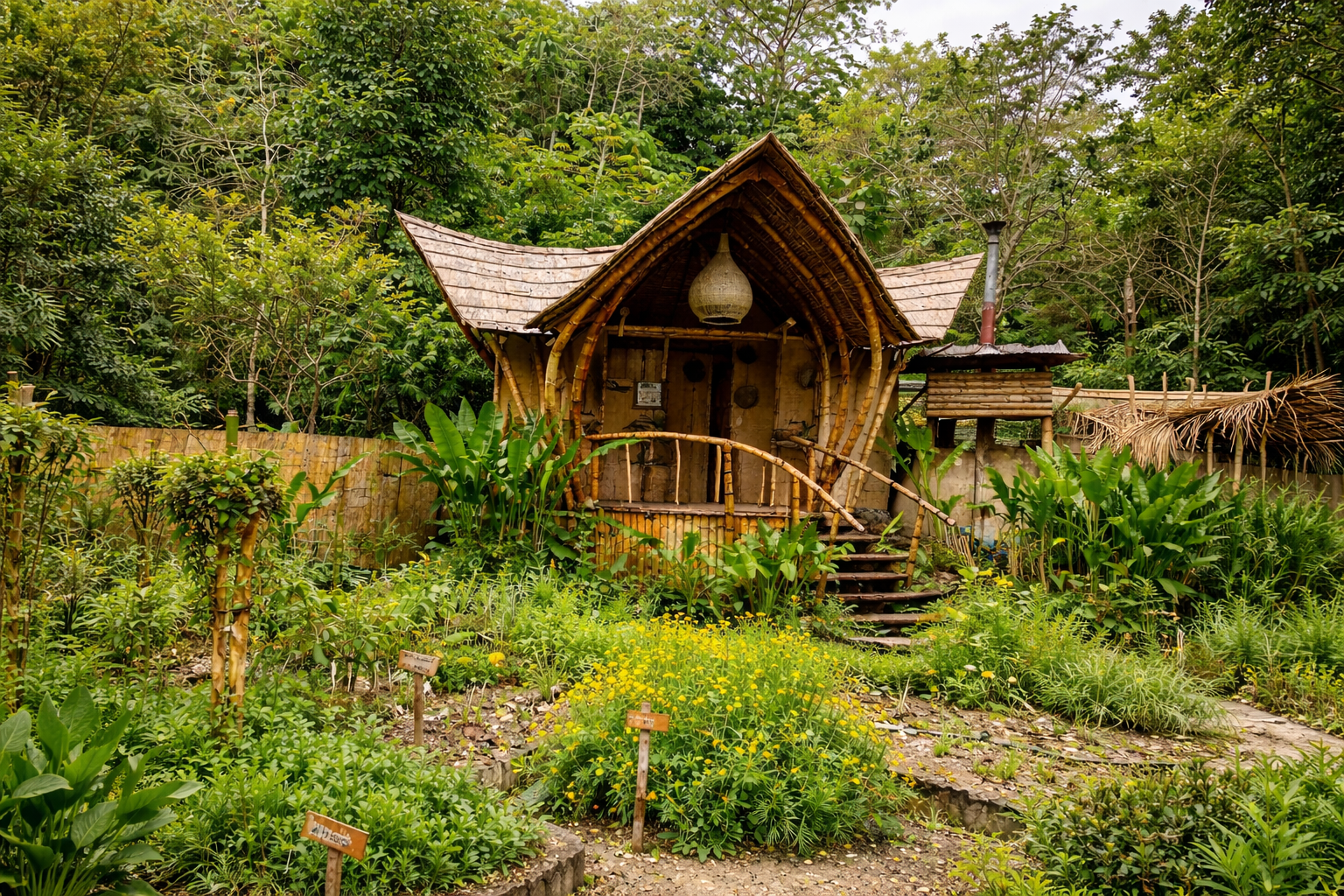
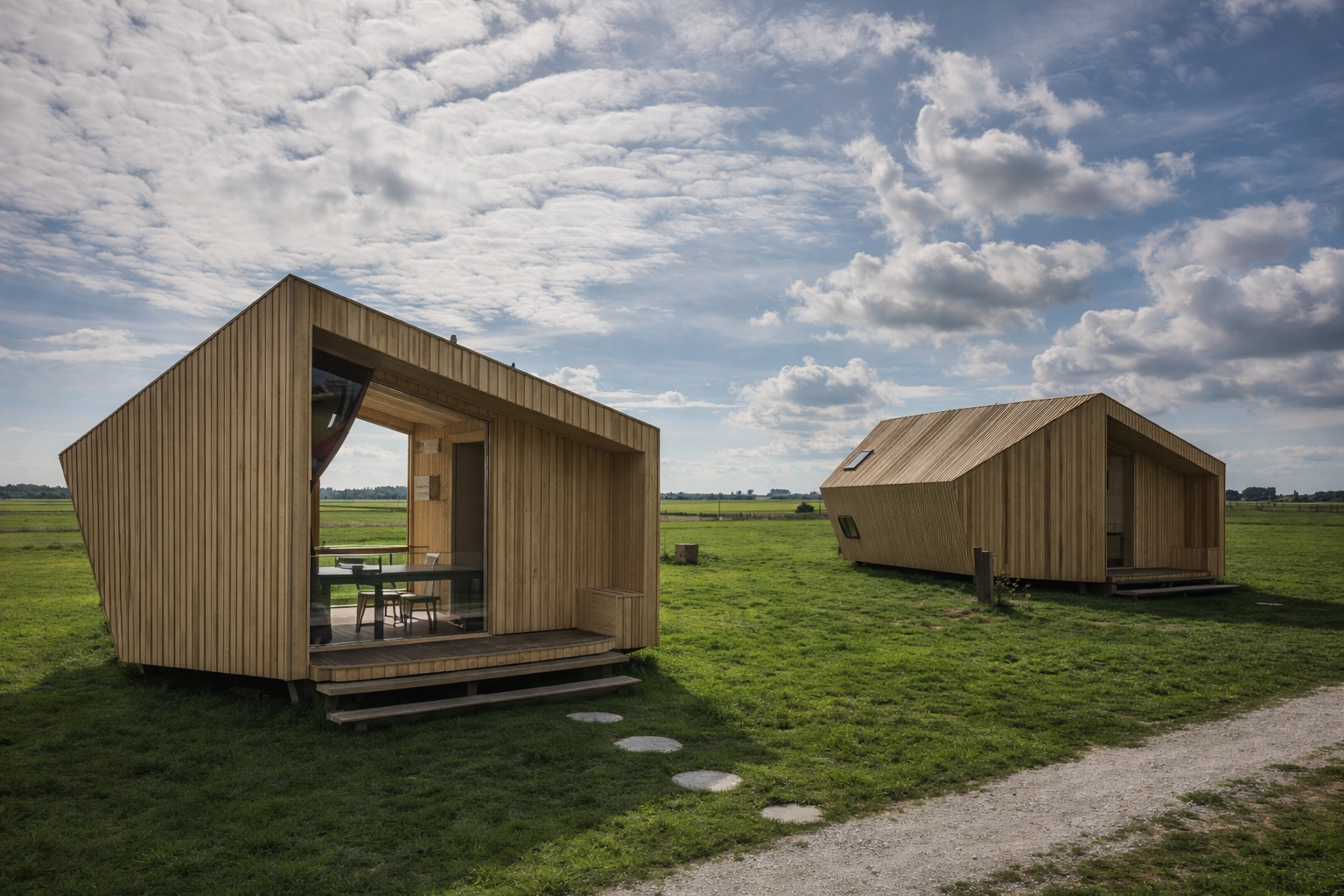
Sustainable Ecolodge at Lauwersmeer National Park and Wadden Sea
Nature-focused stay near wetlands and coast
Check Rates