A trip to Torres del Paine National Park is one of those adventures that stays with you forever. This guide to Torres del Paine National Park will prepare you for a corner of Chilean Patagonia defined by its jagged granite towers, massive glaciers, and lakes so turquoise they almost don’t look real. This place is a magnet for trekkers and nature lovers for a reason—it offers some of the most powerful landscapes on Earth. But that global fame means you can’t just show up; this is a trip that rewards careful, early planning.
Your Essential Guide to Torres del Paine National Park
Setting out for Torres del Paine puts you right in the heart of one of the planet’s most epic natural arenas. Famous for its three granite spires—the Torres themselves—this Chilean national park is the crown jewel of Patagonia’s wild beauty. The scenery is a raw mix of sky-piercing mountains, sprawling ice fields, and lakes colored an almost impossibly vibrant blue from glacial silt, making it an absolute dream for trekkers.

This guide is built to help you plan your trip with a lighter footprint. As we get into the park’s highlights, the focus will be on responsible travel habits. Knowing how to minimize your impact is non-negotiable in an ecosystem this fragile, and it’s the only way to ensure this place remains wild for generations to come. For more ideas on destinations leading the way, check out our guide to the top 10 ecotourism destinations for 2025.
While the park promises an incredible adventure, its popularity means you need to think ahead. From booking a bunk in the mountain lodges, known as refugios, to sorting out bus tickets, every detail needs to be locked in months in advance. This is especially true if you’re aiming for the high season from December to February.
In the sections that follow, we’ll walk you through everything you need to know. We’ll cover the best times to visit, break down the legendary trekking circuits, and explain the logistics of getting there and booking a place to sleep—all so you can have a respectful and truly unforgettable experience in this spectacular park.
Why Early Planning Is Non-Negotiable
The secret is out. Torres del Paine National Park is no longer a quiet Patagonian outpost—it’s a global trekking destination. Gone are the days of showing up and hoping for the best. Today, a successful trip requires booking everything months, or even a year, ahead of time.
This isn’t just about convenience. It’s about securing your spot in one of the world’s most popular natural wonders.
The numbers are staggering. Visitor counts skyrocketed from just 5,143 people in 1976 to a peak of over 300,000 annually before the pandemic. That incredible growth, fueled by easier international flights and worldwide fame, has put immense pressure on the park’s limited infrastructure. You can see more visitor data on MercoPress.
This is the most important context for your planning. High demand means a finite number of permits, beds, and even bus seats. To avoid being turned away, you have to adopt an early-booking mindset. For more general advice on securing a room, check out our guide on the best time to book a hotel.
The Consequences of Popularity
This tourism boom hasn’t come without a cost. The delicate ecosystems in Torres del Paine are fragile, and trail erosion and the risk of wildfires are constant concerns. In fact, devastating fires—some accidentally started by tourists—have scorched tens of thousands of acres.
Because of this, park authorities now enforce very strict rules:
- You must have a reservation for a campsite or refugio for every single night of your trek.
- Camping is only allowed in designated areas. No wild camping.
- Fires are strictly forbidden anywhere along the trails.
These regulations are there to protect the very wilderness you’re coming to see. Understanding this reality connects your booking choices directly to the conservation of this incredible landscape. By planning ahead, you’re not just organizing a trip; you’re becoming a steward of Patagonia.
Best Time to Book Your Visit to Torres del Paine National Park
Picking when to visit Torres del Paine National Park is one of the biggest decisions you’ll make. Your timing shapes everything—the weather, how many hours of daylight you get, the size of the crowds, and what you’ll pay. Each Patagonian season offers a completely different park, so understanding the trade-offs is the key to planning the right kind of adventure.
Summer, from December to February, is by far the most popular time to go. It delivers the warmest weather, with averages hovering around 52°F (11°C), and incredible daylight, with up to 17 hours of light to explore. But this is also peak season. Expect the biggest crowds on the trails, the highest prices for refugios and campsites, and the infamous Patagonian winds at their absolute fiercest. If you’re set on summer, you must book early.

Shoulder Seasons: The Sustainable Sweet Spot
For a more balanced trip, I always point people toward the shoulder seasons: spring (October-November) and autumn (March-April). These months hit a fantastic sweet spot. The crowds thin out dramatically, and accommodation and flight prices often drop. The weather, while more unpredictable, can still be beautiful.
- Spring (Oct-Nov): The park bursts back to life with blooming wildflowers, and you’ll see far more wildlife as the animals become more active after winter.
- Autumn (Mar-Apr): The landscape is painted in stunning reds and golds, making for unreal photos. The winds also tend to be much calmer than in the summer chaos.
Choosing these quieter months isn’t just about a more peaceful experience; it’s a more sustainable way to travel. Spreading tourism throughout the year eases the intense pressure on the park’s fragile ecosystems during the summer peak. For more ideas on this style of travel, take a look at our guide to off-peak eco-escapes in Europe.
Winter and the Benefits of a Quieter Park
Winter, from May to September, is for the truly adventurous who are after solitude. Be warned: many trails and services shut down completely, and the weather is harsh, bringing snow and freezing temperatures. But for those who brave the cold, the reward is a silent, dramatic landscape few ever get to see.
Recent history gave us a powerful lesson in the park’s sensitivity. During the pandemic, visitor numbers plummeted from nearly 300,000 a year to around 60,000 in 2021. This quiet period allowed eroded trails to recover and wildlife to reclaim spaces without human disturbance, proving the clear ecological upside of lighter tourist traffic. You can learn more about the park’s recovery during this time.
Why not see for yourself? For travelers ready to explore shoulder season, compare flight availability for shoulder season dates to see if you can find a deal that makes a quieter, more intentional trip possible.
Choosing Your Trek: Best Route Options in Torres del Paine
Deciding how you’ll explore Torres del Paine is the most exciting part of planning your trip. The park is famous for two incredible multi-day treks: the iconic W Trek and the more demanding O Circuit. And if you’re short on time, there are plenty of spectacular day hikes that still deliver that classic Patagonian punch.
It’s worth remembering that many of the trails you’ll walk were never designed for recreation. They evolved from old estancia (cattle ranch) routes. That history, combined with the footfalls of roughly 252,000 visitors a year, puts immense pressure on the landscape and contributes to serious trail erosion.
This makes sticking to the marked paths non-negotiable. Past visitor mistakes have led to devastating wildfires, so following park rules isn’t just about etiquette—it’s a critical act of conservation. You can find more on the park’s fragile history and regulations on the official CONAF website.
The Famous W Trek
The W Trek is, without a doubt, the most popular route in the park. It covers about 50 miles (80 kilometers) over four to five days. It gets its name from the W-shaped path it carves through three stunning valleys: the Ascencio Valley (home of the Towers Base), the French Valley, and the Grey Glacier Valley.
This trek is a fantastic choice for hikers with a solid fitness level. It allows you to see the park’s superstar highlights without committing to the full loop. Because it’s so well-known, booking your campsites or refugios well in advance is an absolute must—a reservation is essential.
The Complete O Circuit
For a wilder, more immersive experience, the O Circuit is the ultimate Patagonian challenge. This route wraps the entire Paine Massif, combining the W Trek with a remote, less-trafficked backside loop. All in, you’re looking at roughly 81 miles (130 kilometers) over seven to nine days.
The O Circuit offers a profound sense of solitude. It also exposes you to the park’s untamed northern side, including the notoriously difficult John Gardner Pass. A reservation for the O Circuit must be made as a single, complete booking, and you’re required to hike it counter-clockwise.

W Trek vs O Circuit At a Glance
So, which one is for you? Choosing the right trek really boils down to your available time, fitness, and how much solitude you’re seeking. This table breaks down the key differences between the two main route options to help you find the best fit.
| Feature | W Trek | O Circuit |
|---|---|---|
| Distance | ~50 miles / 80 km | ~81 miles / 130 km |
| Time | 4–5 days | 7–9 days |
| Difficulty | Challenging | Very Challenging (includes John Gardner Pass) |
| Crowds | High | Lower (especially on the backside) |
| Best For | Iconic highlights on a tighter schedule | A wilder, more remote, and complete experience |
| Reservation | Book individual campsites or refugios | Must be booked as a complete circuit in advance |
Both treks are a serious undertaking and require significant planning. If you decide to go with a guided tour, it’s worth taking the time to learn more about how to choose eco-friendly tour operators to ensure your trip actively supports the park’s conservation.
Where to Stay Inside and Outside the Park
Figuring out where to stay in Torres del Paine National Park is the most competitive part of planning your trip. Your choices here will literally shape your entire trek, so it pays to understand the system and, most importantly, book early. The decision boils down to two paths: staying inside the park for total immersion or basing yourself in Puerto Natales for more comfort and flexibility.
Inside the park, your only options are refugios (rustic mountain lodges) or designated campsites. These aren’t run by the government but by two private companies, Las Torres and Vertice Patagonia. Spots on the W Trek and O Circuit, especially during high season, are famously competitive and often sell out a full year ahead. You absolutely must have a reservation for every single night you plan to be on the trail.
For anyone looking for more comfort, or a base for day trips, the town of Puerto Natales is the park’s gateway. Here, you’ll find a solid range of hotels, guesthouses, and eco-friendly hostels. Staying in town lets you explore the park by day and return to restaurants and a proper bed by night, which is a great setup if you aren’t committing to a multi-day trek.
Accommodation Inside the Park: Refugios and Campsites
If you’re hiking the W or O circuits, you’ll be hopping between a network of refugios and campsites strategically dotted along the trails. These offer basic but essential shelter from Patagonia’s wild, unpredictable weather.
- Refugios: Think of these as rustic mountain hostels. They offer bunk beds in shared dorms, hot meals, and sometimes a hot shower. They are a very welcome sight after a long day on the trail but come at a premium, often around $100-120 USD per night for just a bed.
- Campsites: For a more rugged and budget-friendly experience, you can book a tent spot at an adjacent campsite. You can either haul your own gear or rent a tent, sleeping bag, and mat, which will be set up and waiting for you.
When searching for stays outside the park, using a platform can simplify the process. For a wide selection of vetted properties in Puerto Natales, a site like Trip.com is a good place to compare prices and availability all at once.
Editor’s Pick: Best Sustainable Stay
For an experience that beautifully merges comfort with a serious commitment to sustainability, EcoCamp Patagonia is in a league of its own. Located at the foot of the towers, its geodesic domes are inspired by the traditional dwellings of the region’s indigenous Kawésqar people. EcoCamp runs on renewable energy and has a powerful focus on community and conservation, making it a near-perfect model for regenerative tourism in a fragile place.
Where to Stay in Puerto Natales
Puerto Natales is your best bet for a pre- and post-trek home base. This lively port town has a fantastic backpacker vibe and a growing number of sustainable lodging options. Staying here gives you the chance to stock up on supplies, rent any gear you’re missing, and celebrate with a good meal and a local beer after your adventure. Why not compare stays now to see what’s available for your dates?
To dive deeper into unique and sustainable lodging ideas, you might be interested in our guide to off-grid lodging options for eco-nomads.
Your Step-by-Step Booking Plan: Logistics and Cost Breakdown
Alright, let’s get into the nitty-gritty. Booking a trip to Torres del Paine National Park can feel like piecing together a big puzzle, but it’s completely manageable if you tackle it one step at a time. This section will walk you through the entire process, from flights and park passes to figuring out a realistic cost breakdown.
Your journey will almost certainly start in Puerto Natales, the classic gateway town to the park. Most travelers fly into Punta Arenas (PUQ), the nearest major airport, and then catch a three-hour bus from there. To avoid overpaying for flights, your best bet is a good comparison tool. For travelers who want to scan multiple airlines and find the best deal, a platform like Aviasales is great for locking in a decent price.
With your main flights booked, the next moves are securing your park entrance tickets and the bus to the park itself. You can—and should—buy your park pass ahead of time through the official CONAF portal. It will save you a ton of hassle at the entrance. Buses run daily from Puerto Natales to the park, and it’s smart to book your round-trip ticket in advance, especially if you’re traveling in high season.
Estimating Your Trip Costs
A solid budget is the foundation of a stress-free adventure. Your costs will vary a lot depending on your travel style, but here’s a quick cost breakdown of the essential expenses to get you started.
- Park Entrance: The multi-day pass runs about $49 USD (roughly 44,500 Chilean Pesos, or CLP). Always double-check the official park website for the latest pricing before you go.
- Bus Transport: A round-trip ticket from Puerto Natales to the park entrance will set you back around $20 USD (about 18,000 CLP).
- Catamaran Ferry: If your trek starts or ends at the Paine Grande sector, you’ll need to take the catamaran across Lake Pehoé. A one-way ticket costs about $30 USD (25,000 CLP).
- Food & Supplies: If you’re self-catering and carrying your own food, plan on $40-60 USD per day. Eating at the refugios will be significantly more expensive.
This decision tree gives you a visual way to think about your stay, helping you choose between budget-friendly campsites and the more comfortable refugios based on what matters most to you.

As you can see, the first big choice you’ll make is that classic trade-off between your budget and your desire for a bit more comfort.
Finalizing Your Essential Logistics
Beyond the big bookings, a little cultural prep goes a long way. Since you’re traveling in Chile, picking up a few key phrases can make your interactions smoother and more enjoyable. Knowing how to order food in Spanish is a great place to start.
Finally, don’t leave home without two critical items: travel insurance and a way to stay connected. For a remote trek like this, where conditions can change in an instant, solid travel insurance is non-negotiable. For travelers who need comprehensive coverage for adventure activities, a provider like Visitors Coverage is a reliable place to find a plan for medical emergencies and trip interruptions.
Connectivity is also a modern-day essential, even out here. An eSIM is easily the best way to get data without paying a fortune in roaming fees. A service like Airalo is perfect for this—just download and install your plan before you leave home. You’ll have data for maps and communication when you need it, giving you one less thing to worry about. Go ahead and lock your eSIM now so it’s ready for your trip.
Key Takeaways: Torres del Paine National Park
- Book Early: You must book accommodations (campsites and refugios) 6-12 months in advance, especially for the high season (December-February). A reservation is mandatory.
- Choose the Right Trek: The W Trek (4-5 days) is best for iconic highlights on a schedule. The O Circuit (7-9 days) offers a wilder, more remote experience for serious hikers.
- Embrace the Shoulder Seasons: For fewer crowds, lower prices, and unique beauty, consider visiting in spring (October-November) or autumn (March-April).
- Pack for All Weather: Patagonia’s weather is notoriously unpredictable. Pack waterproof layers, thermal clothing, and broken-in hiking boots to be prepared for sun, wind, rain, and even snow in a single day.
- Prioritize Safety and Connectivity: Comprehensive travel insurance that covers trekking is essential. An eSIM is the smartest way to stay connected in towns without high roaming fees.
- Travel Responsibly: Stick to marked trails, pack out all your trash, and never build fires. Your actions directly impact the preservation of this fragile ecosystem.
FAQ: Your Top Questions About Torres del Paine National Park
1. How much does a trip to Torres del Paine cost?
A trip to Torres del Paine can be expensive. Your main costs will be lodging, food, and transport. Expect to pay around $49 USD for a multi-day park pass. A dorm bed in a refugio can cost over $100 USD per night, while campsites are cheaper. You can save money by camping, cooking your own food, and traveling in the shoulder seasons (spring or autumn).
2. How fit do I need to be to hike in Torres del Paine?
The difficulty varies. The W Trek requires good physical fitness, with daily hikes of 5-8 hours on uneven terrain. The O Circuit is more demanding. However, there are also many easier day hikes, like the trek to Mirador Cuernos, that offer incredible views without a multi-day commitment. Be honest about your fitness level and choose a route you can safely enjoy.
3. What currency should I use?
The local currency is the Chilean Peso (CLP). While some large hotels in Puerto Natales may accept US Dollars, you will need pesos for almost everything else, including buses, small shops, and services inside the park. It’s best to withdraw cash from an ATM in Puerto Natales before your trek.
4. What is the best way to get to Torres del Paine?
Most travelers fly into Punta Arenas (PUQ). From there, you take a three-hour bus to Puerto Natales, the main gateway town. From Puerto Natales, another bus will take you to the park entrances. For finding the best flight prices to Punta Arenas, using a flight comparison tool is highly recommended. For travelers who want to easily compare routes and airlines, a site like Aviasales is a great resource. You can also pre-book airport transfers with a service like Welcome Pickups for a seamless arrival.
5. Do I really need travel insurance and an eSIM?
Yes, absolutely. Travel insurance is non-negotiable for a remote, adventurous trip like this. Ensure your policy covers trekking and medical evacuation. For travelers needing a reliable policy for adventure travel, Visitors Coverage is a solid platform to compare plans. An eSIM is also highly recommended. For those who want to avoid expensive roaming charges and have data for maps and communication in towns, you can lock in an eSIM from Yesim before you leave.
This article was fact-checked using sustainability data from the World Green Building Council, the Global Ecotourism Network, and peer-reviewed architecture studies. All partner links are vetted for compliance with sustainable business certifications.

Book a Sustainable Stay That Fits This Trip
Explore eco lodges, villas, and resorts that match the slower, lower-impact travel style featured on Eco Nomad Travel.
Affiliate disclosure: We may earn a commission if you book through these links at no extra cost to you.
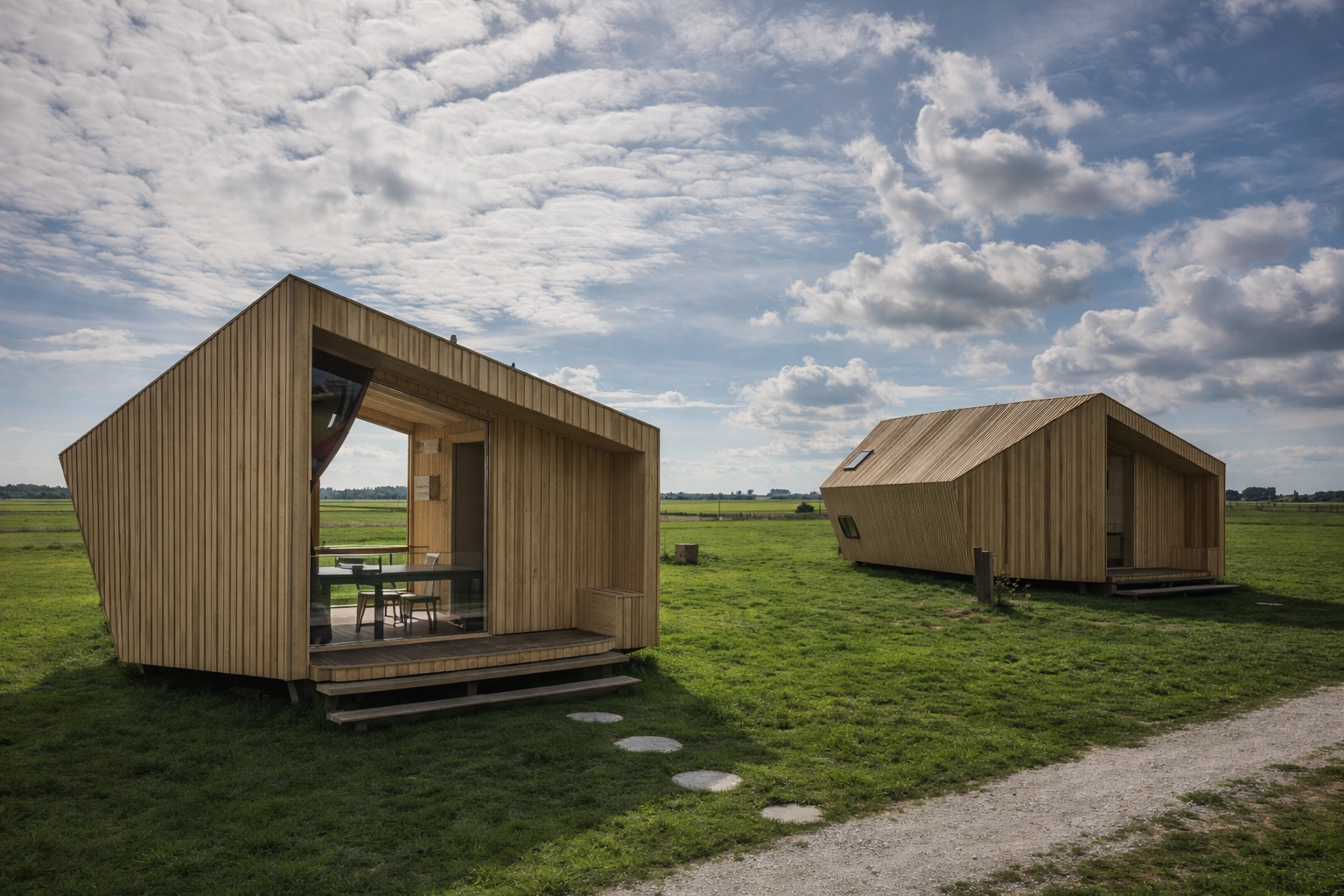
Sustainable Ecolodge at Lauwersmeer National Park and Wadden Sea
Nature-focused stay near wetlands and coast
Check Rates