
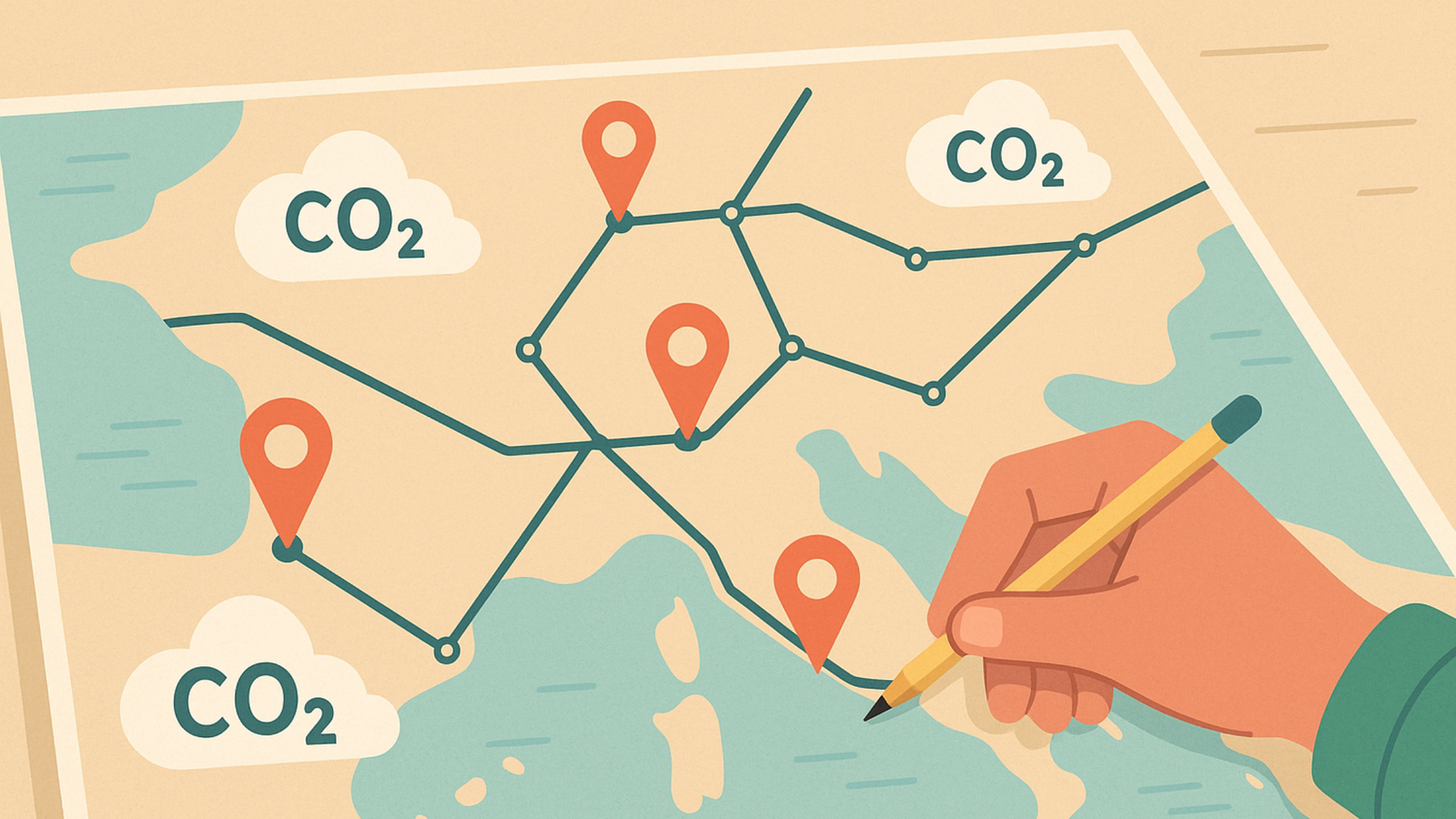
Key takeaways: travel carbon emissions calculators in 2025
- A travel carbon emissions calculator turns vague “eco” intentions into concrete CO₂ numbers you can compare across flights, trains, buses, and car journeys.
- Most of your impact still comes from flights and driving, not coffee cups — measuring them first helps you prioritise the biggest wins.
- You do not need to be perfect; even simple shifts like rail-first routes, fewer hops, and longer stays can cut a large share of your annual travel emissions.
- Combining a few solid online tools with simple back-of-the-envelope formulas is enough for realistic 2025 trip planning.
- Once you know your numbers, guides like Carbon Neutral Travel in 2025: The Complete Guide and How to Travel Carbon-Neutral in 2025 show how to reduce and, only at the end, offset what remains.
In 2025, sustainable travel is no longer just about reusable bottles and “green” labels. To make real progress, you need a straightforward way to calculate your travel carbon emissions and see where your footprint actually comes from. That is what a good travel carbon emissions calculator does: it turns flights, trains, road trips, and stays into a rough but useful CO₂ estimate you can plan around.
Best Travel Carbon Emissions Calculators 2025: How They Work, Why Results Differ, and How Eco Nomad Travel’s Tools Fit In
This post focuses on the best tools to measure trip CO₂ in 2025 — how different calculators work, why their results sometimes disagree, and how they fit into the wider Eco Nomad Travel cluster, including our own dedicated Travel Carbon Footprint Calculator 2025 and the deeper emissions hub at Travel Carbon Footprint & Emissions 2025 .
Affiliate disclosure: Some links in this guide are affiliate links to partners like Amazon, Aviasales, Trip.com, Airalo and Yesim. If you book or buy through them, Eco Nomad Travel may earn a small commission at no extra cost to you. We only recommend tools and gear that fit a rail-first, low-impact travel style.
Editor’s note: This article was fact-checked using sustainability data from organisations such as the World Green Building Council, the Global Ecotourism Network, and peer-reviewed environmental studies. All partner links are vetted for alignment with credible sustainability standards wherever possible.
1. Why your travel carbon footprint matters in 2025
Travel is still one of the most carbon-intensive choices many of us make each year. Long-haul flights, cruise itineraries and multi-stop road trips can easily erase months of low-impact choices at home. Nevertheless, that does not mean you need to stop travelling altogether. Instead, it means being intentional about which trips you take, how often you fly, and which routes you choose.
A travel carbon emissions calculator gives you a reality check. Rather than guessing whether a certain flight is “good” or “bad,” you can compare options: nonstop vs multi-stop, rail vs short-haul flights, or a single long trip vs several weekend hops. When you pair this calculator mindset with the broader strategy in Carbon Neutral Travel in 2025 , it becomes much easier to cut emissions without sacrificing all of your adventures.
2. Travel carbon footprint basics: units, scopes and myths
Before you dive into any travel carbon emissions calculator, it helps to understand a few basics. Most tools express results in kilograms or tonnes of CO₂-equivalent (CO₂e). That “equivalent” includes carbon dioxide plus other greenhouse gases like methane and nitrous oxide, converted into the same scale.
You will also see references to “scopes” or “radiative forcing” when you look at flight emissions. Some calculators include the extra warming effects of flying at high altitude; others show only direct CO₂ from fuel. This is why different tools sometimes give different numbers for the same route. The goal is not to find a perfect value, but to get a consistent comparison you can use when choosing routes and modes.
Finally, ignore the myth that offsets are all that matters. In reality, the biggest wins come from reducing flights, driving less, and swapping modes before you think about offsets at all. Your travel carbon emissions calculator should therefore be a planning tool that helps you redesign trips first, and only then decide what is left to offset.
3. Step-by-step travel carbon footprint calculator (2025)
You can calculate your travel carbon footprint in just a few steps using any modern calculator. For 2025, the process looks like this:
- List every major leg of your trip: flights, trains, buses, ferries and driving segments.
- Note the distances or city pairs (e.g., New York → Lisbon, Lisbon → Porto by train).
- Choose your calculator and decide whether you want a quick estimate or deeper breakdown.
- Enter each leg, being honest about class of service and number of passengers.
- Add accommodation and food if the calculator supports it, or use the simple rules below.
- Review the total and test alternatives: fewer flights, slower routes, or different hubs.
If you prefer a more hands-on approach, you can keep a simple spreadsheet and add CO₂ values from several tools for comparison. A small notebook or digital tracker also helps. Some travelers even carry a compact travel journal specifically for tracking routes, rail alternatives, and carbon estimates across the year.
How to Use a Travel Carbon Emissions Calculator 2025 on a Real Itinerary
By this point, your travel carbon emissions calculator is no longer an abstract tool on a screen. The next step is to plug in a real itinerary and see how the numbers change when you tweak flights, trains, buses, stays, and food. Once you break a trip into simple building blocks—flights, ground transport, accommodation, daily life—the footprint stops feeling mysterious and starts to look like something you can redesign.
You do not need a degree in climate science to do this. What you need is a repeatable process that works for weekend breaks, month-long workations, and multi-country rail journeys. Think of this section as the “field manual” that sits beside your travel carbon emissions calculator 2025, plus the wider Eco Nomad Travel cluster that includes our: Travel Carbon Footprint Calculator 2025 , Travel Carbon Footprint & Emissions 2025 hub , and cornerstone Carbon Neutral Travel in 2025: The Complete Guide .
Step 1: List the Big Movers – Flights vs Trains vs Buses
Start by listing the segments that drive most of your footprint. For many trips, a single long-haul flight dominates your total emissions, with short-haul hops closely behind. A key part of using any travel carbon emissions calculator is simply writing down each major leg with origin, destination, distance, and mode.
Enter every flight, long-distance train, coach, or long road leg into your calculator and note the CO₂e for each. To understand why rail and coach usually win on shorter routes, compare your calculator results with independent mode-by-mode data from organisations such as the European Environment Agency and the analysis in Train vs Plane Emissions 2025 . Combined with our Flight-Free Travel Itineraries 2025 , you quickly see how many short flights can be replaced by rail corridors and night trains.
Step 2: Layer in Accommodation and Local Transport
Once you understand the transport backbone, add emissions from where you sleep and how you move within cities. A single energy-hungry resort can undo some of the benefits of a carefully planned rail route, while a compact apartment in a transit-rich neighbourhood keeps both emissions and costs under control.
In most cases, it is enough to use typical “per-night” values from your calculator or preferred dataset, then adjust down when you choose genuinely sustainable properties. Our guide Sustainable Stays 2025: Avoiding Greenwash shows how to read eco-labels, EU Ecolabel, GSTC-recognised standards, and on-the-ground practices so the accommodation side of your travel carbon emissions calculator 2025 reflects reality instead of marketing.
For local transport, use the same mindset you saw earlier in this article: default to metros, trams, and buses, then add occasional shared car trips when needed. The broader Sustainable Travel Guide 2025 and our Sustainable Travel Tools for Digital Nomads (2025) give you practical tools and route planners that make low-carbon local movement the easiest option, not the hardest.
Step 3: Add Food, Activities and the “Invisible” Extras
After transport and stays, turn to food and activities. You do not need to count every meal, but you should recognise that a heavy, meat-centric restaurant routine has a very different footprint from simple, plant-forward cooking in a small kitchen. Even a basic shift toward local markets and vegetarian default dishes can reinforce what your travel carbon emissions calculator is already telling you: most of your impact is structural, but daily patterns still matter.
Use rough benchmarks for dietary patterns and then nudge them in the right direction using the advice in Eco-Friendly Travel Tips and the destination context in Eco Travel Places 2025 Guide . On the activity side, hiking, museums, local trains, and cycling tours contribute very little compared with private yacht charters, heli-ski days, or repeated jet-ski rentals. When in doubt, choose slower, simpler experiences and let your calculator confirm the savings.
Step 4: Run “What If?” Scenarios Before You Book
One of the biggest advantages of learning how to use a travel carbon emissions calculator 2025 is the ability to test itineraries before spending a cent. You can compare:
- One long-haul flight with a month-long stay in a walkable city vs two shorter trips with multiple connections.
- A short-haul flight plus airport taxis vs a slightly longer rail journey plus a metro pass.
- A weekend of high-speed rail and night trains vs a budget airline hop and rideshares.
When you plug each scenario into the same sheet or calculator, the pattern becomes clear: fewer flights, more rail, and longer stays usually mean a significantly smaller footprint. This is exactly the logic behind Top 10 Sustainable Digital Nomad Destinations for 2025 , where rail access, transit networks, and walkable cores are part of the decision criteria from day one.
Step 5: Turn Your Numbers into a Simple Low-Carbon Travel System
Finally, the goal is not to crunch numbers forever. It is to turn your one-time use of a travel carbon emissions calculator into a simple system you can reuse every year. Instead of tracking every tram ride, focus on the moves with the biggest leverage:
- Fly less often, stay longer, and combine trips where possible.
- Swap short-haul flights for night trains and regional rail using routes from our flight-free itineraries.
- Book off-grid or eco-conscious stays from Best Off-Grid Lodging Options for Eco Nomads (2025) , instead of high-impact resorts.
- Build a durable Eco Travel Kit 2025 once, then maintain it with the help of Tools That Make Digital Nomadism Sustainable (EcoTech 2025) .
Anything left after these reduction steps is what you consider for offsets. When you reach that stage, use the criteria in Best Carbon Offset Programs for Travelers in 2025 so your final balancing step supports high-quality, transparent projects rather than vague promises.
Combined with the frameworks in How to Travel Carbon-Neutral in 2025: A Step-by-Step Guide for Eco Nomads , this is how your use of a travel carbon emissions calculator 2025 stops being a one-off experiment and becomes the backbone of a low-carbon travel lifestyle. Trip by trip, year after year, you are building a pattern of rail-first movement, thoughtful stays, lean gear, and slower living that protects both your budget and the places you love to visit.
Turning Your Travel Carbon Emissions Calculator 2025 into a Real-World Plan
By the time you have worked through all five steps above, your travel carbon emissions calculator 2025 is doing more than spitting out numbers. It is also giving you a first draft of how you travel. The next step is to turn that one-off calculation into a simple, repeatable system you can use for every trip. In addition, you can zoom out and see what an entire year of lower-carbon travel could look like.
A practical way to start is to choose one “reference year” and map out all major trips you are likely to take. Include workations, family visits, and one or two bigger adventures. Then enter each route into your preferred calculator and compare the results with the frameworks in Carbon Neutral Travel in 2025: The Complete Guide and the methods in Travel Carbon Footprint & Emissions 2025: How to Measure, Reduce, and Report . The goal is not a perfect tally. Instead, you want a clear picture of which choices dominate your footprint.

From Single Trips to a 12-Month Low-Carbon Travel Strategy
Once you know how to use a travel carbon footprint calculator for a single itinerary, scaling up to a whole year becomes straightforward. First, list each planned journey in a simple sheet. Next, copy the CO₂e estimates from your calculator. Finally, run “what if?” versions to see how much you can cut.
- What if you replace two short-haul flights with a single longer workation?
- What if you swap a weekend city break for a flight-free rail loop from your home base?
- What if you pick destinations on strong rail corridors from the start?
When you combine these scenarios with the ideas in How to Travel Carbon-Neutral in 2025: A Step-by-Step Guide for Eco Nomads and Flight-Free Travel Itineraries 2025 , the pattern becomes clear. A few structural changes — fewer flights, longer stays, and rail-first routing — can cut a large share of your annual footprint before you even think about offsets.
Using the Calculator to Shape Destinations, Not Just Routes
A good travel carbon emissions calculator also helps you choose where to go, not only how to get there. For instance, you might compare:
- A long-haul return flight plus several short domestic flights, versus a single long-haul into a rail-friendly hub and then night trains between cities.
- A cruise-heavy itinerary with daily shore excursions, versus a slow island-hopping route that uses ferries, local buses, and walkable coastal towns.
- A high-rise resort with intensive cooling needs, versus an off-grid lodging option designed around passive cooling and careful water use.
To ground those comparisons, you can cross-check your results with independent global CO₂ emissions data . In addition, you can lean on the patterns you see in your own calculator. Together, these sources give you confidence that you are not just following marketing claims. Instead, you are building a 2025 low-carbon travel plan supported by numbers.
Linking Calculators with Tools, Gear and Everyday Habits
Your calculator does not exist in a vacuum. It becomes far more powerful when you connect it to the tools and habits you use every day on the road. For route planning, start with the rail- and coach-first resources on Sustainable Travel Tools for Digital Nomads (2025) . Then layer in the lifestyle side with the packing ideas from Eco Travel Kit 2025: Essentials Every Nomad Needs .
Together, these guides ensure that the planning work you do with your travel carbon footprint calculator 2025 actually shows up in your day-to-day choices. If you are already living a long-term nomad lifestyle, you can also pair this post with Sustainable Digital Nomad Lifestyle and Low-Impact Travel Habits . These resources help keep your emissions trending down year after year.
Over time, the more your routines default to trains, walkable districts, compact gear and plant-forward food, the less work your calculator has to do. As a result, low-carbon travel starts to feel like the natural, default option rather than a constant project.
Deciding When Offsets Make Sense
Finally, when you reach the point where further reductions are difficult, your numbers help you decide if — and how — you want to use offsets. Because you already have a clear, calculator-based picture of your remaining emissions, it becomes much easier to choose projects carefully instead of buying generic “green” labels.
For this step, treat your annual total as a starting point. Then walk through the guidance in Best Carbon Offset Programs for Travelers in 2025 . That guide is designed to sit on top of the method in this article and in the Travel Carbon Footprint & Emissions 2025 hub , so you can keep your focus on cutting emissions first and only then balancing what remains.
In other words, the real payoff of using a travel carbon footprint calculator 2025 is not a single number on a screen. Instead, it is a clearer, calmer way of deciding which trips you take, how you structure them, and how you keep your impact in line with the places you love to visit.
FAQ: Travel Carbon Footprint Calculator 2025 & Low-Impact Trips
These questions address the most common doubts about using a travel carbon footprint calculator in 2025 and turning the results into better travel choices.
How accurate are travel carbon footprint calculators in 2025?
No calculator is perfect, but most reputable tools are accurate enough for planning and comparison. Methodology differences explain small variations. What matters most is using the same calculator consistently so you can compare options on a level playing field.
Do I really need a travel carbon footprint calculator if I already fly less?
Yes, it still helps. Even if you have cut back on flights, a calculator shows which remaining trips have the biggest impact and where rail-first or slow travel patterns can reduce emissions further without sacrificing your goals.
Should I calculate emissions for every detail of my trip?
No. Focus first on flights, long drives and major routes. Once you have those numbers, you can add simple estimates for long stays or energy-intensive activities. Precision beyond that offers diminishing returns for most travelers.
Is it better to fly economy and stay longer, or fly business for shorter trips?
In general, economy class has a smaller carbon footprint per seat than business class, and longer, slower trips with fewer flights usually perform better overall. Use your travel carbon footprint calculator to compare specific scenarios before you decide.
How do rail passes fit into my travel carbon footprint?
Rail passes often encourage train-first habits for day trips and regional moves. They do not change the per-kilometre emissions, but they make rail the easiest choice, which indirectly reduces the likelihood of extra flights or rental cars.
How Small Low-Impact Habits Change Your Travel Carbon Footprint
Do small items like tote bags and reusable cups really affect my travel footprint?
These items matter more for waste and plastic than for total carbon footprint, which is dominated by transport. Still, low-waste habits pair well with rail-first travel and send clear signals to businesses about demand for refill-friendly systems.
How often should I calculate my travel carbon footprint?
Many travelers calculate emissions for each major trip and also keep a yearly total. This makes it easier to set a personal travel “budget” and decide which journeys matter most to you in a given year or decade.
What if my friends or family are not interested in low-impact travel?
You cannot control other people’s choices, but you can model alternatives. Share your calculator results, suggest rail-first routes that look fun, and focus on trips where a lower-carbon option still feels like a clear upgrade in comfort or experience.
Can I still travel if I am trying to live a climate-conscious lifestyle?
For most people, the goal is not to eliminate all travel, but to travel less often, more intentionally and with a lower footprint. If you measure and adjust, you can still explore while aligning more closely with your values.
Where can I learn more about carbon-neutral travel strategies?
Start with Carbon Neutral Travel in 2025: The Complete Guide, then explore related pieces on rail corridors, sustainable stays and zero-waste packing. Together, they give you a full toolkit for low-impact journeys.
Further Reading & Sustainable Travel Resources
If you want to go deeper than this travel carbon footprint calculator guide, these related Eco Nomad Travel articles expand on rail-first routes, low-impact packing and destination choices for 2025 and beyond.
Trip Helpers for Lower-Carbon Travel in 2025
To put your travel carbon footprint calculator to work, use flexible, cancellable tools that make rail-first, low-impact choices easier to book and adjust.
- Flights: Compare routes on Aviasales before locking in tickets.
- Stays: Find hotels and eco-conscious stays on Trip.com.
- eSIMs & data: Airalo eSIM · Yesim eSIM.
- Ground transfers: Welcome Pickups · Kiwitaxi.
Some links above are affiliate links. If you book through them, Eco Nomad Travel may earn a small commission at no extra cost to you. We only recommend tools that support rail-first, refill-friendly, low-impact travel.
Join the Sustainable Work & Travel Movement
If you want more low-impact ideas for remote work, long stays and rail-first itineraries, follow Eco Nomad Travel on Pinterest. I share updated guides, packing systems and carbon-aware route ideas all year.
Explore the latest boards here: Eco Nomad Travel on Pinterest.
Next step: use your travel carbon footprint calculator before you book
The best time to use a travel carbon footprint calculator is before you press “book now.” Once you see the numbers, swaps like rail-first routes, longer stays and fewer flights often feel like obvious upgrades rather than sacrifices.
On your next trip, try this sequence: sketch your dream route, run the emissions numbers, then adjust until your budget, schedule and carbon footprint all feel aligned. When you combine those choices with the low-impact habits in this guide, you build a travel style that is calmer, more connected and far easier on the planet.
Interactive Travel Carbon Footprint Calculator 2025
Add each leg of your trip (flight, train, coach or car), then calculate an approximate CO₂ footprint in kilograms. This simplified tool uses typical 2025 emission factors to help you compare options and make more carbon-aware decisions.
Note: For academic or corporate reporting, cross-check with an official calculator such as the Atmosfair CO₂ calculator.




Explore Eco Nomad Travel
📚 Core Guides
🧭 Planning & Logistics
🗺️ Destinations & Seasons
Jeremy Jarvis — founder of Eco Nomad Travel, sustainable travel writer, and advocate for regenerative tourism. His work focuses on low-impact mobility, eco-friendly digital nomad life, and climate-positive travel.
Legal
Affiliate DisclaimerPrivacy Policy
Terms of Service
Image & Media Notice
Cookie Policy
Contact
Affiliate Disclosure: Some links on Eco Nomad Travel are affiliate links, meaning we may earn a small commission at no extra cost to you. This supports our mission to inspire responsible and low-impact travel worldwide.
Connect
✅ Trusted Official Sources
Plan smarter eco trips
Try our free Sustainable Travel Tools for Digital Nomads – carbon calculator, train vs plane comparator, and more.
Open Tools Hub