So, what does a trip to Italy really cost for two people? Estimating the trip to Italy cost for 2 can feel daunting, but it doesn’t have to be. For a 10-day trip in 2026, you can expect to spend anywhere from $1,600 to $2,250 (USD) (€1,480-€2,080) on the low end, to upwards of $6,500 (USD) (€6,015) for a high-end eco-luxe experience. Importantly, that’s before you even book your international flights.
The real cost, of course, depends entirely on your travel style. Are you a backpacker who loves hostels and local markets? Or are you a couple looking for boutique hotels and fine dining? Let’s break down exactly what those numbers mean. This guide will help you find the budget that fits your vision for an Italian adventure.
Ultimately, your choices will shape the final price tag. This guide is here to help you make informed decisions. We will cover everything from flights and lodging to daily spending.
Finding Your Travel Style
Which of these sounds most like you? Your answer will be the biggest factor in your total trip cost.
- Budget Eco-Traveler: This style is all about authentic, affordable experiences. You’re happy with hostels or simple guesthouses. You love grabbing fresh food from local markets. Plus, you see public transport and trains as the best way to get around.
- Mid-Range Sustainable Comfort: You appreciate a good balance between cost and comfort. You’re looking for charming B&Bs. You also enjoy sit-down meals at local trattorias. And you are willing to pay a bit more for a comfortable train ride or a unique, locally-run tour.
- Splurge Eco-Luxe: For you, travel is about curated comfort and unique, high-end experiences. You’re booking boutique hotels. You might arrange private tours or cooking classes. You also enjoy fine dining that highlights local, sustainable producers.
The infographic below gives you a snapshot of what you can expect to spend per day for each of these travel styles.

As you can see, the jump from one style to the next adds up quickly. This is especially true when it comes to where you sleep and eat.
To put this in perspective, a Budget Eco-Traveler couple can expect to spend around $80 to $113 (USD) per person, per day. For a 10-day trip for two, that’s a total of $1,600 to $2,250 (USD) (€1,480-€2,080), excluding your flights to get there.
This table shows how those daily costs translate into a full 10-day budget for two people.
Cost Breakdown: Sample 10-Day Italy Trip For 2 (Excluding International Flights)
| Category | Budget Eco-Traveler (USD) | Mid-Range Sustainable Comfort (USD) | Splurge Eco-Luxe (USD) |
|---|---|---|---|
| Lodging | $550 | $1,400 | $3,000 |
| Food & Drinks | $500 | $1,100 | $1,500 |
| Transportation (within Italy) | $350 | $500 | $1,000 |
| Activities & Tours | $200 | $600 | $1,000 |
| Total Estimated Cost | $1,600 | $3,600 | $6,500 |
These numbers give you a solid baseline. For example, a trip focused on southern Italy or smaller towns might come in at the lower end of the range. Meanwhile, a trip centered on Rome, Florence, and Venice during high season will push you toward the higher end.
No matter which style you choose, prioritizing rail travel and spending your money with local businesses are two of the best ways to have a more sustainable and memorable trip. To see how these costs stack up against other popular destinations, check out our guide on how much a Europe trip costs.
How To Budget For Your Preferred Travel Style
Okay, we’ve talked about the big-picture numbers. Now, let’s get into what those budgets actually feel like on the ground in Italy. This is where you decide where to save and where to splurge. Consequently, you can turn a spreadsheet into a trip that’s truly your own. The trip to Italy cost for 2 can swing wildly, and your best tool for managing it is a conscious choice of travel style.

Matching your spending to your priorities is the most important part of building a budget that won’t fall apart. It’s all about deciding what matters more to you: gourmet food, deep cultural immersion, or just seeing as much as humanly possible.
Budget Eco-Travelers ($80–$113 USD Per Person, Per Day)
For travelers watching their wallets, Italy is incredibly welcoming. A budget in this range is about embracing la vita semplice—the simple life. You’ll lean into lively hostels or clean, no-frills guesthouses. These are fantastic for meeting other people on the road.
Food becomes a delicious game of affordability. Think fresh panini from a corner salumeria, pizza al taglio (by the slice), and picnics built from local markets. These markets overflow with incredible bread, cheese, and fruit. Your activities will revolve around the things that are free anyway: getting lost in ancient cobblestone alleys, discovering quiet piazzas, and soaking up the energy of Italian street life. For transport, it’s all about public transit and regional trains.
Mid-Range Sustainable Comfort ($160–$215 USD Per Person, Per Day)
This is the sweet spot where most travelers find their perfect balance of comfort and value. Here, your accommodation upgrades to charming, often family-run B&Bs or eco-certified hotels. These places usually offer a more personal feel. They also ensure your money is supporting the local economy directly. To help with your decision, be sure to compare stays in different neighborhoods.
You’ll have plenty of room in the budget for long, leisurely dinners at authentic trattorias. There, you can dig into regional specialties without worrying about the bill. You can also afford to book tickets for major sights like the Colosseum well in advance. And you’ll rely on Italy’s brilliant high-speed train network to move between cities with ease and efficiency. To keep your spending aligned with your travel goals, using tools with advanced budget planning features can make a huge difference.
Splurge Eco-Luxe (Over $325 USD Per Person, Per Day)
Pushing your budget into this tier unlocks some truly unique and exclusive experiences. Accommodations shift to boutique eco-lodges or 5-star hotels with serious sustainability commitments. You might stay at a restored agriturismo (farm stay) that grows its own organic food. This gives you a true farm-to-table immersion.
This budget makes room for private guided tours that connect you with local artisans. You could also take exclusive cooking classes with celebrated chefs. Or even charter a small boat to explore the coastline on your own terms. Dining is no longer just a meal; it’s an event. You can make a reservation at top restaurants known for their sustainable and locally sourced menus. For travelers in this bracket, the focus is on curated, memorable experiences that are as responsible as they are remarkable. You can find more strategies for smart spending in our ultimate guide to budget travel tips.
Best Time To Book Your Italy Trip For The Best Price
When you book has a massive impact on your trip to Italy cost for 2. Getting the timing right can save you hundreds, even thousands, of dollars. But it’s about more than just money. Smart timing makes for a lighter footprint and a far better trip.
The single best piece of advice? Skip the peak summer chaos of July and August. Instead, aim for the shoulder seasons. These sweet spots—April through May and September through October—give you that perfect mix of great weather, smaller crowds, and much lower prices.
By traveling in these months, you can find flights and lodging for 30–50% less than during the summer peak. Fewer tourists also means less pressure on Italy’s most fragile destinations, which is a win for everyone.
Why The Shoulder Season Is A Smarter Choice
Choosing the off-peak season doesn’t just lower your budget; it completely changes the feel of your trip. Imagine wandering the Roman Forum without being squeezed by a thousand other people. Or actually finding a quiet bench on a trail in Cinque Terre. That’s what shoulder season travel is really like.
Here’s why it’s the right move for your wallet and your sanity:
- Lower Flight Costs: Airlines drop their prices once the summer rush ends. This is when you’ll find the best deal on international flights.
- Cheaper Stays: Hotels and local B&Bs have to compete for guests. This means better rates and more value for you.
- More Options: With fewer people booking, you have your pick of charming, locally-owned guesthouses. You won’t have to settle for whatever’s left.
- A Genuinely Better Experience: Shorter lines at museums and a more relaxed vibe in cities and small towns make for a better trip. It feels less like a checklist and more like an adventure.
Of course, you can stack your savings even further by knowing the best time to book flights for maximum savings. It’s worth a look to see how much you can really shave off the total cost.
If you want to get a feel for prices now, a flight search engine is a must. For travelers who want to see all airlines and dates at a glance to find the best deal, Aviasales is great for comparing and seeing the real-world difference between peak and shoulder-season dates.

How Far In Advance To Lock It In
Once you’ve picked your shoulder-season dates, the next step is booking. A common mistake, even for off-peak travel, is waiting too long. This often means watching the good deals disappear.
For international flights, the sweet spot is booking 3 to 6 months in advance. For high-speed trains and popular hotels, aim for 2 to 3 months out.
This planning window gives you the best shot at locking in lower prices before they start creeping up as your dates get closer. Last-minute booking almost always means paying a premium. For a deeper dive into what each month feels like, check out our full guide on the best time to travel to Italy.
Cost Breakdown: Your Biggest Travel Expenses
To build a realistic budget, you need to know where your money is actually going. For any trip to Italy for two, the total cost will hinge on three core expenses: getting there, getting around, and a place to sleep.
Let’s break down what you can realistically expect to pay for each. This way, you can start planning with confidence.
These three pillars—flights, lodging, and in-country transport—will easily make up over two-thirds of your total spending. Get these right, and the rest of your budget falls into place.
International Flights Cost
For most travelers coming from North America, flights are the first big number you’ll confront. Flying from a major US hub like New York (JFK), Chicago (ORD), or Los Angeles (LAX) into Rome (FCO) or Milan (MXP) will typically set you back $800 to $1,500 (USD) per person for a round-trip economy ticket.
Of course, that price swings wildly with the seasons. A ticket for a July trip can easily cost 50% more than the exact same seat in October. The single best thing you can do is book early and aim for the shoulder seasons (spring and fall).
To get a real-time feel for prices on your specific dates, a flight comparison tool is non-negotiable. For travelers who want to see all their route options and airlines in one place, a platform like Aviasales is perfect for spotting the best deal.
Transportation Within Italy Cost
Once you’ve landed, you’ll need a way to move between cities. Italy’s high-speed rail network is the answer. It’s efficient, sustainable, and frankly, the best way to travel between hubs like Rome, Florence, and Venice. It’s part of the classic Italian experience.
Your main choice comes down to booking individual point-to-point tickets versus buying a rail pass. Point-to-point tickets are a fantastic value if you can book them weeks or even months ahead. A rail pass costs more upfront but gives you the freedom to be spontaneous.
And don’t forget about night trains. They’re a brilliant option for covering longer distances—think Milan to Naples—while saving on a night’s accommodation.
Decision Time: Point-To-Point vs. Rail Pass
Deciding between individual tickets and a pass really depends on your travel style. Here’s a quick pass vs point-to-point comparison to help you figure out what makes sense for your itinerary.
| Feature | Point-to-Point Tickets | Trenitalia Pass | Best For |
|---|---|---|---|
| Cost | Cheaper if booked far in advance. | Higher upfront cost. | Point-to-point for planned trips; pass for spontaneity. |
| Flexibility | Locks you into specific train times. | Travel any time on your chosen days. | A pass is better for travelers who might change plans. |
| Booking | Book each leg separately. | One pass covers multiple journeys. | Point-to-point requires more planning; a pass is simpler. |
| Reservations | Included with ticket purchase. | Still requires seat reservations on high-speed trains. | Both require reservations, but a pass gives freedom on timing. |
If your trip involves a lot of long-distance train journeys, it’s worth digging into the details. Check rail schedules early to compare prices. We break it all down in our complete guide to the best rail passes for Europe.
Editor’s Pick: Welcome Pickups for Arrival
For a stress-free start to your trip, especially after a long flight, Welcome Pickups is an excellent choice. It’s ideal for travelers who want the peace of mind of a pre-booked, English-speaking driver waiting at the airport. This service guarantees a fixed price, so there are no surprises, making it a reliable way to get to your hotel comfortably. You can book your arrival transfer with Welcome Pickups here.
Where to Stay: Accommodation Cost Breakdown
Where you choose to sleep will have the single biggest impact on your daily budget. Here’s a rough idea of what to expect:
- Hostels: A dorm bed is your most budget-friendly option, typically costing $35 to $60 (USD) per person.
- B&Bs and Guesthouses: Expect to pay $90 to $180 (USD) per night for a private room in a locally-run spot.
- Eco-Hotels & Mid-Range Hotels: These usually start around $150 (USD) and can climb to $300+ (USD), especially in prime locations.
Unsurprisingly, prices in hotspots like Rome and Florence are much higher than in smaller towns or southern regions like Puglia. A great tip is to stay just outside the historic center. As long as you’re near a metro or bus line, you can often save 20-30% without much inconvenience. For travelers prioritizing value, Trip.com is a useful tool to compare hotel prices and check availability across different neighborhoods.
Daily Costs That Shape Your Trip to Italy Cost for 2
Beyond your flights and hotel, it’s the daily rhythm of eating, exploring, and getting around that really defines your budget. These are the on-the-ground costs—the morning espressos, the gelato stops, the last-minute train tickets—that can sneak up on you. Planning for them is the key to keeping your trip to Italy cost for 2 in check without any unwelcome surprises.
Eating your way through Italy is one of life’s great joys, and it doesn’t have to drain your wallet. A typical day can start the local way: with a cappuccino and a cornetto (Italy’s answer to the croissant) at a stand-up bar for just a few euros. For lunch, grabbing a fresh panini or a slice of pizza al taglio (pizza by the slice) is both classic and cheap. This often costs less than $10 (USD) (€9) a person.
One of the best ways to have an authentic, affordable evening is to embrace the northern Italian tradition of aperitivo. It’s brilliant. For the price of a drink, you often get access to a generous buffet of snacks and small plates. It serves as a cultural experience and a light dinner all in one, perfect for saving a little money while soaking up the local scene.
Budgeting for Italy’s Major Sights
While simply wandering through ancient streets is one of Italy’s greatest free pleasures, you’ll definitely want to budget for its iconic landmarks. Here’s a critical piece of advice: book tickets online in advance. Seriously. It’s essential to avoid mind-numbingly long lines and secure your entry, especially in high season.
Here’s a rough idea of what you can expect to pay for entry to the big-hitters:
- The Colosseum, Roman Forum & Palatine Hill (Rome): A standard combination ticket will run you about $20 (USD) (€18).
- The Vatican Museums & Sistine Chapel (Vatican City): Expect to pay around $22 (USD) (€20) for standard admission. Skip-the-line options will cost more but can be worth it.
- The Uffizi Gallery (Florence): Tickets are typically $27 (USD) (€25), though prices can fluctuate depending on the season.
Don’t forget all the incredible things you can do for free. Tossing a coin in the Trevi Fountain, marveling at the Pantheon, or exploring the public areas of St. Peter’s Basilica won’t cost you a cent. We’ve collected many more of these spots in our guide to the hidden gems of Italy.
Other Essentials: Insurance and Connectivity
A couple of other costs are non-negotiable for a smooth, stress-free trip. The most important? Travel insurance. It’s the safety net that protects you from the financial fallout of a canceled trip, a medical emergency, or lost bags. For travelers from the USA looking for comprehensive medical and travel protection, providers like Visitors Coverage offer a variety of plans tailored to international trips. Don’t treat this as an optional extra; it’s what lets you relax and enjoy the ride.
Staying connected is another modern necessity. Instead of getting hit with outrageous roaming fees, an eSIM is an elegant and affordable solution. You can buy and install it before you even leave home. This gives you mobile data the second your plane touches down. It’s a lifesaver for pulling up maps, booking tickets on the fly, or letting family know you’ve arrived safely. Lock your eSIM plan in before you go.
Here’s a mini-comparison to help you choose:
- Airalo: A solid all-around choice for travelers who need reliable data across Italy and an easy setup. Best for short-to-medium length trips. You can lock in your eSIM plan with Airalo here.
- Yesim: If you’re looking for flexible daily or regional plans, or if you need a virtual phone number, Yesim is an excellent provider worth checking out. Compare the latest data packages from Yesim to see what works for your trip.
Key Takeaways: Your Italy Budget Cheat Sheet
As you put the final touches on your itinerary, it helps to keep a few core ideas front and center. Planning a trip with a lighter footprint isn’t about sacrifice. Instead, it’s about making smarter choices that often save you money and lead to a far more authentic Italian experience.

Here are the takeaways to remember as you build out your sustainable trip to Italy cost for 2:
- Embrace the Shoulder Season: This is non-negotiable for a better trip. Traveling in April-May or September-October can slash flight and lodging costs by 30-50%. You’ll also get pleasant weather and way fewer crowds.
- Make Rail Your Default: Italy’s high-speed train network is excellent, affordable, and a world away from the emissions of domestic flights. Booking tickets in advance saves a bundle.
- Book the Big Things Early: Lock in the best prices by booking international flights 3-6 months out. Do the same for high-demand trains and popular hotels about 2-3 months ahead.
- Eat Like a Local: Dramatically lower your food spend by hitting local markets, enjoying simple cafe breakfasts, and embracing the aperitivo culture for a pre-dinner drink and snack.
- Insure and Connect Smartly: Don’t skip travel insurance. And save on roaming fees by getting an eSIM before you leave home.
- Budget for Daily Life: Your budget isn’t just flights and hotels. Remember to account for daily food, museum tickets, and city transport.
FAQ: Your Trip To Italy Cost For 2
Let’s run through a few of the most common questions we get about budgeting for Italy. Getting these details sorted can make all the difference, turning travel anxiety into quiet confidence.
This article was fact-checked using sustainability data from the World Green Building Council, the Global Ecotourism Network, and peer-reviewed architecture studies. All partner links are vetted for compliance with sustainable business certifications.
How much cash should I bring to Italy for two people?
Even though credit cards are widely accepted, it’s wise to have some cash. We’d suggest keeping $100 to $150 (USD) (roughly €90-€140) handy. This is perfect for small purchases like coffee, gelato, market finds, or city taxes at your hotel. You don’t need to carry large amounts; just use an ATM when you run low.
Is Italy expensive for tourists in 2026?
Compared to neighbors like Switzerland or a trip to the UK, Italy still offers fantastic value. A mid-range budget of around $160-$215 (USD) per person, per day is a comfortable target for a couple. If you travel by train, eat at local trattorias, and avoid tourist traps, you can have an amazing and affordable trip.
What is the absolute cheapest month to visit Italy?
For rock-bottom prices, November and January (avoiding holiday weeks) are consistently the cheapest months. However, the weather is colder and days are shorter. For a better balance of good weather and great prices, the shoulder seasons of April–May and September–October are the best recommendations.
How can we save money on food in Italy?
Eating well without blowing your budget is easy if you eat like a local. Start with a simple breakfast at a bar (café). For lunch, grab pizza al taglio or a panini. In the evening, look for places offering aperitivo—a drink that comes with a spread of snacks. And always walk a few blocks away from major tourist sites before choosing a restaurant.
Is a rail pass worth it for a 10-day trip?
For most 10-day trips focusing on 2-3 cities (like Rome-Florence-Venice), a rail pass is rarely the cheaper option. You’ll almost always save money by booking individual point-to-point train tickets in advance. A pass only makes sense if you have a packed itinerary with many long-distance journeys or if you need total flexibility.
At Eco Nomad Travel, we believe that smart, sustainable travel is the best way to see the world. By choosing trains, supporting local businesses, and traveling during the shoulder season, you can have an unforgettable Italian adventure that’s both affordable and responsible.

Book a Sustainable Stay That Fits This Trip
Explore eco lodges, villas, and resorts that match the slower, lower-impact travel style featured on Eco Nomad Travel.
Affiliate disclosure: We may earn a commission if you book through these links at no extra cost to you.
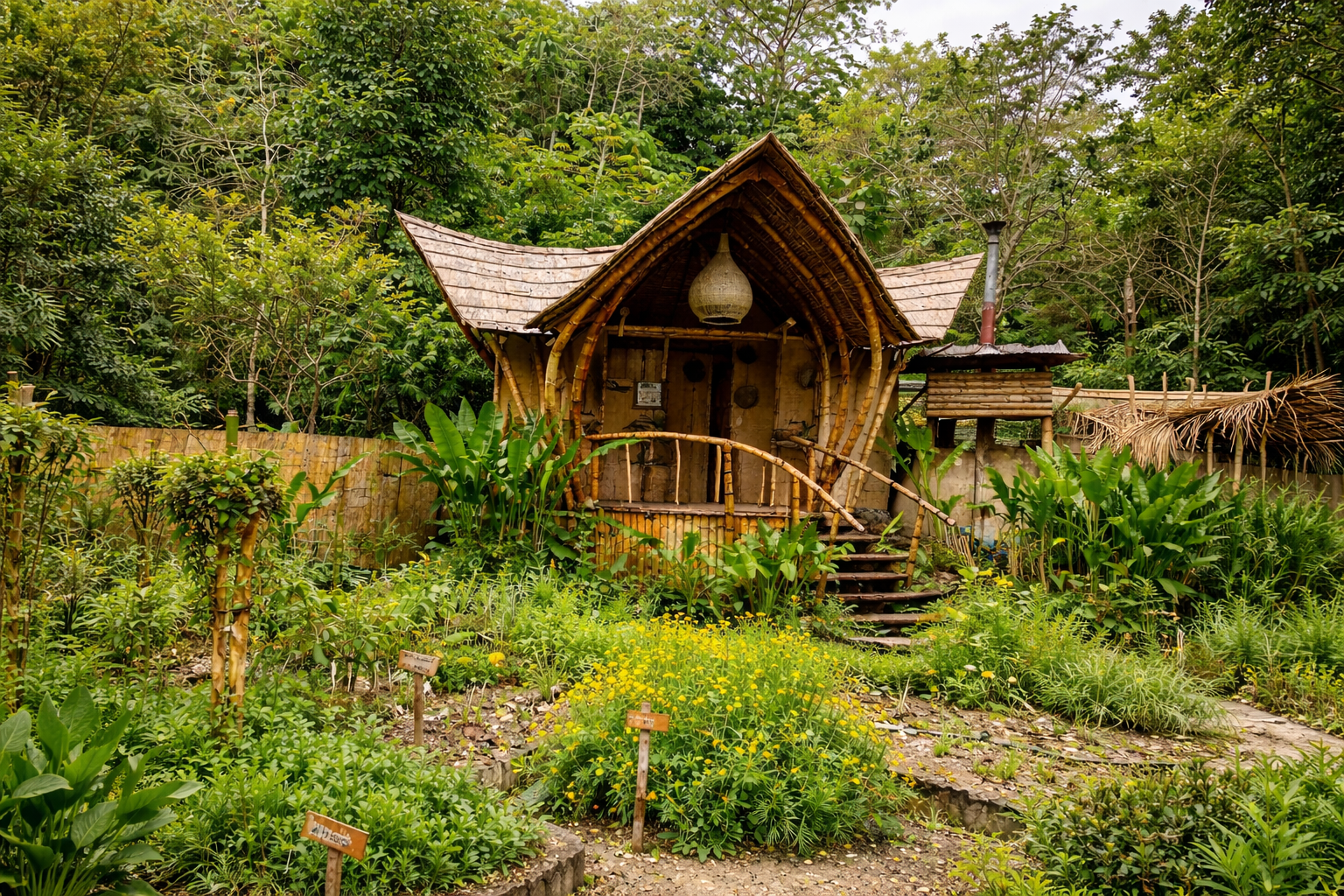
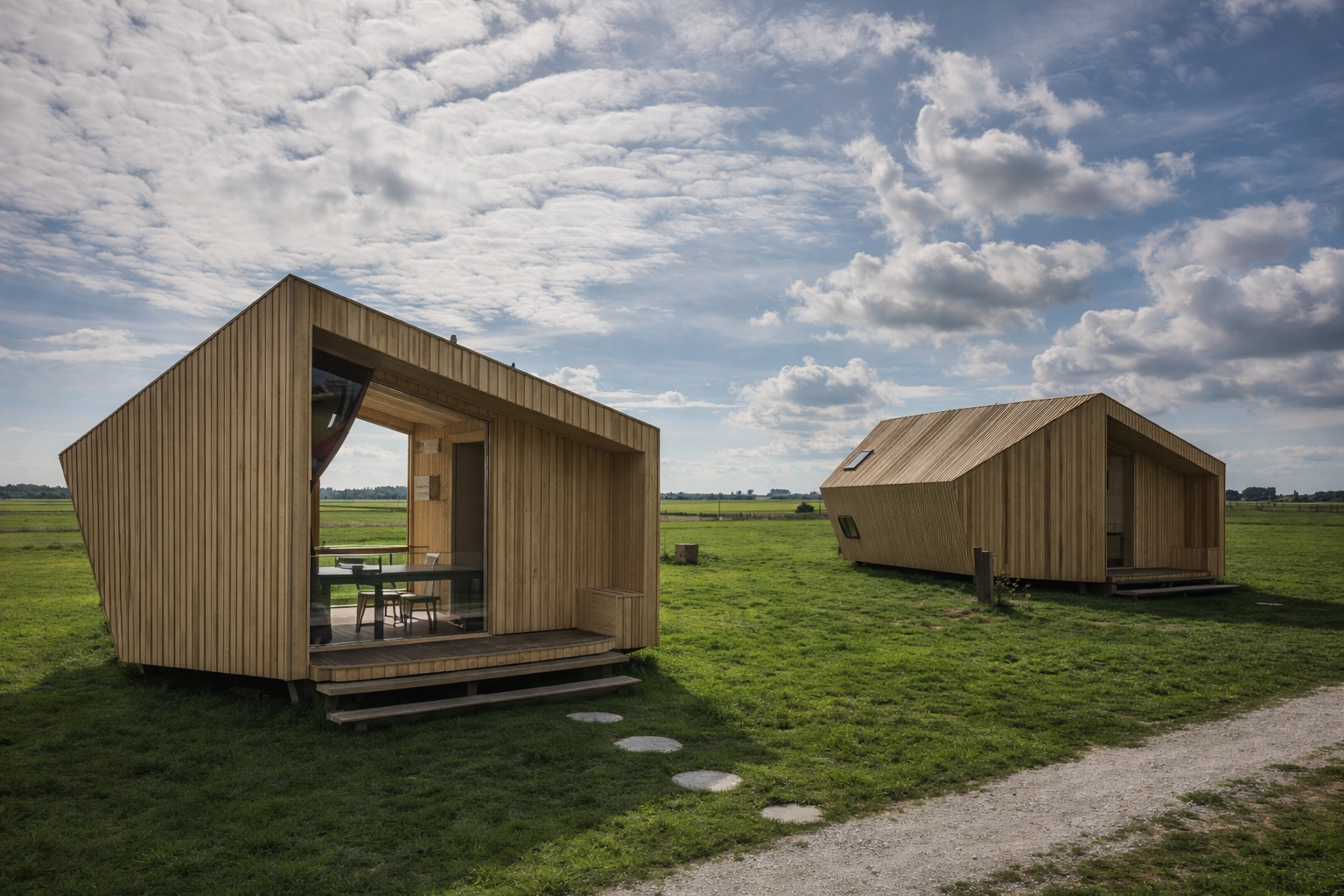
Sustainable Ecolodge at Lauwersmeer National Park and Wadden Sea
Nature-focused stay near wetlands and coast
Check Rates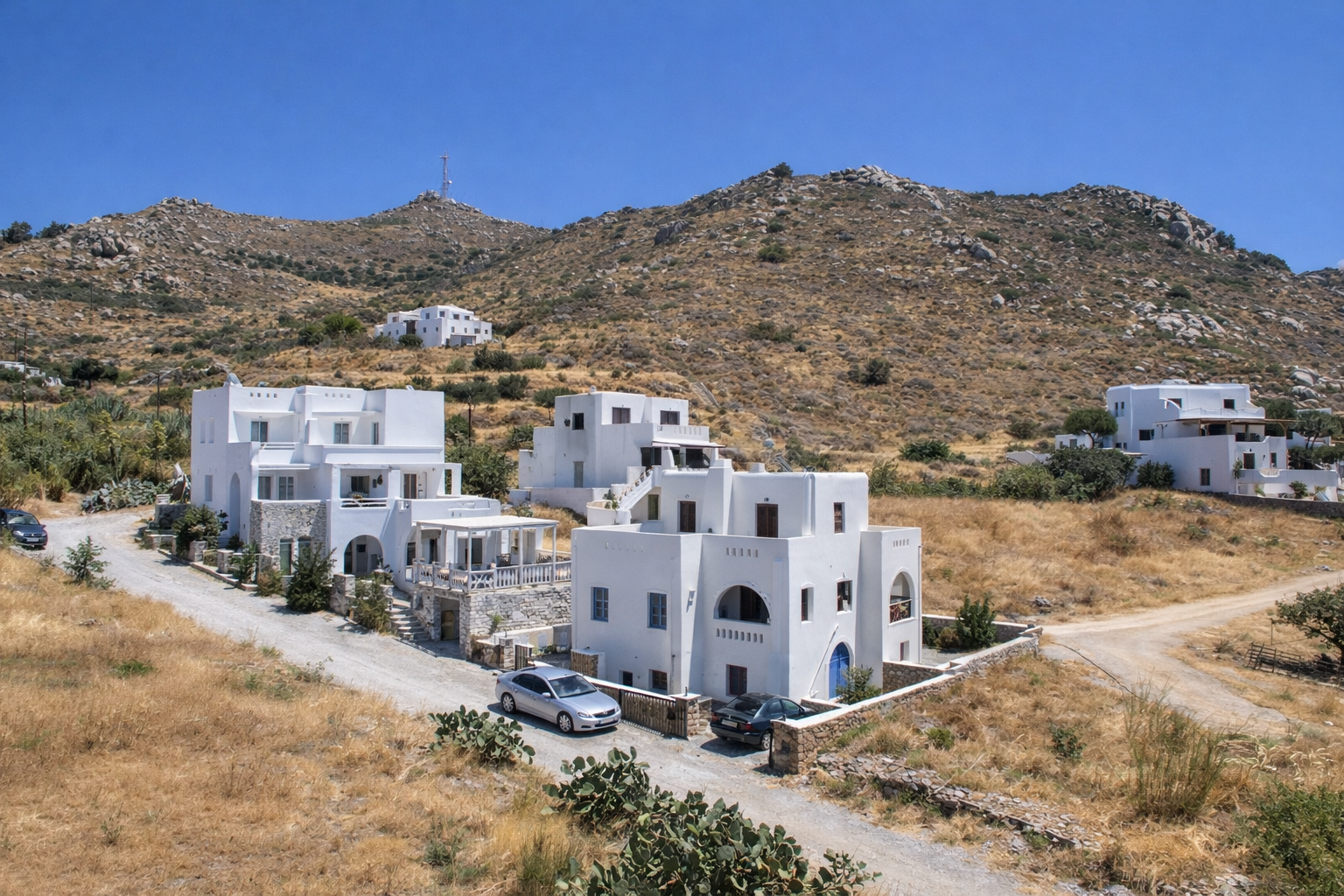

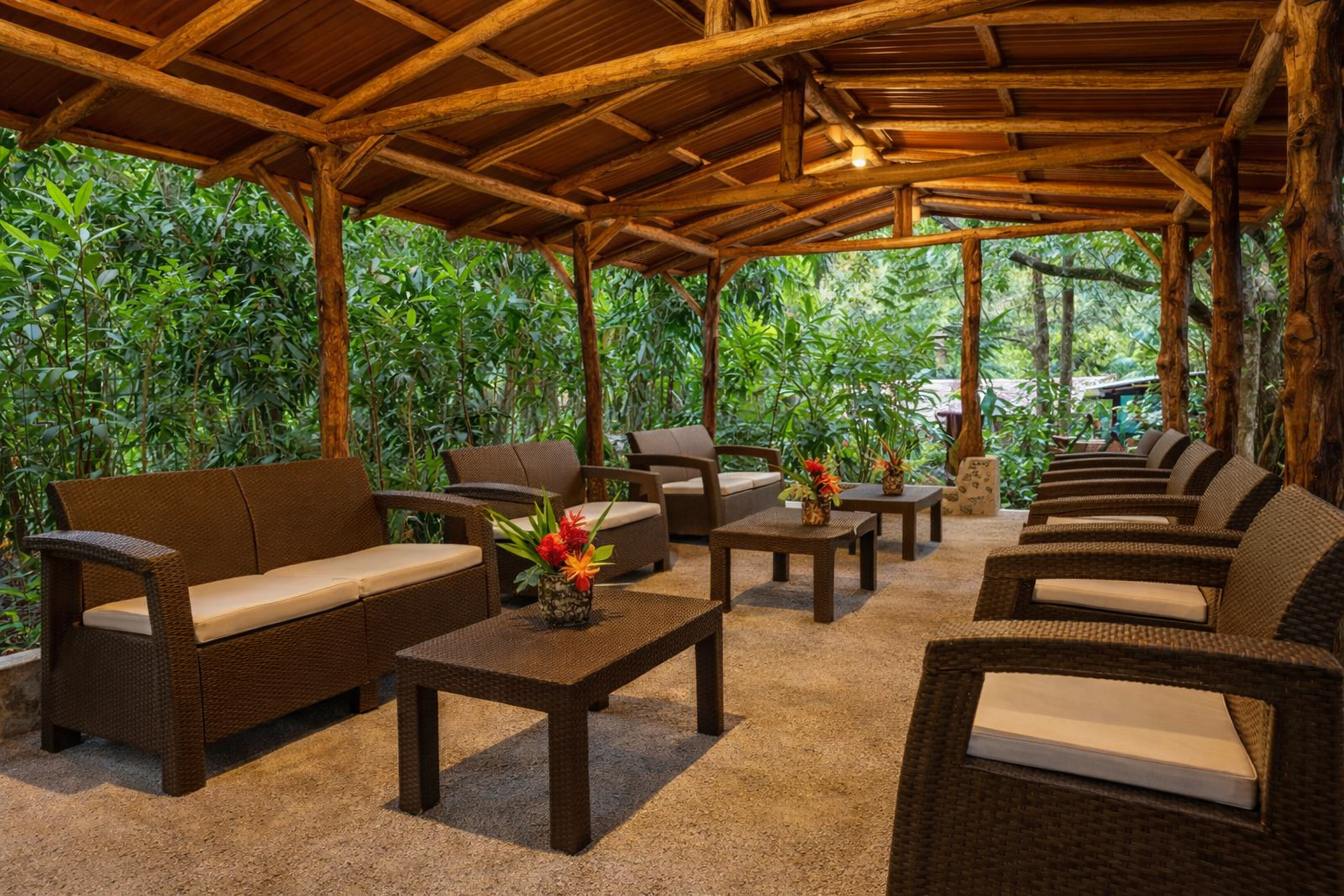
Rancho Margot Sustainable & Self Sufficient Eco Lodge
Self-sufficient rainforest eco lodge
Check Rates