

If you’re searching “Vancouver Canada BC” because you want the real picture—where to stay, how to get around without a car, what’s actually worth doing, and how to keep your trip low-impact—this guide is built for you. Vancouver can be expensive, busy, and touristy… or it can be surprisingly calm, walkable, and nature-soaked if you choose the right base, build a simple transit rhythm, and plan day trips that don’t require constant rideshares.
In other words, this is a Vancouver BC itinerary for people who care about comfort and simplicity: walkable neighborhoods, coastal air, big trees, and “one loop per day” pacing. We’ll cover where to stay in Vancouver Canada for a car-free trip (Downtown, West End, Kitsilano, Mount Pleasant), how to use public transit and waterfront routes to see more with less friction, and how to budget for a week in a city that rewards slower travel. If you’re a remote worker, you’ll also find suggestions for building a long-stay routine that feels more like living than rushing.
Planning a calm Vancouver Island extension (without the car-dependent sprint)
Finally, if your version of British Columbia includes forests and ocean beyond the skyline, we’ll help you add a sane Vancouver Island extension—without turning it into a stressful, car-dependent sprint. For official visitor planning basics (maps, seasonal highlights, and region info), you can cross-check details with Destination Vancouver while you plan your routes and choose the best base.
Key takeaways for Vancouver, Canada (BC)
- Choose a walkable base (Downtown, West End, Kitsilano, Mount Pleasant) and you can do most days without a car.
- Transit + walking is the core combo; add a bike day on the Seawall and you’ve basically “solved” Vancouver.
- Vancouver Island is your slow extension: ferry + local buses can replace car rentals if you plan a simple route.
- Low-impact wins come from fewer hops: stay longer, move slower, and do a few high-quality day trips instead of ten rushed ones.
- Eco choices that actually matter: rail-first routing, refill systems, plant-forward meals, and choosing operators with clear wildlife ethics.
Why Vancouver is one of the best “car-free” cities in North America
Vancouver, Canada (BC) is basically built around a rare combo: dense neighborhoods, oceanfront paths, and nature that’s close enough to reach without turning every day into a logistics puzzle. If you stay in the right area, your default mode becomes walk + transit instead of drive + park + repeat.
The catch is simple: Vancouver is “easy” when your base is central. If you stay far out, the city can suddenly feel like long rides, more transfers, and a lot more time spent in motion. That’s why I always start with the same rule: pick the neighborhood first, then plan the itinerary.
If you’re building a flight-light plan for the region, pair this with the rail-first mindset in our cornerstone guide: Carbon Neutral Travel in 2025: The Complete Guide and the practical habits in Low-Impact Travel Habits.
Quick start: find a stay in Vancouver (walkable, transit-friendly)
If you want the easiest Vancouver Canada BC experience, book a base where you can walk to food, parks, and a major transit line. Disclosure: partner link (nofollow/sponsored).
Tip: filter for “Downtown Vancouver / West End / Kitsilano / Mount Pleasant” and prioritize places near frequent transit routes.
Where to stay in Vancouver, Canada (BC)
The best place to stay depends on what you want your days to feel like. Are you here for calm morning walks and ocean air? Do you want cafés + coworking? Or are you trying to do “city + nature” in one trip without constantly spending on Ubers?
Downtown + Coal Harbour
Best for: first-time visitors, easiest transit access, fast attraction days. You’ll be close to waterfront paths, big parks, and the “just walk out the door” feeling.
Most walkable Best for short staysWest End
Best for: quieter vibe near Stanley Park with easy access to downtown. Great if you want mornings that feel peaceful but still want everything close.
Calm + central Park accessKitsilano
Best for: beach days, relaxed “neighborhood” feel, long stays. It’s a solid choice if you want Vancouver to feel like a lifestyle, not a checklist.
Beach lifestyle Long-stay friendlyMount Pleasant
Best for: cafés, creative energy, great food, and a more local rhythm. Ideal for remote workers who want a base city vibe with less tourist density.
Remote-worker friendly Great foodIf you’re traveling as a digital nomad, the goal is to reduce decision fatigue: pick a base where your “default day” is already good. That’s what makes Vancouver Canada BC feel easy instead of expensive and chaotic.
Getting around Vancouver without a car
Vancouver is at its best when you stop thinking in terms of “driving routes” and start thinking in walkable loops. Your loop might be: café → park path → groceries → sunset viewpoint. Transit becomes the bridge between loops.
1) Walking is the secret weapon
Vancouver rewards slow movement. When you walk, you’ll find the small beaches, the quiet streets, and the “how is this city so close to nature?” moments that people miss when they’re bouncing from attraction to attraction.
2) Transit for the longer jumps
Use transit for the parts that are genuinely too far to walk comfortably. The best Vancouver days are simple: one main area + one main nature moment, not five scattered “must-sees.”
3) The Seawall + bike day (optional, but worth it)
If you do one “tourist-y” thing, make it a coastal ride/walk day. It’s one of the highest joy-to-effort ratios in the city.
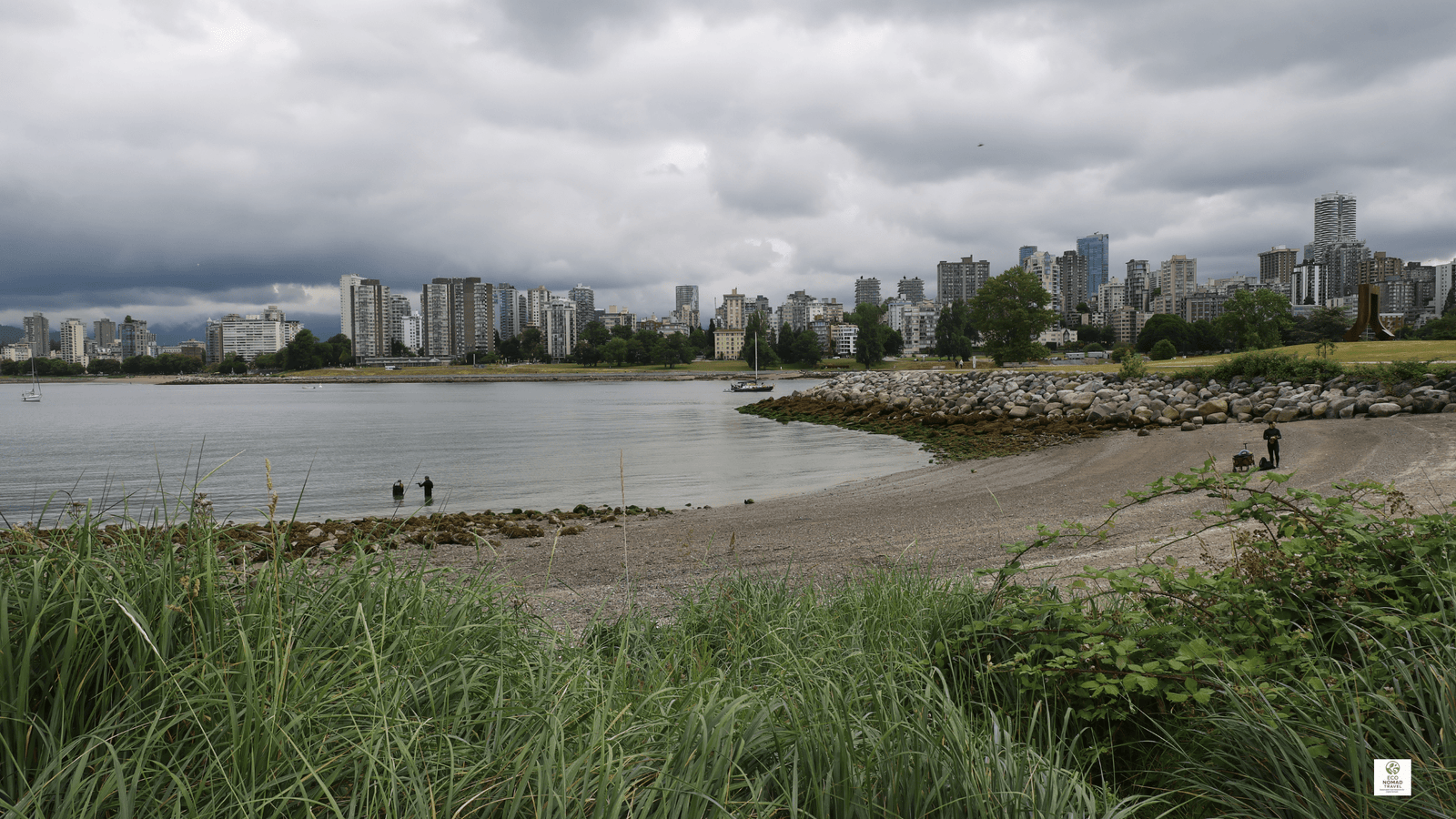
Low-impact itineraries for Vancouver Canada BC
These are designed for real life. Not “do everything,” but “feel the city” while keeping your footprint and stress low. Each itinerary assumes a walkable base and transit for the long jumps.
2-day Vancouver (simple + satisfying)
- Day 1: Waterfront loop + a long park walk + one intentional meal. Sunset by the water.
- Day 2: Neighborhood day (Kits or Mount Pleasant) + beach/green space + an early night.
4-day Vancouver (city + nature balance)
- Day 1: Settle in, grocery run, gentle city loop.
- Day 2: Park + Seawall day (walk or bike).
- Day 3: Museum/culture + café work block + sunset.
- Day 4: One bigger day trip or a deep neighborhood day.
7-day Vancouver (digital nomad rhythm)
- 2–3 deep work mornings (protect your focus like it’s part of the itinerary).
- 2 nature afternoons (park, seawall, beach loop).
- 1 Vancouver Island add-on day if you want forests + ocean beyond the city.
- 1 “free day” with no plans—this is where Vancouver becomes memorable.
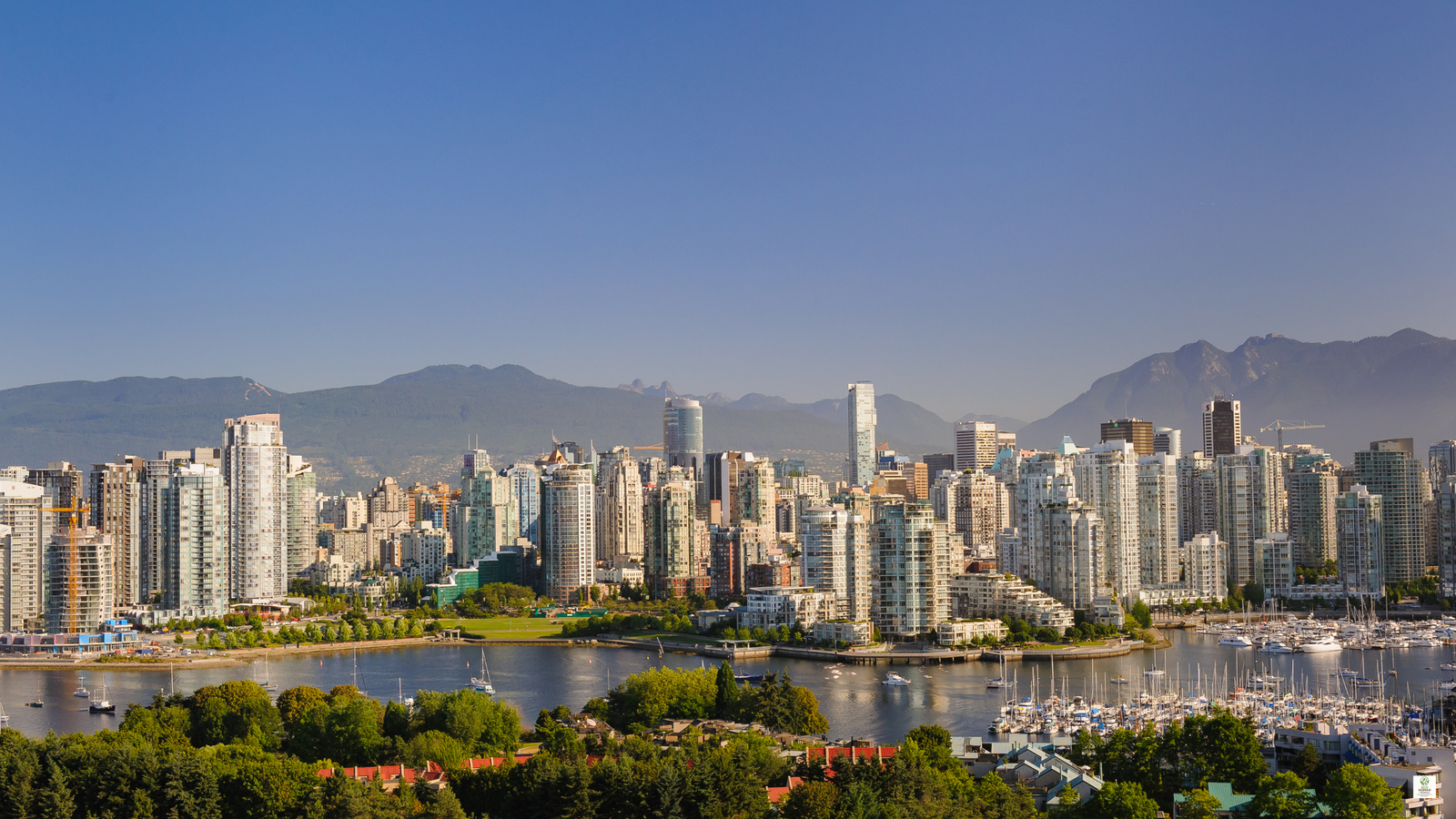
Beaches, parks, and the calm side of Vancouver
Vancouver can feel like a reset button if you build your days around parks and shoreline time. Here’s the approach I use: one scenic loop per day, plus one “human needs” anchor (food, café, groceries, or a quiet workspace).
This matters because Vancouver is a city that quietly encourages spending—rides, tours, expensive meals, constant movement. The low-impact alternative is also the cheaper alternative: walkable loops, simple meals, and a few “high quality” moments.
If you’re traveling with an eco mindset, it’s also the most consistent way to stay aligned: fewer transactions, less transport, fewer impulse choices, more actual enjoyment.
For more ideas you can reuse on every trip, see: Eco-Friendly Travel Tips and Sustainable Digital Nomad Lifestyle.
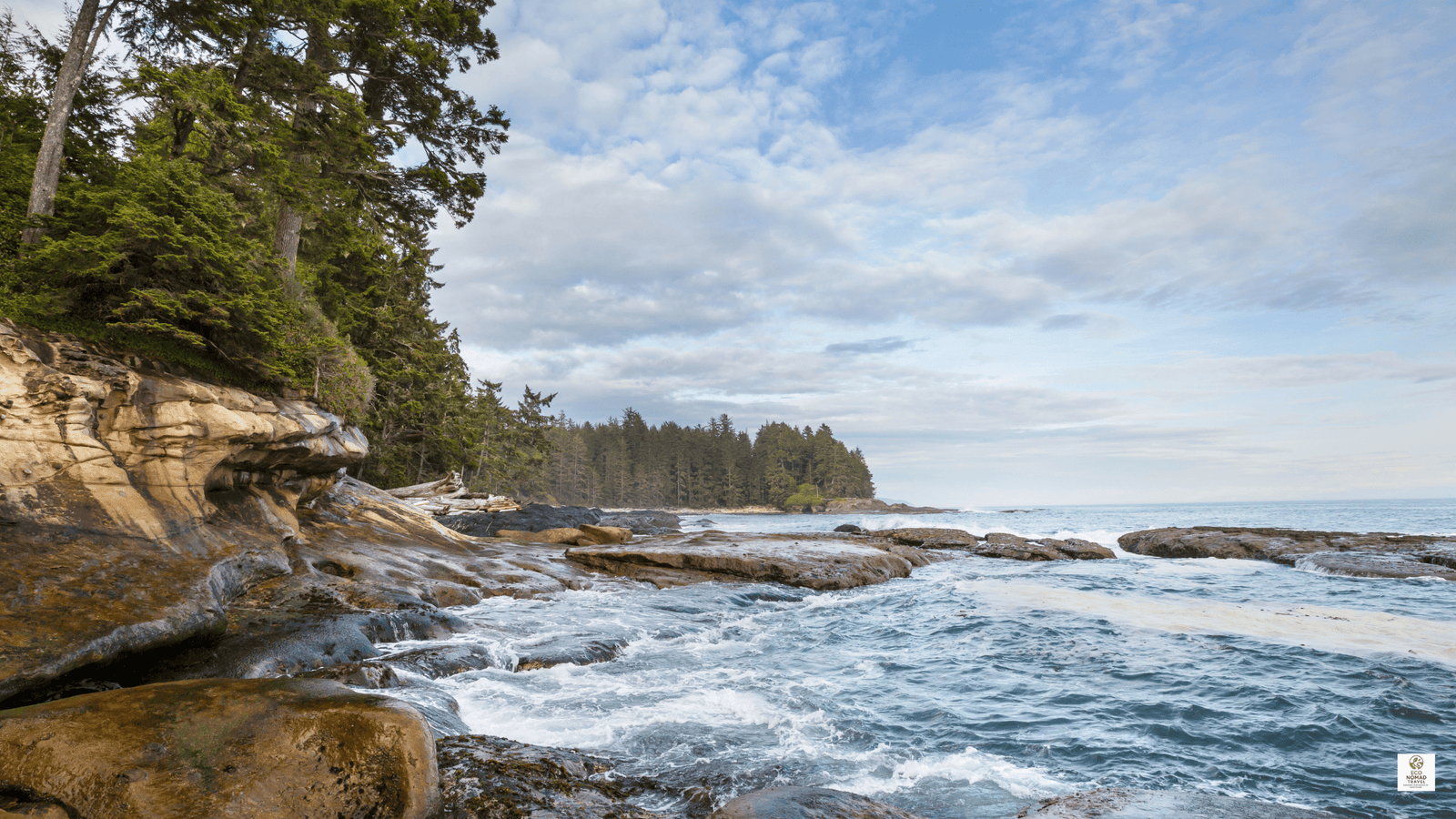
Vancouver Island add-on: forests, ocean air, and a slower week
If Vancouver feels like “city-meets-nature,” Vancouver Island often feels like “nature-with-just-enough city.” It’s the perfect add-on for eco-conscious travelers who want more coastline and trees without turning the trip into a driving marathon.
How to keep the Island low-impact (and low-stress)
- Pick one base (instead of hopping towns every day).
- Plan a simple loop: waterfront + forest walk + one local meal.
- Use ferries + local transit when it’s reasonable, and avoid “car for everything” by choosing a walkable base.
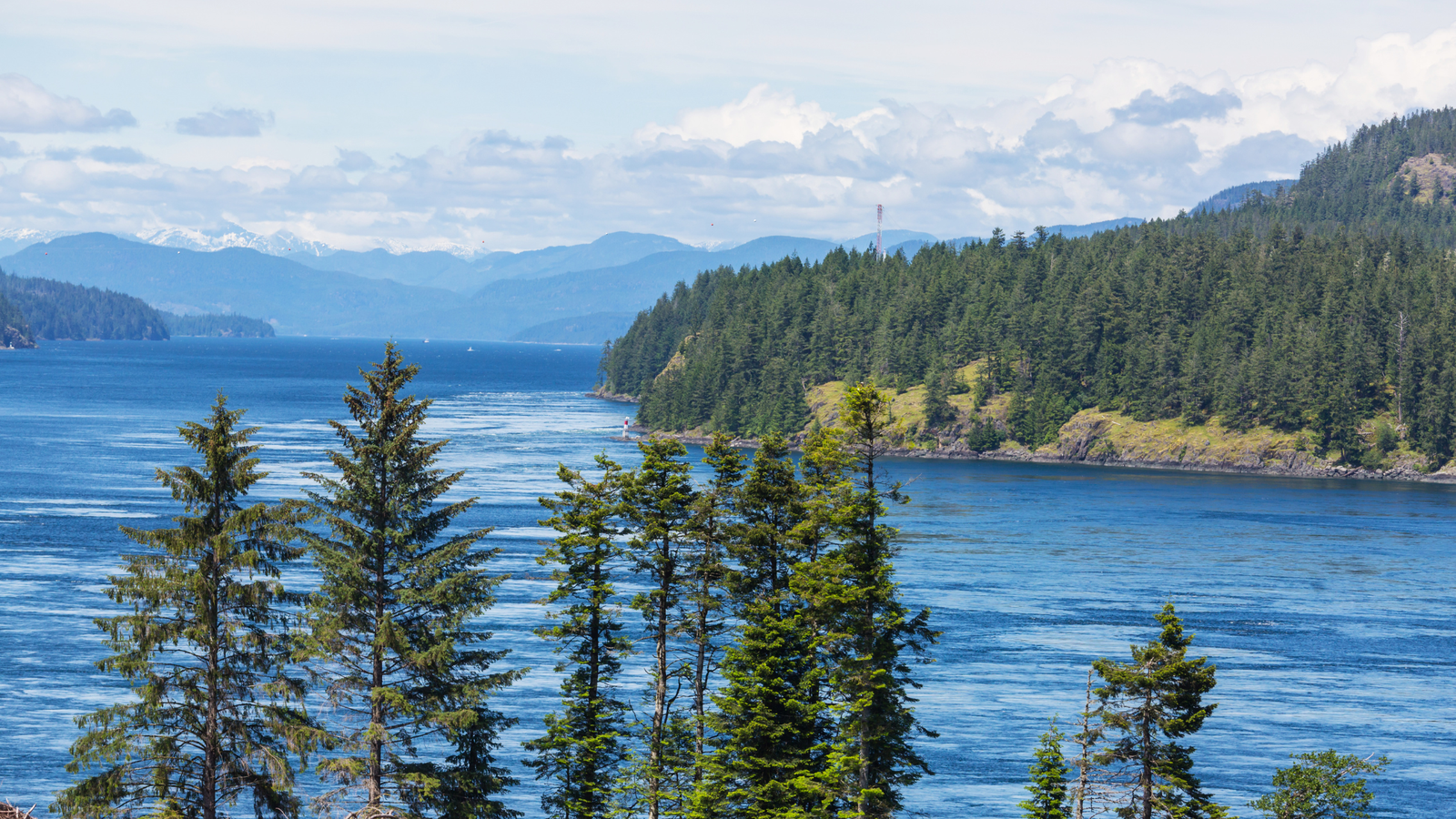
If you’re also building your broader eco itinerary, keep your internal system tight: use Zero-Waste Digital Nomad Packing and Green Travel Guide 2025 as your core references.
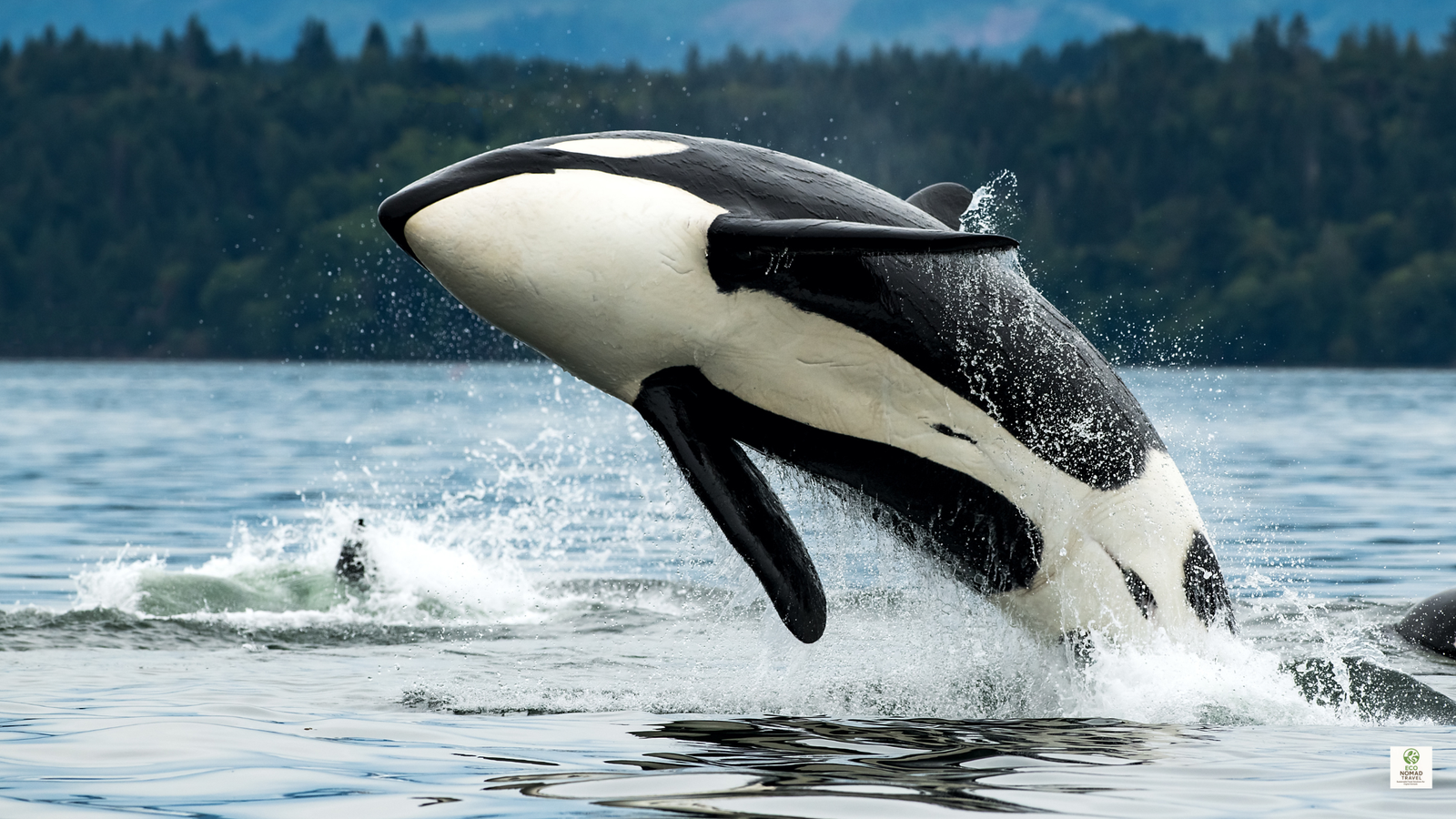
Orca + whale watching ethics: what “eco” actually means
Here’s the honest truth: wildlife tourism can be supportive or harmful depending on how it’s done. If you want an orca day to align with eco-conscious travel, don’t just buy the cheapest tour and hope for the best.
What to look for in a responsible operator
- Clear distance and speed rules (and they explain them before you depart).
- Small group sizes and realistic expectations (no chasing wildlife for “the shot”).
- Education-first framing: ecosystem context, conservation, and respect—not adrenaline marketing.
- Local compliance and transparent policies (no vague “eco” language with no specifics).
How much does Vancouver Canada BC cost (and how to spend smarter)
Vancouver can be pricey, but your budget is heavily shaped by your base choice and how often you pay for convenience. The biggest cost leaks usually look like this: far-out lodging + frequent rideshares + constant “quick” meals.
3 practical ways to keep costs under control
- Stay walkable even if the nightly rate is slightly higher—your daily spend often drops.
- Do fewer “paid” days and more park/beach days (they’re also the best part of Vancouver).
- Grocery rhythm: even 1–2 simple meals/day changes the entire budget picture.
If you want a structured eco planning system, use our hubs: Sustainable Travel Guide 2025 and Eco Travel Places 2025.
Optional: estimate your travel footprint
If you use our site tool, this shortcode embeds the calculator on Eco Nomad Travel.
Low-waste packing list for Vancouver + Vancouver Island
Packing for Vancouver, Canada (BC) is basically packing for “changeable conditions.” The simplest eco strategy is: bring a small system that prevents last-minute purchases.
My minimalist, low-impact essentials
- Refill kit: reusable bottle + small coffee cup (or collapsible cup) + a tiny cutlery set.
- Layering: light rain layer + warm mid-layer (you’ll use them constantly).
- Footwear: one comfortable walking shoe you trust (Vancouver is a walking city if you let it be).
- Small day bag: enough for snacks, a layer, and reusables.
- Zero-waste basics: a small soap bar or refillable toiletries to reduce single-use plastics.
For the deeper version of this system, use: Zero-Waste Packing List 2025 and Eco-Friendly Travel Kit 2025.
What most Vancouver guides miss (but matters for real trips)
First: Vancouver is a “pace” city. If you try to do it like a rapid-fire checklist, you’ll spend a lot, move a lot, and weirdly feel like you didn’t really experience anything. But if you give yourself permission to have slower mornings and longer walks, the city becomes the experience.
Second: your neighborhood choice is the itinerary. People treat lodging like an afterthought, then try to “fix it” with transport. In Vancouver Canada BC, that’s backwards. Pick a base with groceries, parks, and a simple route to the waterfront, and your trip gets easier instantly.
Third: the most eco-friendly Vancouver day is also the most enjoyable. It’s not the day where you optimize every decision. It’s the day where you walk more than you planned, sit near the water longer than you expected, and end up feeling calmer instead of depleted.
Fourth: if you’re adding Vancouver Island, keep it simple. One base, one or two meaningful walks, one wildlife experience (only if it’s ethical), and then leave space. Slow travel is what makes the Island feel like a true extension—not a rushed detour.
Car-Free Vancouver Canada BC: Transit, Neighborhoods, and Low-Impact Day Trips
If your goal is to experience Vancouver Canada BC in a way that feels calm, local, and genuinely low-impact, the biggest “hack” is simple: plan your days around walkability and transit instead of car logistics. Vancouver is one of those rare North American cities where you can build a full itinerary from neighborhoods, seawalls, forests, beaches, and markets—without needing a rental. That matters for sustainability, but it also matters for quality of life: fewer transfers, fewer parking headaches, and far more time actually enjoying the city.
How to get around without a car (and why it works here)
Vancouver’s transit network is built for everyday commuters, which is exactly what you want as a visitor or digital nomad: predictable service, clear station wayfinding, and easy coverage between the core areas people actually spend time in. The SkyTrain and buses handle most movement, while the SeaBus makes North Vancouver feel like a natural extension of downtown rather than a separate trip. Before you arrive, scan route maps and service updates directly from TransLink so you can build a simple “base + spokes” plan: one walkable home neighborhood, plus 1–2 short transit hops per day.
A practical rule: if an attraction requires two transfers and more than 45 minutes each way, treat it as an “only if it’s a priority” day. Vancouver is rich enough that you can skip the friction and still have a week of top-tier experiences. Your time is the real budget, and friction is the real cost.
Choose the right home base neighborhood (this is where trips succeed or fail)
Most Vancouver trips go sideways when people stay too far from their daily routines—coffee, groceries, walking loops, and a reliable transit corridor. If you want a long-stay rhythm, choose a neighborhood where you can live like a local: morning walk, quick lunch spot, easy transit access, and a “reset” place (waterfront, park, or quiet street) within 10 minutes on foot.
- Downtown / West End: best for seawall walks, Stanley Park access, quick errands, and a “no-car needed” lifestyle from day one.
- Kitsilano: beach culture and slower days, great if you want sunset walks and an easy loop between cafes and the shoreline.
- Mount Pleasant / Main Street: a strong “live here” feel—food, shops, and creative energy—without the constant downtown pace.
If you’re working remotely, this neighborhood decision affects everything: your stress level, how often you’ll default to rideshares, and whether your trip feels grounded or constantly in transit.
Build your days around water + trees (the Vancouver formula)
Vancouver is at its best when you treat it like a city stitched into nature rather than a checklist of attractions. The easiest low-impact itinerary pattern is “trees in the morning, water at golden hour.” Stanley Park gives you forest energy without leaving the city, and the seawall gives you a long, reliable walking loop that doesn’t require planning. If you’re aiming for calm, do one big walk early (before crowds) and keep afternoons intentionally simple: a neighborhood meal, a market run, a light museum, then beach or waterfront.
This approach also protects your budget. Vancouver can get expensive fast if every activity is ticketed or tour-based, but the city’s best “features” are free: forest trails, viewpoints, beaches, and long walks that actually feel restorative. The more you anchor your trip in these, the less you’ll spend trying to manufacture experiences.
Vancouver Island add-on without the chaos
Vancouver Island is one of the most tempting add-ons—and it can still be done in a low-impact, car-light way if you plan it like a mini “slow travel” chapter instead of a rushed day trip. The key is to choose one island base (rather than bouncing around) and commit to staying long enough that you’re not burning a full day on logistics. If you’re short on time, consider a single overnight instead of a same-day turnaround. You’ll get better light, less stress, and a more memorable experience.
A helpful planning lens for Vancouver Island (British Columbia): decide whether your main goal is coastal scenery, old-growth forest, or wildlife. Pick one primary goal and let everything else be secondary. When travelers try to “do everything,” they usually end up doing more driving and less experiencing—which is the opposite of a low-impact Vancouver Canada BC trip.
Low-impact habits that actually make a difference on this trip
Sustainability isn’t just what you book—it’s how you move through the day. In Vancouver, BC, the simplest habits have outsized impact: walk first, transit second, rideshare last. Pack one reusable bottle and a small tote so groceries, markets, and takeout don’t turn into a pile of single-use waste. If you’re doing beaches and seawall loops, bring a light layer and a rain shell so you’re prepared for coastal weather without buying “just in case” items.
If you’re working remotely or navigating on-the-go, set up service before you land. A travel eSIM is one of the easiest, least-friction upgrades for a smooth Vancouver itinerary—maps, transit times, and bookings without chasing Wi-Fi. Get a Yesim eSIM for Canada → (affiliate link)
And if your plan includes day trips where a car genuinely makes sense (for example, specific trailheads or a more rural Vancouver Island route), do it intentionally: rent only for the days you need, keep your route simple, and choose one base instead of bouncing between towns. You can compare options quickly here: Search car rentals in British Columbia → (affiliate link)
Use the “One Major Stop a Day” Rule (and Book Stays That Match a Low-Impact Pace)
Finally, build in a “slow constraint”: limit yourself to one major destination per day. Vancouver rewards this more than most places. When you stop over-optimizing and let the parks, seawalls, and neighborhoods do the heavy lifting, the trip becomes easier, cheaper, and noticeably more aligned with eco-conscious travel. If you’re adding paid activities, tours, or accommodation nights, it’s also worth browsing policies and coverage options that match your pace: Compare stays & bookings on Trip.com → (affiliate link)
Editor’s Note
This guide is written to be used in the real world: walkable bases, transit-friendly routes, and low-impact defaults you can actually maintain. The goal is not perfection—it’s consistency. A calmer itinerary usually produces a lower footprint without you having to obsess over every decision.
This article was fact-checked using sustainability data from the World Green Building Council, the Global Ecotourism Network, and peer-reviewed architecture studies. All partner links are vetted for compliance with sustainable business certifications.
Further Reading & Sustainable Work Resources
Before you finalize your Vancouver plan
If you want to keep your whole itinerary consistent (not just this one city), revisit: Carbon Neutral Travel in 2025: The Complete Guide. It helps you make the few big decisions that matter most, then relax and enjoy the trip.
FAQs: Vancouver Canada BC travel (2025)
Where to stay in Vancouver Canada BC (car-free bases)
What’s the best neighborhood to stay in for a car-free Vancouver Canada BC trip?
For a truly car-free Vancouver itinerary, the easiest bases are Downtown Vancouver and the West End (waterfront + Stanley Park access), plus Kitsilano (beach rhythm) and Mount Pleasant / Main Street (local cafés + walkable streets). Choose a base where you can walk to groceries, parks, and frequent transit so you don’t default to rideshares.
Is Vancouver, Canada (BC) walkable for first-time visitors?
Yes—Vancouver Canada BC is very walkable if you stay central. The city gets much easier when your base is near the waterfront, a major green space, and frequent transit lines. A walkable base turns Vancouver into an “easy city” instead of a logistics trip.
How do I choose a good base hotel or apartment in Vancouver Canada BC?
Prioritize walkability over “nice-to-have” amenities. Look for groceries, a reliable café, a park loop, and frequent transit within a short walk. In Vancouver BC, paying slightly more for a central, walkable base can reduce daily transport costs and make the trip feel calmer.
How many days do I need in Vancouver to feel like I really experienced it?
2 days works for a quick city snapshot, 4 days gives you a strong city + nature balance, and 7 days is ideal for slow travel, remote work, and adding a relaxed Vancouver Island extension. Longer stays usually lower stress and improve the overall travel experience.
Getting around Vancouver BC without a car (walk + transit)
Do I need to rent a car in Vancouver Canada BC?
Most travelers don’t need a car in Vancouver Canada BC—especially if you stay central. A rental often adds friction (traffic, parking fees, break-ins, and time loss). Walking, transit, and the occasional short ride are usually simpler and more low-impact.
What’s the most eco-friendly way to get around Vancouver BC?
Use a simple default: walk first, public transit second, and keep rideshares as a last resort. Add one optional bike day if you want a long scenic loop. This “car-light” approach keeps a Vancouver BC itinerary low-stress and lower-footprint.
What’s the best low-impact way to plan a Vancouver itinerary?
Pick one walkable base and follow a “one loop per day” plan: one main scenic loop (park, seawall, beach, or neighborhood), then a simple meal and reset time. Fewer transfers usually means less stress, less spending, and a more sustainable Vancouver Canada BC travel experience.
Should I plan day trips or stay mostly in the city?
Both can work, but one or two quality day trips is usually better than many rushed ones. Too many day trips increases cost and transport time without adding much joy. Vancouver rewards slower pacing—especially if you want a low-impact, walkable trip.
What’s the best “first day” plan for Vancouver Canada BC?
Do a gentle waterfront or seawall loop, grab groceries, find one favorite café, and spend time in a major green space like Stanley Park. A calm first day creates a stable rhythm that makes the rest of your Vancouver Canada BC itinerary easier and more enjoyable.
Vancouver Island + coastal nature (forests, ocean, wildlife)
Is Vancouver Island worth adding to a Vancouver Canada BC trip?
Yes—Vancouver Island is worth it if you want more forests, ocean air, and a slower pace than the city core. The best approach is choosing one base and staying long enough to avoid turning it into a rushed travel day.
Can I visit Vancouver Island without renting a car?
Often, yes. To stay car-light, pick a walkable island base and plan around ferries and local transit instead of a multi-stop road trip. Keeping the route simple is what makes Vancouver Island travel doable without a car.
Is whale watching ethical near Vancouver Island?
It depends on the operator. Choose companies that follow clear distance and speed rules, prioritize education, and set realistic expectations. Ethical wildlife experiences in British Columbia should be respectful, regulation-aware, and focused on minimizing disturbance.
What are the best low-impact things to do in Vancouver BC?
Long park walks, shoreline time, neighborhood café days, markets, and one scenic loop per day are some of the most memorable low-impact options. In Vancouver BC, the best experiences are often simple: trees, water, walkability, and time to slow down.
Best time to visit + packing + budget (Vancouver Canada BC travel tips)
When is the best time to visit Vancouver, Canada (BC)?
Shoulder seasons are usually the easiest for calmer travel, comfortable outdoor time, and better value. Summer has long days and great beach weather, but it’s often busier and more expensive. Your best time depends on whether you want peak sunshine or a quieter Vancouver Canada BC experience.
What should I pack for Vancouver weather?
Pack in layers: a light rain shell, a warm mid-layer, and reliable walking shoes. Vancouver weather can change quickly, and the right layers make car-free exploring easier—especially for parks, beaches, and waterfront loops in British Columbia.
How expensive is Vancouver for a week?
Cost varies most by lodging. Staying central can lower transport costs because you’ll walk and use transit more. A grocery rhythm plus a few intentional paid experiences usually balances a Vancouver Canada BC week without feeling like you’re constantly spending.
Is Vancouver a good city for digital nomads?
Yes—if your budget supports it and you choose a neighborhood that fits your daily routine. Vancouver Canada BC is especially strong for remote workers who want nature access without driving, and who value walkable “base city” living.
How do I keep my Vancouver trip eco-friendly without overthinking it?
Keep your defaults simple: stay longer, move slower, walk more, and reduce unnecessary transfers. A walkable base plus transit is the easiest way to make Vancouver Canada BC travel feel both sustainable and genuinely enjoyable.
What’s the best way to avoid tourist traps in Vancouver Canada BC?
Anchor your trip around neighborhoods, parks, and shoreline loops instead of chasing every “top 10” attraction. Vancouver’s best moments are often unplanned—quiet beaches, forest trails, and simple café days that make the city feel livable.
What’s the easiest way to make Vancouver feel less overwhelming?
Use a “one loop per day” rule: one main scenic loop, one good meal, and a reset window. Vancouver rewards slower travel, and you’ll usually enjoy Vancouver BC more when you do fewer things—deeper.
Join the Sustainable Work Movement
Want more rail-first itineraries, walkable base cities, and low-impact travel systems you can actually maintain? Follow our Pinterest for practical eco nomad ideas and trip planning visuals.
Follow Eco Nomad Travel on Pinterest →
Affiliate disclosure: Some posts and buttons across Eco Nomad Travel may contain partner links (nofollow/sponsored).
Final disclaimer
This article is for informational purposes only. Travel conditions, policies, and local rules can change. Always verify details with official sources and operators. Some links may be affiliate links, meaning Eco Nomad Travel may earn a commission at no extra cost to you.


Latest Sustainable Travel Guides
Explore Eco Nomad Travel
📚 Core Guides
🧭 Planning & Logistics
🗺️ Destinations & Seasons
Jeremy Jarvis — founder of Eco Nomad Travel, sustainable travel writer, and advocate for regenerative tourism. His work focuses on low-impact mobility, eco-friendly digital nomad life, and climate-positive travel.
Legal
Affiliate DisclaimerPrivacy Policy
Terms of Service
Image & Media Notice
Cookie Policy
Contact
Affiliate Disclosure: Some links on Eco Nomad Travel are affiliate links, meaning we may earn a small commission at no extra cost to you. This supports our mission to inspire responsible and low-impact travel worldwide.
Connect
✅ Trusted Official Sources
Plan smarter eco trips
Try our free Sustainable Travel Tools for Digital Nomads – carbon calculator, train vs plane comparator, and more.
Open Tools Hub