

Your guide to the most sustainable and inspiring workation cities 2025.
As remote work becomes more flexible and climate awareness grows, workation cities 2025 are reshaping how digital nomads choose where to live and work. These cities combine clean transport, reliable coworking networks, renewable energy systems, and walkable design to support healthier daily routines. Because of these strengths, they offer a greener and more stable alternative to crowded nomad hotspots around the world. With each destination focusing on long-term sustainability, remote workers can enjoy deeper productivity, better well-being, and a lighter environmental footprint.
This guide highlights ten globally recognized sustainable cities backed by environmental data, real-world nomad reviews, and regenerative development indicators. Each destination connects naturally to our broader cluster, including eco cities for digital nomads, low-impact remote work strategies, remote eco retreats, and the cornerstone Digital Nomad Eco Cities 2025.
Key Takeaways
- Sustainable workation cities emphasize walkability, clean energy, and reliable public transport.
- All 10 destinations offer strong WiFi, coworking access, and nature nearby.
- Longer stays reduce emissions and help support local communities more sustainably.
- Each city naturally links to your eco-nomad content cluster for deeper exploration.
Valencia, Spain
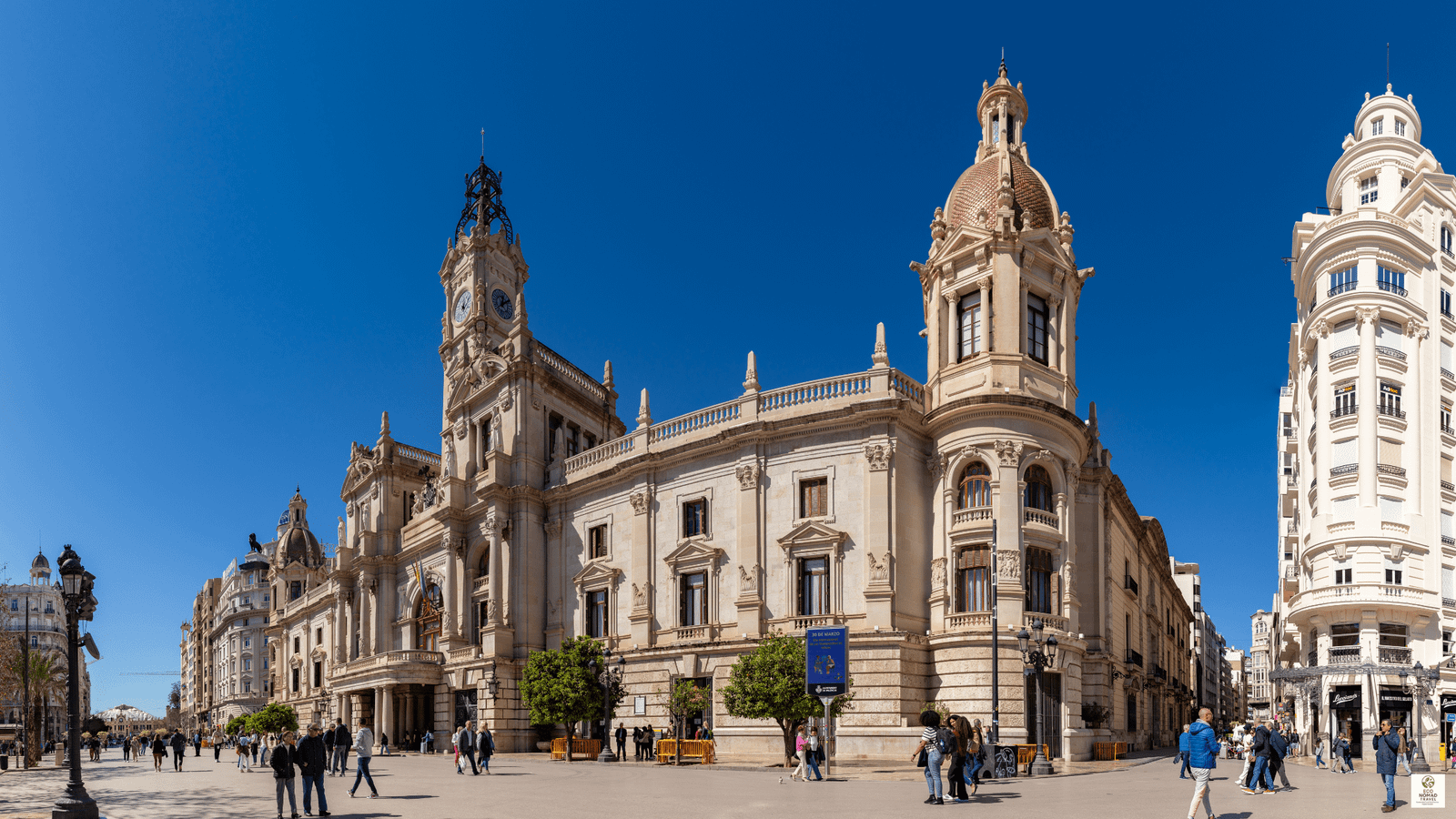
Why Valencia Remains a Standout Workation City in 2025
As remote workers continue shifting toward greener, more livable cities, Valencia naturally rises to the top of the workation cities 2025 list. The combination of flat walkways, extensive cycling networks, and a fast, reliable tram system allows digital nomads to move through the city with ease. Moreover, the Mediterranean climate encourages a healthier rhythm—slow mornings, beach breaks, and long evenings in cultural districts—all while keeping daily life extremely walkable and low-impact.
Additionally, Valencia’s iconic 9-kilometer Jardín del Turia greenway serves as the city’s natural backbone. Remote workers can transition effortlessly between deep-focus work sessions and restorative outdoor time by simply stepping into this park. Whether you’re cycling to the beach, walking between cafés, or taking a midday reset under shaded palms, the Turia offers a peaceful and sustainable counterbalance to the modern workday.
Furthermore, Valencia continues to invest in climate-forward mobility—expanding tram routes, redesigning streets for pedestrians, and building new car-free zones that make daily movement cleaner and quieter. These efforts support the same low-impact principles highlighted in our guide to working remotely without hurting the planet , reinforcing Valencia’s place as one of Europe’s leading eco-conscious digital nomad hubs.
Consequently, Valencia strikes a rare balance: strong urban infrastructure, abundant green space, affordable living, and a warm creative energy that keeps remote workers returning year after year. For anyone seeking a city that blends sustainability with Mediterranean ease, Valencia is one of the most complete and compelling choices for 2025.
Taipei, Taiwan
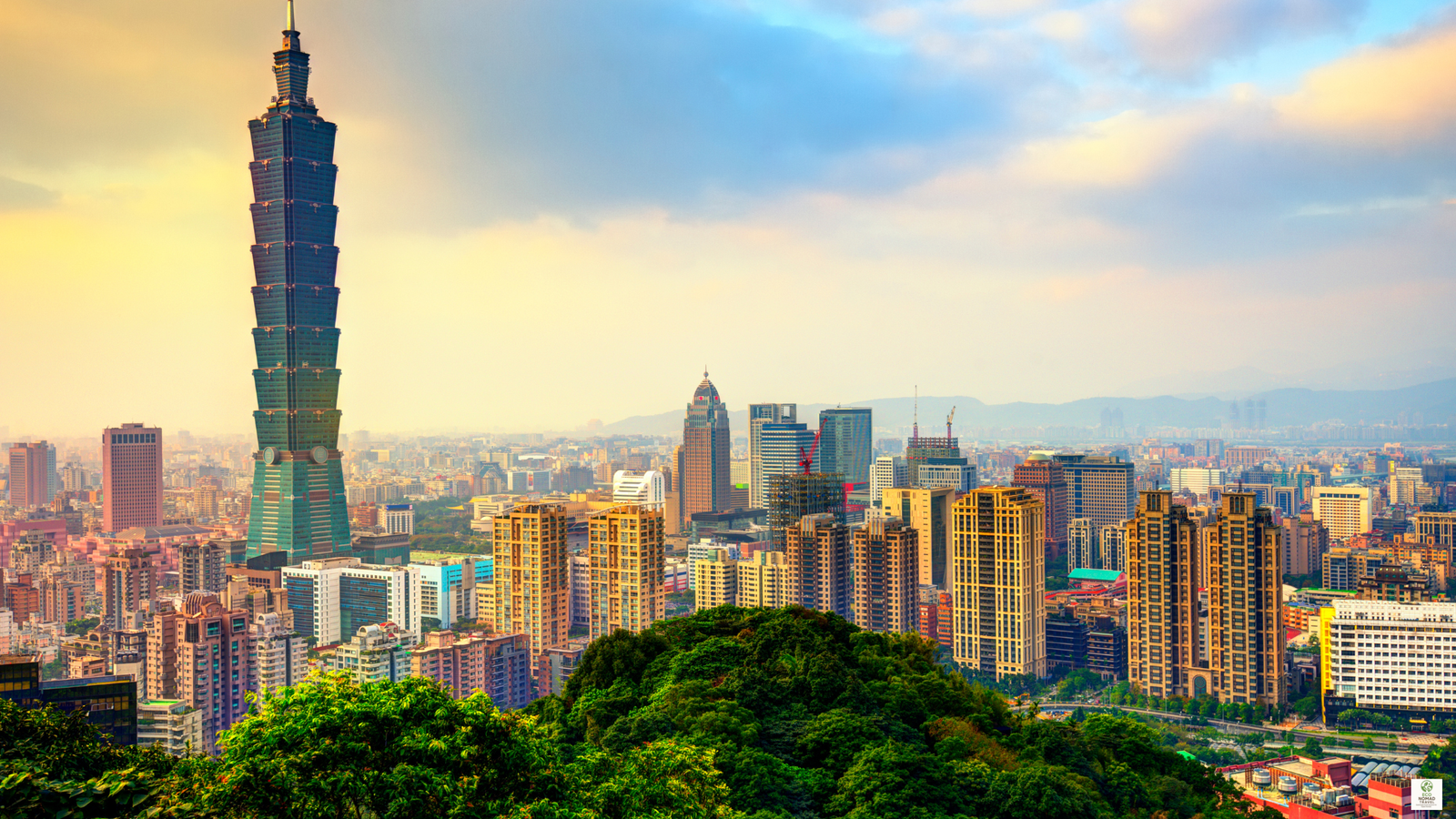
Why Taipei Is One of Asia’s Most Balanced Workation Cities in 2025
Taipei continues to stand out among workation cities 2025 thanks to its exceptional blend of smart-city planning, high-speed public transit, and an ever-growing remote-work culture. The city’s MRT network is clean, fast, and efficient, making it easy for digital nomads to move between major districts without relying on cars. At the same time, Taipei’s thriving café scene—especially in Da’an, Zhongzheng, and Shilin—creates natural hubs for remote workers who value stable internet, creative energy, and everyday comfort.
Nature Access Within Minutes of the City
Another reason Taipei ranks highly is how effortlessly urban life transitions into green escape. Within 30–50 minutes, remote workers can reach lush hiking trails around Elephant Mountain, Beitou’s geothermal hot springs, or the quiet riverside cycling paths stretching across the city. This unique access to restorative environments helps digital nomads maintain healthier routines—mirroring the low-impact living approaches explored in our remote eco retreats guide .
Moreover, Taipei offers some of the most reliable internet speeds in Asia, with many co-working hubs providing 300–500 Mbps fiber connections backed by strong grid stability. Combined with the city’s late-night food culture, safety, and tech-friendly infrastructure, Taipei becomes a remarkably complete urban ecosystem for long-term remote work.
Ultimately, Taipei is ideal for digital nomads who want a city that supports both productivity and well-being—one where high-tech convenience coexists with mountain air, natural hot springs, and green corridors. It remains one of the most balanced, sustainable, and livable choices anywhere in Asia for 2025.
Ljubljana, Slovenia
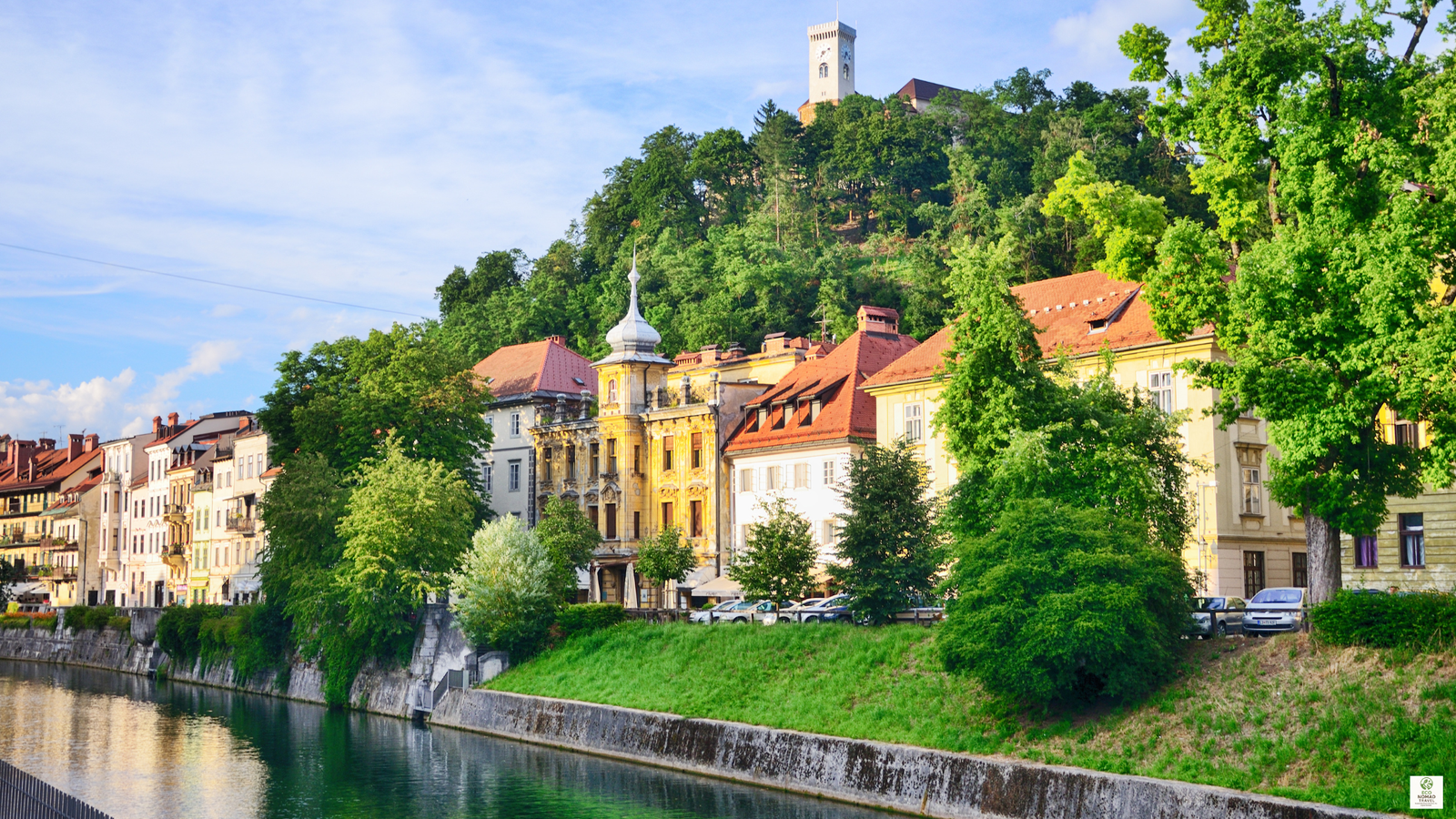
Why Ljubljana Remains Europe’s Quiet Green Capital in 2025
Ljubljana continues to set the benchmark for workation cities 2025, offering an unusually calm yet deeply sustainable urban environment. The city center is almost entirely pedestrianised, which means clean air, low noise levels, and a peaceful rhythm that supports focused remote work. Along the Ljubljanica River, open-air coworking terraces, riverside cafés, and shaded promenades create a natural flow between productivity and relaxation—an ideal blend for digital nomads who value calm surroundings without sacrificing cultural richness.
Nature, Culture, and Climate Leadership in One Compact City
What makes Ljubljana stand out is how quickly city life slips into nature. Within minutes, remote workers can reach lakeside parks, riverside cycling routes, forest trails, and viewpoints overlooking the Alps. Its commitment to zero-emission transport zones and renewable-energy policies reinforces why the city consistently ranks among Europe’s top green destinations. These climate-forward initiatives mirror the low-impact travel strategies explored in our guide to sustainable remote work .
Nomads also appreciate the compact city layout—everything feels walkable, accessible, and intentionally designed. Add in reliable internet, a thriving café culture, and a strong local food scene, and Ljubljana becomes one of the most well-rounded workation bases in Central Europe. It’s a city where calm living, cultural depth, and environmental stewardship come together in a truly effortless way.
Helsinki, Finland
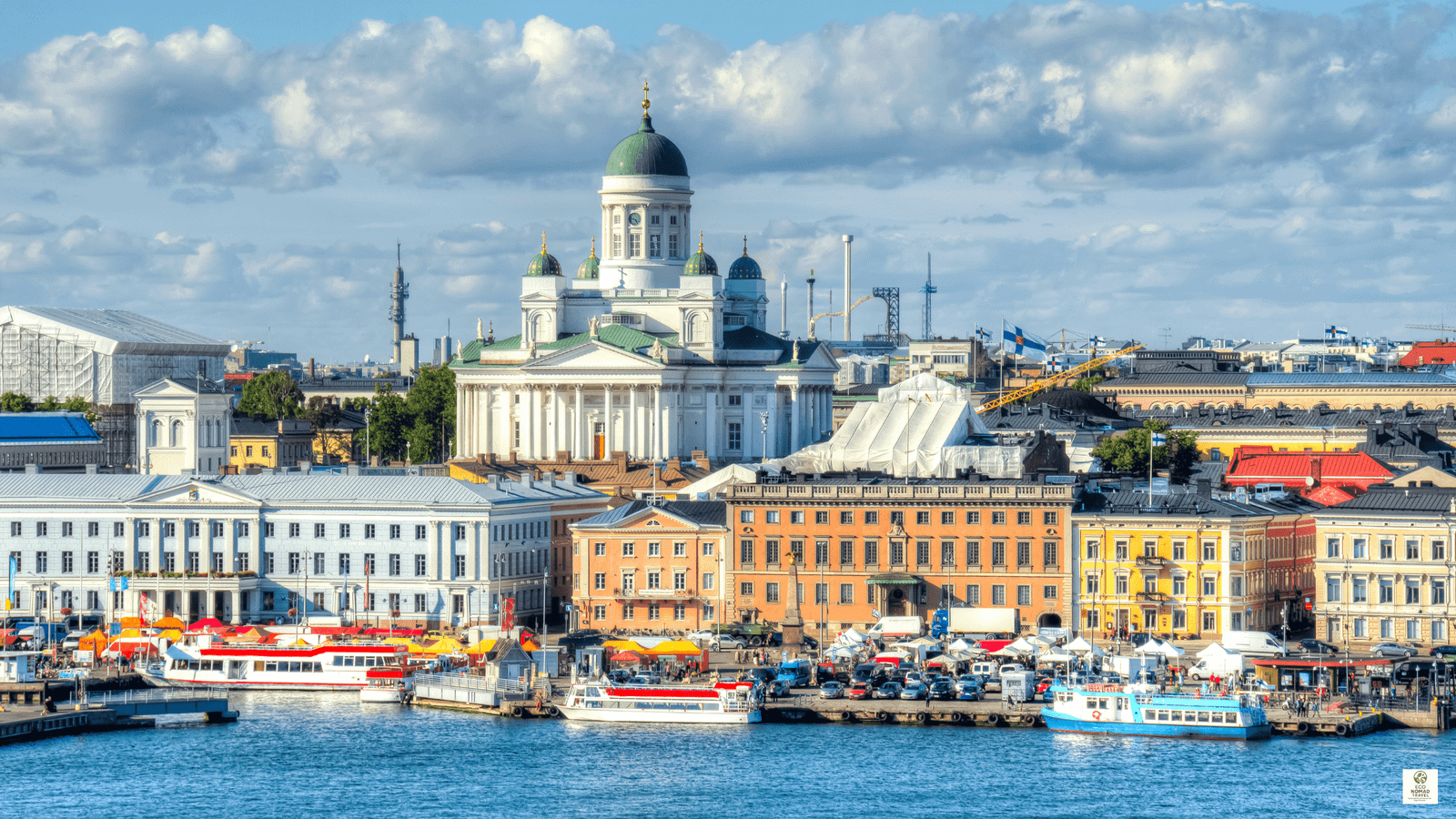
Why Helsinki Is a Standout Workation City in 2025
Helsinki has become one of Northern Europe’s most quietly powerful hubs for remote workers seeking balance, stability, and sustainability. With its ultra-clean air, efficient public transport, and world-leading digital infrastructure, the city consistently attracts digital nomads who want a slower, more intentional rhythm of life. High-speed, citywide connectivity ensures seamless remote work, while design-first coworking spaces provide calm, light-filled environments that feel far more like creative studios than offices.
Nature, Nordic Calm, and High-Quality Living
One of Helsinki’s greatest strengths is the way urban life blends naturally into forested parks, quiet waterfronts, and Baltic islands. Moments after closing your laptop, you can step onto a coastal trail, dip into the sea, or take a ferry to a car-free island for a proper reset. This nature-forward lifestyle supports healthier routines and lower stress levels — a perfect match for remote professionals leaning toward mindful, low-impact living.
Helsinki’s climate commitments are equally impressive. The city aims for full carbon neutrality by 2030, and many neighborhoods already rely heavily on renewables, waste-to-energy systems, and eco-friendly transport. Its leadership mirrors the broader trends highlighted in our cornerstone guide to digital nomad eco cities , making Helsinki one of the most future-focused workation destinations worldwide.
Add in world-class libraries, saunas, design museums, and friendly English-speaking locals, and you have a calm, beautifully organized Nordic base where productivity, well-being, and sustainability all come together effortlessly.
Medellín, Colombia
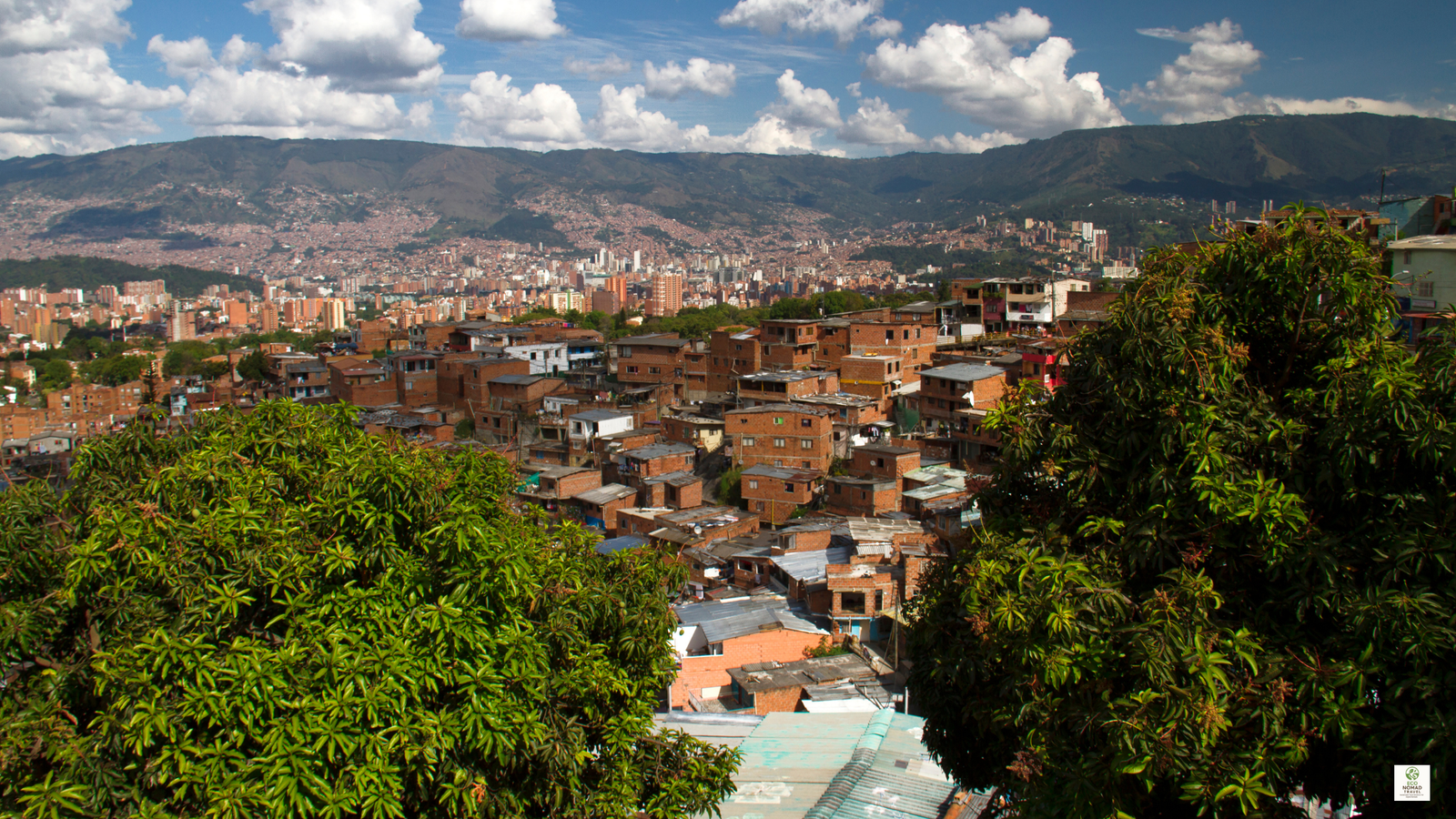
Why Medellín Is One of the Best Workation Cities in 2025
Medellín has transformed from a fast-paced regional hub into one of the most forward-thinking workation cities in Latin America. Known as the “City of Eternal Spring,” it offers year-round mild temperatures, leafy neighborhoods, and a warm, community-oriented culture that instantly puts remote workers at ease. The city’s metro, cable-cars, and walkable districts make sustainable mobility convenient, while reliable fiber internet and modern coworking studios support immersive deep-work days without interruptions.
Green Mobility, Creative Energy, and Community
Medellín’s rapid urban transformation is rooted in sustainability and social inclusion. The pioneering cable-car system connects hillside communities to the metro, reducing traffic and emissions while increasing accessibility. Tree-lined boulevards, urban gardens, and wide bike paths encourage greener movement throughout the city. Remote workers find an impressive mix of cafés, cultural hubs, and outdoor spaces — ideal for alternating between focused work and restorative breaks.
The coworking culture is thriving here as well. Districts like El Poblado, Laureles, and Estadio offer boutique workspaces, rooftop terraces, and design-forward studios where creativity flows easily. This balance of infrastructure and inspiration is similar to what we’ve highlighted in our broader analysis of digital nomad eco cities for 2025, where Medellín consistently ranks as one of the most future-ready urban ecosystems.
Add in weekend escapes to the mountainous coffee region, sustainable eco-villages, and lakeside towns like Guatapé, and Medellín becomes a dynamic, nature-connected, culturally rich base for long-stay remote professionals.
Osaka, Japan
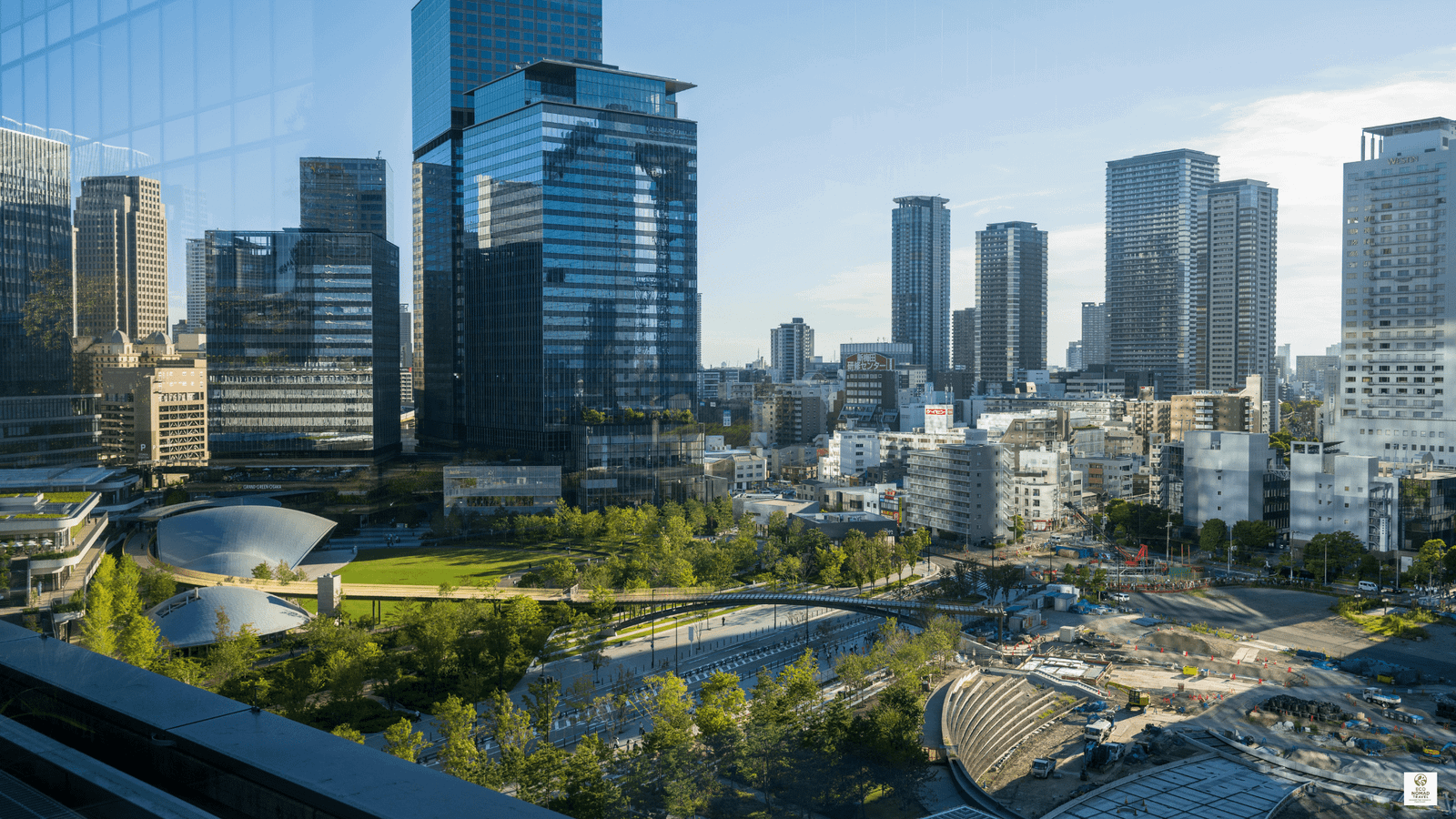
Osaka’s Balance of Modern Efficiency and Slow-Living Culture
Osaka blends fast, futuristic infrastructure with one of the most welcoming urban cultures in Japan, making it a standout choice for remote workers in 2025. The city is famous for its efficient public transport, clean neighborhoods, and thriving café scene — all of which give digital nomads a stable, grounded routine. Because Osaka is less hectic than Tokyo yet more dynamic than Kyoto, it hits a rare sweet spot between creativity and calm, productivity and play.
Green Transport, Urban Gardens, and Digital-Nomad Comfort
Sustainability is woven into Osaka’s daily rhythm. Extensive metro lines reduce dependence on cars, while riverside parks and hidden gardens provide quiet green respites within walking distance of major districts. The city’s cycling lanes and hyper-efficient waste sorting also align well with low-impact living, reinforcing Osaka’s role as one of the emerging digital nomad eco cities of 2025.
For remote workers, the coworking landscape is robust. Neighborhoods like Namba, Umeda, and Shinsekai offer high-speed internet, ergonomic setups, quiet work pods, and beautifully designed lounges that help maintain focus during long work sessions. Many spaces are tucked near temples, canals, or food markets, allowing nomads to step directly into Osaka’s cultural heartbeat between tasks.
And because Japan’s regional rail network is one of the best in the world, weekend escapes to Kyoto, Nara, Kobe, or even Hiroshima are effortless. This combination of sustainable mobility, deeply rooted tradition, and forward-looking tech culture makes Osaka one of the most balanced and rewarding workation cities anywhere.
Lisbon, Portugal
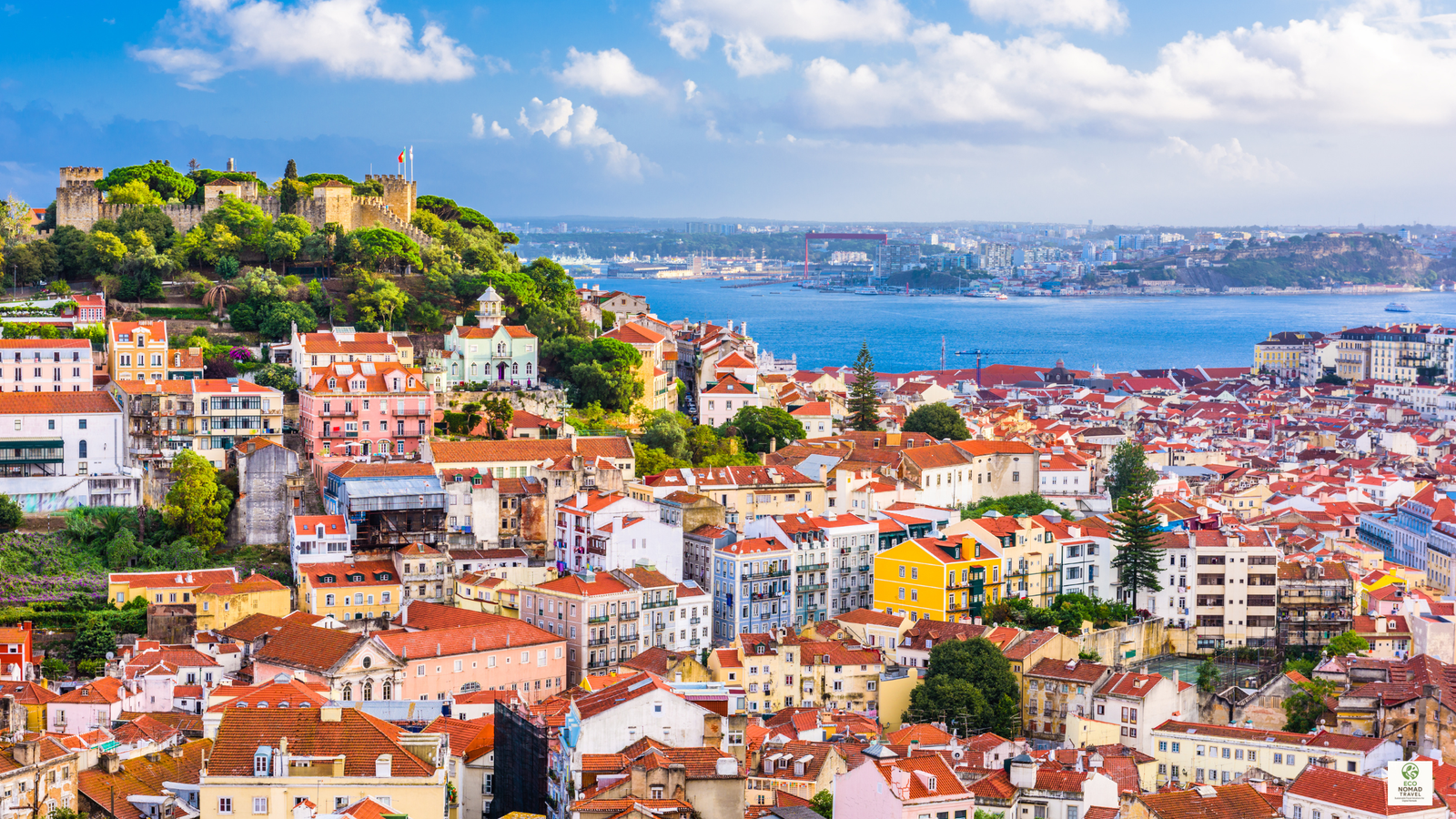
Lisbon’s Golden-Light Productivity and Creative Energy
Lisbon continues to rank among the top workation cities 2025 thanks to its rare blend of sunshine, coastal serenity, walkable neighborhoods, and a thriving international remote-work culture. The city’s mosaic of historic districts — from Alfama’s winding alleys to the riverside calm of Belém — creates a deeply inspiring backdrop for digital nomads seeking meaningful, balanced routines. Furthermore, Lisbon’s expanding network of parks, seaside promenades, and quiet plazas provides plenty of restorative spaces between work sessions, helping remote workers maintain both focus and emotional clarity.
Trams, Metro Lines, and Low-Impact Mobility
Sustainability is increasingly central to Lisbon’s identity. The city champions low-impact mobility with its iconic tram system, extensive metro lines, and rapidly growing bike lanes. These transport options make exploring the city intuitive while keeping emissions low — a natural fit for anyone practicing the low-impact travel principles from our remote-work sustainability guide. Additionally, Lisbon’s car-free initiatives and pedestrian-first zones continue to expand, offering digital nomads a calmer, cleaner urban environment.
In terms of coworking, Lisbon is easily one of Europe’s strongest hubs. Popular neighborhoods like Saldanha, Cais do Sodré, Estrela, and Alcântara house modern coworking studios with fast fiber, ergonomic seating, greenery-filled interiors, and strong community vibes. Many spaces overlook the Tagus River, giving workers easy access to waterfront breaks and sunset resets — a lifestyle rhythm that ties directly into Lisbon’s long-standing appeal for creatives and entrepreneurs.
With its exceptional weather, renewable-energy momentum, rich cultural layers, and natural alignment with eco-friendly digital nomad living, Lisbon remains a top-tier choice for remote workers seeking both productivity and soulfulness in 2025.
Cape Town, South Africa
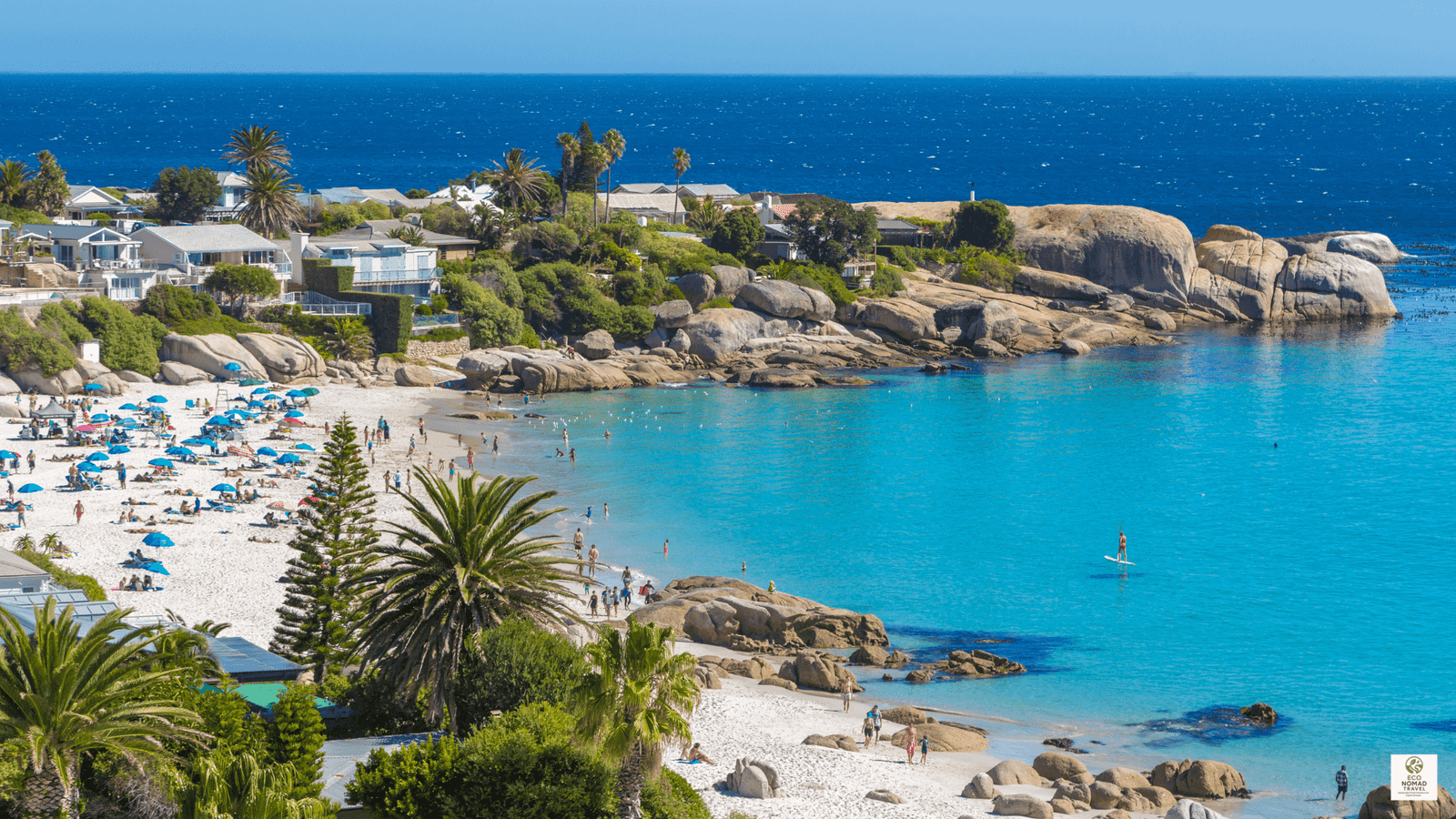
Cape Town’s Blend of Coast, Culture, and Calm Work Routines
Cape Town remains one of the most inspiring work-friendly cities in the world. The city mixes coastal scenery, modern cowork hubs, and a steady pace that supports deep focus. These traits create an ideal environment for sustainable remote work.
The city also offers strong digital infrastructure. Fiber lines, quiet cafés, and waterfront cowork spaces help nomads stay productive. These features make Cape Town a steady choice for long-term stays.
Nature Access That Strengthens Remote Work Balance
Cape Town’s natural landscapes sit minutes from the city center. Nomads can hike Table Mountain, relax at tidal pools, or work beside the Atlantic. Nature access encourages healthier work rhythms and lower stress.
The region also promotes low-impact travel. Public transport upgrades, recycling programs, and coastal conservation areas support eco-friendly living. These features align with your guides on low-impact remote work.
Why Cape Town Belongs in the Top Workation Cities
Cape Town combines urban energy with natural calm. Long-stay visas, strong coworking communities, and outdoor escapes make it ideal for slow, sustainable living. This balance supports your broader digital nomad eco cities cluster and strengthens your workation cities 2025 guide.
Vienna, Austria
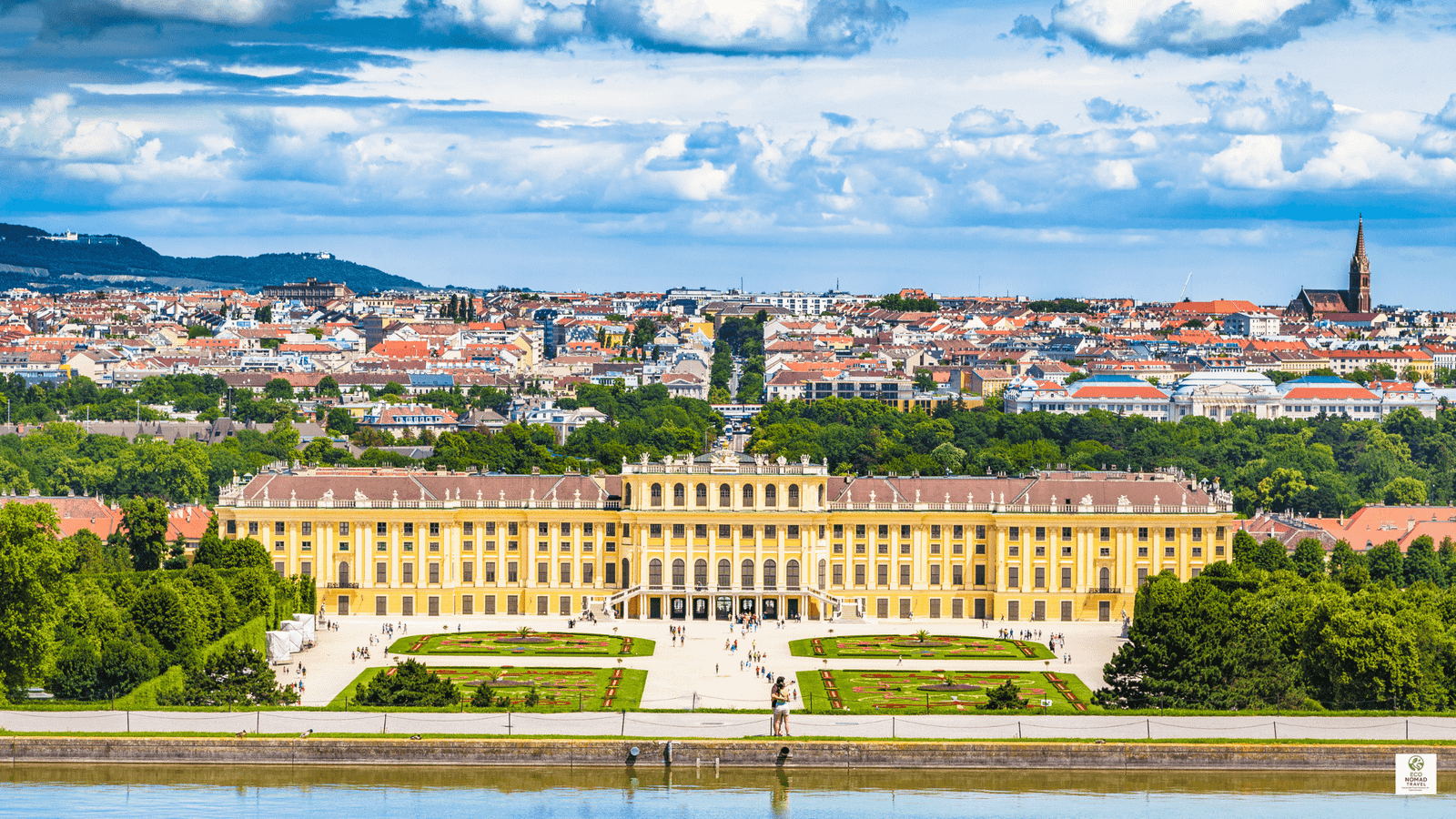
Vienna’s Calm, Culture, and Work-Friendly Design
Vienna remains one of Europe’s most stable choices for digital nomads. The city offers clean transport, wide green spaces, and reliable cowork hubs. These factors make Vienna a natural fit for slow, balanced workweeks.
The city also promotes smooth daily rhythms. Quiet cafés, fast trams, and peaceful bike lanes create predictable routines. This consistency helps nomads stay focused without rushing through crowded streets.
Blending Urban Productivity With Nature Access
Vienna sits between the Danube and forested hills. Workers can shift from deep focus to nature walks in minutes. This balance keeps stress low and supports healthier habits.
The city’s strong sustainability policies also help. Recycling rules, low-emission zones, and clean-energy transport support low-impact living. These features align well with your eco-focused remote work cluster.
Why Vienna Fits the Workation Movement
Vienna supports slow travel, long stays, and eco-friendly routines. It also connects perfectly to your digital nomad eco cities cornerstone. These traits make it one of the most dependable choices in your workation cities 2025 collection.
Auckland, New Zealand

Auckland’s Balance of City Life and Coastal Calm
Auckland is one of the top workation cities 2025 because it blends city comfort with wild nature. Remote workers enjoy reliable fiber networks across the city. Coworking hubs near the waterfront support stable and quiet workdays. The city also offers smooth public transport and walkable districts.
Auckland supports strong outdoor wellness routines. Wide parks, harborside paths, and coastal trails sit close to major cowork spaces. This creates an easy shift from deep work to nature breaks.
Piha Beach: A Nature Reset Close to the City
Piha Beach is only 45 minutes from central Auckland. The beach offers black sand, tall cliffs, and strong surf. These natural features make Piha a perfect reset zone for digital nomads.
Piha is quiet, raw, and strongly protected. The area promotes slow travel and low-impact habits. Many nomads visit Piha to rest between projects or long remote work cycles.
Auckland and Piha connect well with your cluster topics. Their sustainable focus aligns with your guide on low-impact remote work. The city also fits seamlessly within the digital nomad eco cities cornerstone.
Both locations create a strong work-life balance. Nomads get modern tools and easy access to nature. This mix makes Auckland one of the most appealing workation cities 2025.
Why Workation Cities Matter in 2025: Sustainability, Comfort & Digital Freedom
As remote work matures in 2025, workation cities have shifted from a niche trend to a meaningful strategy for healthier, more balanced global mobility. Instead of bouncing between short stays, digital nomads are increasingly choosing cities that allow them to settle, work efficiently, and live lightly. This shift isn’t just cultural—it reflects climate goals, infrastructure upgrades, and rising environmental awareness among long-term travelers.
Urban centers that prioritize walkability, clean public transit, renewable energy, and accessible coworking spaces now outperform traditional beach hubs. Consequently, destinations like eco-forward cities attract travelers seeking both productivity and a lower carbon footprint. These cities provide predictable internet, quiet coworking zones, and essential services—elements that help digital nomads avoid burnout while staying aligned with sustainability values.
Furthermore, local governments are embracing remote workers through green-focused eco nomad visas and citywide workation programs. These initiatives encourage slow travel, reduce flight frequency, and strengthen community integration. As a result, workation cities support economic resilience, cultural preservation, and environmentally responsible tourism—all while giving location-independent workers better quality of life.
How 2025 Infrastructure Makes Sustainable Workations Possible
The year 2025 marks a turning point in sustainable mobility. Electric bus corridors, metro expansions, car-free historic districts, and renewable-powered coworking centers are becoming standard across Europe, Asia, and parts of Latin America. Cities like Valencia, Helsinki, and Vienna have invested heavily in climate-neutral roadmaps, clean energy grids, and protected cycling networks—transforming the daily routine of remote workers.
These innovations reduce the need for cars, cut air pollution, and make it effortless for digital nomads to move through their day without high emissions. When combined with nearby forests, beaches, or national parks, workation cities offer the ideal blend of urban efficiency and natural escape. For those wanting more solitude, our guide to remote eco retreats complements these city-based stays and supports deeper connection to nature.
Why Workation Cities Improve Well-Being & Productivity
A well-designed workation city naturally supports mental clarity. Clean air, quiet parks, long promenades, reliable transit, and efficient coworking spaces reduce friction throughout the day. These cities encourage a lifestyle where walking replaces commuting, nature replaces noise, and culturally rich neighborhoods inspire creativity. The rhythm is slower, calmer, and more intentional—conditions that help remote workers maintain focus and avoid digital burnout.
For nomads seeking a balanced routine, workation-friendly destinations offer an unmatched blend of psychological ease, cultural immersion, and environmental responsibility. This is especially true when combined with low-impact habits like using refill shops, relying on trams and railways, or following practices from our guide on working remotely without harming the planet.
Altogether, these factors explain why workation cities 2025 represent more than a travel trend. They signal a structural shift toward sustainable global living—one where digital workers have the opportunity to support greener economies while improving their own well-being.
The Sustainable Workation Framework: How to Choose the Right City in 2025
Selecting the right workation city in 2025 requires more than fast WiFi and a beautiful view. As digital nomad mobility expands, travelers are increasingly prioritizing cities that balance environmental responsibility, public transport quality, and long-term livability. In fact, research from the UN Environment Programme shows that sustainable urban design directly improves air quality, commute efficiency, and resident well-being—three factors that strongly influence a digital nomad’s day-to-day productivity.
While remote workers once chased the “cheapest city,” the shift toward eco-conscious travel has transformed decision-making. Cities like Valencia, Helsinki, Taipei, and Vienna now outperform traditional hotspots because they offer clean energy grids, extensive tram and rail networks, protected green zones, and thriving local food systems. These elements are central to responsible global mobility and align closely with the values highlighted in our Remote Eco Retreats Guide.
How Workation-Friendly Cities Reduce Environmental Impact
A well-designed workation city lowers your footprint automatically. When a destination offers efficient metros, subsidized bicycles, walkable districts, and car-free policies, travelers naturally adopt a slower, cleaner rhythm. These principles support the same philosophy found in our guide on working remotely without harming the planet , which emphasizes replacing high-emission habits with practical urban alternatives.
Additionally, climate-forward cities often provide easy access to national parks, protected forests, and coastal trails, allowing digital nomads to reconnect with nature without relying heavily on cars. For example, eco-conscious cities in Europe and Asia integrate regional rail networks that streamline low-emission day trips, making sustainable exploration effortless.
Why Transparent City Policies Improve Trust and E-E-A-T
Modern travelers are increasingly skeptical of “greenwashed” destinations. Cities with transparent sustainability benchmarks—such as climate-neutral roadmaps, renewable energy targets, and real-time air-quality dashboards—tend to earn higher trust from long-term visitors. These public metrics strengthen a city’s reputation and demonstrate measurable progress instead of marketing slogans.
For digital nomads seeking safe, high-quality bases, independent verification from global sources like the UN Sustainable Development Goals framework further validates citywide environmental commitments. Aligning your travel with these locations supports equitable economies, local communities, and regenerative tourism models that have lasting impact.
How to Evaluate a Workation City Using Data and Real Metrics
A strong workation city 2025 should meet at least five measurable criteria:
- Fast and reliable internet (≥100 Mbps in most districts)
- Comprehensive public transportation—rail, trams, buses, bike lanes
- Clean energy usage or renewable energy transition goals
- Walkability and low car dependency
- Access to nature within 30–60 minutes
When combined with local culture, safety, affordability, and food quality, these metrics form a reliable framework for choosing sustainable long-term bases. This same approach underpins the cornerstone of this entire cluster: Digital Nomad Eco Cities 2025: Where to Work & Wander Sustainably .
Sources That Validate These Trends
This guide incorporates sustainability findings from global institutions including:
- UNEP — urban sustainability, pollution reduction, and green transit
- European Commission Mobility Reports — walkability and rail expansion data
- Global Eco Tourism Network (GEN) — regenerative tourism frameworks
- OECD Urban Mobility Index — public transport quality and emissions
As digital mobility accelerates, these sources help identify cities that are not only work-friendly and environmentally conscious but positioned for long-term climate resilience.
Editor’s Pick: Best Workation City for 2025
Valencia, Spain takes the top spot thanks to its unmatched blend of sustainability, affordability, bike-first mobility, and strong quality of life. It strikes the perfect balance between remote-work efficiency and relaxed Mediterranean slow living.
Frequently Asked Questions About Workation Cities 2025
Are workation cities more sustainable than typical nomad hotspots?
Yes. Workation cities emphasize public transport, renewable energy, waste reduction, and walkability, which reduces per-person emissions significantly.
Is WiFi strong enough for remote work in most workation cities?
Absolutely. Cities like Taipei, Lisbon, and Helsinki routinely offer 100–500 Mbps in coworking spaces and fiber-enabled cafés.
Are workation cities expensive?
Prices vary widely. Southeast Asia and Latin America offer budget-friendly workations, while Northern Europe is more premium.
Which city is best for long-term stays?
Valencia, Lisbon, and Medellín consistently rank high for affordability, safety, and renewable energy expansion.
How Remote Eco Retreats Influence Your Environmental Impact
Do these cities offer eco-friendly coworking spaces?
Yes. Many have solar-powered hubs, recycled-material furniture, and green-building certifications.
Is local transport reliable?
Most cities on this list offer tram lines, metros, and bus systems designed for fast urban connections.
Are these cities safe for solo travelers?
Generally yes. Vienna, Taipei, and Helsinki are among the safest cities in the world.
Can I find nature escapes near these workation hubs?
Every city on this list offers parks, trails, coastlines, or national parks within 10–60 minutes.
Do these cities support renewable energy?
Helsinki, Vienna, and Lisbon are leaders in renewable power and clean mobility policies.
Is coworking expensive?
Costs range from $8/day in Colombia to $25–40/day in New Zealand or Northern Europe.
Sustainable Packing Essentials for Long Retreat Stays
Which city has the best food scene for nomads?
Osaka is a global leader, while Valencia and Taipei offer top-tier plant-forward options.
Do workation cities offer community events?
Yes. Many host nomad meetups, green-innovation summits, and weekly coworking socials.
How long should I stay to reduce my footprint?
If possible, stay at least 3–6 weeks to offset travel emissions through longer, slower living.
Are these cities suitable for beginners in remote work?
Yes — Lisbon, Valencia, and Taipei are especially beginner-friendly.
Are green visas available?
Several destinations now offer digital-nomad visas, including eco-forward programs in Europe and Latin America.
Do these cities get overcrowded?
Some do during peak seasons. Off-peak travel helps both sustainability and affordability.
Eco Retreats for Beginners in the Remote-Work Lifestyle
Can I live car-free?
Yes — every city in this list supports a fully car-free lifestyle.
Is English widely spoken?
In most cities, yes. Medellín and Osaka may require basic language phrases.
Where can I go next for sustainable travel?
Explore remote eco retreats or eco-friendly coworking spaces for your next stop.
How do I plan a low-impact workation?
Use rail-first transport, book energy-efficient lodging, stay longer, eat plant-forward, and reduce flights when possible.
Latest Sustainable Travel Guides
Explore Eco Nomad Travel
📚 Core Guides
🧭 Planning & Logistics
🗺️ Destinations & Seasons
Jeremy Jarvis — founder of Eco Nomad Travel, sustainable travel writer, and advocate for regenerative tourism. His work focuses on low-impact mobility, eco-friendly digital nomad life, and climate-positive travel.
Legal
Affiliate DisclaimerPrivacy Policy
Terms of Service
Image & Media Notice
Cookie Policy
Contact
Affiliate Disclosure: Some links on Eco Nomad Travel are affiliate links, meaning we may earn a small commission at no extra cost to you. This supports our mission to inspire responsible and low-impact travel worldwide.
Connect
✅ Trusted Official Sources
Plan smarter eco trips
Try our free Sustainable Travel Tools for Digital Nomads – carbon calculator, train vs plane comparator, and more.
Open Tools Hub
Connect With Eco Nomad Travel
Follow our sustainability guides, digital-nomad insights, and low-impact travel strategies across the web.