

Quick answer: The quick answer to can dogs travel on trains in Europe is yes on most national railways, but rules, tickets, and cabin limits vary by country, route, and operator. This guide gives you a clear, source-linked path to check your exact train, choose the right ticket, and travel with a calm, well-prepared pup.
For related Eco Nomad guides, see how to book train travel in europe, train vs flight carbon footprint europe.
Editor’s note: Rules, fees, routes, and booking options change. Always verify with the operator’s official page and your specific train number before you buy. See the linked sources throughout this guide.
Can dogs travel on trains in Europe? Quick answer
If you are asking can dogs travel on trains in Europe across borders, the short answer is: usually yes within a country and on many cross-border regional trains, but not on Eurostar (except assistance dogs), and with limits on some high-speed and night trains. Small dogs in an enclosed carrier ride free or at a low fee on many systems. Larger dogs often need a paid ticket, a leash, and a muzzle. Private cabins are commonly required on sleepers.
- Most national railways allow dogs. Small dogs in carriers are the easiest.
- Large dogs may need a ticket (often half-fare or a flat dog fare), plus leash and muzzle.
- Some high-speed and cross-border services have tighter limits. Eurostar allows only assistance dogs.
- For night trains, book a private compartment where required and confirm pet reservations by phone or at a staffed counter.
How to use this guide
This is a practical planning checklist. Start with the quick regional snapshot, then confirm rules on your exact operator and train number. Because rules differ by train type and route, one country’s policy may not cover a partner or international service. When people ask can dogs travel on trains in Europe, they often mean “on my specific departure.” Use the linked sources below to double-check before you book.
Decision flow: Can my dog ride this train?
- Find your operator (DB, SNCF, Trenitalia, SBB, NS, Renfe, etc.).
- Identify train type (regional, IC/ICN, high-speed, sleeper, cross-border).
- Size check: Small in closed carrier vs. larger on leash/muzzle.
- Ticket: Free, flat pet fare, half-fare, or special dog pass.
- Seat/cabin: Standard seat vs. private compartment required on sleepers.
- Blackouts: Any operator or route where pets are not allowed (e.g., Eurostar, some high-speed exceptions).
- Documents: EU pet passport/Animal Health Certificate, vaccines, microchip for border crossings.
Tip: Screenshot the operator’s pet page and bring a soft muzzle even if rarely enforced; some conductors ask for it on the day.
What counts as a “small” dog and which carrier works?
Operators usually define “small” as a dog that stays inside a closed carrier under the seat or on your lap. Dimensions are not universal, but airline-style soft carriers that fit under seats generally pass. Larger dogs (not in a carrier) usually need a ticket, a short leash, and a muzzle.
- Small dog: fully inside a carrier (zipped/closed). Often free or low fee.
- Large dog: on leash with muzzle where required. Needs a ticket on most lines.
- Assistance dogs: travel free on almost all systems with proper documentation. Space rules still apply.
Regional snapshot: Where dogs can ride and common rules
Use this as a quick orientation, then tap the source links and confirm for your exact train. So can dogs travel on trains in Europe without a muzzle? For large dogs, many operators either require a muzzle outright or leave it to staff discretion. Carry a soft muzzle even if your route rarely enforces it.
Core countries and operators
| Country/Operator | Small dogs (carrier) | Larger dogs | Muzzle/Leash | Notes | Source |
|---|---|---|---|---|---|
| Germany (DB) | Generally free in closed carrier | Ticket required (often child fare) | Leash + muzzle may be required | Regional and long-distance permitted with rules | DB: Travelling with dogs |
| France (SNCF) | Allowed with carrier ticket | Allowed with ticket; leash/muzzle rules apply | Leash; muzzle for bigger dogs if requested | TGV/Intercités/TER with pet tickets | SNCF: Pets |
| Italy (Trenitalia) | Allowed in carrier, free on many trains | Ticket required on many services | Leash + muzzle often required | Private sleeper space may be required on night trains | Trenitalia: Pets |
| Spain (Renfe) | Allowed with carrier; weight limits by train | Allowed on select services; ticket needed | Leash/muzzle per staff request | Rules vary by AVE, Alvia, Media Distancia | Renfe: Pets |
| Switzerland (SBB/CFF/FFS) | Small dogs in carrier often free | Dog Day Pass or half-fare tickets | Leash/muzzle if required by staff | Valid on most national routes | SBB: Dogs |
| Netherlands (NS) | Small dogs in carriers free | Dog Day Ticket for larger dogs | Leash in train and station | Valid on NS with day dog ticket | NS: Dogs in the train |
| United Kingdom (National Rail) | Up to two dogs per person, free | Also free; keep under control | Leash; muzzle rarely required | Some operators restrict seats/quiet cars | National Rail: Pets |
| Belgium (SNCB/NMBS) | Allowed in carrier | Flat pet fee for larger dogs | Leash/muzzle rules may apply | Check domestic vs. cross-border | SNCB: Pets |
Nordics, Austria, Portugal, and exceptions
| Country/Operator | Small dogs (carrier) | Larger dogs | Muzzle/Leash | Notes | Source |
|---|---|---|---|---|---|
| Austria (ÖBB) | Allowed in carrier, often free | Ticket + leash/muzzle | Muzzle typically required for larger dogs | Private night compartments required with pets | See ÖBB pet policy |
| Denmark (DSB) | Allowed in carrier | Allowed; fee may apply | Leash; obey quiet zones | Check Intercity vs. regional | DSB: Travel with your pet |
| Sweden (SJ) | Allowed in marked pet zones | Allowed in pet-friendly coaches | Leash; respect reserved areas | Coach-specific seating for pets | SJ: Travel with pets |
| Norway (Vy) | Allowed; fees vary | Allowed; fees and zones vary | Leash; staff may ask for muzzle | Check line-specific rules | Vy: Pets on trains |
| Portugal (CP) | Allowed in carrier | Allowed with control and ticket as required | Leash/muzzle on request | Varies by service | CP: Pet transport |
| Eurostar | Not permitted (assistance dogs only) | Not permitted (assistance dogs only) | — | Paris/Brussels/London routes restrict pets | Eurostar: Pet policy |
High-speed, cross-border, and night trains
Some services allow pets but impose extra rules or fees. Others do not allow them at all. On Eurostar, the practical answer to can dogs travel on trains in Europe is no except for assistance dogs. International TGV/Lyria and ICE connections generally follow the national rules of the operating carrier, but seating zones and reservation systems can differ. For night trains, many operators require a private compartment if you bring any pet.
| Service type | Common rule | What to do |
|---|---|---|
| High-speed (TGV/ICE/Frecciarossa) | Pets allowed with ticket; carrier for small dogs; leash/muzzle for large | Confirm on operator site; add reservation if required; avoid quiet cars |
| Cross-border regional | Generally allowed following national rules | Check both operators; carry documents at borders |
| Eurostar | No pets, assistance dogs only | Use ferries, car, or flight alternatives; re-route via local trains where possible |
| Night trains (sleepers/couchettes) | Often require private compartment with pet | Book a whole compartment; confirm pet reservation by phone or counter |
Tickets and fees: what to expect and where to buy
Ticket types vary. One more way to think about can dogs travel on trains in Europe is to match your pet’s size to the ticket category and cabin you plan to book. Bring proof of purchase for any dog fare, because train managers may ask for it mid-journey.
| Dog type | Typical ticket rule | Where to buy | Notes |
|---|---|---|---|
| Small dog in closed carrier | Often free or a low fixed pet fare | Operator app/site, station desk, or onboard where allowed | Carrier must remain closed and on lap/under seat |
| Larger dog on leash | Half-fare, child fare, or flat “dog” ticket/day pass | Operator app/site, station machines, or desk | Bring/leash a muzzle; sit in pet-friendly coaches |
| Night train with private cabin | Cabin reservation plus pet fee (varies) | Phone or staffed counters often required | Shared couchettes rarely allow pets |
Booking with the operator vs an app
Many travelers search can dogs travel on trains in Europe inside third-party apps and then hit a wall when a pet ticket is not shown. Use these steps to avoid errors:
- Start at the operator site: It often exposes pet ticket options and any seat/cabin limits first.
- Then compare on an OTA: If prices match, book where pet tickets are clearly offered; otherwise go back to the operator.
- Reserve seats when allowed: Pick a regular coach or marked pet zone. Avoid quiet/serenity cars.
- For night trains: Call to add a pet to a private compartment if the website cannot handle it.
- Save proof: Keep PDFs, screenshots, and receipts on your phone for conductors.
Documents for borders: passports, certificates, and vaccines
Within the EU/Schengen area, random checks are rare but possible. When crossing borders, carry the right documents:
- Microchip that meets ISO standards.
- Rabies vaccination meeting time-limit rules for entry.
- EU Pet Passport (issued in the EU) or an Animal Health Certificate (AHC) issued shortly before travel if coming from the UK or other non-EU countries.
- Tapeworm treatment where required (e.g., for entry to certain countries).
Because rules can change, confirm with your destination country’s official border authority and your vet well before your trip.
Route planning if Eurostar is not an option
If you still need to cross the Channel and you ask can dogs travel on trains in Europe on that leg, the answer is no on Eurostar except for assistance dogs. However, you can still plan a rail-forward route:
- Use ferries: Combine UK trains with ferry routes that accept dogs (in car, in kennel, or on leash as permitted by the ferry line).
- Go regional: Travel to ports served by local trains on both sides to keep rail segments pet-friendly.
- Split tickets: Book rail to the port, ferry across, then rail onward on the continent.
- Check time buffers: Build layovers for pet walks and document checks.
Booking steps that prevent day-of stress
- Pick specific trains early. Check pet rules for that operator and train type. Save a screenshot or PDF of the rule page.
- Add the right seat or cabin. Choose a standard coach with flexible space, or a private night compartment where pets are allowed.
- Buy the dog ticket (if required). Keep the receipt and show it like any other ticket.
- Choose off-peak times when possible. Crowded rush hours make settling your dog harder.
- Arrive early. Walk your dog, offer water, and board with extra time to get comfortable.
Country and operator notes for dog-friendly train trips
Check the operator for the train you board, not only the country on your map.
Germany (DB)
DB is one of the easier systems for dog-friendly rail planning. Small dogs in closed carriers travel like hand luggage, while larger dogs generally need a ticket, usually priced like a child fare. Keep larger dogs on a short leash and carry a muzzle because staff can ask for it. See DB’s dog policy.
France (SNCF)
SNCF sells pet tickets for TGV INOUI, Intercités, and many TER journeys. Small dogs should stay in a closed carrier; larger dogs travel on leash and may need a muzzle. Add the pet ticket during booking, choose a regular coach, and avoid quiet areas where another passenger complaint can make the trip harder. Confirm on SNCF Connect.
Italy (Trenitalia)
Italy works well for small dogs because carriers simplify Frecciarossa and Intercity travel. Larger dogs usually need their own ticket, plus leash and muzzle. Night trains and private operators can set extra limits, so confirm both the Trenitalia rule and any Italo or sleeper policy before paying. See Trenitalia’s pet page.
Spain (Renfe)
Renfe is the one to check most carefully because rules vary by train category and pet size. Some AVE and long-distance services have carrier, weight, and booking-option limits, while larger-dog access can depend on selected departures. Start from the exact train number, then review Renfe’s pet help page.
Switzerland (SBB/CFF/FFS)
Switzerland is straightforward once you match your dog to the ticket. Small dogs in a suitable carrier can often travel free; larger dogs usually need a half-fare ticket or Dog Day Pass. This is useful for routes through Zurich, Basel, Geneva, and mountain connections where one dog ticket may cover multiple Swiss legs. See SBB’s dog ticket options.
Netherlands (NS)
NS keeps the rule simple for domestic trips. Small dogs in a bag, basket, or carrier travel free. Larger dogs need a Dog Day Ticket and should stay leashed on the train and in stations. Confirm on NS’s dog page.
United Kingdom (National Rail)
Most National Rail services allow up to two dogs per passenger for free, as long as they stay under control and do not occupy seats. The catch is onward travel: Eurostar to or from London does not accept ordinary pets, so a UK-to-continent trip needs a ferry, vehicle shuttle, or other pet-friendly crossing. See National Rail pet rules.
Belgium (SNCB/NMBS)
Belgium is usually manageable for domestic rail and short cross-border links. Small pets in containers are the easiest case; larger dogs generally need the appropriate pet fare, leash control, and a muzzle if staff request it. Check the domestic rule separately from Eurostar, Thalys-branded, or other international services. See SNCB/NMBS pet guidance.
Austria (Ã-BB)
Ã-BB allows pets on most trains. Small, harmless animals in suitable transport containers can travel free, while animals too large for hand-luggage transport require a fare. Larger dogs must be secured with both leash and muzzle and sit on the floor. For Nightjet-style travel, confirm the private-compartment rule before booking. See Ã-BB’s pet policy.
Denmark (DSB)
DSB allows small pets in a carrier or cage free of charge, with published maximum carrier dimensions of 100 x 60 x 30 cm. Large dogs need a child ticket, must stay leashed, and must remain on the floor. Pets are not allowed in DSB 1’ or Quiet Zones, so look for pet pictograms when boarding. Check DSB’s pet page.
Sweden (SJ)
For SJ journeys, reserve a seat in the pet-allowed area when you book. Pets are allowed in 2nd class, and each passenger can bring up to two pets if they fit on the floor by the seat. If your dog needs more room, add the appropriate extra seat during booking. See SJ’s pet guidance.
Norway (Vy)
Vy allows dogs, cats, and some small caged animals in marked areas, but dogs must be leashed and pets cannot sit on seats. Pets over 40 cm shoulder height pay 50% of a standard adult ticket; smaller pets can travel free. Sleeping compartments, Plus carriages, Kafé, family areas, and animal-free zones usually exclude pets. Confirm on Vy’s pet FAQ.
Portugal (CP)
CP permits one non-dangerous pet in a suitable hand-luggage container on Alfa Pendular, Intercidades, regional, interregional, Celta, and urban trains. For dogs outside a carrier, expect service-specific ticket rules, a short leash, a muzzle, and floor-only travel. Bring vaccination and identification documents because ticket offices may ask for them. Start with CP’s pet transport page.
Eurostar
Eurostar needs special care because the answer depends on the route. The operator says pets are not accepted on trains to and from London, between Brussels and Lille, or on Eurostar Sun and Snow routes. Guide and assistance dogs are allowed with advance contact, and pets may be allowed on other continental routes under separate rules. Check Eurostar’s current pet answer.
Packing checklist for a calmer ride
- Soft carrier sized to fit under a seat (for small dogs).
- Short leash and a soft, packable muzzle (even if rarely enforced).
- Absorbent pad or mat for your dog to lie on.
- Water bottle and collapsible bowl; a few treats and chews.
- Waste bags and wet wipes.
- Printed or digital copies of your dog ticket and operator pet policy.
- Border documents when crossing countries.
Train-day routine: calm dog, smoother trip
- Before departure: Give a long walk, a light meal, and unhurried time to settle.
- At the station: Find a quiet corner while you wait. Offer water in small sips.
- Boarding: Enter early, choose a seat with floor space, and place the carrier under the seat.
- En route: Reward calm, keep aisles clear, and plan stretch breaks at longer stops.
Etiquette and comfort: how to be everyone’s favorite seatmate
Before you test whether can dogs travel on trains in Europe smoothly during rush hour, take a long pre-departure walk. Then board early, pick a corner seat if possible, and settle your dog before the car fills. Keep paws and carrier off seats, and never block aisles. Offer water at stops and plan breaks on longer journeys. If your dog is reactive, avoid quiet cars and peak hours.
What about muzzles and “pet zones”?
In many countries, staff can request a muzzle for larger dogs even when it is not always enforced. Carry a soft muzzle and practice at home. In Scandinavia and parts of Central Europe, pet-friendly coaches or sections are marked; sit only in those areas to avoid fines or being asked to move.
Seating strategies for day trains and night trains
- Day trains: A window pair or a bulkhead can give your dog more floor space. Avoid quiet/serenity zones.
- Night trains: Many operators require a private compartment to bring any pet. Shared couchettes often prohibit animals. For sleepers, can dogs travel on trains in Europe in shared couchettes? Usually not. Book a private cabin early and confirm the pet reservation by phone if the website does not support it.
- Think about layout: End-of-car seats and bulkheads reduce foot traffic past your dog.
- Mind luggage: Keep bags above or behind you so your dog has a clear spot on the floor.
Muzzle and carrier training: a one-week plan
- First 2 days: Introduce the muzzle and carrier at home; reward any calm sniff or entry.
- Midweek: Close the carrier briefly and fit the muzzle for seconds at a time; treat and remove.
- Practice ride: Take a short bus or tram ride to simulate motion and practice quiet settling.
- Longer rehearsal: Extend duration to 15-20 minutes with the carrier under a chair.
- Final rehearsal: Rehearse your boarding routine with bags, tickets, and a water break.
Sample planning timeline
- 4-8 weeks out: Confirm route and check operator pet rules. Schedule vet visit for any travel documents.
- 2-4 weeks out: Book seats/cabins and pet tickets. Order a comfortable carrier or muzzle and test it on short rides.
- 1 week out: Re-check train numbers and coach types. Screenshot rules. Pack the checklist items.
- Travel day: Long walk, light meal, water, arrive early, and board as soon as the platform opens.
Common mistakes to avoid
- Assuming all trains accept pets. Eurostar does not (assistance dogs excepted).
- Skipping the leash or muzzle for a large dog. Staff can require them.
- Booking a shared couchette on a night train when pets require a private cabin.
- Traveling at peak with a nervous dog. Choose off-peak where possible.
- Forgetting border documents on international legs.
Watch practical train tips with dogs before you board
Official dog policies to check before booking
- Germany: DB — Travelling with dogs
- France: SNCF — Pets
- Italy: Trenitalia — Travelling with your pets
- Spain: Renfe — Pets
- Switzerland: SBB — Dogs
- Netherlands: NS — Dogs in the train
- United Kingdom: National Rail — Assistance animals and pets
- Belgium: SNCB/NMBS — Pets
- Austria: Ã-BB — Travelling with pets
- Denmark: DSB — Travel with your pet
- Sweden: SJ — Travel with pets
- Norway: Vy — Pets on trains
- Portugal: CP — Pet transport
- Eurostar: Eurostar — Can I take my pet?
Dog-friendly Europe rail route examples with place-specific tips
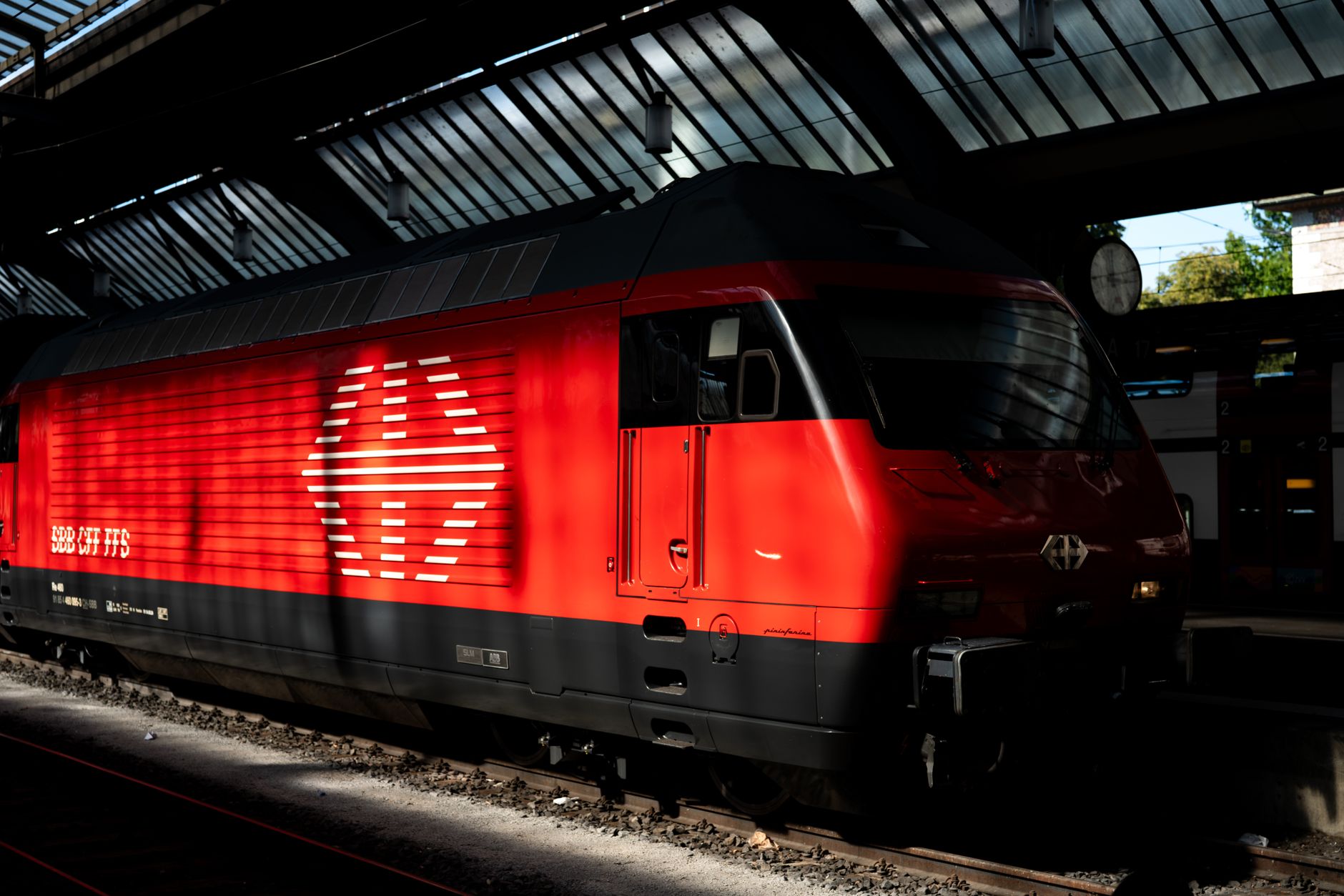
Paris → Zurich (TGV Lyria/SBB)
For Paris to Zurich, start with the French pet ticket and carrier or leash rules, then check the Swiss ticket you need if you continue beyond Zurich. Book a regular coach, avoid quiet areas, and give your dog a long station walk before boarding because high-speed legs have fewer easy breaks.
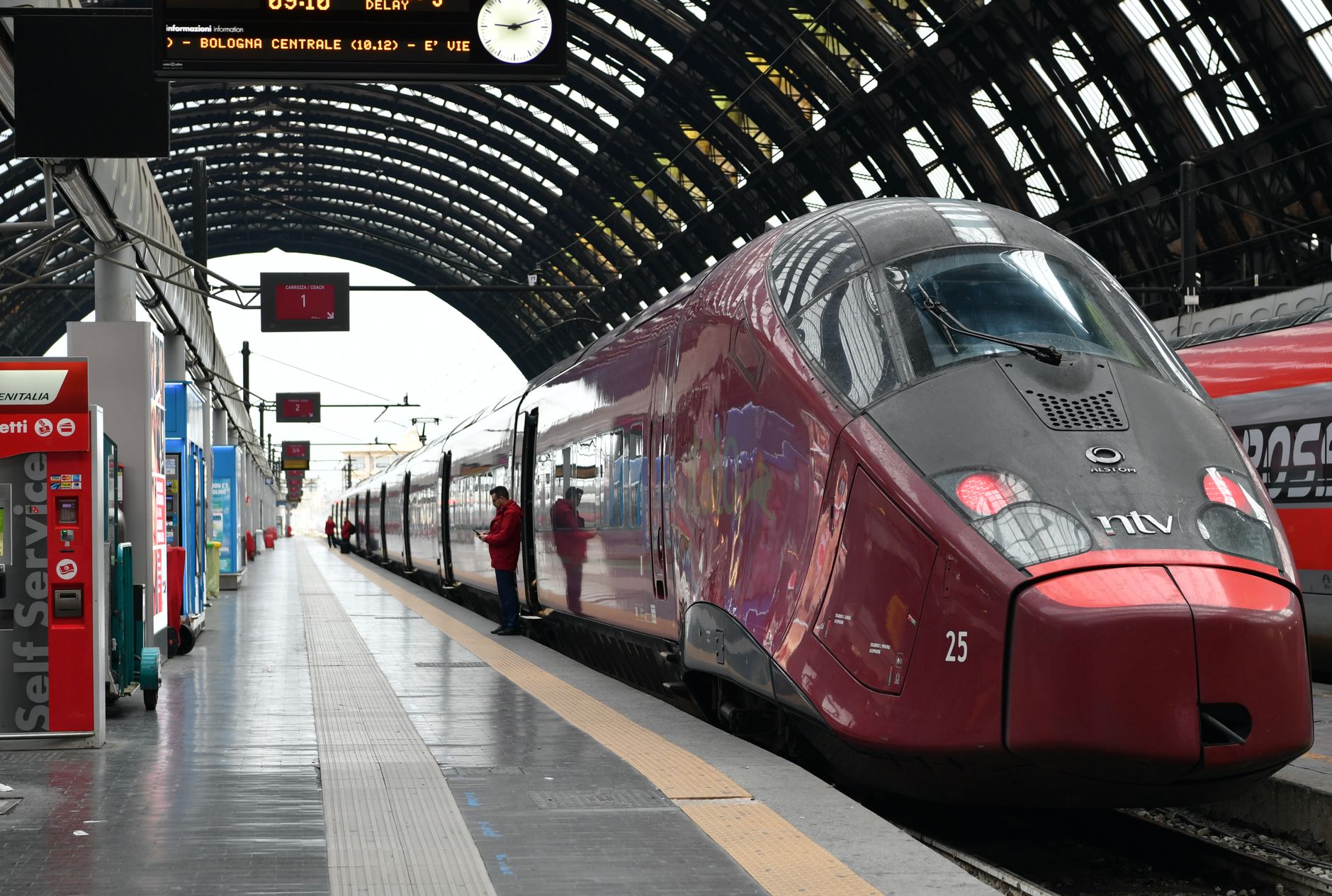
Rome → Milan (Frecciarossa/Trenitalia)
Rome to Milan is one of the easiest Italian test routes for a calm dog because the ride is direct and frequent. Small dogs should stay zipped in a carrier; larger dogs need the correct Trenitalia ticket, a leash, and a muzzle. Choose a coach with simple floor space and keep bags overhead.
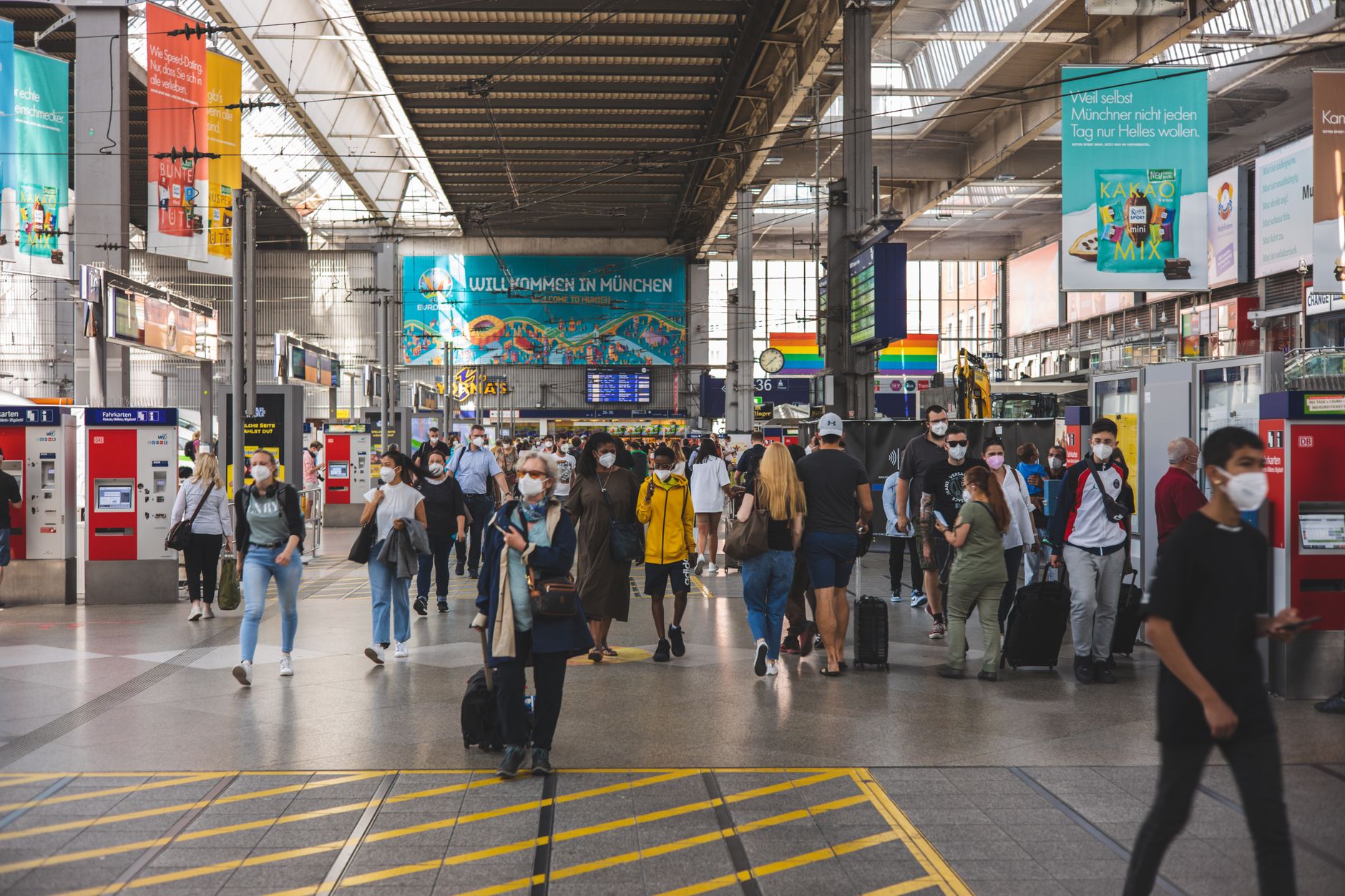
Munich → Salzburg (DB/Ã-BB regional or Railjet)
Munich to Salzburg is a good cross-border example because DB and Ã-BB rules can both matter. Buy the correct dog ticket, carry the muzzle even if staff do not ask immediately, and keep the policy pages saved offline. If you use a regional service, build in enough time for a platform break before the Austrian leg.
What to do if a staff member says “no” on the day
Stay calm and show the operator policy you saved. Offer to move to a different coach, sit near doors, or rebook to an off-peak train. If needed, step off and ask a station agent for help. Having the correct dog ticket and a muzzle on hand usually resolves issues quickly.
Troubleshooting: barking, messes, and motion sickness
- Barking: Create distance from the trigger, reward calm, and consider a light cover over a carrier.
- Messes: Use absorbent pads and carry spare wipes and bags. Step off at long stops if needed.
- Motion sickness: Ask your vet about safe medication. Feed lightly before travel and keep air flowing.
More Europe train guides for planning your route
- Complete Europe Train Travel Guide – hub coverage of tickets, routes, and planning.
- Is It Safe to Travel by Train in Europe? – station, luggage, and night train safety tips.
- How to Book European Trains – step-by-step booking flow with seat/cabin choices.
- Night Trains in Europe – private cabins, routes, and what to expect.
FAQ: real-world questions answered
| Question | Short answer |
|---|---|
| Can dogs travel on trains in Europe without a carrier? | Yes, for larger dogs on many lines with a ticket, leash, and often a muzzle. Small dogs usually must remain in a closed carrier. |
| Do dogs need tickets on European trains? | Often yes for larger dogs. Small dogs in carriers may be free or have a small pet fare. Check the operator page and buy in advance. |
| Are muzzles required? | Commonly required or at staff discretion for larger dogs. Carry a soft muzzle even if not always enforced. |
| Can I bring a dog on a night train? | Usually only in a private compartment you book entirely. Shared couchettes commonly prohibit pets. |
| Are dogs allowed on Eurostar? | No, except assistance dogs. Plan an alternative route if your plan includes Eurostar. |
| What documents do I need for borders? | Microchip, rabies vaccine, and either an EU pet passport or an Animal Health Certificate if coming from outside the EU. |
| Can I sit in a quiet car with a dog? | Usually not recommended or allowed. Choose regular coaches or designated pet zones if marked. |
| Where should my dog sit? | On the floor at your feet or inside a carrier under the seat. Keep aisles clear and avoid placing dogs on seats. |
| Can I take more than one dog? | Often yes, but limits apply (e.g., UK allows two per person). Check the operator for number caps and extra fares. |
| Are station lounges pet-friendly? | Some lounges exclude pets or restrict them to carriers. Verify access for your ticket type and lounge rules in advance. |
Bottom line
So, can dogs travel on trains in Europe on your route next month? Most likely yes. Match your dog’s size to the right ticket, seat, or cabin. Carry a leash and muzzle for large dogs, and keep a small dog fully inside a closed carrier. Then confirm the operator’s current policy—linked above—before you book.
Last reviewed: This guide is reviewed regularly for policy changes. Always verify your exact train’s rules via the linked official pages before purchasing tickets.
Free download: Eco Rail-First Trip Planner
A fast, practical checklist + templates for planning low-impact trips (without decision fatigue).
Compare the trip details before you book
Affiliate disclosure: Eco Nomad Travel may earn a commission if you book through qualifying links, at no extra cost to you. Use the link only when it genuinely helps your trip research.
Before you lock in dates for Can Dogs Travel on Trains in Europe Country and Operator Rules to Check, compare location, flexible cancellation, transfer timing, and total trip cost so the final plan fits your budget and pace.
