

If you want to know how to travel europe without flying, you are in the right place. This eco guide shows you how to link fast trains, smart ferry crossings, and reliable buses into one smooth plan. You will see sample routes, when to book, how to use passes, and what timing really works in each season.
How to travel Europe without flying: the quick answer
At a glance, here is how to travel europe without flying on the most common routes and across water gaps.
- Use high-speed rail for core city pairs. These legs are the backbone of how to travel europe without flying most efficiently.
- Add ferries for seas and channels (for example, UK–Netherlands, France–UK, Italy–Greece, Baltic crossings).
- Use buses to bridge gaps where rail is slow, disrupted, or missing.
- Travel light, book critical reservations early, and favor shoulder seasons for fewer crowds.
In practice, you will move center-to-center with less stress. You will keep your bags with you and board without long security lines. And you can plan smarter by locking the few legs that sell out first.
Get the Eco Rail-First Trip Planner (Free PDF)
Plan calmer, greener trips with a rail-first checklist, buffer planner, and copy/paste templates.
Key takeaways for flight-free Europe you can use today
- Build your route around the fastest train corridors first. Add ferries next. Fill small gaps with buses.
- Reserve seats for popular high-speed and night trains early (especially in summer).
- Cross water overnight with a ferry cabin to save on a hotel night and wake closer to your next train.
- Check timetable changes in June and December, and always recheck times the week before you depart.
- Anchor each week with one long move. Then stack two or three short hops and a flexible day.
- Price a rail pass against point-to-point tickets before you decide. Often a hybrid wins.

Choose your mode for a flight-free Europe route
To map out how to travel europe without flying, line up trains first, then ferries, then buses. This keeps the trip fast, resilient, and affordable. The table below shows how each mode fits.
| Mode | Best for | Night options | Reservations | Pros | Watch for |
|---|---|---|---|---|---|
| High-speed trains | City-to-city under ~7 hours | Rare (use night trains instead) | Often required on premier routes | Fast, center-to-center, comfy | Seat fees, peak sell-outs |
| Night trains | 500–1,200 km corridors | Yes: couchettes & cabins | Required | Save hotel night, arrive early | Limited space, plan ahead |
| Regional trains | Short hops, scenic lines | No | Usually not | Flexible, frequent | Slower, more changes |
| Ferries | Sea/channel crossings | Yes on many routes | Yes | Overnight cabins, smooth link | Weather, port transfers |
| Buses | Rail gaps, late-night links | Yes on key corridors | Yes | Cheap, extensive network | Traffic delays, space |
Start with the fastest rail spine. Next, check if water blocks your line. If so, add a ferry that arrives near a big rail hub. Finally, if a rail stretch is very slow, swap in a short bus. This sequence cuts changes and surprises.
- Is your city pair under 7 hours by train? Choose high-speed rail.
- Is water in the way? Add a direct ferry or an overnight ferry with a cabin.
- Is rail slow or indirect? Insert a bus for the shortest gap.
- Travel at night if it reduces changes and saves a hotel.
- Reserve popular legs first; fill flexible legs later.
Route building by region
Next, sketch your path on a map. Then pick corridors that already move people fast. Below are regional ideas that link well without flights. Always recheck times close to departure.
UK and Benelux corridor
Start in London and go to Paris or Brussels by Eurostar. Continue to Amsterdam or Rotterdam on fast trains. If you prefer a ferry, go London → Harwich, take the overnight ferry to Hook of Holland, and rail onward. This line fits a long weekend or a one-week loop.
- London–Paris: ~2h 20m by Eurostar. Check the earlier check‑in and border process on the Eurostar site.
- Paris–Amsterdam: ~3h 20m with limited stops. Seats can sell out on busy dates.
- Harwich–Hook of Holland: overnight ferry with cabins via Stena Line.
France, Spain, and Portugal spine
Fast trains now connect many French and Spanish cities. Spain’s operators also run multiple high-speed brands. Then regional lines and buses link into Portugal.
- Paris–Barcelona: ~6h 30m on a direct high-speed train at peak times (timetables vary by season).
- Barcelona–Madrid: ~2h 30m (AVE, OUIGO, iryo). Compare brands and fares.
- Madrid–Porto: mix of rail and bus, or Madrid–Vigo by rail and a short bus into northern Portugal.
- Lisbon–Porto: ~3h by fast train; frequent service.
Italy north–south line
Italy’s high-speed trains link major cities, with regional lines covering the coasts and smaller towns. For Greece, the ferry from the Adriatic makes a clean link.
- Milan–Florence–Rome–Naples: fast trains with frequent departures. Milan–Florence ~1h 45m; Florence–Rome ~1h 30m; Rome–Naples ~1h 10m.
- Naples–Bari: regional and intercity options to reach Adriatic ferries.
- Adriatic to Greece: ferries from Ancona or Bari to Patras/Igoumenitsa; cabins available on many sailings.
Central Europe loop
Germany, Austria, Czechia, and Switzerland form a compact loop with frequent trains and a few classic night routes.
- Berlin–Prague: ~4h 30m by day train along the Elbe.
- Prague–Vienna: ~4h; frequent direct trains.
- Vienna–Zurich: choose a day train or a night option on some dates.
- Zurich–Milan: scenic daytime run through the Alps with modern tunnels.
Nordic links
In Scandinavia, daytime high-speed and long night routes help you cover distance. Ferries also knit the Baltic together.
- Copenhagen–Stockholm: ~5h 30m direct. Frequent departures.
- Helsinki–Tallinn: fast ferries with many daily sailings; see Tallink Silja.
- Oslo–Bergen: a scenic day train over the mountains; book a seat with a good view.
Balkans and Adriatic
Expect slower lines and more changes in parts of the Balkans. Buses often fill gaps well, and ferries are helpful in summer.
- Zagreb–Ljubljana–Trieste: regional trains and short hops.
- Split–Dubrovnik: bus links are common; ferries serve islands in season.
- Italy to Croatia: summer ferries on select city pairs; check schedules early.
Overland Europe travel: when trains beat planes
The fastest version of how to travel europe without flying is almost always rail between major hubs. Trains run center-to-center, with simple boarding, no liquid limits, and generous luggage. You waste less time in transit to airports and in security lines.
Here are common rail corridors that work well for a no-fly plan. Times are typical daytime journey times; always recheck.
| Corridor | Typical daytime time | Notes |
|---|---|---|
| London–Paris | ~2h 20m | Eurostar; check‑in closes earlier than normal trains |
| Paris–Amsterdam | ~3h 20m | Thalys/Eurostar to Amsterdam Centraal |
| Paris–Lyon | ~2h | TGV; frequent |
| Barcelona–Madrid | ~2h 30m | High-speed AVE/OUIGO/iryo |
| Milan–Florence | ~1h 45m | Frecciarossa/Italo |
| Berlin–Prague | ~4h 30m | Direct daytime trains |
| Copenhagen–Stockholm | ~5h 30m | Direct SJ high‑speed trains |
On these legs, trains often match or beat door-to-door flight times once you include airport transfers and queues. Eurostar, for example, explains its station check‑in windows and travel times clearly for London–Paris travelers, which helps you plan real door-to-door timing (Eurostar).
Ferries that make flight-free Europe easy
For islands and channels, how to travel europe without flying means pairing rail with ferries. This is how you bridge the UK, the North Sea, the Adriatic, and Baltic gaps.
- UK–Netherlands: Train to Harwich, overnight ferry to Hook of Holland, then train to Rotterdam/Amsterdam. See Stena Line.
- UK–France: Rail to Dover or Newhaven and a ferry to Calais/Dieppe, then onward trains. Operators include DFDS.
- Italy–Greece: Trains to Ancona/Bari/Brindisi, overnight ferries to Patras/Igoumenitsa, bus or train to Athens. Multiple lines run this route.
- Helsinki–Tallinn: A frequent ferry corridor in both directions. See Tallink Silja.
| Crossing | Typical strategy | Why it works |
|---|---|---|
| UK–Netherlands | Evening train + overnight ferry + morning train | Arrive rested, avoid airport lines |
| France–UK | Rail to port + daytime ferry + onward rail | Flexible, frequent departures |
| Italy–Greece | Afternoon train + overnight ferry cabin | Turns a sea gap into a hotel night |
| Helsinki–Tallinn | Day ferry + walk-on passenger ticket | Short crossing with many sailings |
For smooth transfers, check last-mile links from station to port. Many UK ports have rail next to the terminal or a short bus ride away. In the Adriatic, allow time to reach the ferry terminal from the city rail station. And always confirm passport rules, as ferries can involve border checks.
Booking tools for overland Europe travel
You can research with network maps and official sites, then book direct or through a trusted reseller. Here is a simple approach that works in most cases.
- Research: Use national rail sites for timetables (SNCF for France, DB for Germany, ÖBB for Austria, Renfe for Spain, Trenitalia for Italy). For a broad view, check The Man in Seat 61 for links and update windows.
- Direct booking: Buy from the operator when possible for best seat maps and ticket rules.
- Resellers: If you want one checkout for multi-country tickets, use a reputable reseller. Compare fees and flexibility.
- Ferries: Book cabins early for overnight sailings, especially in summer and around holidays.
- Buses: Check cancellation terms and station locations. Some stops are curbside rather than inside stations.
When a bus makes more sense
When lines do not link well, buses can be the simplest bridge. They run late, fill in rural segments, and connect cross-border towns where rail is rare. They can be the only option late at night or during works.
- Use buses to cross short mountain or border gaps, then swap back to rail.
- Pick overnight buses only if they save a long backtrack or many changes.
- Check cancellation rules and seat layout before you buy.
- Arrive early at curbside stops. Ask the driver to confirm the destination if several routes depart together.
Reservations and passes for a no-fly Europe itinerary
One realistic way to plan how to travel europe without flying is to mix a rail pass with a few seat reservations and some point‑to‑point tickets. It keeps flexibility but locks the critical legs.
- Eurail/Interrail explain where seat reservations are required on popular lines and night trains. Check the official reservation guidance before you fix dates (Eurail).
- Night trains (for example, ÖBB Nightjet) require advance bookings for seats, couchettes, or sleepers. Routes and booking rules are listed on the operator site (ÖBB Nightjet).
- For premium high‑speed trains, a seat fee may be needed even with a pass. Budget for it on busy corridors.
- Pass types: Select the number of travel days you will actually use. A 5-days-in-1-month pass fits a two-week loop with rest days between moves.
- Hybrid plan: Buy point‑to‑point tickets for cheap regional days. Use your pass days on long or expensive legs.
| Option | Best when | Flexibility | What to watch |
|---|---|---|---|
| Point‑to‑point tickets | Fixed dates and times | Low | Cheapest far in advance; limited changes |
| Eurail/Interrail pass | Many legs over 1–2 months | High between unlocked legs | Seat fees on fast/night trains; plan popular days early |
| Mix of both | Core legs fixed; others flexible | Balanced | Track each reservation to avoid overlaps |
Affiliate disclosure: Some links in this guide may be affiliate links. If you book or buy through them, Eco Nomad Travel may earn a commission at no extra cost to you.
Check schedules and book key train legs on Rail Europe to lock seats on busy routes while keeping other days open.
Timing and seasonality for flight-free Europe
Season and timetable shifts affect how to travel europe without flying more than flights do. Europe updates many rail timetables in mid‑December and mid‑June, and operators post changes in advance. A trusted planning resource tracks these patterns and links to official timetables so you can recheck near departure (The Man in Seat 61).
- Summer sells out popular day and night trains. Reserve earlier.
- Winter can bring weather delays and shorter ferry schedules.
- Weekends and holidays may have works or different patterns.
- On long days, plan an early train and a rest window in the afternoon.
Border checks and luggage on overland Europe travel
Border rules change how to travel europe without flying when you cross the UK, non‑Schengen frontiers, or some ferry routes. Allow a little buffer at ports. On trains, boarding is simple: walk on with your bag. Eurostar is an exception with earlier check‑in, identity checks, and security screening—plan extra time accordingly (Eurostar travel info).
- Arrive 10–20 minutes before most daytime trains; arrive earlier for international departures and night trains.
- Keep your bag by you; there are overhead racks and end‑of‑car luggage stacks.
- Ferry ports may require passport checks and boarding queues. Follow operator guidance.
- Carry a small lock and a tag for your bag. Keep documents and meds in your daypack.
City transfers and stations
After you step off the train or ferry, you still need to reach your stay. Plan these short moves so you do not waste time or money.
- Pick lodging near a main station if you move every 2–3 days. You will cut transfers and save energy.
- Use local transit apps (Citymapper, Transit, or official transport sites) to check last trains and trams.
- Look for station lockers or left‑luggage desks if you arrive early. Many hubs have them with posted hours and rates.
- Keep one contactless card per person in Europe’s big cities. Tap in and out where required.
Three sample routes for your no-fly Europe itinerary
Below are three examples of how to travel europe without flying at different paces. Adjust days based on your interests and daylight hours in your travel month.
One week: Capitals express
This is a compact take on how to travel europe without flying for a first trip. You will see three famous capitals by fast rail and one ferry crossing.
| Day | Route | Notes |
|---|---|---|
| 1 | London | Arrive, adjust, plan food and museums |
| 2 | London → Paris (Eurostar) | ~2h 20m; book seats early |
| 3 | Paris | Full day for art and food |
| 4 | Paris → Amsterdam (high‑speed) | ~3h 20m; simple center‑to‑center |
| 5 | Amsterdam | Canals and bikes |
| 6 | Amsterdam → Hook of Holland (rail) → UK (overnight ferry) | Sleep aboard; arrive rested |
| 7 | UK rail to next stop | Connect onward or fly home if your return requires it |
Two weeks: Classic rail loop
A classic rail loop shows an easy rhythm with one night train and frequent fast services. Keep a buffer day in the middle.
| Day | Route | Notes |
|---|---|---|
| 1 | London | Arrive, rest, see a neighborhood |
| 2 | London → Paris (Eurostar) | Reserve seats in advance |
| 3 | Paris | Museums or a day trip by regional train |
| 4 | Paris → Amsterdam | Fast train; arrive mid‑day |
| 5 | Amsterdam | Bike tour, canal walk |
| 6 | Amsterdam → Berlin | Direct day train; pack lunch |
| 7 | Berlin | Museums and parks |
| 8 | Berlin → Prague | Scenic stretch along the Elbe |
| 9 | Prague | Old Town, castle area |
| 10 | Prague → Vienna | Frequent daytime trains |
| 11 | Vienna → Zurich (night train) | Book couchette or sleeper |
| 12 | Zurich | Lake walk; recover from overnight |
| 13 | Zurich → Milan | Alpine run; seat on the window side if possible |
| 14 | Milan | Fly home if required, or continue by rail |
Three weeks: Mediterranean and Alps
Go slower to add scenery and warmer coasts. Use one ferry to reach Greece and another to return.
| Day | Route | Notes |
|---|---|---|
| 1–2 | Paris → Lyon | Short fast hop; food and old town |
| 3–4 | Lyon → Nice | Coastal vibes; regional day trip possible |
| 5 | Nice → Genoa | Scenic coastal train |
| 6–7 | Genoa → Cinque Terre | Local trains between villages |
| 8–9 | Cinque Terre → Florence | Art, food, short walks |
| 10–11 | Florence → Rome | Fast train; see old sites and neighborhoods |
| 12 | Rome → Naples | Short hop; pizza and waterfront |
| 13 | Naples → Bari | Reach the Adriatic port |
| 14 | Bari → Greece (overnight ferry) | Cabin recommended in summer |
| 15–16 | Patras/Igoumenitsa → Athens | Bus or train link; check current timetables |
| 17 | Athens → Italy (ferry) | Backtrack by sea to Ancona or Bari |
| 18 | Port → Milan | Full day by rail |
| 19 | Milan → Zurich | Across the Alps |
| 20–21 | Zurich → Munich | Short hop; museums or parks |
Carbon impact of overland Europe travel
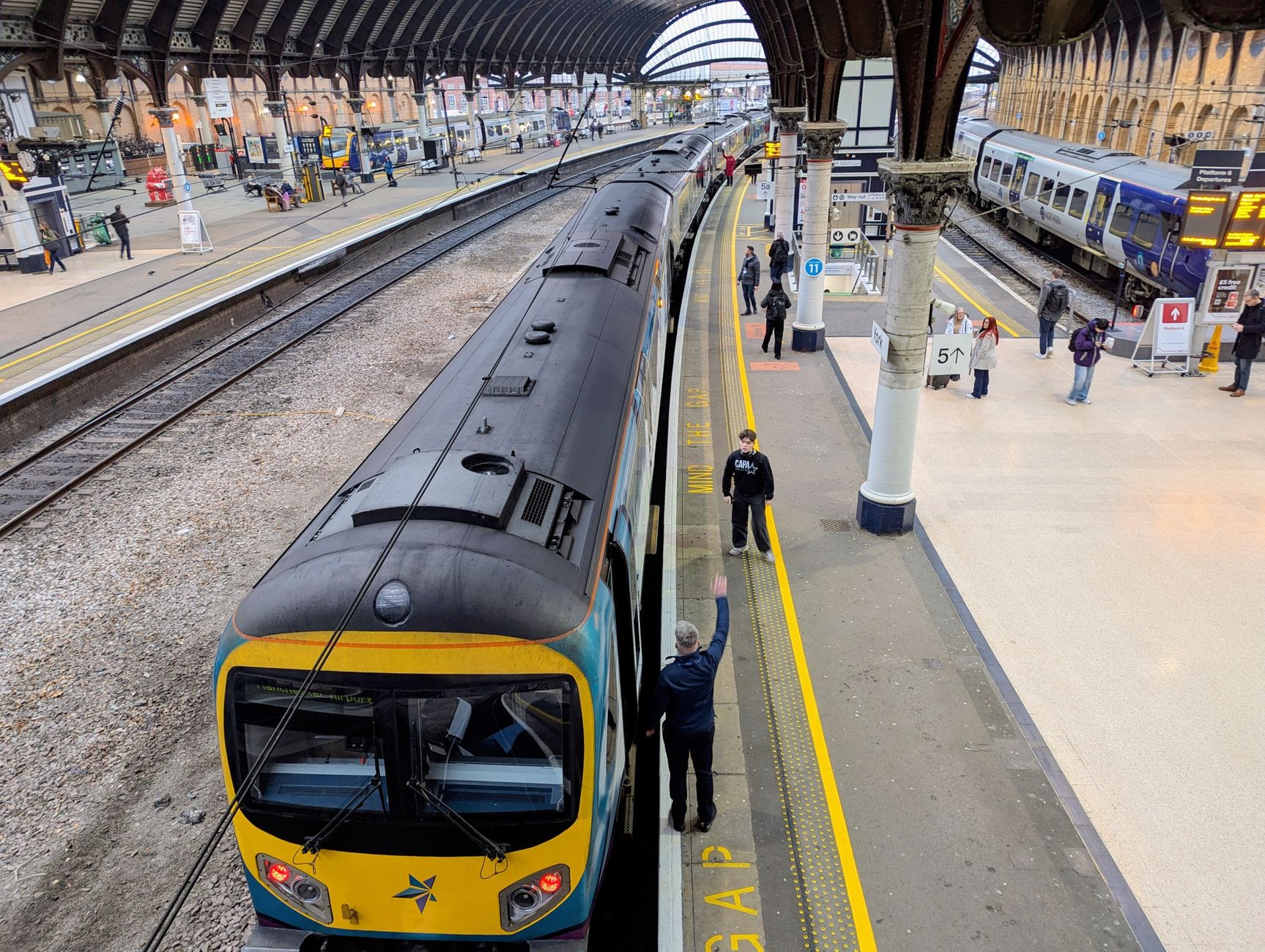
If you care about impact, how to travel europe without flying cuts emissions compared with short flights. Independent and operator sources show that modern electric rail can have much lower CO₂ per passenger‑km than flying, and that coaches are often lower still in carbon intensity per passenger (Our World in Data; EcoPassenger (UIC)). Eurostar also reports big savings on key routes like London–Paris compared with flying (Eurostar sustainability).
| Mode | Relative footprint | Notes |
|---|---|---|
| Electric rail | Lower | Often powered by low‑carbon grids in parts of Europe |
| Coach/bus | Lower to moderate | High occupancy improves efficiency |
| Short‑haul flight | Higher | Airport access and cruise/climb emissions add up |
These are averages. Your footprint depends on occupancy, energy mix, and detours. Still, overland choices usually come out ahead for short and medium distances.
Money and time savers
- Travel light so you can board faster and sit where you want.
- Target midday trains to avoid the commute crunch and higher prices.
- Use an overnight ferry or night train on one or two long jumps to reclaim a day.
- Book only the legs that actually sell out. Keep regional days flexible.
- Compare fares on alternate times and days. Shifting by an hour can lower the price.
- Choose seats near the door if you have a quick change. That helps you move fast.
Mistakes that can derail a no-fly Europe itinerary
- Always check reservation needs on fast legs before you lock dates.
- Seasonal ferries may not run daily in shoulder and winter months; confirm timetables.
- Pack light. Heavy bags make stairs and short changes harder.
- Carry valid passport and entry documents for ferry routes and non‑Schengen borders.
What about strikes and disruptions?
They happen, and most lines post notices in advance. Keep a buffer day where it matters. If a strike cancels a train, many operators will rebook you on a nearby service or accept your ticket on a different train that day. Ferries and buses can be backups when rail is limited.
- Watch operator alerts the day before you travel.
- Know one alternate route for each long leg. Even a slower option beats a full day lost.
- If you hold a pass, you often have more same‑day choices. Use that flexibility.
How to use this guide to plan flight-free Europe
- Pick two or three anchor cities connected by fast trains.
- Add ferries to cross water along a logical line.
- Slot one night train or overnight ferry to save time.
- Reserve critical seats first; keep scenic/regional days flexible.
- Recheck timetables a week before departure and the day before each long leg.
FAQs
What is the best first step if I have never planned a no‑fly Europe route?
The best way to start learning how to travel europe without flying is to pick a fast rail corridor, then add ferries and buses for any water gaps or tricky links. Reserve only the legs that sell out and keep one or two days flexible.
Do I need seat reservations with a Eurail or Interrail pass?
On many high‑speed and night trains, yes. The pass covers travel, but you still need a seat or sleeper booking. Eurail lists where reservations are required and how to get them on each route, so check there before you lock dates (Eurail reservations).
Are night trains safe and comfortable?
Modern night trains offer regular seats, shared couchettes, and private sleepers. Book early for the bed type you want, lock your bag, and choose well‑lit cars near staff if you travel solo. For routes and booking, check the operator (for example, ÖBB Nightjet).
What is the simple way to cross from the UK without flying?
One easy pattern is London → Harwich (rail), overnight ferry to Hook of Holland with a cabin, then a morning train to Amsterdam or Rotterdam. Stena Line posts schedules and cabin options on its site (Stena Line).
How much time do I need at stations?
For most daytime trains, arrive 10–20 minutes earlier. For international and night trains, arrive earlier. For Eurostar, follow its stricter check‑in and border controls as posted on its site (Eurostar travel info).
Overland Europe travel heritage: a quick look
Europe’s ancient and modern ground networks are rich. If you like context, this short video explores the Roman road system and why overland routes still shape modern travel.
Finally, the most useful way to remember how to travel europe without flying is this: build around fast trains, bridge water with ferries, and keep one flexible day for surprises. That simple system works in every season.
Last reviewed for accuracy and links: July 2026. Always recheck timetables and reservations close to your travel dates, as they can change.
Compare the trip details before you book
Affiliate disclosure: Eco Nomad Travel may earn a commission if you book through qualifying links, at no extra cost to you. Use the link only when it genuinely helps your trip research.
Before you lock in dates for How to Travel Europe Without Flying: Trains, Ferries, Buses, and Timing, compare location, flexible cancellation, transfer timing, and total trip cost so the final plan fits your budget and pace.
Related guides
- France Train Travel Tips: TGV Tickets, Stations, and Seat Reservations
- SNCF Train Tickets in France: Booking, TGV Tips, and Station Basics
- Driving Vs Flying Calculator: Your 2026 Travel Guide
