

The quick answer on Ireland train travel
Ireland’s railway is a spoke network with Dublin at the centre and almost nothing running between the spokes. Because Ireland train travel radiates outward rather than connecting the regions, the shape of your itinerary is decided for you before you start.
Within that constraint it works well. Services to the main cities are frequent, comfortable and reasonably quick, and advance fares are genuinely cheap.
- Dublin is the hub, so most journeys either start there or involve passing through.
- Cross-country routes between regional cities barely exist, and buses cover them instead.
- Advance online fares are substantially cheaper than walk-up, which is unusual for the island.
- The scenic west coast is reached by rail to a gateway town and then by bus or bike.
- A separate operator runs the network in Northern Ireland, with good cross-border links.
Affiliate disclosure: Some links in this guide are affiliate links. If you book through them, Eco Nomad Travel may earn a commission at no extra cost to you, and it does not change what we recommend.
Free download: Eco Rail-First Trip Planner
A fast, practical checklist + templates for planning low-impact trips (without decision fatigue).
Use rail for the long radial legs and buses for everything lateral. Consequently a car-free trip is entirely practical, provided you accept the hub shape.
How Ireland train travel is structured
The network’s shape is the single most useful thing to understand.
Lines run from Dublin to the south, the south-west, the west, the north-west and the north, with the capital at the centre of all of them. Consequently the map looks like a wheel with very few connecting rims.
That means a journey between two regional cities on different spokes often routes back through Dublin or requires a bus. Therefore planning a loop around the island by train alone does not work.
Dublin itself has a commuter network and a coastal rail line, plus light rail, which makes the capital genuinely easy without a car. Meanwhile the coastal line north and south of the city is a scenic trip in its own right.
Northern Ireland has its own operator with a compact network centred on Belfast, including a scenic coastal line. So two operators cover the island between them.
Cross-border services between Dublin and Belfast are frequent and straightforward, jointly operated. Consequently combining the two jurisdictions is easy.
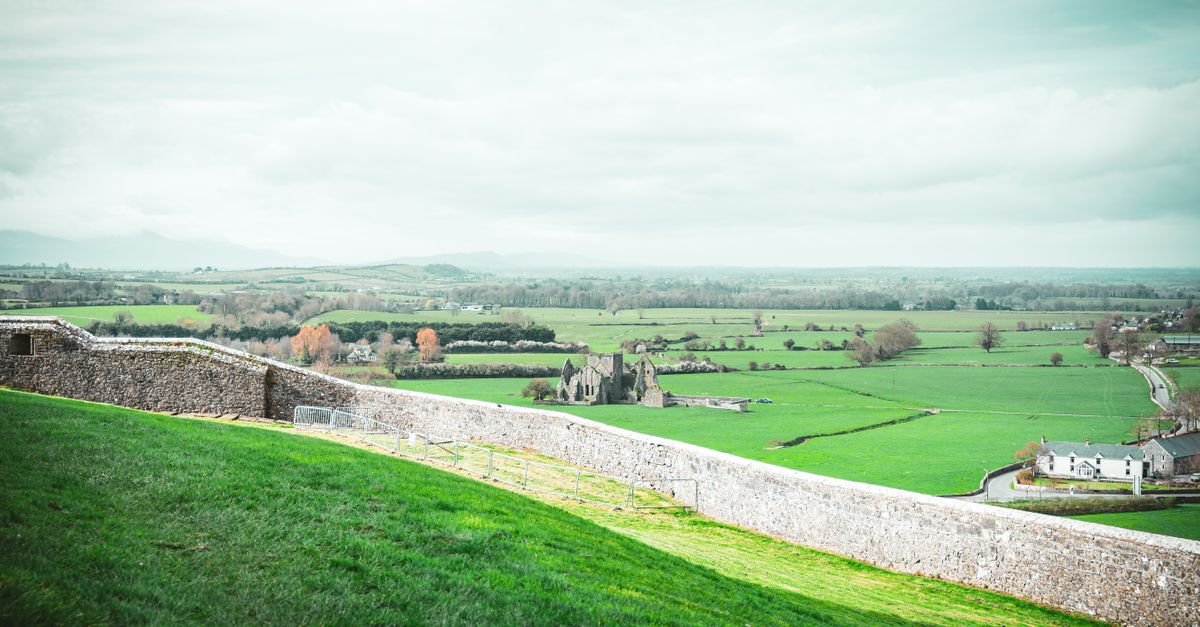
Comparing how to cover each journey
The table compares the realistic options for the journeys an Irish itinerary actually involves.
| Journey type | Best mode | Book ahead? | Comfort | Notes |
|---|---|---|---|---|
| Dublin to a major city | Train | Yes, for cheap fares | Good, tables and power | The network’s core strength |
| Between two regional cities | Coach | Worth booking | Good on main routes | Rail rarely offers a direct link |
| Dublin to Belfast | Train | Yes | Good | Frequent cross-border service |
| To the west coast scenery | Train then bus or bike | Train yes, bus no | Mixed | Rail reaches the gateway towns only |
| Around Dublin | Commuter rail and light rail | No | Good | Tap-on card works across modes |
| Rural villages and peninsulas | Local bus or bike | No | Basic | Check the last service of the day |
| To Britain without flying | Ferry plus train | Yes | Good | Several routes, foot passengers welcome |
A framework for planning Ireland train travel
Four decisions handle the whole island, and the first one prevents the most common frustration.
Ireland train travel fares and when to book
Irish fare structure rewards planning more than most people expect.
Advance online fares on the long-distance routes are released ahead of travel and are substantially cheaper than walk-up prices. Therefore booking early is the main lever available.
Those cheap fares are quota-controlled and tied to a specific train, so they sell out and they are not flexible. Consequently they suit fixed plans and not open-ended ones.
Walk-up fares are considerably more expensive on the main intercity routes, which makes turning up on the day a costly habit. Meanwhile regional and commuter fares are modest whenever you buy them.
Return tickets and day-return options exist and are sometimes cheaper than two singles, which is worth checking in the booking flow. So compare both before paying.
Student, child and senior concessions exist, and the island’s travel card schemes work across rail, bus and light rail in the capital. Consequently a tap-on card is the simplest way to handle urban travel.
Ireland train travel routes worth building a trip around
Several lines are worth taking for themselves rather than only to arrive somewhere.
The coastal line through Dublin, running north and south of the city along the bay, is one of the best urban rail journeys in Europe. Therefore it is an attraction rather than a commute for a visitor.
The line west to the Atlantic gateway city crosses the midlands and the Shannon, arriving at a compact walkable city. Consequently it is the natural route to the west coast.
The south-west line to the second city passes through rolling farmland and connects onward to the harbour town and the coastal resorts. Meanwhile the branch to the harbour is short, frequent and scenic.
The south-east route towards the ferry ports links Dublin to the crossings for Britain and France. So this is the line that makes a flight-free arrival or departure possible.
In Northern Ireland, the coastal line north from Belfast runs beside the sea for long stretches and is widely regarded as one of the most scenic in these islands. Consequently it is worth the detour.
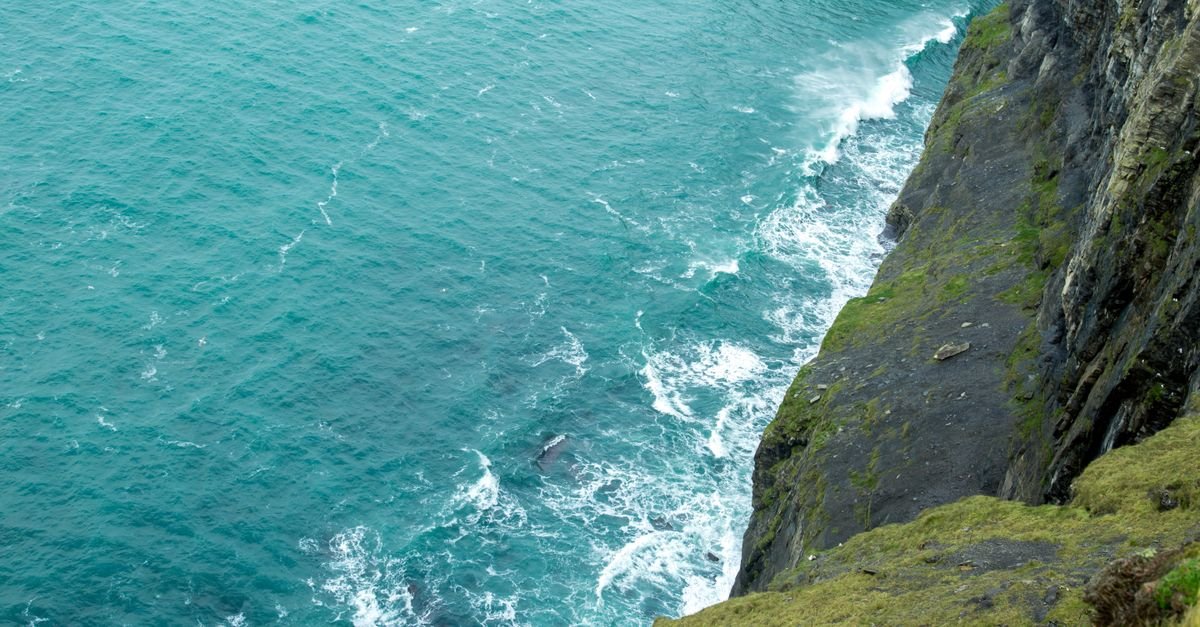
Reaching the west coast without a car
The scenery most people come for is the part Ireland train travel serves least directly, and this is the planning problem to solve.
Rail reaches the western gateway cities and towns efficiently, which gets you most of the way. Therefore the question is only the final leg.
From those gateways, regional and local buses serve the peninsulas, the cliffs and the coastal villages. Consequently the west is accessible, with more planning than the rail-served parts of the country.
Frequencies on rural routes are low, particularly outside summer and on Sundays. Meanwhile the critical detail is always the last service back, which strands the unprepared.
Organised day tours from the western cities cover the famous sights and solve the transport problem in one purchase. So for a short trip these are a reasonable compromise rather than a cop-out.
Cycling is excellent in the west, with growing networks of traffic-free greenways built on former railway lines. Consequently a bike carried on the train opens up the coast properly.
Greenways: the former railways
Greenways are a genuine Irish strength and an unusual complement to Ireland train travel.
Several long traffic-free cycling and walking routes have been built on closed railway alignments. Therefore the gradients are gentle and the surfaces are good.
They run through countryside that was previously hard to reach without a car, including coastal and estuary sections. Consequently they are among the best car-free experiences on the island.
Bikes can be hired at both ends of most routes, which removes the need to carry one. Meanwhile one-way hire with a shuttle back is commonly available.
Some greenways are directly accessible from a railway station, which makes a train-and-bike day genuinely easy. So those are the ones to prioritise on a car-free trip.
The network is still expanding, with new sections opening regularly. Consequently checking current routes rather than an older map is worthwhile.
Northern Ireland and the cross-border service
Combining the two jurisdictions by Ireland train travel is straightforward and widely overlooked.
Frequent jointly operated trains run between Dublin and Belfast, taking a couple of hours. Therefore the two capitals work as a single trip.
There are no routine border controls between the two, though identification should be carried. Consequently the crossing is unremarkable in practice.
Northern Ireland uses a different currency from the Republic, which is the most practical difference to prepare for. Meanwhile cards work throughout and cash needs are modest.
The northern network is compact, with lines from Belfast to the north coast, the north-west and the ports. So it covers the main destinations well.
The coastal line and the north-western line both reach areas of genuine scenic interest. Consequently a few days north is a worthwhile addition rather than a detour.
Ferries and flight-free arrival
Reaching the start of your Ireland train travel without flying is easier than most visitors realise.
Ferries link Irish ports with Britain on several routes, with crossings ranging from a couple of hours to overnight. Therefore a rail-and-sail journey from Britain is practical in a day.
Direct ferries also run between Ireland and France, taking the best part of a day or an overnight crossing. Consequently continental Europe is reachable without flying or transiting Britain.
Rail-and-sail through tickets exist on some routes, covering the train to the port, the crossing and onward rail. Meanwhile these are often cheaper than booking the legs separately.
Foot passengers are generally welcome and have better availability than drivers, particularly in summer. So a car-free traveller has an advantage in booking.
Both main Irish ferry ports are served by rail, which closes the loop. Consequently an entirely surface journey from mainland Europe is a real option.
Ireland train travel onboard and at the stations
Standards are good on the main routes and more basic on the branches.
Intercity services have reserved seating, tables at many seats, power sockets, wifi and a catering trolley or cafe. Therefore they work well for a working journey.
Commuter and regional services are simpler, with no reservations and fewer facilities, but they are clean and frequent. Consequently they are fine for short hops.
Stations in the main cities are central, staffed and well connected to local buses. Meanwhile smaller stations may be unstaffed with limited shelter.
Luggage travels free with no weight limit, stored on racks and in end-of-carriage spaces. So rail removes the baggage-fee calculation entirely.
Bicycle carriage varies by service and some intercity trains require a reservation for a bike space. Consequently confirming the policy for your specific train matters.
Seasons and timing for Ireland train travel
The Irish climate is mild and wet year-round, so season affects crowds and daylight more than temperature.
Summer has the longest days, the warmest weather and the heaviest visitor numbers, particularly in the west. Therefore booking accommodation and advance fares matters most then.
Late spring and early autumn are the best value, with long enough days and far fewer people. Consequently May and September are the sweet spots.
Winter is dark and wet with short days, though the cities remain pleasant and the trains are warm. Meanwhile rural bus frequencies drop and some tourist services stop.
Rain is possible in any season and is rarely heavy for long. So a waterproof jacket matters more than a forecast.
Bank holiday weekends and major sporting fixtures produce sharp demand spikes on the rail network. Consequently checking the calendar before fixing dates is worthwhile.
Costs and budgeting for Ireland train travel
Ireland is not a cheap destination, and transport is one of the areas where planning helps most.
Advance rail fares are inexpensive and walk-up fares are not, which makes the gap between a prepared and an unprepared traveller large. Therefore booking ahead is the main saving.
Coaches between regional cities are cheap and are often the only option anyway. Consequently the lateral legs cost little.
Pan-European rail passes cover Ireland partially and rarely make sense for an Irish trip, given the small network and the cheap advance fares. Meanwhile island-specific travel products exist and may suit intensive itineraries.
Urban travel on a tap-on card is modest, with daily capping in the capital. So city transport is not a significant cost.
Fares and concessions change, so treat this as structure rather than pricing. Consequently check the operators’ own sites before booking.
Why rail and bus beat driving here
For a low-impact trip, the public transport option is both better for emissions and often more pleasant.
Rail produces substantially lower emissions per passenger kilometre than driving alone, and a full coach performs comparably to rail. Therefore the car-free trip is clearly the lower-impact choice.
Much of the Irish network is diesel-operated rather than electrified, which narrows the advantage against a well-occupied modern car. Consequently the comparison is less dramatic than in electrified networks, and it still favours rail.
Driving on narrow rural roads on the left is genuinely demanding for visitors unused to it. Meanwhile the accident and stress cost of that is a real part of the comparison.
Parking in the cities is expensive and awkward, and several centres restrict traffic. So arriving by train puts you where you want to be.
For precise comparisons use a current calculator rather than a remembered figure. Consequently the direction is reliable and the magnitude is route-specific.
A suggested week without a car
One shape works well for a first visit and uses each mode for what it does best.
Start with two nights in Dublin, using the coastal rail line for a half-day out of the city. Therefore you see the capital and one of the best urban rail journeys in Europe at the same time.
Take the train south-west for two nights in the second city, with the short branch line to the harbour town as a day trip. Consequently the south-west is covered without a car.
Move laterally by coach to the western gateway city for two nights, using local buses or a day tour for the cliffs and a greenway for a cycling day. Meanwhile this is where the planning effort is concentrated.
Return to Dublin by train, or continue north by coach and train to Belfast if you have longer. So the route is a loop only in the sense that it returns to the hub.
Adding Northern Ireland needs two more nights and is worth it if you have them. Consequently nine or ten days covers the island’s highlights comfortably.
Food, pubs and practical details
A few practical points shape a car-free trip more than they would with a vehicle.
Not driving means you can use the pubs properly, which is a genuine advantage rather than a joke. Therefore the rail-and-bus trip is the one that lets you enjoy the thing the country is famous for.
Traditional music sessions happen in the evenings, which argues for staying in towns rather than isolated accommodation. Consequently a walkable base matters more here than in many countries.
Food has improved markedly, with good restaurants in all the cities and excellent seafood on the coasts. Meanwhile rural options close early, so checking kitchen hours is sensible.
Accommodation near stations is plentiful in the cities and scarcer in the west, where the best places are often out of town. So that is a genuine trade-off for a car-free traveller.
The Republic uses the euro and Northern Ireland uses pounds sterling, and cards work throughout both. Consequently carrying a little of each is enough.
Accessibility and travelling with mobility needs
Provision varies between the modern and the older parts of the network.
Main intercity services and newer stations have level access, accessible toilets and assistance available. Therefore the core network is usable.
Assistance should be booked in advance, with operators specifying a notice period. Consequently arranging it at the time of booking is the right habit.
Smaller and unstaffed stations may lack step-free access or assistance entirely, which constrains some itineraries. Meanwhile the operator can confirm which stations are accessible before you plan around them.
Rural buses vary considerably in accessibility, which affects the final leg to the west coast. So checking that specific route rather than assuming is necessary.
Concession schemes exist for disabled passengers and sometimes for a companion, with documentation requirements. Consequently the operator’s accessibility team is the fastest route to a clear answer.
Planning checklist for Ireland train travel
First, accept the hub-and-spoke shape and build an itinerary that returns through Dublin rather than attempting a rail loop.
Second, book advance online fares for the long radial legs, where the saving against walk-up prices is large.
Third, plan lateral journeys between regional cities by coach, since rail rarely connects them directly.
Fourth, reach the west coast by train to a gateway town plus a local bus, bike or day tour, and always check the last service back.
Fifth, consider adding Northern Ireland via the frequent Dublin to Belfast service, remembering the currency changes.
Finally, confirm bicycle reservation rules for your specific train, get a tap-on card for urban travel, and look at a rail-and-sail route if you want to arrive without flying.
Mistakes that complicate an Irish trip
- Planning a rail loop around the island, which the spoke network cannot support.
- Buying walk-up intercity tickets on the day and paying several times the advance fare.
- Assuming rail reaches the famous west coast cliffs and peninsulas directly.
- Taking a rural bus out without checking the last service back.
- Buying a pan-European pass for a trip on a small network with cheap advance fares.
- Forgetting that Northern Ireland uses a different currency.
- Bringing a bicycle onto an intercity train without reserving a space.
- Booking a summer trip to the west at short notice and finding nothing available.
Frequently asked questions about Ireland train travel
Can I travel around Ireland by train alone?
Not in a loop. The network is hub-and-spoke with Dublin at the centre and very few links between the spokes, so journeys between two regional cities usually route back through the capital or need a coach. Rail for the radial legs and buses for the lateral ones is the workable plan.
How far ahead should I book?
As early as you can for long-distance routes, because advance online fares are substantially cheaper than walk-up prices, quota-controlled and tied to a specific train. Regional and commuter fares are modest whenever you buy them, so there is no need to book those.
Can I reach the west coast cliffs by train?
Not directly. Rail reaches the western gateway cities and towns efficiently, and the final leg to the cliffs, peninsulas and coastal villages is a local bus, a bicycle or an organised day tour. Rural frequencies are low, so always check the last service back.
What are the greenways?
Long traffic-free walking and cycling routes built on closed railway alignments, which means gentle gradients and good surfaces through countryside that is otherwise hard to reach without a car. Bikes can usually be hired at both ends, and some greenways start at a railway station.
Is Northern Ireland easy to add?
Yes. Frequent jointly operated trains link Dublin and Belfast in a couple of hours with no routine border controls, though identification should be carried. The main practical difference is that Northern Ireland uses a different currency from the Republic.
Can I get to Ireland without flying?
Yes. Ferries link Irish ports with Britain on several routes and run directly to France, and both main Irish ferry ports are served by rail. Rail-and-sail through tickets exist on some routes and are often cheaper than booking each leg separately.
Where to stay along the route
Because the network is hub-and-spoke, a central base in each city you stop in does more for the itinerary than a cheaper room out of town. Compare hotels near Irish stations on Trip.com
How this guide was researched
This guide describes the structure of rail and public transport on the island of Ireland rather than quoting fares: the hub-and-spoke network centred on Dublin with few links between the spokes, the separate operator in Northern Ireland and the frequent jointly operated cross-border service, the advance-versus-walk-up fare gap on intercity routes, and the role of coaches and local buses in covering what rail does not.
No operator names, fares, journey times, frequencies or greenway lengths appear here, because all of them change and the greenway network in particular is still expanding. The guide directs readers to the operators’ own sites and emphasises checking the last rural service of the day, which is the detail that most often strands visitors.
The emissions comparison is stated directionally with an honest caveat: much of the Irish network is diesel-operated rather than electrified, which narrows rail’s advantage against a well-occupied modern car without reversing it, and a full coach performs comparably to rail. Nothing here claims first-hand travel on every route described.
Useful official references: the National Transport Authority of Ireland for integrated transport information, European Environment Agency transport and mobility data, European Commission rail passenger rights, and the UNESCO World Heritage list, which includes Irish sites.
Planning more rail travel? See our guides to UK train tickets, towns to visit in Ireland and vacations without a car.
Last updated .
