

Planning train travel with kids Europe families actually enjoy starts with four basics: seats, snacks, bags, and timing. This guide walks you through simple choices that prevent meltdowns, reduce stress at stations, and keep everyone fed and comfortable on board. You will find quick answers, checklists, examples, and links to official sources so you can book with confidence.
For a related Eco Nomad guide, see train travel with kids europe.
Key takeaways
- Book smart: choose facing seats with a table, sit near doors but not right at them, and avoid quiet coaches unless everyone can stay silent.
- Pack tight: one carry-on per adult plus a small kid backpack usually beats big suitcases on narrow aisles and crowded platforms.
- Bring real snacks and water; many trains have cafes, but lines and prices vary by route and operator.
- Time rides with naps and playground breaks around station stops to keep energy steady during train travel with kids Europe.
- Check operator rules for family discounts, reservations, stroller storage, and night-train cabins; policies differ across countries.
What makes train travel with kids Europe less stressful?
It comes down to control. You choose seats with elbow room, keep bags easy to lift, feed kids before they crash, and ride at kid-friendly hours. Trains are great for families because you can move around, visit the cafe, and reach city centers without airport security lines. However, each operator sets different rules for luggage, reservations, and child fares. Because of that, a little planning saves a lot of “Are we there yet?â€
KIDS framework for family train travel Europe: make each ride smoother
- K — Keep bags small: 1 carry-on per adult; stow at seat when possible.
- I — Involve kids: Let them pick a snack and a window-side activity.
- D — Divide the day: Alternate quiet time, snack time, and aisle walks.
- S — Snack plan: Refill water at stations; schedule snack alarms.
Use this as a quick pre-boarding check. If one step slips, adjust timing first and the rest often falls into place.
Free rail-first travel checklist
Fast, high-signal decisions first - then details. Unsubscribe anytime.
Seats for family train travel Europe: how to choose
Seat choice shapes the whole trip. For family train travel Europe, target a bank of four facing seats around a table, or a family area when available. That way, you can play a game, park snacks within reach, and corral toys that try to roll away. For train travel with kids Europe, aim for easy exits but avoid standing zones where doors open and close often.
Best seat types for europe train with kids and why they help
- Face-to-face bays with a table: Easy for meals, coloring, and card games.
- Window pairs near but not next to doors: Faster boarding without constant foot traffic.
- Family areas (e.g., “Familienbereich†on some German trains): More tolerance for kid noise and prams.
- Avoid quiet coaches: Great for solo work, not ideal for toddlers.
| Operator | Seat Type to Look For | Notes |
|---|---|---|
| Deutsche Bahn (Germany) | 4-seat tables; family area on some ICE/IC | Check “Traveling with children†for facilities and child tickets (DB official). |
| SNCF (France) | Face-to-face tables; Duo seats | Luggage rules and family travel info vary by TGV/Ouigo (SNCF official). |
| Eurostar (UK–FR–BE–NL) | Table groups in Standard/Standard Premier | Family guidance and luggage allowances are clearly listed (Eurostar families). |
| ÖBB Nightjet (Austria and cross-border) | Couchettes; family compartments | Book entire compartments for privacy (Nightjet official). |
| Trenitalia/Italo (Italy) | Face-to-face bays on high-speed | Reservations are mandatory on most high-speed routes. |
Tip: If your reservation tool lets you preview a seat map, pick a table bay opposite the luggage rack. You can watch your bags without standing. If not, board early at the right coach letter and ask the conductor if a family area is open. For train travel with kids Europe, booking a table bay also keeps snacks and crayons contained.
Seat map tools and booking steps
- Search your exact train number and date; many platforms show coach layouts at checkout.
- Filter for “table†or “family area†if offered; on some sites, pick a carriage first, then a seat block.
- Select seats facing each other; if not possible, pick adjacent window pairs in the same coach.
- Save a screenshot of the coach letter and seat numbers.
- Arrive early to board at your assigned coach to avoid lugging bags through narrow aisles.
Operator quirks to note
- Germany (DB ICE/IC): Look for “Familienbereich†icons. Reservations are optional but worth it on busy days.
- France (TGV/Ouigo): Reservations required; some TGVs have quiet zones—avoid with toddlers.
- Italy (Frecciarossa/Italo): Reservations required; four-seat bays common in standard classes.
- Spain (AVE/Avlo/OUIGO España): Reservations required; cafe hours vary—snack up early.
- Switzerland (IC/IR): Reservations often optional; scenic routes fill at peak times.
- Netherlands (IC/Sprinter): No seat reservations on domestic routes; board early for tables.
Can you sit together on trains with children in Europe if the train is full?
Often yes, with help. Talk to the conductor before departure; they can suggest swaps or point you to a family space. On trains with assigned seats, you can also politely ask nearby travelers to trade so your group stays together. Because families are common on European routes, most riders are happy to switch when you ask early and kindly.
Snacks for europe train with kids: what to bring and when to buy
Bring more than you think. For europe train with kids, timing snacks beats chasing sugar crashes. Many long-distance trains have a bistro car, but lines can be long at peak times, and some regional routes have no onboard cafe at all. Stations usually have markets and bakeries with better prices than onboard. For train travel with kids Europe, portion snacks into small, easy-to-open bags so you can hand them out fast.
- Pack sturdy, not crumbly snacks: mini wraps, cheese cubes, cut fruit, and granola bars.
- Use spill-proof water bottles; refill at station fountains where available.
- For hot items, buy at the station right before boarding to keep them warm.
- Avoid strong-smelling foods in tight seating areas.
Onboard options: Eurostar and many high-speed networks offer cafes, but menus vary by route and time of day. Check your operator’s page for current service. For example, Eurostar lists luggage and family info clearly, and you can infer space for snacks around your seats (Eurostar luggage; Eurostar families).
Snack schedule by ride length
- Up to 90 minutes: One snack near the midpoint; keep water handy.
- 2–3 hours: Snack at 45–60 minutes; second snack around 2 hours. Add a quick aisle walk.
- 4+ hours: Plan two snack windows plus a longer station break if connections allow.
Allergy and waste notes: Pack wipes and a small trash bag. If nuts are a concern in your coach, choose alternatives like cheese sticks, cut veg, and crackers. Reusable containers reduce litter and are easy to stack under the table. For train travel with kids Europe, a simple routine—hydrate, snack, stretch—keeps moods steady.
Bags and strollers for trains with children in Europe: pack light and place smart
Train aisles and doors are narrow on many routes. One small rolling carry-on per adult plus a kid’s backpack is usually the sweet spot. For trains with children in Europe, you want bags every adult can lift alone. Onboard, use overhead shelves for small cases, end-of-car racks for larger items, and under-seat space for day bags. For train travel with kids Europe, choose soft-sided bags that flex into tight racks.
- Strollers: Bring a compact, quick-fold buggy. Park it in the end vestibule or luggage rack if space is tight.
- Labels: Put your name and phone number on every bag in case it slides during a stop.
- Security: Use a simple strap or cable lock on large cases if you sit far from the rack.
Operators publish luggage guidance and sizes. For example, check DB’s luggage overview (Deutsche Bahn) and SNCF’s rules (SNCF luggage). Policies shift, so always verify before you pack.
| Item | Why It Helps | Pack Notes |
|---|---|---|
| Compact stroller | Faster transfers; easy folding at doors | Gate-check style; strap to stand upright |
| Soft day bag | Slides under seat; quick access | Snacks, wipes, tissues on top |
| Change kit | Manage spills and accidents | Wipes, bags, spare shirt, light blanket |
| Headphones | Quiet entertainment | Kid-sized; volume limit |
| Refillable bottles | Save on drinks | Fill at stations when allowed |
Packing systems that help kids help
- Color-code pouches: Red for snacks, blue for art, green for meds. Kids learn where to find things.
- One-touch access: Keep a top pocket with tissues, wipes, sanitizer, and a small trash bag.
- Train-door drill: Before arrival, assign roles: Adult A gets kids; Adult B grabs luggage; Kid puts toys in pouch.
Stroller choices explained
- Umbrella stroller: Light and fast to fold; less comfy for naps.
- Compact travel stroller: Slightly heavier but better for longer walks; can fit in some overheads.
- Carrier/sling: Best for stairs and short hops; pair with a small daypack.
For train travel with kids Europe, a compact stroller plus a soft day bag usually beats a bulky pram and suitcase combo.

Timing for train travel with kids Europe: when to ride and how long to stay on board
Book daytime journeys during typical nap windows or after a good meal. For family train travel Europe, also avoid the morning and evening commuter crush in major cities. If a ride will exceed three hours, schedule a longer station break to stretch and restock snacks. For train travel with kids Europe, a mid-route stop can reset moods without derailing your day.
- Under 2 hours: A single snack and one activity is often enough.
- 2–4 hours: Plan two snack times and one aisle walk.
- 4+ hours: Add a station break if the route allows without a big fare jump.
Pro move: Pick routes that arrive close to bedtime so kids doze the last stretch. If you try a night train, book a private compartment so lights and noise are under your control.
Case studies: make-or-break timing
- Morning hop (1h45): Eat a solid breakfast, board with one activity ready, snack at the midpoint.
- Midday ride (3h): Two snack windows (45m and 2h15m), one aisle walk, and quiet time after lunch.
- Stretch ride (5h with change): Split into two legs; plan a 30–45 minute station break to rest, bathroom, and restock.
For train travel with kids Europe, build 10–15 minutes of slack into transfers. Missing a connection is less stressful when you already expected a buffer.
| Country/Operator | High-speed Reservation | Regional Reservation | Notes |
|---|---|---|---|
| France (TGV) | Mandatory | Usually not required | Peak times sell out; book seats together early. |
| Italy (Frecciarossa/Italo) | Mandatory | Not required on regional | Family bays common; confirm on the seat map. |
| Spain (AVE) | Mandatory | Not required on many regional | Bring snacks; cafe hours vary by route. |
| Germany (ICE/IC) | Strongly recommended | Not required | Look for “Familienbereich” when available (DB info). |
| Eurostar | Seat assigned with ticket | n/a | Family guidance on the official site (Eurostar families). |
Booking and rail passes for family train travel Europe
Passes can be great value, but reservations and child rules differ. For europe train with kids, a mix often wins: point-to-point tickets for fixed high-speed days, and a pass for flexible regional exploration. For train travel with kids Europe, book seats on busy legs as soon as your dates are firm.
- Eurail (non-Europe residents): Children often travel free with an adult pass, but you still may need paid seat reservations on some trains. See current rules (Eurail children) and reservation info (Eurail reservations).
- Interrail (Europe residents): Similar child policies; confirm details before you buy (Interrail with children).
- Seat reservations: France, Italy, Spain, and many cross-border high-speed routes require reservations that can sell out. Book early to sit together.
How to decide: If your itinerary includes several long regional rides with unreserved seating, a pass keeps things simple. If you only have two long high-speed hops, buy those as advance point-to-point tickets and lock great seats now.
Simple decision tree
- Count reserved legs: If you have 2–3 big high-speed rides, consider advance tickets for those legs.
- Check flexibility needs: If you plan lots of regional day trips, a pass offers freedom.
- Compare totals: Add reservation fees to pass prices; sometimes tickets win on cost, passes on freedom.
Night trains for europe train with kids: when it’s worth it
Night trains turn transit into a quiet room on wheels. For europe train with kids, many families like a private couchette or sleeper with doors that lock from the inside. You control lights and bedtime, and you wake closer to your destination without a hotel checkout. For train travel with kids Europe, private compartments reduce wake-ups and keep gear contained.
- Private compartments: Book the whole couchette for fewer wake-ups.
- Early boarding: Arrive 25–40 minutes before departure to settle in and set up beds.
- Safety: Keep valuables in a small cross-body bag; use the internal lock.
Check official pages for layouts and family offers. For example, ÖBB’s Nightjet pages outline compartment types and amenities (Nightjet official).
Night-train pre-boarding checklist
- Pack pajamas and toothbrushes in a top pouch.
- Bring a small night light or use a phone flashlight on low.
- Lay out tomorrow’s clothes before lights out.
- Set an alarm 20–30 minutes before arrival for a calm wake-up.
Morning arrival plan: Snack first, bathrooms second, then bags. A short cafe stop near the station eases the transition.
Entertainment that travels well
- Low-mess art: window clings, sticker books, and water-reveal pads.
- Card games and magnetic checkers for table seats.
- Downloaded shows and audiobooks; pack kid-size headphones.
- Mini scavenger hunt: trains, stations, bridges, fields, mountains.
- Stretch breaks at car ends during long rides.
Quiet-time kit list
- Pencil case with crayons, a small sharpener, and index cards.
- Two small toys per child; rotate halfway through the ride.
- Offline playlists and one audiobook per child.
For train travel with kids Europe, mix screens with simple games so kids can tune into the scenery too.
Station strategy: arrivals, transfers, and exits
European stations are busy but well signed. Print or save your coach and seat numbers, then line up at the right car letter on the platform. For family train travel Europe, planning gets easier if you mark elevators on a station map before arrival. If you must use stairs, carry bags first, then the stroller, or fold the stroller and walk kids hand-in-hand. For train travel with kids Europe, always confirm your coach letter early on the departure board.
- Arrive 20–30 minutes early for high-speed trains; 10–15 for regional.
- Board at your coach letter to avoid carting bags through narrow aisles.
- Store big items first, then shepherd kids to seats, then pull out snacks and a toy.
Navigate big hubs faster
- Follow official overhead signs for exits and platforms; avoid bottlenecks near the center of the hall.
- When possible, stand near the coach letter markers several minutes before the train arrives.
- Keep one hand free for kids and one for the lightest bag.
What to do if the platform changes
- Pause and scan the main board; verify the train number, not just the destination.
- Move along the concourse rather than crossing the middle of a crowded platform.
- If traveling with two adults, send one ahead with tickets while the other guides kids.
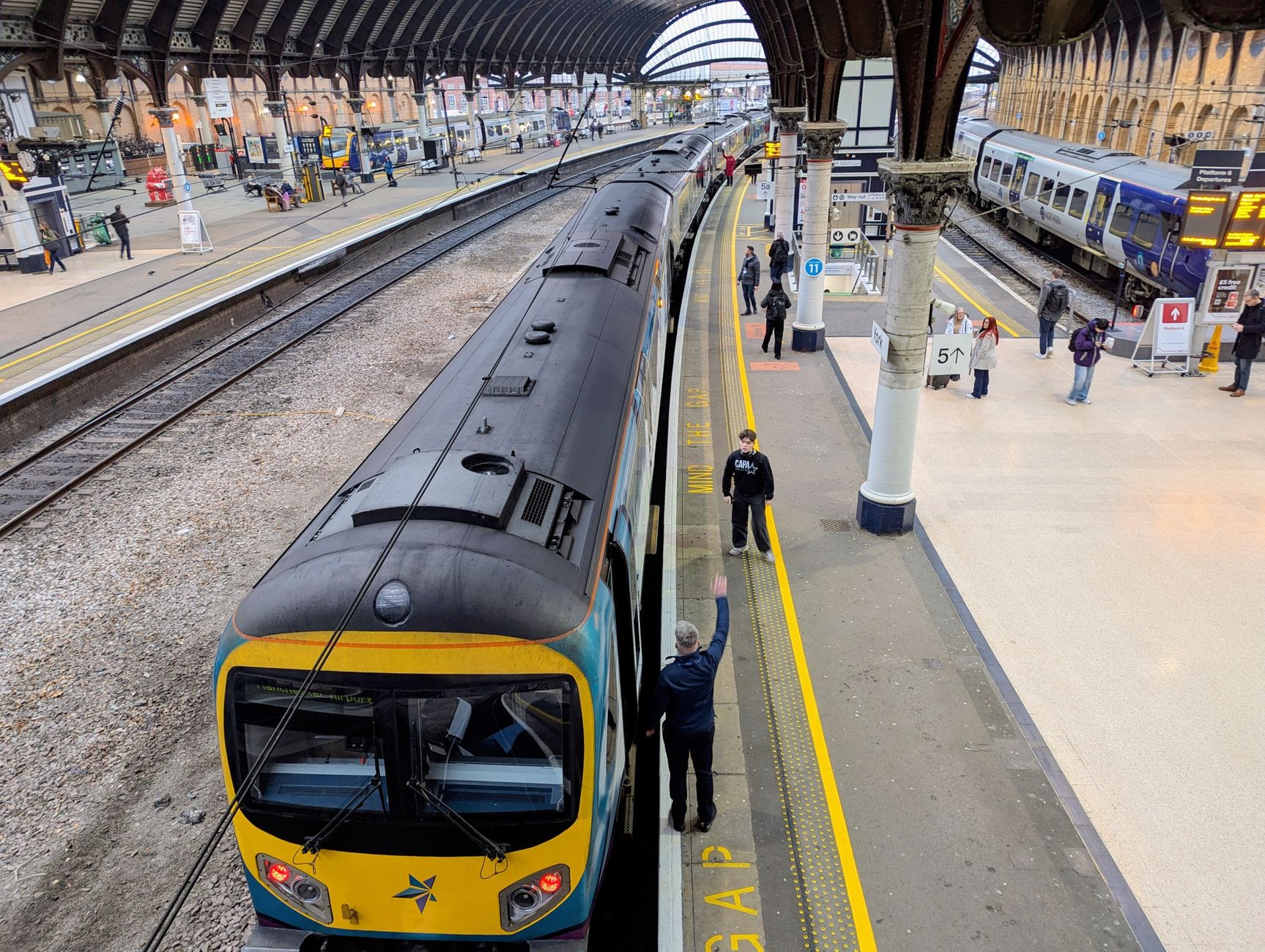
Example routes that work for train travel with kids Europe
Use these ideas to shape days with scenery and quick wins. For family train travel Europe, shorter hops and vivid views keep energy balanced.
- Paris → Strasbourg (TGV, ~1h45): Fast, frequent, and walkable old town on arrival.
- Munich → Salzburg (RE/EC/IC, ~1h30–2h): Castles and mountain views; flexible regional services.
- Zurich → Lucerne (IR, ~45–60m): Lake scenery; boat rides as a bonus activity.
- Amsterdam → Utrecht (IC/Sprinter, ~25–30m): Short hop with canals and kid-friendly museums.
- Vienna → Bratislava (R/REX, ~1h): Two capitals in one easy day.
- Florence → Bologna (FR/Italo, ~35–40m): Quick, high-speed, with great food on both ends.
- Madrid → Segovia (AVANT, ~30m): Short ride, big aqueduct payoff.
Sample day plan for a 3-hour ride
Keep it simple and predictable.
- 00:00–00:15 Board, store bags, settle seats, hand out activity 1.
- 00:45 Snack 1, bathroom break, small aisle walk.
- 01:30 Quiet time: audiobook or coloring.
- 02:15 Snack 2, pack toys, look out the window for landmarks.
- 02:45 Bathroom, prepare to exit, zip up bags.
Toddler vs. tween tweaks
- Toddlers: Shorter activities, more movement breaks, soft snacks.
- Tweens: Longer reading or audiobook blocks, simple card games, and a seat rotation every hour.
Can you rely on onboard bathrooms and changing tables?
Usually yes on long-distance trains, but not on every regional route. Bring a compact changing kit and spare outfit. Because stops can be short, use bathrooms 15–25 minutes before arrival to avoid a last-minute scramble. If a coach bathroom is out of order, walk to the next car and ask a conductor if needed.
Backup plan: Keep a small pack of disposable seat covers or an extra changing pad. A zipper bag with fresh clothes prevents mess stress.
Fix common hiccups fast on train travel with kids Europe
- Seats apart: Ask the conductor for help before departure; then request polite swaps with nearby riders.
- No overhead space: Try the mid-car rack or the vestibule rack at the car end.
- Snack meltdown: Pull out the emergency bar and water; then plan a station break next stop.
- Motion queasiness: Sit facing forward near the middle of the train; look at the horizon.
- Missed connection: Head to the information desk; the next train may honor your ticket. Keep buffer time on later plans.
- Seat conflict: Show your reservation politely; if needed, ask the conductor to mediate.
- Spill disaster: Use your change kit; pack up wet items in a spare bag and switch seats if space allows.
Rail pass or point-to-point for family train travel Europe?
Answer these two questions: Do you want fixed seat reservations on busy routes? And do you have several days of regional rides where flexibility matters? If yes to both, combine: lock seats for key high-speed segments, and use a pass for open regional days. For europe train with kids, this hybrid approach is common and reduces stress.
Compare times, prices, and platforms in one place
Families save time when you can view departures, durations, and platform info side-by-side before you head to the station. Use this during planning and again the day before departure to catch timetable changes. For train travel with kids Europe, a quick check the night before avoids surprises.
Affiliate disclosure: Some links in this guide may be affiliate links. If you book or buy through them, Eco Nomad Travel may earn a commission at no extra cost to you.
Check train times, fares, and basic platform info on Trip.com and screenshot your final itinerary so it’s handy offline.
25 helpful tips for europe train with kids (YouTube)
If the embed does not load, you can watch it here: 25 Helpful Travel Tips for Europe (with Kids!).
Etiquette and comfort tips other riders will thank you for
- Use inside voices and keep devices on headphones.
- Tidy your area before you exit; check for crayons and snack wrappers.
- Aim for table play, not aisle play, during busy times.
- Share windows for photos; wait your turn in cafe lines.
Polite, prepared families fit right in. For train travel with kids Europe, quiet toys, quick cleanup, and a friendly tone go a long way.
Safety and health on board
- Keep one adult or older child seated with bags during station stops.
- Use hand sanitizer after bathroom visits and before snacks.
- Teach a meet-up spot if someone gets separated (e.g., under the main departures board).
- Carry basic meds and motion-sickness remedies as permitted.
FAQ: train travel with kids Europe
Do kids need passports for cross-border trains?
Yes. Every traveler needs valid ID for border checks. Carry passports and any required visas, even within the Schengen Area where spot checks can occur.
Can I bring a car seat on the train?
Usually yes, but trains do not have car seat anchors. If you bring one, place it safely on a seat facing forward and secure it with your hand or strap as local rules allow. Most families prefer a light travel booster only for destination car rentals.
How early should we arrive for high-speed trains?
Arrive 20–30 minutes early to find the right coach letter and store bags. For Eurostar, allow extra time for security and checks.
What if our seats are scattered?
Ask the conductor immediately and then request seat swaps with nearby riders. Most people will help families sit together if you ask before departure.
Is a night train better than a hotel?
Sometimes. If a private compartment matches your bedtime and route, it can save a hotel night and time. If your kids are light sleepers, choose a short day ride instead.
Where do I find official rules for luggage and strollers?
Check the operator’s page for your route, such as DB luggage, SNCF luggage, and Eurostar luggage.
Do kids travel free with Eurail or Interrail?
Often, young children travel free with a paying adult pass, but seat reservations may still be required and cost extra. See Eurail children and Interrail with children for current details.
How do I handle meals if there is no cafe car?
Buy sandwiches or bento-style boxes at the station, pack fruit and bars, and bring refillable bottles. Eat as the train rolls to avoid hunger spikes before arrival.
More Europe train guides for planning your route
- Europe by train: a complete family guide
- Eurail vs point-to-point tickets for families
- Night trains with kids in Europe: cabins, packing, sleep tips
- How to book Europe train seat reservations
- Carry-on packing list for families
With steady snacks, smart seats, light bags, and good timing, train travel with kids Europe becomes a highlight, not a hurdle. Build in breaks, use official operator info for rules, and keep the KIDS framework close. Enjoy the ride.
