

Last updated: July 4, 2026. Source check: ÖBB seat reservations, Sparschiene, bicycle carriage, passenger-rights pages, Westbahn ticket-validity guidance, and Nightjet comfort categories were rechecked for this publish run.
For the broader route-planning framework, start with Eco Nomad’s train travel in Europe guide.
If you’re looking for an austria train travel guide that’s practical (not fluffy), this is the fast way to get confident: plan with the official Scotty timetable, book key legs early, and add seat reservations when your route or date is likely to be busy.
Austria is one of the easiest countries in Europe to travel without a car. You can cover Vienna, Salzburg, Innsbruck, Graz, and many Alpine valleys by rail, then use local buses and trams for the “last mileâ€Â. This austria train travel guide focuses on traveler-relevant decisions: where to buy tickets, when reservations matter, what “Sparschiene†really means, how Nightjet works, and what to do when something goes wrong.
Avoid the biggest train-travel mistakes
Booking order + buffer rules + offline plan - free PDF.
Austria train travel guide: quick answer (read this first)
- Plan first with official tools. Use OEBB Scotty for timetables and live updates (delays, platform changes, connection suggestions).
- Book the “hard to replace†trains early. Peak Railjet departures, cross-border legs, and Nightjet sleepers sell out first.
- Seat reservations are usually optional on day trains, but not useless. OEBB explains how to add them under “Extras†and notes you can reserve up to 180 days ahead. See OEBB’s seat reservation guide.
- Know your ticket flexibility. OEBB’s cancellation rules vary by fare type (and some discounted fares can’t be cancelled). Review OEBB’s cancellation FAQ before you pay.
- Do not mix up operators. Westbahn is a separate operator on parts of the west corridor; it states that ÖBB/DB tickets are not valid on Westbahn trains. Westbahn FAQ.
| Goal | Best tool | Why it works |
|---|---|---|
| Check times, platforms, and disruptions | ÖBB Scotty | Official timetable + live service messages |
| Buy most Austria day tickets | ÖBB Ticketshop / app | Direct operator inventory, clear fare rules |
| Guarantee a seat on busy services | Add seat reservation (“Extrasâ€Â) | Reduces stress on popular Railjet departures |
| Ride overnight instead of flying | Nightjet | Sleeper/couchette options + city-centre arrivals |
| Bring a bike (where allowed) | ÖBB bike guidance + booking flow | Rules vary by train type and capacity |
Train travel in Austria: what makes it so easy
Compared with many countries, train travel in Austria is straightforward for visitors because you can build a trip around three predictable layers:
- Intercity spines for fast city-to-city moves (think Vienna ↆSalzburg ↆInnsbruck).
- Regional coverage for lakes, valleys, and smaller towns (your day-trip layer).
- Urban transit inside the big cities (U-Bahn, trams, and buses to finish the day).
The practical takeaway for this austria train travel guide is simple: pick 1–3 walkable base cities, then use trains for most movement and local transit for the rest. That reduces luggage hauling, cuts taxi needs, and makes your travel days feel calmer.
Plan your route with OEBB Scotty (and why it matters)
Most “Austria rail planning†mistakes come from using unofficial schedules or not noticing a platform change until it’s too late. OEBB Scotty is built for the day-of reality: it’s designed to surface delays, platform changes, and connection recommendations as they happen. Start with Scotty for the timetable and disruption layer, then decide where to buy your ticket based on the operator you’ll actually ride.
Tip for stress-free transfers: for any connection under ~10 minutes, look for a slower alternative with a larger buffer unless you’re traveling light and the stations are familiar. Austrian hubs are generally efficient, but a tight connection plus a long platform walk is the fastest way to turn a smooth rail day into a scramble.
Quick workflow for this austria train travel guide
- Search your route in Scotty and confirm the operator (OEBB vs Westbahn matters).
- Pick your “must arrive†legs (hotel check-in, flight, event).
- Choose fare flexibility (cheapest vs changeable) before you add extras.
- Add reservations for busy Railjet departures and for every Nightjet sleeper/couchette.
- Recheck platform info after you arrive at the station, not just in the morning.
OEBB tickets: where to buy (and when to book elsewhere)
For most visitors, the simplest approach is to buy day tickets directly through the OEBB Ticketshop or app. That keeps your trip in one system and makes it easier to review fare conditions before purchase. If you prefer a more “operator-first†setup, treat the app as your default and use other platforms only when they genuinely solve a multi-operator problem.
Option 1: Buy OEBB tickets in the app or Ticketshop (best default)
This is the most reliable “one place†workflow for Austria day trains. If you want a seat reservation on a Railjet, OEBB explains you can tick it under “Extras†while booking. OEBB seat reservation instructions.
Option 2: Buy OEBB tickets at the station (best for last-minute flexibility)
Station machines and counters are useful when you are deciding on the fly, when you need help with a complex multi-person booking, or when you want a very flexible fare. The trade-off is time: build a buffer, especially at large stations.
Option 3: Buy with another operator or platform (use only when it fits)
Austria has more than one operator on key corridors. Westbahn, for example, runs its own services and says ÖBB/DB tickets are not valid on Westbahn trains. Westbahn’s guidance. If Scotty shows a Westbahn service, treat it as a separate purchase decision.
Common mistake: mixing operators on the same corridor
On the Vienna–Linz–Salzburg axis, it’s possible to see multiple operators. That’s great for competition, but it’s a classic visitor trap. This austria train travel guide rule is blunt: your ticket must match your operator. If you decide to ride Westbahn, buy a Westbahn ticket. If you decide to ride OEBB, buy the OEBB ticket for that service.
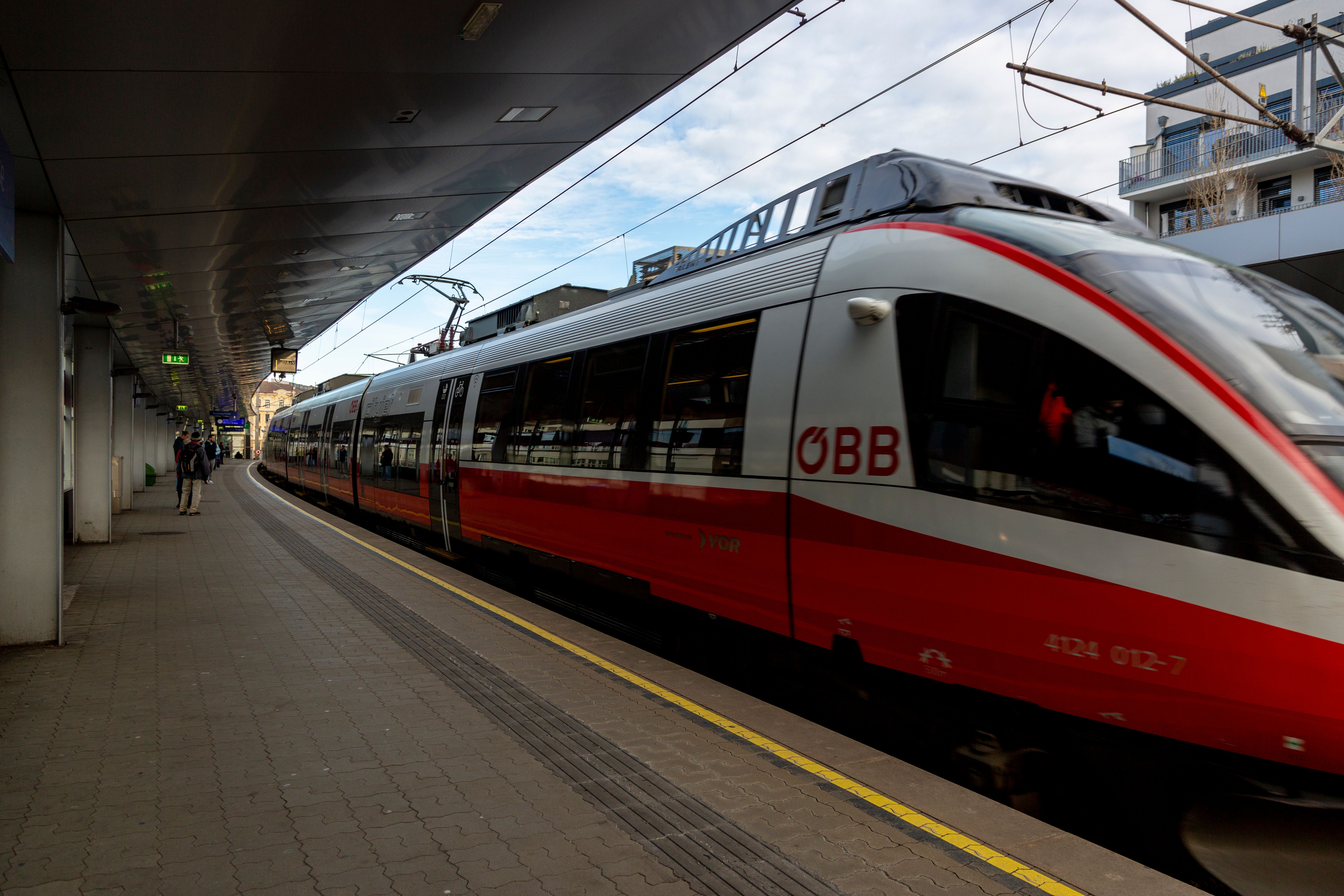
Seat reservations for train travel in Austria: when you need them
In Austria, the most useful way to think about reservations is not “required vs not requiredâ€Â, but risk vs reward. Many day trains will let you board without a reserved seat, but a reservation can meaningfully reduce stress on popular departures, weekends, and holiday peaks.
OEBB’s own guidance highlights that you can reserve seats well in advance and explains the booking flow. OEBB: reserving your seat. If you already have a ticket and only need a reservation, OEBB describes using “Seat reservation only (no ticket)†inside its booking flow. OEBB: tickets & bookings.
| Train type | Reservation reality | Best practice |
|---|---|---|
| Railjet / Railjet Xpress (day) | Often optional; can be strongly recommended on peak services | Add a seat when you care about sitting together, working, or traveling on a busy date |
| Regional trains (R/REX/S-Bahn) | Typically no seat reservations | Show up a bit early in rush hour; spread out across the platform |
| Nightjet (overnight) | Reservation is part of the product (you choose seat/couchette/sleeper) | Book early for weekends and summer; choose privacy level intentionally |
Peak-day warning: “guaranteed†boarding can depend on reservations
On very busy services, operators may warn that boarding is only guaranteed with a reservation (because standing capacity and safety rules still apply). If Scotty or the Ticketshop warns about high occupancy, treat that as a signal: either reserve a seat, pick a less popular departure, or travel earlier in the day.
When reservations are worth the money (practical scenarios)
- You want to work onboard. A guaranteed seat is the difference between a productive block and a “laptop on knees†compromise.
- You’re traveling as a group. Reservations reduce the chance you split up across the carriage.
- You have a tight same-day plan. The calm of “we have our seats†helps you keep the day on schedule.
- You’re traveling in peak season. Summer weekends and holidays are the most common time for seat stress.
Sparschiene vs Standard Ticket (OEBB tickets): the flexibility trade-off
Austria’s cheapest fares are usually the least flexible. OEBB’s cancellation rules make the key point: some tickets can’t be cancelled, while others are refundable only under certain conditions and timelines. OEBB cancellation info.
Use this simple rule of thumb:
- If your dates are fixed, price the discounted fare first (and read the cancellation rules before checkout).
- When your dates may change, consider paying more for flexibility so one disruption doesn’t force you to buy a second ticket.
- For tight chained connections, pay for flexibility on at least one leg (usually the leg that protects a hotel check-in, a flight, or a key event).
OEBB tickets and train types: Railjet, regional trains, and Nightjet
This section keeps the “train taxonomy†simpleâ€â€because for travelers, the important part is what changes your experience.
Railjet (fast day trains)
Railjet services are designed for intercity travel: frequent departures on major axes, comfortable seating, and a predictable experience. If you plan to work onboard, book a seat, bring a power bank, and treat Wi‑Fi as a bonus rather than a guarantee (mountains and tunnels do what mountains and tunnels do).
Regional trains and S-Bahn (local mobility)
Regional trains are your “coverage layerâ€Â: they connect smaller towns and make hiking valleys, lakes, and day trips possible without a car. The trade-off is speed and comfort; the upside is flexibility and scenic travel.
Nightjet (sleep while you travel)
Nightjet is ÖBB’s overnight network. It’s the best option when you want to replace a short-haul flight and avoid losing a workday to travel. Choose the comfort category (seat, couchette, sleeper) based on how functional you need to be the next morning.
OEBB tickets and Nightjet booking: the reservation is the product
For Nightjet, you are not just “adding a seatâ€Â. You are choosing a comfort category (seat, couchette, or sleeper) and paying a price that reflects privacy and demand. If you’re traveling on a rail pass, you typically still need to book the reservation or berth supplement for your chosen category. Nightjet publishes tariff information and booking guidance; review it before you commit to a date. Nightjet tariff info.
Austria train travel guide: sample 5-day itinerary by rail
It’s easier to plan when you can “see†the trip. This sample is deliberately simple and uses base cities that work well without a car. Use it as a template, then swap in your preferred lakes or valleys.
| Day | Base | Rail move | Low-friction plan |
|---|---|---|---|
| 1 | Vienna | Arrival day | Walkable neighborhoods + short transit rides; get comfortable with station flow at Vienna Hbf |
| 2 | Vienna | Day trip by regional rail | Pick one easy rail day trip; travel outside rush hour if possible |
| 3 | Salzburg | Vienna → Salzburg | Book a flexible ticket if you want to choose departure time; reserve seats on busy departures |
| 4 | Salzburg | Lakes or mountain day trip | Use regional trains + buses; pack light and keep a simple station checklist |
| 5 | Innsbruck | Salzburg → Innsbruck | Plan daylight travel for the scenery; consider a reservation if you want to work or sit together |
Extend this by adding one more base (Graz, Klagenfurt, or a Tyrol valley) instead of adding daily city hops. That keeps the trip rail-first without turning it into constant packing.
Train travel in Austria for cross-border trips: what changes
Austria is a strong rail hub, so many itineraries use Vienna, Salzburg, or Innsbruck as a “pivot†for nearby countries. Cross-border travel can still be easy, but it adds two planning needs: operator boundaries and ticket conditions.
In practice, use this austria train travel guide rule: for international trips, confirm the operator for the full journey and read the fare conditions before you buy. If your route has multiple operators, a single “cheap†ticket can become expensive if one missed connection forces you to repurchase the rest of the trip.
| Common cross-border idea | Good base city | Planning tip |
|---|---|---|
| Vienna ↆPrague / Brno / Budapest | Vienna | Reserve seats on peak departures; build a buffer if you have an onward connection |
| Salzburg ↆMunich | Salzburg | Use the official timetable first, then choose the simplest ticket for your operator |
| Innsbruck ↆZurich / northern Italy | Innsbruck | Daytime travel is scenic; if you must arrive on time, consider a more flexible fare |
Seat choice adds real comfort on longer days
If you’re doing a long cross-border leg or you plan to work onboard, a reservation does more than “guarantee a seatâ€Â. It can help you sit together, pick a quieter zone, and avoid last-minute shuffling. OEBB’s seat reservation guidance explains the “Extras†flow and the advance booking window. OEBB seat reservation guide.
For families or travelers who want specific carriage zones, OEBB also lists special compartments (for example, family zones and bike zones) for Railjet services. OEBB special compartments.
OEBB tickets vs rail passes for Austria (quick decision framework)
Most visitors do not need a rail pass for a short Austria-only trip. Passes become useful when you have many expensive long-distance travel days, or when you want maximum schedule flexibility. For this austria train travel guide, the most important planning habit is this: compare a pass day against real fares for your actual dates, then decide.
Tickets usually win when:
- Your dates are fixed and you can book ahead.
- You’re taking only a few long rides.
- Simple cancellation rules matter more than unlimited flexibility.
- Most days are for exploring one city rather than moving.
Passes can win when:
- You have 5+ long travel days (or you are doing many long cross-border days).
- You value “choose any departure†freedom on your travel days.
- Separate reservation or supplement costs for certain trains (especially night trains) are acceptable.
- The route is a “mix and match†trip across multiple countries.
Decision tree: choose tickets vs pass for Austria trains
- Do you have 2–4 long rides? Price point-to-point tickets first.
- Do you have 5+ long travel days? Compare a rail pass day-by-day against real fares.
- Are you traveling on peak dates? Add Railjet seat reservations early.
- Are you taking Nightjet? Plan for reservations / berth supplements.
- Are you doing day trips? Use regional trains + local transit instead of renting a car.
This is intentionally simple. The correct answer is the one that keeps your route reliable, your budget predictable, and your travel days calm.
Scenic routes for train travel in Austria (no car required)
Austria’s rail network is not just transportâ€â€it’s a sightseeing tool. The best Austria itineraries use trains to move between walkable bases and then layer in regional day trips. That reduces transfers, lowers costs, and makes travel days less tiring.
3 classic, low-friction bases
- Vienna for museums, cafes, and a huge day-trip radius by rail.
- Salzburg for lakes, short Alpine rides, and easy onward links.
- Innsbruck for Tyrol valleys and mountain transit without a car.
Scenic leg idea: treat trains as the view
If you want one “wow†rail moment, choose at least one leg that runs through mountain scenery and schedule it in daylight. Then sit on the left or right side strategically based on the valley you’ll travel through. Timetables change, so use Scotty to identify the exact train and confirm the direction before you go.
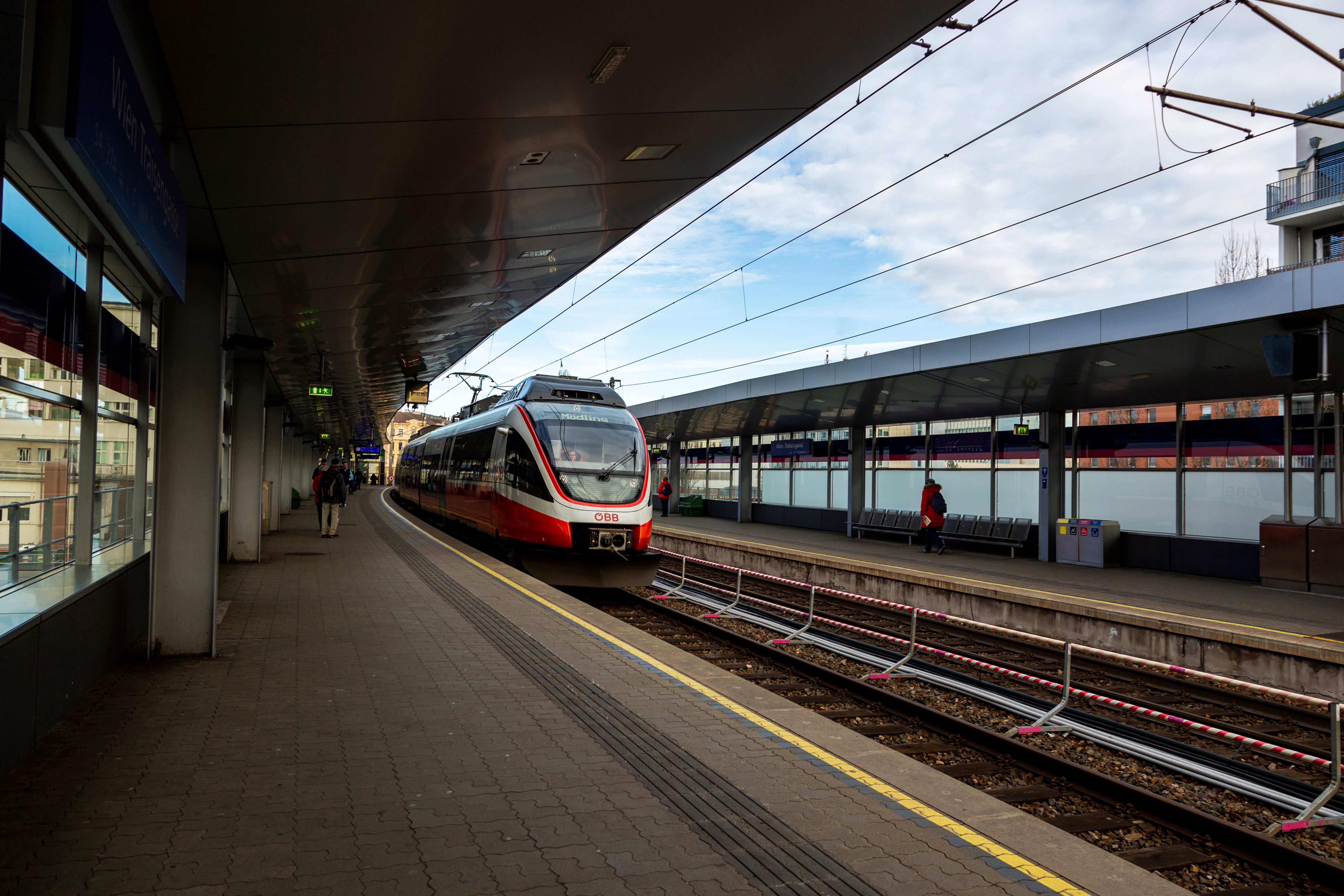
Bikes, luggage, and station basics for train travel in Austria
Austria is friendly to “train + walk + bike†travel, but it’s important to separate bringing a folding bike as luggage from bringing a full bike in a bike zone. OEBB publishes specific bike guidance, including folding-bike size rules and where bike zones exist on Railjet trains. OEBB: your bicycle on the train.
If you are traveling with full-size bikes, always confirm capacity and whether a bike reservation is required for your specific train. OEBB also describes how to filter journeys for “travel with a bike†and notes that a reservation guarantees a parking space for your bike. OEBB: booking bicycle transport online.
Station flow checklist (fast, repeatable) for this austria train travel guide
- Arrive early when you have a bike, stroller, or large bag.
- Check the platform on Scotty again after you arrive.
- Find the coach section markers and board near your carriage.
- Keep your ticket accessible offline (PDF or app ticket), plus ID if required by your fare.
Passenger rights for train travel in Austria (delays and missed connections)
Delays happen everywhereâ€â€even in countries with strong rail reliability. What matters is knowing the correct next step so you don’t waste time or money.
OEBB summarizes compensation levels for delays (for example, 25% for delays of 60–119 minutes and 50% for delays of 120 minutes or more) and outlines options when you miss a connection due to a delay. OEBB passenger rights FAQ. For a broader overview of EU rail passenger rights and assistance, see the EU’s consumer guidance. Your Europe: rail passenger rights.
Delay playbook (keep it simple)
- Confirm the disruption in Scotty / official announcements.
- Keep proof: screenshots of the planned itinerary and the updated delay.
- Ask staff early if your connection is at risk (especially for the last train of the day).
- Submit compensation claims through the operator’s official channel, using the ticket you actually traveled on.
More Europe train guides for planning your route
If you’re building a multi-country itinerary, these Eco Nomad Travel guides pair well with this Austria train travel guide:
- How to Travel Europe by Train With Confidence
- How Much Is Train Travel in Europe?
- Best Night Trains in Europe
- Eurostar Tickets: Booking Windows, Prices & Seat Tips
FAQ: Austria train travel guide
Do I need seat reservations for Railjet trains in Austria?
Often no, but they can be worth it on busy dates. OEBB explains how to add a seat reservation under “Extras†and recommends checking capacity via official tools. If you are traveling on a high-demand service, reserve early. OEBB seat reservations.
Is it better to book Austria trains on OEBB or a third-party app?
If you want the clearest fare rules and the least friction when plans change, booking directly with the operator is usually simplest. Use third-party platforms only when they genuinely make your multi-operator itinerary easierâ€â€and always confirm the operator you’ll be riding.
How do I avoid the most common Austria train day mistakes?
This austria train travel guide boils it down to five habits that prevent most surprises:
- Recheck platforms after you arrive. Do not rely on the morning screenshot.
- Match ticket to operator. If you choose Westbahn, buy Westbahn.
- Reserve seats on busy days. It’s a small cost for a calmer travel day.
- Know your fare rules. Discounted fares can be strict; flexible fares cost more for a reason.
- Keep a buffer. A 20-minute margin beats a 7-minute sprint with luggage.
Can I bring a bicycle on Austrian trains?
Sometimes, but rules depend on train type and available capacity. OEBB publishes a dedicated bike guide and explains how to filter journeys for “travel with a bike†and how bike reservations work. OEBB bike rules.
Are ÖBB and Westbahn tickets interchangeable?
No. Westbahn states that ÖBB and DB tickets are not valid on Westbahn trains. If you plan to ride Westbahn, buy the correct ticket for that operator. Westbahn FAQ.
What are my rights if my Austria train is delayed?
Compensation and assistance depend on the situation, but OEBB outlines its passenger rights process and summarizes compensation thresholds. You can also review the EU-wide overview of rail passenger rights for the broader framework. OEBB passenger rights.
Compare the trip details before you book
Affiliate disclosure: Eco Nomad Travel may earn a commission if you book through qualifying links, at no extra cost to you. Use the link only when it genuinely helps your trip research.
Before you lock in dates for Austria Train Travel Guide: OEBB Tickets, Railjet, and Scenic Routes, compare location, flexible cancellation, transfer timing, and total trip cost so the final plan fits your budget and pace.
