

Quick answer: This train travel austria guide shows you how to plan scenic routes, pick the right ticket or pass, decide when to reserve seats, and use Austria’s reliable ÖBB and Westbahn services with confidence.
Use this train travel austria guide to compare point‑to‑point fares vs. rail passes, map must‑see Alpine routes, and learn time‑saving booking steps. It’s written for travelers who want efficient, scenic, and lower‑carbon trips across Austria.
- Best for first‑timers: Railjet between Vienna–Salzburg–Innsbruck, plus the Semmering Railway for a UNESCO‑listed mountain ride.
- Tickets: Advance ÖBB savings fares can be cheaper than passes for short trips. Westbahn often undercuts walk‑up prices on Vienna–Salzburg.
- Passes: Eurail/Interrail are great when you’ll ride multiple long days; day‑by‑day planning matters more than the headline pass price.
- Reservations: Optional on most domestic day trains; required for Nightjet sleepers and couchettes.
- Planning: Use the ÖBB timetable/app for real‑time platforms, delays, and bike spaces.
Bookmark this train travel austria guide so you can return to the route ideas, tables, and FAQs when you start booking.
Free rail-first travel checklist
Fast, high-signal decisions first - then details. Unsubscribe anytime.
Why use this train travel austria guide?
Austria’s rail network is dense, punctual, and scenic. However, the mix of operators (ÖBB, Westbahn, regional and heritage lines), fare types, and optional seat reservations can confuse even frequent travelers. In one place, this train travel austria guide explains how the system works, how to choose tickets vs. passes, and where to find the best views from the window.
Here’s what sets this page apart. First, it starts with what you need now: when to buy tickets, when a pass pays off, and which routes are worth a detour for views. Next, it gives clear decision points with tables you can skim on a phone. Finally, it links to the official sources you’ll actually use to verify details before you book.
Austria train travel guide: how the rail network works
In our train travel austria guide we explain the three pieces that matter most when you plan:
Which train operators serve Austria?
- ÖBB (Austrian Federal Railways): The national operator runs Railjet (flagship long‑distance), InterCity/EuroCity, regional trains (REX, R), Nightjet sleepers, and many cross‑border services. ÖBB typically offers dynamic pricing and optional seat reservations on day trains. Long‑distance trains usually have numbered seats, power outlets, and clear carriage labels along the platform.
- Westbahn: A private open‑access operator on the core Vienna–St. Pölten–Amstetten–Linz–Wels–Salzburg line. Westbahn sells its own tickets and accepts select passes on some services (check your pass conditions). Trains are modern, and fares are often competitive, so it’s smart to compare both operators on this corridor.
- Regional/heritage lines: Narrow‑gauge and scenic lines like Mariazellerbahn or Achenseebahn add slow‑travel charm and mountain views. Tickets are usually sold locally or via the line’s own site. Trains can be older, but the scenery is the point.
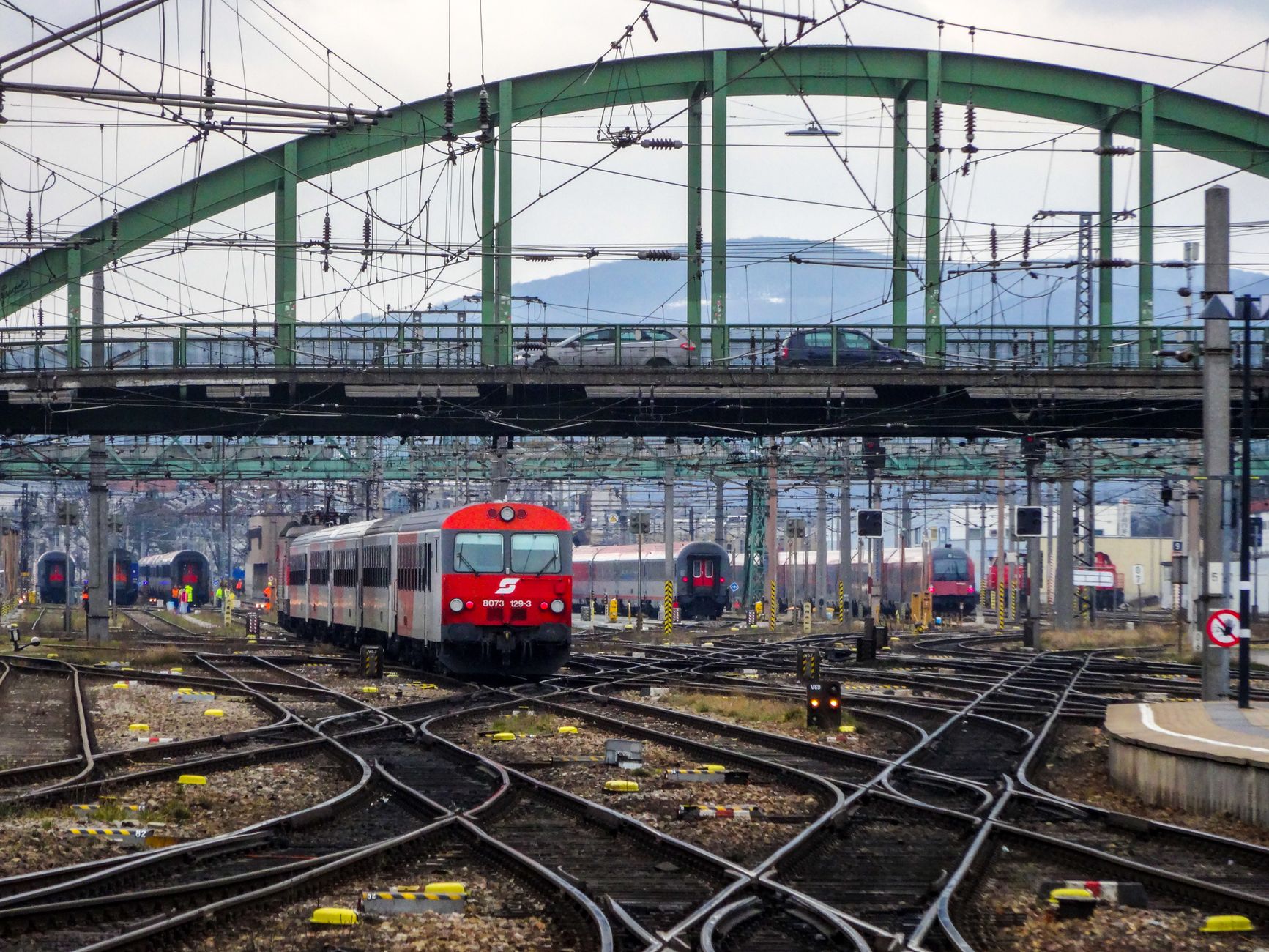
What should you expect at Austria’s major rail hubs?
| Operator | Main routes | Seat reservations | Tickets sold on |
|---|---|---|---|
| ÖBB Railjet/IC/EC | Nationwide + cross‑border | Optional (day trains) | ÖBB app/site, stations, Rail Europe (retailer) |
| ÖBB Nightjet | Vienna/Salzburg/ Innsbruck to major cities | Required (sleepers/couchettes) | Nightjet/ÖBB site/app, stations, Rail Europe |
| Westbahn | Vienna–Salzburg | Optional | Westbahn site/app, onboard, some retailers |
| Regional & narrow‑gauge | Scenic side lines | Usually no reservations | Local sites/stations |
| Feature | ÖBB long‑distance | Westbahn | Why it matters |
|---|---|---|---|
| Route coverage | Nationwide + cross‑border | Primarily Vienna–Salzburg | Choose based on your corridor |
| Fares | Dynamic pricing with saver & flexible | Competitive promos on core line | Compare both on Vienna–Salzburg |
| Seat reservations | Optional on day trains | Optional | Useful on peak days |
| Onboard comfort | Modern trains; multiple comfort tiers | Modern trains; comfort tiers | Pick the tier that suits your trip |
| Food & drink | Available on many services | Available on selected services | Grabs at stations often add variety |
Scenic routes in Austria — Austria by train guide
Scenery is a big reason people read a train travel austria guide. These routes deliver mountain drama, viaducts, lakes, and historic engineering—great even on a short trip:
Semmering Railway (Gloggnitz–Mürzzuschlag)
Opened in 1854 and now a UNESCO World Heritage line, the Semmering crosses 16 viaducts and 14 tunnels amid classic Alpine scenery. You can experience it on regular regional and long‑distance trains between Vienna and Graz. Trains run often; sit on the right leaving Vienna for many vistas.
Arlberg line (Innsbruck–Bludenz)
From the Inn valley up to the Arlberg Pass, this route tunnels under high peaks and threads deep valleys. Railjet trains cover it fast, while regional services add more intermediate views.
Tauern Railway (Bischofshofen–Spittal‑Millstättersee)
Glaciated peaks, long tunnels, and switchbacks make this Salzburg‑Carinthia line a dramatic north–south spine. It’s great as part of a loop from Salzburg to Villach and back.
Salzkammergut lines (Attnang‑Puchheim–Bad Ischl–Stainach‑Irdning)
Lake‑dotted views near Hallstatt and Bad Ischl are among Austria’s gentlest, most photogenic rides.
Mariazellerbahn (St. Pölten–Mariazell)
Narrow‑gauge charm through Lower Austria’s hills, with heritage stock on select services. It’s a slower, immersive day out from Vienna.
How to blend fast trains with scenic detours
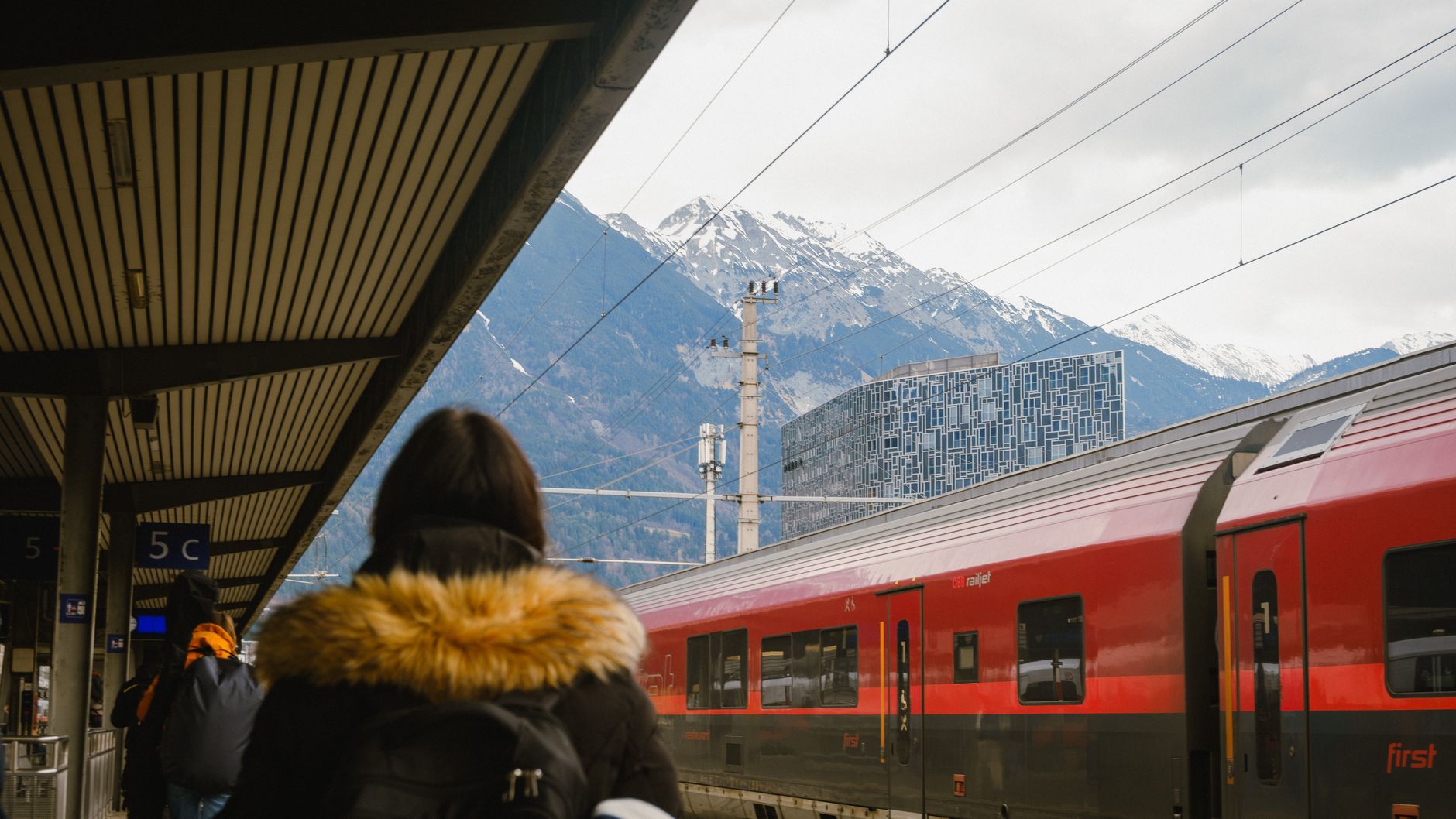
Use a Railjet to cover big distances, then hop onto a regional line for an hour of views. For instance, base yourself in Salzburg or Innsbruck, take a fast morning train to your hub, and add a lake‑or‑mountain side trip after lunch. You still arrive by dinner, yet you’ve seen more than the highway corridor.
Tickets and fares — Austrian rail travel guide tips
This part of the train travel austria guide focuses on saving money without adding stress. Austria’s fares are simple once you know the levers:
- Advance ÖBB “Sparschiene†(saver) fares: Cheapest for long distances when booked early; fixed to a specific train and usually non‑refundable/changeable.
- Flexible fares: Cost more but let you take any train that day on the route, great for sightseeing detours or when you prefer not to plan to the minute.
- Westbahn promos: Frequent discounts on Vienna–Salzburg; check both ÖBB and Westbahn prices for that corridor.
- Regional day offers: ÖBB’s Einfach‑Raus Ticket is a group day ticket for regional trains (not long‑distance) that can be excellent value for slow‑travel days.
- Discount cards: The ÖBB Vorteilscard gives Austrian residents cost‑effective percentage discounts; visitors staying longer can consider it if they’ll ride a lot.
How to book on the ÖBB app (step by step)
- Search: Enter From/To and date. Toggle “via†if you want to force a scenic line (for example, Semmering on Vienna–Graz).
- Compare fares: Tap each result to see saver vs flexible. Look for the specific train symbol if you pick a saver.
- Add a seat: Choose “Seat reservation†and select your coach preference (quiet/family zones if available).
- Pay and store: Use card or mobile pay. Your ticket and seat appear in the app; no printing needed.
- Double‑check platform: On the day, refresh the journey for real‑time platform and coach order (often shown as a diagram on big stations).
Refunds and changes: what to know
Saver fares are cheaper because flexibility is limited. Flexible tickets cost more but may be refundable or changeable according to the fare rules. Therefore, if your schedule is fluid, consider paying a little extra for stress‑free changes. Always read the fare conditions before you buy.
| Trip | Advance ticket | Flexible ticket | Pass day value target |
|---|---|---|---|
| Vienna–Salzburg (2h30–2h50) | Often low with advance (ÖBB/Westbahn) | Higher but flexible | €45–€65+ to “beat†a pass day |
| Salzburg–Innsbruck (1h50–2h) | Moderate advance deals | Moderate flexible | €35–€50 |
| Vienna–Graz (2h30) | Low–moderate advance | Moderate flexible | €30–€45 |
Note: Prices are examples and change dynamically. Always check live fares on official sites.
Money‑saving playbook
- Book early for big hops: Long intercity rides drop in price when booked in advance.
- Travel off‑peak when you can: Midweek midday trains are often quieter.
- Mix fast and regional: Use regional lines for scenic days and save your euros for a few fast Railjets.
- Compare operators: On Vienna–Salzburg, open both ÖBB and Westbahn apps and pick the best combo of price and time.
- Group up on regional tickets: Day group offers can be excellent value for pairs and small groups on regional‑only itineraries.
Rail passes in Austria — Austria train travel guide
In the train travel austria guide you’ll compare passes vs. tickets based on your ride pattern. Eurail (non‑European residents) and Interrail (European residents) allow unlimited travel days within a set period. They shine when your hop days are long or international. For short Austria‑only trips, advance point‑to‑point can be cheaper and simpler.
Which is best: ticket or pass?
- Have 3–4 long rides (4+ hours) in 7–15 days → Consider Eurail/Interrail.
- Only 1–2 short rides and fixed dates → Buy advance tickets.
- Prefer total flexibility but domestic only → Flexible tickets or a discount card.
- For scenic regional day trips → Regional day tickets (e.g., Einfach‑Raus) may win.
Tip: Add up likely ticket costs. If they exceed a pass day’s value target, a pass can pay off.
| Pass | Who | Where valid | Seat reservations |
|---|---|---|---|
| Eurail Global/One‑Country | Non‑European residents | ÖBB + many private lines (check coverage) | Pass doesn’t include reservations; buy as needed |
| Interrail Global/One‑Country | European residents | Similar to Eurail; check operator list | Same: reservations separate |
Passholder reservations and booking tips
- Seat‑only tickets: If you hold a pass, look for “seat reservation only†options on the ÖBB site/app for Railjet/IC/EC.
- Night trains: A pass covers the travel, but you must book and pay for the Nightjet sleeping category. Book early for private compartments.
- Coverage: Passes include many private lines, but not all. Confirm coverage for any niche scenic line before you depart.
| Itinerary style | Example rides in a day | Target value to “beat†| Notes |
|---|---|---|---|
| Light | Short hop + regional scenic | €25–€40 | Tickets often cheaper than using a pass day |
| Medium | Vienna–Salzburg + local | €45–€65 | Either approach can work—compare live prices |
| Heavy | Long intercity + cross‑border | €70–€100+ | Pass often pays off if booked late |
Many readers of our train travel austria guide ask if Austria’s Klimaticket works for tourists. The KlimaTicket Ö (nationwide annual public transport ticket) is designed for residents and long‑term users; it is not a short‑term tourist rail pass. Visitors are usually better served by point‑to‑point, regional day tickets, or Eurail/Interrail.
Seat reservations — Austria by train guide rules
Many services allow walk‑on travel, but this train travel austria guide highlights when a reserved seat is smart—or required:
- Domestic day trains (Railjet/IC/EC): Reservations are optional. They can be worthwhile on peak Fridays/Sundays and holidays.
- Westbahn: Reservations optional; carriages are modern and airy.
- Nightjet: Reservations are mandatory because you’re booking a sleeping category (sleeper, couchette, or seated coach).
- Regional trains: Usually no reservations at all.
Therefore, if your dates are fixed or you’re traveling with luggage and want certainty, book a seat on busy routes. It’s a small extra fee and can reduce stress.
How to pick the best seats
- Window and middle of the train: Views are steadier and often quieter here.
- Quiet/family zones: Choose the right zone for your travel style when reserving.
- Direction of travel: If it matters to you, check seat maps where available or choose a table seat to hedge either way.
Plan routes, platforms, and times — Austrian rail travel guide
Because the ÖBB app and website combine domestic and many cross‑border trains, you can search once and compare. In addition, station displays are clear, and platform changes are well‑announced. For scenic seating, pick window seats near the middle of the train (quieter and with stable views). Our train travel austria guide also suggests allowing at least 10–15 minutes to change platforms at big hubs like Wien Hbf, Salzburg Hbf, and Innsbruck Hbf.
| Route | Fastest time | Typical frequency |
|---|---|---|
| Vienna–Salzburg | 2h20–2h30 | 2–4 trains per hour (ÖBB + Westbahn combined) |
| Salzburg–Innsbruck | 1h50–2h | Hourly |
| Vienna–Graz | 2h30 | Hourly+ |
| Innsbruck–Bregenz | 2h45–3h20 | Every 1–2 hours |
Big‑station orientation
- Wien Hauptbahnhof (Vienna Hbf): Multi‑level concourse, clear departures boards, grocery and bakeries for grab‑and‑go food. Platforms are numbered and signed well.
- Salzburg Hbf: Compact and easy to navigate. If you have a tight connection, check your next platform on arrival screens before you step off.
- Innsbruck Hbf: Mountain views on the concourse and easy platform access. Allow a few extra minutes if you’re changing between local and long‑distance services.
Reading a platform display
Train numbers, destinations, intermediate stops, and coach order diagrams appear on large boards. Car numbers are printed on coaches; first‑class or quiet zones are marked with icons. As a result, you can stand roughly where your reserved coach will stop before the train arrives.
Night trains — Austria train travel guide
ÖBB’s Nightjet is one of Europe’s most extensive sleeper networks, with routes from Vienna, Salzburg, and Innsbruck to cities like Zurich, Venice, Rome, Milan, Amsterdam, Brussels, Hamburg, and Berlin. This train travel austria guide recommends booking early for private sleepers and family compartments, as popular dates sell out.
- Seat: Cheapest, least private; best for short legs.
- Couchette (4–6‑berth): Good balance of price and rest for small groups.
- Sleeper (single/double/deluxe): Beds, linens, more privacy; breakfast often included.
Pack light, keep essentials in a small daypack, and label your suitcase. For border crossings, carry ID in an easy‑to‑reach pocket. Additionally, consider setting a gentle alarm to wake before arrival so you can gather your things without rushing.
Nightjet booking checklist
- Pick a realistic departure and arrival time so you maximize sleep.
- Choose your compartment type early for best availability.
- Bring earplugs and an eye mask even in sleepers.
Accessibility, bikes, pets — Austria by train guide
Most modern ÖBB trains provide low‑floor access or mobile ramps, accessible toilets, and priority spaces. Bike carriage spaces must be reserved on many long‑distance services and are limited; e‑bikes can face restrictions. Small dogs often travel free in a carrier; larger dogs usually need a muzzle and a paid ticket (rules vary by service and size). Always check the exact rules for your train and booking class.
Requesting assistance
If you need boarding help or a ramp, request assistance in advance through the official operator channels. Specify your train number, departure time, and any equipment you use. Staff can then meet you at the platform.
Traveling with children
Family zones, table seats, and short segments make rail family‑friendly. Discounts for children and youths are common; check the fare rules at checkout. Bring small snacks and a compact game to keep kids engaged between scenic stretches.
Practical station tips — Austrian rail travel guide
- Left luggage: Large stations offer lockers. Keep coins/card handy and photograph the locker number.
- Food and water: Pick up bakery items before boarding; there’s a bistro on many Railjets, but choice is wider in stations.
- Quiet cars and families: Some long‑distance trains have designated zones; look for icons on the booking screen.
- Power and Wi‑Fi: Expect power outlets on most long‑distance trains; connectivity varies. Download maps and tickets for offline access.
- Luggage placement: Use overhead racks and end‑of‑coach shelves. Keep valuables in reach and label all bags.
Is train travel in Austria sustainable? — Austria by train guide
ÖBB reports that traction power for trains in Austria is sourced entirely from renewable energy, a major reason rail is a lower‑carbon choice than flying or driving for domestic trips. That said, your total footprint still depends on route, occupancy, and connecting transport. As a train travel austria guide, we encourage riders to pair rail with walking, trams, or bikes at the destination.
Sample 5‑day itinerary — Austria train travel guide
Instead of racing between cities, blend headline routes with short scenic hops:
- Day 1: Vienna city day with a Semmering loop (Vienna–Gloggnitz–Mürzzuschlag–Graz–Vienna).
- Day 2: Vienna to Salzburg (Railjet). Afternoon lakeside stroll in the Salzkammergut.
- Day 3: Salzburg to Innsbruck (Arlberg prelude), Nordkette views.
- Day 4: Innsbruck to Bludenz via the Arlberg line; return to Innsbruck.
- Day 5: Innsbruck to Vienna or onward Nightjet to Italy/Germany/Switzerland.
Swap‑ins for different seasons
- Winter: Allow buffer time for snow days and enjoy clear mountain vistas after storms.
- Summer: Start early to avoid heat and crowds; carry water and a lightweight layer for air‑conditioned coaches.
Common mistakes to avoid — Austria by train guide
- Overbuying a pass: Add up ticket days first; passes only save money when you “beat†the per‑day value.
- Skipping reservations on peak days: Optional does not mean wise; a €3–€6 seat can be priceless on Friday afternoons.
- Ignoring Westbahn: On Vienna–Salzburg, compare both operators.
- Forgetting regional tickets: An Einfach‑Raus day can cost less than a pass activation.
- Cutting connections too close: Leave 10–15 minutes at big hubs to switch platforms calmly.
This train travel austria guide helps you avoid these pitfalls so you spend more time on views and less on logistics.
Essential packing for Austrian trains — Austrian rail travel guide
- Soft‑side carry‑on that fits overhead or between seat backs
- Small lock for zippers; ID tag inside and out
- Reusable water bottle; snacks
- Light scarf or hoodie for air‑conditioned coaches
- Portable battery and short charging cable
- Eye mask/earplugs for Nightjet
Onboard etiquette and comfort
- Use quiet zones for calls only if permitted and keep voices low.
- Stow luggage without blocking aisles and doors.
- Offer priority seats to those who need them.
Trusted tools and sources — Austria by train guide
- ÖBB – official timetable, booking, and info
- Nightjet – official sleeper routes and booking
- Westbahn – private Vienna–Salzburg trains
- Eurail – passes for non‑European residents and Interrail – passes for European residents
- UNESCO – Semmering Railway listing
- Klimaticket – nationwide Austrian public transport ticket
Where to book: our recommendation — Austria train travel guide
Affiliate disclosure: Some links in this guide may be affiliate links. If you book or buy through them, Eco Nomad Travel may earn a commission at no extra cost to you.
When you want one place to compare ÖBB and cross‑border options, this train travel austria guide recommends checking a trusted retailer alongside the official sites. For many travelers it’s helpful to see schedules, prices, and seat options in one interface.
Compare Austria tickets and rail passes on Rail Europe
FAQs: Austria by train — Austrian rail travel guide
Questions we get in a train travel austria guide often come down to tickets, passes, and timing. Here are clear answers you can use right away.
Do I need a rail pass for a short Austria trip?
No. If you have only 1–2 intercity rides, advance point‑to‑point tickets are often cheaper and simpler. A pass helps when you’ll take several long rides over a short period.
Are seat reservations required on ÖBB Railjet?
They’re optional on domestic day trains, but we recommend them on peak days for comfort and certainty. Nightjet reservations are required because you choose a sleeping category.
Can I use Austria’s KlimaTicket as a visitor?
The KlimaTicket Ö is an annual nationwide public transport ticket aimed at residents and long‑term users. Visitors generally do better with point‑to‑point tickets, regional offers, or Eurail/Interrail.
Which side of the train has the best views?
On the Semmering line leaving Vienna, the right side gets many of the classic vistas. Views vary by curve and valley; if in doubt, pick a window seat in the middle of the train for stability.
Can I bring a bike on Austrian trains?
Yes on many services, but space is limited and may require a bike reservation and fee, especially on long‑distance trains. Check your exact train in the ÖBB booking flow.
How early should I arrive at the station?
Arrive 10–15 minutes early for big hubs and connections. Austria uses barrier‑free boarding; you can walk straight to the platform and board when the train arrives.
More Europe train guides for planning your route
- Europe train travel guide (cornerstone)
- Eurail vs Interrail: which pass fits your trip?
- Night trains in Europe: routes, berths, and tips
- What to pack for train travel
- Is it safe to travel by train in Europe?
- Luggage rules on European trains
Editorial note: Rules, routes, and prices change. Always confirm details on official sites linked above before booking. Reviewed: 19 July 2026.
Compare the trip details before you book
Affiliate disclosure: Eco Nomad Travel may earn a commission if you book through qualifying links, at no extra cost to you. Use the link only when it genuinely helps your trip research.
Before you lock in dates for Train Travel in Austria: Scenic Routes, Tickets, and Rail Pass Tips, compare location, flexible cancellation, transfer timing, and total trip cost so the final plan fits your budget and pace.
Related guides
- Finding the Best Rail Passes for Europe: A Complete Guide
- 7 Best Sleeper Trains Europe Offers for 2025 (Ultimate Guide)
