

Key takeaways: This practical guide collects europe train station tips you can use the moment you step into any major hub. You will learn how to read boards fast, allow the right buffer for connections, find lockers and left-luggage, and board from the right coach door without stress.
For a related Eco Nomad guide, see europe train booking mistakes.
europe train station tips: quick wins
Keep these europe train station tips handy the moment you enter the concourse:
- Stand under the main departures board first; confirm train number and destination before hunting the platform.
- Snap a photo of your ticket and the board. If the platform changes, you have the train number ready.
- Use the coach position diagram (often labeled A–F on the platform) to wait where your coach will stop.
- Arrive early for gated services (Eurostar, some UK routes) and for seat reservations checks on long-distance trains.
- For tight transfers, follow wayfinding icons (a white train pictogram, arrows, and track numbers). Skip mall corridors and stay on the signed route.
- Lockers full? Ask the left‑luggage counter or check the station info desk for overflow options.
- Keep your daypack in front in crowds; board early to claim overhead space.
How do platforms and tracks work?
Europe’s stations use different words for the same idea. You might see Platform, Track, Voie (FR), Gleis (DE/CH/AT), or Binario (IT). Here are europe train station tips to read a departure board and get to the right place fast.
Free rail-first travel checklist
Fast, high-signal decisions first - then details. Unsubscribe anytime.
| Language | Term you’ll see | Meaning |
|---|---|---|
| English | Platform / Track | Numbered boarding area |
| French | Voie | Track/platform number |
| German | Gleis | Track/platform number |
| Italian | Binario | Track/platform number |
| Spanish | VÃÂa / Andén | Track / physical platform |
| Dutch | Spoor / Peron | Track / platform |
Boards list trains by train number (IC 123, ICE 789, TGV 8421), destination, intermediate stops, and platform/track. Some countries show the platform only a few minutes before departure. Therefore, stay near the board until it appears.
Platform/track label quirks you may see
| Where | Quirk | What to do |
|---|---|---|
| Germany/Austria/Switzerland | “Gleis 3a/3b†split tracks | Follow the small “a/b†signs on the platform; verify coach position map |
| France | “Hall†+ “Voie†letters and numbers | Check the hall first, then the voie; watch for last-minute voie posts |
| Italy | “Binario 1 est†(east) | Use the cardinal direction suffix to find annex platforms |
| Spain | Security checks for long-distance | Add time for bag scan; platforms may be behind gates |
| UK | Gated platforms with QR/barcode checks | Have ticket ready; allow a short queue time |
How much time do you need to transfer?
Most connection stress comes from underestimating walking time between platforms. These europe train station tips will help you choose a safe buffer based on station size and mobility needs.
| Scenario | Recommended buffer | Why |
|---|---|---|
| Small/medium station, same platform or adjacent | 7–10 minutes | Short walk; watch for last-minute platform changes |
| Large hub (e.g., Paris Gare du Nord, München Hbf) | 15–25 minutes | Long concourses; crowd flow can be slow at peak |
| Interchange that requires security (e.g., Eurostar) | 30–45+ minutes | Ticket/ID checks and luggage scan |
| With kids, heavy bags, or reduced mobility | +10 minutes | Elevator waits and extra time for boarding |
| Cross-terminal transfers (e.g., annex platforms) | 20–30 minutes | Underpasses/overpasses and hall changes |
Tip: Book a later connection if your inbound train is often late. Check historic on-time rates and build margin around rush hours.
Find your platform fast: European station tips
Use these europe train station tips to go from the door to the platform without wasted steps:
- At the entrance, look up: the yellow/black or white/black departure board is your north star.
- Check your train number first, then destination and platform. Many trains share a destination but have different numbers.
- Follow the arrow signs with track numbers. The quickest route is almost never through shops.
- Once on the platform, find the coach position chart and lettered markers (A–F). Stand where your coach will stop to board faster.
Lockers: europe train station tips on sizes and hours
Many big stations offer self‑service lockers and/or a left‑luggage counter with staff. Services, prices, and ID rules vary. A few europe train station tips around lockers will save time and steps.
| Option | Pros | Cons | When to choose |
|---|---|---|---|
| Station lockers | 24/7 access at many hubs; quick drop | May be full; time limits; cash/card quirks | Short city walks or layovers |
| Staffed left‑luggage | Receipts; oversized item options | Open hours only; queues at peak | Odd sizes, sports gear, instruments |
| Hotel/day storage desks | Neighborhood coverage | Detour required; varying policies | When station lockers are full or far |
Before you go, check the station or operator’s page for current locker availability and rules:
- Germany/Austria (DB): Deutsche Bahn lockers overview
- Switzerland (SBB): SBB left‑luggage and lockers
- France (SNCF): Station services on SNCF (search your station)
Locker tips that work across most hubs:
- Carry a chip‑and‑PIN card plus small coins; machines vary.
- Photograph the locker number and the access code receipt.
- Check the closing time of staffed counters; some shut before the last trains.
- Avoid storing passports or medication. Keep those with you.
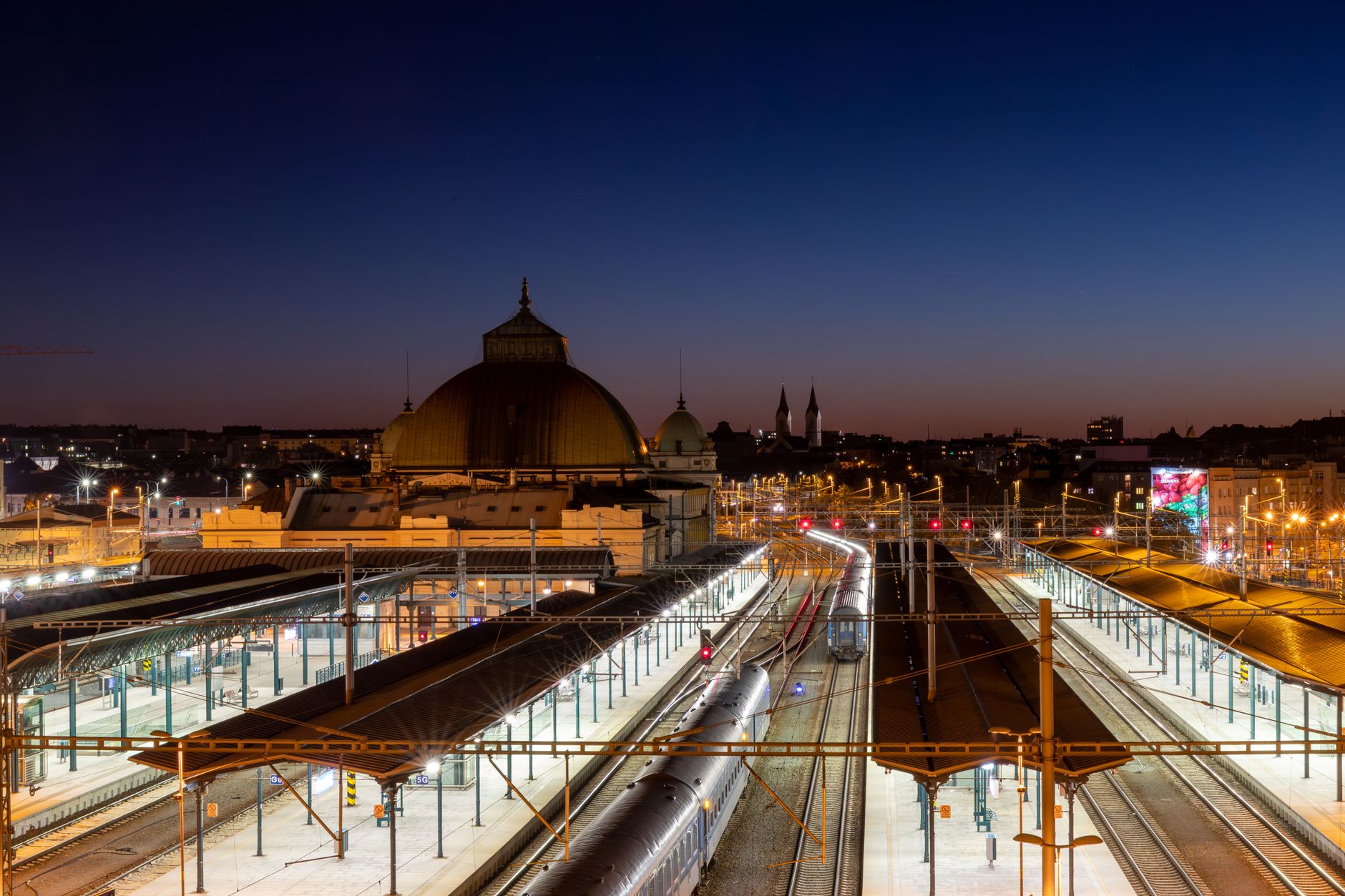
Pro reference: For long‑distance and international services with security checks (e.g., Spain’s AVE in some stations), allow extra time before you can reach the platform.
Boarding basics: europe train station tips to move fast
Boarding is simple once you know the sequence. Remember these europe train station tips when you queue on the platform:
- Coach number first. Your seat is tied to a coach (e.g., 11), not just a class.
- Door button: Press when the light is steady; green means go. On some trains, staff must unlock first.
- Luggage: Large cases go in end‑of‑coach racks first, then overhead for smaller items. Keep valuables above you.
- Seat display: Check the small electronic card above the seat; some show reserved segments and free segments.
- Ticket checks: Keep ID and ticket QR ready. On border‑crossing trains, staff may ask for passports.
What signs, codes, and maps should you follow?
Most stations use clear pictograms. Look for a white train on a blue or black sign, arrows, elevator/wheelchair icons, and track numbers. Color coding can change by country, so rely on the icons more than the palette. If lost, ask at the information desk rather than a random shop.
| Icon/Label | Meaning | Why it matters |
|---|---|---|
| “i†Information | Help desk and maps | Get a printed plan for complex stations |
| Elevator/Wheelchair | Step‑free route | Faster with luggage or strollers |
| Track numbers with arrows | Directional path | Shortest route to platforms |
| Coach letters A–F | Train length markers | Board near your coach door |
| Left‑luggage pictogram | Storage | Drop bags to free hands for transfers |
Which apps, alerts, and Wi‑Fi help you inside stations?
Download your operator’s app for live platforms and delays (e.g., DB Navigator for Germany, SNCF Connect for France, SBB Mobile for Switzerland, ÖBB for Austria, Renfe for Spain). Rail planner apps can also push platform change notifications in big hubs. Station Wi‑Fi is common, but it may require a short sign‑up. Use a SIM/eSIM for faster updates.
Station Transfer Planner (5 steps)
- Confirm train number on the board
- Follow arrows to platform; avoid shops
- Stand at coach letter for your car
- Board early; stow large bags in racks
- Check seat display; keep ticket/ID ready
Print these europe train station tips as a quick hand‑check before each connection.
Tickets, validations, and gates: what changes by country?
- Open platform model (Germany, Austria, Switzerland, Italy): No turnstiles. Staff check tickets on board. Validate paper regional tickets at platform machines if marked “validateâ€Â.
- Gated model (UK, Eurostar, some Spanish long‑distance): Scan ticket/ID before platforms. Eurostar publishes check‑in windows; aim for the earlier side of the range. See Eurostar check‑in guidance.
- Reservations: On high‑speed and many international trains, a seat reservation is required or strongly advised. Check your operator’s app before you travel.
Reading departure boards: codes and train types
Departure boards share a simple logic across Europe. First, match the train number. Then, scan the route and stops. Finally, confirm the platform once posted. To reduce guesswork, learn the most common service codes and fields you will see.
| Field / Code | What it means | Notes |
|---|---|---|
| ICE (DE) | InterCity Express | High‑speed; reservations recommended |
| IC/EC | InterCity / EuroCity | Fast long‑distance across borders |
| TGV/AVE | High‑speed France / Spain | Often reservation‑only |
| RJ/RJX (AT) | Railjet / Railjet Express | Long‑distance Austria and beyond |
| RE/R (DE/CH/AT) | Regional Express / Regional | Slower, frequent stops |
| TER (FR) | Régional services | Regional, may need paper validation |
| Freccia/Italo (IT) | High‑speed Italy | Reservation required |
| Plat./Track | Boarding track | May post close to departure |
| Delay | +min or color change | Watch for clock icons or red text |
If the platform posts late, stand near a screen and face the signed route to your likely track group. Also, check for small monitors at the platform entrance that repeat the core details for your specific track.
Wayfinding at huge hubs: European station tips that save time
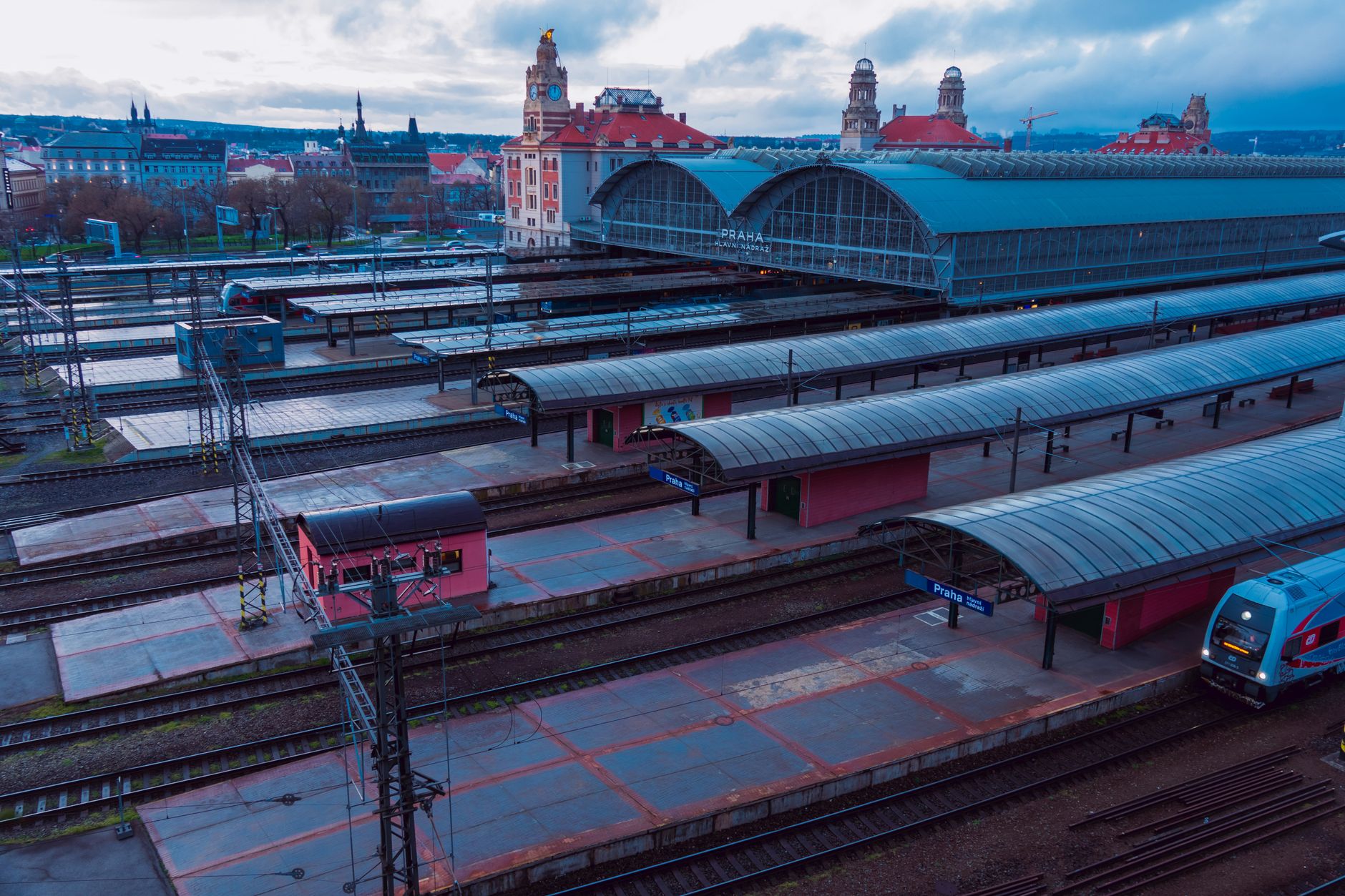
Large hubs can feel like malls with trains. Yet a few habits will shorten your walk and calm your mind. First, pick a lane: walk on the right on crowded concourses to avoid head‑on traffic. Next, commit to the arrows: follow the official pictograms even when shop corridors look tempting. Finally, pre‑spot exits closest to your next platform for a faster return after coffee or a restroom stop.
- Use overpasses/underpasses rather than crossing platforms at grade where prohibited.
- At hubs with multiple halls, note the hall letter/name and stick to it until your platform is posted.
- When in doubt, ask the information desk. A 20‑second question can save a 10‑minute detour.
Family and mobility: train station tips in Europe
Traveling with kids, strollers, or mobility aids changes your station strategy. Plan your route to reduce stairs, and allow extra minutes for elevators and boarding. Most stations signpost step‑free routes, and many have assistance points you can pre‑book through the operator.
European station tips for kids and strollers
- Arrive a bit earlier to absorb bathroom breaks and snack runs without stress.
- Use elevators over escalators with strollers. If escalators are your only option, keep wheels forward and one hand on the rail.
- Board near family areas when trains label quiet or family zones; signs are often on the coach exterior.
- Pre‑pack snacks and a small toy in your day bag so you do not need a last‑minute shop run.
Tips for European train stations if you use a wheelchair
- Book assistance via the operator app or website when available. This helps staff align ramps and reserve a meeting point.
- Follow step‑free symbols on concourse maps. If an elevator is out of service, ask staff to open an alternate route.
- Allow buffer time for platform changes so the assistance team can meet you at the new track.
Luggage strategy and your day bag
Your station agility depends on what you carry. Pack a light day bag you can keep in front of you on crowded platforms. Then, stage your large suitcase with one touch: roll, lift to rack, and secure with a strap if available. Keep tickets, ID, wallet, phone, water, and a compact charger within quick reach.
- Use compression to reduce bag volume and make overhead storage easier.
- Label your suitcase with name and contact. If racks fill, you may need to place it a few rows away.
- Avoid aisle drops. Aisles and doors must remain clear for safety.
Food, water, and restrooms inside stations
Most big stations have cafés, kiosks, and convenience stores near the main hall. However, lines can spike just before departures. Therefore, buy snacks early if you have a tight connection. Restrooms may charge a small fee payable by card or coins. Keep change handy or a contactless card ready.
- Refill water at fountains where available or ask cafés to top up a bottle when you buy something.
- Check lounge access if your ticket allows it; lounges are quieter and often closer to platforms.
- Mind closing times for some shops late at night or on holidays.
Delays and missed connections: tips for European train stations
Delays happen. With a clear plan, you can recover time and comfort. First, verify the new platform on the board. Next, check your operator app for rebooking options or next departures. Finally, if you need help, visit the information desk or a ticket counter. Keep calm, and work the plan.
| Situation | Immediate action | Then |
|---|---|---|
| Platform change posts late | Stay near the board; move with the crowd to the new track | Re‑check coach letters A–F and stand at your coach area |
| Minor delay (+5–15 min) | Confirm updated time and platform | Use the extra minutes to find your coach position |
| Missed connection | Open your operator app and search next options | Ask staff about rebooking or endorsement rules |
| Service disruption | Check announcements and app alerts | Review EU rail passenger rights for assistance |
When your platform changes at the last minute
Do not run blindly. Instead, walk with purpose along the signed route. Keep your bag in front, and use the coach letters to position yourself as you arrive. You will board faster and safer than sprinting to any random door.
If you miss a connection
It happens, even with a good buffer. Open your operator app for official alternatives. Then, speak with staff about the next train you can take on your ticket. If you hold a pass, check reservation rules for the next departure before boarding.
Night and early‑morning travel at stations
Stations feel different outside peak hours. They are quieter, and some services close. Plan ahead. Use the main hall and lit areas, and keep a short, direct route to your platform. If you need to wait, sit where staff and other travelers are present.
- Confirm first/last trains the night before on your app.
- Check restroom hours; some close overnight or switch to card‑only payment.
- Keep valuables close and your bag straps looped through a chair leg when seated.
Sample transfer playbooks for big hubs
Every hub has quirks. These quick playbooks show how to think through a transfer, step by step. Adjust to the live board and your mobility needs.
Paris Gare du Nord/Gare de l’Est (cross‑hub)
- Before arrival: Note which hall your onward train uses. Screens may label “Hall†plus “Voieâ€Â.
- On arrival: Follow arrows to your hall first, not shops. Platforms may post close to departure.
- Coach position: Use coach letters on the platform. Stand at the correct letter to board at your door.
Frankfurt (Main) Hbf
- Before arrival: Check if your next train leaves from a through track (low numbers) or a head platform inside the main hall.
- On arrival: Use underpasses to change platforms. Elevators are available; allow time at peak.
- Coach position: Verify the coach diagram at the entrance to the platform and walk to the right letter marker.
Milano Centrale
- Before arrival: High‑speed services often post the platform closer to departure. Keep near the big board.
- On arrival: Follow the main concourse arrows; annex platforms can add walking time.
- Coach position: For long trains, move to your coach letter marker early to secure rack space.
Money and payments inside stations
Most stations accept major cards, but small vendors and some restrooms may prefer coins. Keep a backup payment method. ATMs are present in many hubs, yet fees vary. If you must withdraw, use a bank ATM in a well‑lit area and decline dynamic currency conversion where possible.
- Carry a small coin stash for restrooms and trolleys where used.
- Enable contactless on your phone or watch for quick purchases.
- Save digital receipts for expense tracking or claims during disruptions.
Is it safe inside big stations?
Yes, European stations are busy, monitored spaces. As with any large transit hub, stay aware. Follow core europe train station tips about bags, crowds, and route planning, and know your passenger rights when delays occur.
- Keep backpacks zipped and in front in crowds. Avoid placing phones and passports in back pockets.
- At night, stay in well‑lit, staffed areas. Move to a carriage with more people if a platform feels empty.
- If your service is disrupted, you may have assistance and rerouting rights. Review EU guidance: EU rail passenger rights.
Common mistakes these europe train station tips prevent
- Chasing the destination, not the number: Different trains may show the same city; match the train number.
- Waiting anywhere on the platform: Use coach letters and the position diagram to board at the correct door.
- Ignoring a late platform post: In some countries, the platform appears near departure. Stay near the board until posted.
- Under‑buffering connections: Large hubs need 15–25 minutes even when you walk with purpose.
- Stowing bags in the aisle: Use end racks first; aisles and doors must be clear.
Helpful operator resources (official)
- Deutsche Bahn stations and lockers: DB luggage lockers
- SBB station services: SBB left‑luggage and more
- SNCF station directory: Find your French station
- Eurostar check‑in and gates: Eurostar check‑in
Reserve seats or book point‑to‑point tickets
Affiliate disclosure: Some links in this guide may be affiliate links. If you book or buy through them, Eco Nomad Travel may earn a commission at no extra cost to you.
Need a confirmed seat on a popular route? Reserve or book with our trusted partner: Check Rail Europe availability. It’s especially helpful for cross‑border trips and high‑speed services.
FAQ: europe train station tips, answered
Quick answers to popular europe train station tips questions so you can move with confidence.
How early should I arrive before departure?
For most open‑platform trains, 15–20 minutes is comfortable. For gated services (Eurostar, some UK/Spain), follow the operator’s check‑in window and arrive on the earlier side.
Where are lockers inside big stations?
Look for a suitcase pictogram or “lockers/left‑luggage†signs near the main hall, platforms 1–4, or a mezzanine. If full, ask the staffed counter about overflow. See DB, SBB, or SNCF station pages linked above.
Do I have to validate my ticket?
Sometimes. Paper regional tickets often need validation at small machines on the platform. App and QR tickets are usually fine without validation. When unsure, ask the information desk.
How do I know which door to board?
Find the coach position diagram and stand at the letter that matches your coach. Electronic seat displays above seats show if a seat is reserved for part of the route.
Is it safe late at night?
Yes, with normal city awareness. Stay in lit areas, keep valuables secured, and board a carriage with more people. These europe train station tips apply in Germany, France, Italy, Spain, the Netherlands, and beyond.
Final checklist: europe train station tips you can print
- Confirm train number + destination on the big board
- Note platform/track and walk the signed route
- Stand at coach letter for your car; board early
- Stow big bags in end racks; keep valuables overhead
- Keep ticket + ID ready; passport for border trains
Use these europe train station tips as your pre‑boarding checklist for every leg.
More Europe train guides for planning your route
- Train Travel in Europe: Complete Planning Guide
- How to Reserve Seats on European Trains
- Eurail/Interrail vs. Point‑to‑Point Tickets
- Night Trains in Europe: Routes, Berths, and Tips
- Is It Safe to Travel by Train in Europe?
Last reviewed: This guide was reviewed for accuracy and updated for clarity in July 2026. Station policies and services can change; always check your operator’s latest guidance before you travel.
Compare the trip details before you book
Affiliate disclosure: Eco Nomad Travel may earn a commission if you book through qualifying links, at no extra cost to you. Use the link only when it genuinely helps your trip research.
Before you lock in dates for Europe Train Station Tips: Platforms, Transfers, Lockers, and Boarding, compare location, flexible cancellation, transfer timing, and total trip cost so the final plan fits your budget and pace.
