

Your europe train strike backup plan does not assume the worst. It gives you clear steps to keep moving if rail service changes. This guide shows how to monitor official alerts, book smart, and line up fast plan B routes without guessing when or where strikes could happen.
For a related Eco Nomad guide, see train travel portugal guide.
Because disruptions can shift by country and corridor, the smartest approach is simple: prepare a one-screen plan you can use at any station, under pressure, on low battery. You will map your must-make legs, save the right links, and set two reliable backups per city pair. Then, during travel, you will check official apps first, compare a few options, and switch quickly if needed. The aim is not perfection. It is a safe, on-time arrival with a fair cost.
- Stick to official sources first, then compare with a multi-operator planner.
- Make only your critical legs flexible. Keep other bookings simple.
- Pre-build a regional-rail chain and a non-rail route for each key leg.
- Save tickets, maps, and exchange rules offline so you can act without signal.
- Know when to accept a re-route, when to pivot, and how to document costs.
Europe Train Strike Backup Plan: Quick Answer
Here is the short version you can act on today. Create a one-page europe train strike backup plan with three parts: how you will check reliable updates, which bookings you can flex or cancel, and the two fastest non-rail routes between your key city pairs. Then, on travel days, check operator apps first, leave a buffer, and be ready to switch to your plan B if your reserved train is cancelled or heavily reduced.

Free rail-first travel checklist
Fast, high-signal decisions first - then details. Unsubscribe anytime.
- Decide your must-make legs (airport, ferry, events). Make those flexible.
- Save official links for each operator you will use on your route.
- Pre-map two backups: a regional chain and a coach or short flight.
- Download tickets, seat reservations, and maps for offline use.
- Screenshot any service notices you rely on for changes or claims.
How to build your europe train strike backup plan
Start simple. Map your critical segments, such as airport connections and time-fixed events. For each, list your A, B, and C options. Also save the official alert links for the relevant rail operators. Your europe train strike backup plan should fit on one screen or one printed page so you can use it fast at a station.
Timeline: what to check and when
Use this quick timeline to structure your notes. It keeps your europe train strike backup plan current without daily stress.
| When | What to do | Why it helps |
|---|---|---|
| 30–7 days before | Book key trains with flexible fares if possible. Save operator alert links. Draft two non-rail routes for each critical leg. | Gives you options without overpaying. You know exactly where to check. |
| 7–48 hours before | Check operator apps for planned service changes. Download offline tickets and maps. Confirm station change windows. | Reduces last‑minute surprises and keeps your plan usable without data. |
| Day of travel | Recheck live updates 2–3 hours before departure. Arrive earlier for big hubs. If your train is cancelled, trigger plan B immediately. | Buys buffer time and makes switching routes easy under pressure. |
| After disruption | File any eligible claims, sort receipts, and update your notes for the next leg. | Closes the loop and protects your budget for the rest of the trip. |
One-screen template you can copy
| City pair | A: Primary | B: Regional chain | C: Non-rail | Links | Notes |
|---|---|---|---|---|---|
| Example: Paris → Brussels | High-speed direct | Paris → Lille → Tournai → Brussels | Coach via Lille | SNCF, SNCB | Arrive BRU Metro open? |
| Example: Milan → Venice | Frecciarossa/Italo | Regionale Veloce via Verona | Coach via A4 | Trenitalia | Late-night vaporetto? |
Keep your template short. Add only the next two travel days so it stays fresh and easy to scan.
Live rail updates for your European train strike plan B
Always go to official operator sources first. Aggregator apps are helpful, but official pages and apps post the earliest, most specific service notices. Save these in your notes for your European train strike plan B:
| Country/Route | Official source | Why to bookmark |
|---|---|---|
| EU passenger rights | European Commission: Rail passenger rights | Know re-routing, refunds, and assistance rules. |
| France (SNCF) | SNCF Traffic Info and SNCF Connect app | Real-time train status and notifications. |
| Germany (DB) | DB Navigator app | Live platforms, delays, and alternative routes. |
| Italy (Trenitalia) | Trenitalia | Official updates and ticket management. |
| Spain (Renfe) | Renfe | Service notices and ticket changes. |
| Netherlands (NS) | NS travel information | Current situation on the tracks. |
| Belgium (SNCB/NMBS) | SNCB traffic info | National updates and alternatives. |
| Switzerland (SBB/CFF/FFS) | SBB operating situation | Network status and platform data. |
| Austria (ÖBB) | ÖBB traffic reports | Traffic reports and re-routing notes. |
| Eurostar | Eurostar travel updates | Cross‑border service changes between the UK and EU. |
| UK National Rail | National Rail Enquiries: Industrial Action | Central updates across operators in Great Britain. |
Because policies and schedules change, rely on these pages first when making decisions. Then cross‑check in an aggregator to compare route options. Finally, look at station boards as you arrive, since platform changes can occur at short notice.
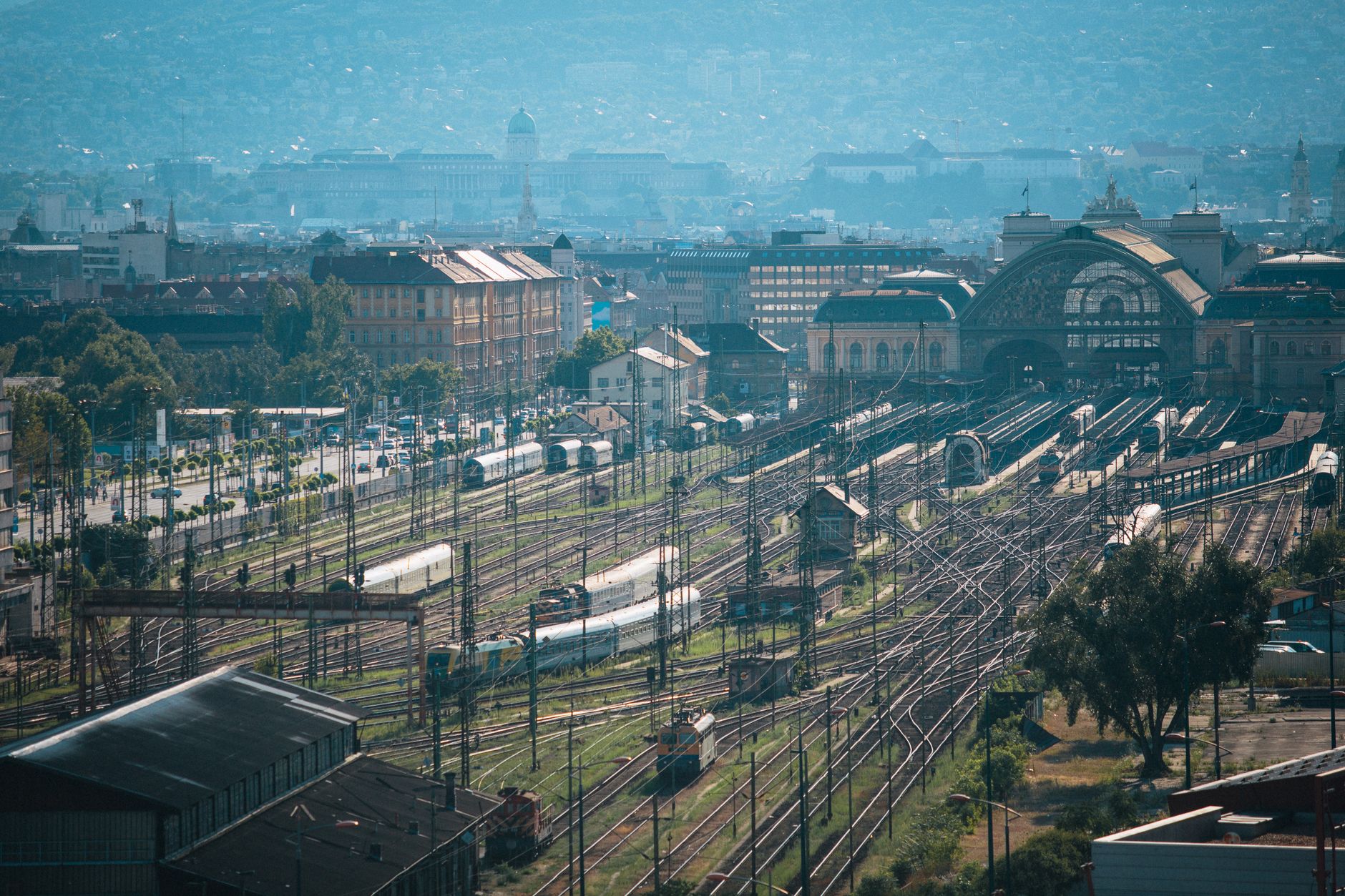
Flexible booking choices for your train strike contingency plan Europe
Flexibility is your best buffer. However, you do not need to buy full‑flex for every ride. Use these rules of thumb and note them inside your summary.
- Make critical legs flexible. These include airport transfers, ferry connections, and first/last trains tied to events.
- Prefer regional or semi‑flex on low‑risk hops. Short routes with many departures give you natural backups.
- Save all fare rules offline. Also screenshot vouchers and exchange windows so you are not hunting at the station.
- Consider passes for multi‑country trips. Interrail/Eurail passes can be resilient when you switch to regional trains.
Also review pass and ticket refund terms before you buy. For example, the European Commission’s page on rail passenger rights explains re‑routing and assistance when services are disrupted. For pass holders, check the latest refund and exchange information from Eurail and Interrail before purchase.
Pass vs point‑to‑point on volatile days
On uncertain days, a pass plus regional trains can add resilience, because you can board frequent services without seat reservations on many lines. Point‑to‑point can still be best for one or two fixed legs, but only if the fare rules let you change or refund with low fees.
Design route backups for a rail disruption backup plan Europe
Every critical city pair should have two alternates saved in your notes: one rail‑centric and one non‑rail. The rail option often uses regional trains that still operate on skeleton timetables. The non‑rail option might be an intercity coach or, if time‑sensitive and affordable, a short flight with a late arrival plan.
| Backup type | When it shines | Trade‑offs |
|---|---|---|
| Regional trains | Dense networks; more stops; sometimes less affected | Slower; more transfers; may end early at night |
| Intercity coach | Cross‑border corridors; night rides; predictable seat | Traffic delays; fewer daily departures |
| Short‑haul flight | Very long rail corridors; hard curfews | Airport time; higher cost; baggage limits |
| Rideshare/taxi split | Short last‑mile gaps; small groups | Variable availability; cost per person |
Because city geography matters, add late‑night transfer notes: last metro times, reliable taxi stands, and safe walking routes. Meanwhile, save landmarks to find bus bays and coach check‑in areas in large stations.
How to build a regional chain in minutes
- Identify the biggest interchange on your corridor (for example, Verona between Milan and Venice).
- Search for frequent regional hops on each side of that hub.
- Allow extra time for cross‑platform changes and last local connections.
- Check the last departure times for each leg and note a safe cutoff.
What are your rights if service is disrupted?
Know your baseline rights so you can decide calmly at the station. Under EU rules, rail passengers have rights to information, assistance, and, in many cases, reimbursement or re‑routing when services are disrupted. See the European Commission’s overview of rail passenger rights for details and current scope. Because rules can change, always confirm the latest wording on the official page before you rely on any specific remedy.
- Information: You should receive clear updates on delays, cancellations, and next steps.
- Re‑routing or refund: If your trip is cancelled, you may be offered another route or a refund according to the conditions of carriage.
- Assistance: Operators may provide food, water, and accommodation when you are stranded, within policy limits and availability.
Rights outside the EU can differ. In Great Britain, rights are set by the local framework and operator policies listed on National Rail pages. Always read the operator’s disruption page for the exact remedies on the day.
Also check operator‑specific pages (for example, SNCF traffic info, DB Navigator, and Eurostar travel updates) for how they apply assistance and rebooking during disruptions on the day.
Pack a light disruption kit
Small items remove big hassles when plans change. Add this to your day bag so your europe train strike backup plan is more than a note on your phone.
- External battery and short cables
- Reusable water bottle and a snack
- Printed reservation codes and a pen
- Light scarf or layer for overnight waits
- Offline maps and station exit screenshots
- Small cash for lockers or local buses
- A spare card or mobile wallet fallback
Seat reservations, passes, and re‑routing in a rail disruption backup plan Europe
Passes can be powerful during disruption, especially if you switch to regional trains. However, international high‑speed routes often require seat reservations. Keep these tips handy as you plan:
- Save a list of regional alternatives where reservations are optional. For example, many local lines in Germany and Italy allow boarding without a seat reservation.
- Try different legs. Break a long journey into shorter segments to increase available paths.
- Check pass day counting rules before boarding an alternate service so you do not burn extra days by mistake.
- Night trains usually require reservations (couchette or sleeper). If that service is disrupted, switch to an evening regional chain plus an early morning hop.
- For refunds or exchange of seat reservations, consult Eurail/Interrail refund policies.
Apps and tools to run your European train strike plan B
Keep official apps one tap away and let them notify you. Then use a planner to compare backups. Add the login and ticket locations to your europe train strike backup plan so anyone in your group can help.
- Official: DB Navigator, SNCF Connect, Trenitalia, and Eurostar updates.
- Aggregators: Use reputable multi‑operator planners to compare live options across borders. Then always confirm final details in the official app before you buy.
- Maps: Save station exits, nearby coach stops, and airport transfer routes offline in Google Maps, Maps.me, or Apple Maps.
Tip: Rename your saved maps with the station name and the word “exits†so you can find them fast in search.
Decision path to activate your train strike contingency plan Europe
- Check official app/page for your train’s status and offered re‑routing.
- If re‑route fits your timing, accept and save all documents offline.
- If not, compare Regional Route B vs Non‑rail Route C for the same city pair.
- Pick the first option that arrives on time with reasonable cost and risk.
- Update your europe train strike backup plan notes so the whole group stays aligned.
Keep this visible on your phone. Because your brain is busy under stress, a short checklist is faster than memory. If you are traveling as a group, assign who checks apps, who watches platforms, and who books the backup.
City‑by‑city example reroutes for a European train strike plan B
Use these example patterns to build your own list. Replace the city names with your actual route and check live availability on the day.
- Paris → Brussels: Regional via Lille and Tournai; or coach via Lille; or short‑haul flight CDG/ORY → BRU/CRL with late‑arrival metro notes.
- Munich → Salzburg: Regional Meridian/BRB style lines; coach via Chiemsee corridor if traffic allows; last‑mile taxis noted.
- Milan → Venice: Regional Regionale Veloce chain via Verona; coach via A4; backup flight LIN/MXP → VCE only if connections fail.
- Barcelona → Madrid: Regional hops via Tarragona/Lleida; or long‑distance coach; flight only if time‑critical and fares make sense.
- Amsterdam → Brussels: Regional via Roosendaal or Breda; coach via Antwerp; ensure late tram/metro info for arrival.
- Zurich → Geneva: InterRegio chain via Bern; coach along the A1; check last local buses after 22:00.
- Vienna → Budapest: Regional hops via Győr; coach corridor via Mosonmagyaróvár if available; confirm border checks time.
- London → Paris: Official operator re‑routes first; if not, coach corridors via channel crossings can work; plan passport control buffers.
Therefore, pre‑writing your options saves minutes when everyone else is also refreshing apps.
Scenario: last high‑speed of the day is cancelled
- Accept any official re‑route that keeps you safe and on time, even if it adds a change.
- If none fits, switch to your regional chain and aim for a large hub with hotels.
- Book a short coach or taxi for the last mile if the final regional leg has ended.
- Save new tickets and screenshots. Note arrival time and platform changes.
How to talk to staff and keep options open
Clear, polite requests help you get the fastest workable outcome. At a help desk or platform, try this short script:
“Hello. My train [number] from [origin] to [destination] is cancelled. I have [ticket/pass type]. Could you help me with the next available route today? I can also take regional trains.â€
Because staff handle many requests during disruptions, concise details make it easier for them to help you quickly. If cross‑border, add: “I can split the journey and change at [major hub].â€
Insurance and payment protections
Travel insurance and certain credit cards may include trip interruption or delay benefits. However, coverage varies widely. Read your policy before departure, and save claim instructions in your documents folder. Also keep receipts for extra costs like meals, taxis, and lodging. Finally, screenshot delay notices in the operator app as proof for claims.
Claim checklist
- Proof of disruption (app screenshots, emails, station board photos).
- Original and replacement tickets, plus seat reservations.
- Receipts for meals, water, local transit, and hotels, if applicable.
- Timeline notes: when you learned of changes and what you did next.
Common mistakes that break a European train strike plan B
- Waiting at the platform for an hour hoping service returns. Instead, trigger your europe train strike backup plan as soon as a cancellation is confirmed.
- Buying the first expensive ticket you see. Also compare route B and C for arrival time, risk, and cost.
- Relying on one device. Therefore, share tickets and plan notes with a travel partner.
- Forgetting last trains and curfews. Meanwhile, always save late‑night options.
- Over‑packing your day bag. Keep it light so you can move fast between platforms.
- Not confirming platforms twice. Check boards again just before you walk to the train.
Quick comparison for your rail disruption backup plan Europe
| Situation | Start here | Then check |
|---|---|---|
| Cancellation announced early | Official app re‑route offers | Regional chain via major interchange |
| Cross‑border long haul | Intercity coach corridors | Short‑haul flight with reasonable arrival time |
| Last‑mile only affected | Local bus or metro | Taxi or rideshare split between your group |
| Night arrival risk | Earlier departure or partial hop | Overnight near interchange and finish in morning |
Aggregator or operator? Using a European train strike plan B
Both can work. Operators usually process changes faster inside their own app. Aggregators can compare many routes in one search, which is great when you need a back‑up. However, confirm any final boarding details in the operator app before you go to the platform.
- Operator app pros: direct control, push alerts, exact platform info.
- Aggregator pros: sees multiple operators and non‑rail in one view.
- Best practice: compare in the aggregator, then buy or confirm in the operator app.
Do you need to change your seat reservations?
On many regional trains you can ride without a seat reservation. On most international high‑speed services you cannot. If you switch to regional backups, you may be able to travel without changing reservations. If you switch to another high‑speed route, check reservation availability and fees in advance. For pass‑holder policies, confirm details on Eurail and Interrail.
Buffer your itinerary to protect your rail disruption backup plan Europe
Add firm buffers on high‑importance connections. As a result, the rest of your trip stays intact even if one leg slides.
- Airports: Plan to arrive 4–5 hours before long‑haul flights and 3 hours before intra‑Europe flights when rail is uncertain.
- Ferries: Arrive at the terminal early; walking distances can be long.
- Events: Sleep in the event city the night before, not two cities away.
- Weather: Leave extra time in winter and during heat waves that can slow lines.
One-minute affiliate tip to compare Plan B in your European train strike plan B
Affiliate disclosure: Some links in this guide may be affiliate links. If you book or buy through them, Eco Nomad Travel may earn a commission at no extra cost to you.
When time is tight, open your notes and your europe train strike backup plan, then compare a coach or short‑haul flight in one tab. Use this quick link to scan options fast: Check Trip.com for cross‑border buses and flights. Then return to the operator app to confirm final boarding details. Book the first option that gets you there on time with acceptable risk and cost.
FAQ: fast answers for your European train strike plan B
What should I do first if my train is cancelled?
Open the operator app and check the offered re‑route. If it meets your timing, accept it. If not, trigger your europe train strike backup plan, compare Regional Route B and Non‑rail Route C, and choose the first option that arrives on time with a fair cost.
Can I get a refund or re‑routing during a disruption?
Often you can choose a refund or a re‑route according to the operator’s conditions and applicable law. Always check the official page for the current rules. Then save screenshots of notices and receipts. Finally, add the link to your europe train strike backup plan so you can find it fast.
Are regional trains more likely to run?
Sometimes regional networks keep limited service while long‑distance services are reduced. It depends on the operator and location on the day. That is why your europe train strike backup plan includes a regional chain and a non‑rail route.
More Europe train guides for planning your route
For deeper planning and safer choices, save these guides alongside your europe train strike backup plan.
- Complete guide to train travel in Europe
- How to book European train tickets step by step
- Night trains in Europe: cabins, safety, and booking
- Eurail vs Interrail: which pass fits your route
- Is it safe to travel by train in Europe?
Editor’s note: This guide focuses on monitoring, flexible booking, and backup routing. It does not predict strikes or guarantee outcomes. Because policies change, always verify current rules and service status on official operator pages before you decide. Last reviewed: .
