

Here is the clear, step-by-step guide you asked for: how to book train travel in europe without guesswork. You will compare apps and operator sites, choose the right place to buy, and add the seat reservations you need. Along the way, you will learn booking windows, refund rules, night train tips, and route-by-route examples.
For related Eco Nomad guides, see family train travel europe, can dogs travel on trains in europe, accessible train travel europe, train vs flight carbon footprint europe.
how to book train travel in europe: quick answer
Use the operator’s own site for the best coverage and fees, and a trusted multi-operator app when one site can’t ticket your whole trip. Book high-speed and night trains early, because fares rise and popular departures sell out. Add seat reservations wherever they are required. For example, TGV, Frecciarossa, AVE, Eurostar, and Nightjet can require or include seats; regional trains often do not.
Get the Eco Rail-First Trip Planner (Free PDF)
Plan calmer, greener trips with a rail-first checklist, buffer planner, and copy/paste templates.
- If a single operator runs your train, buy on its site (SNCF, DB, ÖBB, Trenitalia, Renfe, SBB, Eurostar).
- If you need multiple operators in one basket, compare a global app (e.g., Trainline, Omio, Rail Europe) to see routes and prices in one place. Expect small fees.
- If you have a Eurail/Interrail pass, travel is your fare; add seat reservations only when required, then activate your pass trip for each ride.
Why European train booking matters for your budget and time
When you know how to book train travel in europe, you avoid extra fees, sold-out seats, and slow routes. You also see the best transfer points, real travel times, and refund options before you commit. Small choices when you book can cut hours from your day and save real money.
Just as important, the place you book controls support later. If you buy on an operator site, that operator usually changes or refunds directly. If you buy on a third-party app, you generally manage changes inside that app. Therefore, decide where you want after-sales help to live before you pay.
Apps vs operator sites for European train booking
Both options can work well. Your choice depends on where you travel, how complex your route is, and whether you need seat reservations across borders.
| Where to book | Best for | Pros | Trade-offs |
|---|---|---|---|
| Operator site (DB, SNCF, ÖBB, Renfe, Trenitalia, Eurostar, SBB, ČD) | Nonstop or simple cross-border routes | Low/no fees, direct after-sales, best seat maps, full fare range | Language differences, not all can sell partner segments |
| Multi-operator app (Trainline, Omio, Rail Europe) | Multi-country trips in one basket | One checkout, multiple currencies, wide timetable search | Service fees, sometimes misses special promo fares |
| Pass reservation tools (Eurail/Interrail, ÖBB Nightjet, SNCF) | Rail pass holders | Shows where a seat is required, sells reservation-only tickets | Reservation fees, limited seat control on some routes |
As a rule, start at the operator site. If you cannot ticket the whole journey there, try a reputable multi-operator app. This simple habit solves most booking dead-ends.
Also consider after-sales and seat control. Operator sites often show coach layouts and let you pick exact seats or quiet/family areas where offered. Third-party apps may assign seats automatically with fewer options. Moreover, some apps charge per-ticket fees and use your currency, which is convenient but can hide conversion costs. Compare totals before paying.
Finally, watch for “through tickets” versus separate legs. A single through fare on one booking reference usually protects connections. Two separate tickets, even on the same trains, may not. If an app proposes a risky split, you can try to rebuild the same plan on the operator site to keep protection.
Booking flow at a glance
- Is one company running the train you want? Book on its site.
- Need two or more operators in one basket? Compare a trusted app.
- Using Eurail/Interrail? Ride is covered; add required seat reservations.
- Night train? Choose seat/couchette/sleeper and book early.
Keep it simple: operator first, app second, pass reservations when needed.
Step-by-step European train booking: from search to ticket
Follow this workflow each time you plan how to book train travel in europe. It works for direct, cross-border, and pass-based trips.
- Pick your date and window. Many operators open sales about 2–6 months ahead. Some open earlier; Eurostar, for example, releases many dates far in advance and varies by season. Check the operator’s page for exact timing (Eurostar).
- Check timetables on a neutral planner. Use the DB site/app for a wide European timetable view (Deutsche Bahn).
- Price it on the operator site. Start where possible with SNCF (France), DB (Germany), ÖBB (Austria/Nightjet), Trenitalia/Italo (Italy), Renfe (Spain), SBB (Switzerland), ČD (Czechia), Eurostar (UK ↔ EU).
- Compare a global app if needed. If the operator cannot sell all legs, check a trusted multi-operator app to stitch the journey together. Expect small booking fees.
- Add required seat reservations. High-speed and night trains often require seats or berths if you hold a rail pass. Some tickets include a seat by default (e.g., Italy high-speed). Verify rules on the operator or Eurail/Interrail site (Eurail seat reservations).
- Choose mobile tickets when offered. Most operators issue QR-code tickets you can show on your phone. Keep ID handy; name changes are often not allowed.
- Review refund/exchange rules. Flexible fares cost more but can protect you from change fees. Non-flex tickets can be nonrefundable or locked to a train.
- Pro tip: If prices look high, shift departure by 30–60 minutes or search the day before/after. Promotional buckets are time-specific.
- Pro tip: Force a clean transfer by adding a “via” station (e.g., Mannheim for Paris–Munich) in the search to avoid awkward detours.
- Pro tip: Save tickets offline in the app or as PDFs. Trains and tunnels can kill reception.
Seat reservations for European train booking: do you need one?
It depends on the country, train type, and whether you have a pass or a regular ticket. Here is the quick guide you can use every time you think about how to book train travel in europe.
| Route/Train | Reservation rule | Where to reserve | Notes |
|---|---|---|---|
| France TGV/INOUÏ, OUIGO | Mandatory (ticket includes seat; pass needs reservation) | SNCF Connect; Eurail/Interrail tools | Book early for best fares; popular peak trains sell out |
| Germany ICE/IC/EC | Optional for regular tickets; recommended at busy times | DB site/app | Seat with ticket is not mandatory on ICE (DB seat info) |
| Italy Frecce (FR/FA/FRX) | Seat included with ticket; pass users need reservation | Trenitalia; Eurail/Interrail | Italo is separate; book on Italo for Italo services |
| Spain AVE/ALVIA/AVLO | Seat mandatory; often included | Renfe; Eurail/Interrail | Low-cost AVLO sells early and can sell out |
| Eurostar (London ↔ Paris/Brussels/Amsterdam) | Seat mandatory, included | Eurostar | Allow time for security and border checks |
| Nightjet/other night trains | Mandatory seat/couchette/sleeper | ÖBB Nightjet or operator | Book early for private or popular compartments (ÖBB Nightjet) |
| Regional trains (DE/AT/CH/NL/BE/CZ, etc.) | Usually no seat reservation | Local operator | Great for spontaneous travel; check for exceptions |
For families, groups, or peak commuting hours, an optional reservation can be worth the small fee. Conversely, on quiet midday services in Germany, Austria, or Switzerland, open seating works fine. With passes, note that some routes have limited pass-holder reservation quotas; when those sell out, you may have to choose a different time or pay a full-fare ticket.
Booking windows for European train booking and how early to buy
To master how to book train travel in europe, watch the booking window. It varies by operator, season, and whether new timetables are about to start.
Additionally, European railways switch timetables twice a year (around mid-December and mid-June). Near those changeovers, some lines briefly hold back sales until schedules finalize. If you cannot see your date yet, set an alert and check again in a few days.
- France (SNCF): high-speed often opens 3–4 months in advance; holiday periods can open in special sales waves (SNCF Connect).
- Germany (DB): many long-distance tickets appear up to about 6 months out; exceptions apply near timetable changes (DB).
- Eurostar: releases seats far ahead in batches; exact dates vary by season and route (Eurostar).
- Spain (Renfe): releases can be closer to travel dates and sometimes in waves (Renfe).
| Operator | Typical advance sale | Tip |
|---|---|---|
| SNCF (France) | ~3–4 months | Look for “billets Prem’s”/early promo fares |
| DB (Germany) | ~6 months | Super Sparpreis fares sell out first |
| ÖBB (Austria/Nightjet) | ~6 months | Sparschiene and Nightjet berths: book early |
| Trenitalia (Italy) | ~4–6 months | Book Frecce early; regional needs little advance |
| Renfe (Spain) | Varies by line | Check frequently; releases in waves |
| Eurostar | Opens in seasonal batches | Subscribe to release alerts |
If you miss the first day of sales, do not panic. New promo fares can appear later, and a slight time shift often finds cheaper buckets. However, if you need a specific night train compartment or a busy holiday train, earlier almost always means better choice.
Rail passes and European train booking with a pass
Passes cover the base fare, not always the seat. You still need to know how to book train travel in europe with a pass and add seat reservations where rules require them.
- Use the Eurail/Interrail app to log each travel day and generate a barcode for inspection.
- Reserve seats on routes that require it (France TGV, Italy high-speed, Spain AVE, Eurostar, Nightjet). Use the operator site or the pass reservation service.
- Activation: do not activate your pass too early; you can adjust plans before the first trip if the pass is not yet activated.
If a required reservation is sold out for pass holders but tickets are still on sale, you can either pick a different time or buy a regular ticket for that segment. Meanwhile, regional lines in many countries remain a pass-friendly fallback because they rarely need reservations—handy on peak days.
Official pass seat-reservation guidance is here: Eurail seat reservations and Interrail reservations.
Best apps to book European train tickets across borders
Here is a simple rule you can apply any time you decide how to book train travel in europe: search on a wide timetable tool, then buy at the operator site; use a multi-operator app when the operator cannot ticket all legs.
- Neutral timetable: DB Navigator/site covers most of Europe well for schedules.
- Operator apps: SNCF Connect, DB Navigator, ÖBB, Trenitalia, Renfe, SBB Mobile, ČD, Eurostar.
- Multi-operator apps: Trainline, Omio, Rail Europe (expect small booking fees).
Before choosing, check two things: First, how changes and refunds work inside the app you are considering. Second, whether the app shows the same fare types as the operator—some deep promo fares appear only on the operator site. If an app’s customer support hours or language options matter to you, verify those in advance.
Night trains and European train booking: how to choose and book
Night trains require reservations for every passenger. When you think through how to book train travel in europe with an overnight ride, pick the comfort level first, then the date, then the compartment type.
- Seat: cheapest, upright, best for short hops.
- Couchette: shared bunk in a 4–6 berth compartment, good value.
- Sleeper: 1–3 bed private compartments with more comfort and privacy.
Book Nightjet and partner night trains at the ÖBB Nightjet site or the operating railway for the most control over berths and compartments.
Small extras add up to better sleep: bring earplugs, a light layer, and keep valuables close. On some routes, breakfast is included in sleepers; check the service list at checkout. If you connect after an overnight, allow buffer time—morning arrivals can face platform crowding and minor delays.
Sample routes to book European train tickets: what to click and where to buy
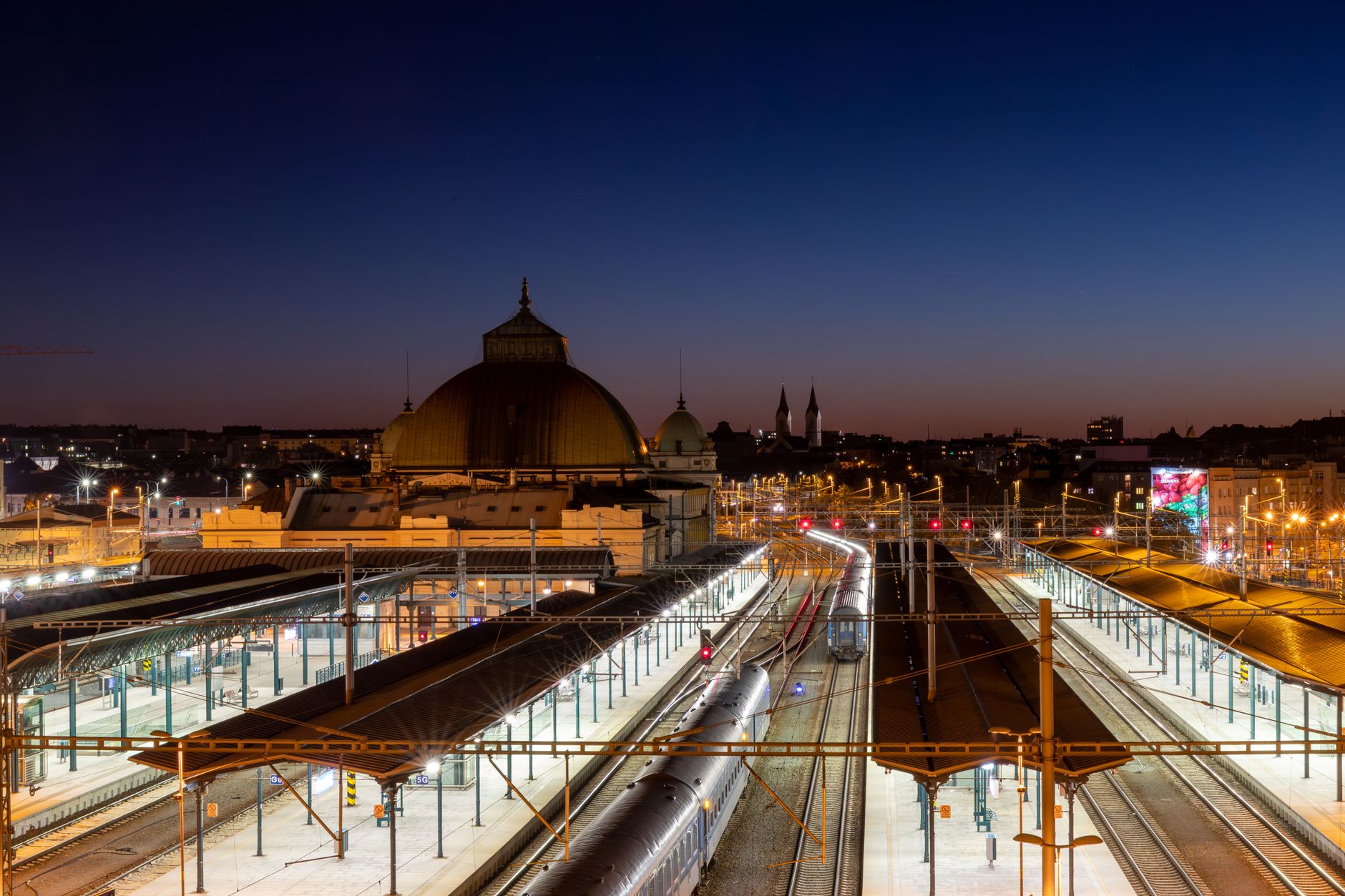
Sometimes the fastest way to learn how to book train travel in europe is to copy a working example. Use these click-paths as a template and adjust your dates.
Paris → Amsterdam (TGV/Thalys now Eurostar)
- Search schedules on DB or Eurostar for Paris–Amsterdam.
- Buy on Eurostar to pick seats together. Ticket includes seat.
- Arrive early for security/border checks at Paris Nord.
Munich → Venice (EC via Brenner)
- Check schedules on DB.
- Buy on DB or ÖBB. Seats optional; reserve if you want a window on the Brenner Pass.
Madrid → Seville (AVE)
- Search on Renfe.
- Buy on Renfe; seat included. Choose a direct AVE where possible.
London → Brussels (Eurostar)
- Search and buy on Eurostar. Seat included.
- Check check-in cutoffs and luggage rules before you go.
- Also try: Zürich → Milan (EC via Gotthard). Search on SBB, compare prices on Trenitalia; optional seats.
- Also try: Vienna → Prague (Railjet/EC). Search on ÖBB and ČD; optional seats, frequent service.
- Also try: Brussels → Cologne (ICE/Thalys/Eurostar). Compare DB and Eurostar sites for timing and fares.
Refunds and exchanges when you book European train tickets
Always read the fare conditions at checkout. Flexible fares cost more, but they can help if your plans change. Non-flex fares can be nonrefundable or charge change fees. Many operator apps let you exchange tickets right in the app; third-party apps handle changes within their platform, which adds one more step.
Delay compensation and rebooking rules vary by operator and route. If your train is significantly delayed or canceled, staff can endorse you onto the next service when you hold a protected connection. Keep tickets and any receipts for documentation. If you booked separate legs yourself, rebooking is at the operator’s discretion.
Most tickets are mobile QR codes. A few routes still use PDFs or paper pickup. If your ticket is name-specific, carry the same ID used at purchase. On some cross-border routes, passport checks can occur on board or at the station. Save a local copy of your ticket in case your phone loses data service.
Cross-border European train booking: how to handle tricky cases
Cross-border trains can be sold by either country’s operator. If one site will not show the fare you want, try the partner site. This is one of the most useful habits in how to book train travel in europe.
- Germany–Austria–Italy EC trains: try DB, then ÖBB, then Trenitalia.
- France–Spain TGV/AVEs: try SNCF, then Renfe. Some dates sell in waves.
- Switzerland connections: SBB often shows clean options and platform data.
If you see awkward routings, add a smart “via” in your search (for example, set Lyon as a via for some France–Spain trips). Similarly, if a through-fare is missing, price each half on both operators; sometimes the best price appears on the side with the longer distance or domestic leg. Compare both totals before choosing.
Fees and seats to watch when you book European train tickets
Operator sites often have the lowest or no service fee. Multi-operator apps add small fees and may not show every promo fare. Also, make sure you actually select or confirm seats where needed. In Italy and Spain, your ticket normally includes a reserved seat; in Germany and Switzerland, seating is often open, with optional reservations.
Seat selection flows vary. Some operators let you pick forward-facing seats, window/aisle, or quiet/family zones. Others assign seats automatically but still allow a change after purchase for a short time. If sitting together matters, check for a “choose seat” button before paying.
Common European train booking mistakes to avoid
- Waiting too long to book a night train compartment you want.
- Assuming a rail pass includes a seat; many high-speed lines still require a reservation.
- Buying two separate tickets with a tight transfer across stations.
- Not checking border timings on Eurostar and international routes.
- Using only one app even when the operator has a better fare.
- Forgetting to download tickets for offline use.
- Overlooking luggage or bike rules that differ by operator.
Fares, discounts, and ID for European train booking
Many operators offer youth, senior, or railcard discounts that you must qualify for and sometimes carry proof of on board. If a discount is tied to a specific railcard (e.g., UK Railcards) you must have the railcard with you. Some countries require you to carry ID that matches the name on the ticket for controlled services like Eurostar.
Family and group offers can be generous but often have restrictions on times or trains. Read the small print at checkout, and ensure all passengers meet the stated age rules. If you are traveling with children, check whether a separate child reservation is needed on night trains even if the base fare is covered by a pass.
Station and platform tips for European train booking
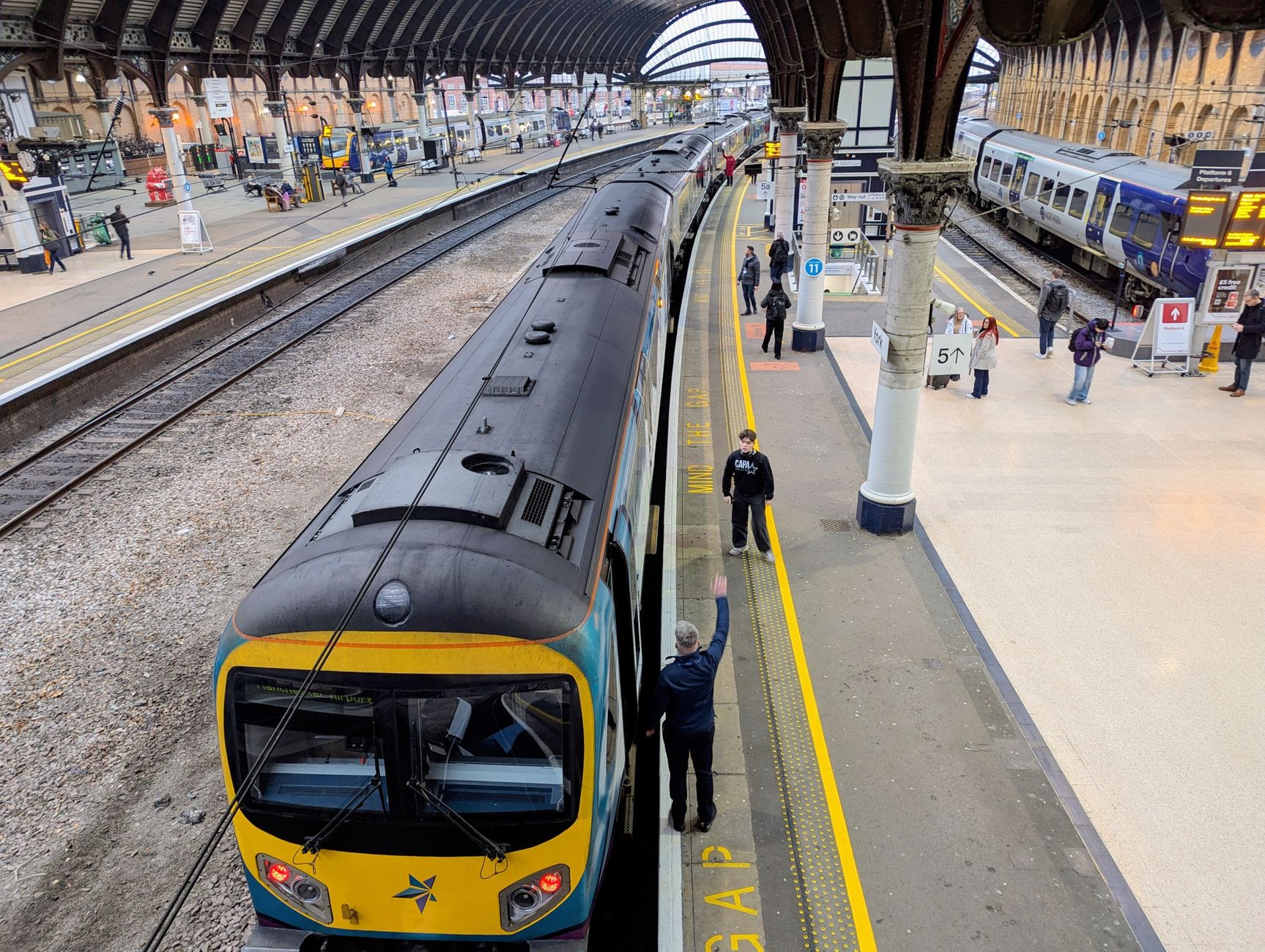
Arrive early enough to find your platform, especially at major hubs. Look for carriage diagrams on screens. On trains with open seating, spread out along the platform to board near your preferred section.
Typically, platforms are posted 10–20 minutes before departure (sometimes earlier on long-distance services). If you have mobility needs or large luggage, arrive with extra time so you can board calmly. Many stations display coach composition boards that show where car numbers will stop—use these to stand in the right zone.
If you need assistance, most operators offer a station help point; book support ahead where possible. For families, some trains have quiet or family areas—seat selection on operator sites helps you find those.
Which seat to choose when you book European train tickets
On operator sites with seat maps, pick a forward-facing window if that matters to you. In scenic areas like the Brenner Pass or the Rhine Valley, a window seat on the view side is worth it. On open-seating trains, arrive a bit earlier and head toward the less crowded cars.
- Quiet zones: ideal if you want a calmer carriage; check the icon before booking.
- Table seats: good for pairs or families facing each other; may be flagged on seat maps.
- Accessibility seats: reserve early and confirm boarding assistance with the operator.
Country-by-country guide to book European train tickets
Use this table as a quick reminder each time you plan how to book train travel in europe. It highlights booking sites and reservation rules you will see most often.
| Country | Main site | High-speed seat rule | Regional seat rule | Notes |
|---|---|---|---|---|
| France | SNCF Connect | Mandatory (incl. with ticket) | Not required | Pass needs reservation on TGV |
| Germany | DB | Optional (ICE/IC) | Not required | Reserve at busy times or groups |
| Italy | Trenitalia / Italo | Included (ticket); pass needs res. | Not required | Check Italo separately |
| Spain | Renfe | Included/mandatory | Not required | AVLO is low-cost, sells out |
| Austria | ÖBB | Optional (Railjet) | Not required | Nightjet: reservation required |
| Switzerland | SBB | Optional | Not required | Seat res. useful at peaks |
| Czechia | ČD | Varies by service | Not required | Good cross-border coverage |
| Belgium | SNCB/NMBS | Thalys/Eurostar mandatory | Not required | Local trains are flexible |
| Netherlands | NS | Eurostar mandatory | Not required | Domestic IC open seating |
| UK | Operator/National Rail | Included; reservations vary | Not required | Check advance fare rules |
Country practices evolve. When in doubt, price the same trip on the national operator site and a multi-operator app. If both show the same fare and delivery type, pick the channel with better after-sales tools for you.
Payments and currencies when you book European train tickets
Operator sites usually charge in local currency and accept common cards. Multi-operator apps let you pay in your home currency, which is convenient but can add conversion costs. If you are sensitive to exchange rates, compare totals during checkout.
Many checkouts use extra security (3-D Secure). Keep your bank app handy in case it asks for confirmation. Ensure the name on the ticket matches the traveler’s ID when required, since some services do not allow name changes later.
What if my connection is missed?
If you booked a through-ticket with protected connections, the operator or app should rebook you on the next available service at the station. If you built your own itinerary on separate tickets, help is at the operator’s discretion. Leave buffer time for cross-station transfers and border checks.
When a delay occurs, speak with staff as soon as possible. Sometimes a simple endorsement on your ticket or a note on your booking confirms that you can board the next service. Keep any proof of delay if you plan to request compensation.
European train booking trick to cut costs
Sometimes a small change—like starting your trip one stop earlier or later—exposes a cheaper fare bucket. This short video explains the idea clearly.
If you cannot see the video above, use this link: Watch on YouTube.
FAQ on European train booking
Do I need a seat reservation with a regular ticket?
Often your high-speed ticket includes a seat (Italy, Spain, Eurostar). In Germany, Austria, and Switzerland, seats are usually optional on long-distance trains. Night trains always require a booked place.
How do I book with a Eurail/Interrail pass?
Use the pass app to add each trip day and show the QR code on board. Then add reservation-only tickets on routes that require them. The official pages explain seat rules by country (Eurail).
When should I book to get the best fare?
As soon as your dates are firm for long-distance and night trains. Many operators open sales 2–6 months out. Early fares sell first.
Which app is best for international trains?
Search schedules on DB, then try the operator sites. If you cannot ticket all legs there, compare one multi-operator app. Use the one that shows the time you want with clear after-sales support.
Can I get a refund if plans change?
It depends on the fare. Flexible fares cost more but allow changes or refunds. Discount fares may be nonrefundable. Read conditions at checkout.
Are mobile tickets accepted everywhere?
Most major operators accept mobile QR codes. Some cross-border or smaller lines still use PDFs or paper. Your checkout will show the delivery type before you pay.
What docs do I need for Eurostar and borders?
Carry a valid passport and your ticket with the correct name. Arrive early for security and exit/entry checks on Eurostar and some cross-border routes.
Useful official links for European train booking
- Deutsche Bahn (DB) – Germany schedules, tickets, seat info
- SNCF Connect – France TGV and regional
- Eurostar – London ↔ Paris/Brussels/Amsterdam
- ÖBB – Austria and Nightjet
- Renfe – Spain AVE and regional
- Trenitalia – Italy Frecce and regional
- SBB – Switzerland
- ČD – Czech Railways
- Eurail – Seat reservations overview
More guides to book European train tickets
- Europe Rail Travel hub
- Is it Safe to Travel by Train in Europe? Station, Luggage, and Night Train Tips
Final recap: European train booking in simple steps
Keep the process simple and repeatable. First, decide dates and route. Then check schedules on DB and buy on the operator site. If you cannot ticket every leg, try a multi-operator app. Finally, add required seat reservations and save mobile tickets. With this routine, you will never wonder again how to book train travel in europe—and you will spend more time enjoying the view than staring at checkout screens.
Compare the trip details before you book
Affiliate disclosure: Eco Nomad Travel may earn a commission if you book through qualifying links, at no extra cost to you. Use the link only when it genuinely helps your trip research.
Before you lock in dates for How to Book Train Travel in Europe: Apps, Operator Sites, and Seat Reservations, compare location, flexible cancellation, transfer timing, and total trip cost so the final plan fits your budget and pace.
