

Last updated: 30 April 2026
For a related Eco Nomad guide, see belgium train travel guide.
The london to paris train is the fastest, most comfortable, and most sustainable way to travel between the two capitals. This guide gives you clear times, prices, booking steps, luggage rules, border checks, and practical tips with links to official sources. You will know exactly what to book, when to arrive, and how to connect on arrival.
Key takeaways
- Journey time: Around 2 hours 16 minutes on most direct high-speed services, city center to city center. See Eurostar’s official timings and check-in rules for details and updates (Eurostar London–Paris, Eurostar check-in times).
- Stations: London St Pancras International to Paris Gare du Nord. Both have direct metro and rail links. See St Pancras International and Gare du Nord.
- Check-in: Arrive 45–60 minutes before departure for ticket check, security screening, and UK/EU border controls (Eurostar guidance).
- Luggage: Generous allowance with no weight limit for most tickets; size and item limits apply (Eurostar luggage rules).
- Booking: Book early for the best price. Choose Standard, Standard Premier, or Business Premier seats and pick a departure that matches your plans.
- Documents: A valid passport is required. Check entry rules before travel (UK Gov: France entry).
Quick answer: What to expect
The direct high-speed train links St Pancras International (London) and Gare du Nord (Paris) in a little over two hours. You pass through airport-style security and both UK exit and French entry checks before boarding in London. On board, you get a reserved seat, overhead luggage space, and access to food and drink. At Gare du Nord, you step straight onto the Paris Metro and RER for easy city connections.
How long does the london to paris train take?
The london to paris train typically takes about 2 hours 16 minutes on the fastest services, depending on the exact schedule and rolling stock in use. Some trains may be a few minutes faster or slower. Always check the latest published journey times on the operator’s timetable page and in your booking tool. For official timings, see the route page here: Eurostar London–Paris.
| From | To | Typical Journey Time | Frequency |
|---|---|---|---|
| London St Pancras | Paris Gare du Nord | ~2h 16m | Multiple daily |
Because border checks occur before boarding in London, your arrival in Paris is fast. You can head straight to local transport without more passport control on arrival for most passengers.
When is the first london to paris train?
First departures are usually in the early morning, with frequent services through the day. Exact times vary by weekday, season, and operational needs. Always verify the first and last trains for your travel date on the official timetable or your booking site.
Which stations does the london to paris train use?
The london to paris train departs from London St Pancras International and arrives at Paris Gare du Nord.
- London St Pancras International (Euston Rd, London). You will find dedicated check-in zones, security screening, and UK exit/French entry controls before boarding. See the official station guidance: St Pancras International.
- Paris Gare du Nord (10th arrondissement). On arrival, follow signs for the Metro (lines 4 and 5), RER B and D, and taxis. Find services on the official station page: Gare du Nord.

Check-in, security, and border control: what to know
Because this is an international route, you pass through ticket check, security screening, and border control before boarding in London.
- Arrival time: Eurostar advises arriving 45–60 minutes before departure (longer at peak times). See Eurostar check-in times for current guidance.
- Security screening: Bags and passengers pass through scanners, like at an airport, but liquids are allowed on board (see luggage rules below for limits).
- Border control: You complete UK exit and French entry checks in London. You normally do not go through passport control after arriving in Paris.
St Pancras: step‑by‑step from street to seat
- Follow signs to the Eurostar Departures area on the upper level of St Pancras. Clear wayfinding is provided from King’s Cross St Pancras Underground. Station details: official page.
- Keep your passport and ticket barcode ready before you join the queue. This speeds up the first check.
- Scan your ticket at the gates. Digital barcodes on a phone or a printed PDF usually work.
- Proceed through security screening. Liquids are permitted, but prohibited items are not. Review the list: Prohibited items.
- Complete UK exit and French entry checks. Officers may ask brief questions. Have documents in hand.
- Enter the departure lounge. Screens will show your boarding gate and coach boarding order.
- When boarding opens, follow your coach number to the platform. Staff are on hand to help direct you.
- Store heavy suitcases in the racks near the doors. Lighter bags go in the overhead space. Keep valuables with you.
Tip: During peak travel periods, lines are longer. Therefore, add a buffer so you can move through each step without stress. In quieter hours, processing is often faster, yet you should still follow the official arrival guidance.
Getting to St Pancras International
The station sits beside King’s Cross in central London. It connects to many Underground lines and local buses. Plan your route and check disruptions before you leave. If you are coming from an airport, build in extra time for transfers.
Prices and how to find good fares
Ticket prices vary by date, time, demand, flexibility, and seat class. Early booking usually gives you the lowest fares. Promotional prices are sometimes advertised on the official route page; check current offers here: Eurostar London–Paris.
| When you book | What you tend to find | Best for |
|---|---|---|
| 2–6+ months out | More low promotional fares; wider choice of times | Budget and flexible planners |
| 1–2 months out | Mid-range fares; popular times begin to fill | Balanced value and convenience |
| Last week/day | Higher fares; limited seat selection | Essential short-notice trips |
For flexibility, semi-flexible or fully flexible tickets cost more but let you change plans. If you travel off-peak, you often pay less.
Price‑smart booking tactics
- Use a flexible date grid to spot cheaper days and times.
- Compare early morning, midday, and evening. Midday is often calmer and can be cheaper.
- Sign up for official fare alerts and newsletters to catch promos.
- Search for your whole group in one transaction so you can sit together.
- Check your card’s FX fees. The best fare can be offset by charges, so consider currency options.
- Balance fare with flexibility. A small premium can protect you if plans change.
Seat classes and what you get
There are three main classes with different comfort and service levels. Features may vary by train set and timetable. For the latest service features, check Eurostar’s on-board info page.
| Class | Seat & Space | Food & Drink | Other Perks |
|---|---|---|---|
| Standard | Reserved seat; modern high-speed coach | Cafe-bar purchases | Good value, access to power sockets on most trains |
| Standard Premier | Wider seat, more legroom | Light meal served at seat (time-dependent) | Quieter carriages, faster boarding lanes at times |
| Business Premier | Most space, 1st-class layout | Gourmet meals and drinks | Dedicated check-in, lounges, flexible tickets |
Wi‑Fi is available on most services and newer trainsets; signal quality can vary in tunnels. See current on-board facilities on the official site for any updates.
Seat selection and quiet travel
Coach layouts differ by trainset, and forward‑facing seats are not always guaranteed because trains can reverse. Choose seats on the booking map when offered.
- Traveling solo: a window seat near the middle of the coach is often quiet and stable.
- In pairs: two‑seat bays reduce foot traffic and make it easy to chat.
- With a group: a table for four is social and suits snacks or games.
- Working on board: an aisle seat makes it easier to move and visit the cafe‑bar.
Keep the space pleasant for all. Use headphones, keep phone calls short, and store heavy cases in the luggage racks. Leave doorways and aisles clear.
What can you bring on the london to paris train?
Luggage allowances are generous compared with budget airlines. According to Eurostar policy, passengers may bring multiple items with size limits and no set weight limit for most ticket types. For exact items, sizes, and prohibited goods, see the official rules: Eurostar luggage and Prohibited items.
- Cabin-style bags: Store overhead or at carriage ends.
- Food and drink: You may bring your own for the journey, within security rules.
- Bulky items: Oversize or special items may need approval or a separate service.
Passports, visas, and travel rules
You must carry a valid passport. Because the UK is outside the EU, UK exit and French entry checks apply. Some nationalities need a visa or additional documents. Always review the latest official guidance before travel: UK Government: France entry requirements.
How to book the london to paris train in 5 steps
Booking is simple. Use the official operator website or a trusted international rail retailer. If you want one place to compare times and pay in your home currency, a retailer can help. If you prefer to buy direct from the operator, use its booking site.
Affiliate disclosure: Some links in this guide may be affiliate links. If you book or buy through them, Eco Nomad Travel may earn a commission at no extra cost to you.
- Pick a date and time. Off-peak hours are often cheaper than peak business times.
- Choose a seat class. Balance comfort, perks, and price.
- Compare fares and flexibility. Flexible fares cost more but can be changed.
- Enter passenger details. Names must match passports for border checks.
- Pay and save your ticket. Mobile tickets are common—download them before travel.
Helpful booking options:
- Book direct on Eurostar for official fares and seat selection.
- Trainline for an easy app, multiple currencies, and wider rail connections.
- Rail Europe for global payment methods and support.
Fare types, changes, and refunds
Tickets come with different flexibility levels. Lower prices usually carry stricter change rules, while higher prices buy more freedom. Always read the exact conditions shown at checkout and in your confirmation email.
| Fare type | Change before departure | Refund if you cancel | Who it suits |
|---|---|---|---|
| Value/non‑flex | Often allowed with a fee + fare difference | Usually no | Fixed dates and tight budgets |
| Semi‑flex | Usually allowed, lower fees | Sometimes partial | Balance between price and options |
| Fully flexible | Yes, typically without a fee | Often yes | Business travel or uncertain plans |
If the new train costs more, expect to pay the difference. If it costs less, refunds may be limited. Policies can change, so rely on the wording provided during booking and in the operator’s emails.
When should I book, and which departure should I choose?
Book early, travel off-peak where possible, and avoid the heaviest commuter times if you want more space and lower fares.
Simple decision flow
- Need best price? → Book early (2–6+ months) → Choose off‑peak midday trains → Standard.
- Want comfort + light meal? → Standard Premier → Midday or early afternoon.
- Business schedule? → Business Premier → Peak departures → Flexible fare.
- Uncertain plans? → Pick a changeable fare → Avoid last‑minute spikes.
Editorial infographic: clean white background, navy/green accents, four minimal icons (calendar, seat, meal, briefcase). Text kept short for mobile readability.
Arriving in Paris: onward travel
At Gare du Nord, follow signs for Metro lines 4 and 5, RER B and D, or taxis/ride-hailing. For central Paris, the Metro is usually fastest. If you connect to Charles de Gaulle Airport (CDG), RER B runs from Gare du Nord to the airport terminals.
Paris transport basics
Buy Metro or RER tickets from the machines in the station hall. Cards are widely accepted. For airport connections, check the correct ticket and fare before you board. For Disneyland Paris or business districts, use the RATP journey planner and follow live notices.
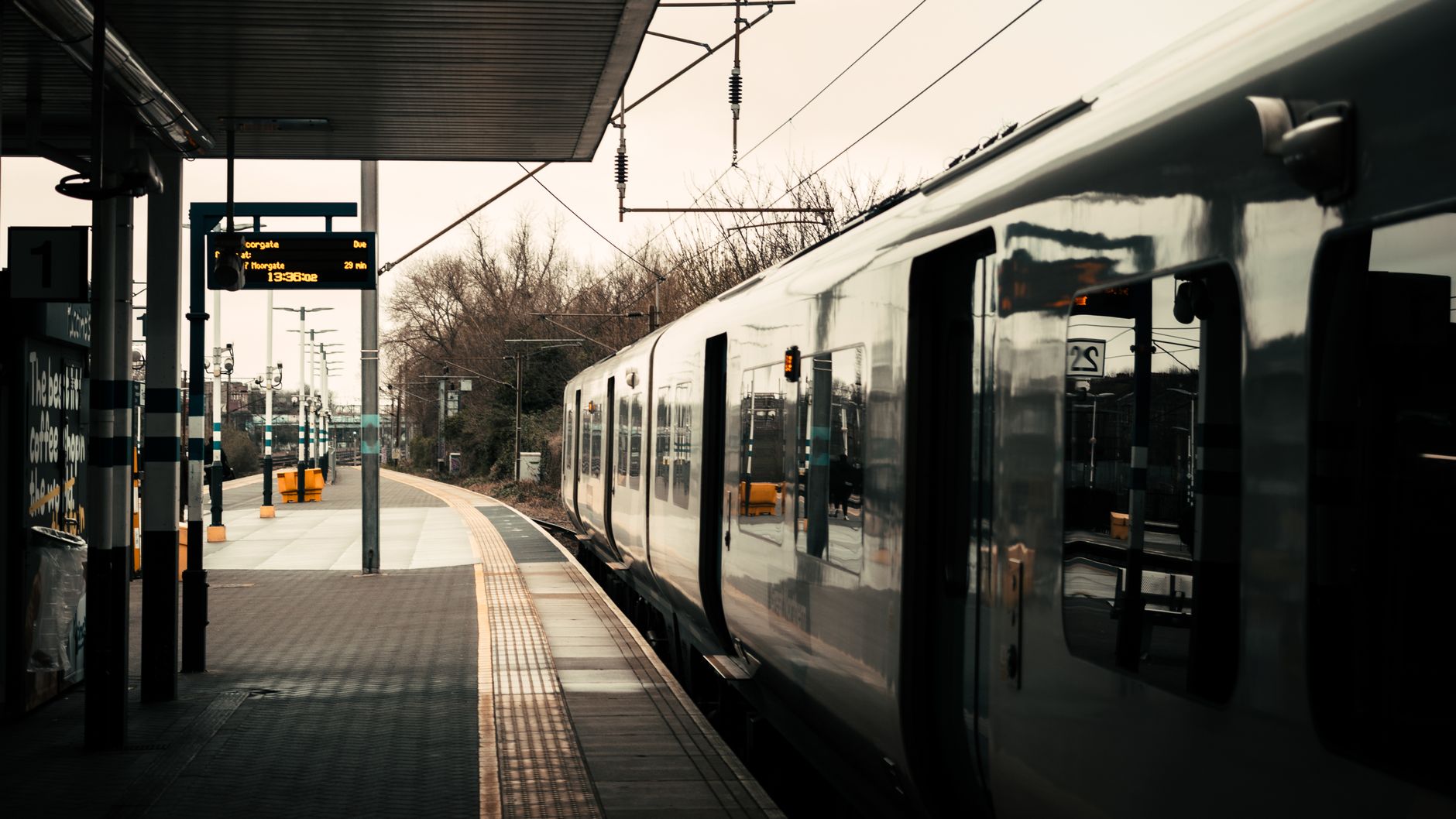
On-board services and Wi‑Fi
Most services offer a cafe‑bar and power sockets. Menus and Wi‑Fi performance can vary. Tunnels and the Channel section can briefly reduce reception. Therefore, download tickets, maps, and entertainment before departure. Bring a small, approved power bank if you rely on your phone for navigation.
London to Paris: train vs flight vs coach
Compare total door-to-door time, comfort, and emissions. City-center trains are often the best mix of speed and ease for most travelers.
| Mode | Typical door-to-door time | Comfort | Notes |
|---|---|---|---|
| High-speed train | ~4–4.5h total incl. check-in and transfers | Spacious, walk on/off, city center | Border checks done pre-boarding; easy arrival |
| Flight | ~5–6h total incl. airport transfers and security | Short flight, more airport time | Useful if connecting to onward flights |
| Coach | ~8–10h+ | Lowest cost | Overnight options; slower and less space |
For sustainability, high-speed rail is often the greener choice. The operator highlights major CO₂ savings compared with flying; see its sustainability pages for current claims and metrics: Eurostar sustainability.
Families, accessibility, and special assistance
Families can board with strollers and larger bags more easily than on many short-haul flights. Carriages include accessible seating areas and adapted toilets on most trainsets. If you need assistance, request it in advance through the operator or station services (see each station’s official page for details and meeting points).
Family tips
- Choose a table for four if you want more space for snacks and drawing.
- Pack a small activity kit and headphones. Download shows before you leave.
- Arrive with extra time so you can fold strollers and organize bags before boarding.
- Carry key items—passports, medication, snacks—in a small daypack you keep with you.
- Check any age-based ticket rules or child fares on the official site before booking.
Accessibility and assistance
If you require mobility or boarding assistance, contact the operator in advance. Request help at St Pancras and at Gare du Nord. Staff can guide you through the process and direct you to accessible facilities.
- Eurostar: Assistance
- St Pancras: travel information
- Gare du Nord: accessibility
Bikes, musical instruments, and pets
Some items need special handling, reservations, or size limits. Rules can change, and certain services or sizes may not be accepted. Review the relevant pages before booking.
- Bikes & sports equipment
- Pets policy
- Musical instruments & oversized items (see luggage rules)
Delays, strikes, and service changes
Weather, infrastructure work, and industrial action can affect services. When plans shift, the operator posts updates and options. Check status before you set out and again on the travel day.
- Monitor the official service updates page.
- Enable notifications in your booking app or opt in to email/SMS alerts.
- If your train is canceled, use the rebooking link in your email or app, or speak to staff.
- If you must reroute, ask staff before boarding another train. Cross-border checks can add steps.
- Keep receipts if you incur reasonable costs. Claims are assessed under the operator’s policy and the Conditions of Carriage.
Food, alcohol, and customs rules
Customs limits and rules apply on this cross‑Channel journey. Some foods are restricted. Alcohol and tobacco have quantity limits. To avoid issues, confirm the latest guidance before you pack.
- French Customs (Douane): official guidance
- Operator prohibited items list
Station savvy and safety basics
- Keep passport, tickets, and phone secure yet easy to reach at checks.
- Do not leave bags unattended. It can trigger security procedures.
- Use official taxi ranks and licensed ride-hailing pickup points.
- Be mindful in crowded areas and watch for your stop on the Metro/RER.
- If you need help, ask uniformed staff at the station or on the platform.
Build a smooth travel day
| Time | Action | Why it helps |
|---|---|---|
| T‑2d | Save tickets offline and enable alerts | Protects against app or network issues |
| T‑90m | Leave for the station | Buffers traffic and transit delays |
| T‑60m | Arrive at departures | Comfortable time for checks |
| T‑30m | Clear security and border control | Time to refill water and relax |
| T‑15m | Go to the gate and board | Stow luggage without rush |
| Arrival | Transfer to Metro/RER or taxi | City links without extra passport control |
Adjust buffers for peak hours, children, assistance needs, or bulky items. When in doubt, arrive earlier.
If direct trains are full
If your preferred departure is sold out, try earlier or later services or nearby dates. Another option is a connection via Lille or Brussels on separate tickets. However, connections add risk and can involve extra checks. If you choose this path, allow generous transfer time and confirm each ticket’s conditions.
Payment, currencies, and receipts
Most retailers accept major cards and often support digital wallets. If your bank charges foreign transaction fees, consider paying in your home currency when that is offered. Always download your receipt for expenses or visa records.
Connectivity and power
Roaming terms depend on your mobile plan. To stay productive, download offline maps, hotel directions, and tickets in advance. Carry a small, compliant power bank so your phone is ready for scanning and onward navigation.
Pro tips for a smooth trip
- Arrive early at St Pancras. Give yourself a relaxed buffer for security and border checks.
- Keep passports handy. Border officers will need to see them.
- Bring snacks and water. There is a cafe-bar, but a bottle and small picnic are handy.
- Download tickets offline. Save a PDF or screenshot in case Wi‑Fi drops.
- Choose the carriage near your exit. If you have a tight Paris connection, check platform layouts where available.
Common mistakes to avoid
- Waiting too long to book: Prices usually rise close to departure. Do not wait to book the london to paris train if your dates are fixed.
- Forgetting border time: You need extra time for security and passport checks.
- Overpacking oversized items: Check luggage dimensions on the official site.
- Missing your chosen class benefits: If you value space, consider Standard Premier. If you need full flexibility, consider Business Premier.
FAQ: Short answers you can trust
Do I need a passport for the london to paris train?
Yes. Carry a valid passport and, if required, a visa or other documents. Check the latest rules here: UK Gov: France entry.
How early should I arrive at St Pancras?
Arrive 45–60 minutes before departure (longer at peak times). See current check-in guidance: Eurostar check-in.
Is there Wi‑Fi on board?
Wi‑Fi is available on most trains. Signal can vary in tunnels and under the Channel. See the operator’s on-board info for the latest details.
Can I use a Eurail or Interrail Pass?
Passholders can ride subject to seat reservation and a reservation fee. Check the latest pass reservation rules with your pass provider: Eurail reservations.
Is there a night train on this route?
No direct overnight sleeper exists between London and Paris. Overnight coaches do run, and there are night trains within continental Europe if you connect elsewhere.
What happens if my flight to London is late?
Airline delays do not protect separate train tickets. If timing is tight, choose a flexible fare or plan a longer buffer between flight arrival and train departure.
What if tickets sell out?
If your preferred departure is sold out, try earlier or later trains, or check nearby days. You can also look at separate tickets via Brussels or Lille, but connection times and border checks can be complex. Booking early is the best defense.
Watch: How we plan multi-country rail itineraries
If the embed does not load, open the video here: Watch on YouTube.
Trusted sources and important links
- Eurostar: London–Paris trains (journey times, booking, offers)
- Eurostar: Check-in and arrival times
- Eurostar: Luggage rules
- Eurostar: Prohibited items
- Eurostar: Assistance
- Eurostar: Bikes & sports equipment
- Eurostar: Pets policy
- Eurostar: Service updates
- Eurostar: Conditions of Carriage
- St Pancras International: Travel information
- SNCF Gares & Connexions: Paris Gare du Nord
- UK Government: France entry requirements
- Eurostar: Sustainability overview
- Transport for London: Journey Planner
- RATP: Paris Metro & RER
- Paris Aéroport: CDG public transport
- French Customs (Douane)
Next steps
- Ready to ride the london to paris train? Decide your date, pick Standard or Standard Premier, and book early for the best price.
- Want broader planning help? See our Europe train travel hub, our guide to booking trains in Europe, and our notes on train travel safety.
Appendix: Quick reference tables
| Task | When |
|---|---|
| Book tickets | 2–6+ months early for best choice |
| Save tickets offline | After purchase |
| Check passport validity | Before booking and again 1–2 weeks out |
| Arrive for check-in | 45–60 minutes before departure |
| Factor | Train | Flight |
|---|---|---|
| City-center access | Excellent | Requires transfers |
| Pre-boarding time | 45–60 minutes | 90–120+ minutes |
| Seat space | Good, can walk on board | Variable by airline |
| Emissions | Lower (see sustainability link) | Higher on average |
Because this is a high-demand corridor, set a calendar reminder to book ahead—especially for weekends and holidays.
Free download: Eco Rail-First Trip Planner
A fast, practical checklist + templates for planning low-impact trips (without decision fatigue).
Compare the trip details before you book
Affiliate disclosure: Eco Nomad Travel may earn a commission if you book through qualifying links, at no extra cost to you. Use the link only when it genuinely helps your trip research.
Before you lock in dates for London to Paris Train: Times, Tickets, Prices, and Booking Tips, compare location, flexible cancellation, transfer timing, and total trip cost so the final plan fits your budget and pace.
